
At this stage of the project, I have continued developing my self-directed visual and narrative work through the collection and uploading of photographs and reflective material connected to my ongoing theme, The Bird Who Came From Afar. The process is still evolving, but through selecting and revisiting images from different periods and locations in my recent life, I am beginning to understand how a visual narrative can emerge through memory, symbolism and atmosphere.
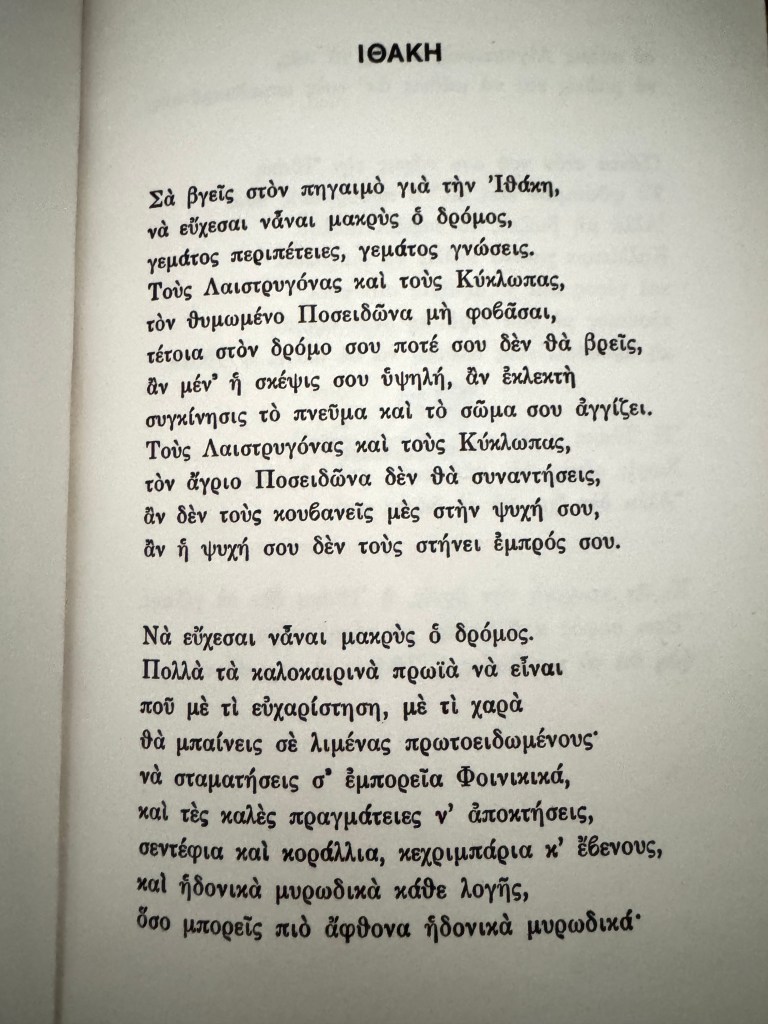
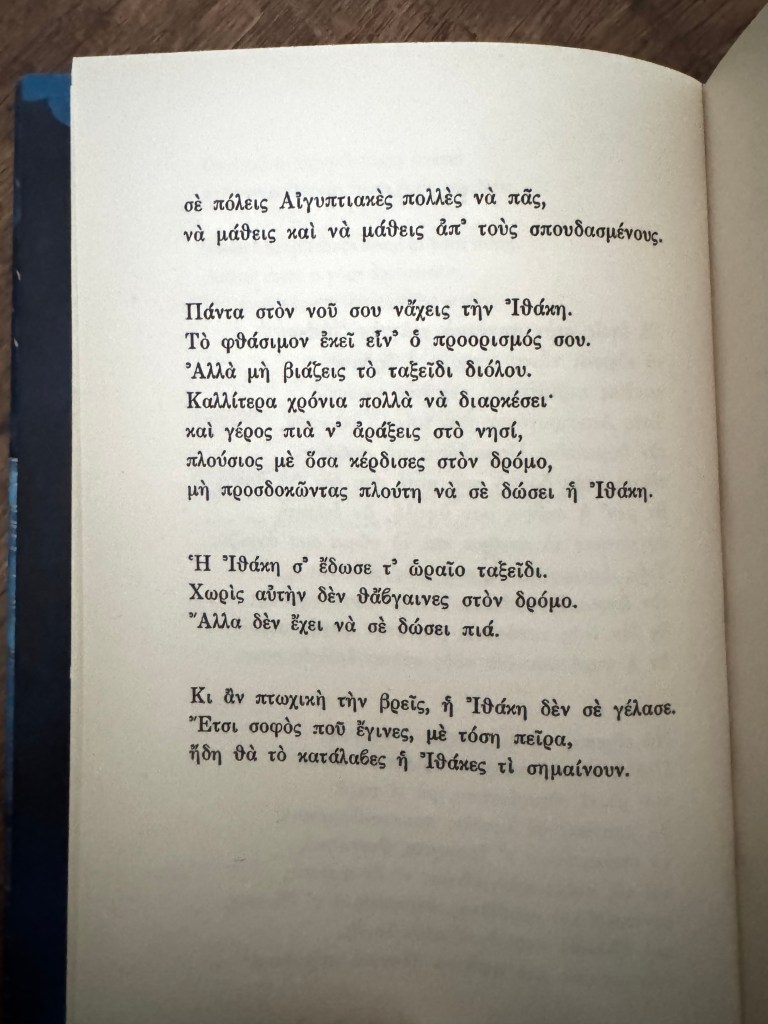
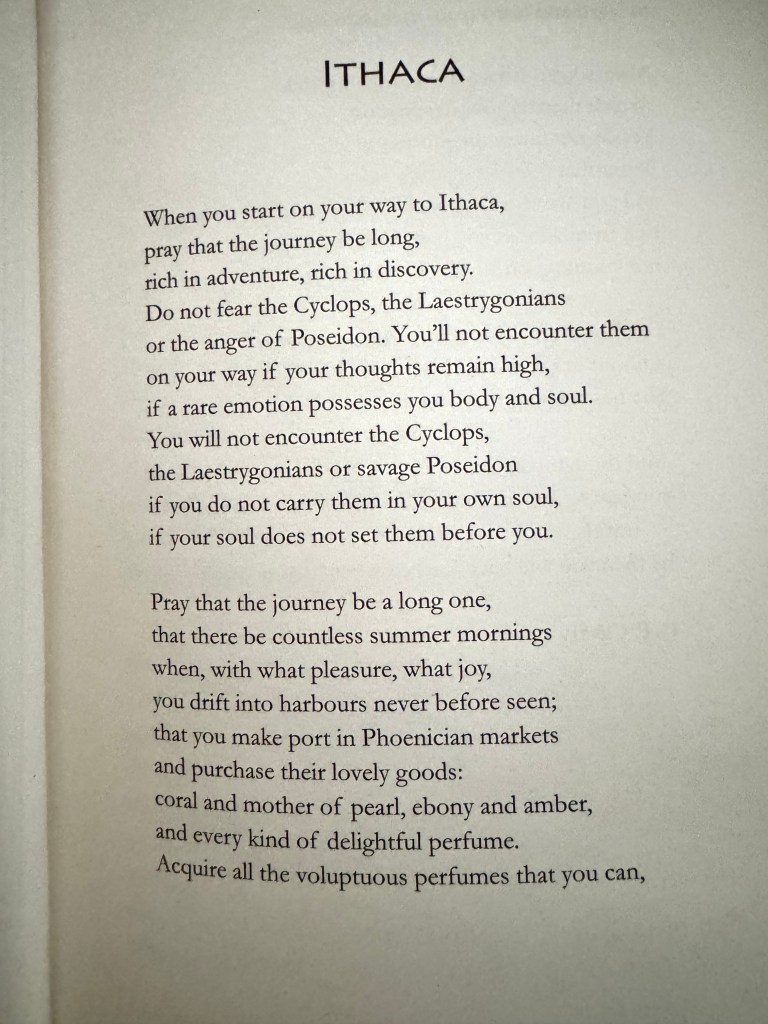
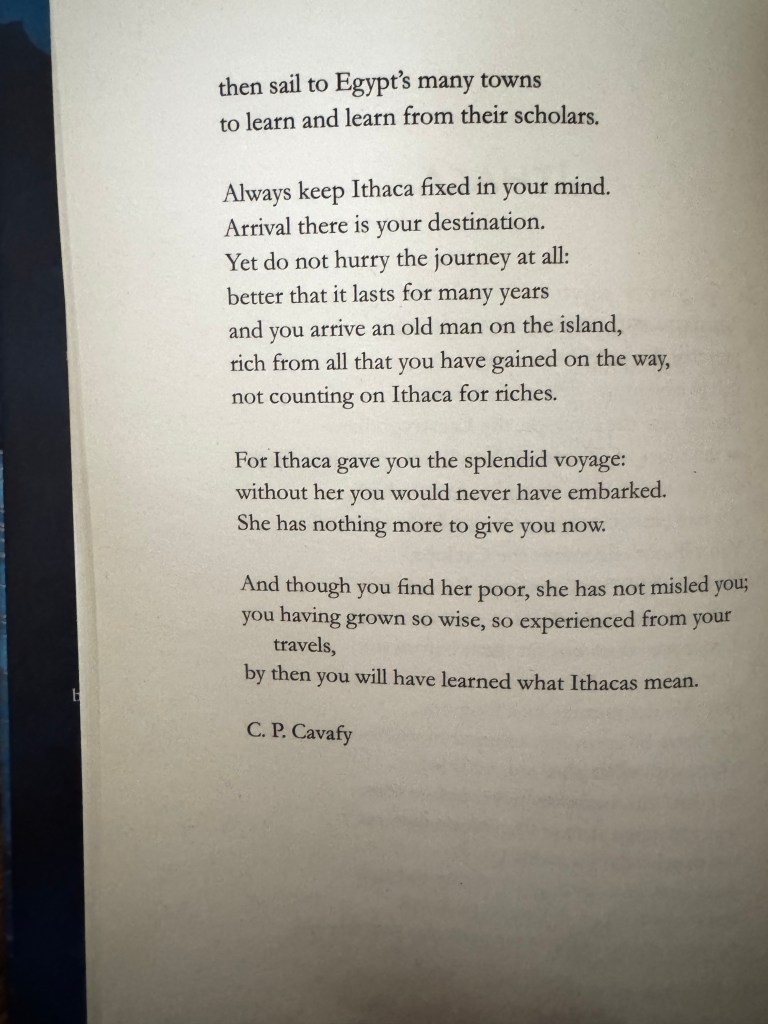
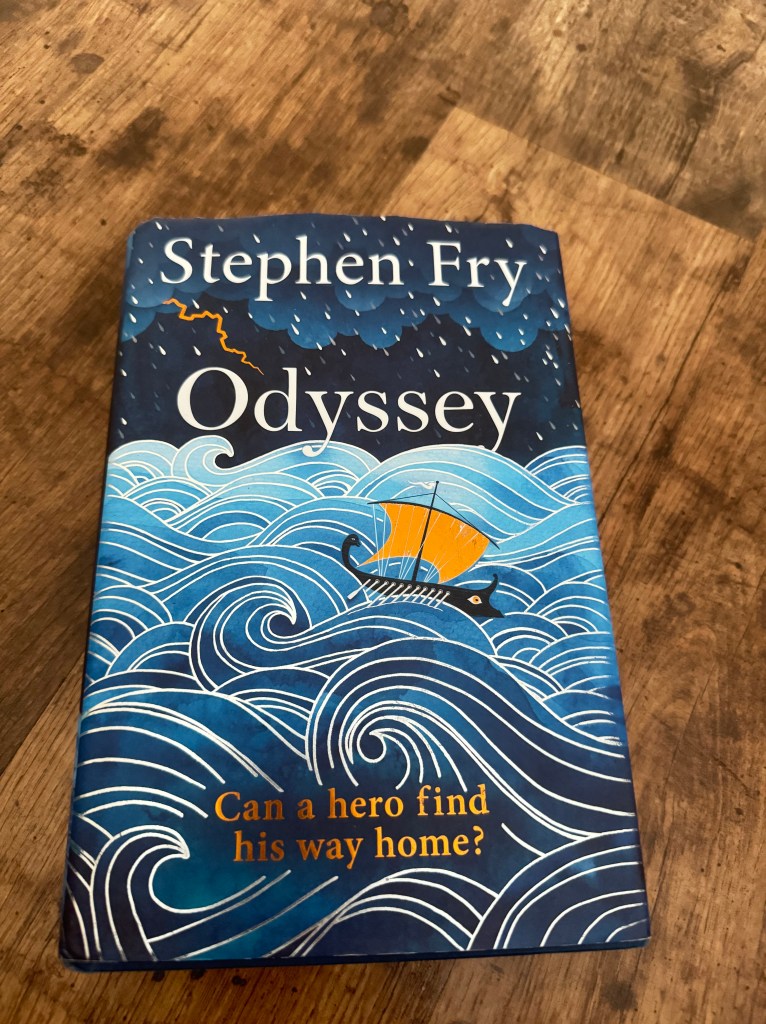
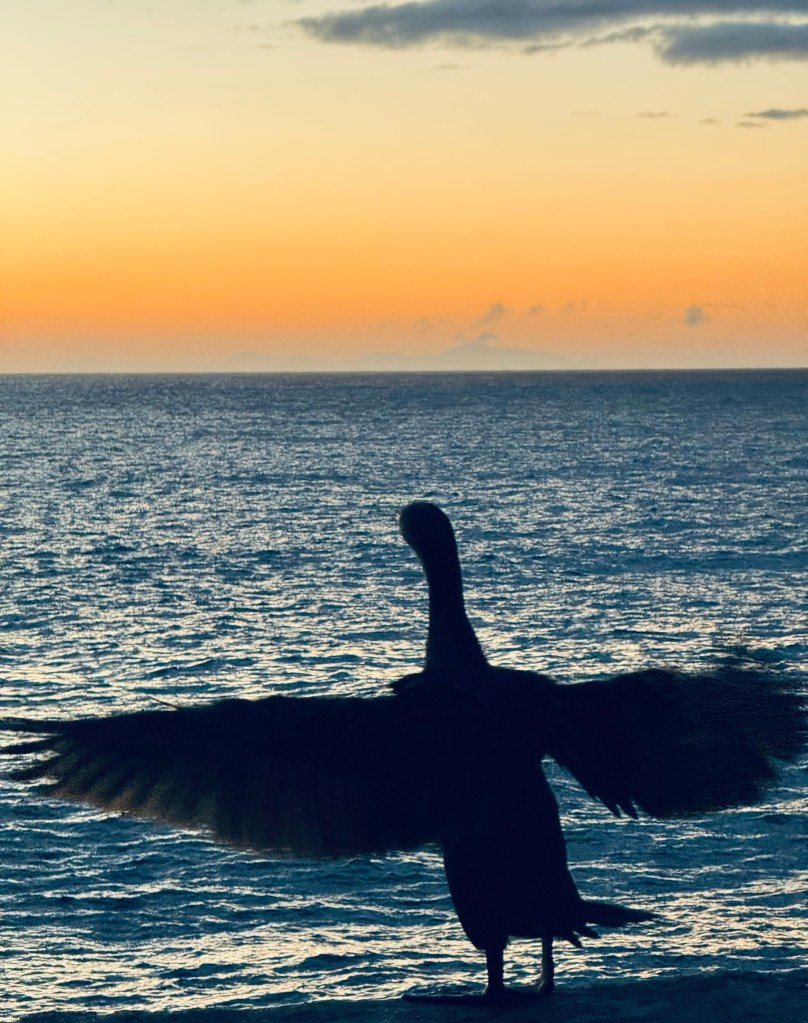
The project currently begins with a small sequence of inspirational images rather than material intended for the final narrative itself. These include photographs of pages from the Greek and English versions of the poem Ithaca, which appear in Stephen Fry’s Odyssey, alongside symbolic imagery such as a bird opening its wings against a sunset. These first images function more as conceptual and emotional references connected to the themes I want to explore, including movement, searching, migration, identity and return.
At the end of this introductory sequence, I included the recently released trailer video for the upcoming film adaptation of The Odyssey by Christopher Nolan, starring Matt Damon as Odysseus, which will be released in cinemas in the coming months. What interested me particularly was that the trailer contains English narration with Greek subtitles. I deliberately chose this version because it reflects my own bilingual and observational perspective. In a way, it feels like a meeting point between two cultures and two civilizations that continue to influence my thinking and creative practice. I embrace this interaction between Greek and English language because it mirrors my own experience of existing between countries, identities and emotional landscapes. It also connects to my growing interest in creating a similar approach within my own work, potentially combining Greek narration with English subtitles as part of the storytelling process.
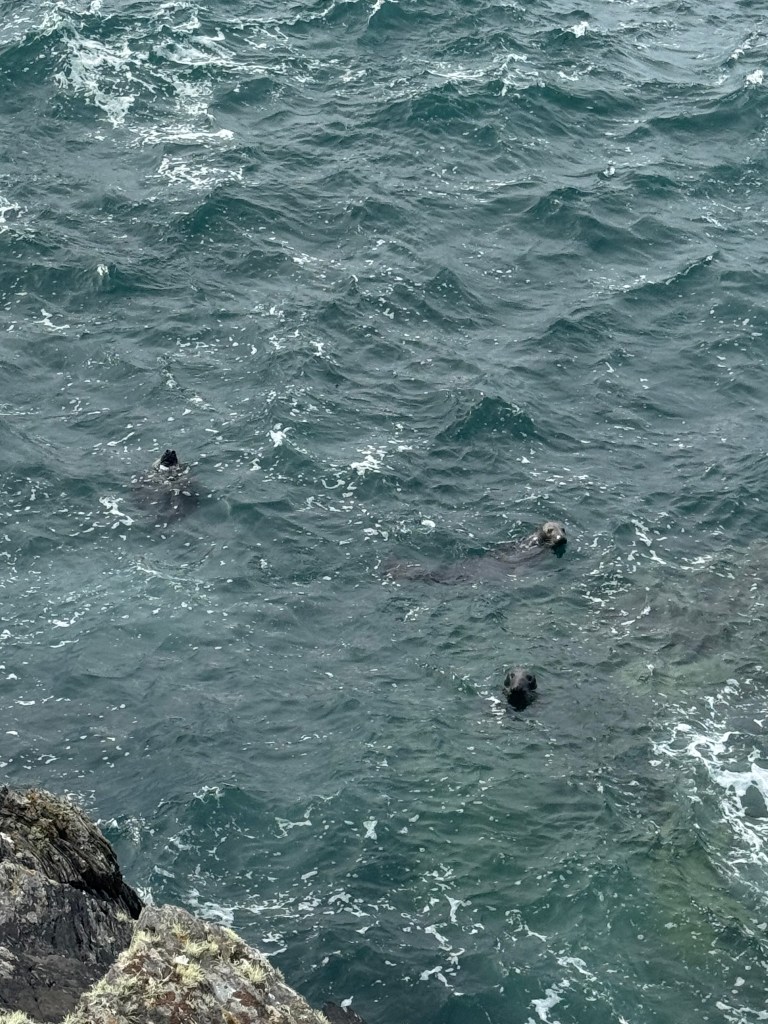
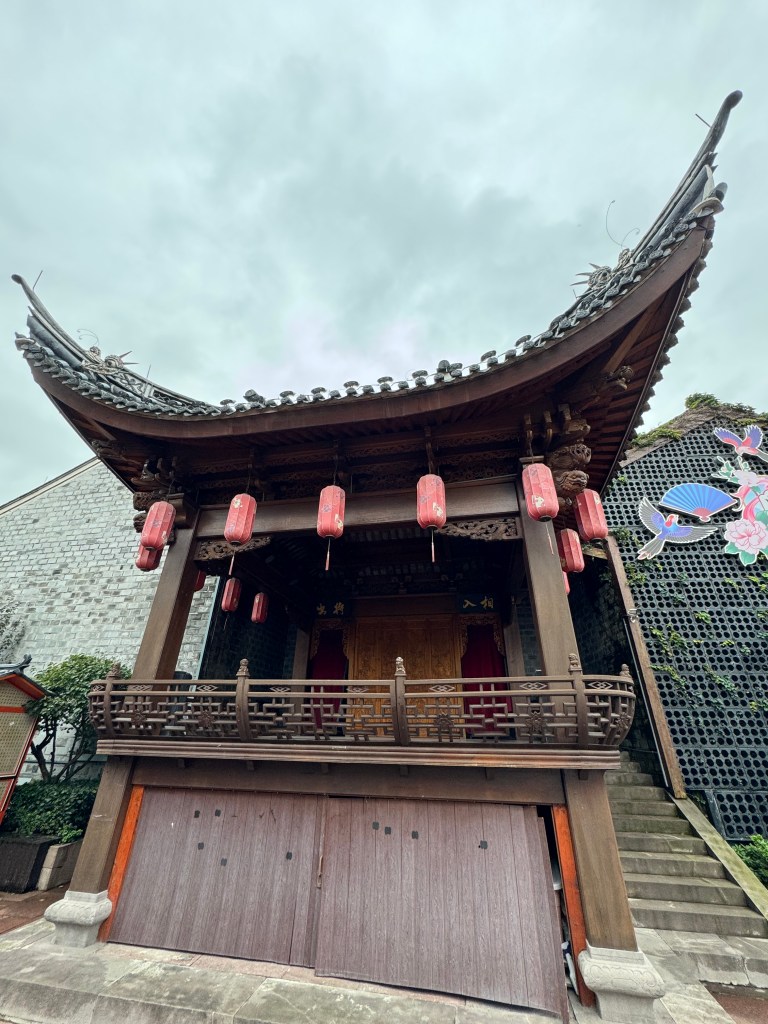
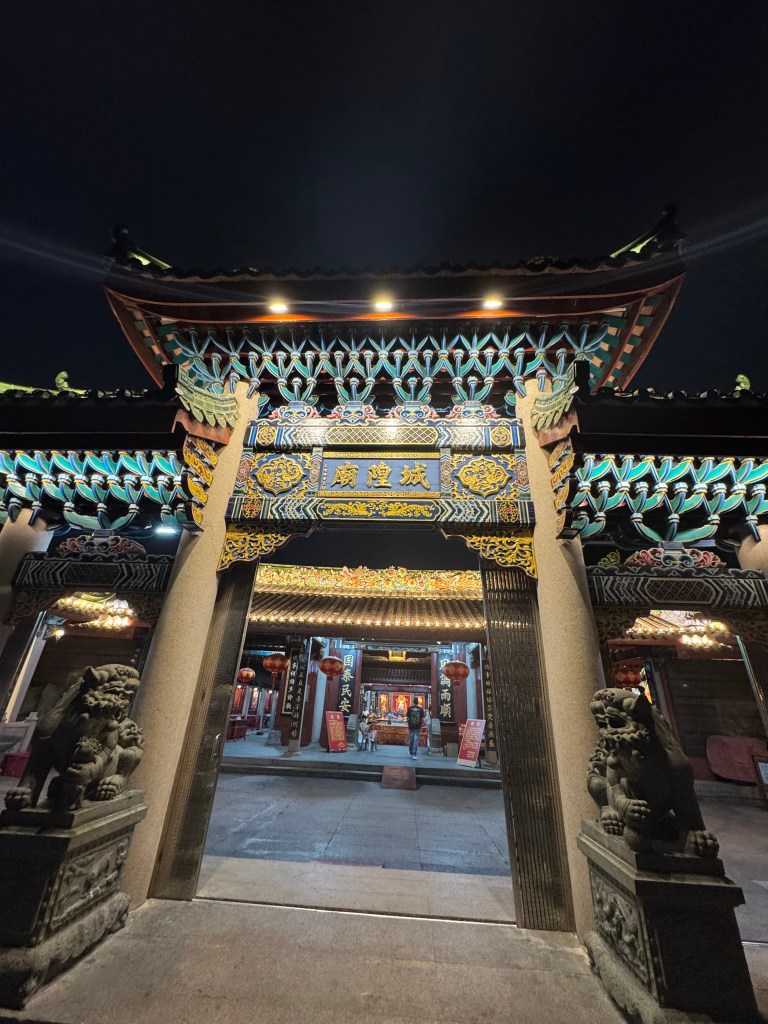
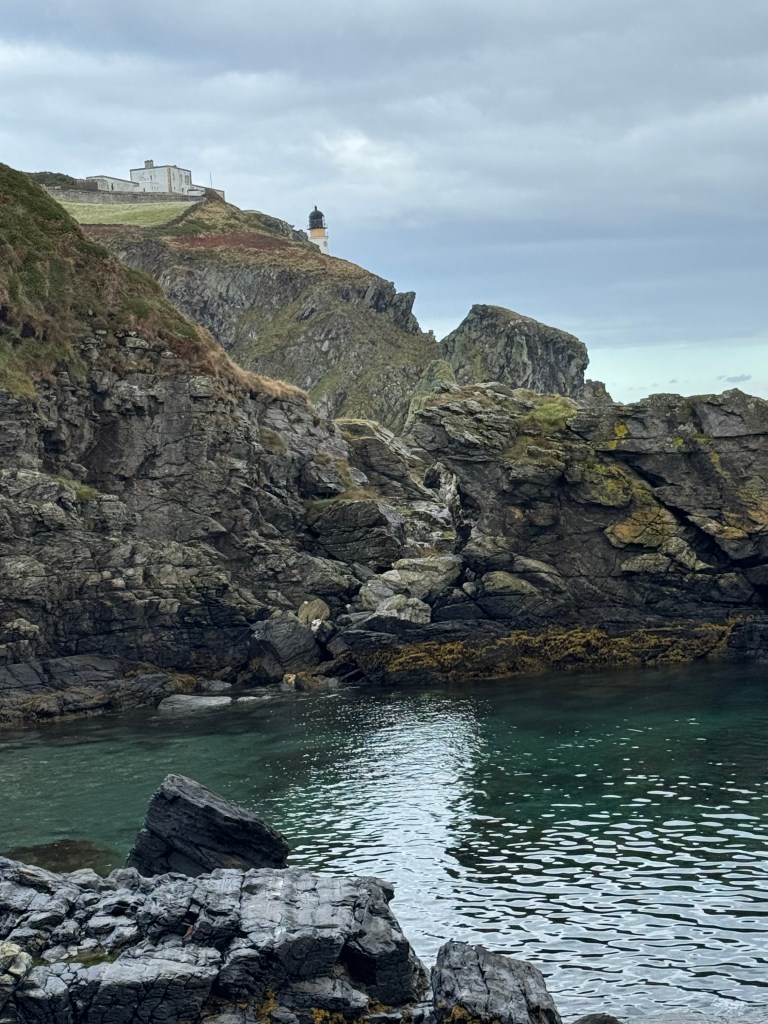
After this introduction, I uploaded over twenty photographs taken in places including China, the Isle of Man, Scotland and England. These images are not arranged as straightforward documentation, but as fragments of emotional and visual memory that slowly begin to communicate with one another. Through this process, new ideas started emerging naturally. For example, while reflecting on the story of the bird and the seal, I found a photograph of two seals in the Isle of Man. This changed my narrative thinking, as I began imagining the seals as separate voices or storytellers speaking to the bird from the sea.
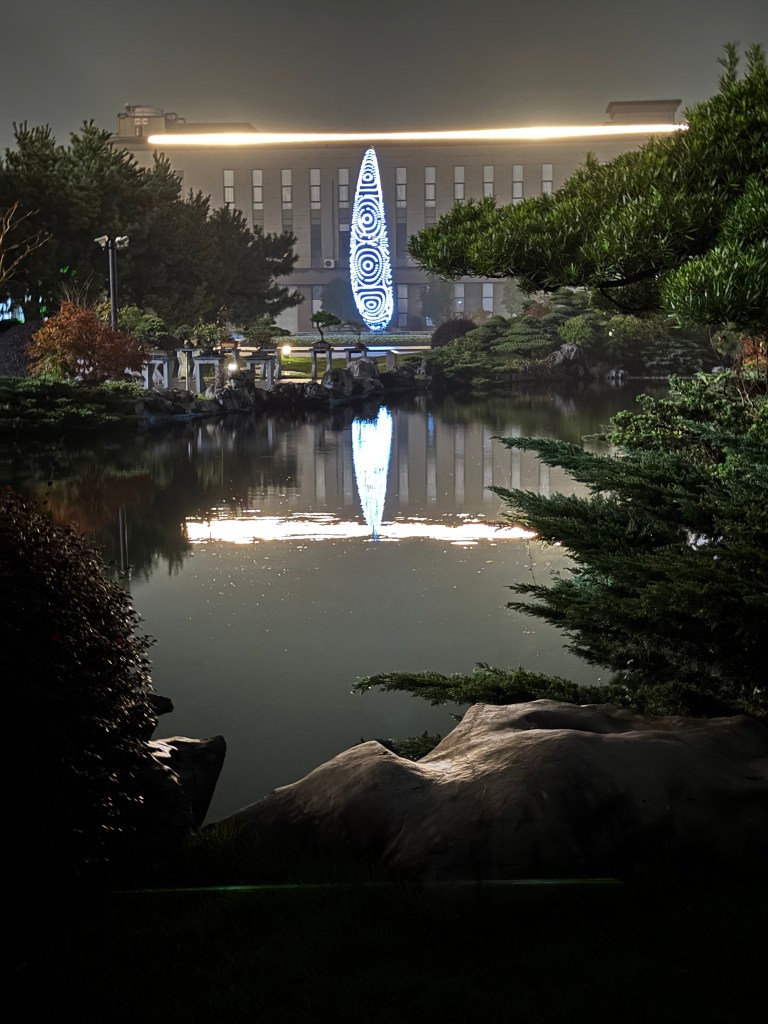
Another important photograph shows a modern illuminated structure reflected onto a quiet lake in China during the night. This image became emotionally significant for me because it represents a place where I often felt isolated and emotionally distant, yet at the same time deeply reflective and observant. It was one of the places that strongly shaped my thinking and inspired me to write my poem Kanenas, based on the moment in the Odyssey where Odysseus tells the Cyclops that his name is “Nobody.” The photograph therefore carries meanings beyond documentation or visual beauty. It represents emotional states connected to loneliness, loss of identity, endurance and self-reflection, while still holding moments of calmness and beauty within hardship.
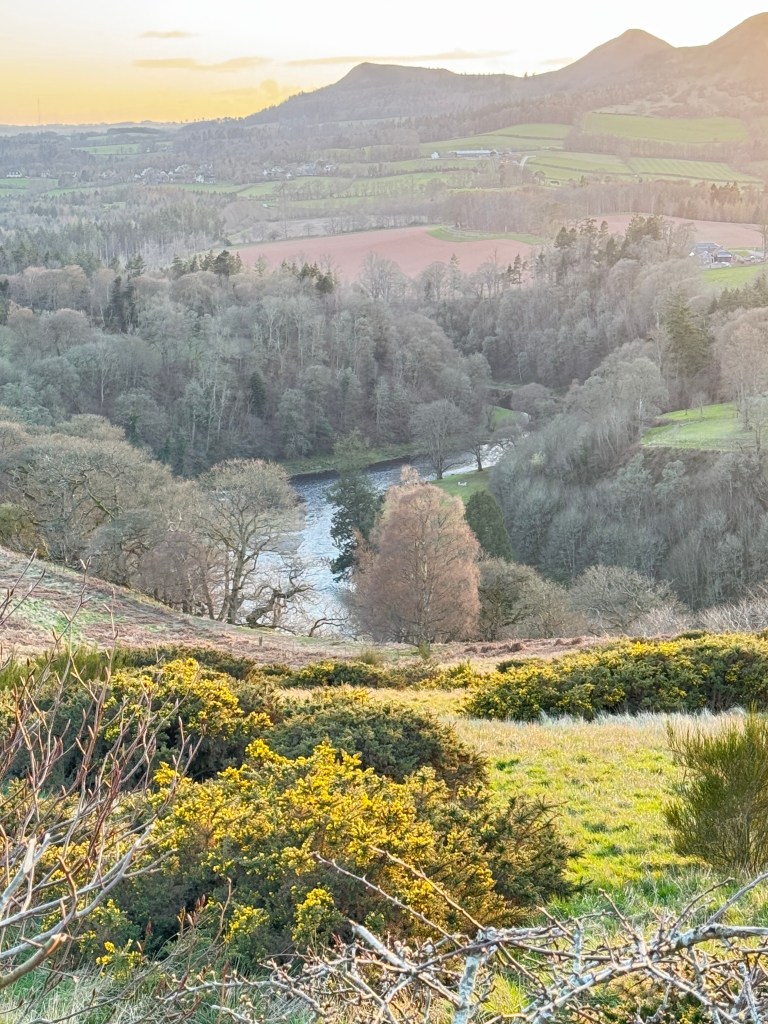
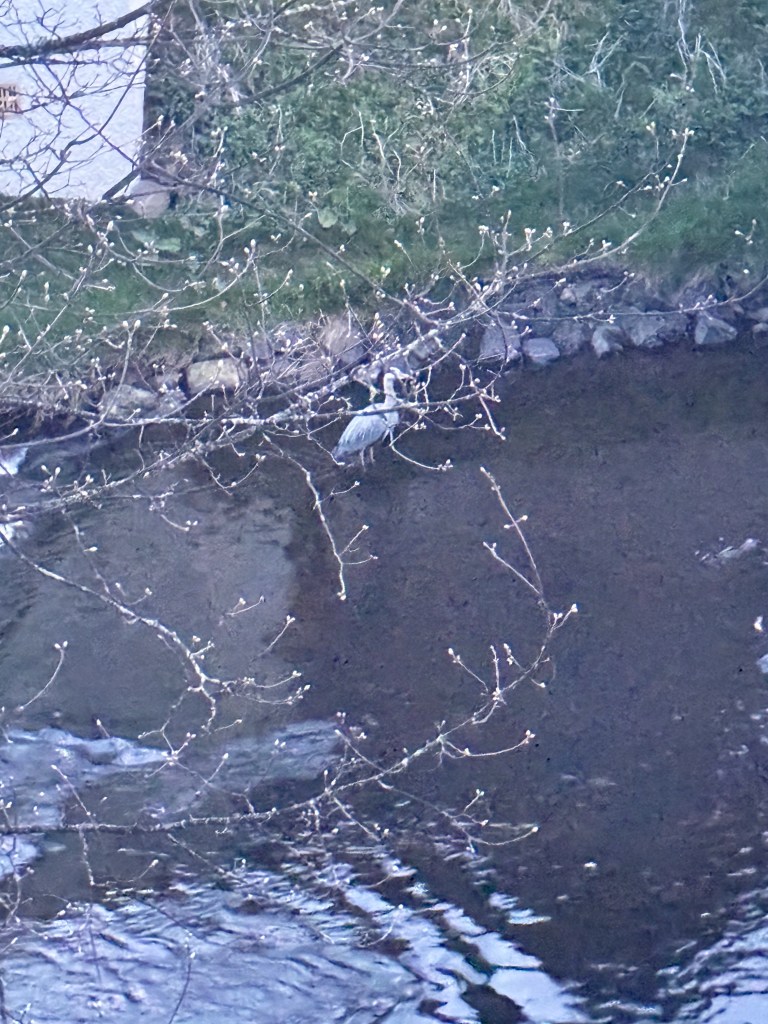
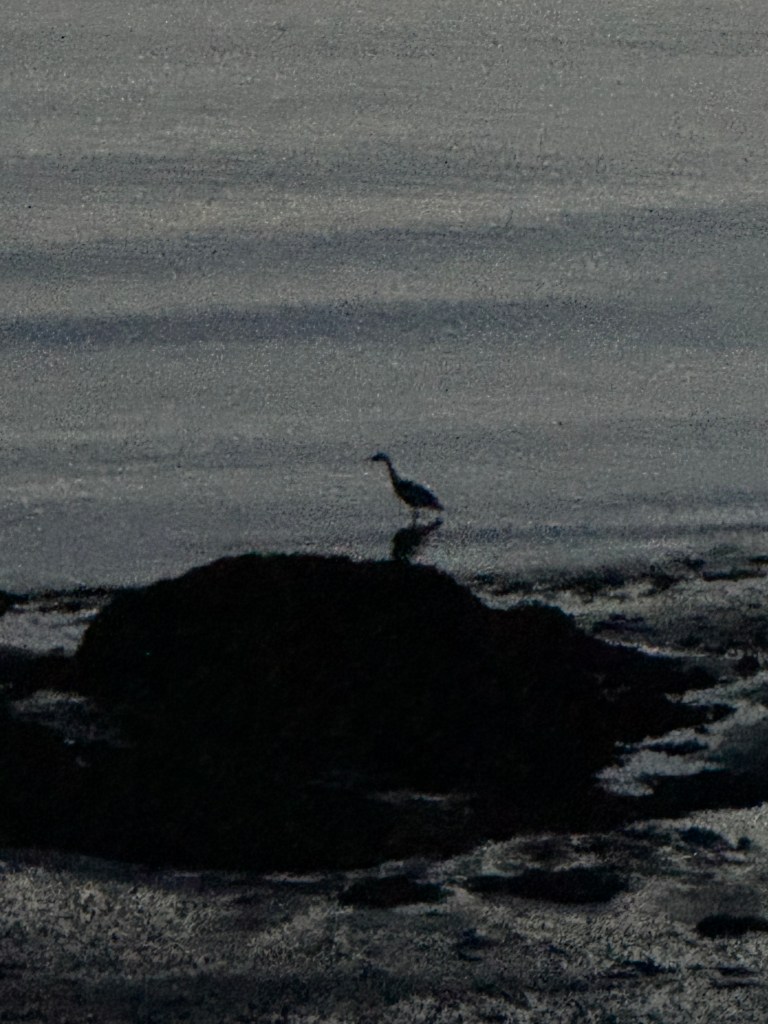
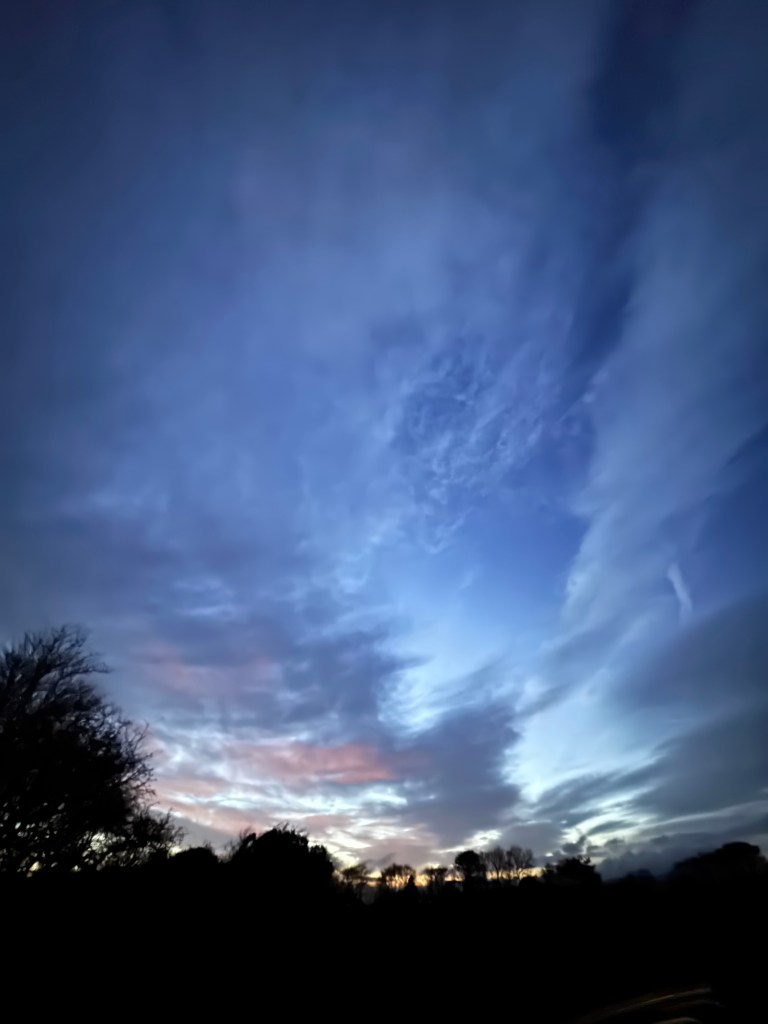
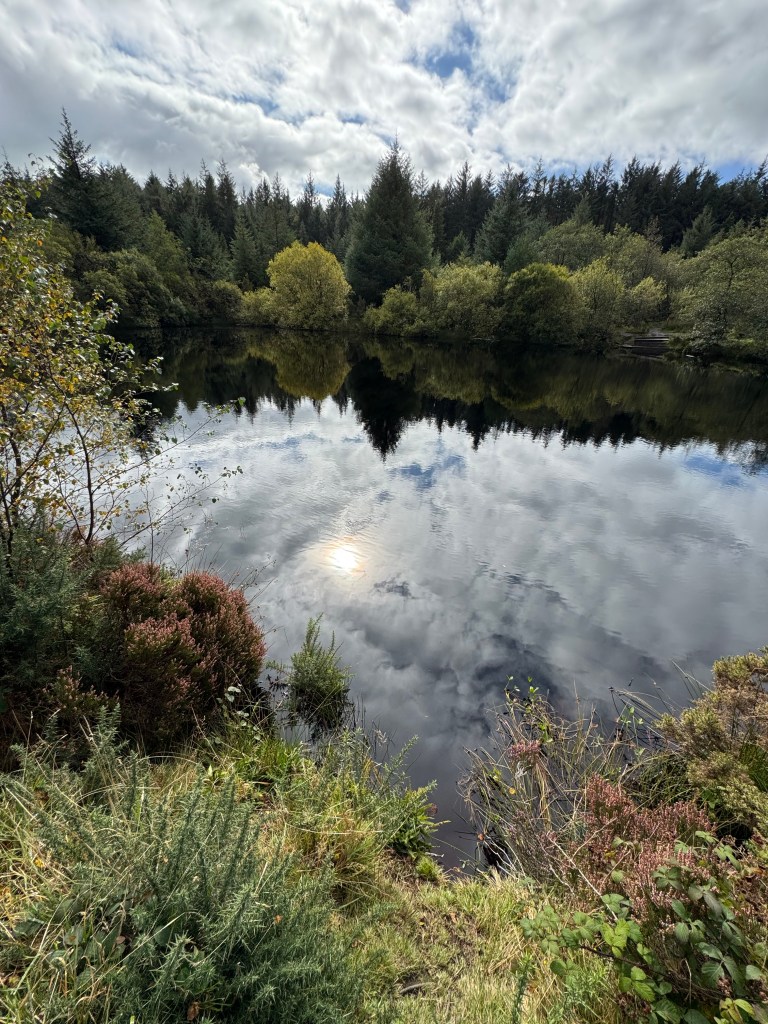
Other photographs also started forming emotional connections between different locations and moments. Images taken around the Tweed Valley near Melrose, including birds reflected on the water and birds flying over clouds and open landscapes, began to feel connected to the wider narrative of migration, observation and transition. These photographs are not yet fixed into a final sequence, but I find it fascinating how they slowly begin forming part of a larger visual puzzle. The work currently exists without a strict structure, allowing intuition and emotional reflection to guide the process.
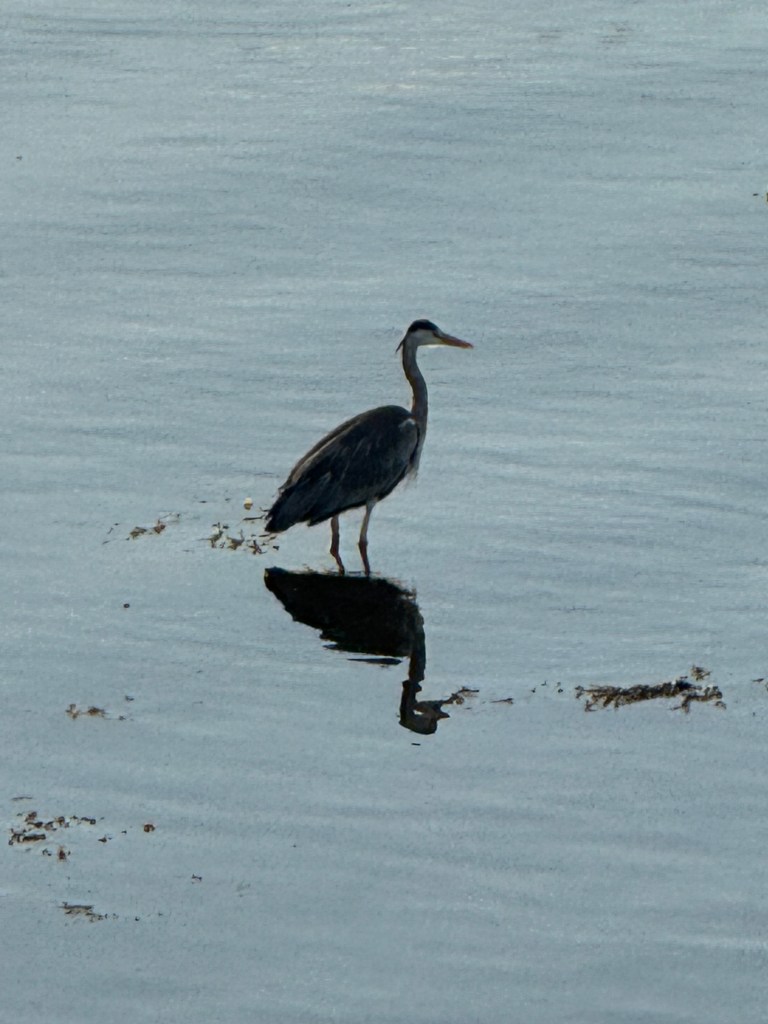
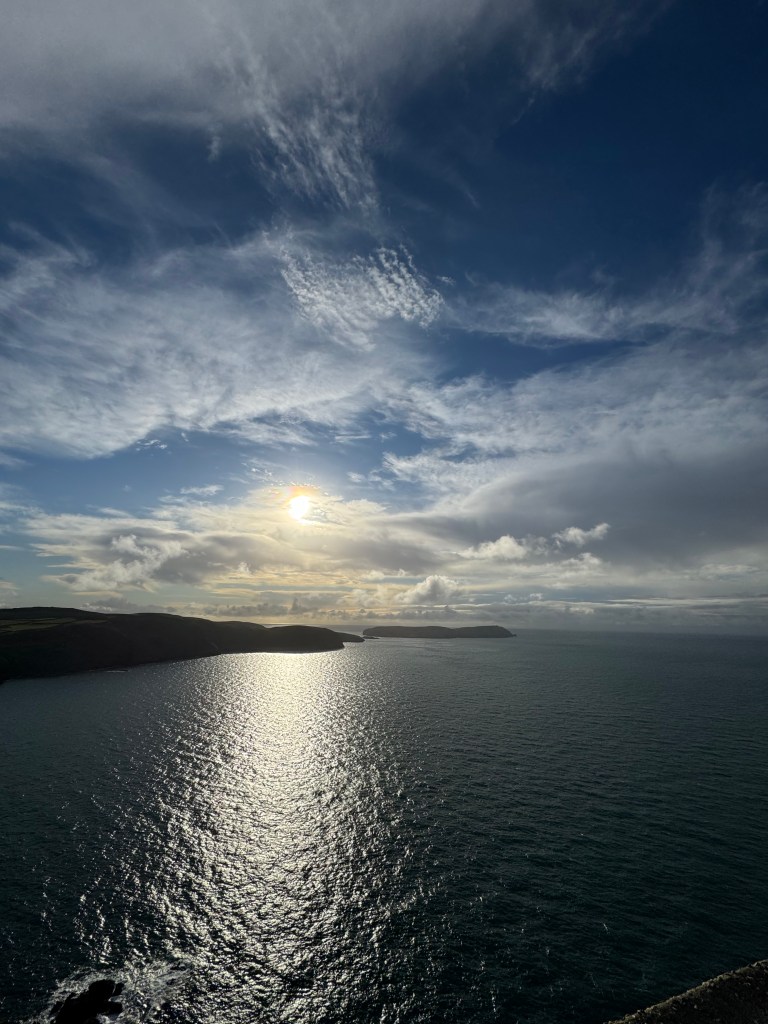
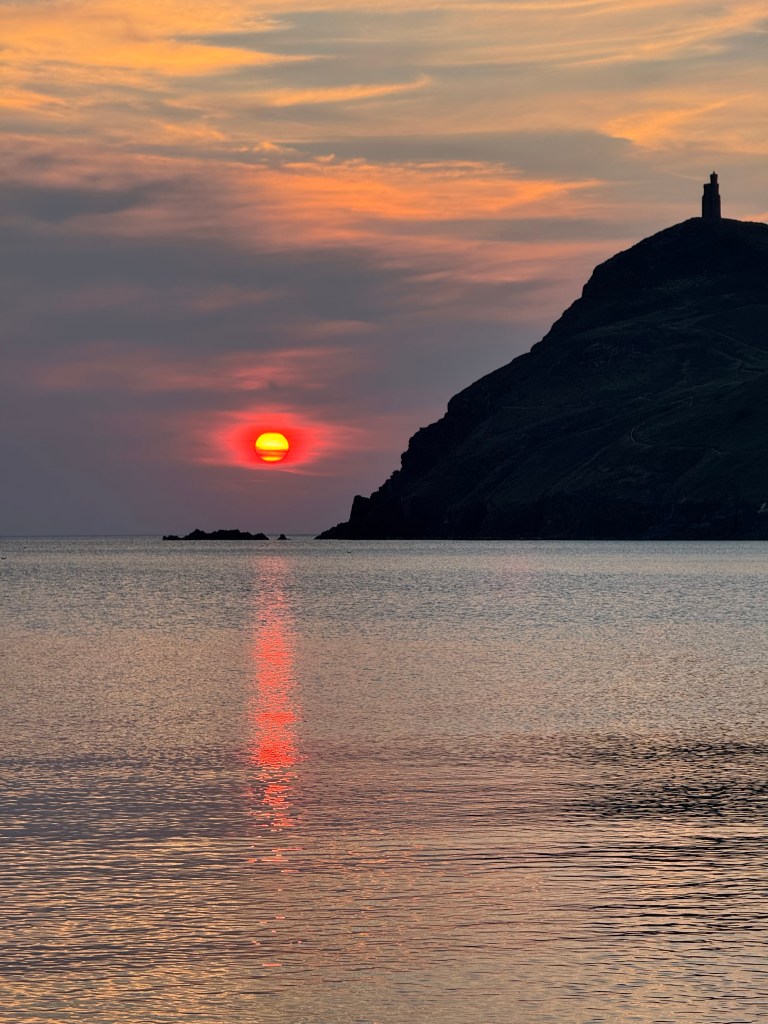
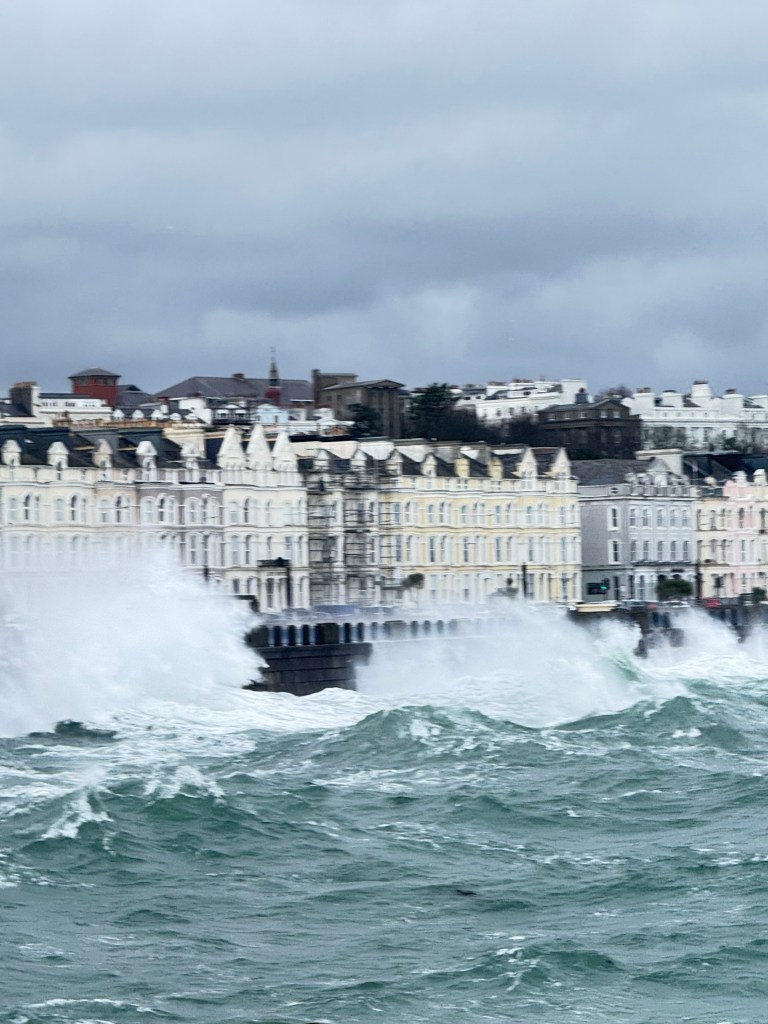
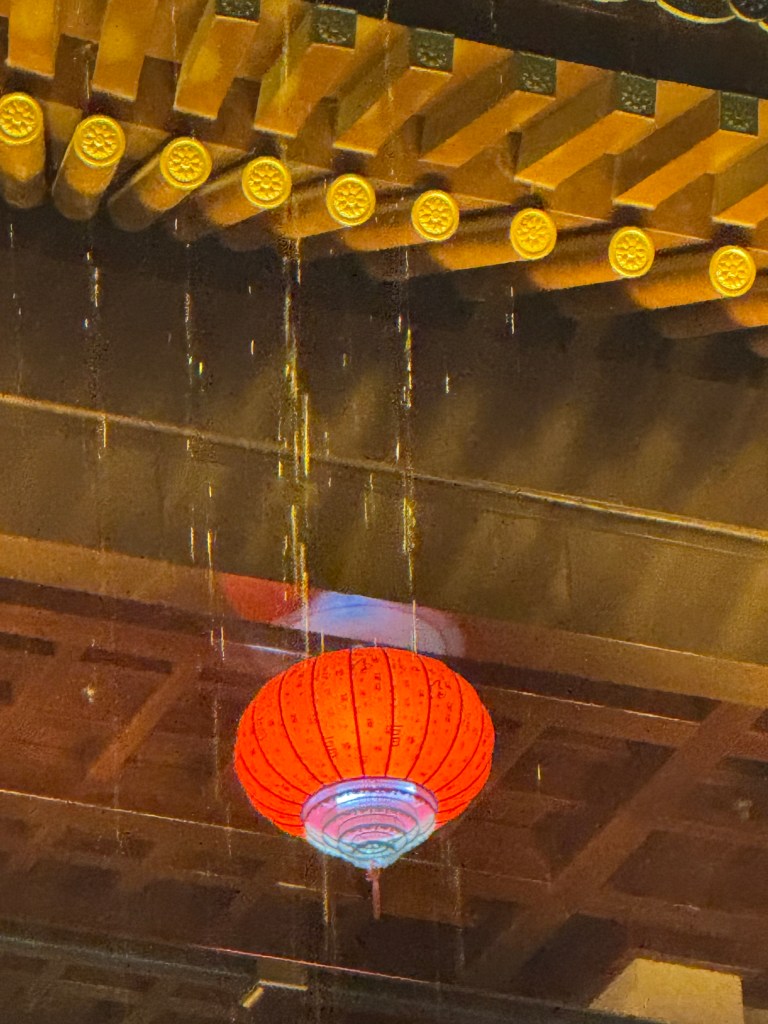
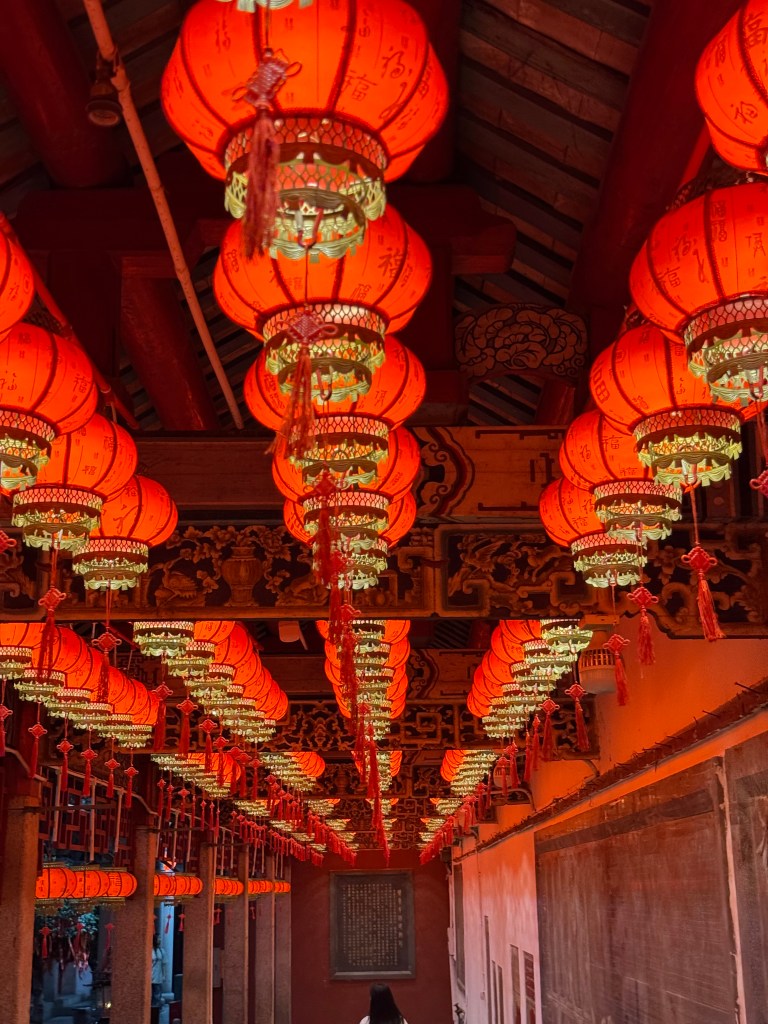
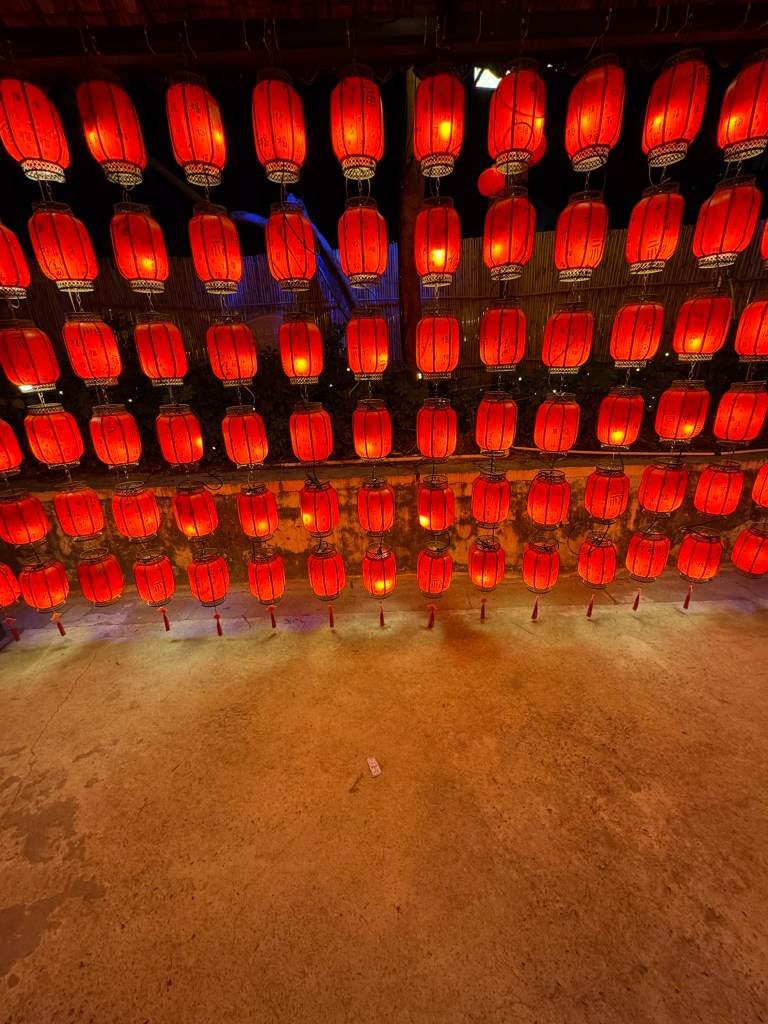
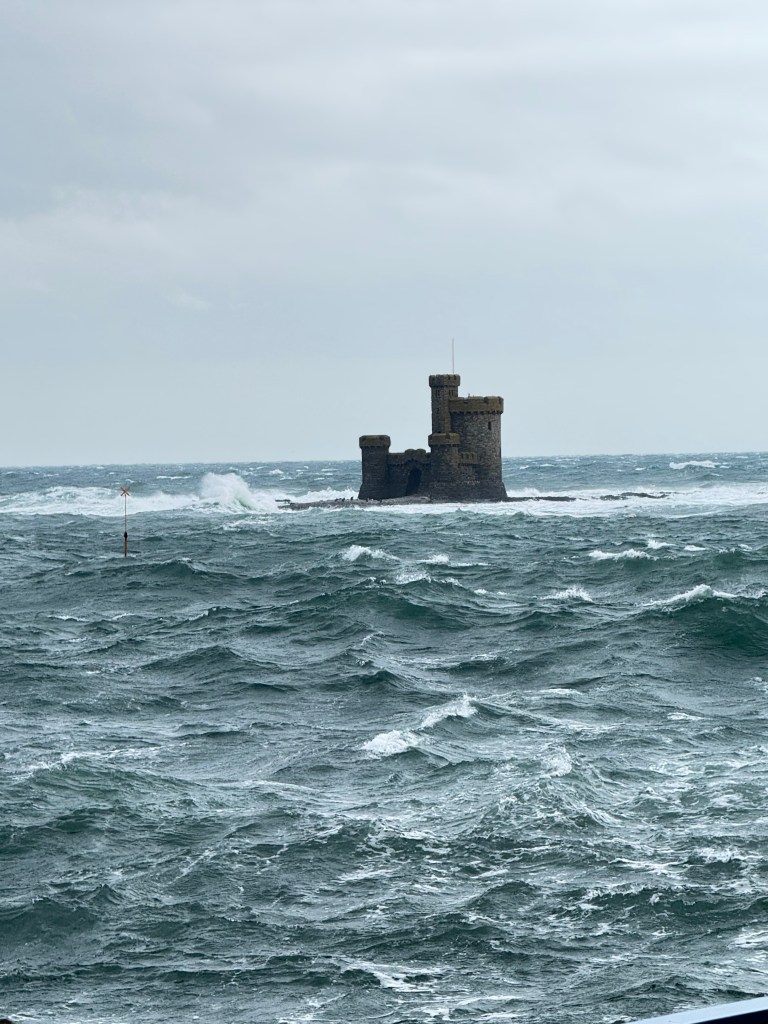
The contrasting landscapes also became important. Some Isle of Man photographs show calm waters, while others capture violent seas and storms. I realised these images could reflect both physical environments and emotional states. Similarly, photographs from China began revealing contrasts between beauty, industrialisation and identity. One image showing water droplets falling in front of glowing red lanterns in a Chinese temple created a particularly cinematic atmosphere that strongly attracted me visually and emotionally. I included this image because the lanterns themselves represent something deeply traditional and symbolic within Chinese culture, associated with memory, celebration, spirituality and collective identity. This is also why I included several photographs of lanterns taken in different places across China, as they became recurring visual symbols throughout my observations and experiences there.
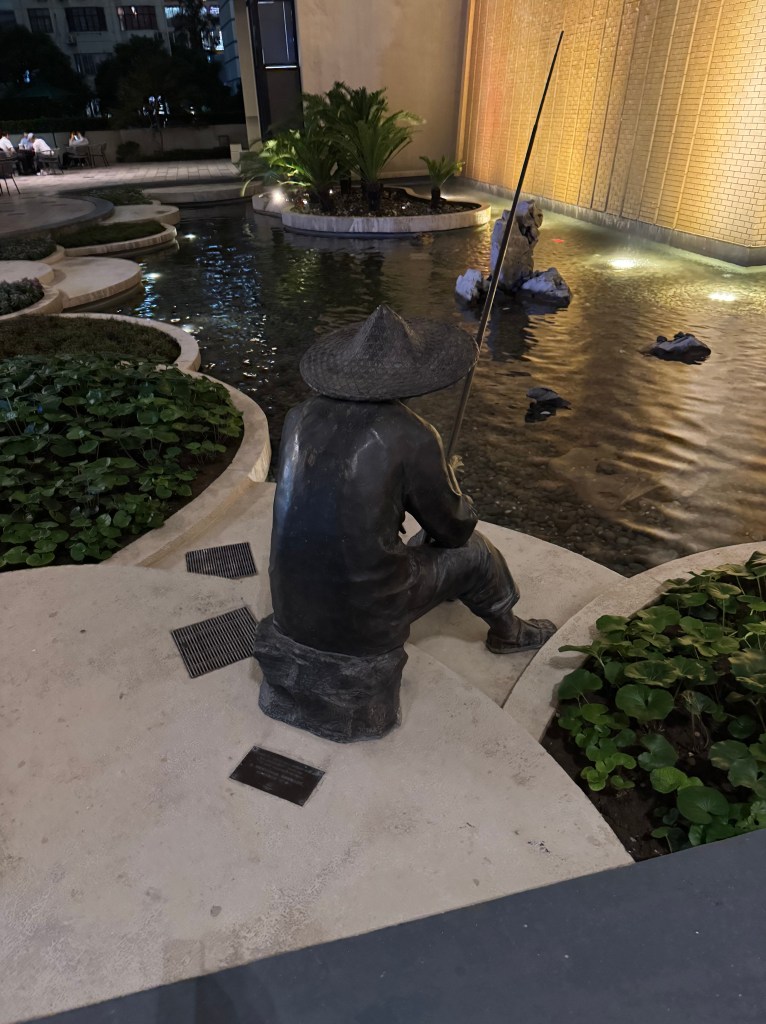
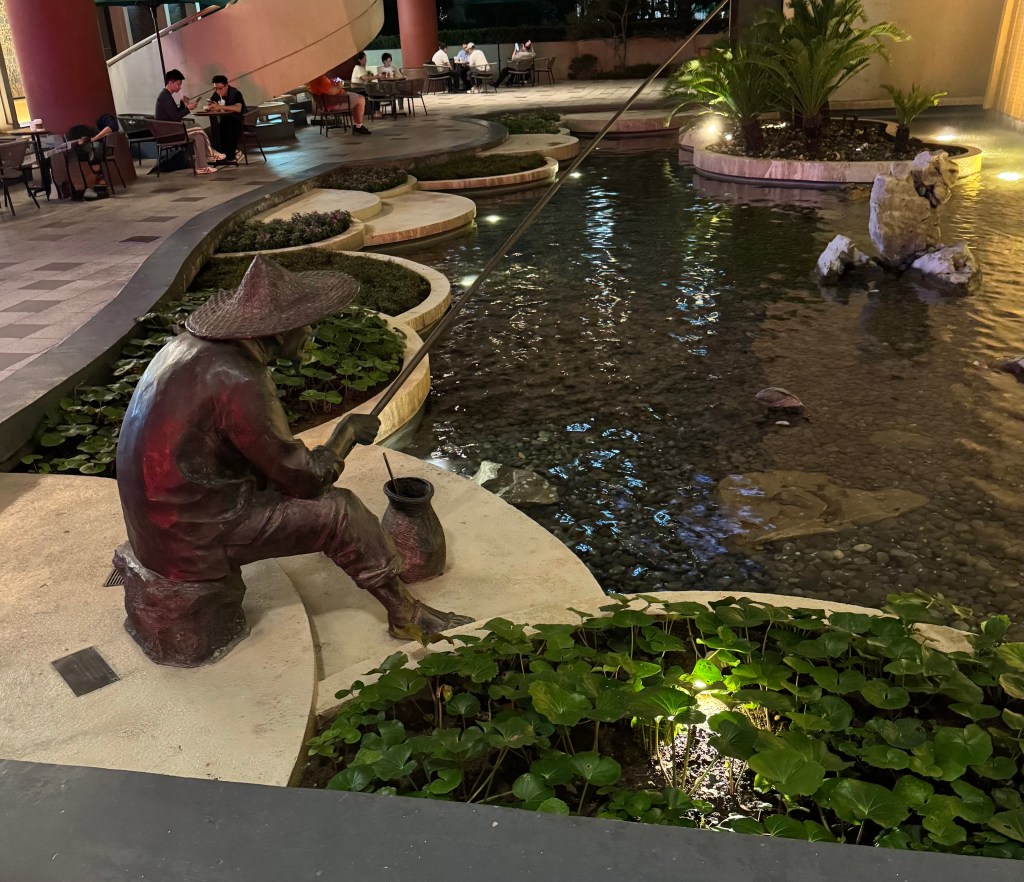
Another image that became important to me was a photograph of an old fisherman sculpture positioned outside a luxury hotel in Shanghai. What fascinated me was the contrast between the stillness of this old figure and the futuristic environment surrounding him. To me, the fisherman looked almost frozen in time, as if he belonged to another world while an enormous modern city had grown around him. Shanghai itself felt overwhelming, futuristic and beyond anything I had previously experienced, filled with movement, lights, technology and huge crowds of people. Yet this quiet sculpture gave me a strange sense of calmness and grounding, almost like an anchor within an environment that otherwise felt artificial and constantly moving. I found myself imagining that the fisherman wanted to tell a story from another era, carrying memories and traditions that still survived beneath the surface of the modern city. This emotional contrast between old and new became very important in my reflections and visual thinking.
At this point, I see the project as an ongoing exploration of memory, movement, atmosphere and identity. By uploading and revisiting these images, I am attempting to create connections between different countries, emotional experiences and visual symbols. I plan to continue uploading additional photographs and reflections as the narrative develops further. Rather than forcing a fixed outcome, I want the work to evolve organically through interaction between image, place, text and personal reflection.
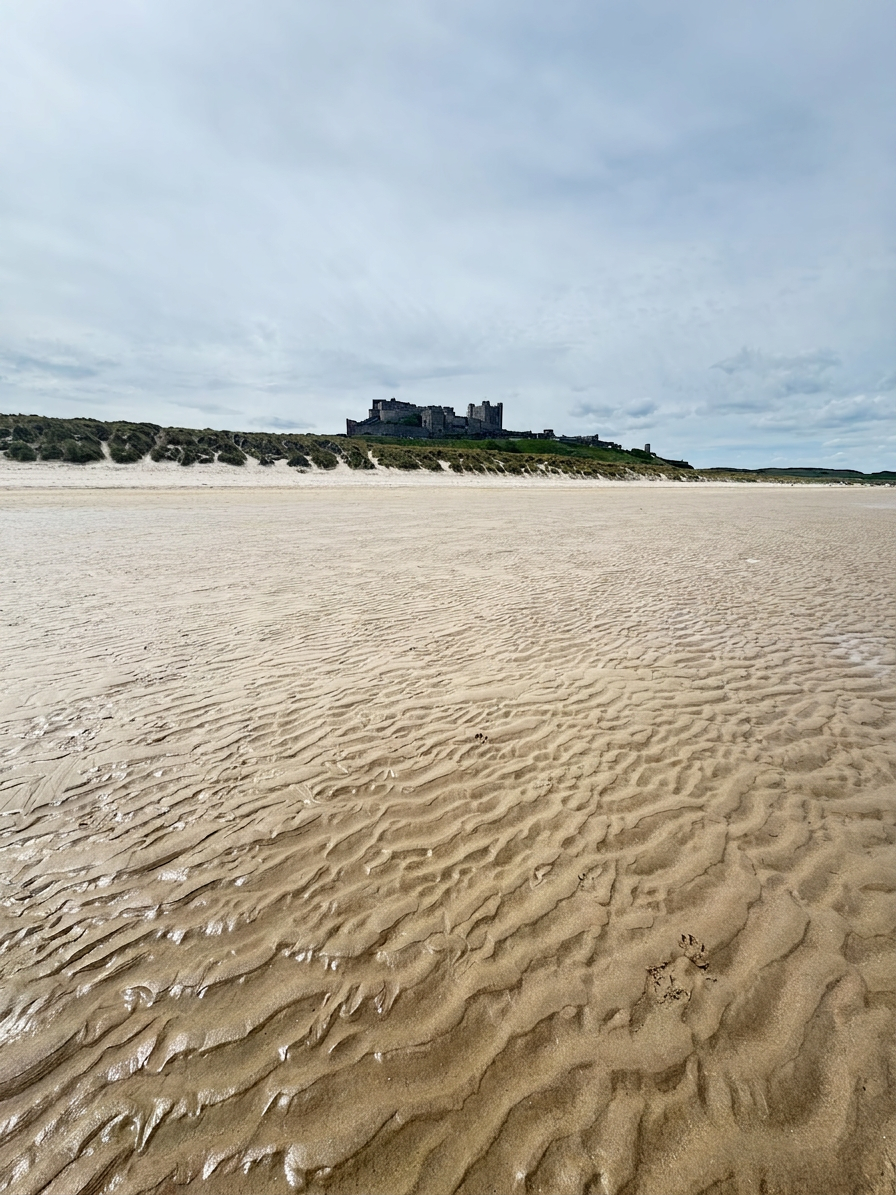
During this recent journey through Eyemouth, St Abbs, Bamburgh Castle and Holy Island, I found myself collecting images not simply as photographs, but as emotional encounters and fragments of an evolving visual narrative. The dramatic skies, isolated coastal landscapes and shifting tides seemed to mirror internal thoughts as much as physical places. Gradually, the images began forming connections between themselves, almost like pieces of a visual poem still trying to reveal its full meaning.
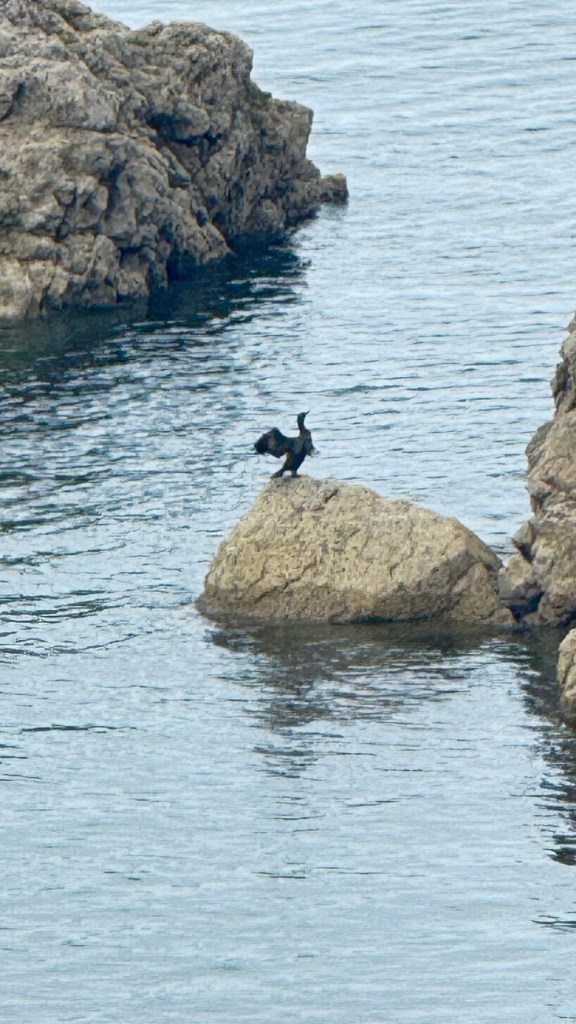
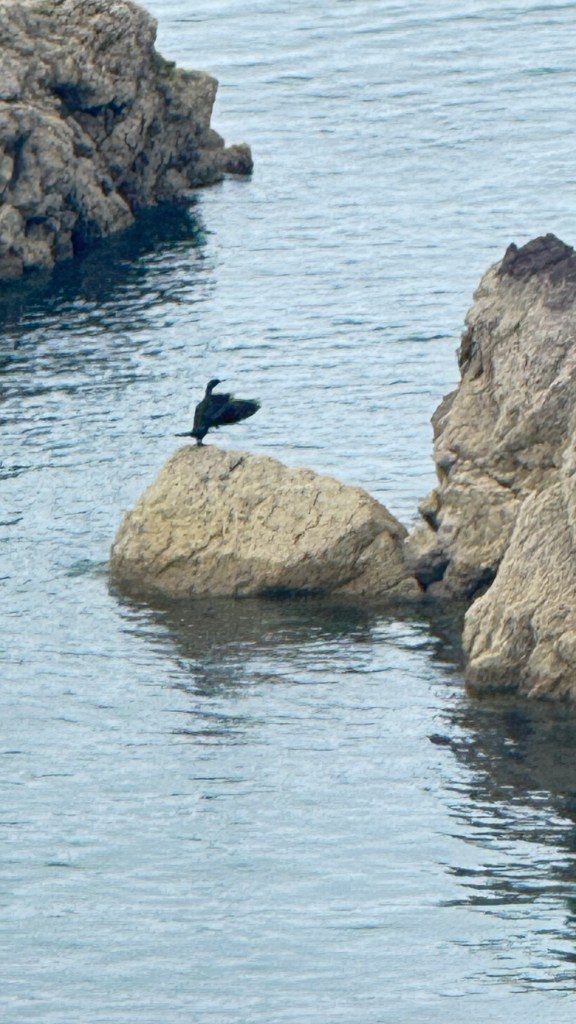
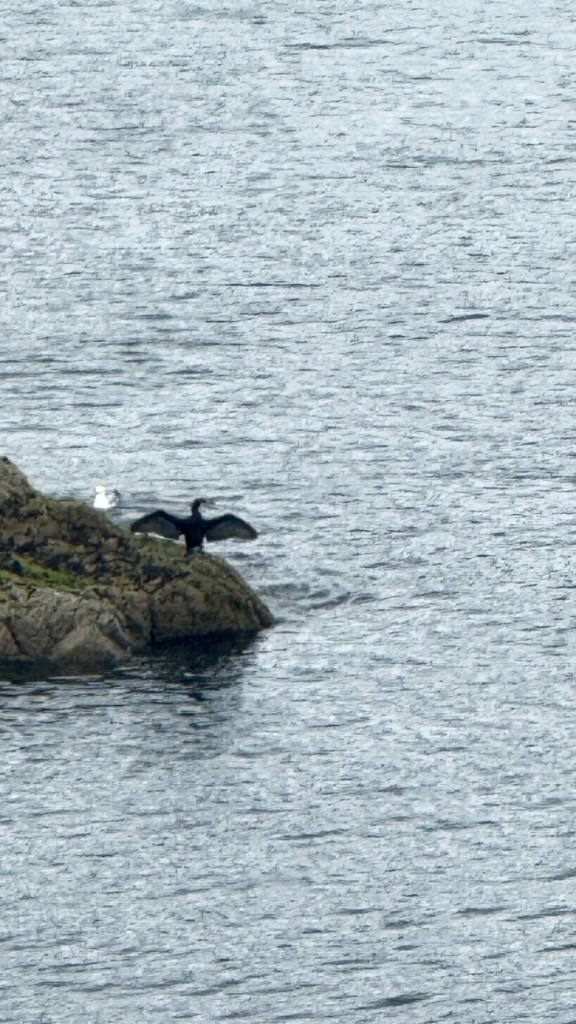
A recurring presence within the work became birds. At St Abbs, I photographed a cormorant standing between sea, rock and sky, extending its wings while surrounded by circling seagulls. The image immediately spoke to me, not because it represented one specific idea, but because it carried emotional presence. When I later showed the image to different people, everybody interpreted it differently. Some saw loneliness, others freedom, resilience, tension, vulnerability or strength. This became an important realization for me. The image itself remained the same, yet each viewer entered it through their own emotions, memories and experiences.
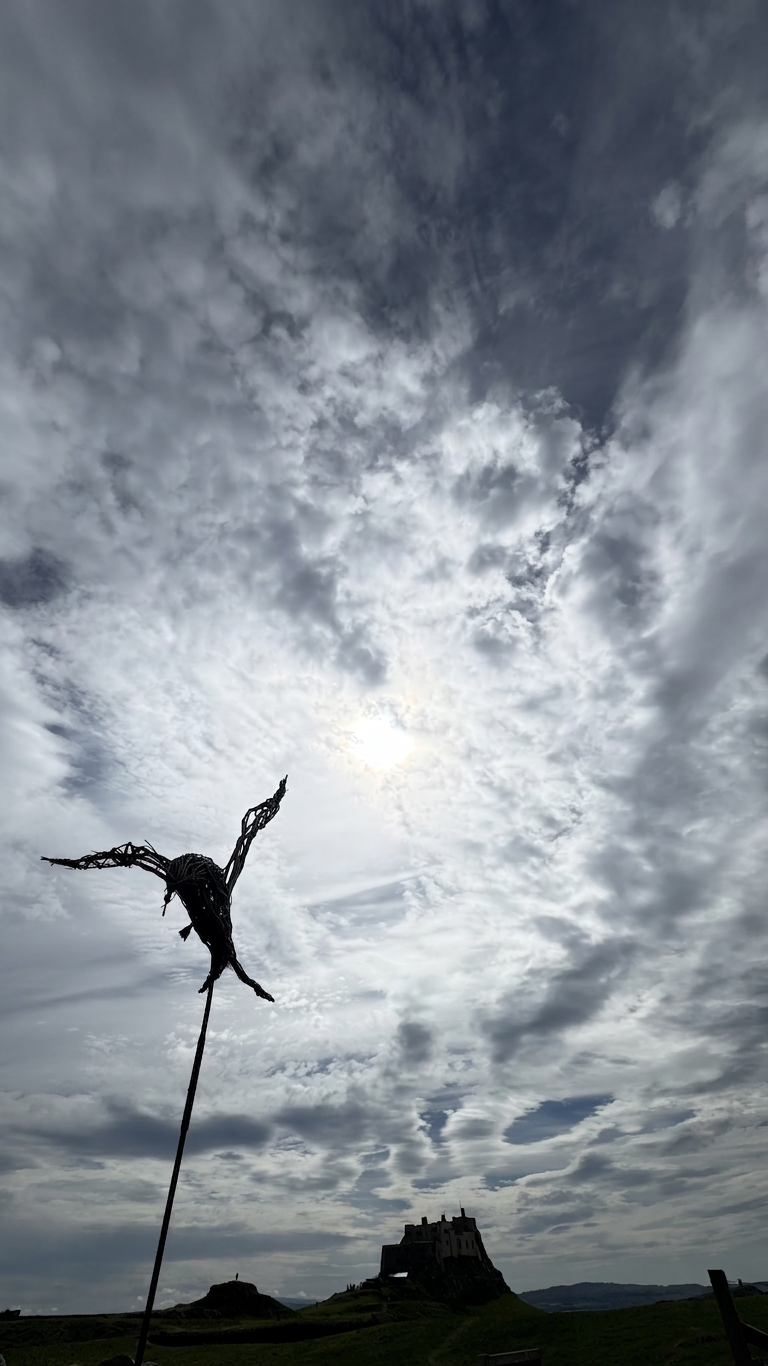
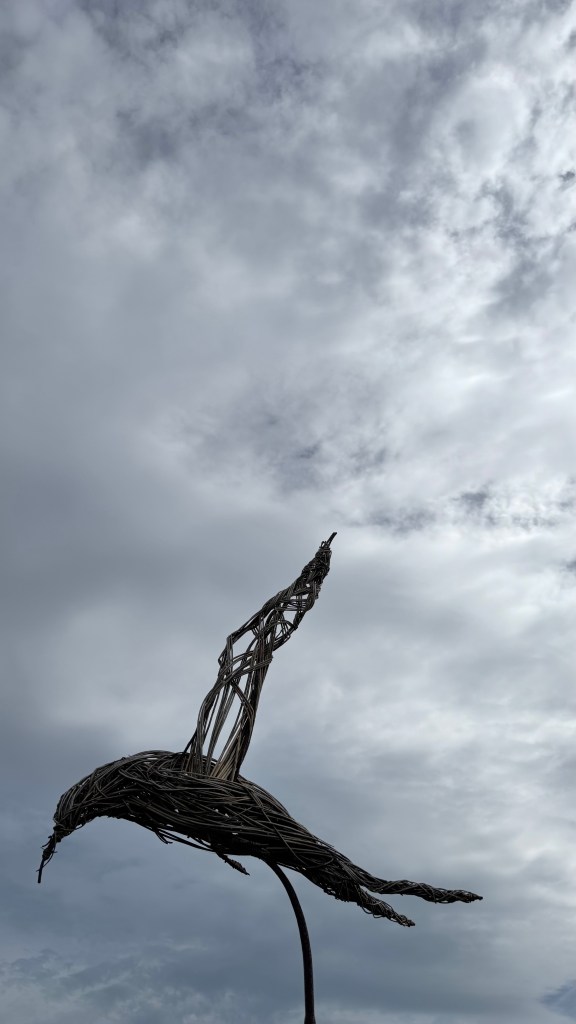
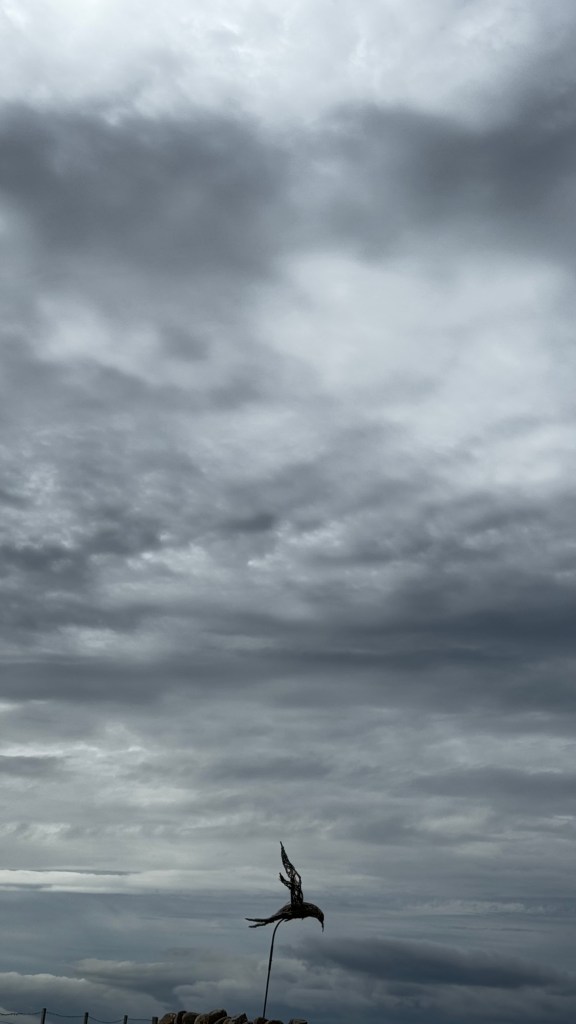
This idea became even stronger when I encountered a woven bird sculpture on Holy Island. Suspended against the sky and exposed to the wind, the sculpture appeared both grounded and in flight. The pole supporting it became deeply symbolic to me. It could be interpreted as restriction, dependence, stability or even survival. I connected it strongly to migration, work and movement through life. Sometimes the same force that keeps someone elevated and moving forward can also become the thing that prevents complete freedom.
Through this process, I began to understand more clearly what I want my artistic practice to become. I am not trying to create fixed meanings or visual answers. I want to create connection. The Bird Who Came From Afar still feels like a story that is slowly forming and searching for its final shape, and these photographs help me understand that process more deeply. I increasingly see my practice as a form of visual poetry, where images remain emotionally open and capable of speaking differently to every person who encounters them.

