Research point (P.181)
As you look at fashion images, focus on the image itself as well as the garment it
represents and note down which textile qualities the photographer has brought to
the fore and how they’ve achieved this. You may wish to look at fashion images by some of the
following photographers:
• Irving Penn
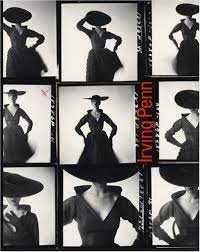
Irving Penn was one of the twentieth century’s great photographers, known for his arresting images and masterful printmaking.
• Mario Testino

Women’s costume for the Tupay dance in Peru | Photo: Mario Testino/
Mario Testino captures the dance from its flirtatious and accelerated pace to the details that define its costumes: voluminous skirts, intricate filigree jewelry, scarves and sashes. This book is an invitation to contemplate Marinera’s origin and evolution. It is a celebration of a celebration.
• Richard Avedon

A fashionably dressed model in a Dior dress roller skates through Place de la Concord, Paris, with a high-stepping guy in a three-piece suit.
• Terry Richardson
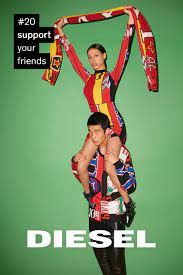
Terry Richardson’s work revolves around repetitive themes including celebrities, sexual ideas, nudity and unusual humor.
• Sarah Moon
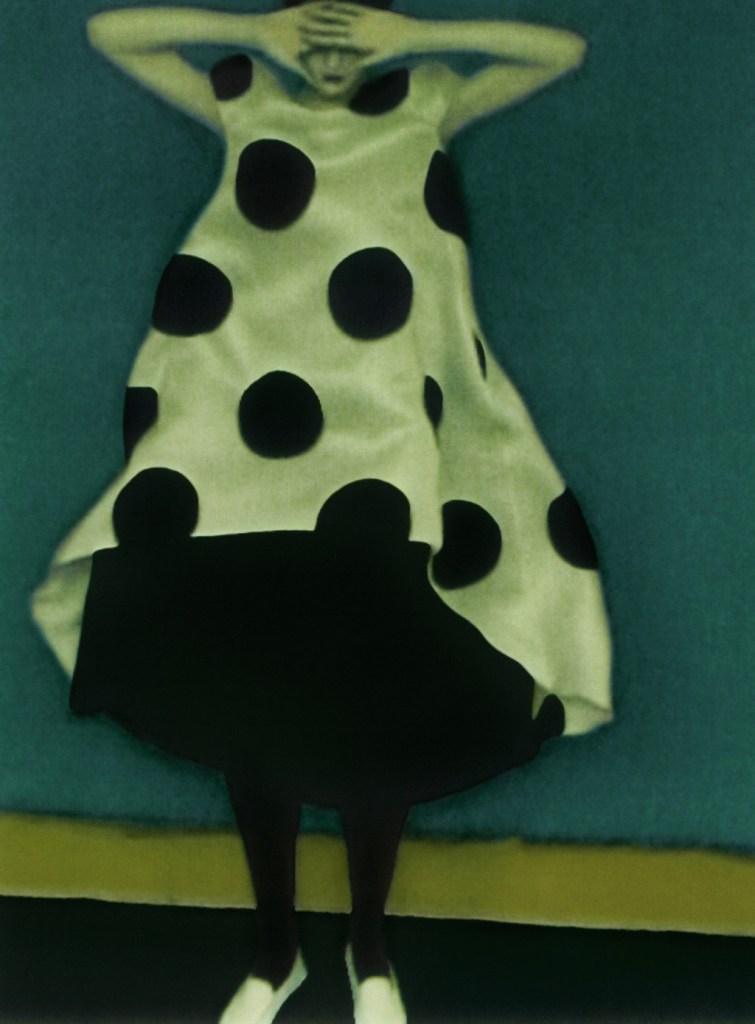
Ethereal and elegant, Sarah Moon’s photographs are almost abstract in their painterly qualities. Texture, surface, seeing, believing, dreaming; it is difficult to summarise their content without pointing to the evident romantic and melancholic mood that emanates from the work.
• David Lachapelle
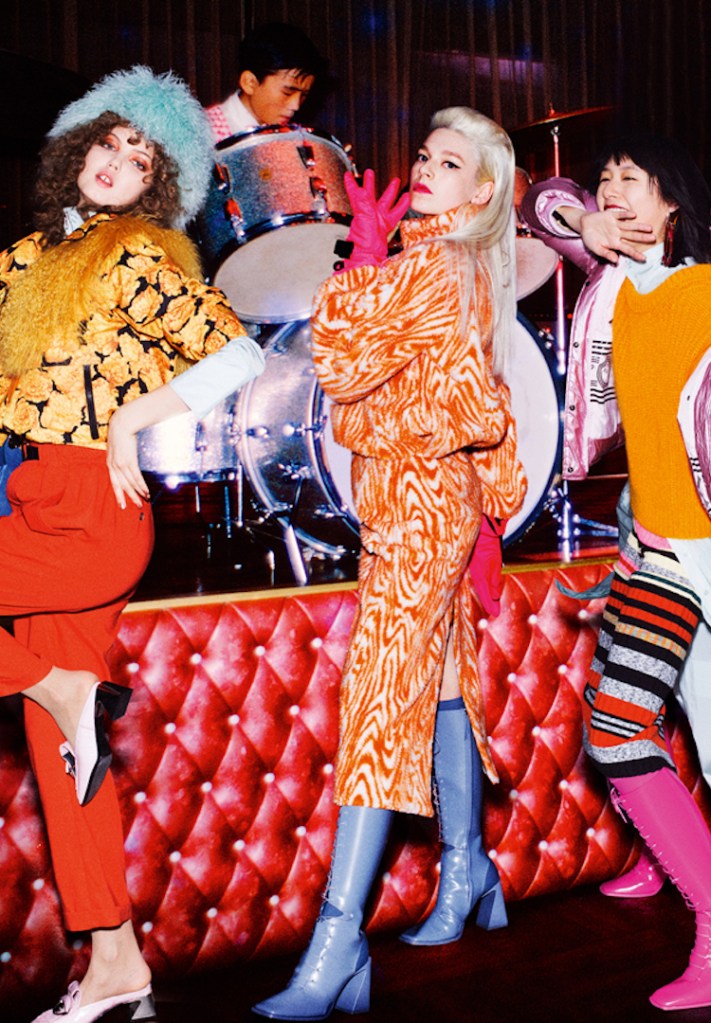
David LaChapelle’s shoot is inspired by pop art and vintage postcards. Although the photos were taken in Paris, the photographer played with the idea of cross-cultural communities by superimposing his own archival travel photos into the shots.
David LaChapelle is an American photographer, music video director and film director. He is best known for his work in fashion, photography, which often references art history and sometimes conveys social messages.
Later in Part Five you’ll be asked to analyse a fashion image of your choice, so take this
opportunity to see what’s out there and pick one that really grabs your attention. And don’t
forget that men model clothes too!
Texture
In a fashion context, texture is about providing a visual and tactile surface quality to garments.
Some examples of textured fabrics include tweed, honeycomb, matelassé, cord, velvet and
seersucker. Texture can be determined by the fibres used, the design of the yarns in the fabric,
the techniques used to create the textile, and the finishes applied to the surface of the textile.
Finishing processes – brushing, laminating, foiling, pressing, felting – can alter and enhance the
surface and tactile quality of a textile; they can also affect a fabric’s quality of drape.
Research point
Chanel are famous for their tactile woven tweed fabrics, developed every season
in collaboration with woven textile manufacturers. Often they explore new fibres and new yarn
design and composition to update and reinvigorate the traditional tweed, emphasizing its
sumptuous texture. Do some research into Chanel’s use of tweed in garment design. Start with
their Autumn 2013 ready-to-wear collection:
https://www.vogue.com/fashion-shows/fall-2013-ready-to-wear/chanel [accessed 08/12/18]
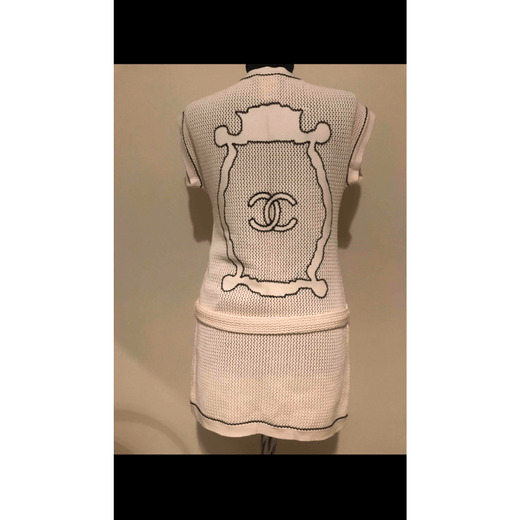
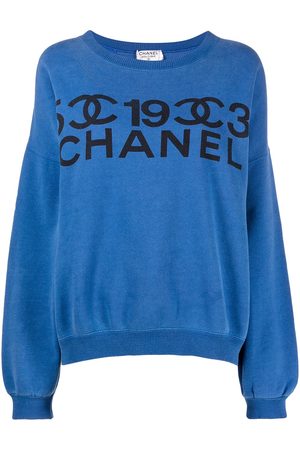
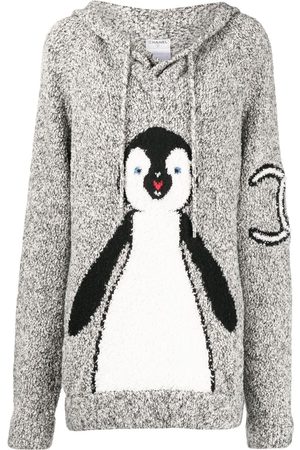
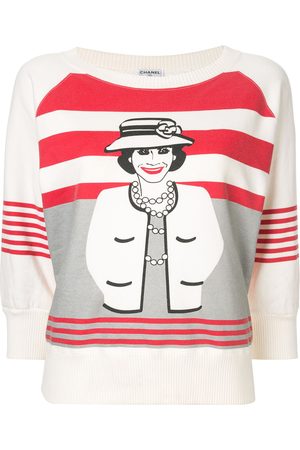
My main obsession is knitwear. I like it because it makes me feel part of the fabric creation. It is really fascinating to think that few cones of yarn can be converted in so many different garments!
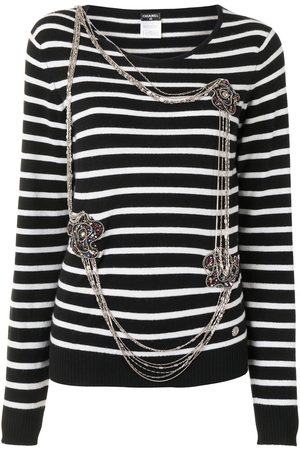
Chanel Knitwear
Chanel knitwear designed to envelop women in softness and sophistication. … Sweaters and cardigans are an integral part of a woman’s wardrobe. Iconic design paired with intricate craftsmanship. Unique creations even for ready to wear garments.

Another fashion designer who focuses on the development of their textiles with a keen eye
on texture and colour is Japanese designer Issey Miyake.
Miyake is particularly famous for his
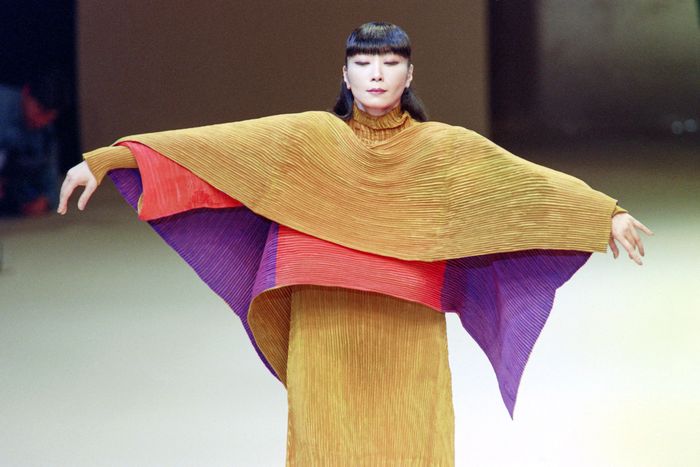
use of technology in textile creation. His Pleats Please line uses a heat-set pleating technique
to create very finely pleated surfaces. This process gives his garments dynamic and dramatic
texture and form.
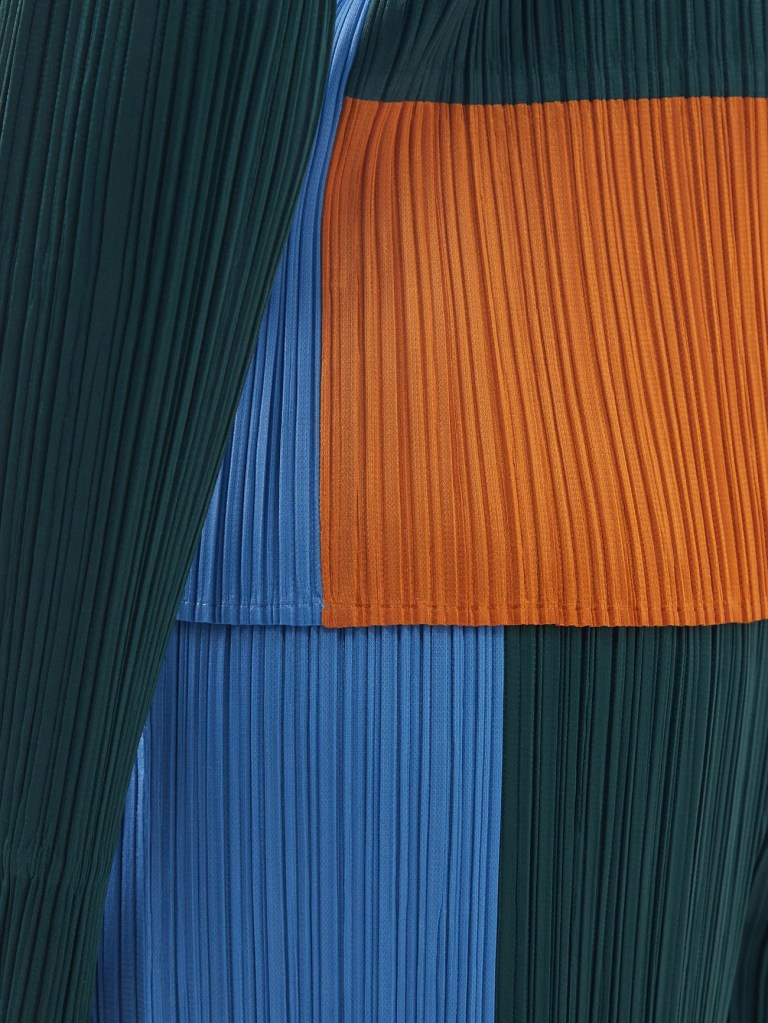
Pleats Please Issey Miyake’s emerald-green jacket is made from signature technical-pleated jersey enlivened with colour-blocking orange and blue panels for a graphic edge.
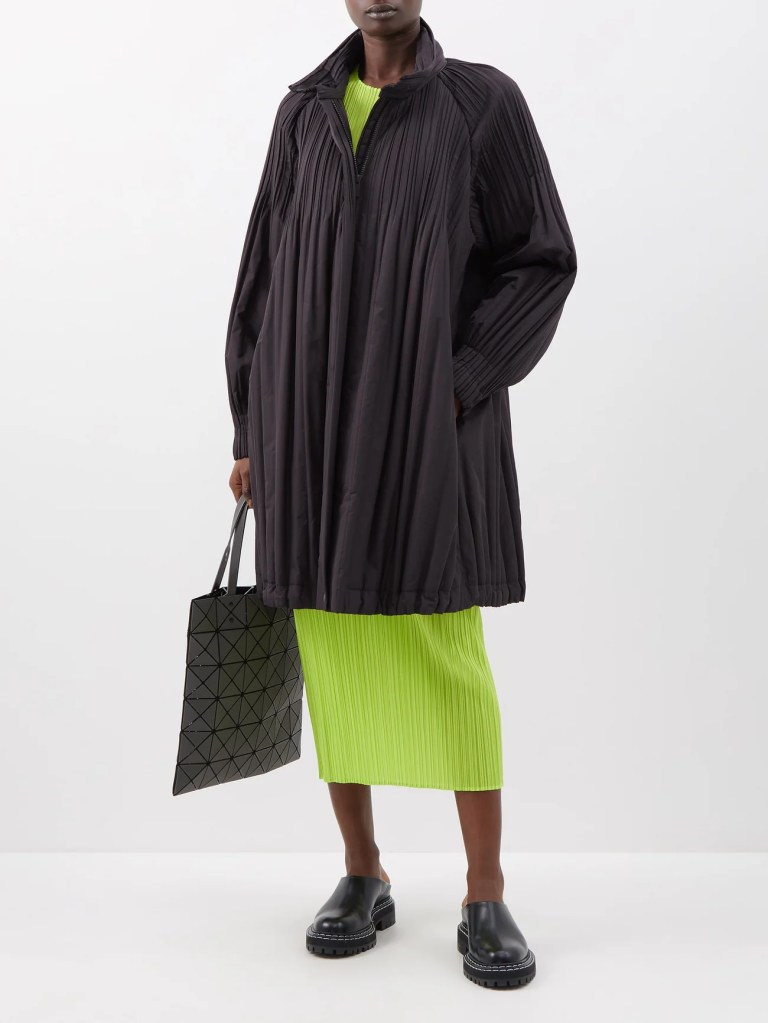
Pleats Please Issey Miyake’s signature technical jersey is mimicked with padded pleats on this black coat and is finished with a buttoned high neck.
Like Sweatpants, But Dressy: The Pandemic Rise of Issey Miyake Pleats Please

For nearly three decades, the Japanese line of packable, washable, pleated clothing has had an ardent following. Now Gen Z, eager for ease, has discovered it.
By Rory Satran THE WALL STREET JOURNAL
At the Mohawk General Store in the trendy Silver Lake neighborhood of Los Angeles, groups of women in their 20s and 30s congregate around a rack of Issey Miyake Pleats Please pieces at the front of the multi-brand store. Clutching iced coffees from La Colombe, with small dogs or toddlers or bored boyfriends in tow, the women choose from the selection of separates like periwinkle accordion-pleated tank tops for $245 and neon-pink shorts for $275. More often than not, they are already clad in at least one piece from the 29-year-old Japanese brand. A standby for in-the-know fashion fans since its launch in 1993, the line of uniquely pleated separates is experiencing a pandemic-era resurgence.
“It’s definitely been younger people buying it,” said Mohawk’s creative director Bo Carney, who described an uptick in interest in the brand over the past few seasons. Ms. Carney has been placing larger orders recently to keep up, and she said the bright colors sell out immediately. She’s noticed that while it’s always been popular among “moms and grandmas,” especially in Asia, “the cool fashionable crowd is really into it now.” They’re styling the pants and skirts with crop tops and sneakers, breathing new life into pieces that have been essentially unchanged since they were first worn by artsy women in cities like Tokyo, Paris and New York in the early ’90s.
A new generation is gravitating toward these classic-yet-comfy pleated outfits at the exact moment that many folks are purging their closets and venturing back into the world—but remain unwilling to forsake elastic waists. Pleats Please pieces, with their stretchy construction elevated by smart design, are proving to be covetable post-pandemic garments. Indeed, the privately owned brand confirmed that its business in the United States increased by 50% from 2019 to 2021.
“Now that people are going out, Pleats Please is dressy, even though it’s very comfortable and low-maintenance,” Ms. Carney said. Still, “it’s definitely chicer than just a sweatpant.”
Some women are buying their Pleats Please directly from the brand’s 100-plus stores around the world or its ecommerce site, but many are also buying the pieces secondhand, sometimes for less than $100. At resale site the RealReal, searches for vintage Pleats Please were up 310% in January-May of 2022, compared to the same period last year. Noelle Sciacca, the site’s senior manager for women’s fashion, explained, “Between the ongoing strength of the 1990s and 2000s style trend and the emergence of plissé and texture on recent runways, Pleats Please is really relevant right now.”
Plus, you can throw it in the wash, and roll it into a ball to pack. Unlike most fussy designer dry clean-only blouses and dresses, it’s hardy stuff by design.
“I always travel with a few pieces of Pleats Please,” said Julian Paik, 35, a brand and retail strategist in New York, who inherited a wardrobe of the pieces acquired in Japan by her father for her mother in the ’90s. “You can pack it and fold it down, it’ll never crease. It was always easy to wear, which I think was a big thing for my mom and then was passed down to me.”
For Issey Miyake, now 84, Pleats Please was a mid-career innovation. After a retrospective of his prodigious ready-to-wear designs at the Musée des Arts Decoratifs in Paris in 1988, “Issey Miyake A-ŪN,” he worried that he had already accomplished everything he could, so he began looking for a new challenge. Reflecting on the simplicity of one expandable pleated scarf, he began to develop an entirely new line based around the development of synthetic fabrics heat-pressed with permanent pleating.
Working with Makiko Minagawa, a textile innovator for the company since the 1970s, Mr. Miyake painstakingly developed a proprietary synthetic fabric that was the result of multiple steps at multiple factories: in essence, melting down synthetic chips and powder to become thread; spinning the thread at high speeds with anti-static ingredients; knitting the fabric; heat-pressing the pleats. It was and is a highly technical process that befits Steve Jobs’s favorite designer (Mr. Miyake made his signature turtleneck).
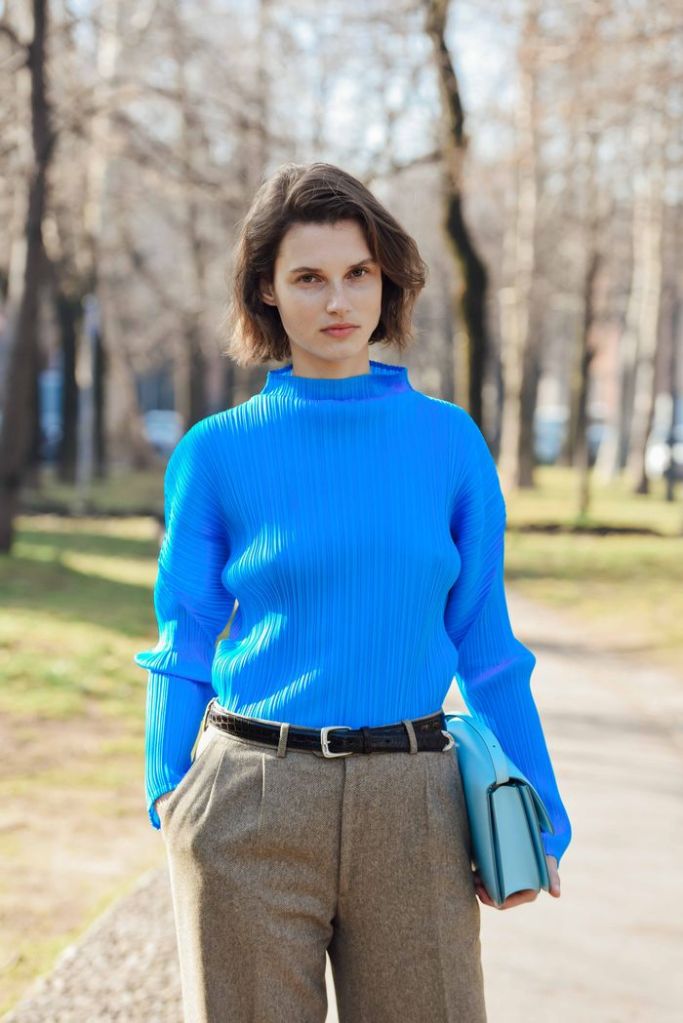
Pleats Please became, according to Mr. Miyake in his 2012 book, his “most valuable contribution to design.” Its functionality found new uses, from dance costuming to maternity wear. In 1995, in an incredible coincidence, eight ballerinas from the Royal Swedish Ballet became pregnant at the same time, and they were photographed for the Telegraph Magazine wearing Pleats Please.
The expandable pleats are still ideal for maternity wear. Ms. Paik, who is currently pregnant with a girl, is finding new use for her Pleats Please collection, but fretting slightly at its current ubiquity. But, she said, it’s timeless: “For intellectual girls and guys who get it, it will always be part of their fashion vocabulary.” She’s excited to pass her pieces on to her daughter as her mother did to her. “Hopefully,” she said, “she’ll get it.”

 Alexander's blog