Exercise 3: Motivations
What are the key motivations for your practice? What are your motivations in the work, what drives you, and how do you want the work to affect people?
Create a statement about your own work in your learning log (300 words or 2 min), in terms of the things that are important to you to be able to convey.
When an art student reflects on the motifs of why they study, their drives and their goals, they should consider a few facts: art is, first and, above all, fun to do. Working on projects that provide catharsis and healing is so much fun and pleasure.
My engagement with Creative Arts started five years ago. There were many reasons for me to choose this path in my life.
My love of elegance comes in the most spectacular form: as a creative art student, I’m so obsessed with beauty to such an extent that I intend to create artefacts to worship it. It helps me express myself and satisfies me with growth and accomplishment.
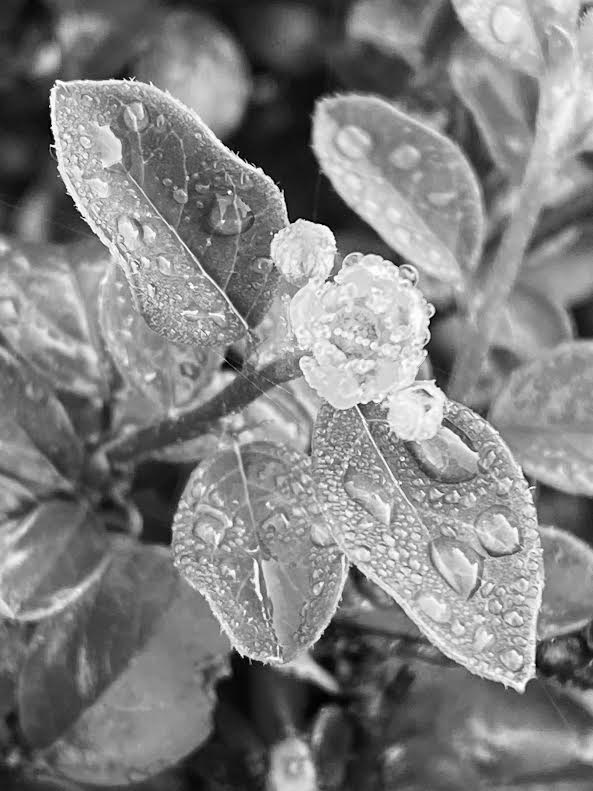
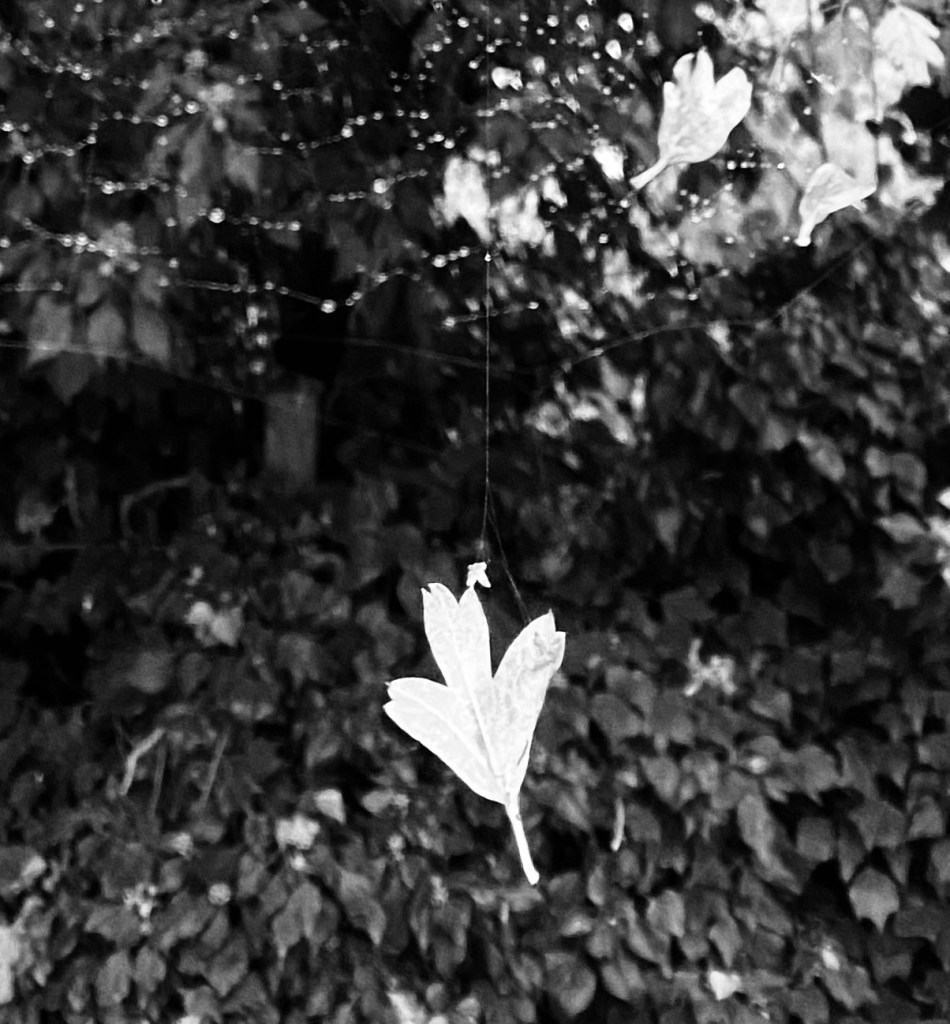


Photos: taken from my back garden for exercise 2.5
At the same time, my studies give me countless reasons to look and look again for answers to my life-challenging questions and paths to lose myself in. When, after a while, I emerge out of this artistic nirvana, I realise that I am wiser but also fulfilled.
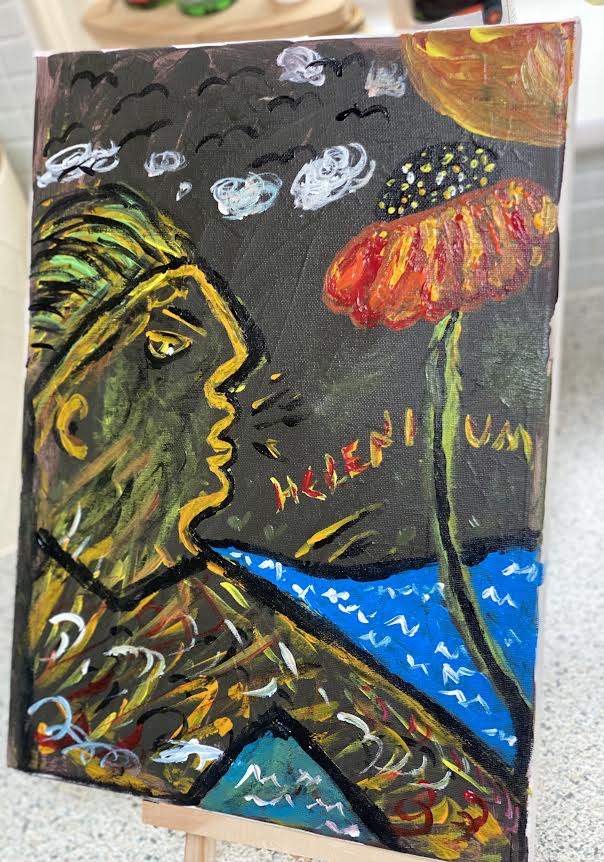
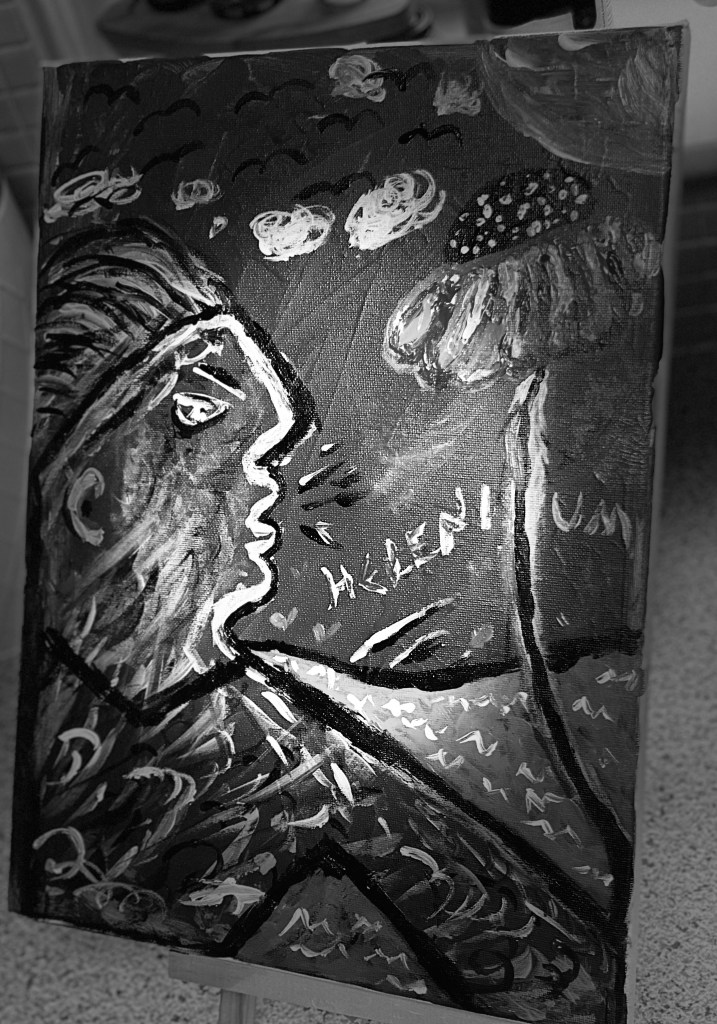
Photo: Hellenium, a flower named after Helen of Troy and the quest to find it…
This journey is lonesome and hard. There is sometimes false recognition of my work where the messages through my workpieces are not commuted properly.
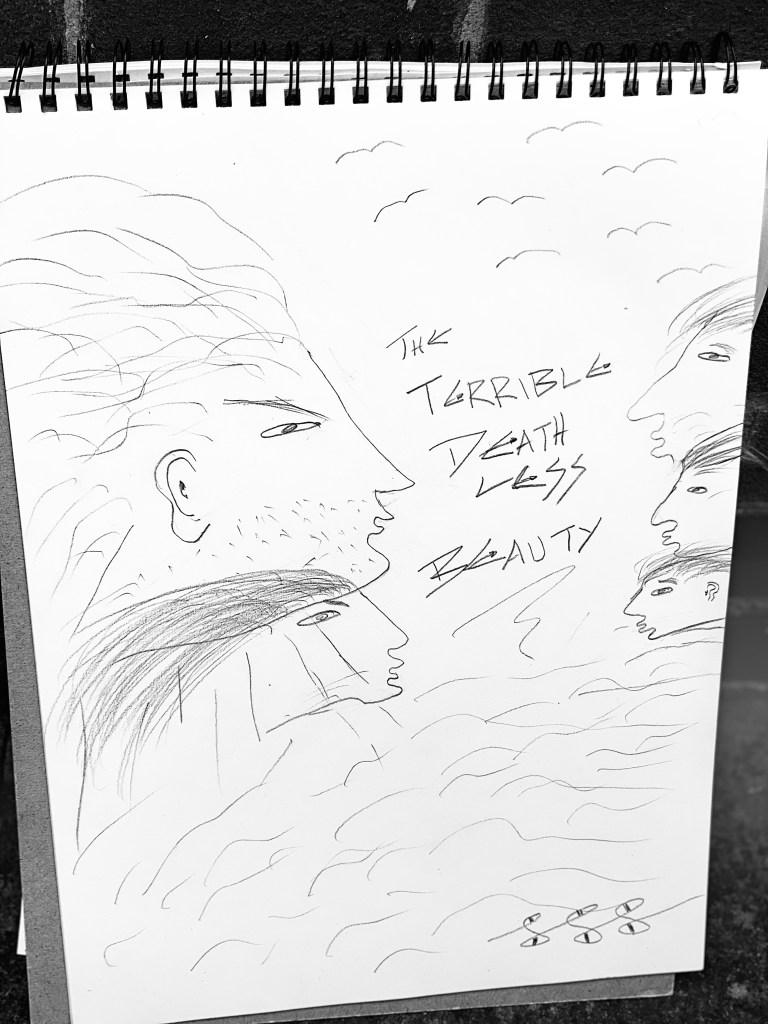
THE TERRIBLE DEATHLESS BEAUTY
As we get into the immortalising battle ——- We are singing full of joy
us the sons of Troy,———————–in strong shiny armour
being brave and proud, ——————–facing enemies, in millions
We fight for the Ilion,——————— defying the old ferryman’s duty
We fight for beauty ———————–for the terrible deathless beauty.
The stake is high————————-It is not God’s forbidden
Our destined fate is already written———-to fight for beauty
What a remarkable duty——————-is blessed and high
to be doomed and die——————— the old ferryman’s duty daring to defy
for the terrible deathless beauty————-for this terrible deathless beauty.
A sketch and a poem of the elders of Troy when they first saw Helen, inspired by the way Homer described it. The poem can be read vertically and horizontally.
It is challenging to accept this fact, and finding alternatives to tackle that matter is even more complex. But that is a very welcome part of a challenge because it helps me develop skills that will help me grow and evolve. I realise now that I’m walking in Kavafi’s footsteps. In search of my Ithaca, I am learning so many valuable skills that I wish my epic-scale adventure were still full of discovery and knowledge. It will be as long as it still gives me the pleasure of getting into new harbours, experiencing and trying unique perfumes, and pleasuring spices. As Kavafi suggests, I understand what these Ithacas mean: I embrace and enjoy the journey, waiting for the next challenge to emerge.
Reference:
C. P. Cavafy, “The City” from C.P. Cavafy: Collected Poems. Translated by Edmund Keeley and Philip Sherrard. Translation Copyright © 1975, 1992 by Edmund Keeley and Philip Sherrard.
Source: C.P. Cavafy: Collected Poems (Princeton University Press, 1975)
Send this to your tutor with links to the work for this part of the course in your learning log.
 Alexander's blog