Exercise 2: Viewfinder
Expanding on your work from Exercise 1, this exercise requires you to create a viewfinder to isolate and focus on something specific. This viewfinder could be a physical device or a conceptual parameter that you employ as a tool to question and explore a particular perspective, identifying what is within the frame of view and what is left out.
A camera may be the most obvious viewfinder device, however, you are expected to interpret this exercise creatively and seek to explore the potential of isolating visual, textural and/or audible information as a method of conveying a personal viewpoint and perspective on the world.

Cathy, Myopia (2010) Image via Flickr.
To some degree, all creative work is the result of a particular view or frame of reference, with the resulting artefact representing the vision of the practitioner. Either directly or unconsciously, artists, writers and musicians select, isolate and compile information into an organised form. For this exercise, focus on the tools you can create to control the parameters of the content you are working with. For example, a viewfinder may represent a constraint on the structure of writing, as seen in Haiku poetry, or the use of a window to frame the scene outside or inside. Begin by exploring and observing the types of tools you could use as a viewfinder. Note the possibilities available to you and some initial ideas within your Learning Log. Plan to make two or three outcomes that explore the idea and reflect on how the information within views and the information left out speaks to your personal point of view.
COFFEE TABLE
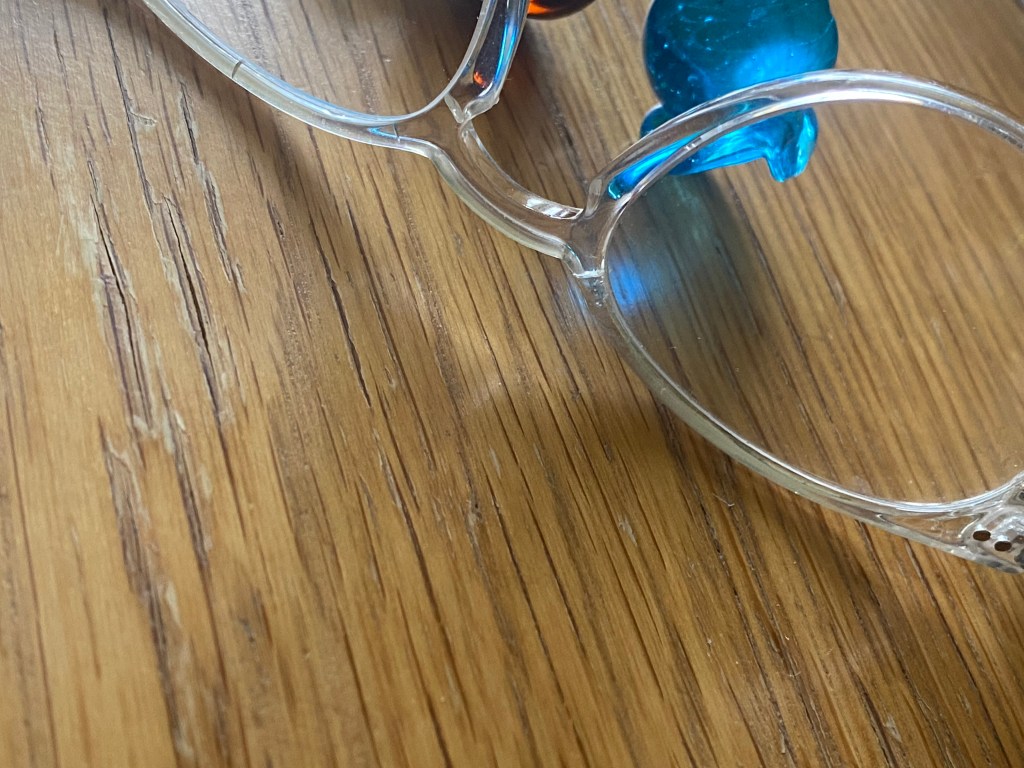
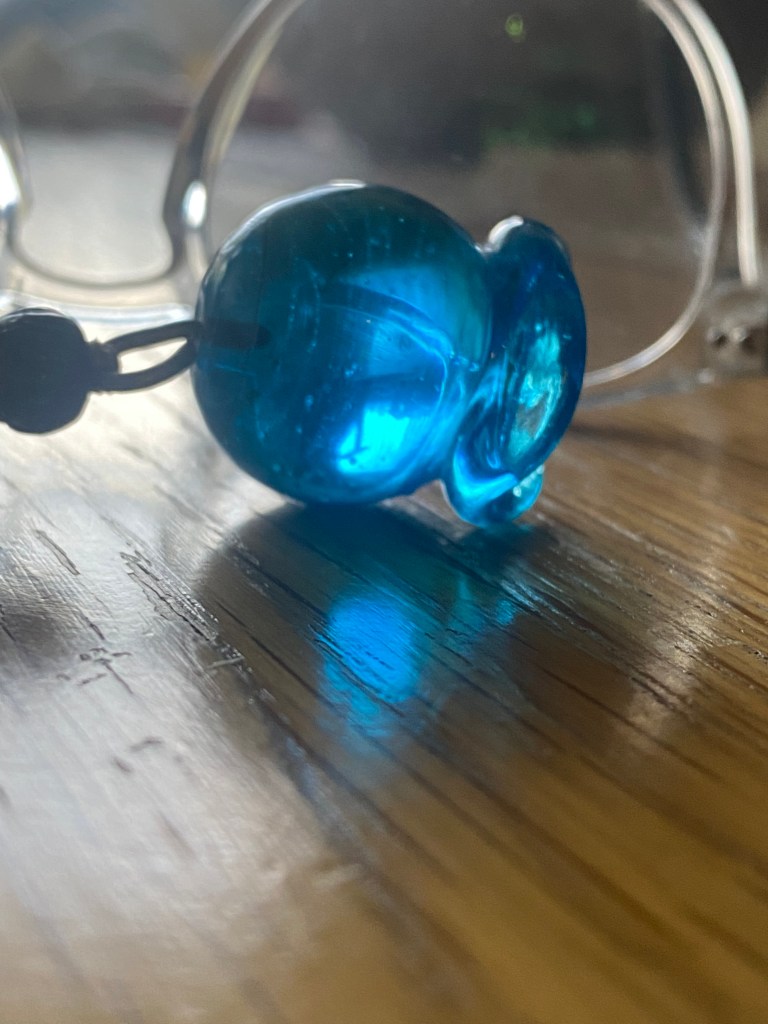
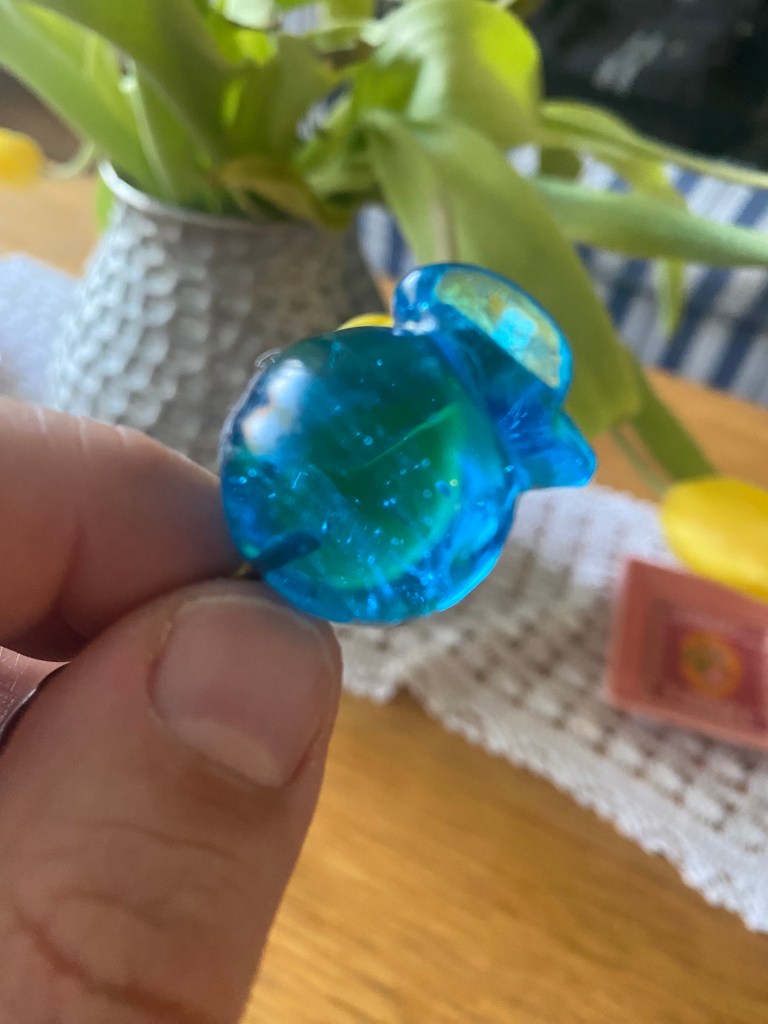
Using a glass as a viewfinder is a clever trick to observe reflections. You can see the world around you in a completely different way by looking through the glass and noticing the reflections on its surface.
It is truly fascinating to observe how the shape of an object changes when viewed through a glass. The refraction of light through the glass creates a unique perspective that can alter the way we perceive the world around us. It’s amazing how something as simple as a glass can offer a new and intriguing way of looking at things.
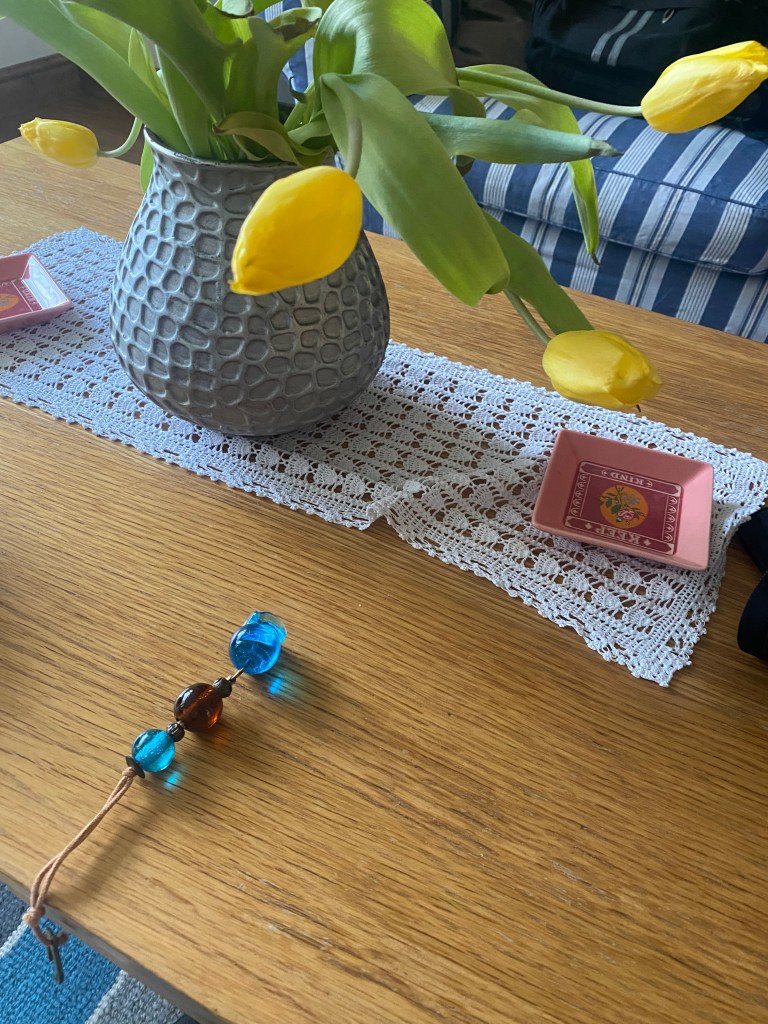
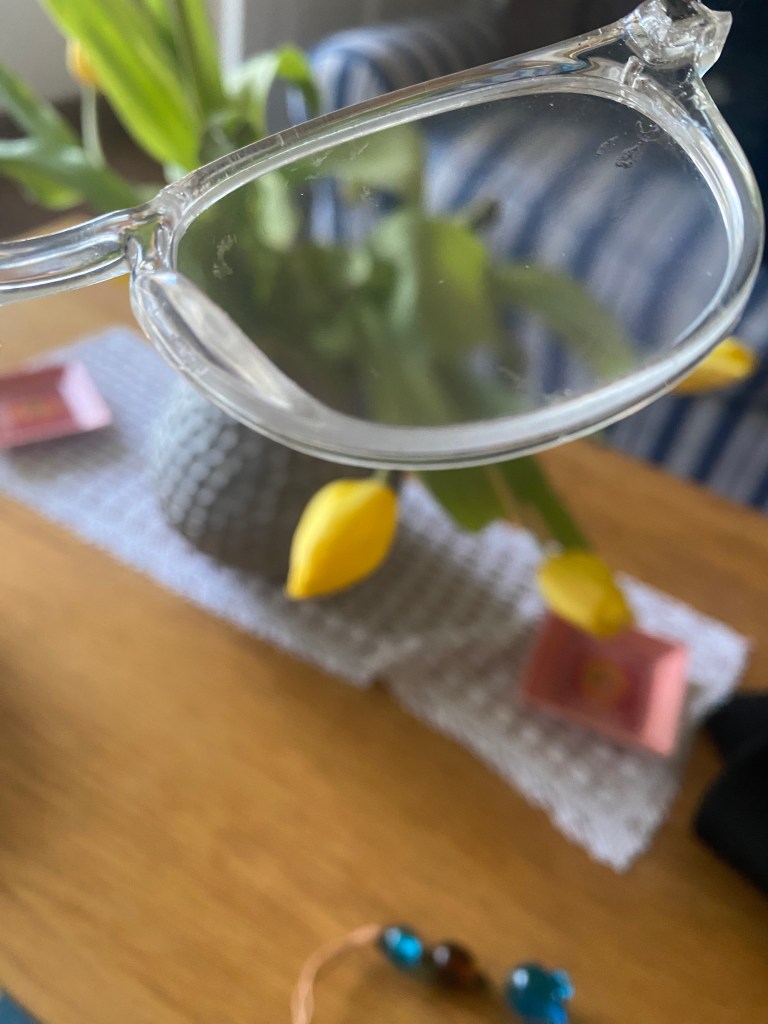

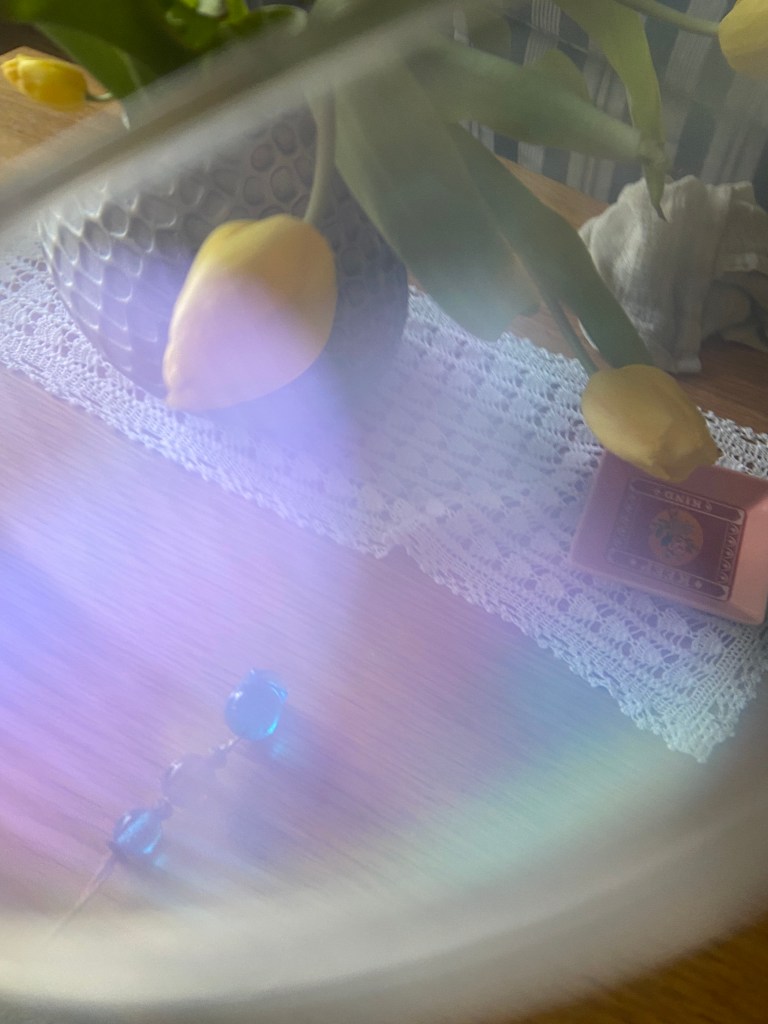
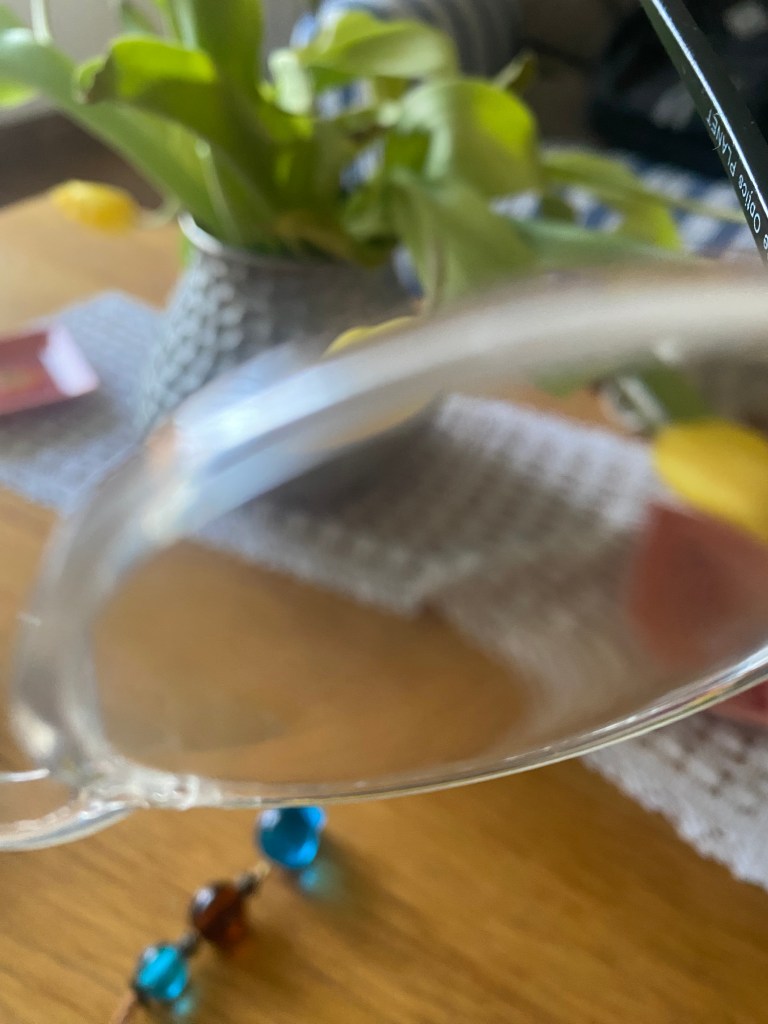
SUNDAY MORNING COFFEE TABLE
While enjoying a cup of coffee on a Sunday morning, considering the task suggested in the brief, I noticed how the artificial lights of the cafeteria where I was enjoying my drink were reflecting on a glass of water: it made me more curious to explore the relation of light/glass and reflection.


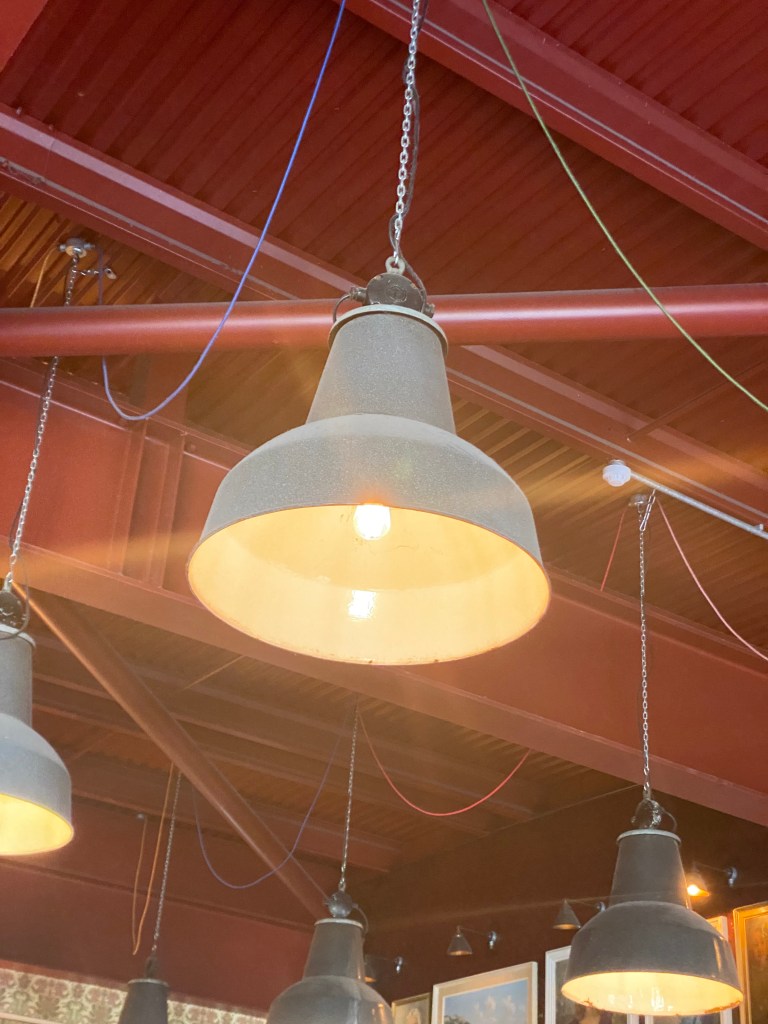
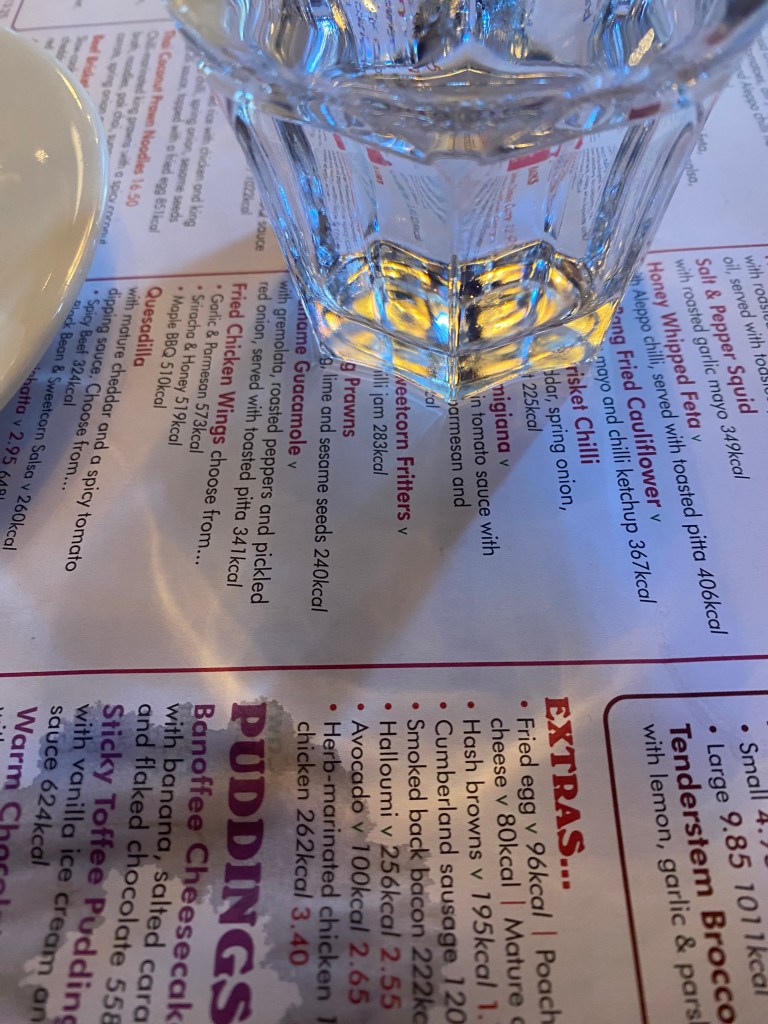
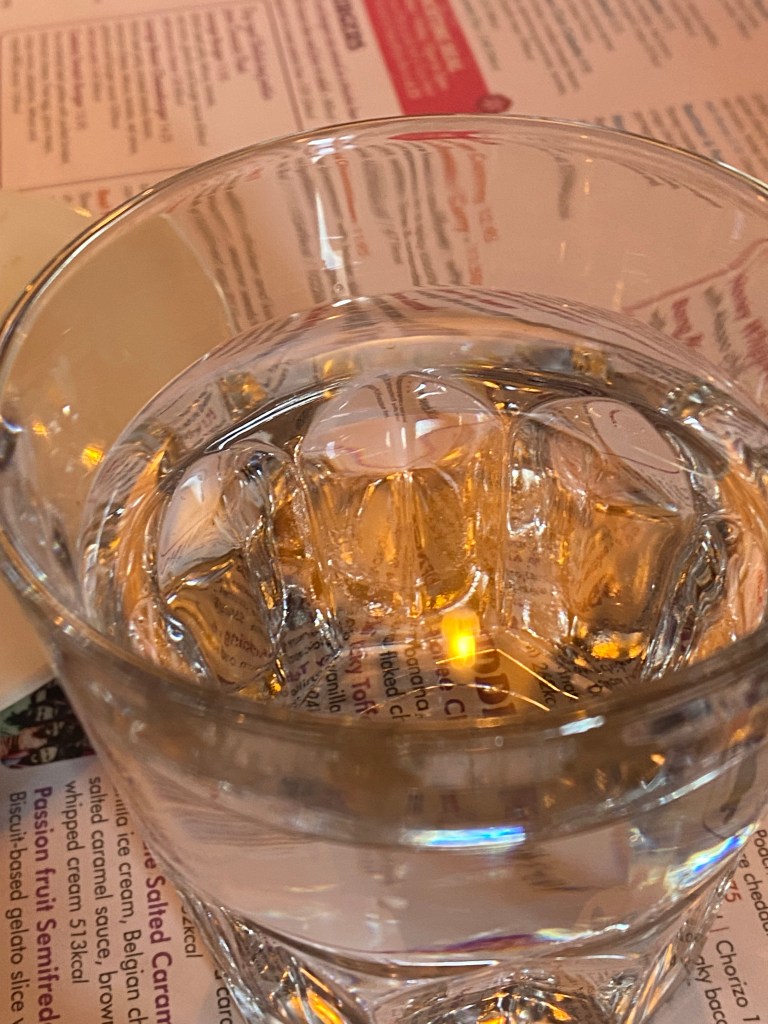
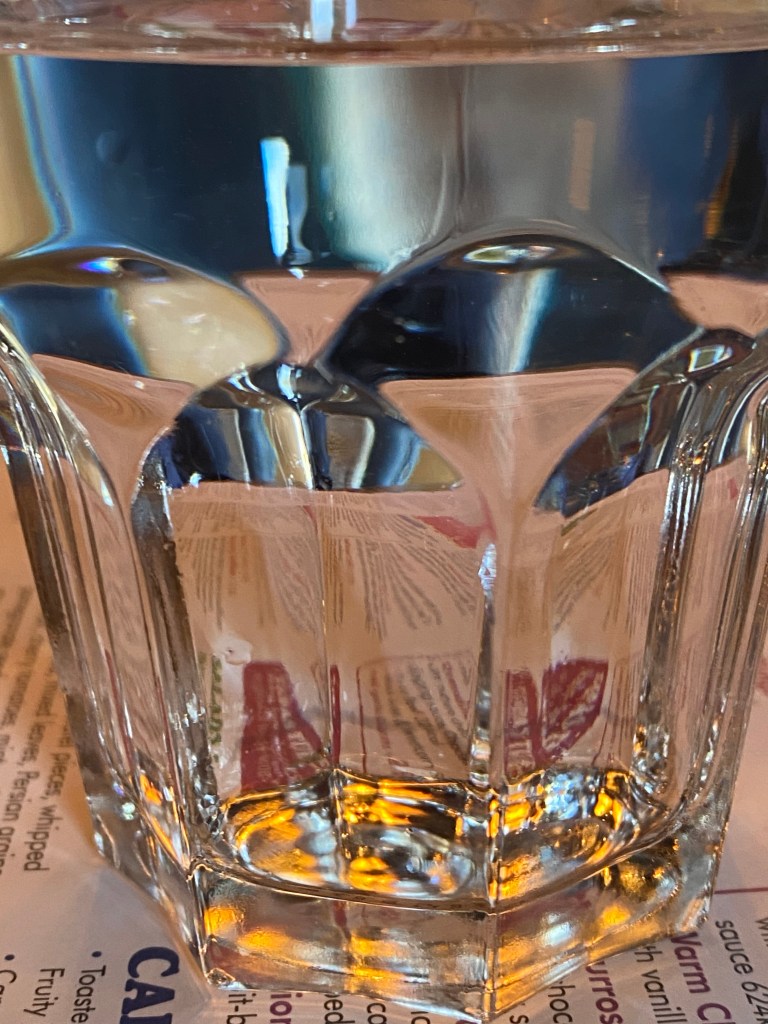

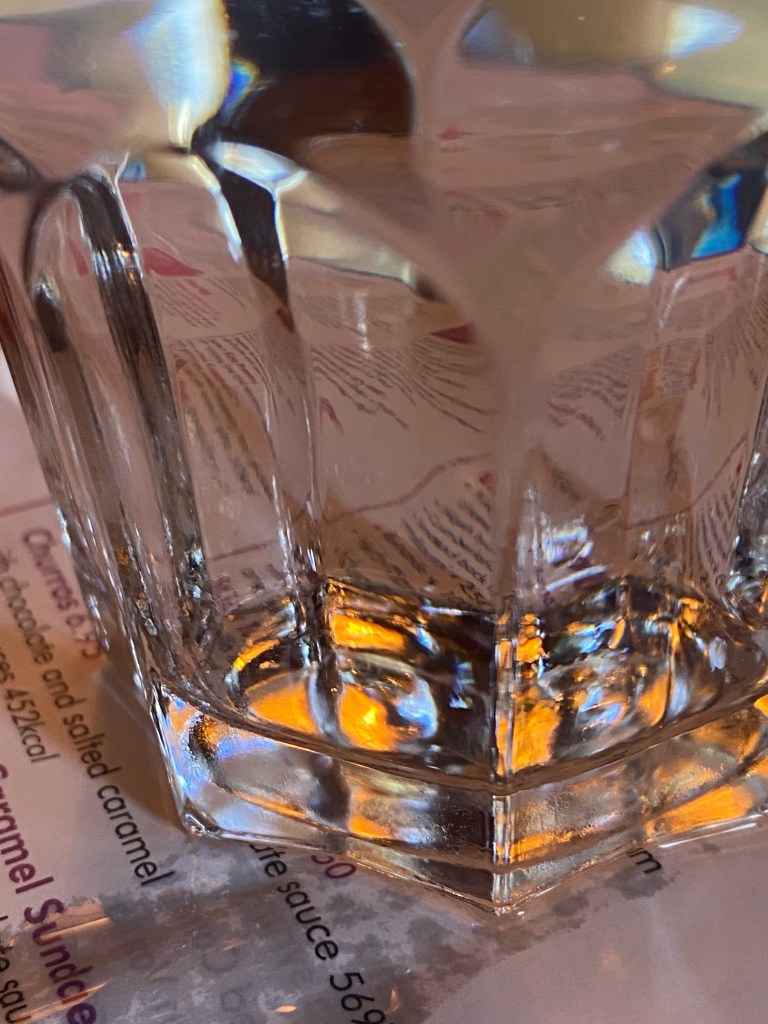
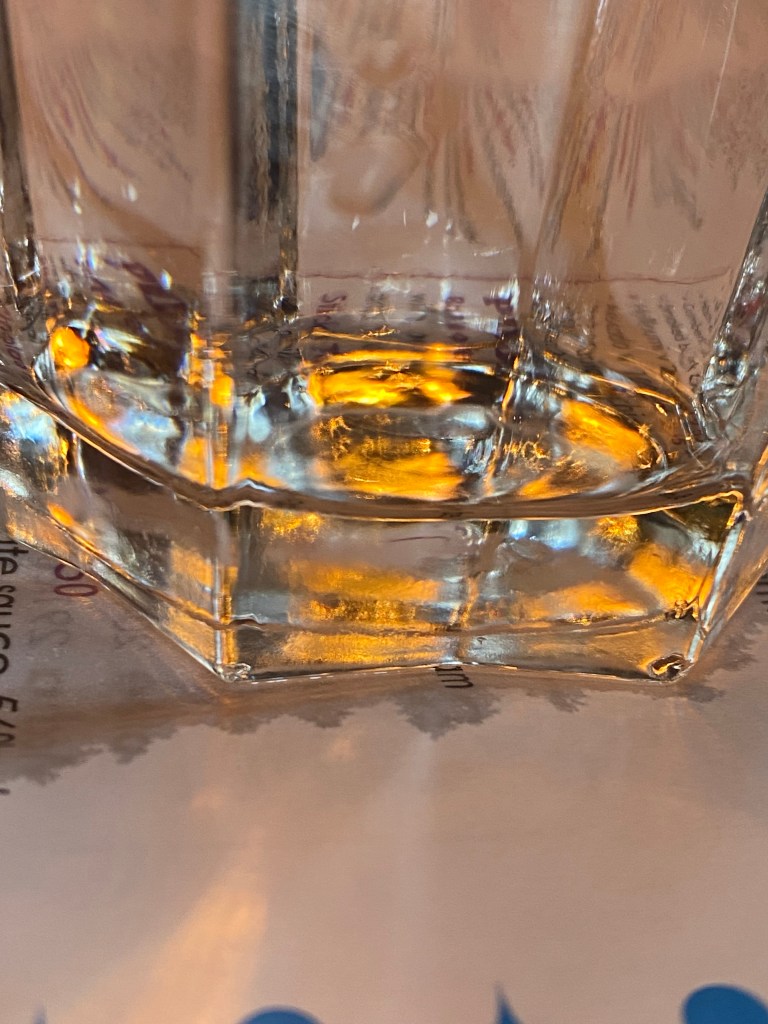
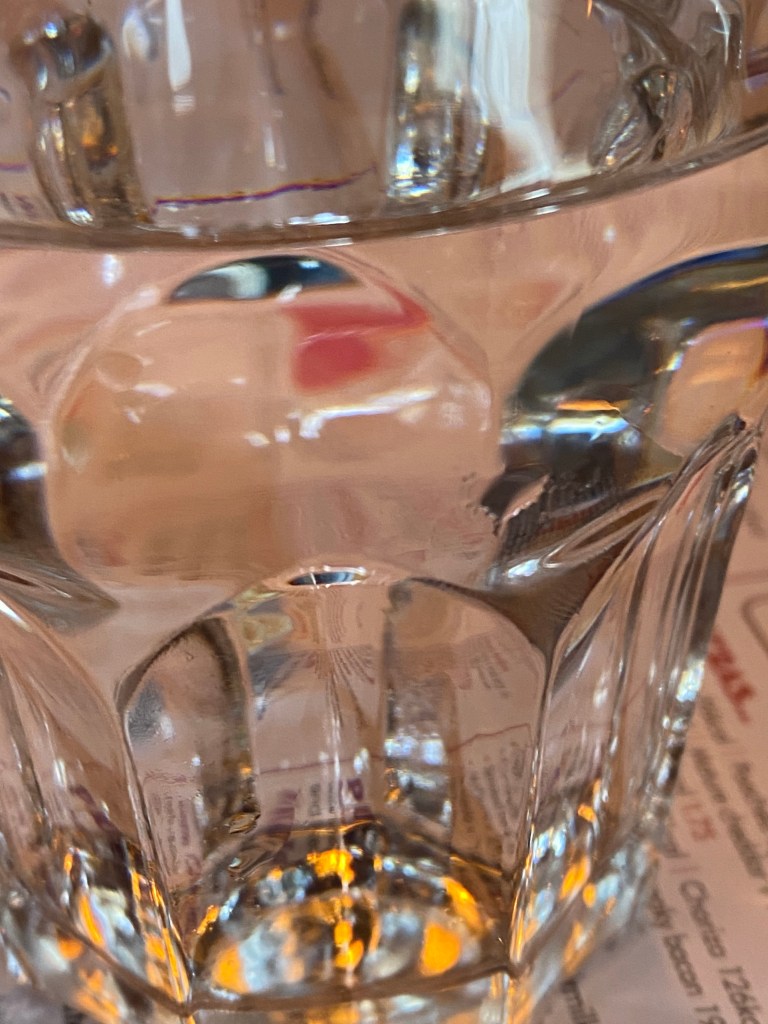
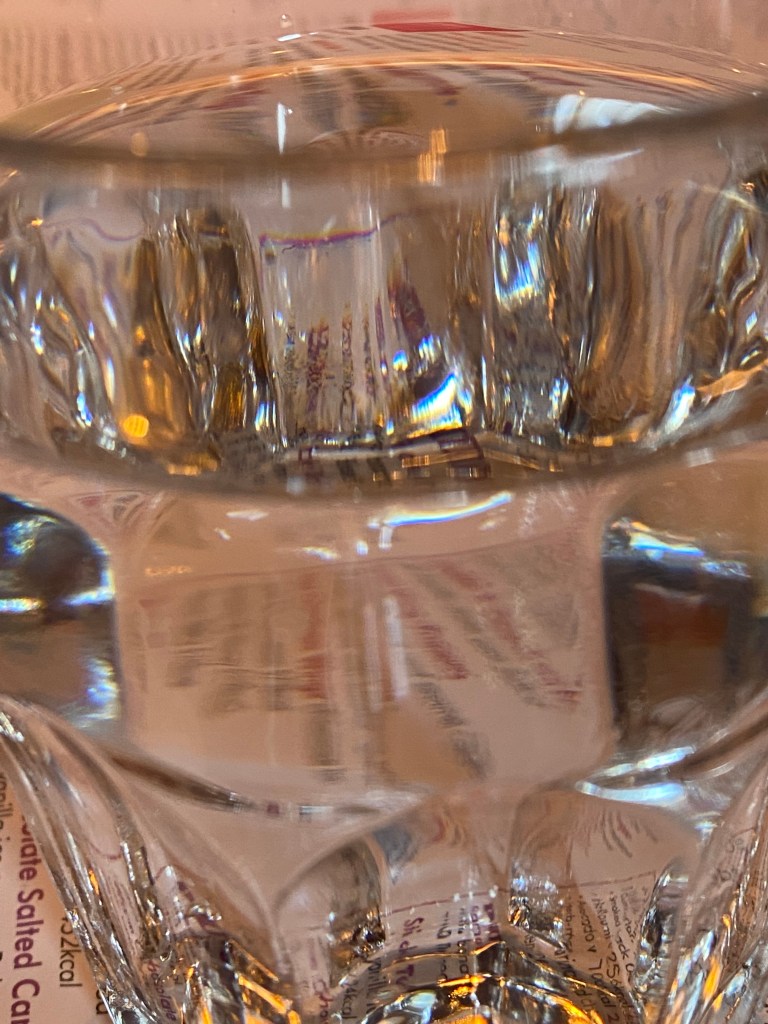
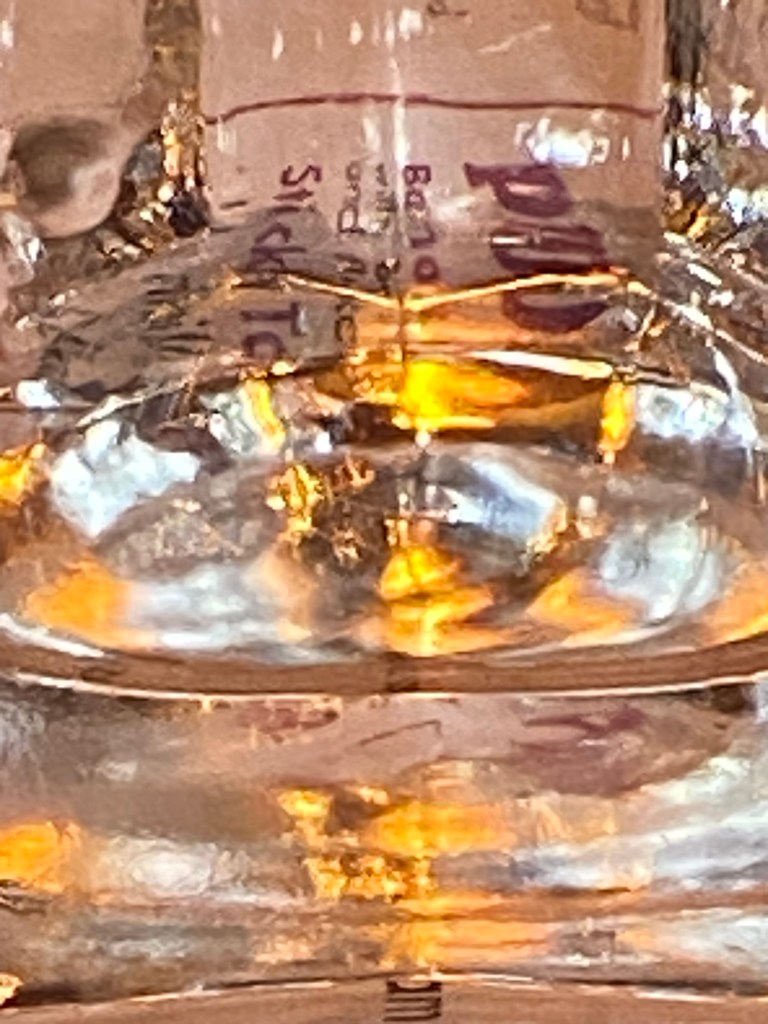
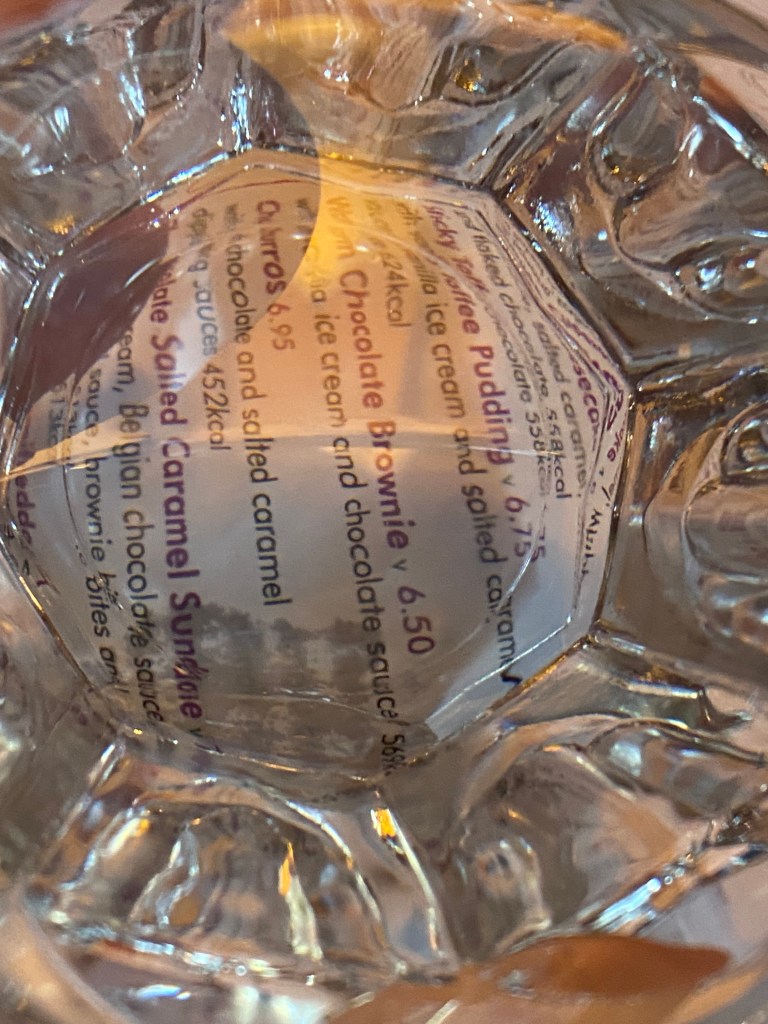
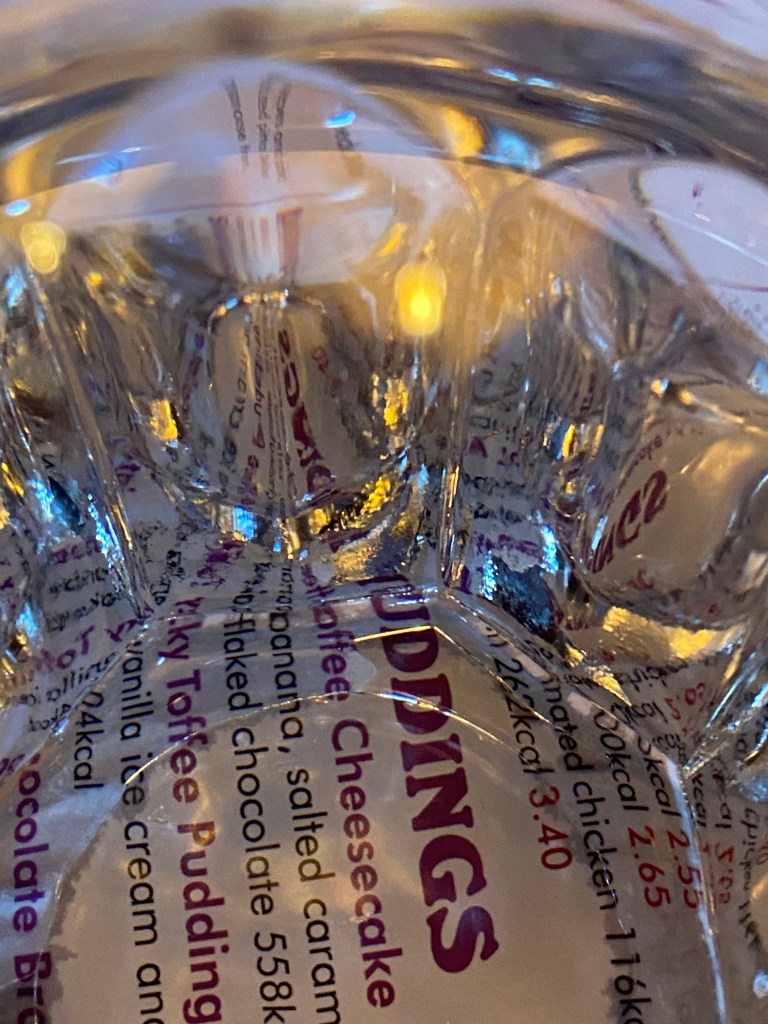

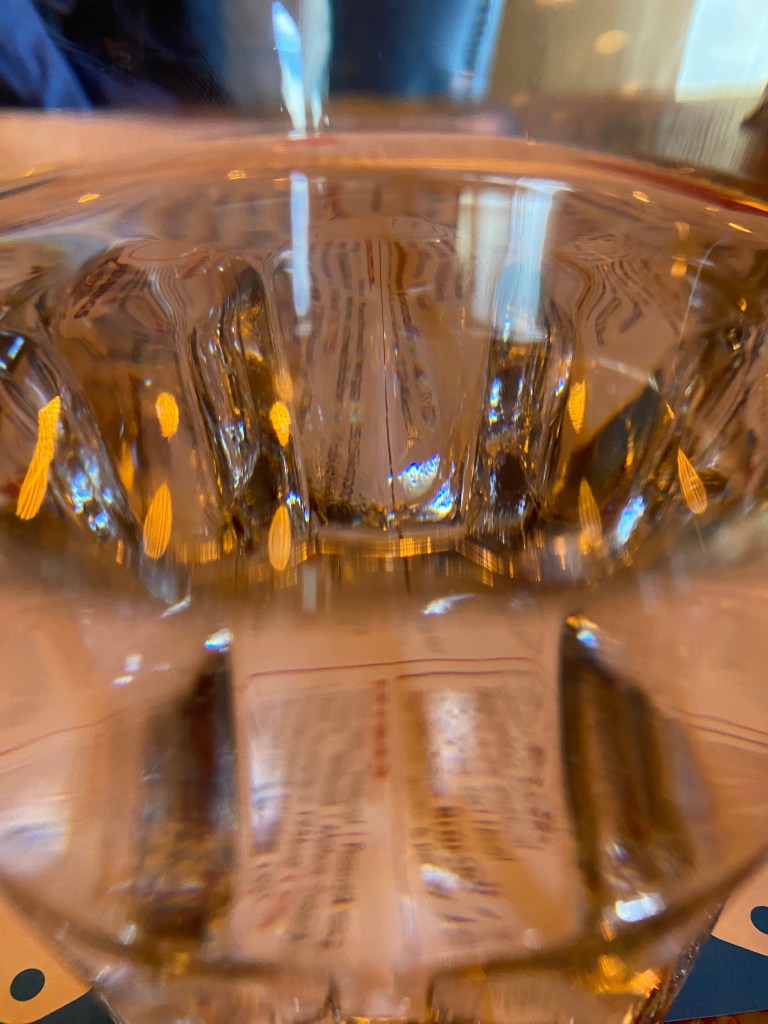
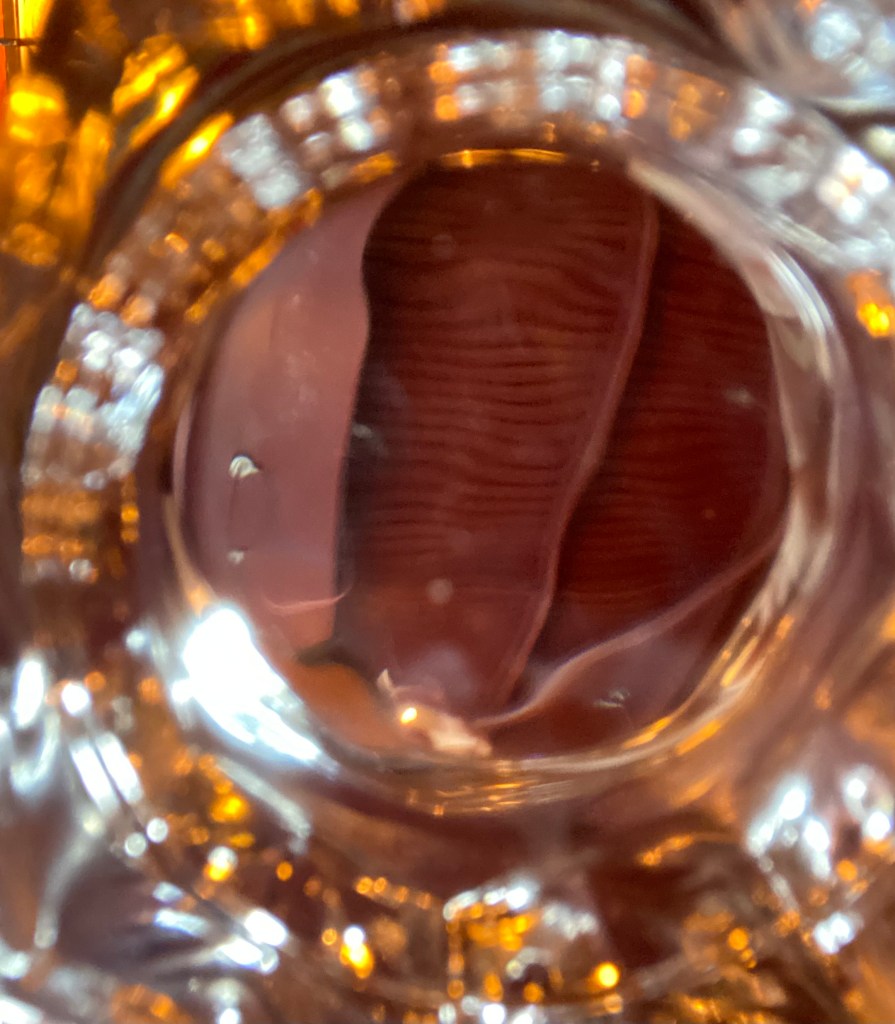
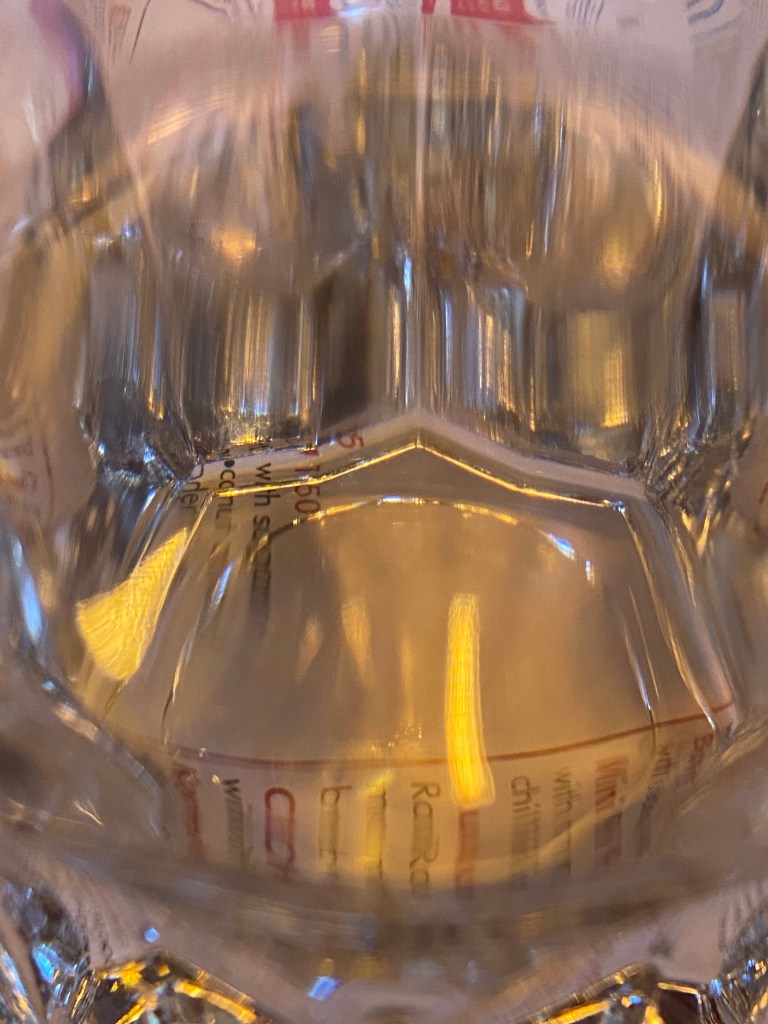
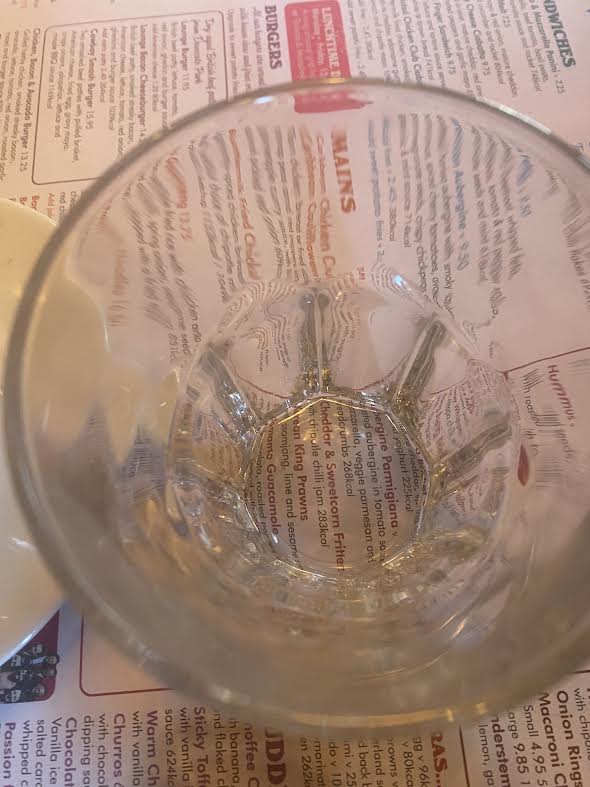
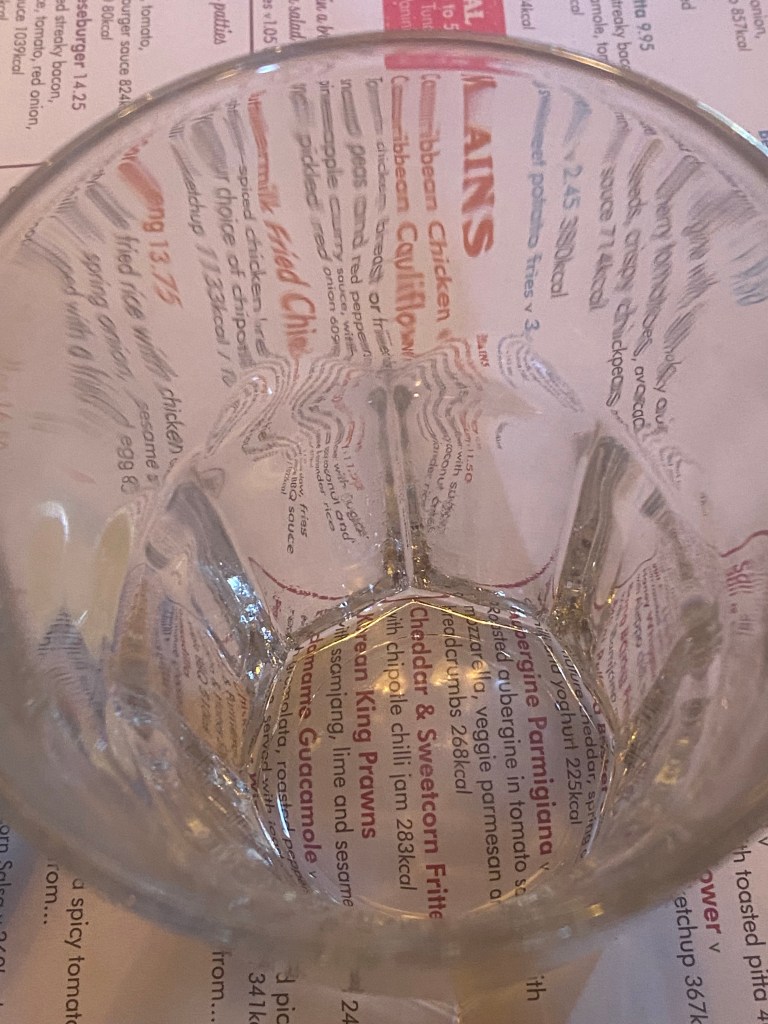
I have tried experimenting with different angles or distances to see how the reflections change.
It’s fascinating to observe how the light bends and twists as it travels through the water and then reflects back out again. It’s almost like a miniature light show in a glass!
It’s a fun and simple way to explore the properties of light and water as well as how the images through it change, getting distorted or magnify or reduce in size.
I’m also very happy with the pictures take which can be used for future reference.
 Alexander's blog