
Your view of knitting will be shaped both by your own experience of it – as a
knitter, a wearer of knitted items or friend or relative of someone who knits – and
through visual representations of knitting as an activity.
• To start with, produce a quick mind map of what knitting means to you and what you
associate with it.
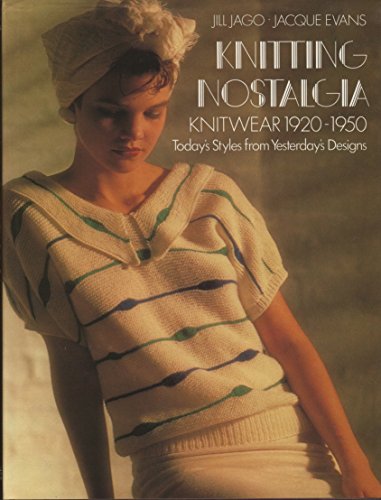
• Do some visual research by finding contemporary and historical examples of where and
how knitting or knitted items have been represented, for example pattern books, humorous
cards based on 1950s patterns for knitted tank tops, balaclavas, etc., images of knitted
items for sale, or the use of Christmas jumpers! For contemporary knitting, you might
want to look at the practice of Yarn Bombing which is a form of knitted street art that was
founded and still practiced by Magda Sayeg:http://www.magdasayeg.com/ [Accessed 08/12/2018]
• How do the examples you’ve found support or contradict the associations you’ve identified
in your mind map? Is there a general stereotype of knitting and how have contemporary
images of knitting played with this stereotype?








Knitting is and has been my speciality as well as my profession. I have grown up in knitting factories and I have been creating stitches for the last 30 years.
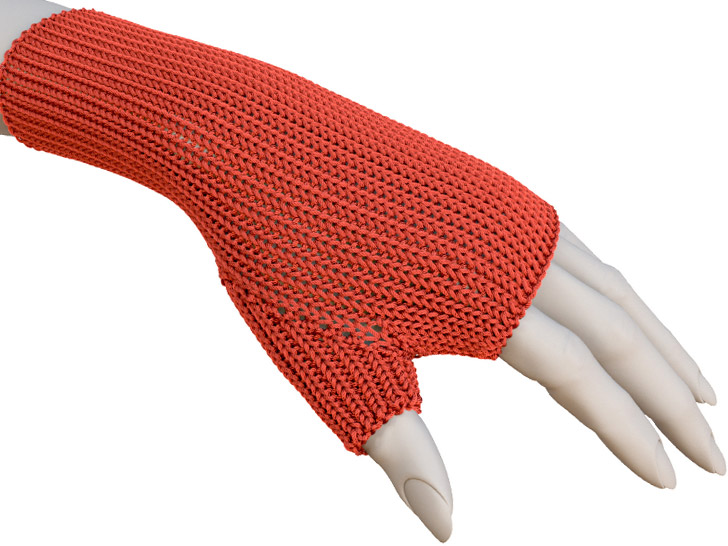
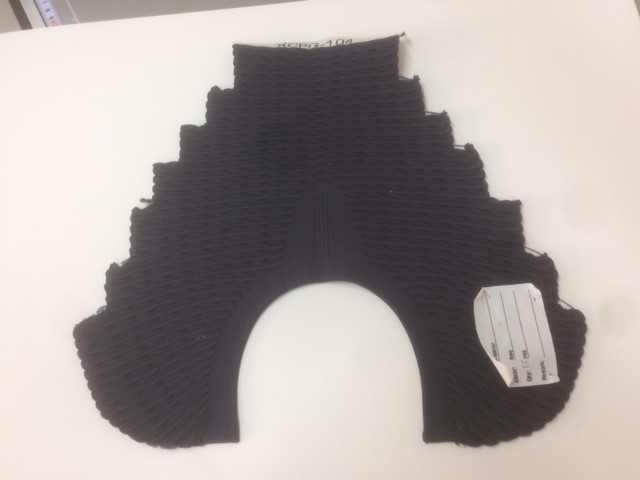
Working as a knit specialist I have been observing how knitting technology is changing and shaping the modern world with the ability to produce goods for a plethora of diverse applications. That’s known as 3D knitting technology.
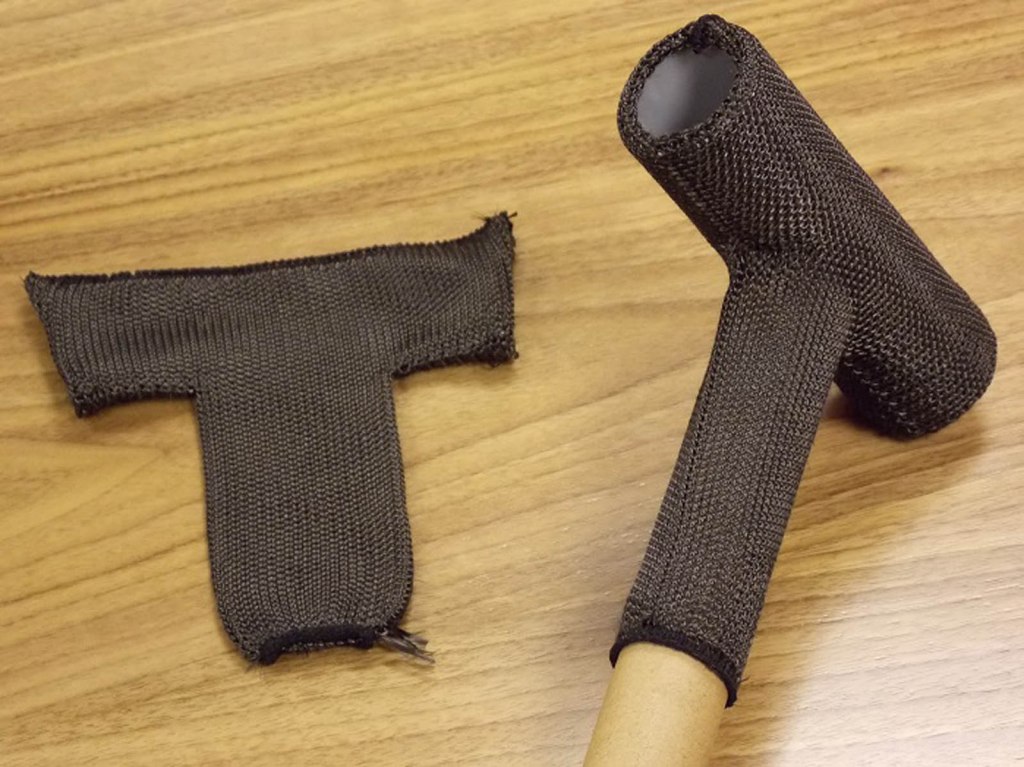
The 3D knitting technology will benefit any composite manufacturer that wishes to improve quality and decrease cost by automating their labour intensive lay-up process. 3D Knitting is a breakthrough technology to replace your manual lay-up process bringing speed, quality and economic benefits to your overall production.
The technology will knit a preform in one piece that may incorporate multiple materials such as carbon, glass or quartz. With this process, there is no raw material waste, cutting and lay-up times are significantly reduced. The thermoplastic resin can also be knit together with the reinforcement materials to enhance quality and reduce raw material handling cost.
3D knitting is a highly versatile technology which can be used to manufacture any shape, including complex geometries, and can meet demanding requirements often encountered high performance markets such as aerospace, marine, and automotive.


Lightweight. Breathable. Supportive.
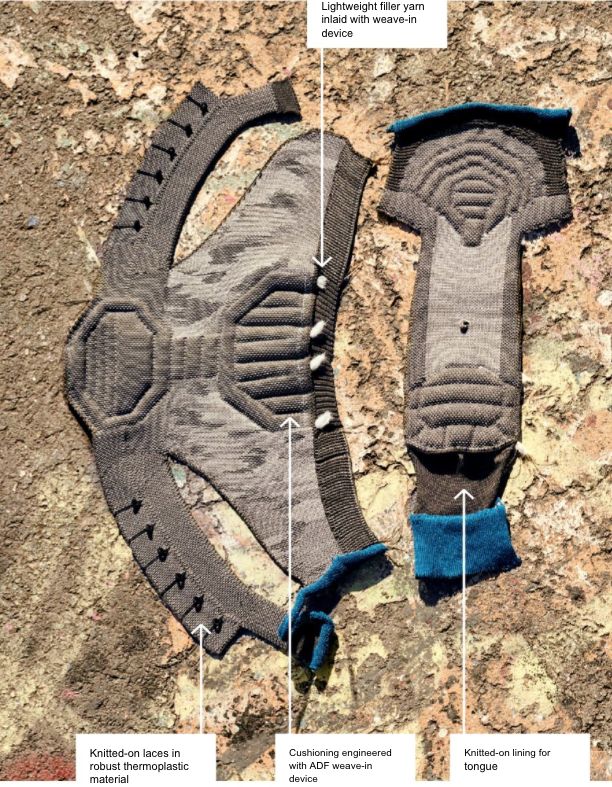
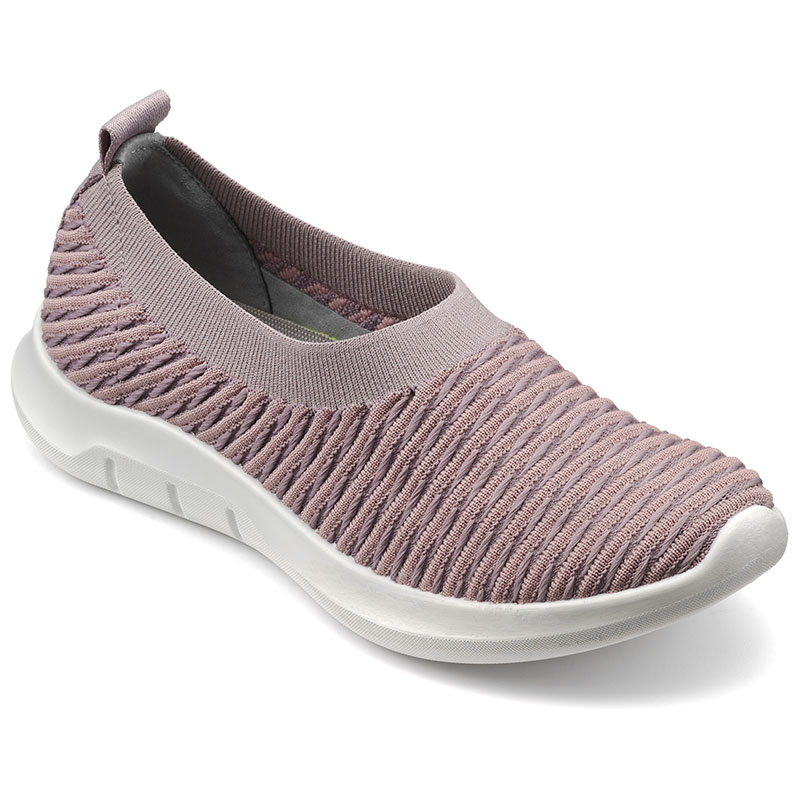
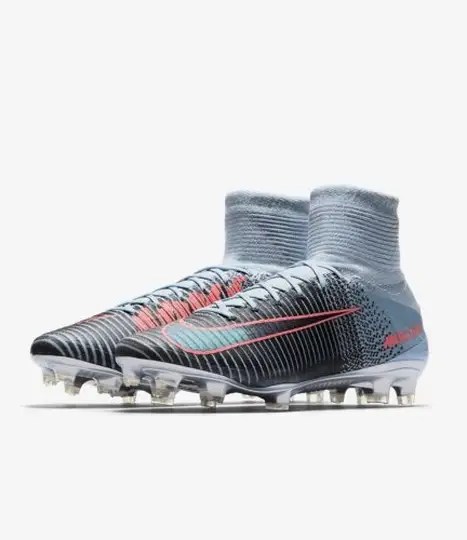
Nike Flyknit technology uses high-strength fibres to create lightweight uppers with targeted areas of support, stretch and breathability.
Nike Flyknit Technology
Inspired by our most common feedback from runners, Nike engineered a fabric that fits like a sock, with the support and durability for sport.
What is Nike Flyknit?
A material made up of strong yet lightweight strands of yarn that have been woven into a one-piece upper, securing an athlete’s foot to the shoe platform.
How Nike Flyknit Works
Different types of knit patterns are used within a single Flyknit upper. Certain areas have a tighter weave to give the foot more support, while other areas are designed to be more flexible or breathable. Data from Nike’s 40+ years of studying the foot determines where each pattern is applied.

 Alexander's blog