-
- Exercise 2: FailuresPractice might be seen as an oscillation between attempts to find order and a loss of control. In the work of Hefti and Yi, you’ll see elaborate processes and methods that don’t always work out as planned yet are integral to the final outcome or destination of an idea. It is often through uncertainty, mistakes or failure that something unexpected is revealed: “I see it [failure] as a whole process towards finding out about something. That if something doesn’t work it carries an enormous amount of information with it… So the failure of it is that it hasn’t quite happened yet, but I don’t know what it should be. And that not-knowing state is often deemed a kind of failure; you must know what you want, you must know what your intentions are, and you must know what your aims are and objectives are. It’s such a harsh, unforgiving language. And yet the not knowing can often be that, as an artist, you’re not working necessarily with very vivid visual, cerebral processes. You’re actually trying to find those, and that’s why you want to make the stuff, draw the stuff, or paint the stuff. So the failure thing to me is very much associated with that striving for, and the struggle. Two words that I know are very fashionable. But there is something for me in the striving to find the visual thing that isn’t yet in one’s head. It just doesn’t have a cerebral identity.”Barlow (2009) pg.43.Look through your practice to date and try to identify works, or points within the work, which you considered not to work in the way that you had intended. Reflect on what happened instead and what the ‘failure’ led to, or changed for you. Record your thoughts in your learning log. Failure is not only a generative tool in practice, but human and artistic failure can also be the subject of the work intentionally and/or inadvertently. Whilst the idea of perfection can be perpetually reached for, flaws and failure seem to engender particular curiosity and empathy.
Failures
Useful Failures
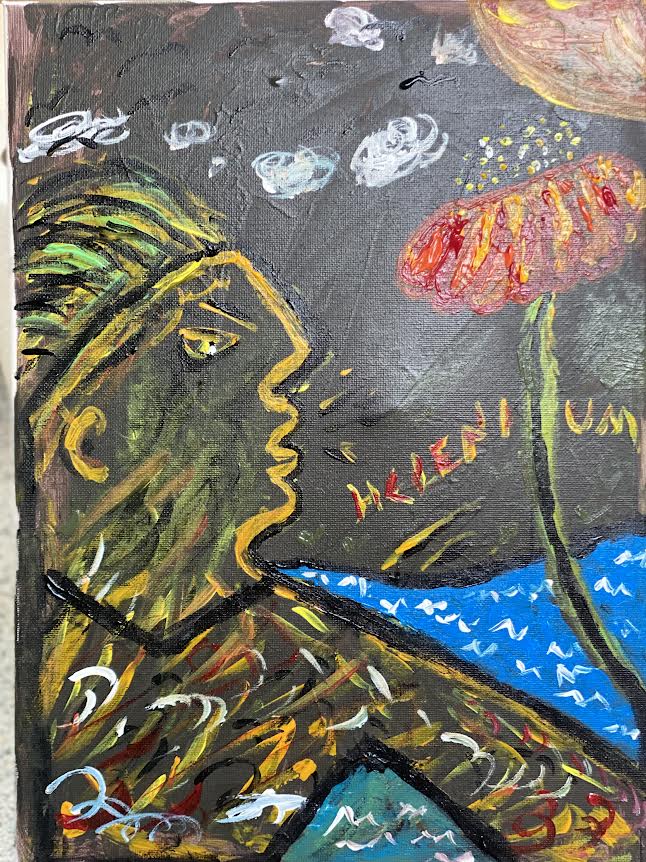
Working on my drawing piece, regarding the myth of Helen and placing her as the epicentre of my study I made my research about ancient Greek male profiles.
I wanted to create a male model impersonating Menelaus (or myself) after a quest, to discover a flower named after Helen: Helenium.
Having in my mind profiles as the ones below, I believe my depiction of an ancient Greek man wasn’t very successful. On the other hand, my model has stands as a profile unique and original.

In the centre of the flower, where the seeds lay, I wanted to create a Celestial sphere: Helen like an exotic flower enclosing a dark star dome; beauty is inclusive and reflects the whole wide world.
The idea was very ambitious: the space created to depict that was very small. So the result is ambiguous it can perceived realistically as a sign of fertility (seeds) or if we go for the original idea can be a metaphor for something bigger (Celestial sphere).
So my search for beauty can lead to different outcomes, through failing to follow or perform my original pan of work.
As I said before the khaki background colour was a happy failure. I wasn’t aiming to use it a my canvas, but because of Helen two big armies(khaki is the military main colour) crushed and perished, I found that failure really useful and I kept it.
- Structured AccidentsWhat happens when you relinquish control of your process? Make use of malleable ideas and materials; break something down and reconfigure the pieces. How can you let go and trust the process to evolve something of interest? Can you structure a process or set of processes where you can learn from accidents and mistakes to define what is working or not working for you? Experiment by destroying something in order to reform the parts into a new structure. Identify a piece of work you are able to break and disassemble. Once this is done you are to then reform the pieces into a unique structure.
Reflecting on my knitted work and Picasso, inspired by the brief, I came out with an idea.
Textiles are a principle I love working with as I have the knowledge to use them as a vehicle to make projects of my imagination come true. It is also a medium versatile and easy to manipulate.
Therefore, l wanted to see how this piece would look if it were to be cut out and reformed, to create a Picasso lookalike cubistic abstract form as my original picture was a single brush form from the same artist.
It is fascinating to discover a new way of expression!
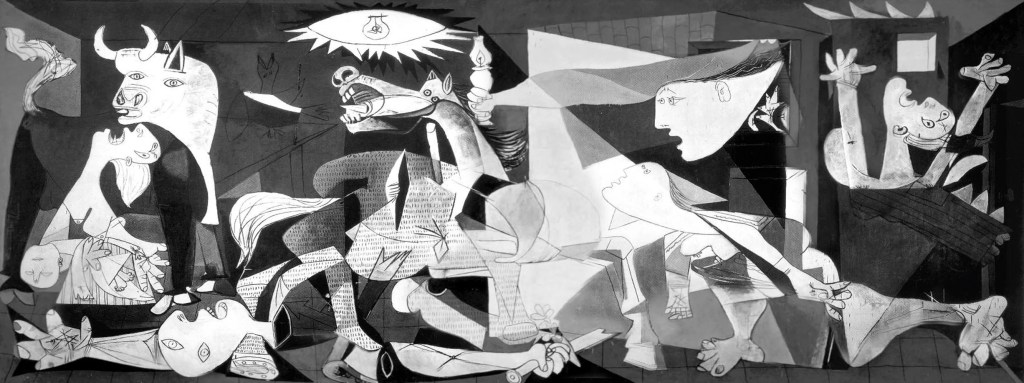
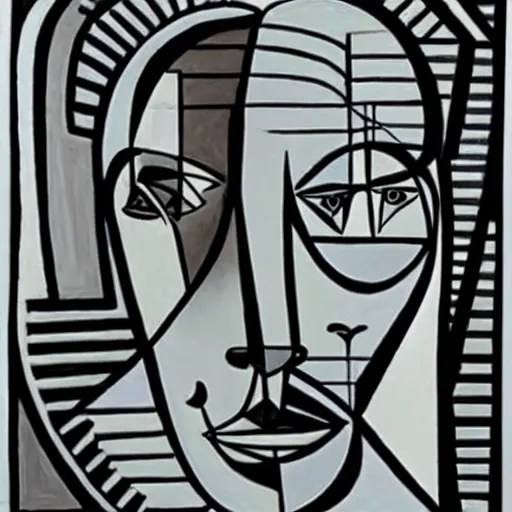
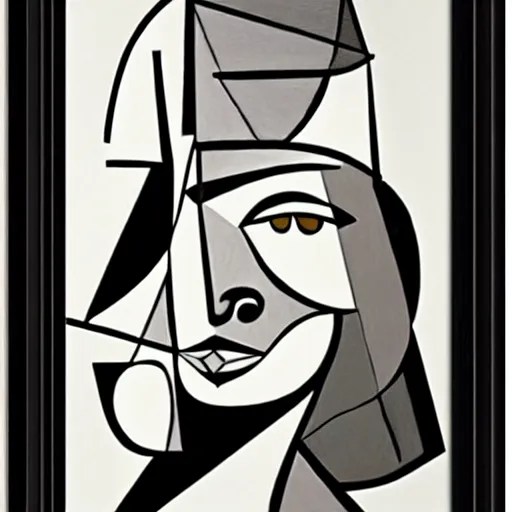
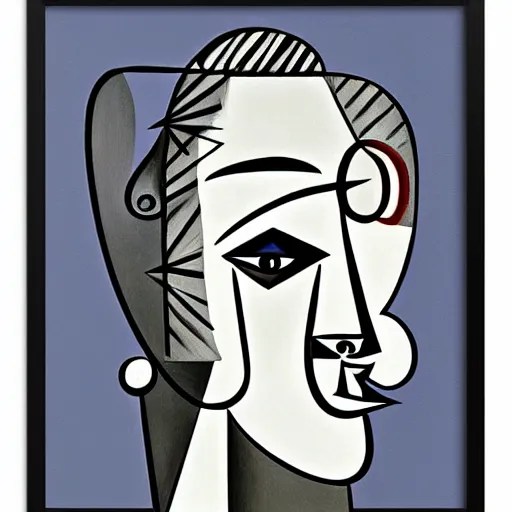
So, I have taken my monochrome knitted piece.
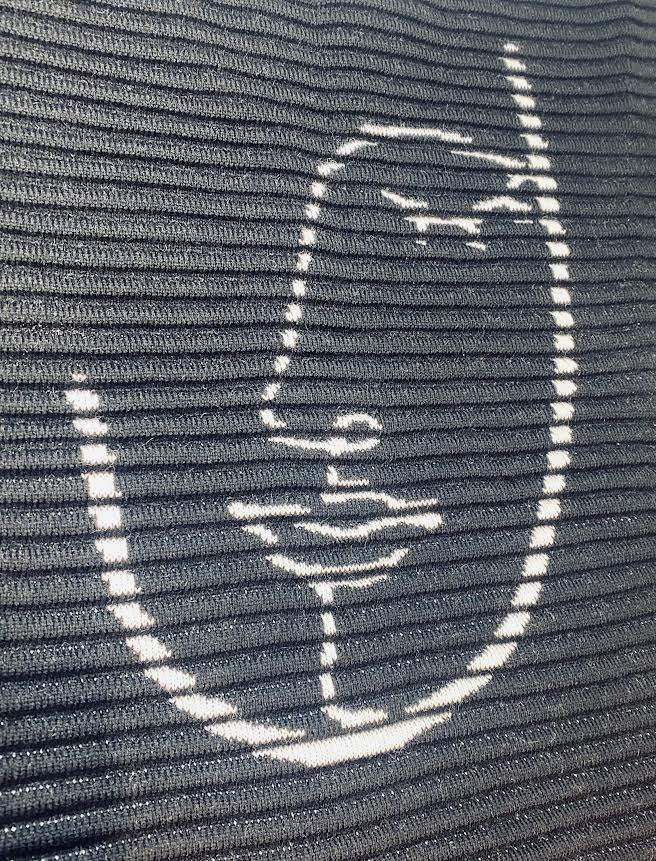
And I have cut it out in four pieces. As I said before, I find the rear part of the fabric very interesting.
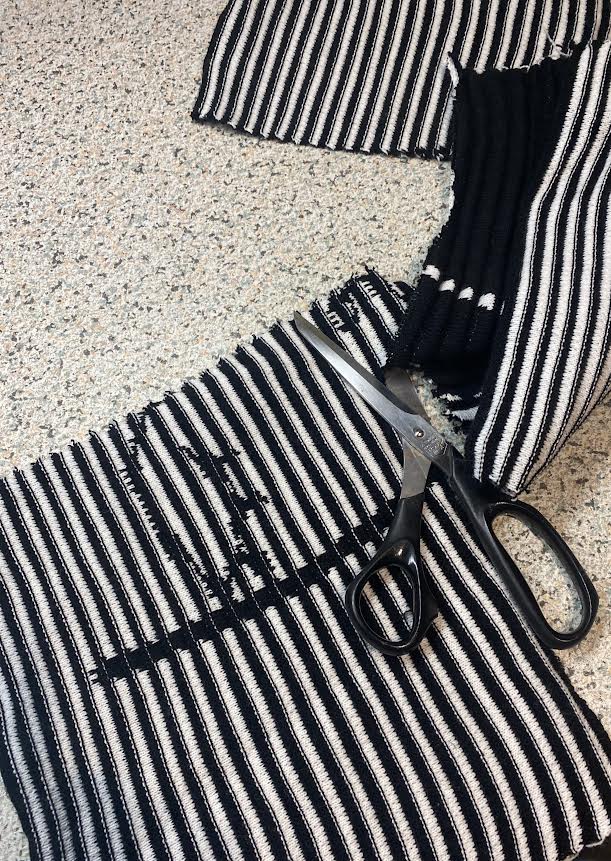
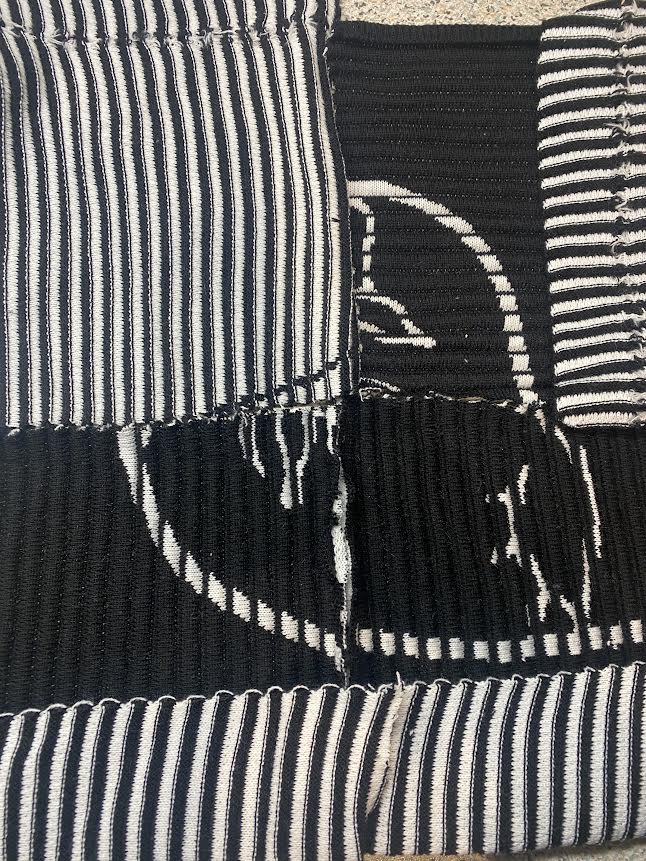
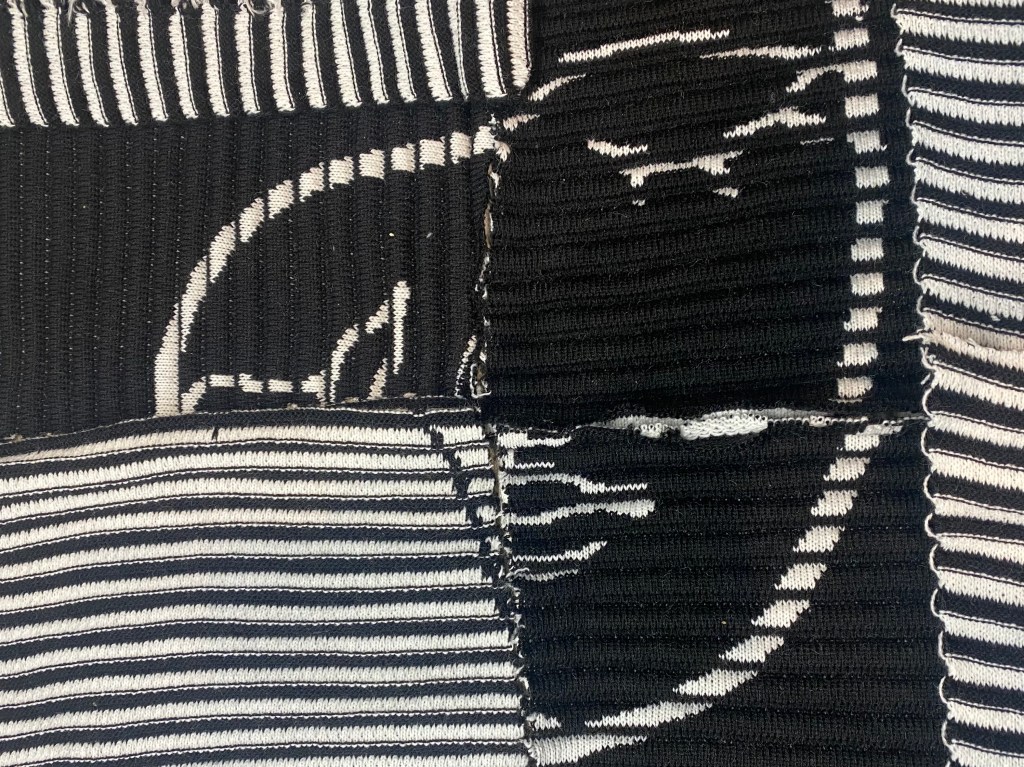
I am really happy with the outcome! There is room for a lot to do and explore in the future!
- Contextual Point: Steal Like An ArtistAustin Kleon is a writer artist and author of Newspaper Blackout, a book collating poetry made by redacting newspaper articles with a permanent marker. In the following Steal Like An Artist talk, he discusses a creative manifesto and speaks about creativity, visual thinking, and experimenting with reforming and destructing text to create unique and imaginative visual and textual outcomes.
 Alexander's blog