Think about the two views below – what you can see – as compared to a landscape
taken from ground level, a map, or Google Earth, and make some brief notes in
your learning log.
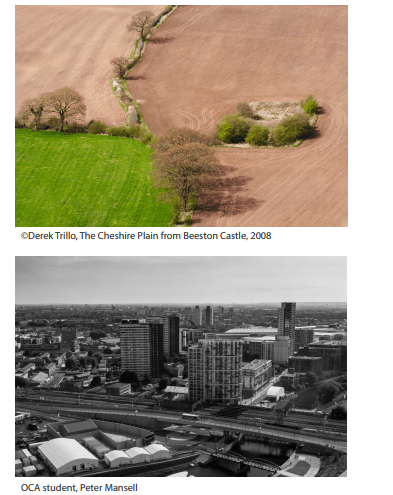
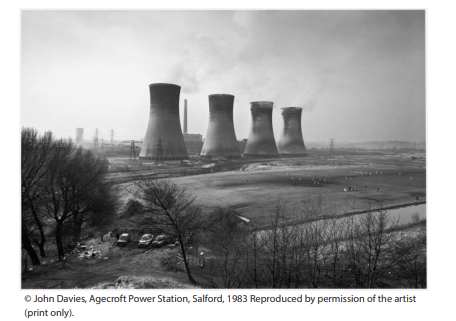
An elevated viewpoint can take in an overview. There’s a risk of producing clichés of the ‘at the
top of the hill/tower and take in the view’ variety, but in skilled hands it can illustrate the land
forms and its content, as well as interesting details. These ‘surveyed’ landscapes taken from a
raised viewpoint and showing a wide area in detail are typical of photographers such as John
Davies http://www.johndavies.uk.com/ [accessed 08/12/18].
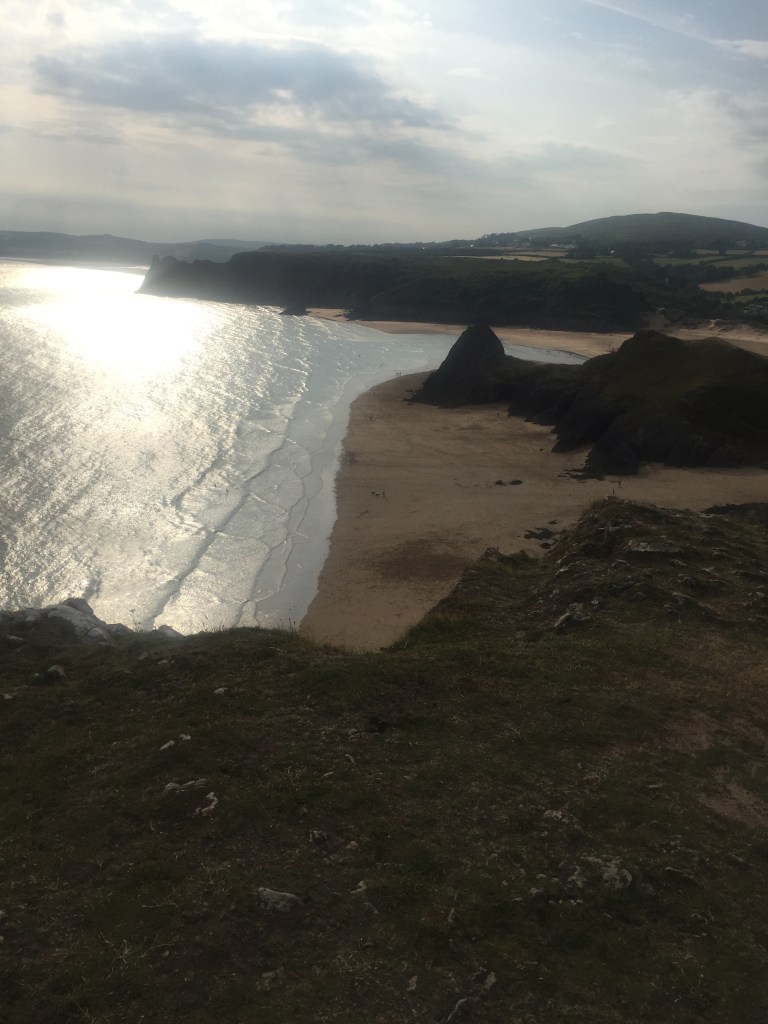
You might want to experiment for yourself by taking some landscape shots from a range of
viewpoints. You don’t have to go out into the country; you can explore the same effects in a
town or city. Include any images you take in your learning log, together with some brief notes.
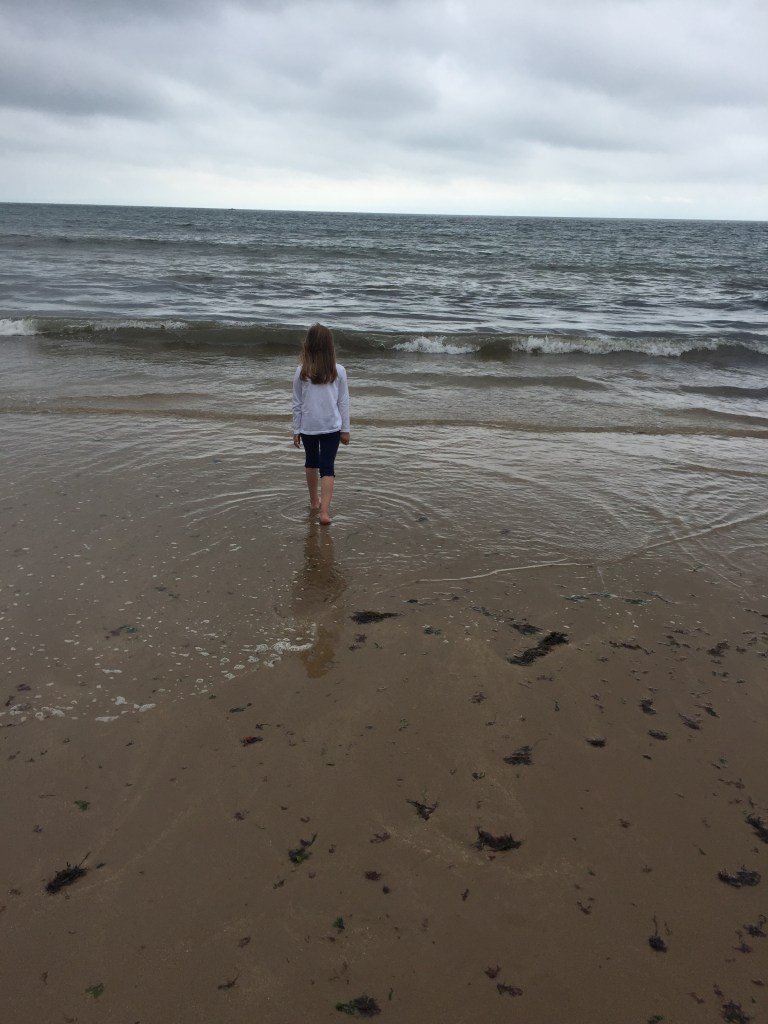
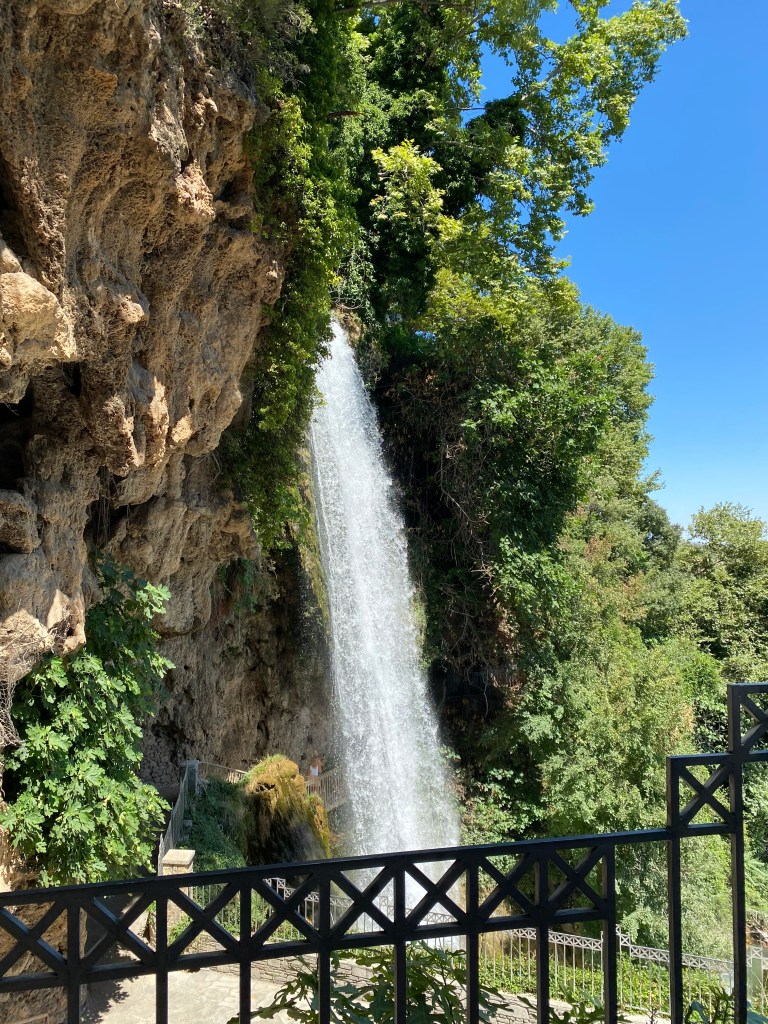

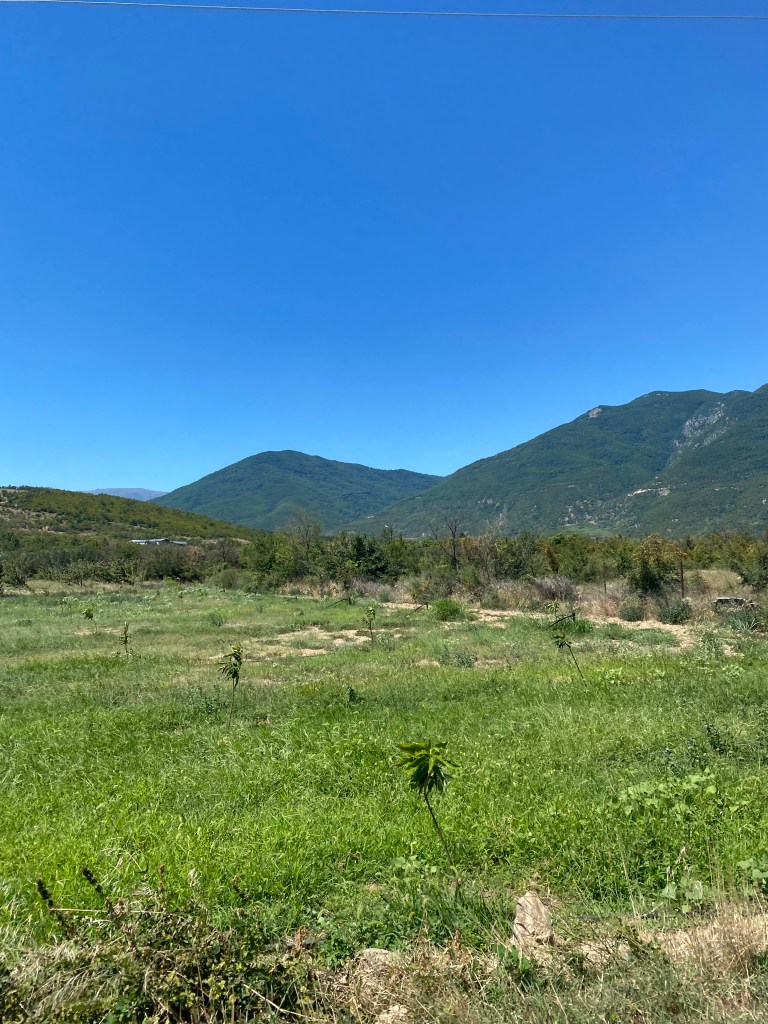
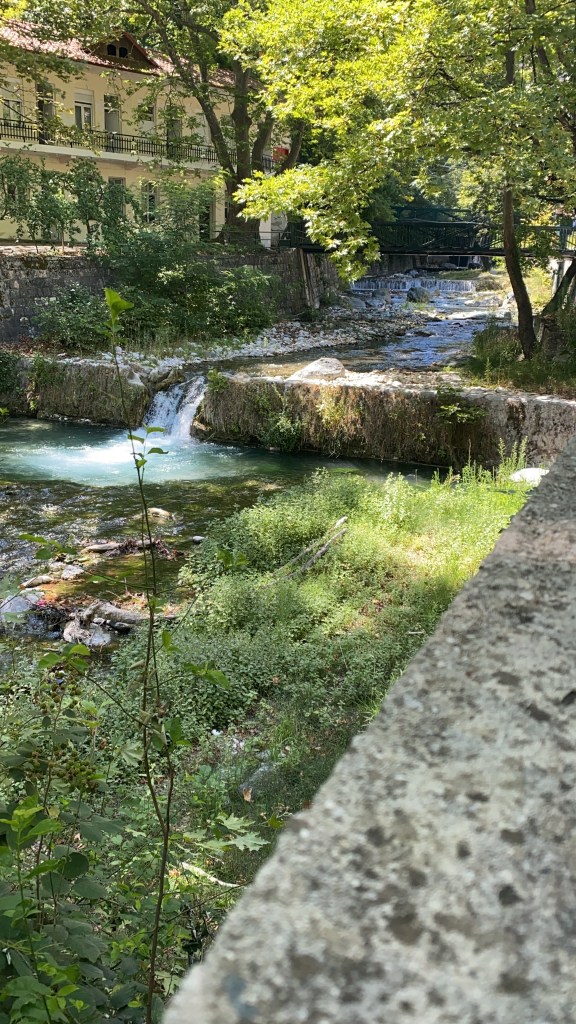
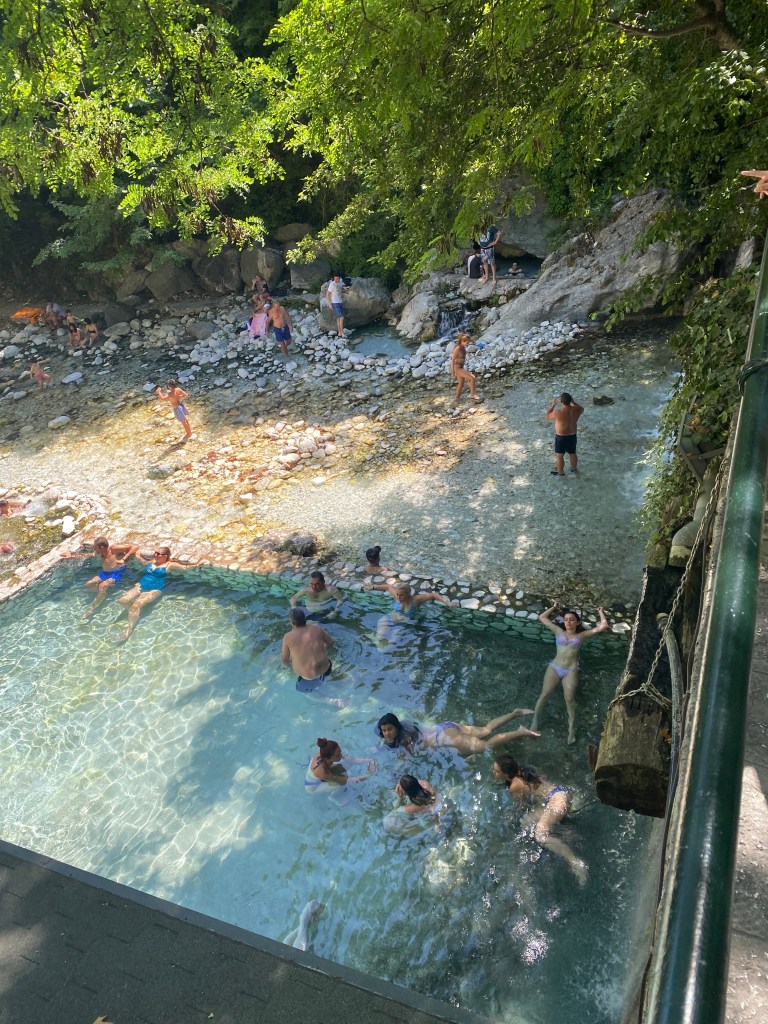

It truly leaves you speechless the fact of capturing a landscape. I’m in awe when I’m in front of natural wonders: a river, a waterfall, a mountain, a forest, the sea. It is fascinating to think about their story, their long past and how they have been changed during the years. It makes you feel powerful when you capture their elements and have them in the palm of your hand as a photo.
Photography can be a form of communication between ourselves and nature: by observing the pictures captured we can see its qualities, we can study or admire their attributes and come out with conclusions that can only make us be better or feel better.
 Alexander's blog