To broaden your awareness of thematic ideas and creative relations to the wider world, review and reflect on the case study below outlining the five themes, Magic, Materiality, Language, Growth and Geometries, in more detail.The Case Study: Themes and Connections Padlet will introduce you to a wide range of reference points, curated by Creative Arts Tutors. Each column corresponds to a theme, where tutors have added research points, ideas, audio/video, links, images, comments, etc. to create a tapestry of rhizomatic connections that embody a generative approach to sharing and creative research.This resource is there to springboard you into your own thematic inquiry, supporting you to build and develop your own range of connections between the themes, your personal interests, and your creative aspirations.

 After reviewing and reflecting on the themes, begin to create your own case study. Select three themes from those listed and collate a personal collection of resources, links, images, articles etc, which relate to your own interests and observations. This can be a Padlet, slideshow, PDF, or any suitable platform to collate your material effectively. As an example, the artist Alex Robbins has done just that, choosing three themes that relate to his sculptural work and forming a wide range of resources and references as a starting point for further thematic engagement and idea development.
- Case Study: Alex RobbinsArtist Alex Robbins has used the thematic case study above to begin his own research to develop new ideas and connections. As his starting point, Alex was interested in the connections between Cities, Fiction and Matter. Using these key terms as a starting point, he then reflected on his current sculptural practice and the form and methods he employs, and his place of residency, Los Angeles, USA. Within the following Padlet, you will see how Alex creates connections and tensions between research content, artworks, text, and his own practice, in relation to place and the issues around him. Trigger warning: some content is of a sensitive nature.Alex Robbins Case Study: Los Angeles – Homelessness, Sculptural Uncanny & Bare Life
Respond to the questions Alex posed in the case study. Write some notes and comments in your learning log. Can you relate to the themes and ideas he is exploring? Alex’s case study is just one example. Your study may be very different. From the list of five main themes, what are you drawn to most, can you see connections between different strands of the references that relate to your practice? Your case study research activity should evidence knowledge and critical reflection on your chosen theme(s), incorporating resources with comments and questions. Complete the exercise with a summary within your learning log to accompany the case study. - Developing Cultural Awareness“The cultural awareness (you can call it research if you like, but it’s really something larger) ranks higher than technical ability and academic qualifications in the designer’s portfolio of attributes.”Shaughnessy (2005) p.19.Read more
- Student Community: Sharing ConnectionsAdd your thematic case study to the Creative Arts Relations Forum, including a brief summary of your choice of themes and how these may evolve and support your practice. Examine your peers’ case studies, particularly in relation to developing your cultural awareness. Use this forum to raise questions and contribute to the conversations to learn from each other and expand your awareness of the myriad of connections between the themes. After your forum feedback, go back to your thematic research project and add and amend as necessary.
The fashion world is immense and inclusive.
Working on exercise 1 on the case study outlining the five themes, Magic, Materiality, Language, Growth and Geometries, I realised that these are fundamental aspects of fashion.
I felt more connected with the three of them.
The theme of Magic: because fashion is magical. It is an alchemy that transforms elements, and based on their performance, the designer follows rituals to create illusions and visions.
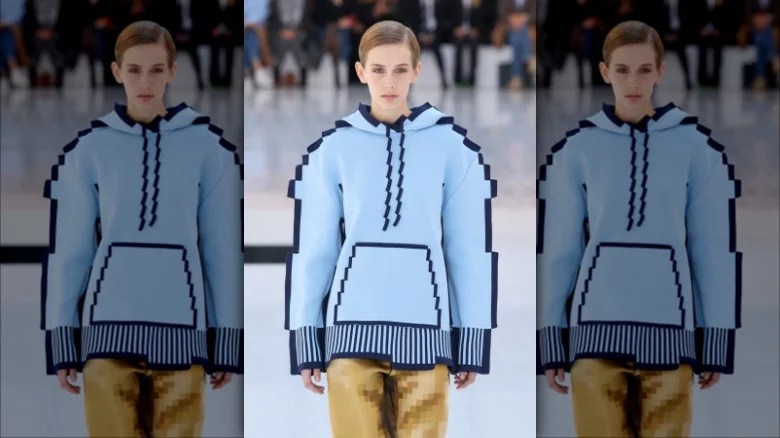
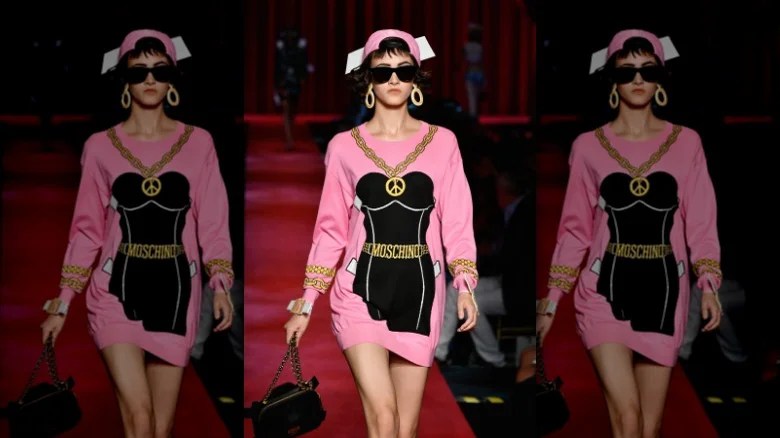
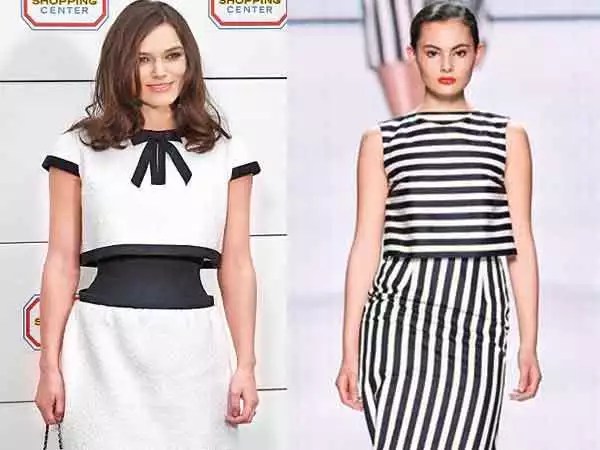
The theme of language. Fashion is about various narratives, blissful stories and playful fiction. A mythology of a parallel universe that is all about the show and tell: when one appears in attire, they speak of who they are to the world.
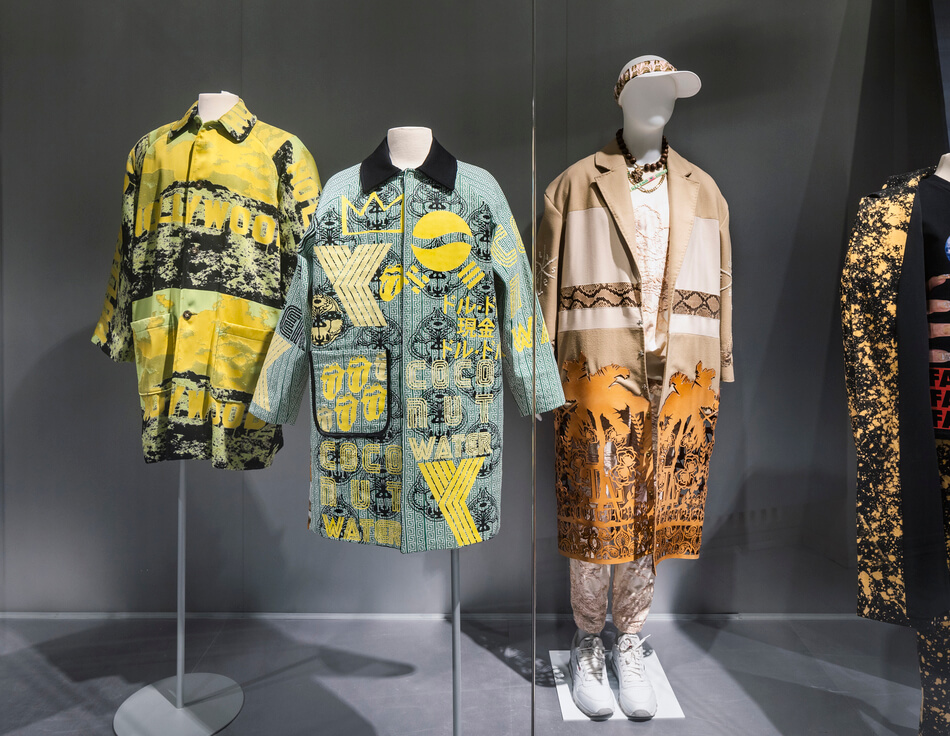
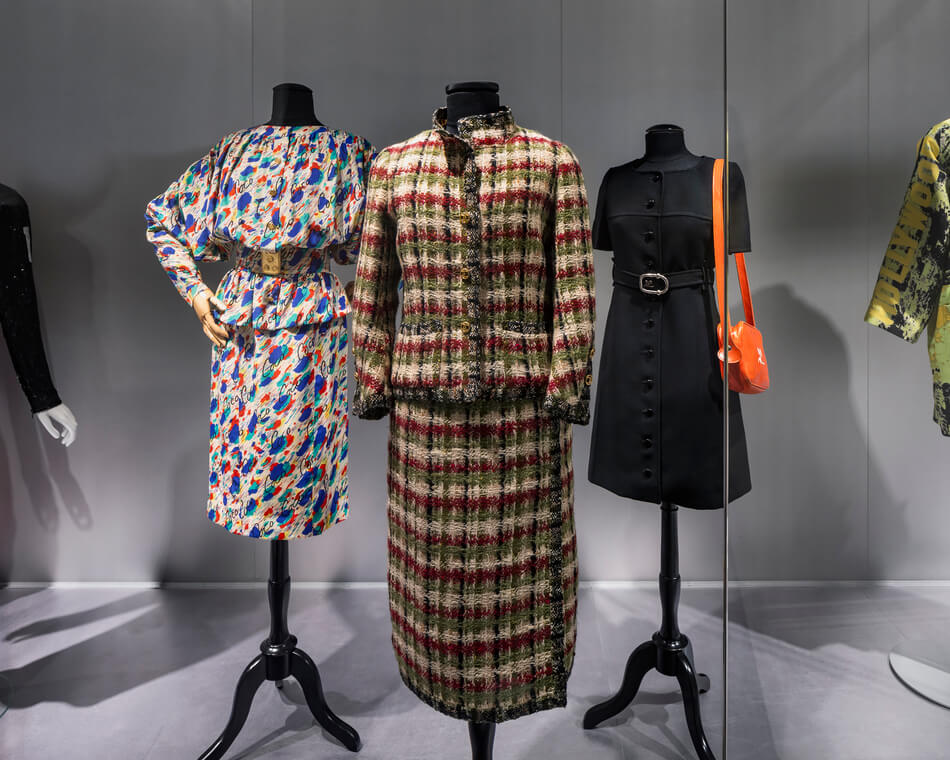
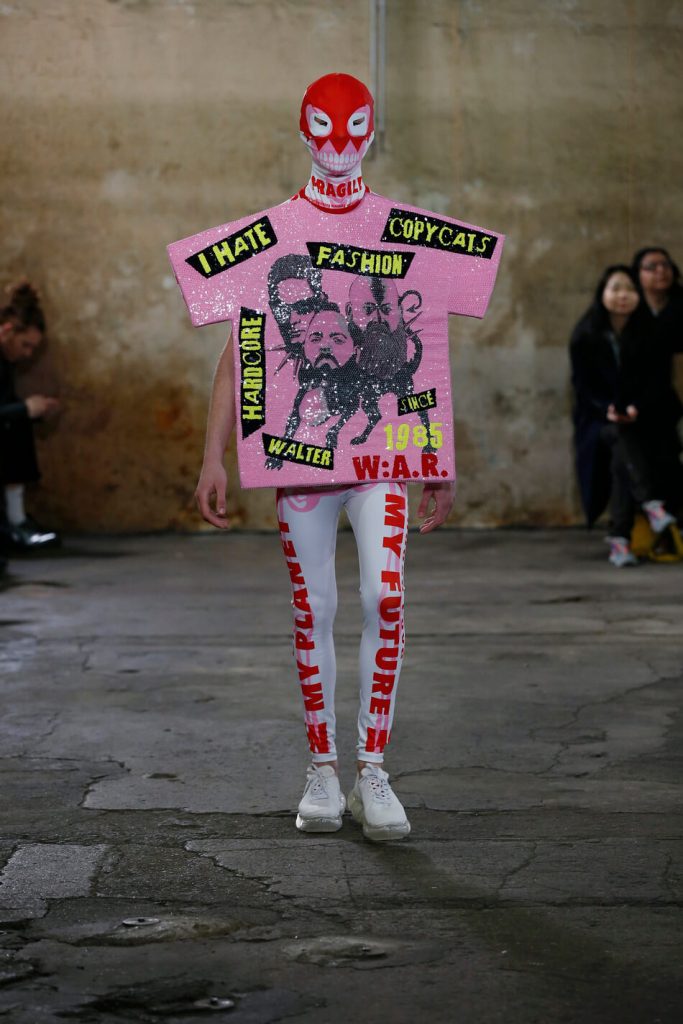
The theme of growth. Fashion is the epitome of what we call a financial wonder. It is about cities and people. It is in constant dialogue with the life-circle of environments create in the Anthropocene and is definitely influenced by the morphology of people and subjects.
GROWTH OR NOT?

Men’s morphology that inspires fashion pieces.
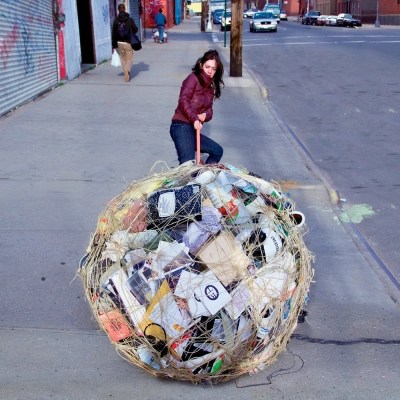
Art for the Anthropocene Era
Mary Mattingly: Pull (detail), 2013, chromogenic print, 30 inches square. Courtesy Robert Mann Gallery, New York.
But what is fashion?
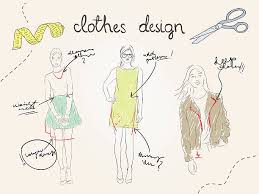
Clothes design?
Is it a type of art?
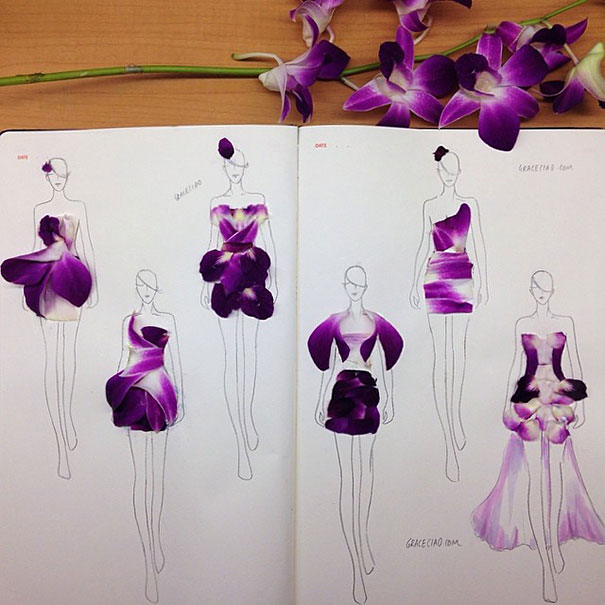
If the answer is yes what’s the inspiration of fashion designers? how do they have interacted with various artists from other walks of life over the years? is there any dispute about fashion?
My case study includes research regarding the arguments and challenges the fashion world is facing.
MY PADLET: FASHION NARRATIVES.

 Alexander's blog