Prologue: Testing Boundaries Through Image and Word
In approaching this project, I wanted to challenge not only the boundaries of form but also the boundaries of self-expression. Testing Boundaries invited me to move beyond a single medium, and as someone who works across photography, creative writing, and poetry, it felt like an invitation to bring all those threads together into one cohesive narrative.
I chose the two poems: “Penelope” and “The Marble”, because they reflect contrasting yet equally powerful aspects of identity, memory, and agency. Penelope speaks to the tension between travelling, discovery homecoming, waiting and weaving, and I saw myself in that: the relentless journey of self-discovery. The Marble, on the other hand, gave me a metaphor for transformation. It allowed me to reflect on how life, like sculpture, is a process of carving meaning out of raw experience.
I used AI imagery alongside my own photographs as a way to visually interpret those poetic worlds, layering personal history with digital reinterpretation. My photos represent the places I’ve been, emotionally and physically, while the AI experiments pushed me to reimagine those spaces/phases through a poetic lens. This blend of real and imagined, memory and metaphor, became my way of exploring how identity is formed and continually reformed.
This project ultimately became an act of excavation. It’s not just about testing the limits of medium, but about testing the edges of who I think I am, and allowing that to be shaped, like marble, by the tools I’ve chosen to use.
EXPERIMENT 1: USING AI TO CREATE AN IMAGE BASED ON AN EXISTING PIECE OF WORK.
The Penelope (in Me).
I walked through tempests with no stars to chart,
Each shore a question, every bed a test.
The gods I blamed were figments of my heart,
And still I sailed, unrested, yet obsessed.
—————–
The suitors feasted on my thoughts each night,
Disguised as doubt, desire, or past regret.
But I returned with salt still in my sight,
And found no throne: just silence, and a threat.
—————-
A mirror waited where her face should be.
No veil, no voice, just breath that matched my own.
I saw not her, but me, unravelled free,
A soul once lost, now claimed and overgrown.
—————
To love yourself is not to be alone!
But to come home, and know you’ve always known.
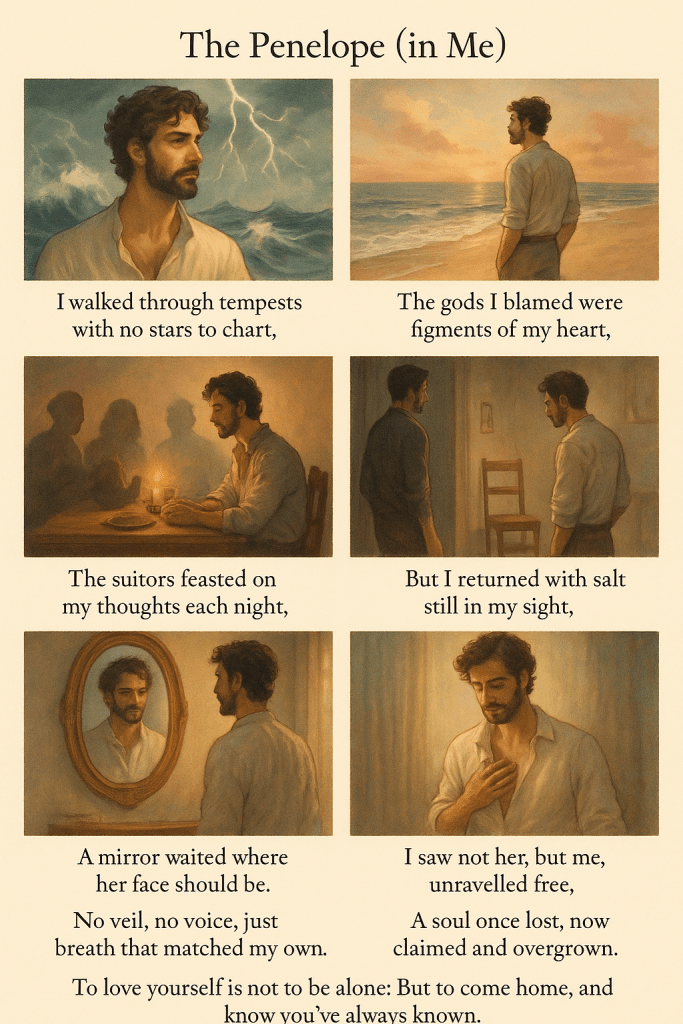
Experiments with AI: Navigating Style and Ethos
Working with AI in the creative process is far more challenging (and revealing) than it first appears. It’s not a simple matter of giving instructions. You must create a whole narrative, a framework of meaning, that the AI can understand and respond to. That includes shaping not only what is being asked, but also how.
What I found most fascinating in my experiments is the delicate balance between ὕφος (ýphos – the style, tone, or aesthetic of the work) and ἦθος (ēthos – the spirit or character behind it). These two ancient Greek ideas still hold true today, especially when applied to modern tools like generative AI.
You have to constantly adjust the tone, atmosphere, and narrative direction so that the AI’s output reflects not just a surface idea, but an emotional and conceptual depth. At times, it felt like directing a play or composing music: testing rhythms, moods, images until the result truly resonated with the original poetic vision.
There were moments of frustration and many moments of discovery. Each small picture or poem became a test of communication, not only with the machine, but with myself. What do I really want to say? How clearly am I expressing it? How can I help the AI see what I see?
In the end, it became not just a technical experiment, but a dialogue with the self: guided by poetry, imagination, and the enduring question: what is the soul of the image I’m trying to create?
————————————————————————————————————————
Second push off limits experiment
Note on the Photographs
All photographs in this sequence were taken on different days over the past year, during moments of reflection and movement across places that hold meaning for me in Leicester, the Isle of Man, Liverpool, Scotland, London, and China. Each image carries a trace of where I was, both physically and emotionally, and together they map not just geography, but a personal landscape of transformation.
Marble (Marvel)
I do not chase the chisel.
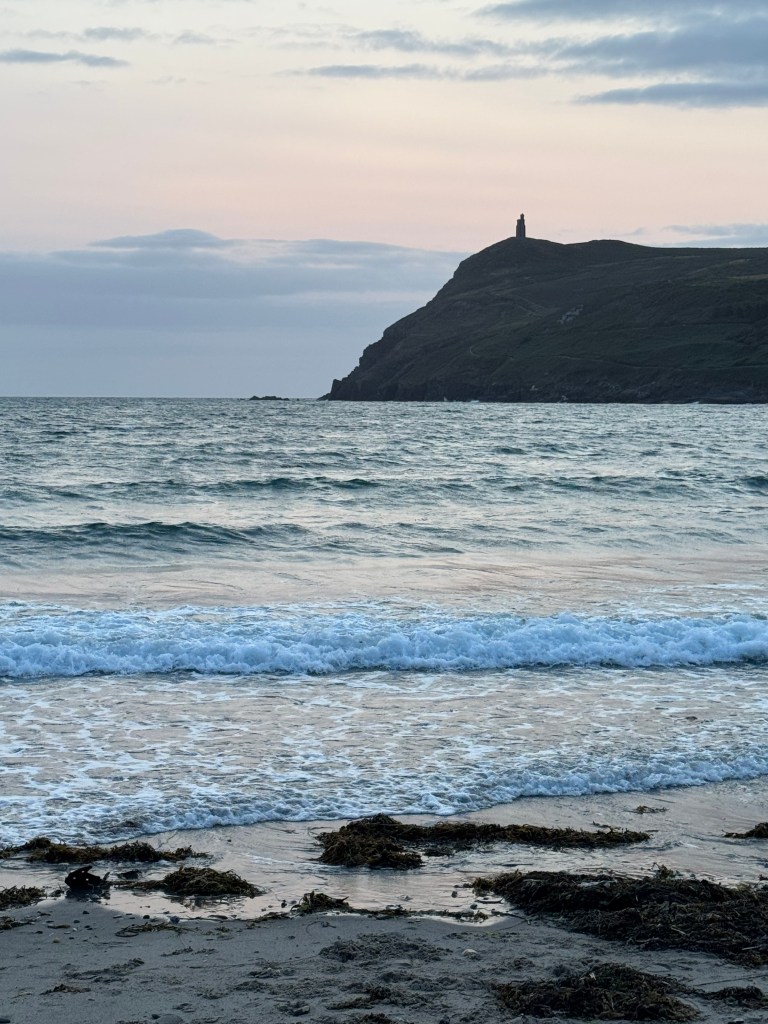
I wait for it to come to me.

A stillness thick with longing.
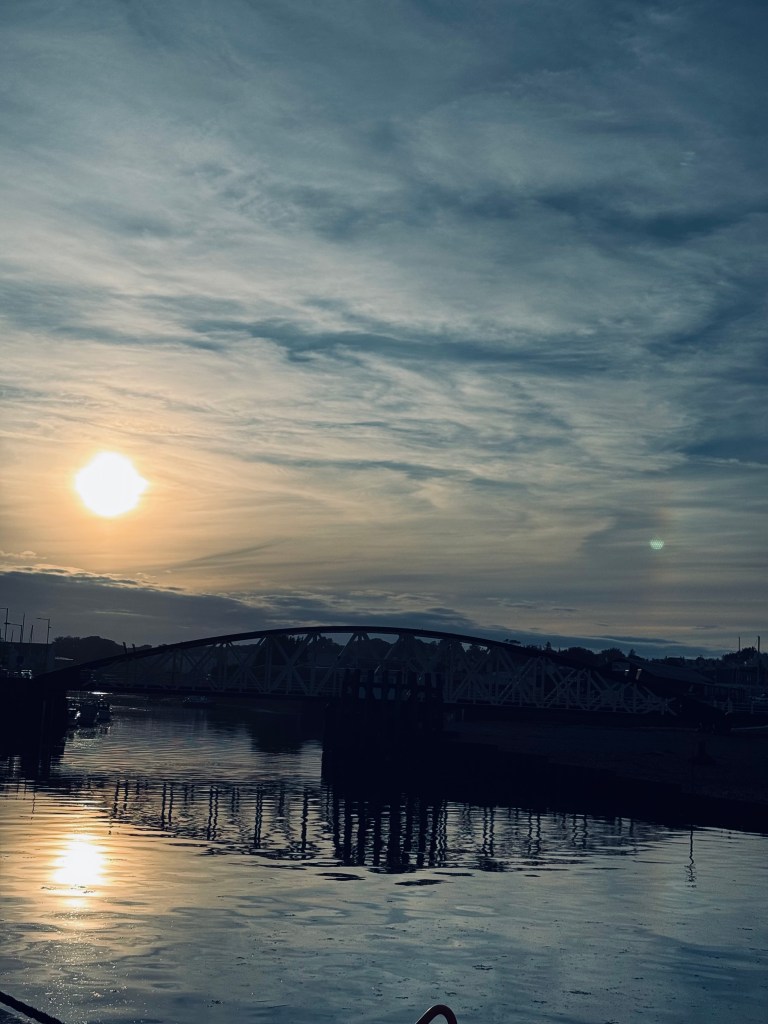
Cool marble beneath the sun.
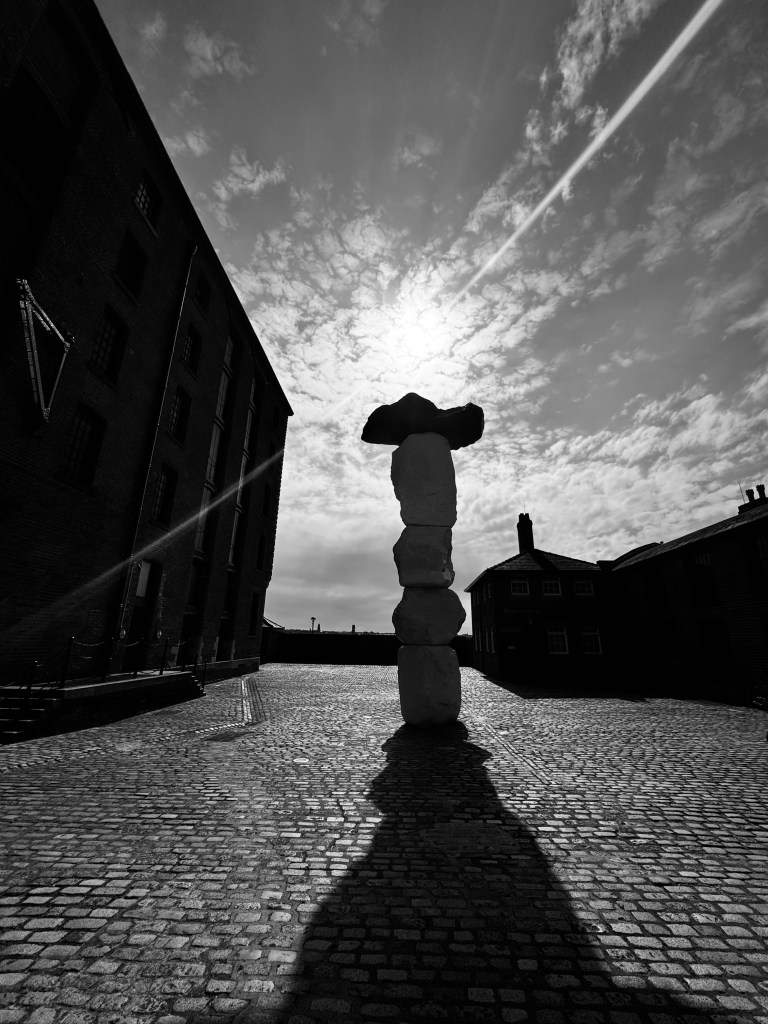
A white slab of silent craving.
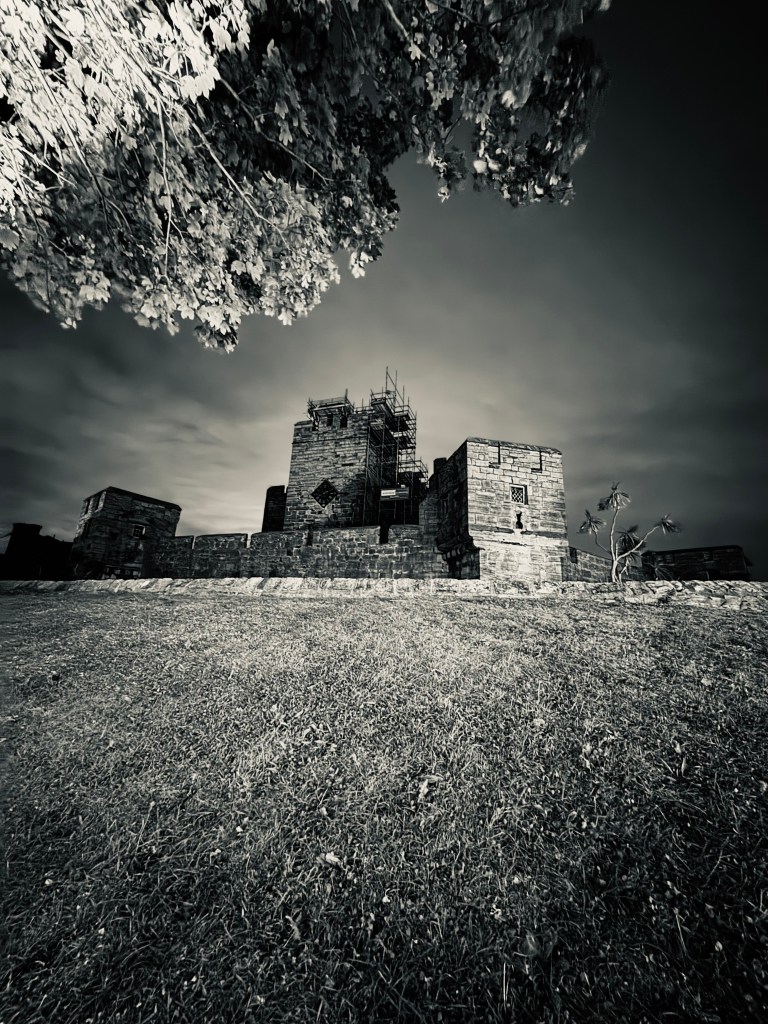
Not unfinished, but unbroken.
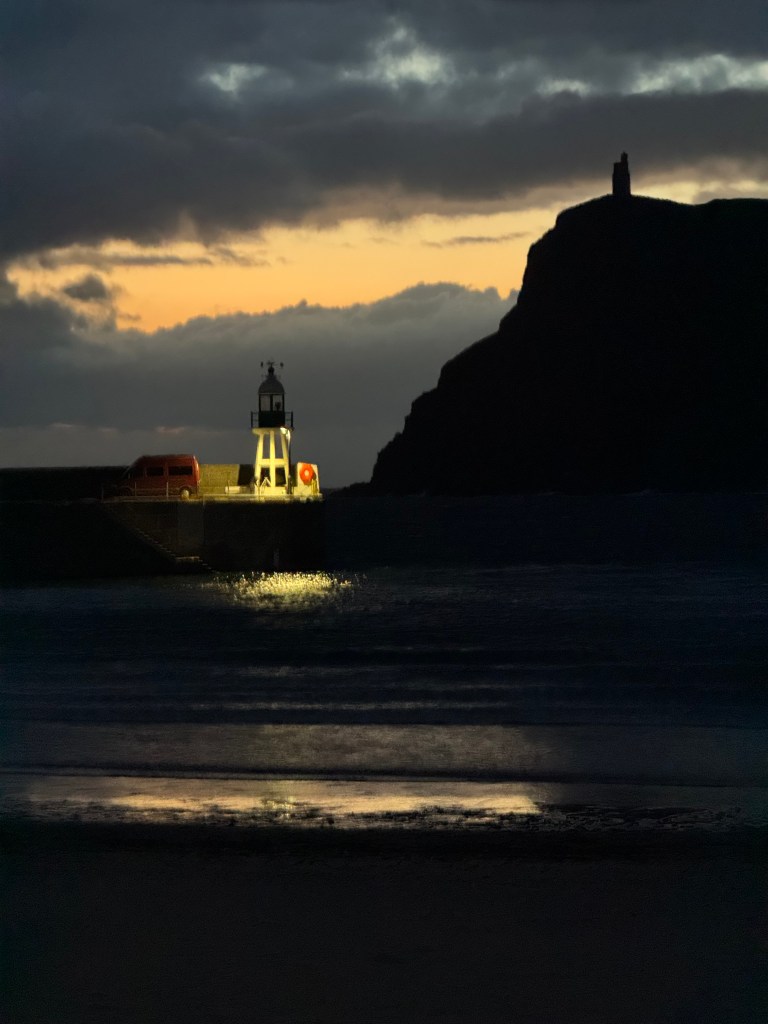
Let the world come.
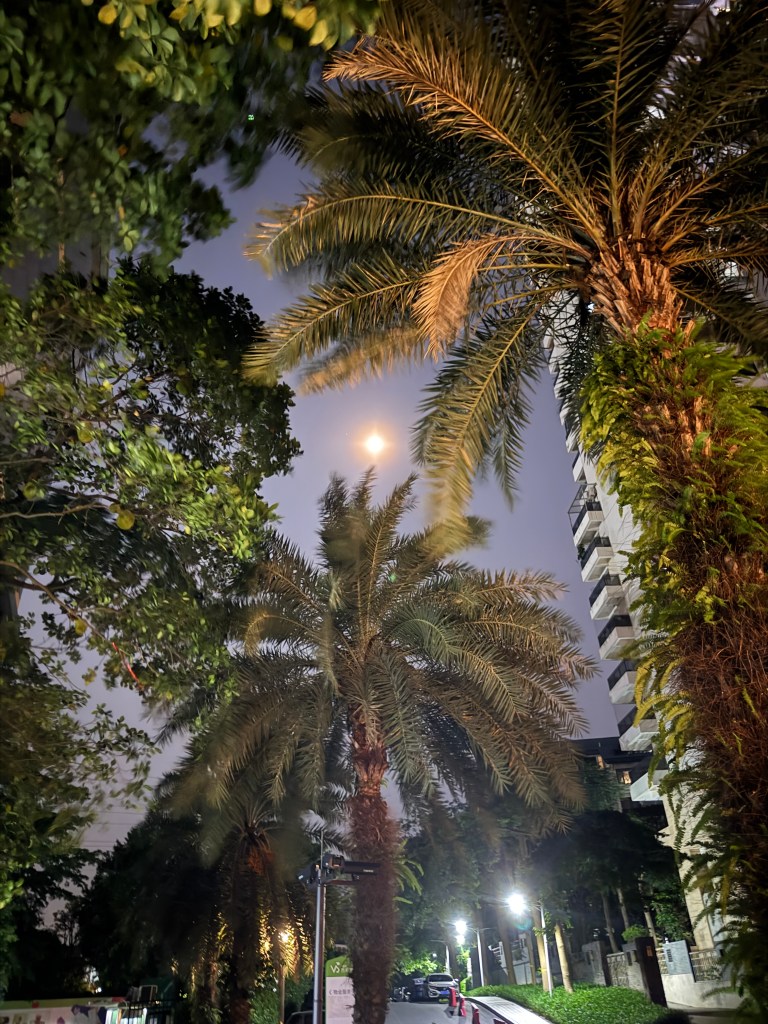
Let the storm strike hard.
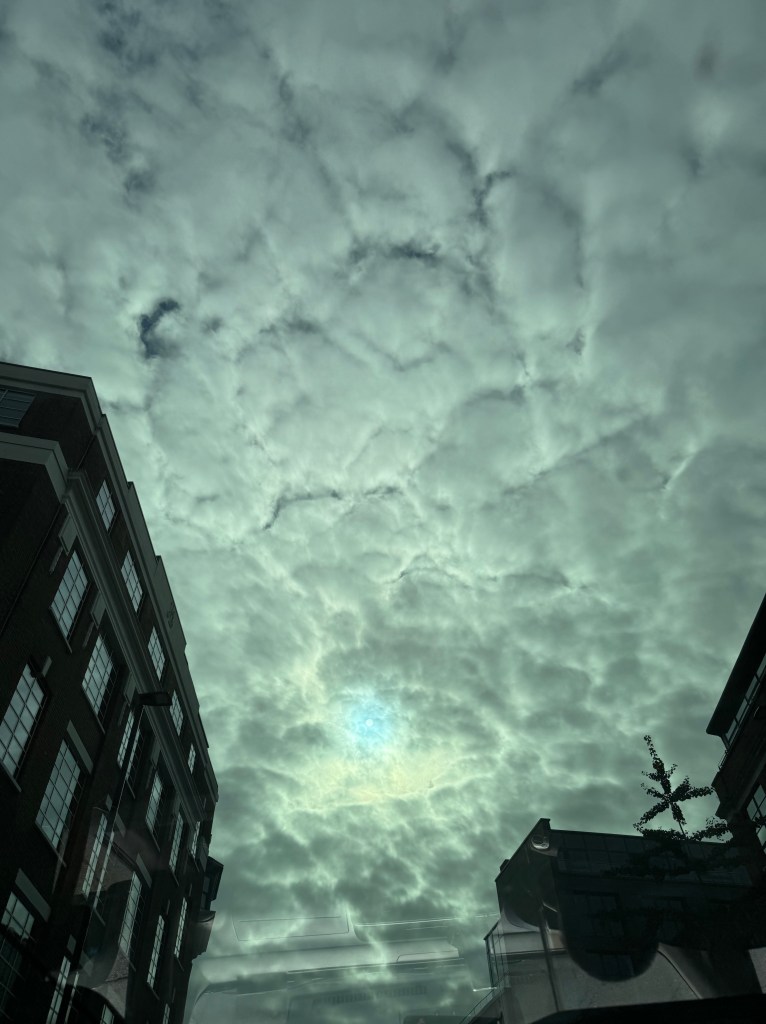
Let her hands form mine.

I’ll transform myself
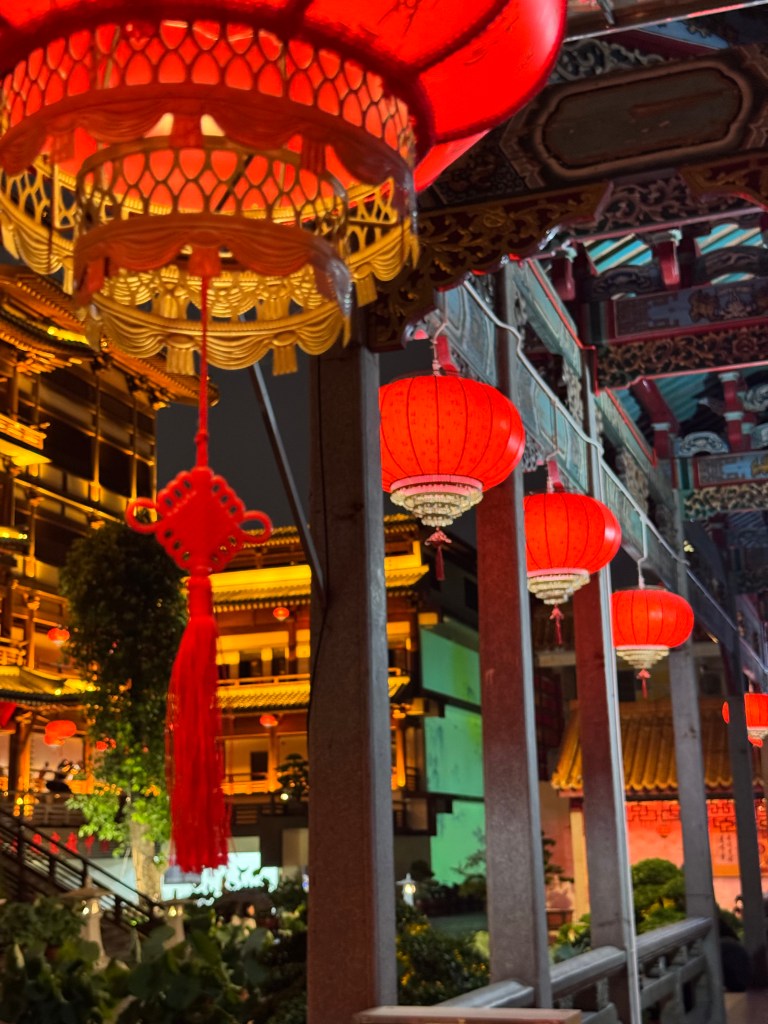
Whatever the moment
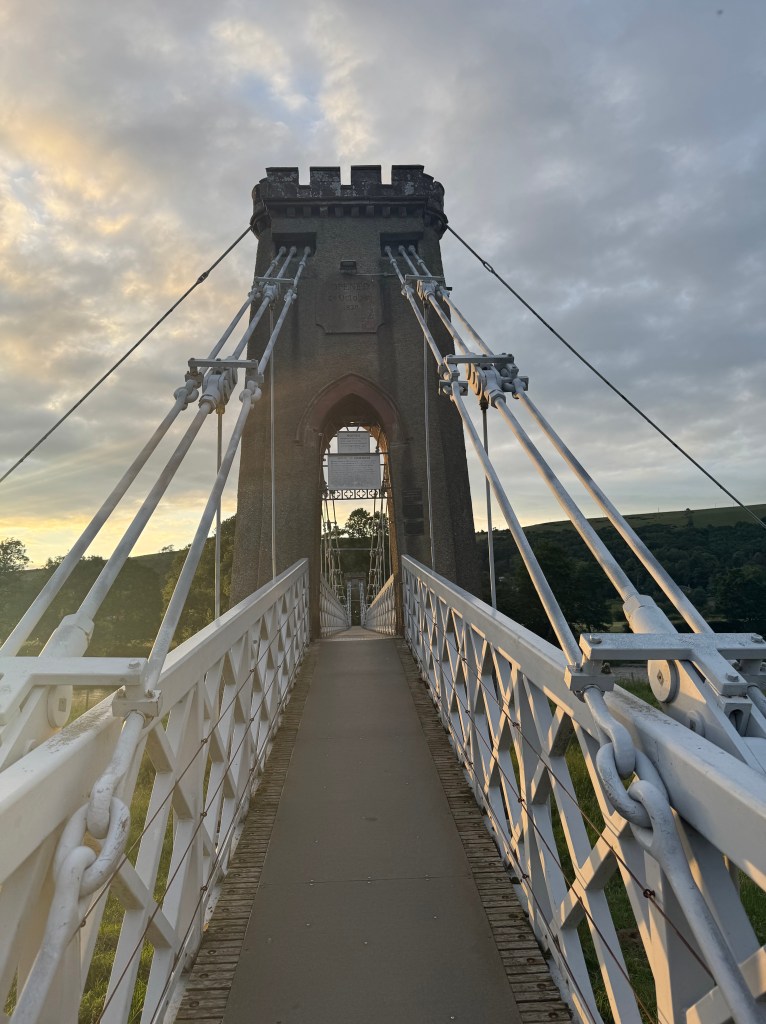
dares to shape in me.
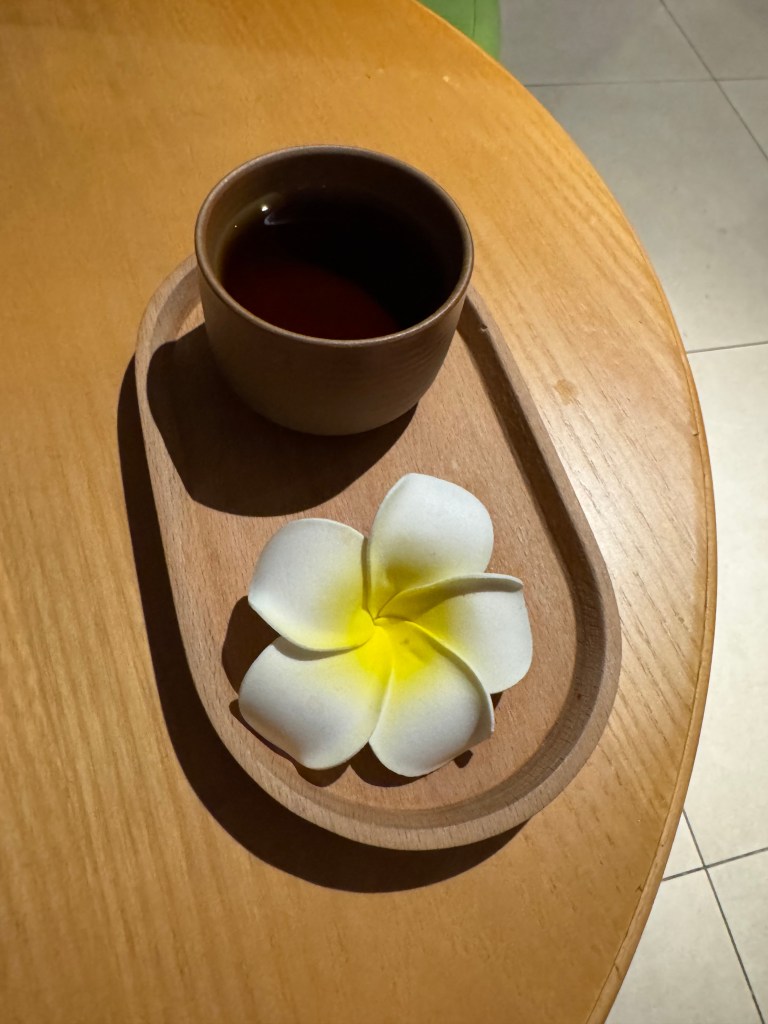
A Note – Final Image (Revised)
This final image, paired with the line “dares to shape in me,” draws everything inward. After towers and skies and storms, I return to something humble: a cup of tea beside a flower, placed gently on a wooden tray. It’s a quiet moment, but also a profound metaphor. The tea (the liquid) takes the shape of its container. It becomes whatever holds it.
This is the antidote to the chisel that shapes us: life’s difficulties. We don’t need to be broken to be shaped. Like water, we adapt. We transform. We let the world move through us, not against us. This image holds that idea: that softness is strength, and that surrender is not the absence of power, but a different kind of courage.
Conclusion: Shaping Memory, Word by Word
This project was more than just an interpretation of a poem; as mentioned before, it became a deep inner search: an assessment, a therapeutic treat. In choosing to work with ‘Penelope’ and the metaphor of the ‘Marble’ (or Marvel), I found a way to reflect on the shaping forces in my own life. I used AI not just as a tool, but as a mirror: one that helped me see and express what often remains wordless. When I brought in my own photos, I wasn’t just illustrating a poem: I was weaving my own narrative into its fabric, letting memory and technology collaborate in shaping a visual and emotional language.
The questions I selected were the ones that stayed with me, the ones that felt dramatic, raw, and true. They carried a weight, not just poetic beauty, but emotional clarity. They asked something of me. They revealed how language can sculpt understanding just as a chisel reveals a figure hidden within stone. These questions represented the power of words to not only describe experiences, but also to transform them.
Ultimately, this assignment reminded me that we are all unfinished sculptures: formed by memory, shaped by time, and still being carved by the truths we dare to face. The marble we carry is heavy, the chisel shapes us, but in the end of the day we need to adapt.
 Alexander's blog