- Contextual Point: Relations Between Art and Life Practice is rooted in the everyday. The boundary between art and life can be difficult to negotiate, but some practitioners deliberately explore or erase this distinction. The line can be blurred not only between artist/work but work/viewer.
- Read more
- Exercise 1: Practicing Practice“Finally, you need to acquire a ‘voice’. I was tempted to say ‘style’ here, but the voice is more accurate because it is more personal and it suggests humanistic qualities. How do you acquire a voice?”Shaughnessy (2005) p.135.According to Adrian Shaughnessy, you need three main elements to develop your practice:Firstly, you need to have a creative vision, through which you can decide what’s good, what has integrity, and what’s worth pursuing. This might be driven by your interest in aesthetics and/or by a social concern to use creative practice to improve the world in some way. Looking at other creative practitioners’ work and reflecting on your own interests and motivations will help shape this. Secondly, Shaughnessy identifies the need for an inner sense of confidence in your creative judgements. Creative confidence comes through experimentation, getting things wrong, learning from mistakes and a hunger to try things again. Reflection is very important to the process – looking back at what you’ve done, thinking about what’s worked well why it’s worked, and how you can improve. The exercises and assignments in this unit are designed to help you develop your creative confidence, increase your willingness to take risks try new ways of working and deepen your understanding of your practice.
- Finally, creative confidence comes from cultural awareness, from being connected to wider contemporary and historical fashions, trends and ideas. The research activities in this course will help you both broaden your cultural awareness and start to think about how you can use this knowledge to enhance and develop your own practice.

The American performance artist and urban activist Theaster Gates creates sculptural work that does very well in the art market. With the money generated and grants from organisations, Gates has acquired real estate in the run-down neighbourhood where he is based. The Dorchester Project began in late 2006 when Gates purchased an abandoned building on 69th and Dorchester Avenue on Chicago’s South Side.
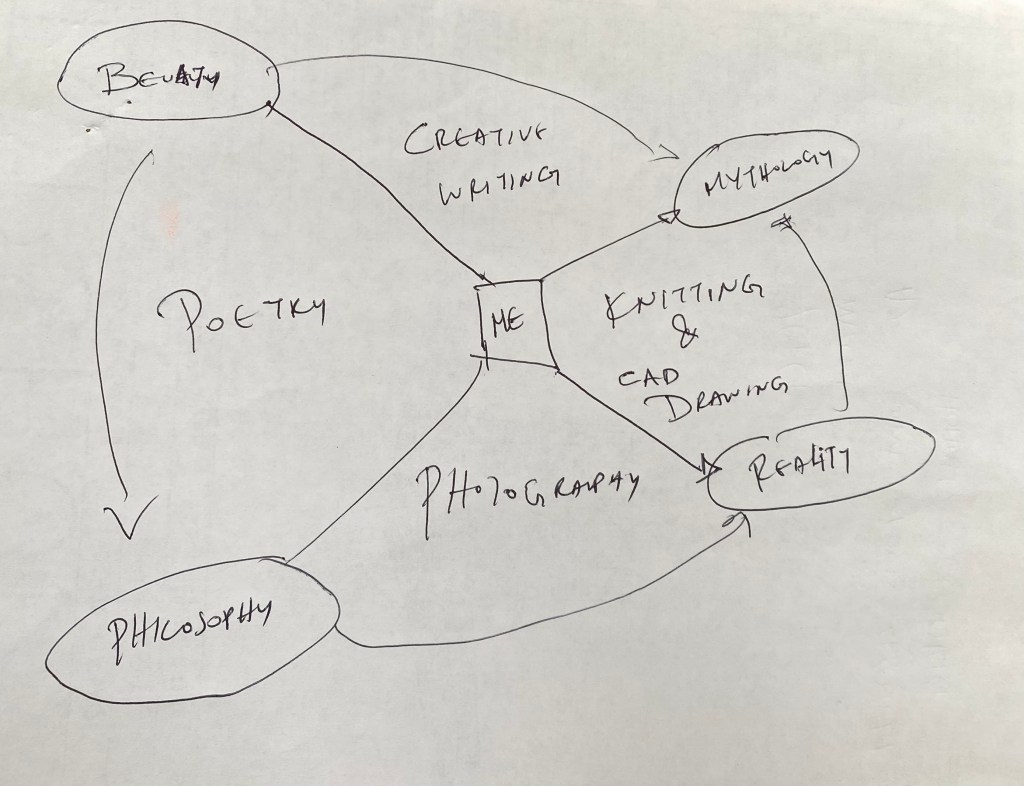
My pillars of study
Following my tutor’s advice, I mapped my field of interest and the disciplines I will be working with that will help me broaden my learning curve.
I felt engaged and relieved from the theory of Project 6. It was a common practice for me before to start with a vision, but when materialising, had outcomes different from the starting point. That practice was daunting to me. I had to refer to the original and start all over again; it has always been a relentless quest for my truth that was restricting my point of view. I was cancelling ideas during my creative session because I felt they were not for me.
I understand now that this process is part of the creative curve. It is not like my daily practice where when I need to create a stitch, I have to follow a specific method to achieve it. I now see that losing yourself in the creative storm is a very healthy and creative way.
Applying all these new theories, I refer to my quest for beauty.
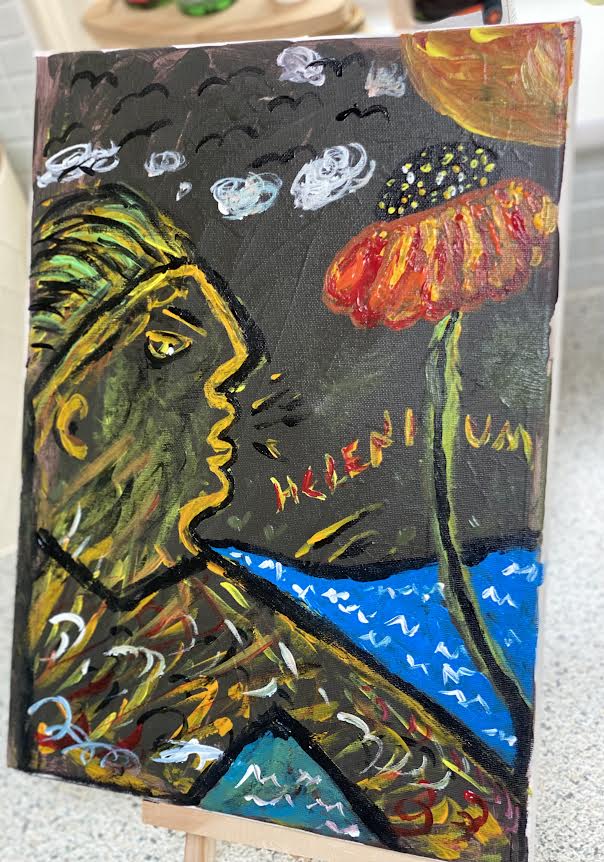
I feel more confident about trusting my feelings and working on where my instinct guides me now: Helen of Troy. She has been the ultimate personification of eternal beauty since the dawn of Western civilisation; Homer, our source, does not describe her: she becomes an ethereal beauty that whole armies die for.
HELEN OF TROY
inspired by the Greek painter, Alekos Fassianos, Alekos Fassianos (Greek: Αλέκος Φασιανός, 13 December 1935 – 16 January 2022)
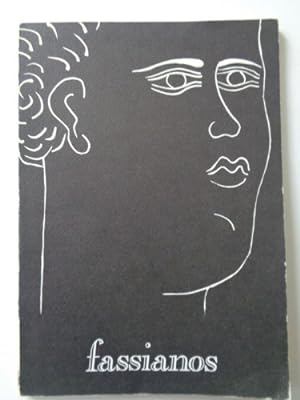
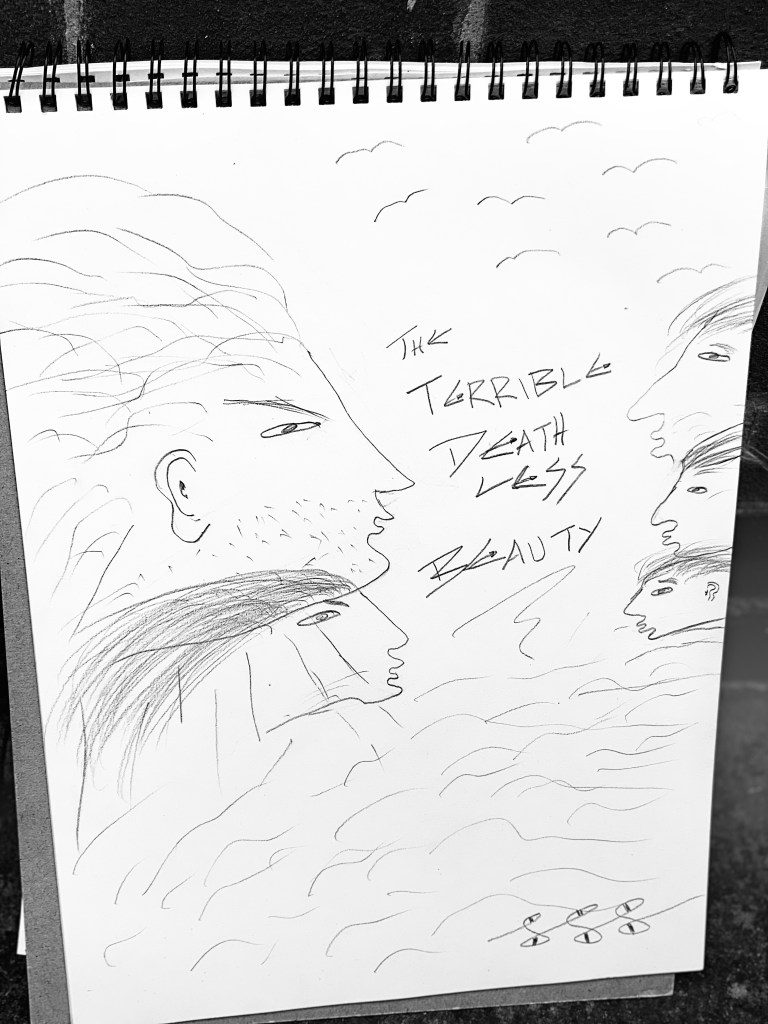
THE SENIORS OF TROY
A sketch of the elders watching Helen walking on the ramparts.
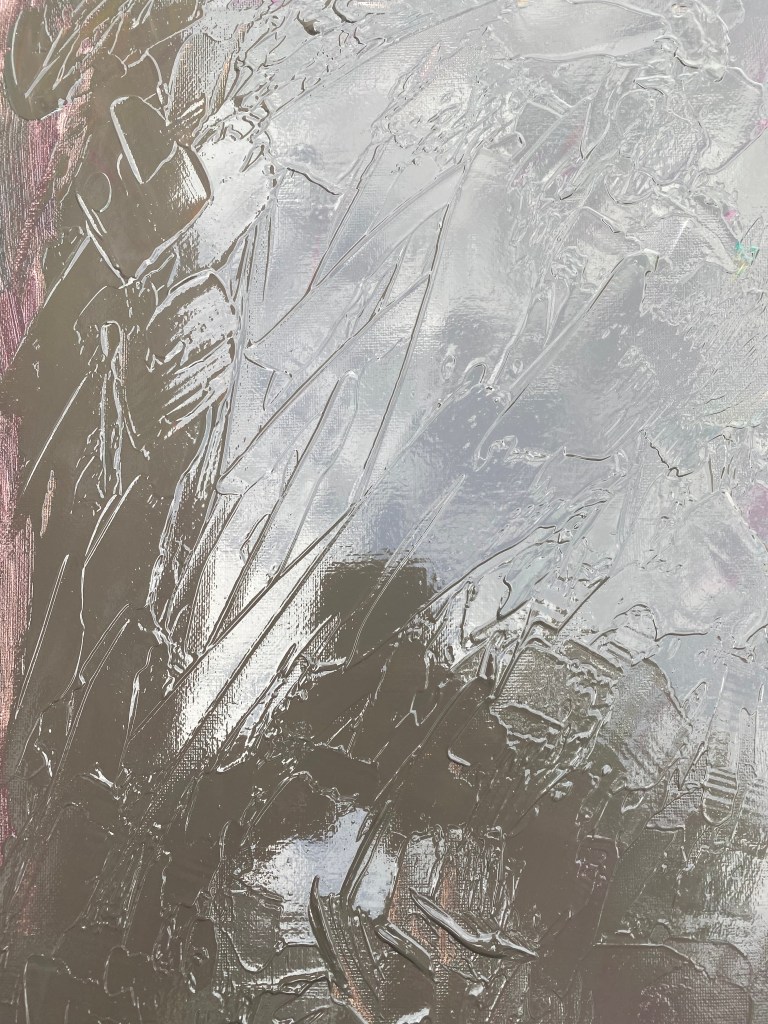
I gathered some colours to draw.
Orange (as the colour of the sun)
Red(as the bloodshed Trojan War)
Blue( for the sea and the sky of the Aegean Sea)
Green(the grass and the trees)
Brown( for the soil-The land of Troy).

Mixing them together, to my surprise, the colour that came out was khaki: the ultimate military colour.

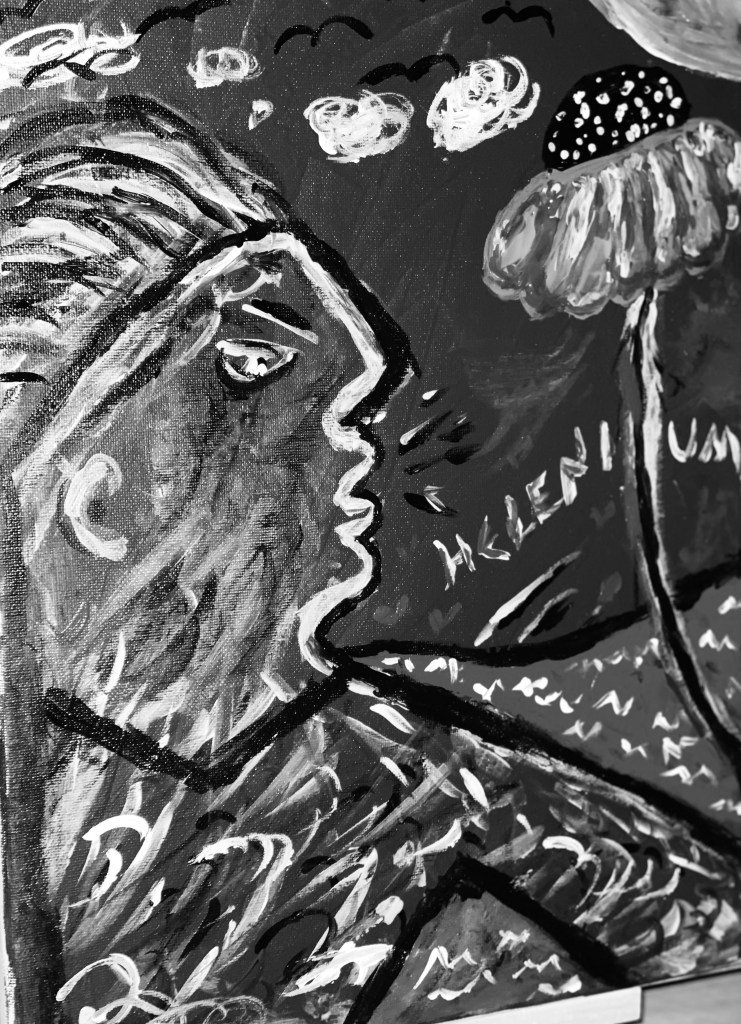
In search of a flower named after Helen of Troy: Helenium. A quest for beauty through art.
Again, this inspired my Alekos Fassianos.



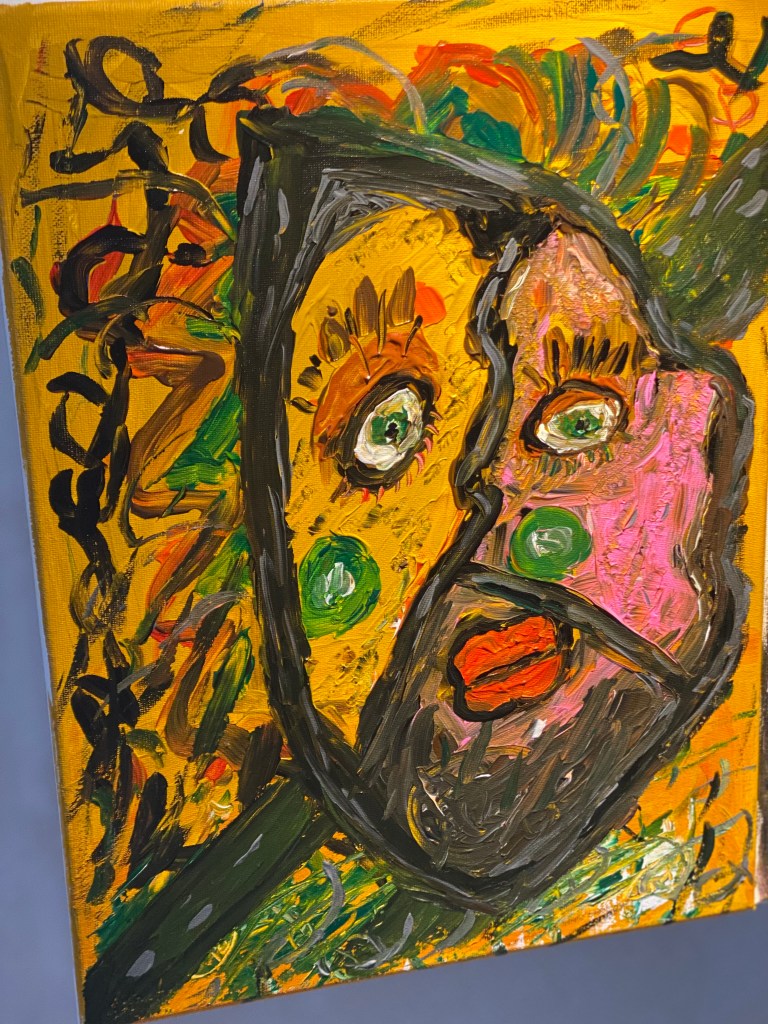
My second abstract drawing, inspired by Pablo Picasso, is about the three faces of Helen. I will explain a bit more in my assignment 6.
I have created the drawing in the form of a mask. A mask covers faces and hides people’s identities, qualities, expressions, and feelings.

Sources:
Alekos Fassianos. (2023, May 30). In Wikipedia. https://en.wikipedia.org/wiki/Alekos_Fassianos
Helen of Troy. (2023, September 20). In Wikipedia. https://en.wikipedia.org/wiki/Helen_of_Troy
Homer. (2023, September 24). In Wikipedia. https://en.wikipedia.org/wiki/Homer
 Alexander's blog