Project 6: Cultural Context
This project considers how your perspective on the world sits within a wider cultural context. Our perspectives and opinions are dictated by our experiences and the social, political and cultural environment within which we live. OCA has a thriving community of students from across the world, spanning different generations, genders, locations and experiences. The following exercises and case studies will support discussions around diverse perspectives and cover issues concerning representation, cultural appropriation, intersectionality and identity to foster the exchange of ideas and opinions as to how perspectives on the world are shared, how they differ, and how they can change.
Continuing the self-directed aspects of your study at this stage, you are encouraged to seek out discussions around these ideas within both OCA and external networks. Recent years have seen a broadening of cultural conversations, especially around identity, power, equality and diversity. There are many external resources in the form of discussion forums, talks, campaigns and movements which you should engage with to expand your understanding and perspective of issues affecting you and others.
-
Exercise 1: Developing Cultural Awareness“The cultural awareness (you can call it research if you like, but it’s really something larger) ranks higher than technical ability and academic qualifications in the designer’s portfolio of attributes.”Shaughnessy (2005).An awareness of the visual languages, culture and ideas that shape our social world is a key aspect of creative practice. This exercise seeks to develop your cultural awareness by looking at what goes on around you, absorbing both the historical and contemporary twists and turns of cultural activity and tuning in to the wider debates and ideas shaping our world.This cultural awareness will feed into your practice by providing a source of inspiration and helping you understand how your work operates within the world. You are already immersed within a social and cultural sphere. The job of the creative practitioner is to take note of it, dig deeper, and gather and reflect on what you find. The Creative Arts Films hosted monthly within the Group Work section of the Creative Arts Department offers a wide range of content exploring cultural topics, issues and perspectives for you to engage with. Use your time during this project to review the past films and corresponding Forum discussions. Develop a visual or written diary, scrapbook, or app on your smartphone that enables you to gather together what you’ve observed and collected from your environment and record your thoughts and feelings on what you’ve found. Visit the library, browse the internet, rummage through second-hand shops, or simply make notes on what you see on the streets. Allow your broader interests to drive this activity, and take note of how your environment reflects and impacts your identity. View your visual diary, whatever form it takes, as a repository of inspiration, potential starting points, examples of different forms, ideas and curiosities and any other cultural fragments that you find interesting.
————————————————————————————————————————————————
CULTURAL AWARENESS
INSPIRED BY MY STAY IN CHINA.
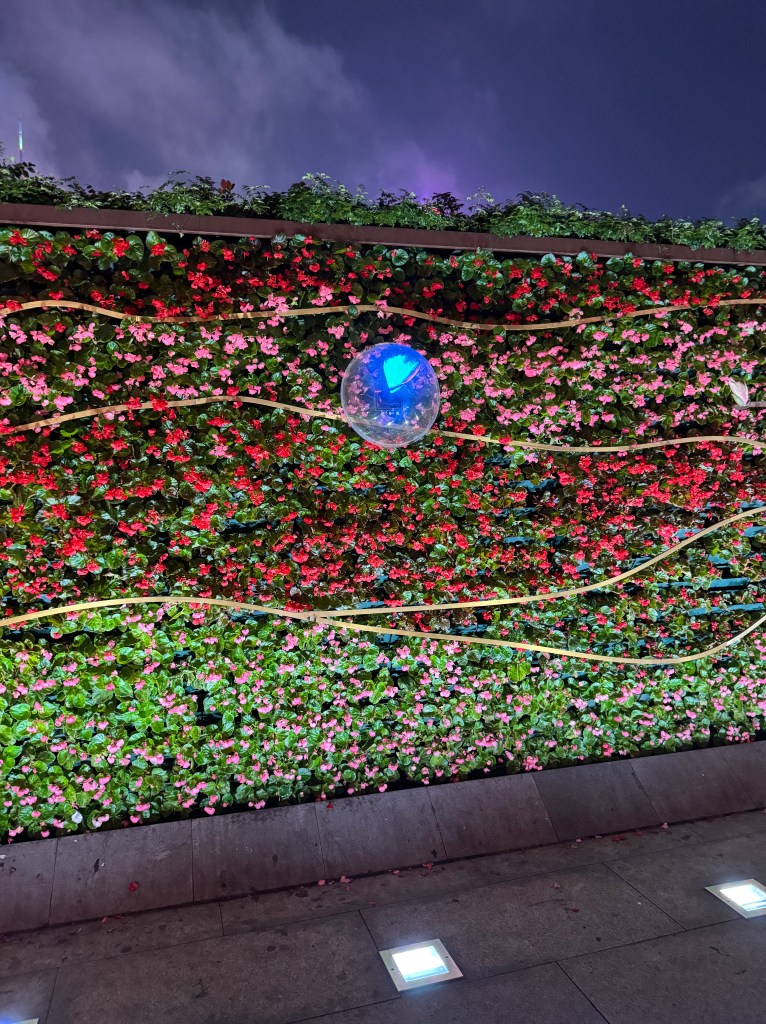
Chinese people say one picture is equal to one thousand words. Therefore, I leave the pictures speak for me. The images were captured when a random object would attract my attention. I have organised them in such a way that they will demonstrate culture and life style in Chinese mega cities.
Scale is king!
A lifestyle, way unlike the one in Europe: aesthetics are totally different. Scale is everything. The bigger, the better: not only buildings, but also items randomly set on the streets. Spectacular flashing lights and vibrant colours, along with cutting-edge technology, create a futuristic environment.
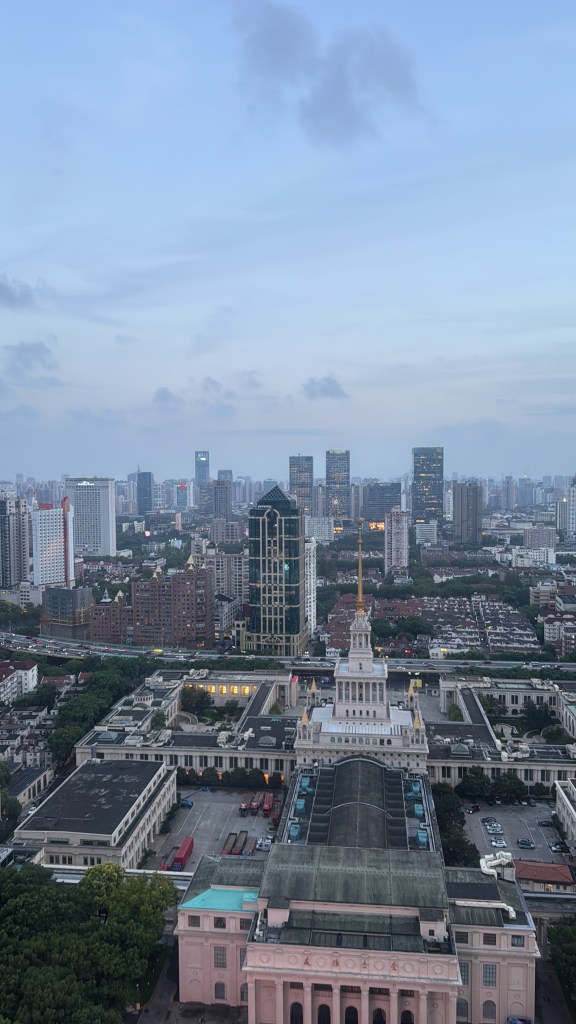
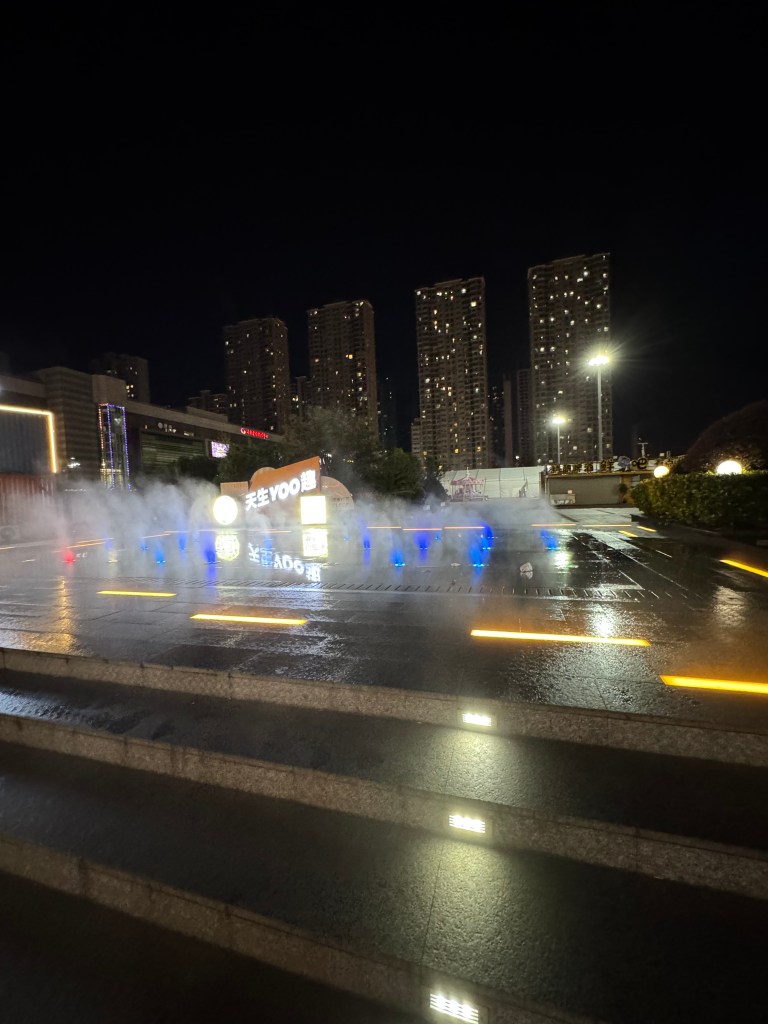
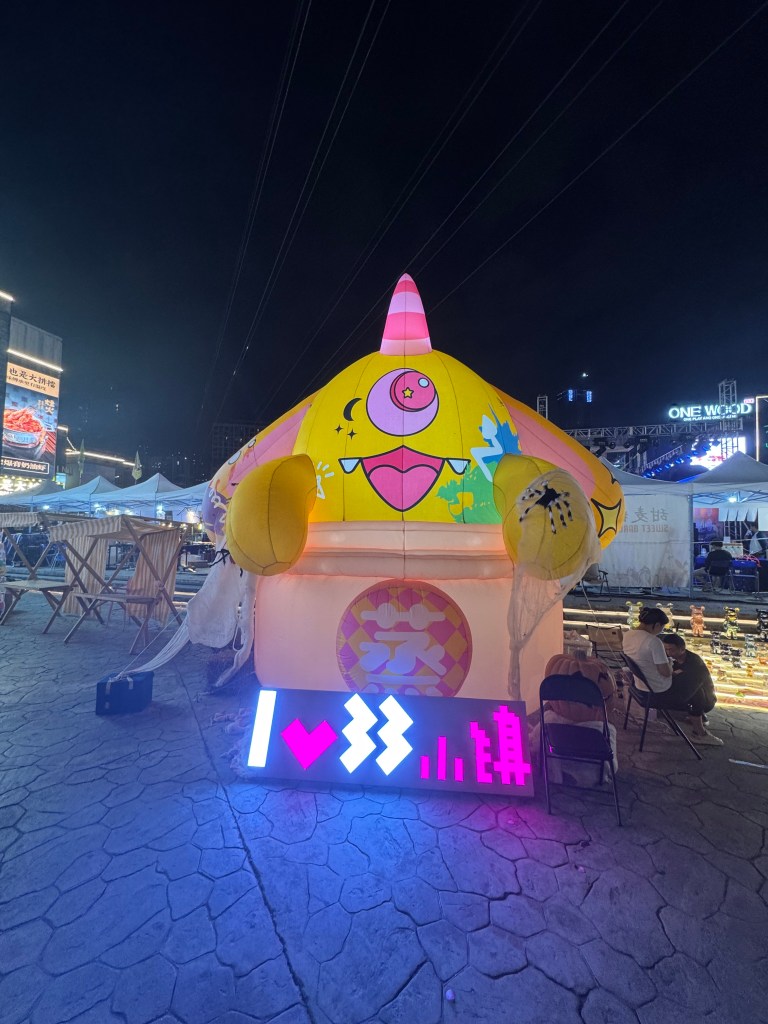
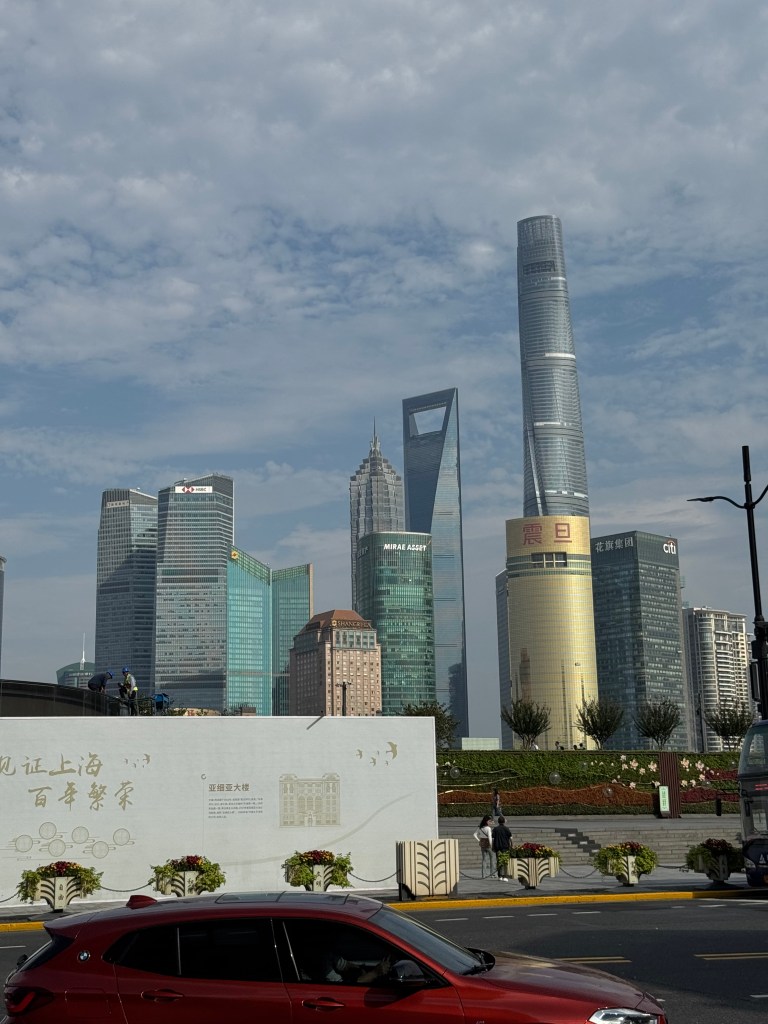
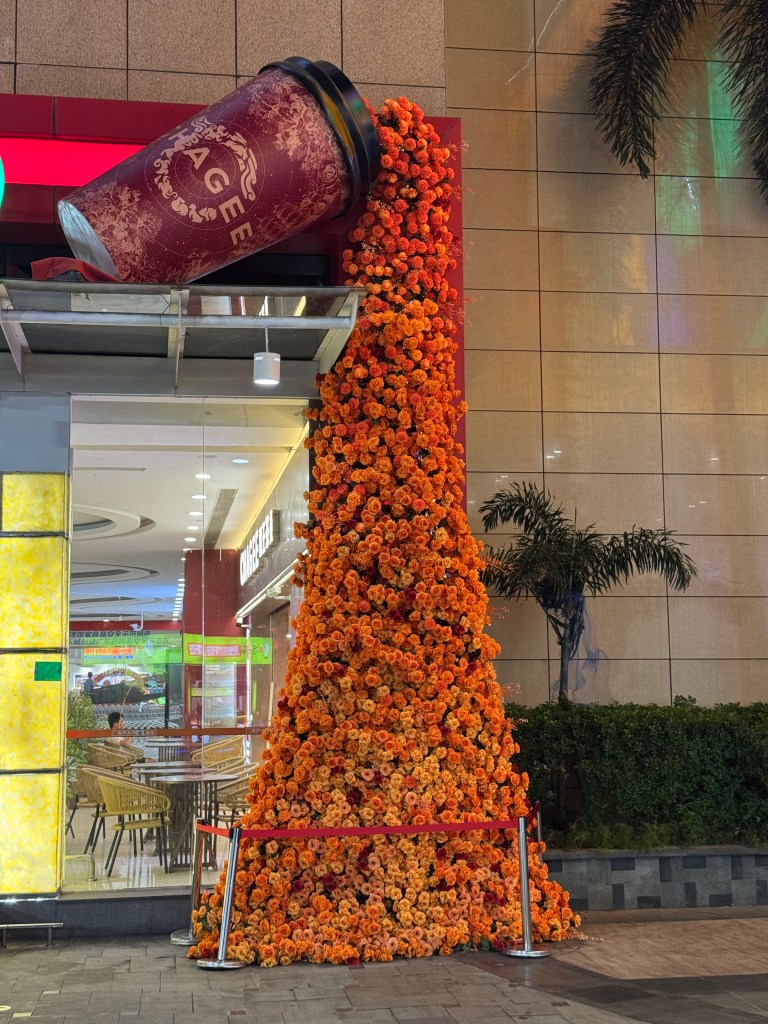
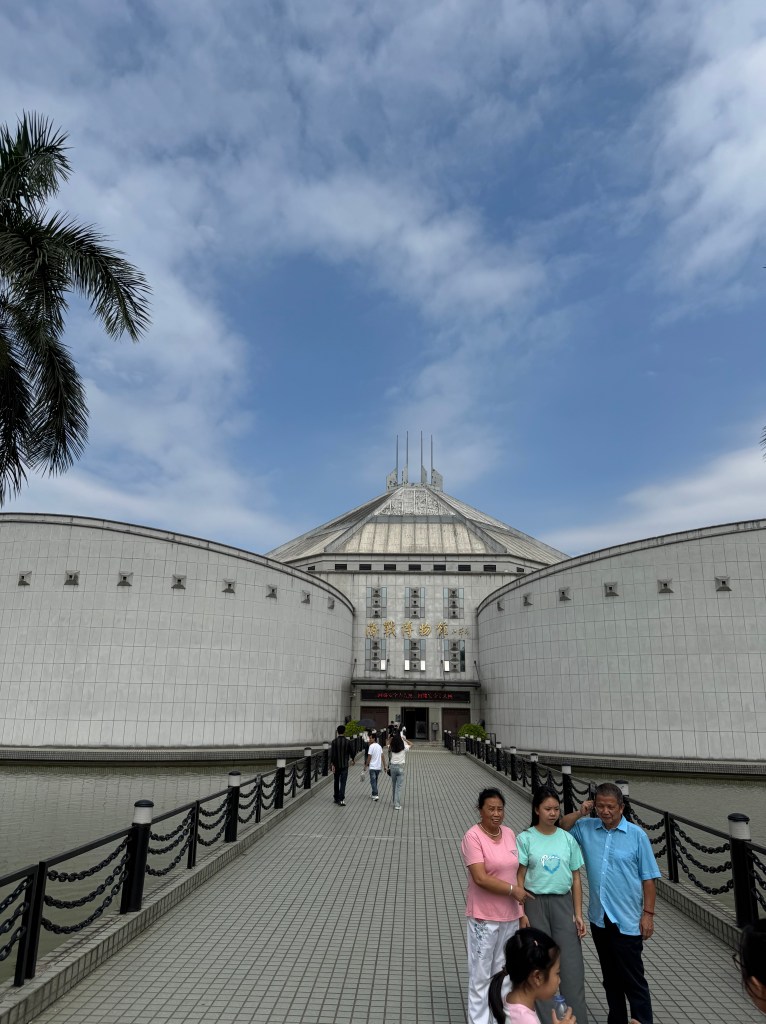
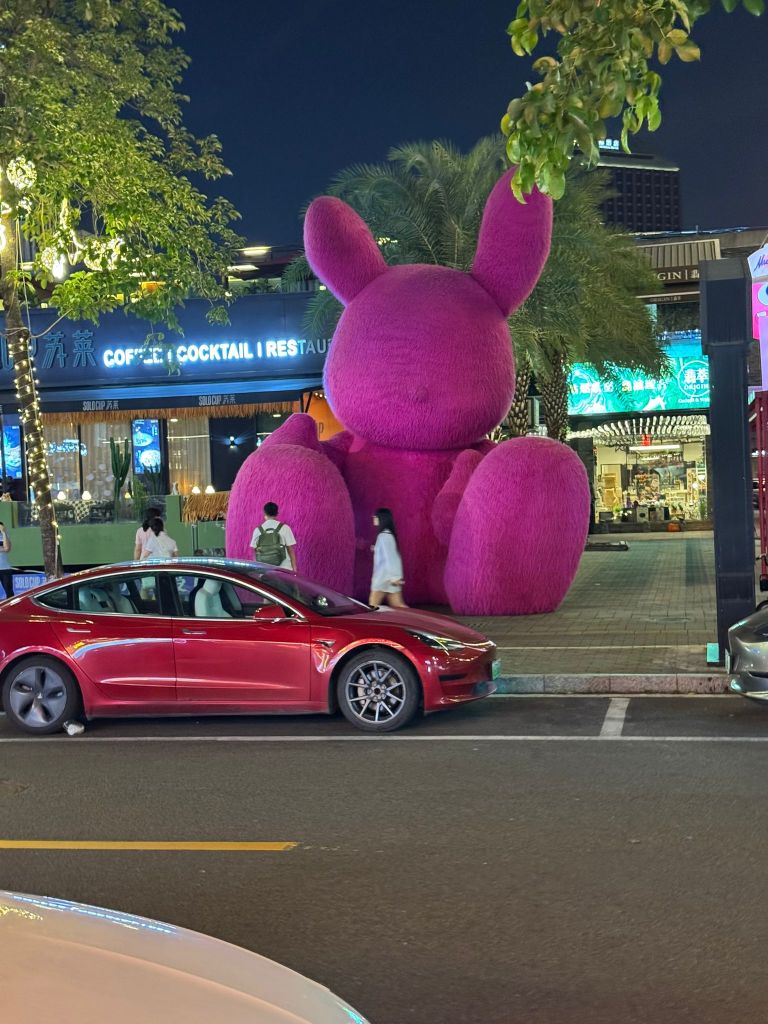
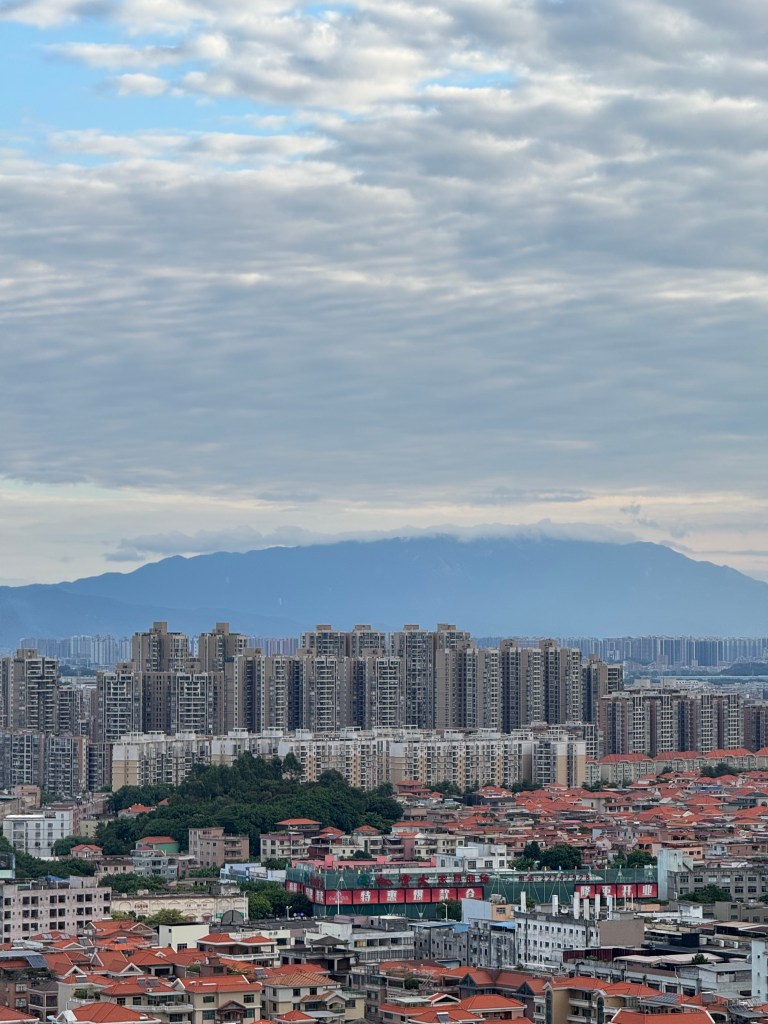
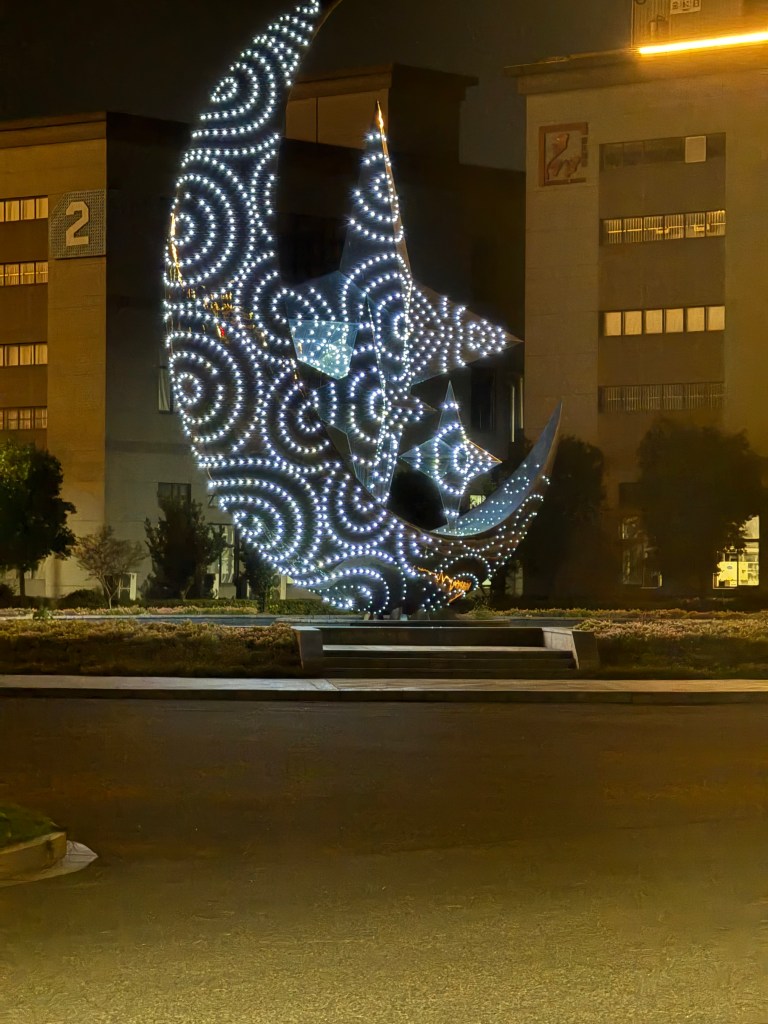
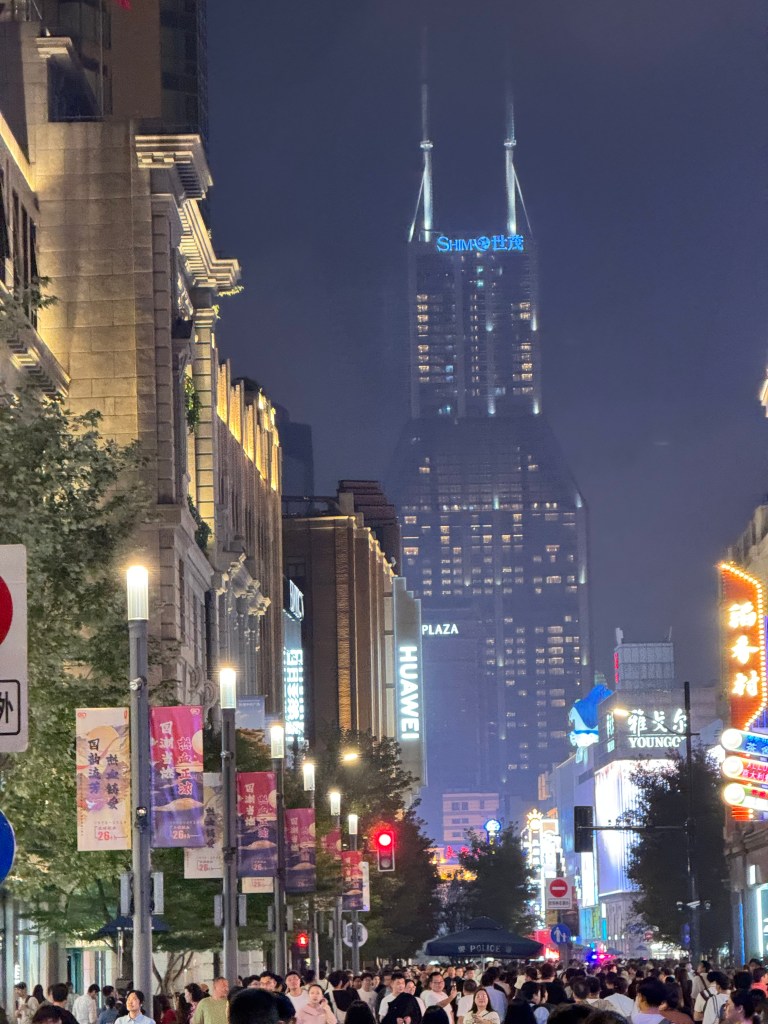
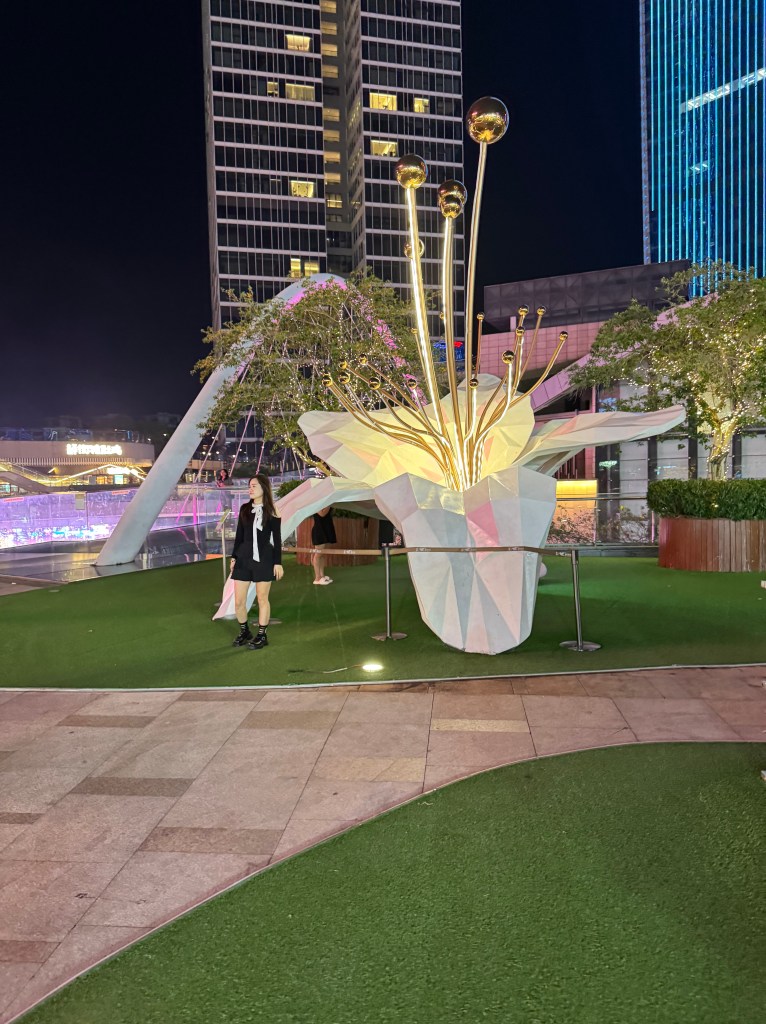
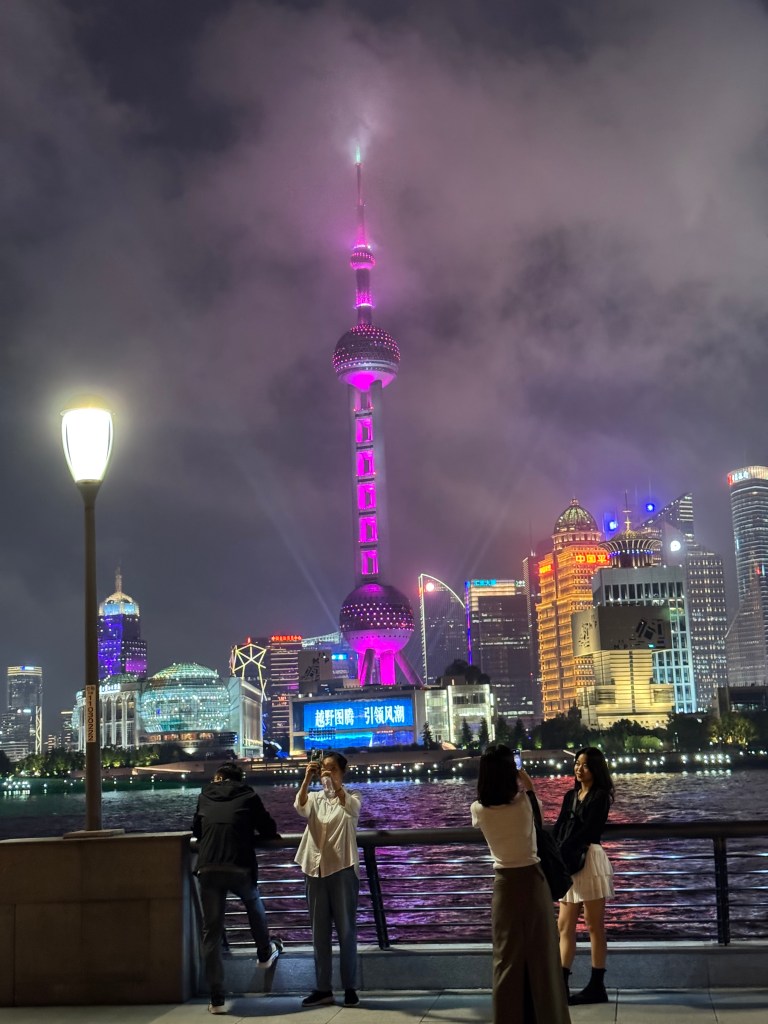
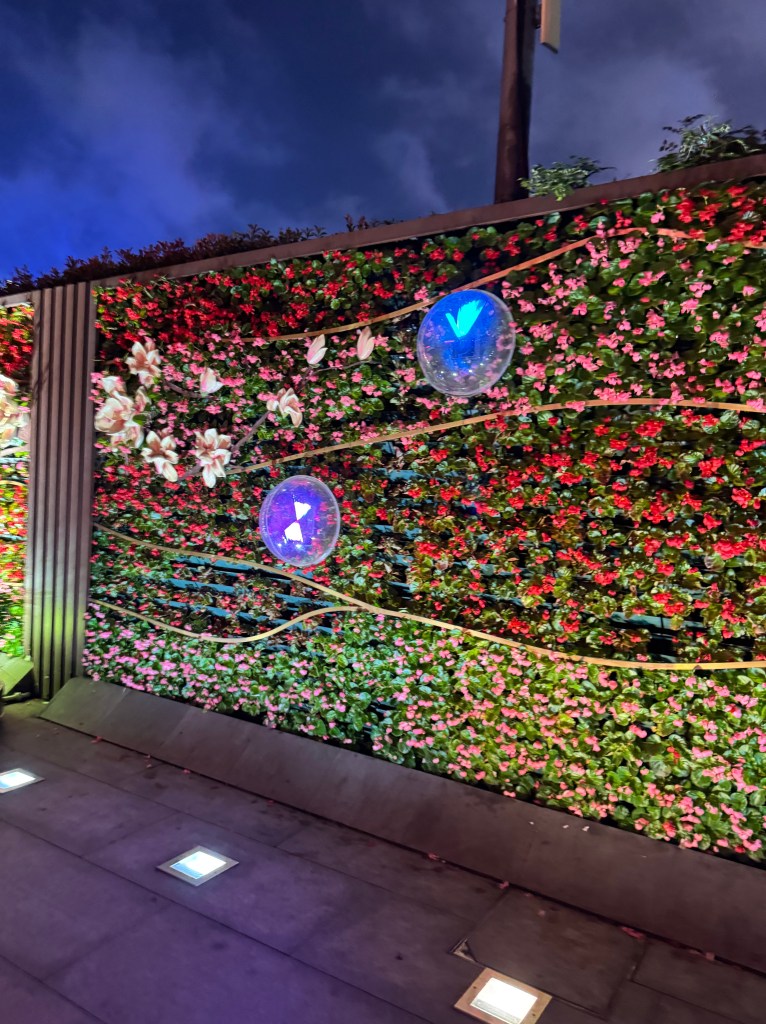
Neon butterflies on a wall of artificial flowers…
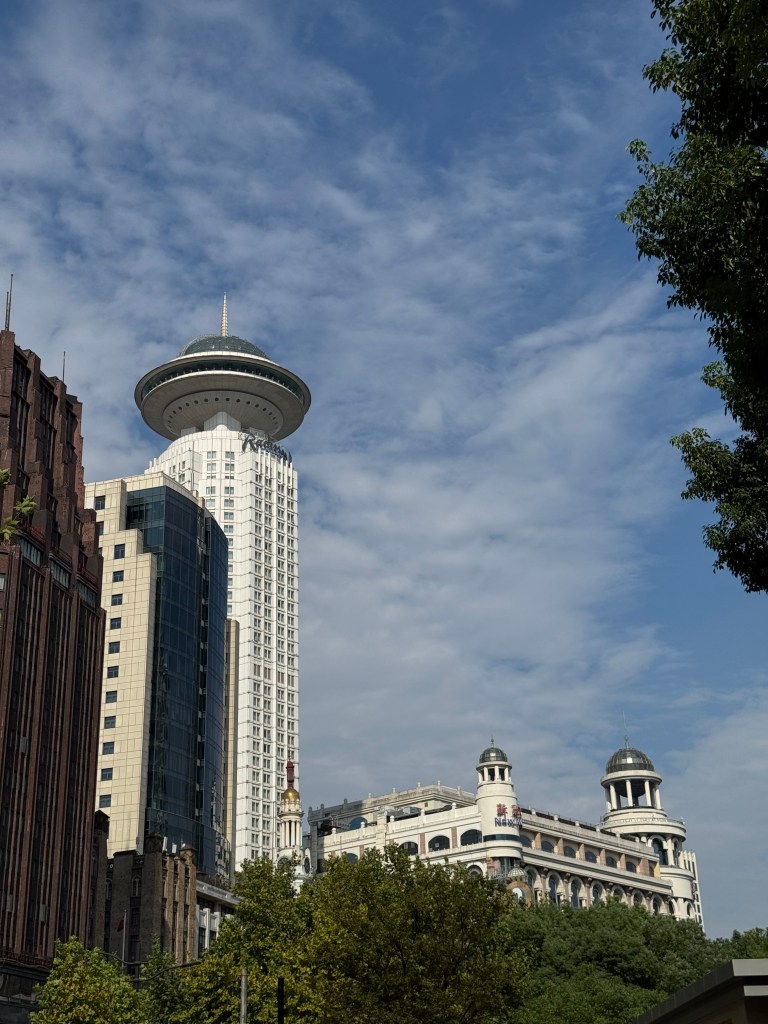
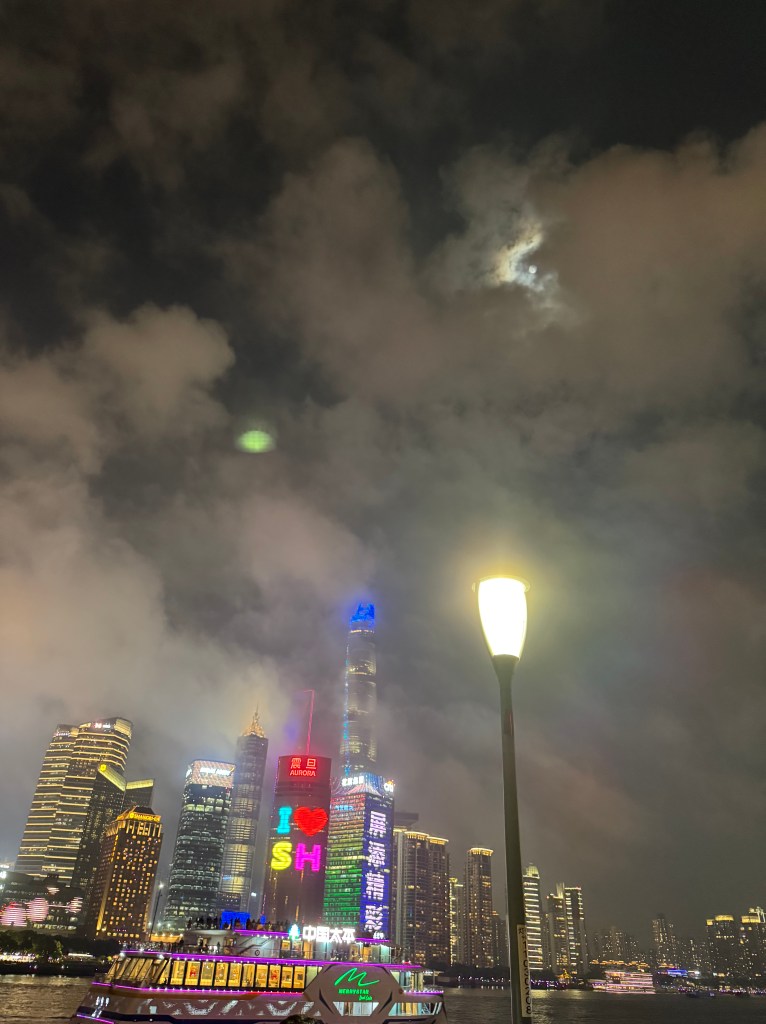
Shanghai…
————————————————————————————————————————————————
Colourful past.
Research: The Opium Wars Museums in Humen, Dongguan.
I visited a few places not very well known to Westerners, only to confirm the fact that China has a heritage that spans thousands of years. This heritage is part of what China is today and what still shapes its culture and lifestyle.
In the UK poppies are linked to heroism, representing the people who lost their lives in battle. In China poppies are linked to opium and the suffering from its addiction causing bloodshed wars in the 19th century.
The Opium Wars were two conflicts fought in China in the mid-19th century between the forces of Western countries and of the Qing dynasty, which ruled China from 1644 to 1911/12. The first Opium War (1839–42) was fought between China and Great Britain, and the second Opium War (1856–60), also known as the Arrow War or the Anglo-French War in China, was fought by Great Britain and France against China.
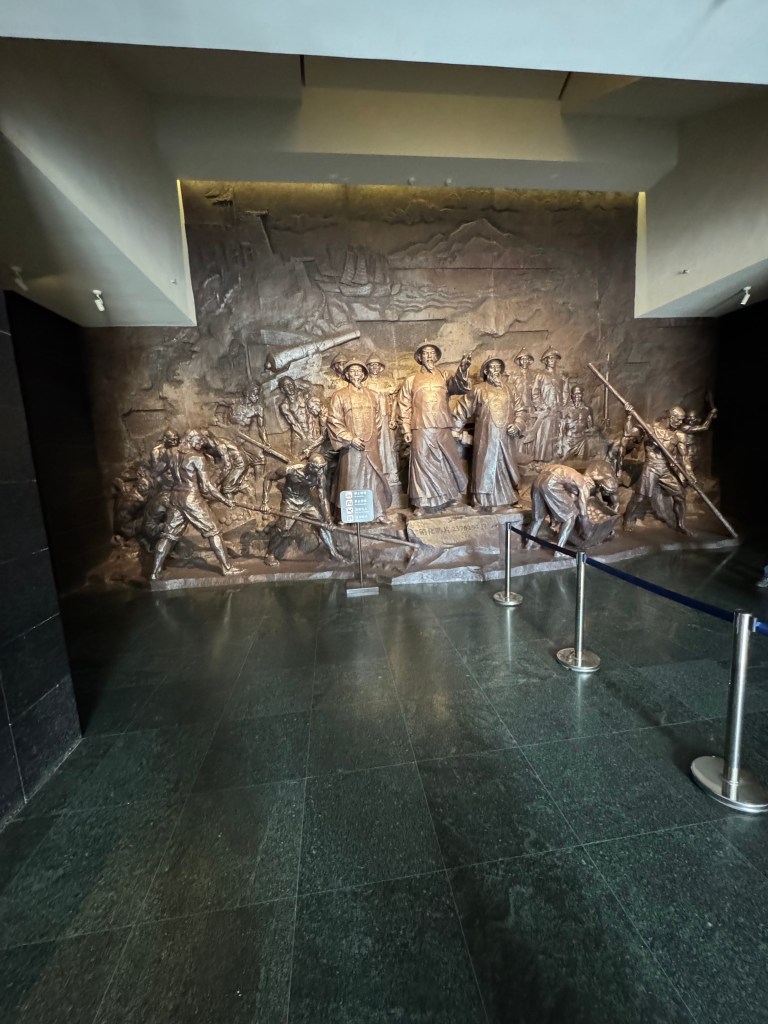
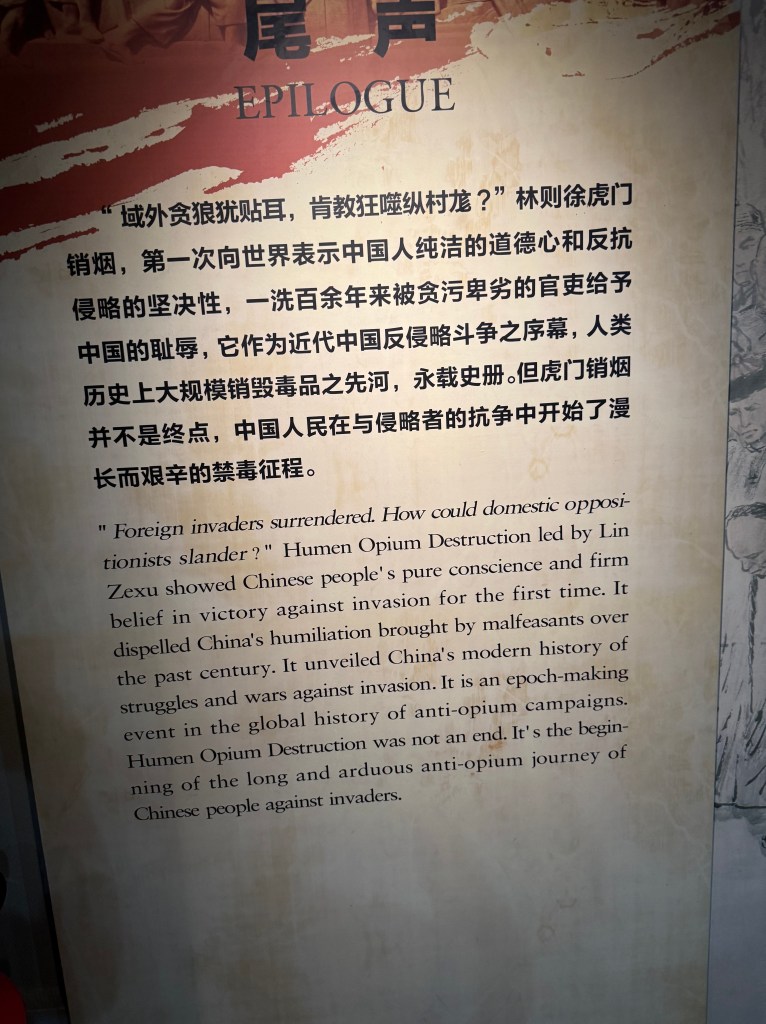
Dongguan, the place I’m based in China, has two opium war museums. Chinese people emphasise that the their war against colonisation started in that place; It was the moment that their leaders said that opium use, was like an open wound on the body of the Chinese society and opium trade had to stop.Therefore, they symbolically burned an opium cargo to demonstrate that they could not suffer any more…
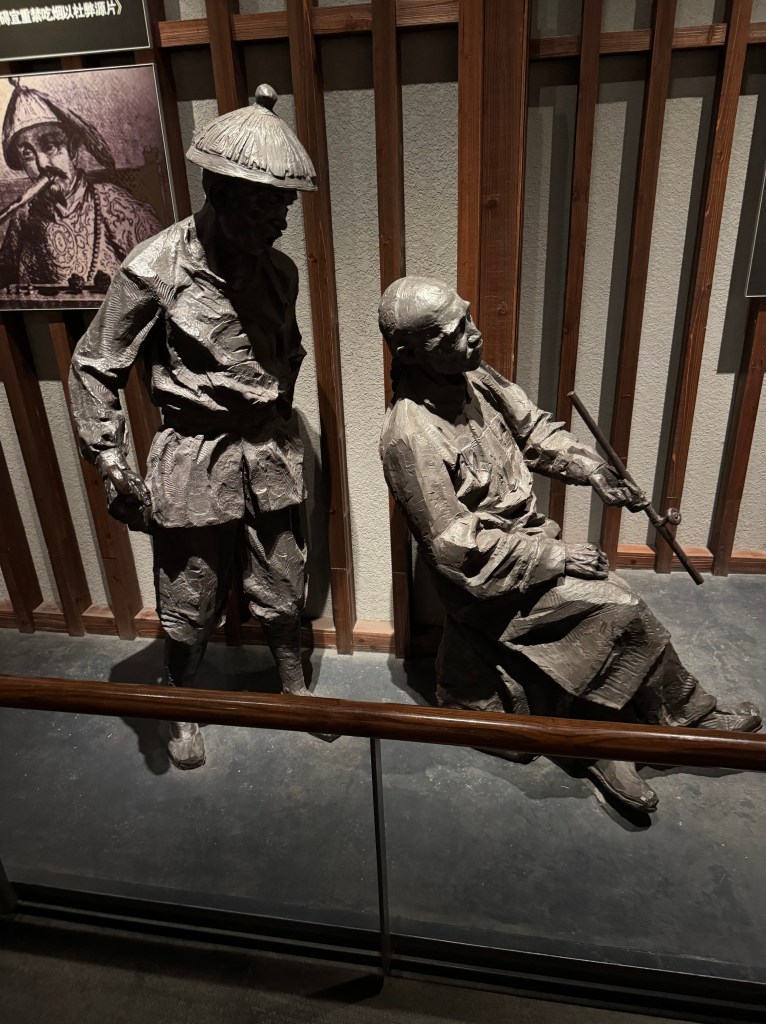
PICTURES TAKEN FROM THE OPIUM WARS MUSEUMS IN DONGGUAN.
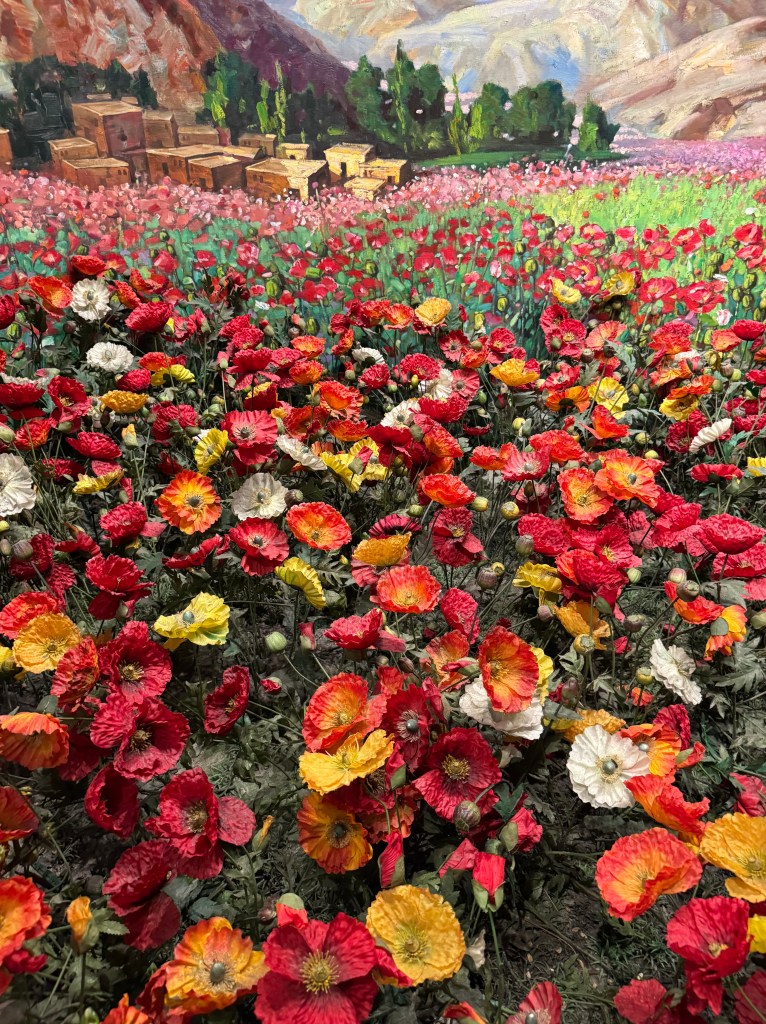
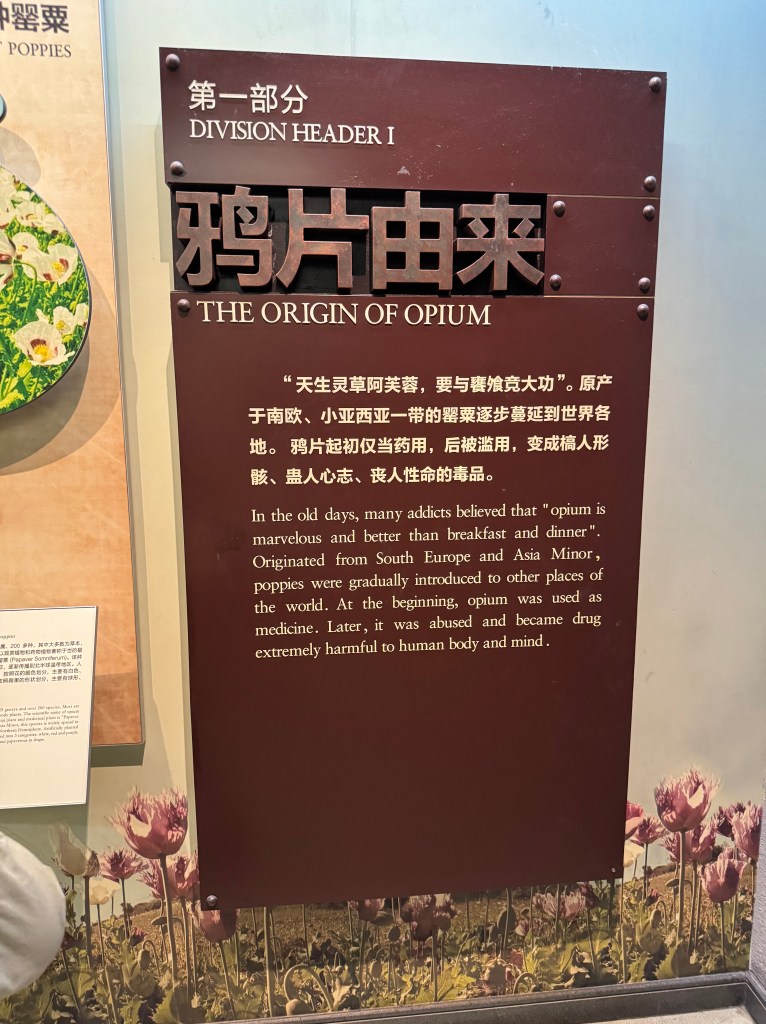
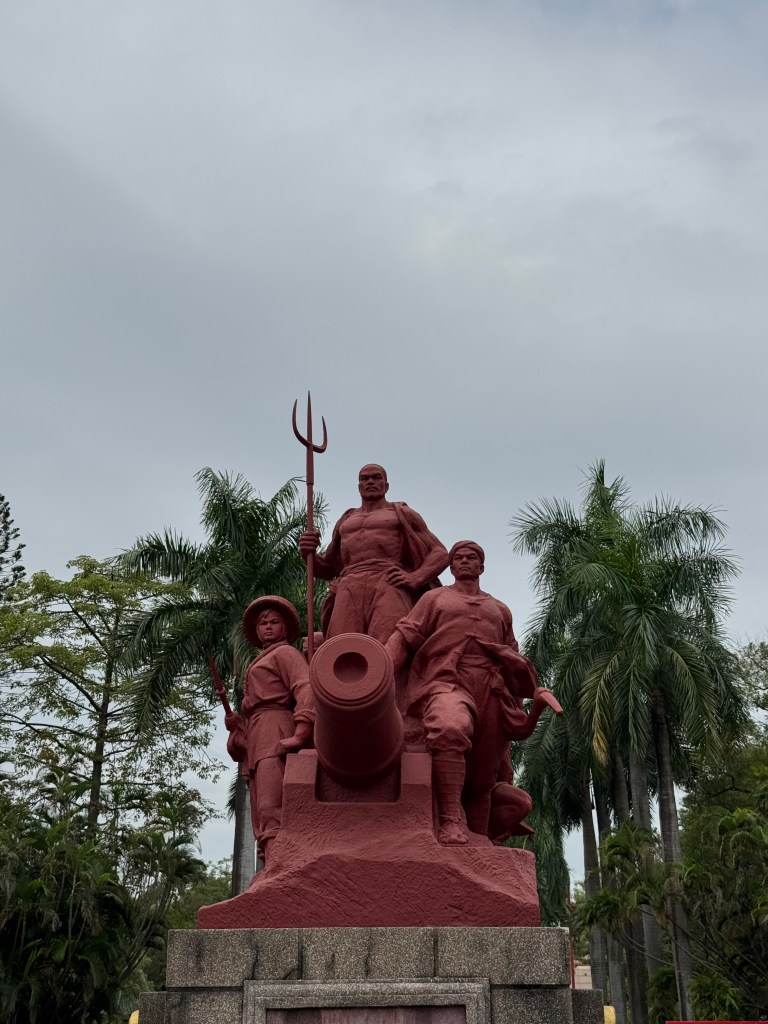
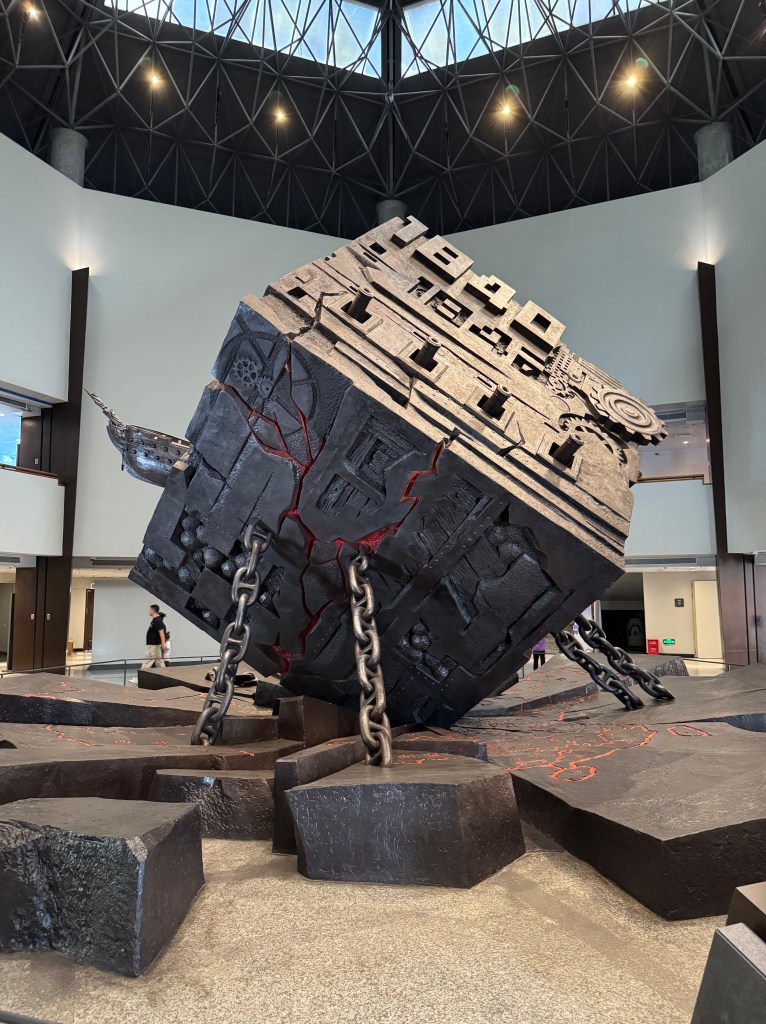
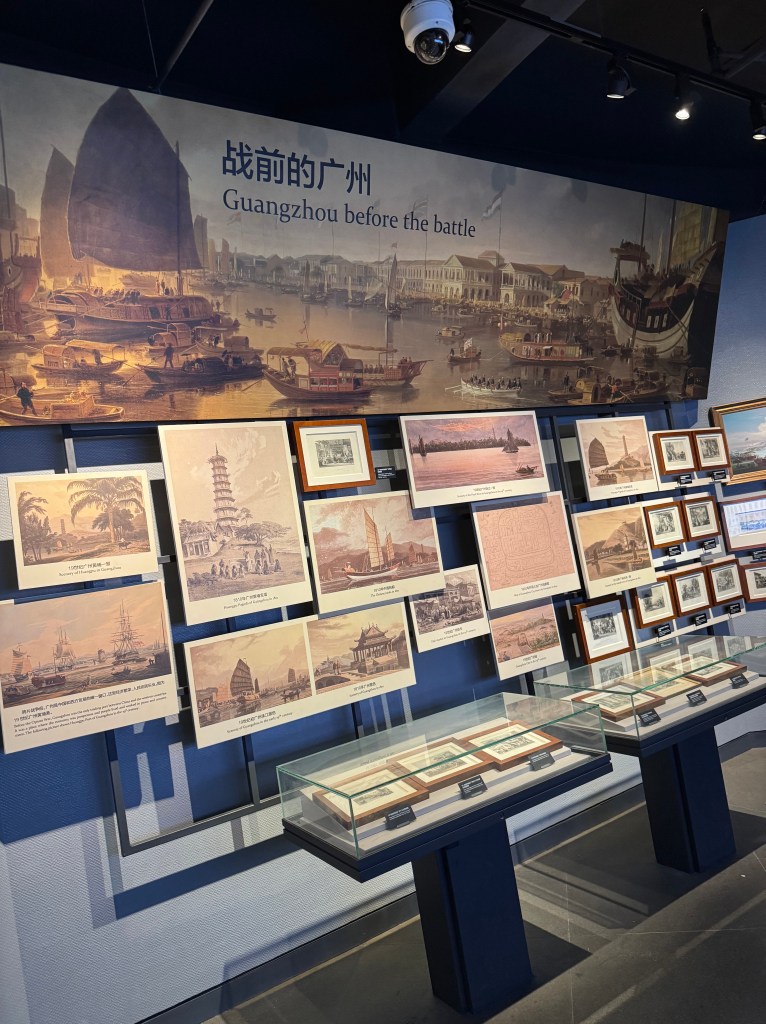
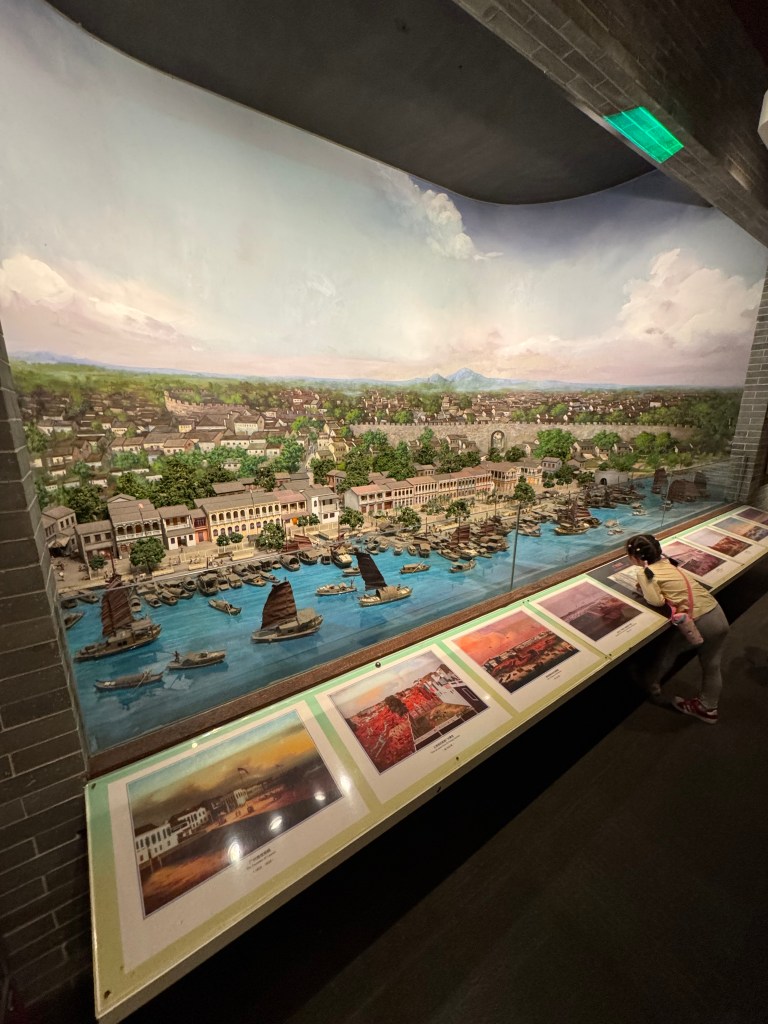
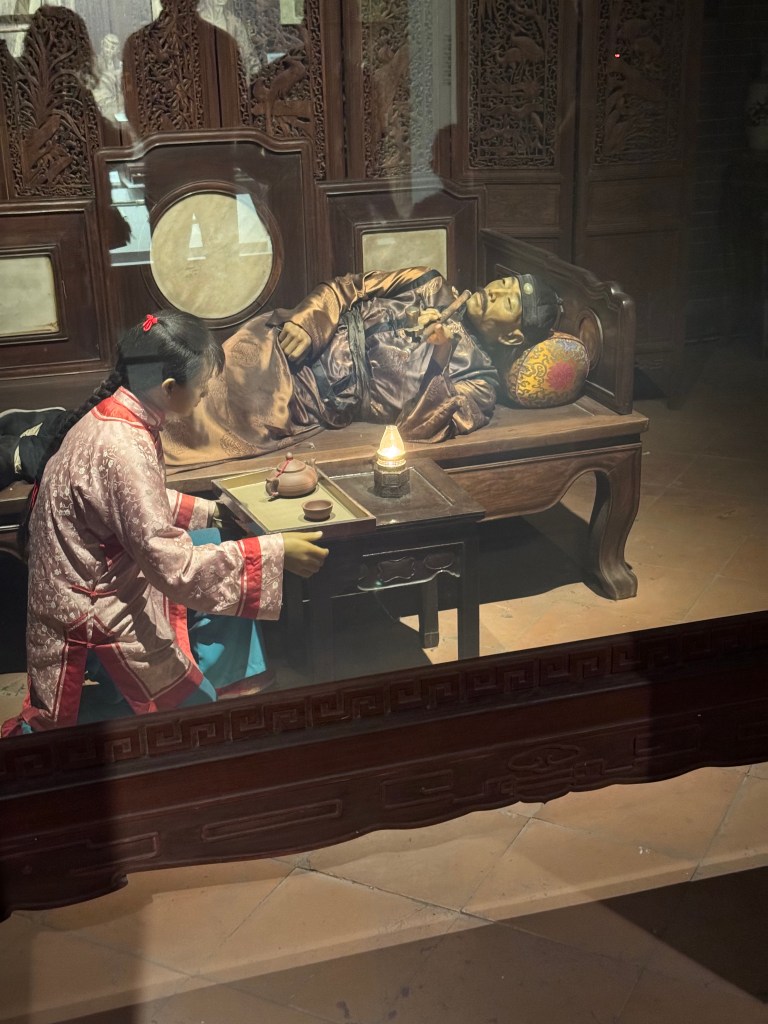
Opium users.
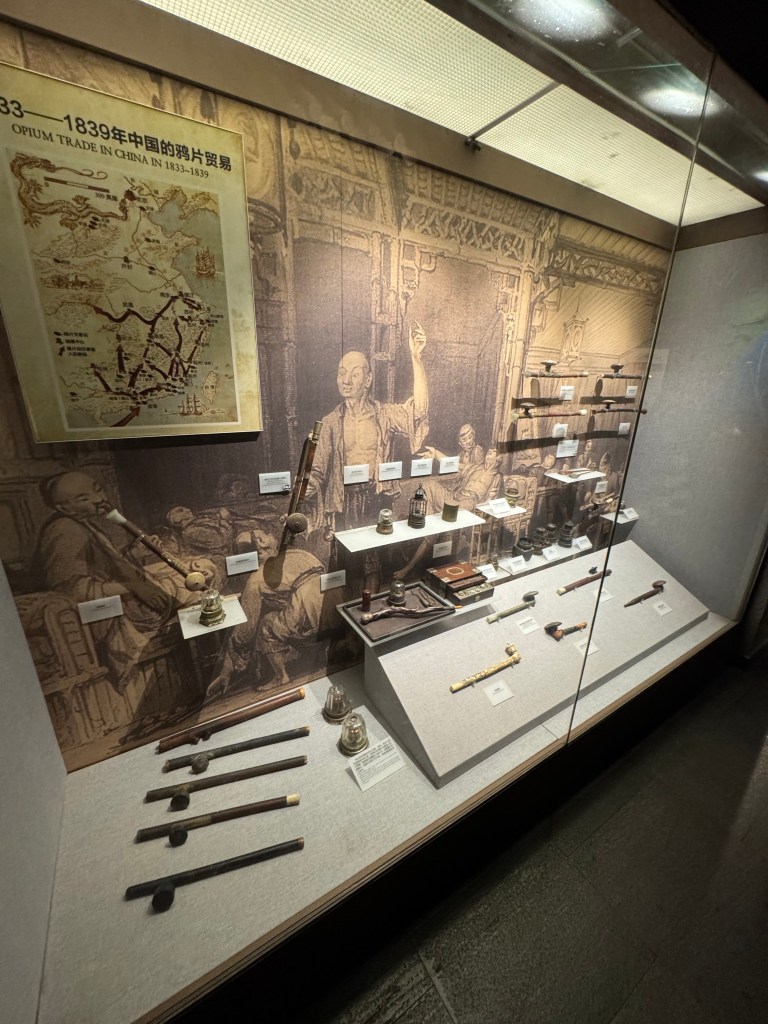
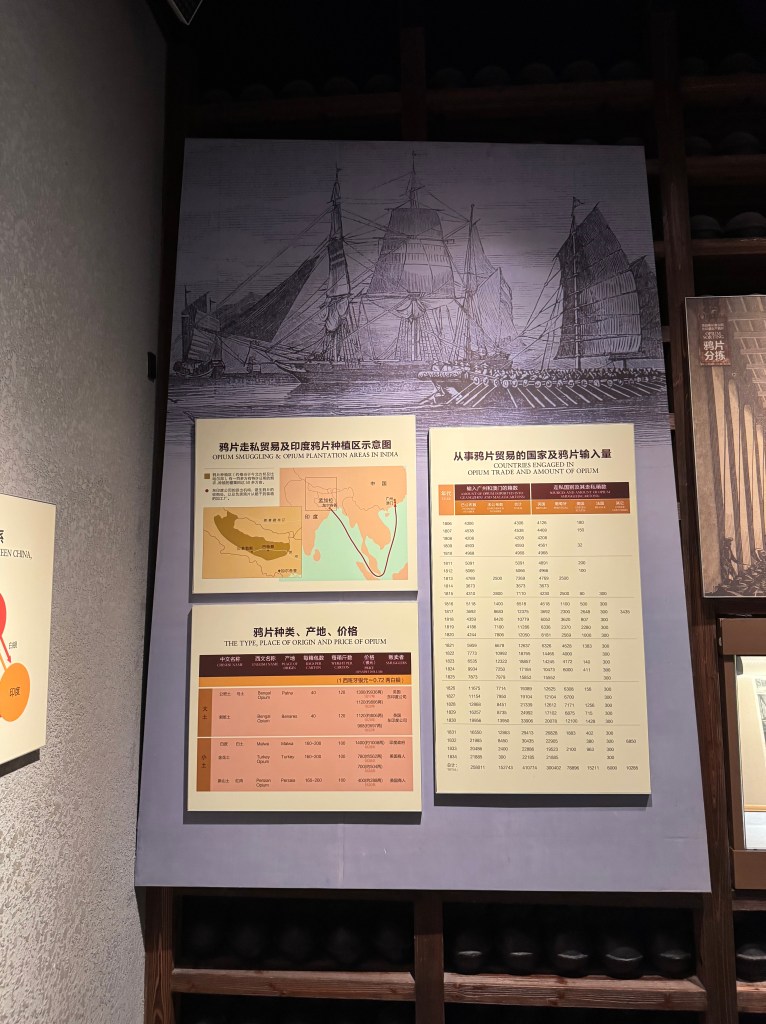
Opium smuggling maps as well as profits from its trade.
Preparing for war.
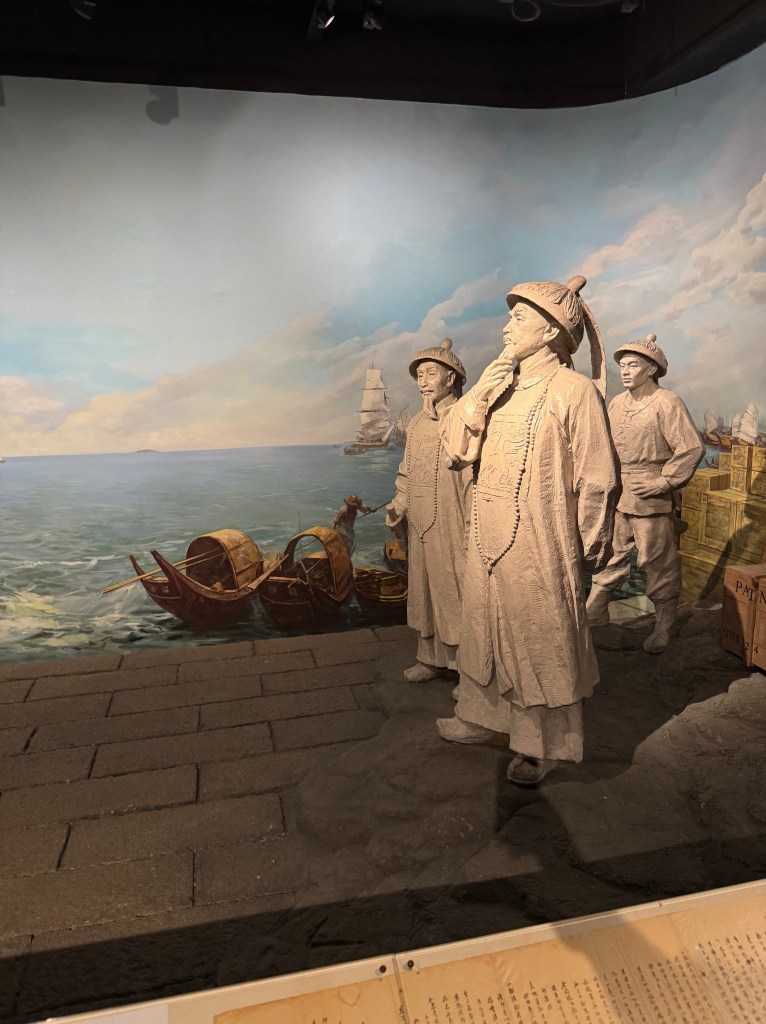
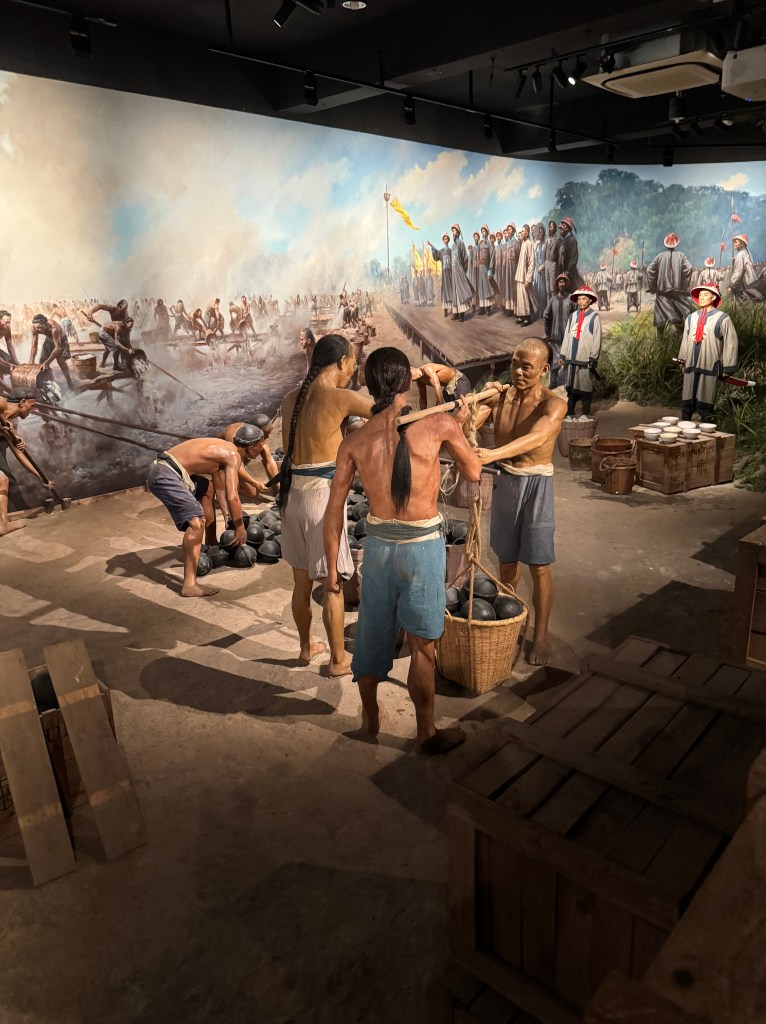
A battle on the pearl river.
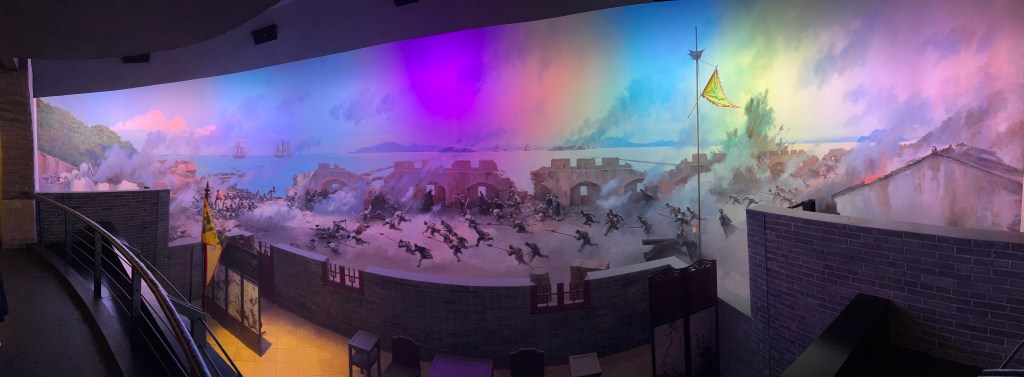
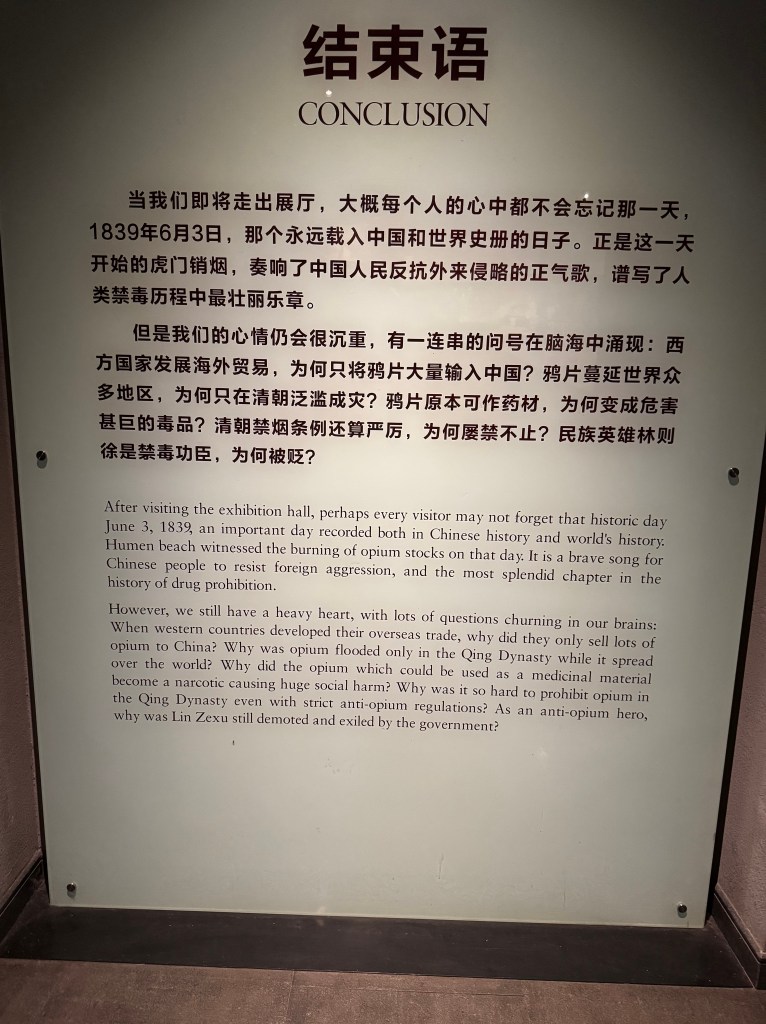
A bit of a twist in the story: even though the foreign forces have won both wars, Chinese people consider that they were the winners, because the incidents that lead to battle raised the spirit and the cultural awareness of Chinese people to find the courage to unify and stand up for their country.
REFERENCES
Pletcher, Kenneth. “Opium Wars”. Encyclopedia Britannica, 8 Sep. 2024, https://www.britannica.com/topic/Opium-Wars. Accessed 7 November 2024.
CONCLUSION
Thinking about cultural awareness, I left the last museum with mixed feelings. Firstly, I realised that there are facts we do not know of, that play significant roles in the lives of other people: incidents that might be caused by our ancestors who won wars; we know about their bravery, courage and sacrifice. But every story has many narratives. In the museums of Dongguan, I realised the blood, pain and tears people of China suffered for the well-being of colonial superpowers. In both museums, it is clearly stated that they have been exposed to opium as a matter of suppression and surrender. Narcotics was used to control and exploit them. According to the historian of the museum the act of fighting back was the turning point to build a new strong and independent China. Again, history has many narratives, depending our perspective and perception.
I hope in the turn of the next century, there will be no need of other countries to create similar themed museums celebrating their resistance against the new rising colonial forces: and as another twist of history, China is one of them.
 Alexander's blog