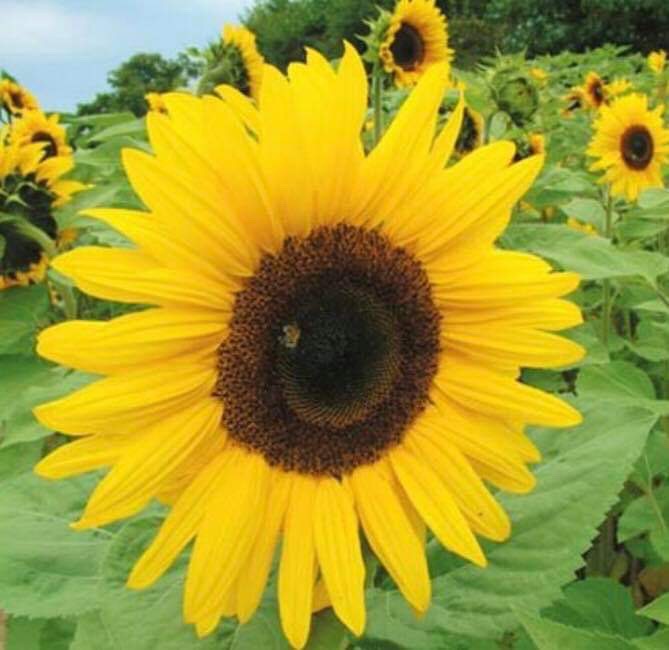
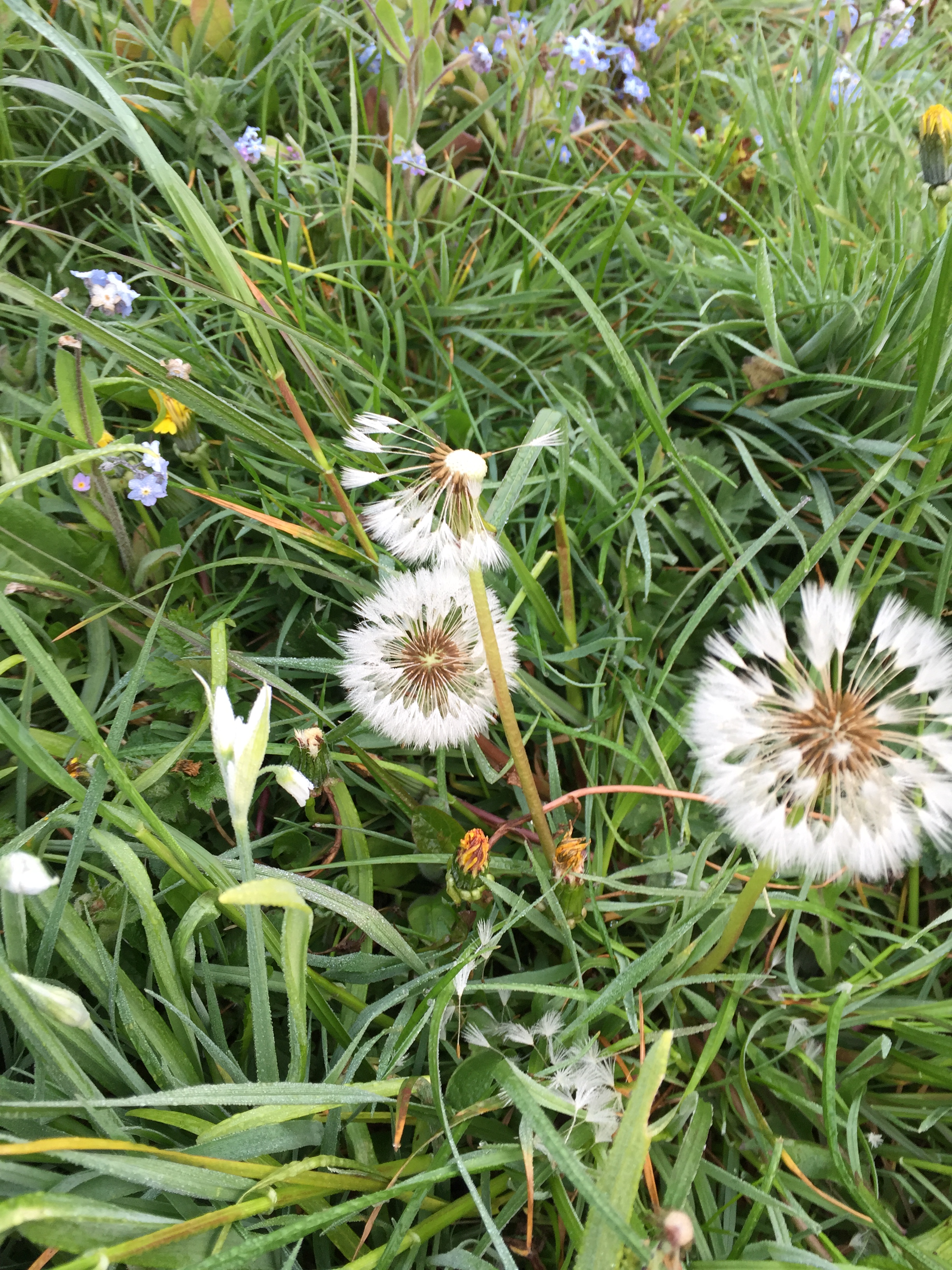
After a discussion with my tutor I’ve decided to start all over again ; the process will be same as before and will start by posting pictures of flowers and then picking enough to create my drawings.
2.1 SELECTING
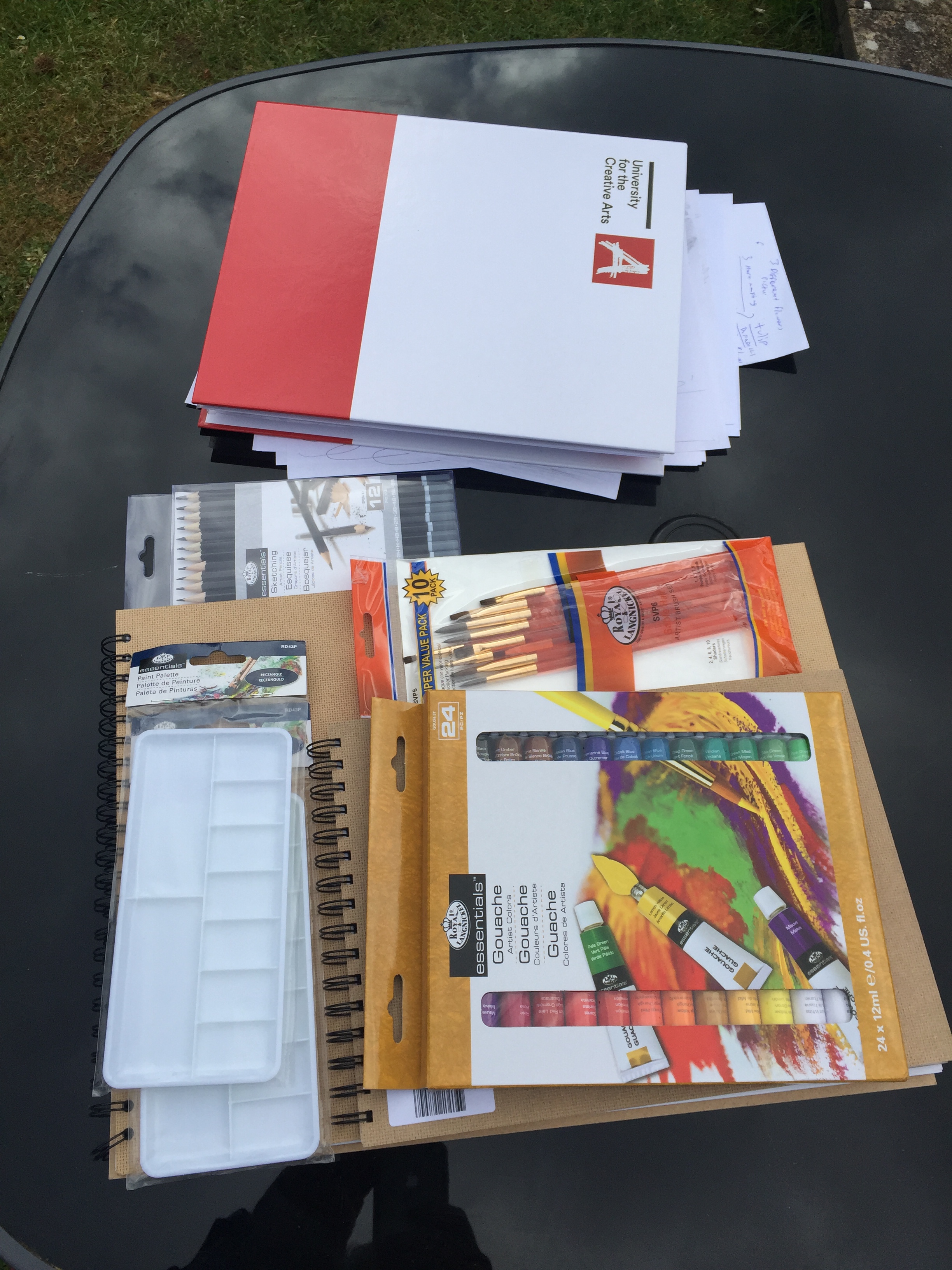
I’ve picked my stationary up and I’ve started working on drawings
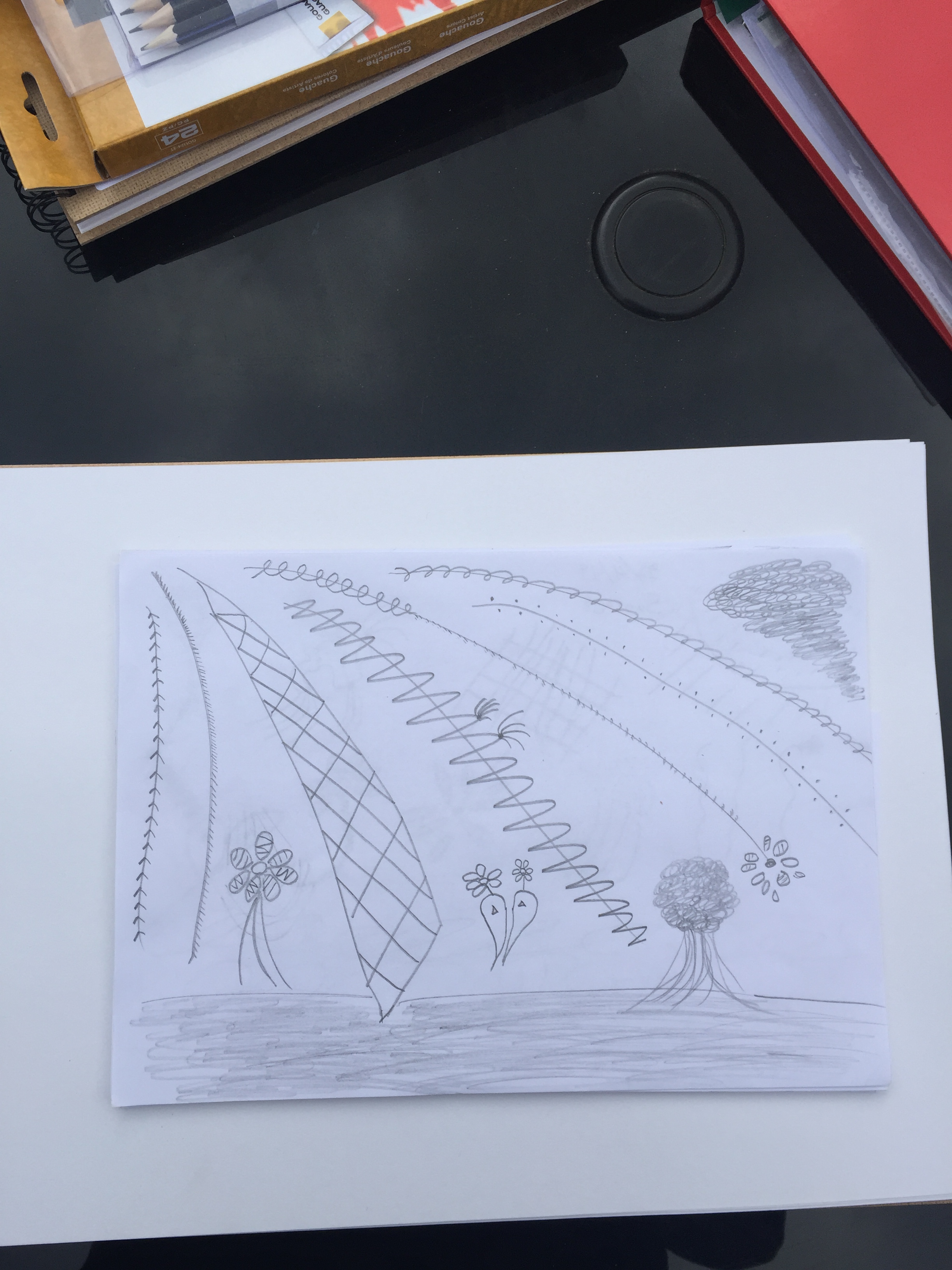
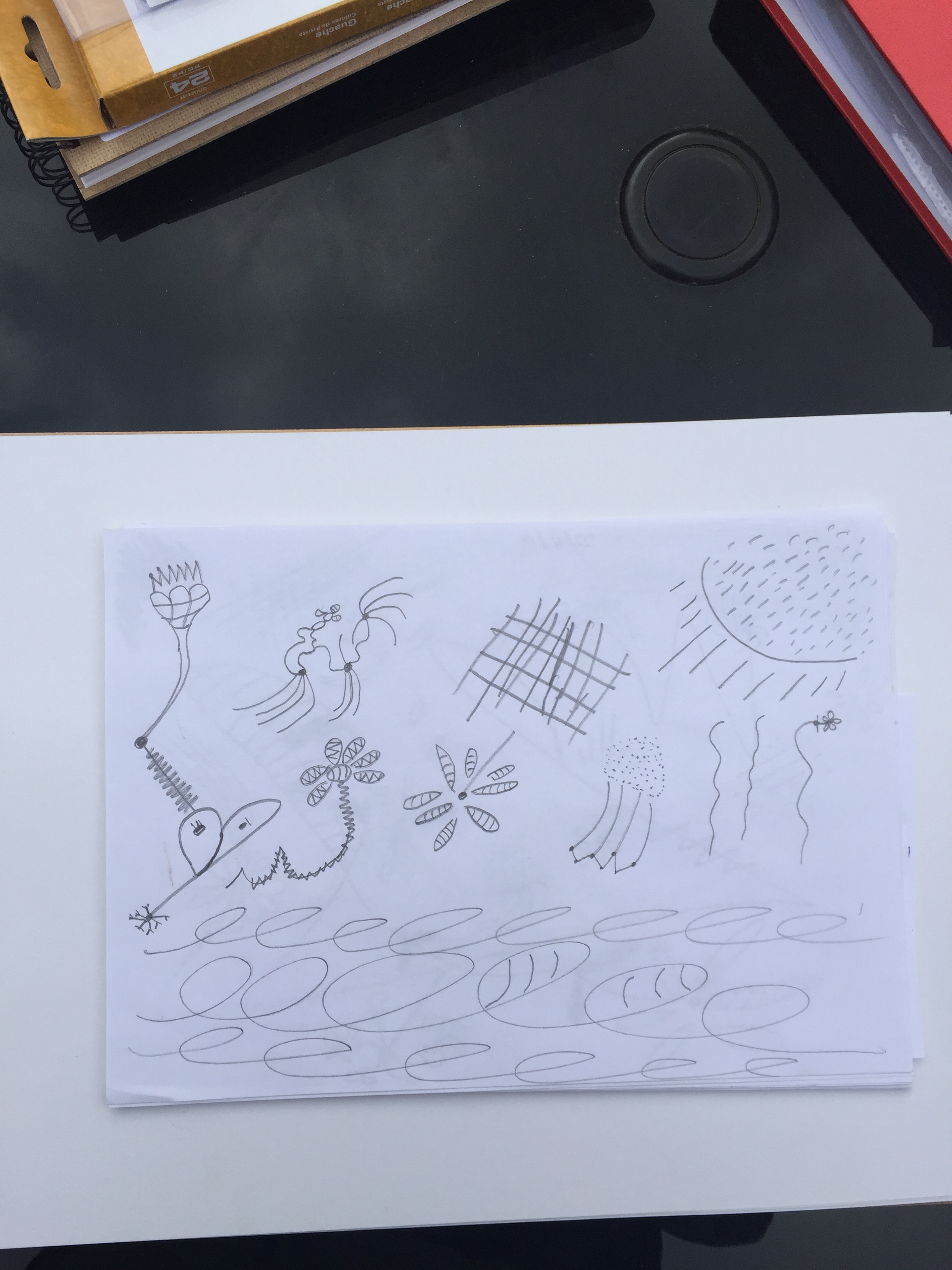
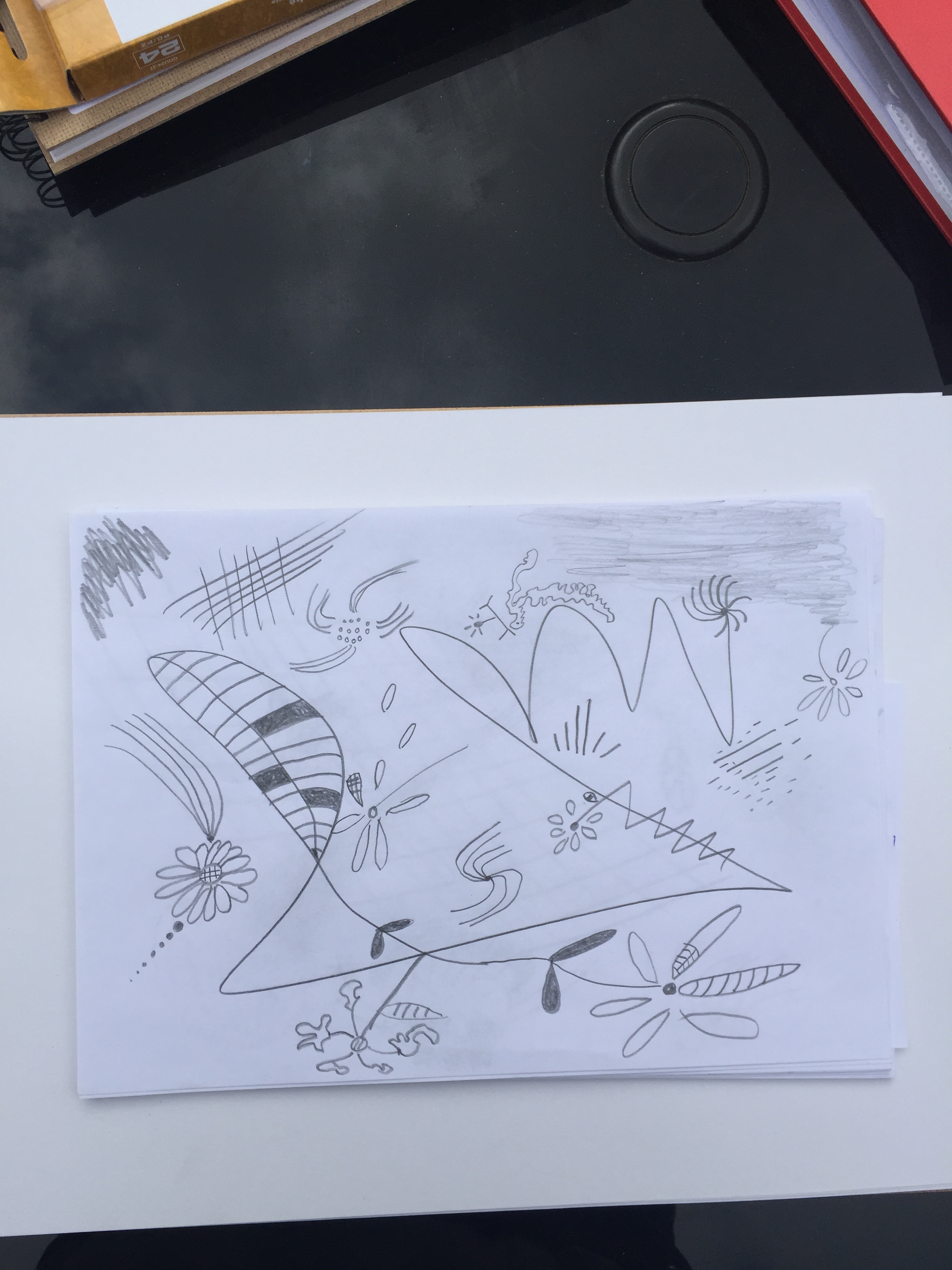
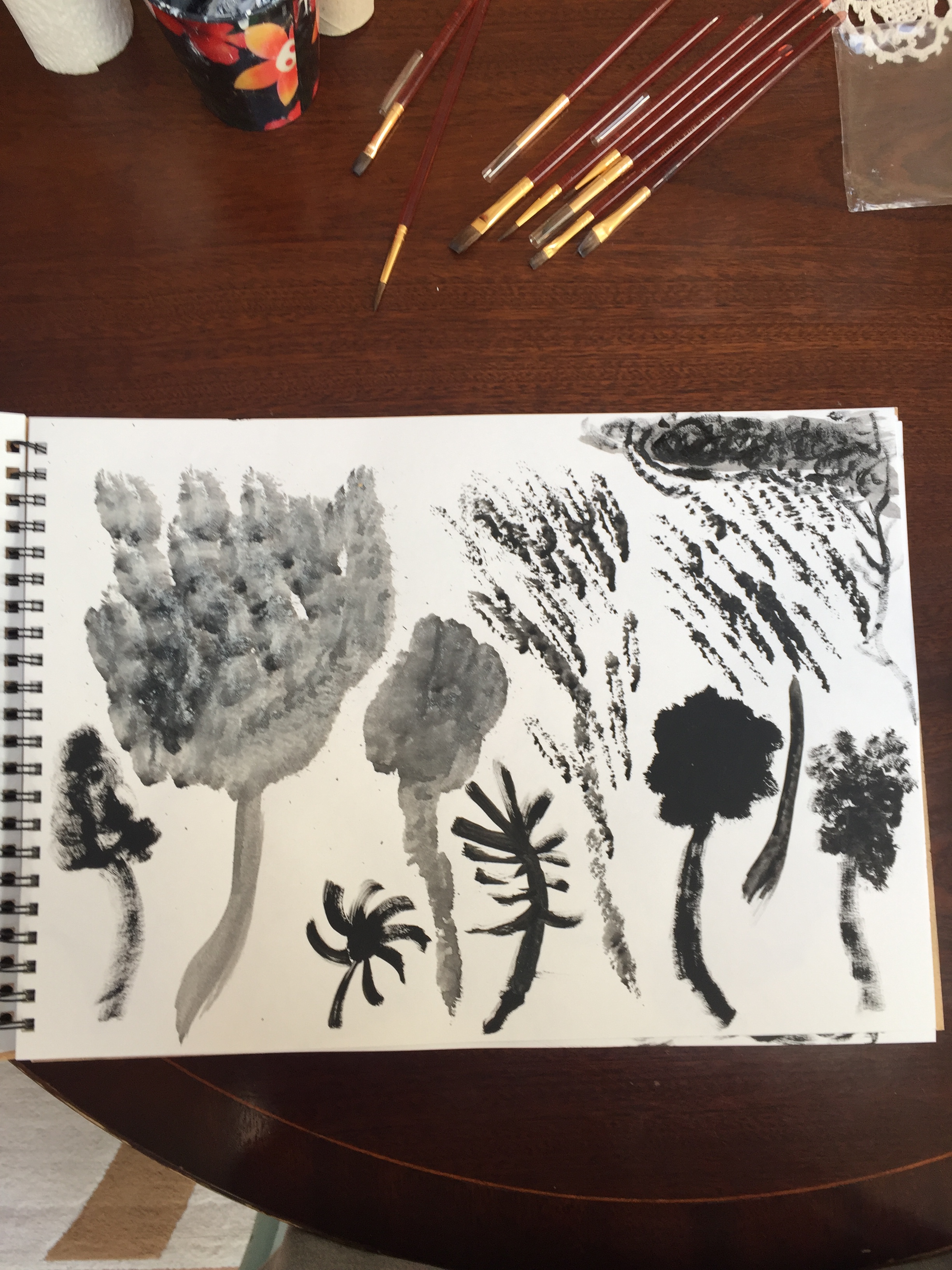
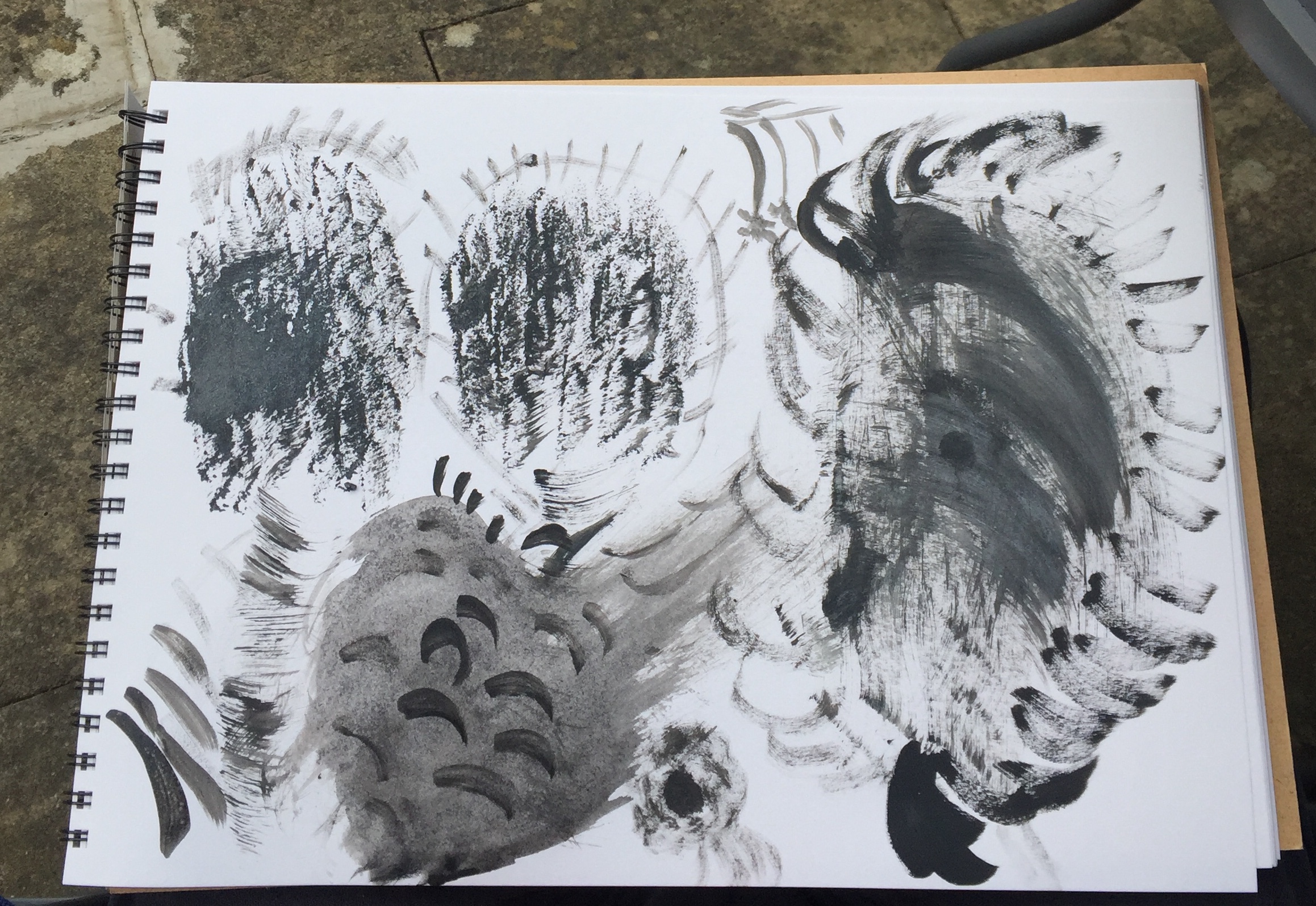
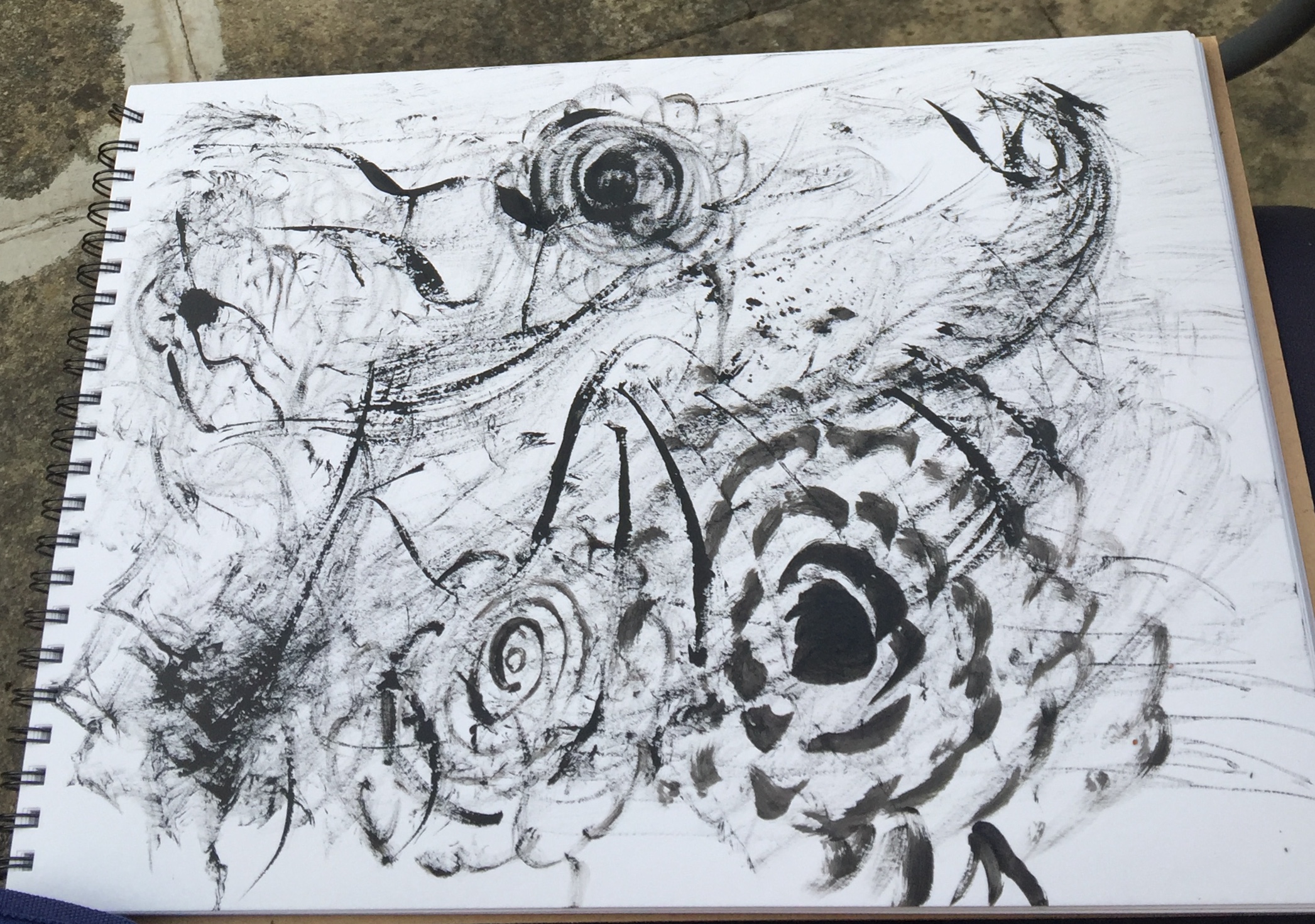
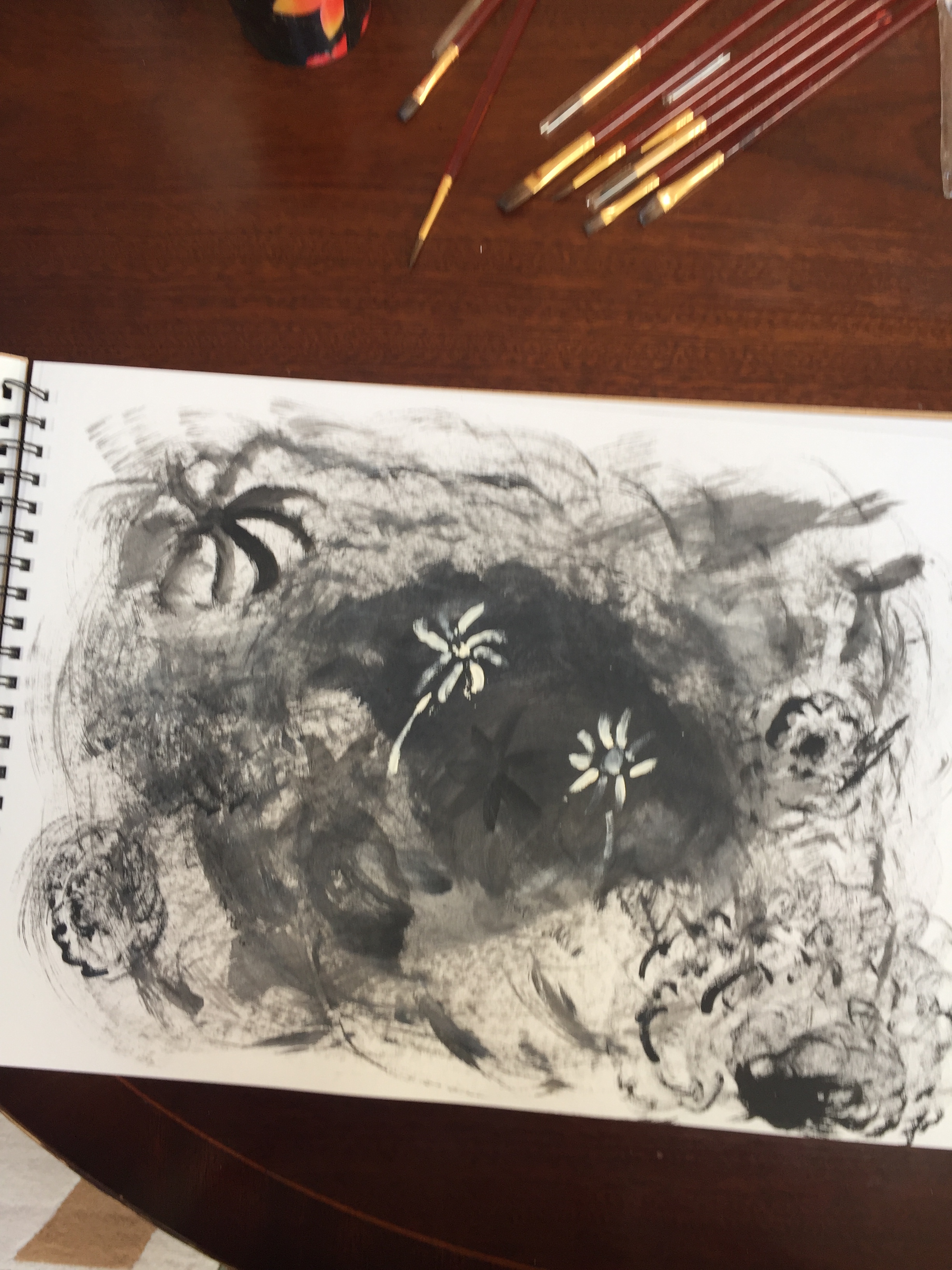
mark making technique
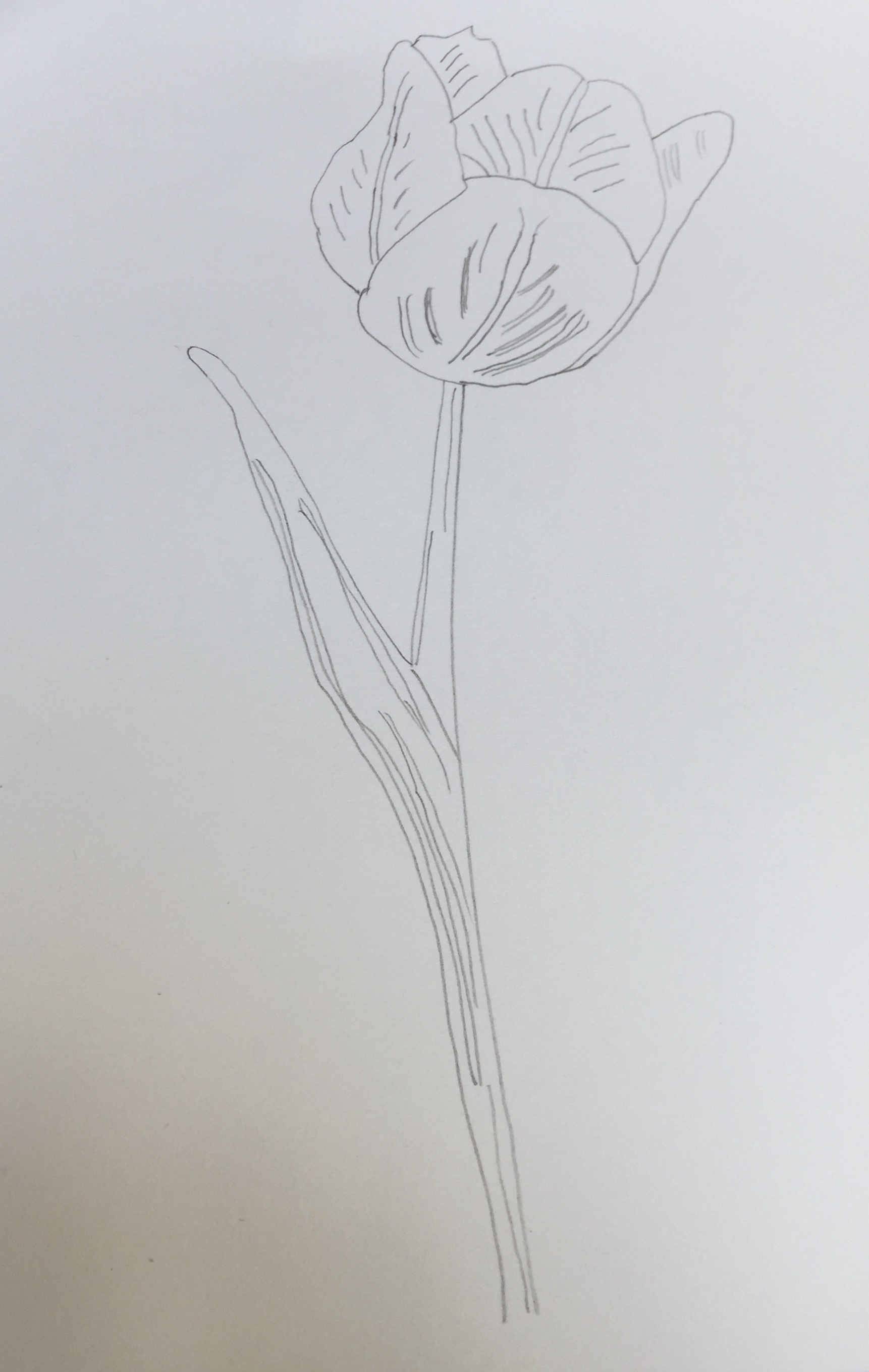
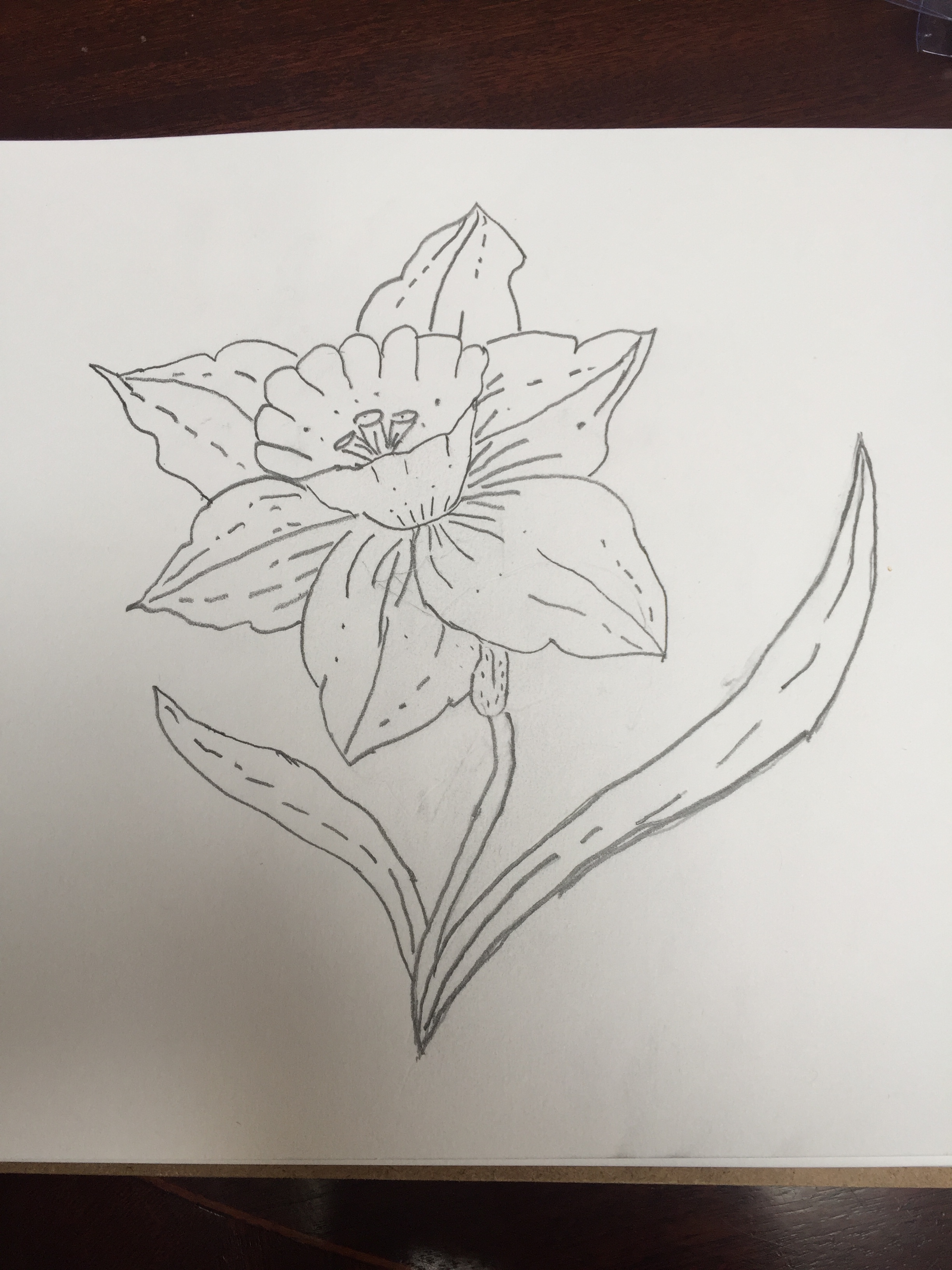
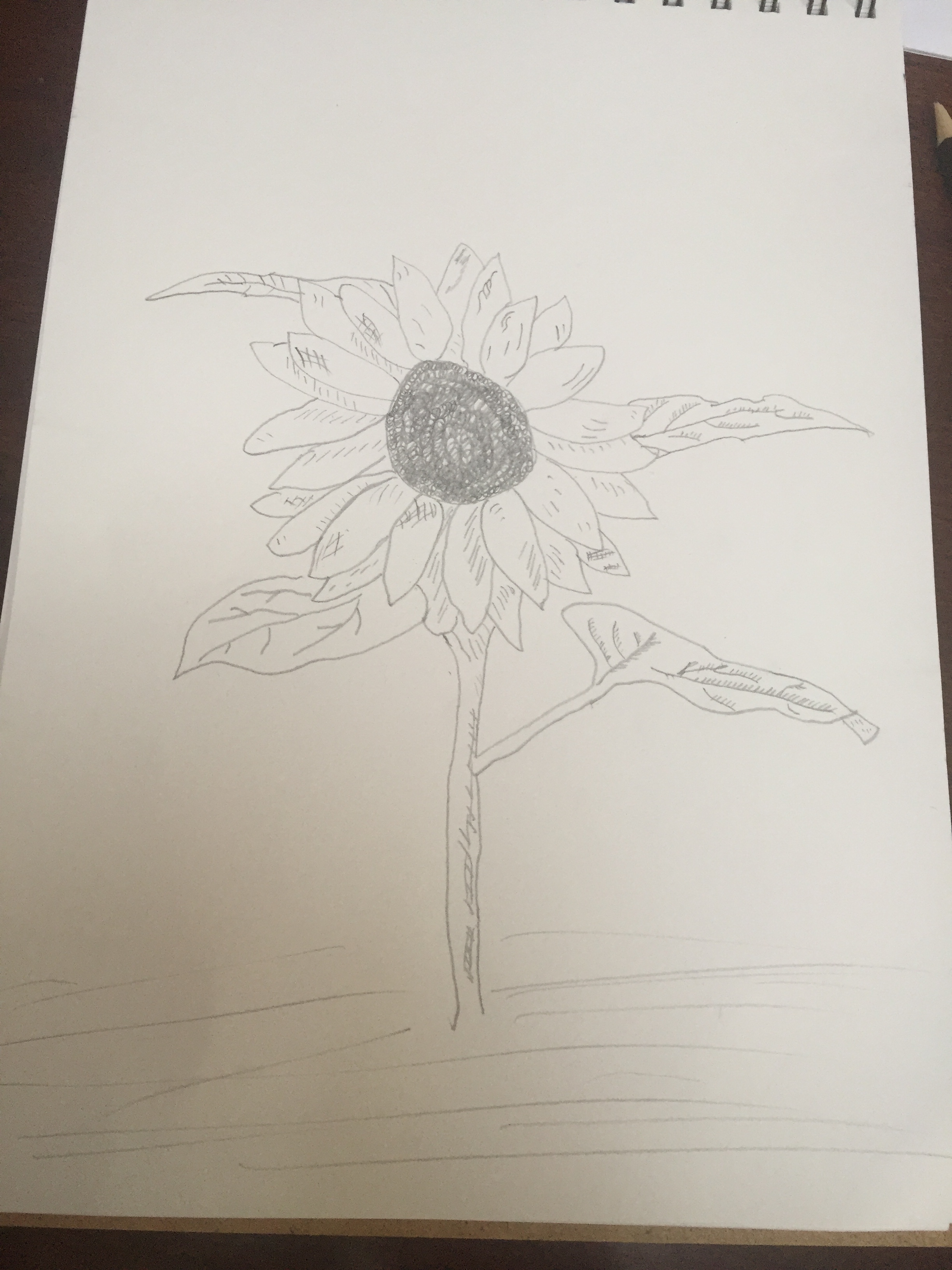
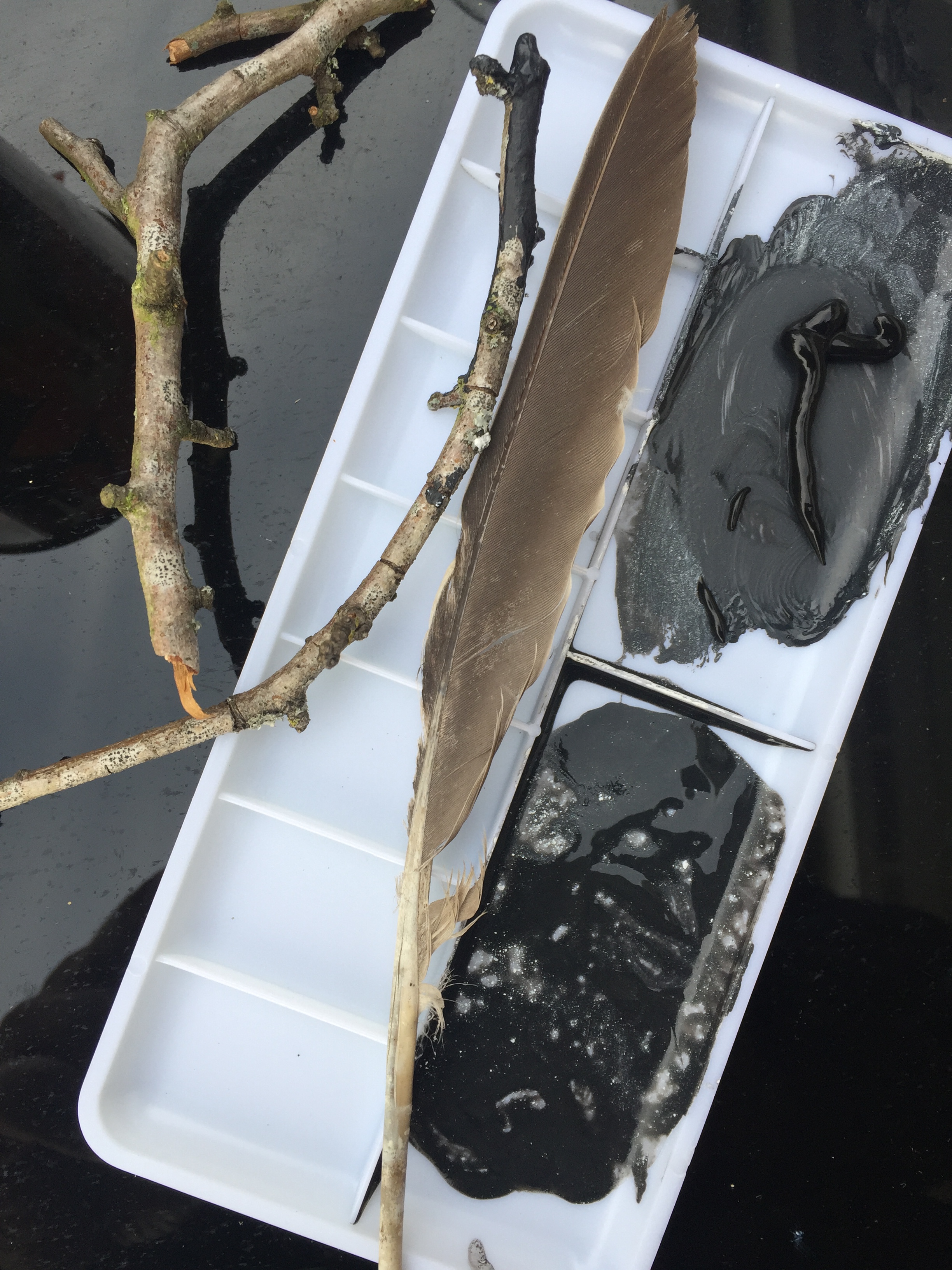
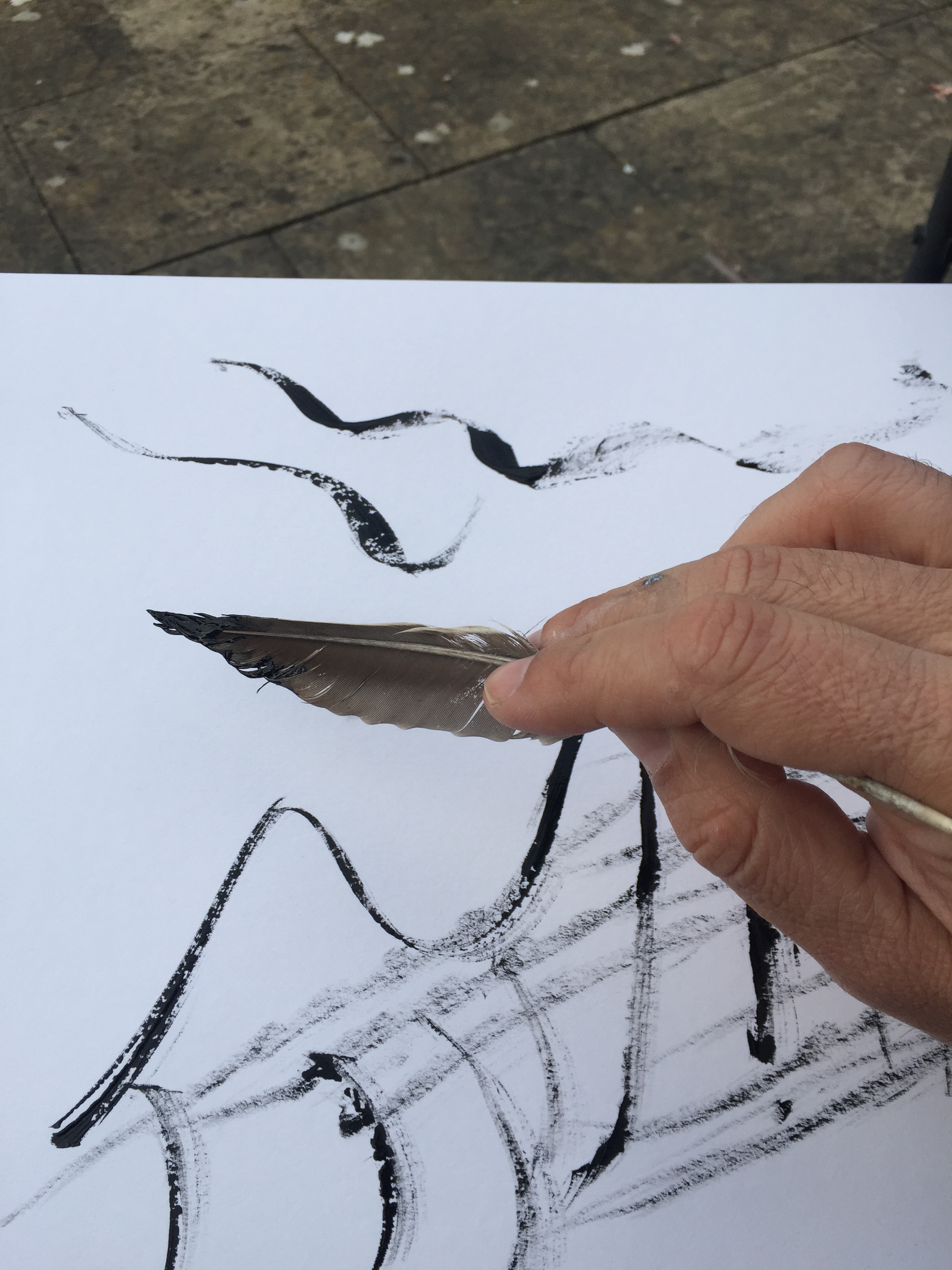
I came back to the basics :A tulip sketch inspired by the picture takenDaffodilsunflower my first ever acrylic drawing.Using a twig of a tree and a feather as drawing instruments drawing method
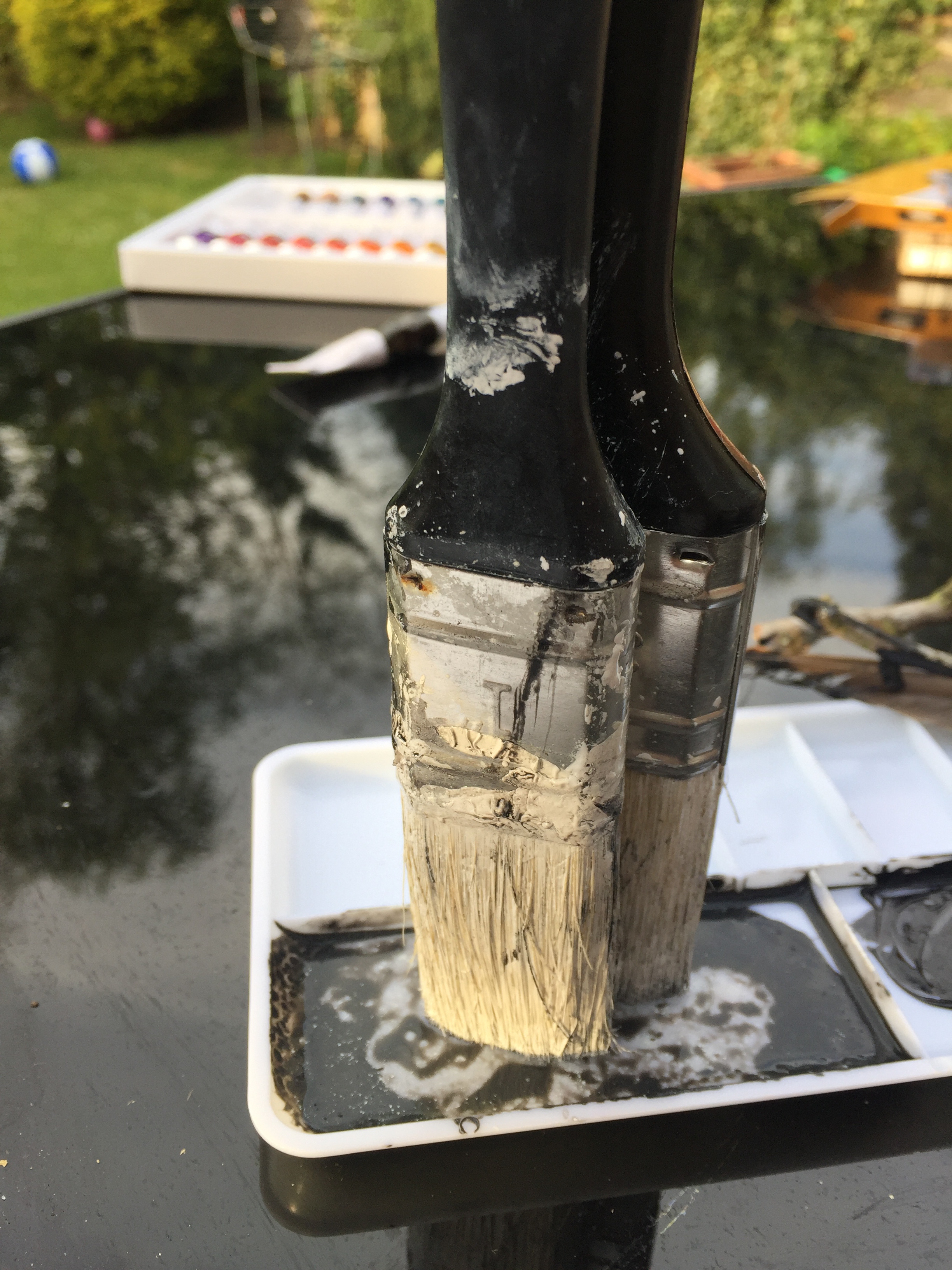
using two brushes
drawing method
I’ve decided to move from the abstract drawings as I feel more confident now to use more materials and draw more realistically looking patterns.
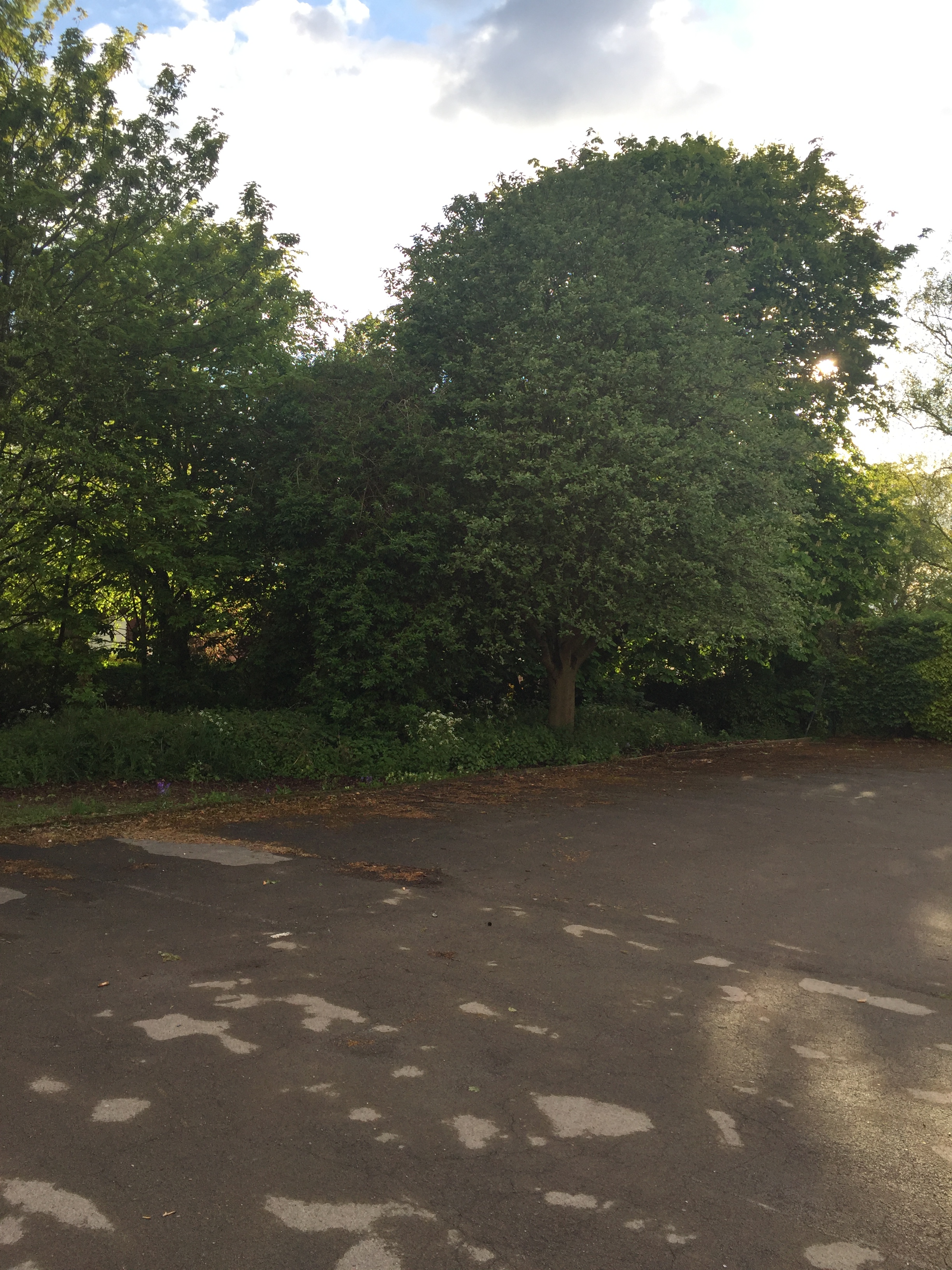
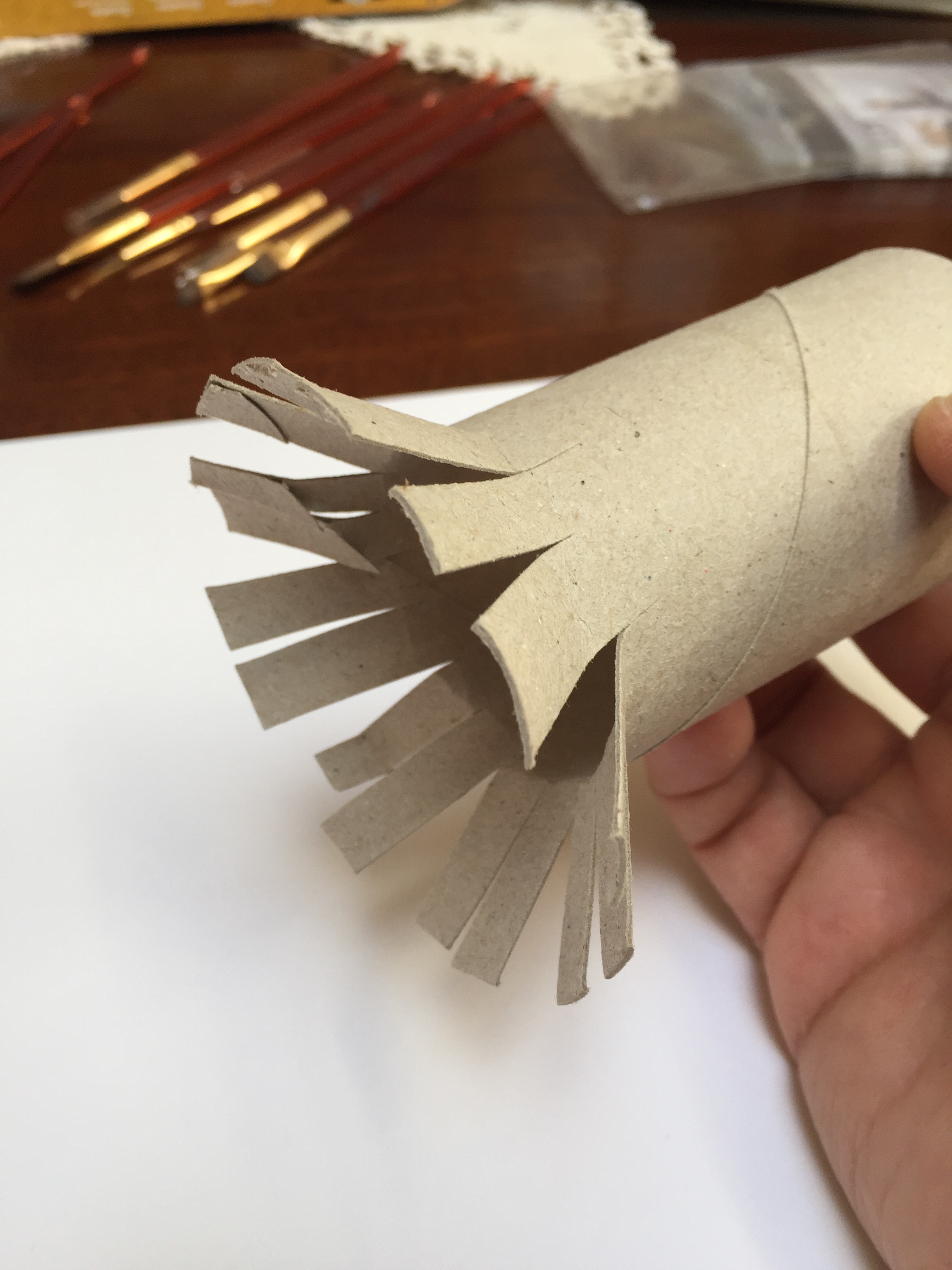
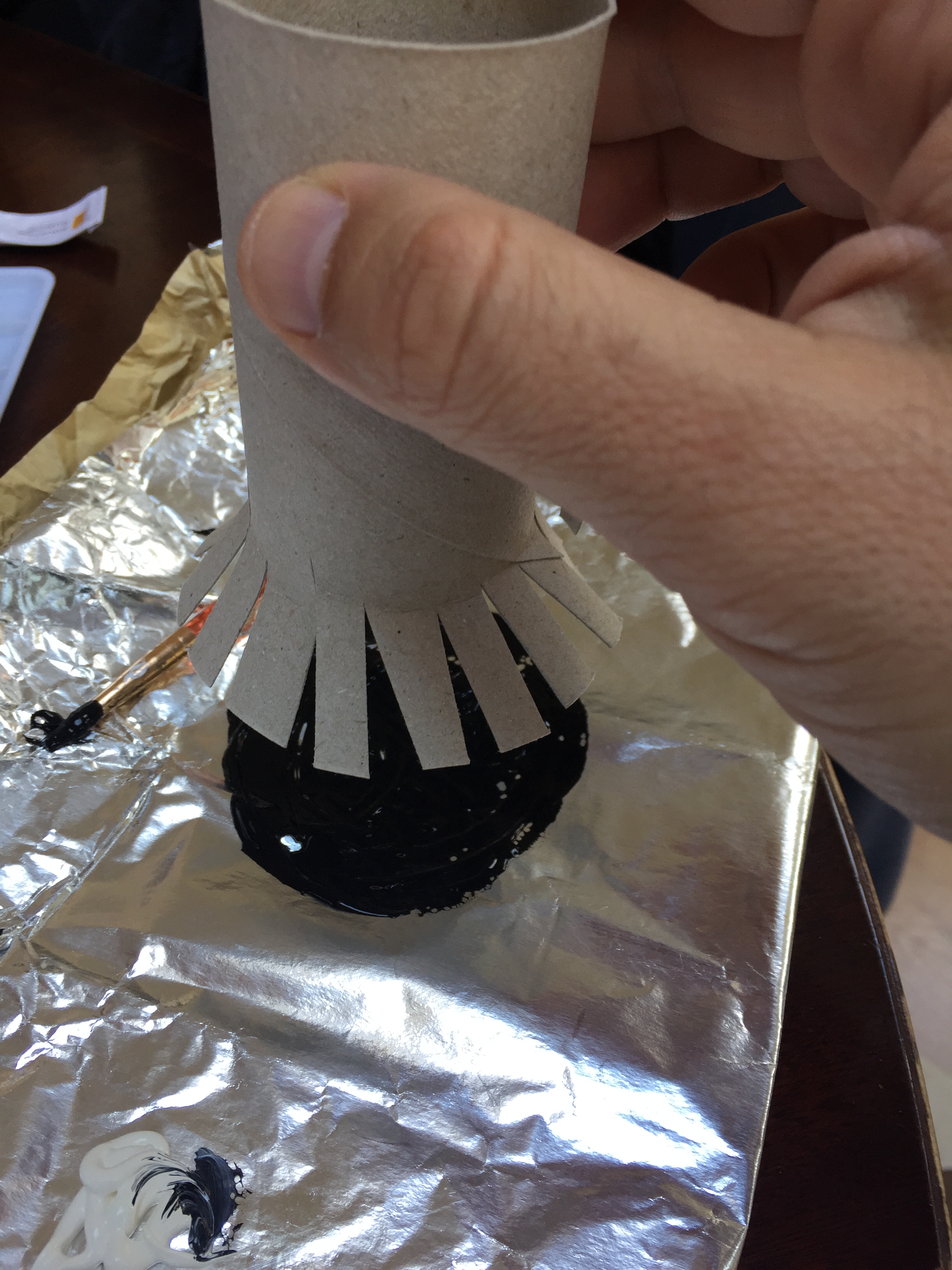
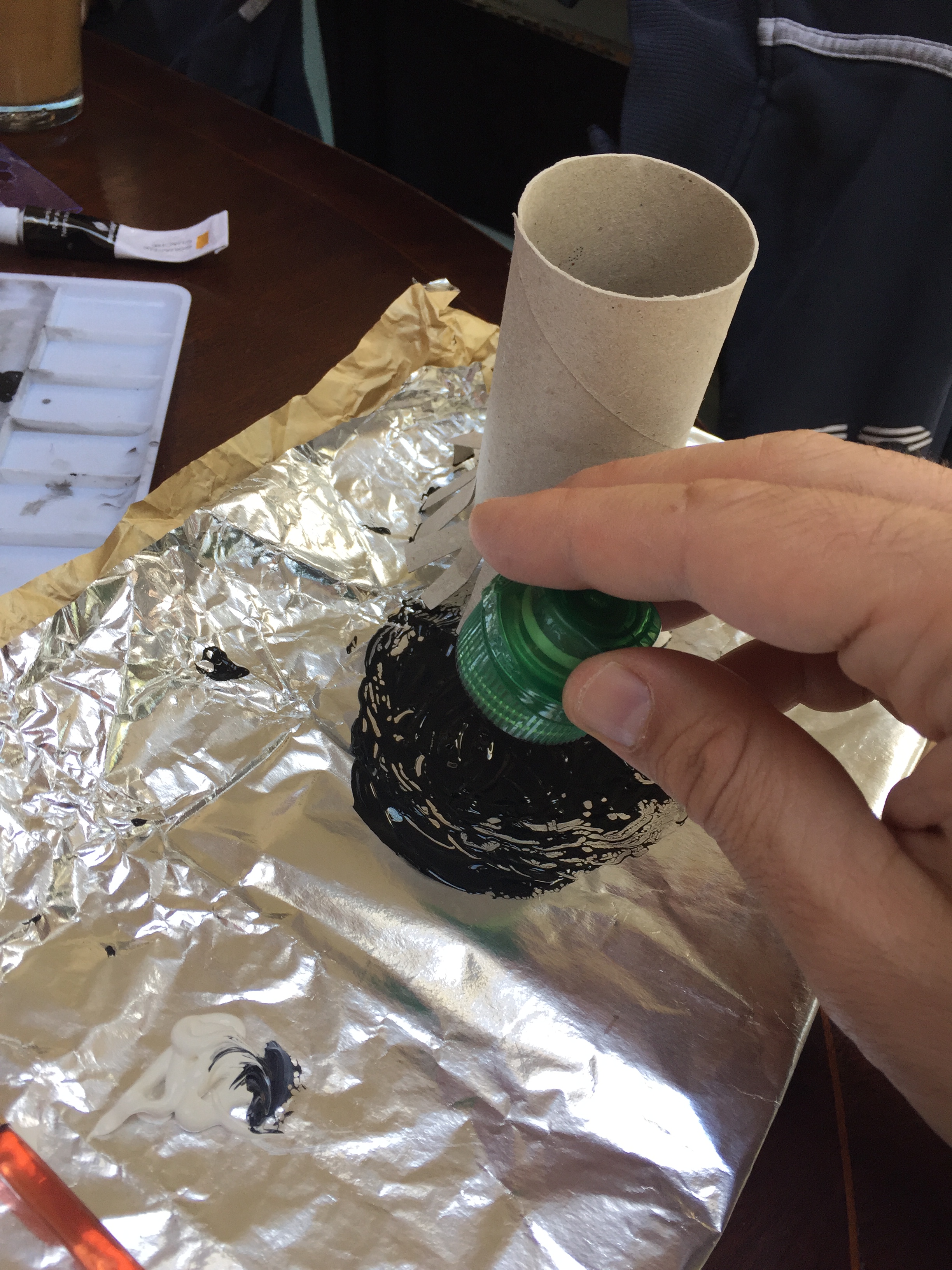
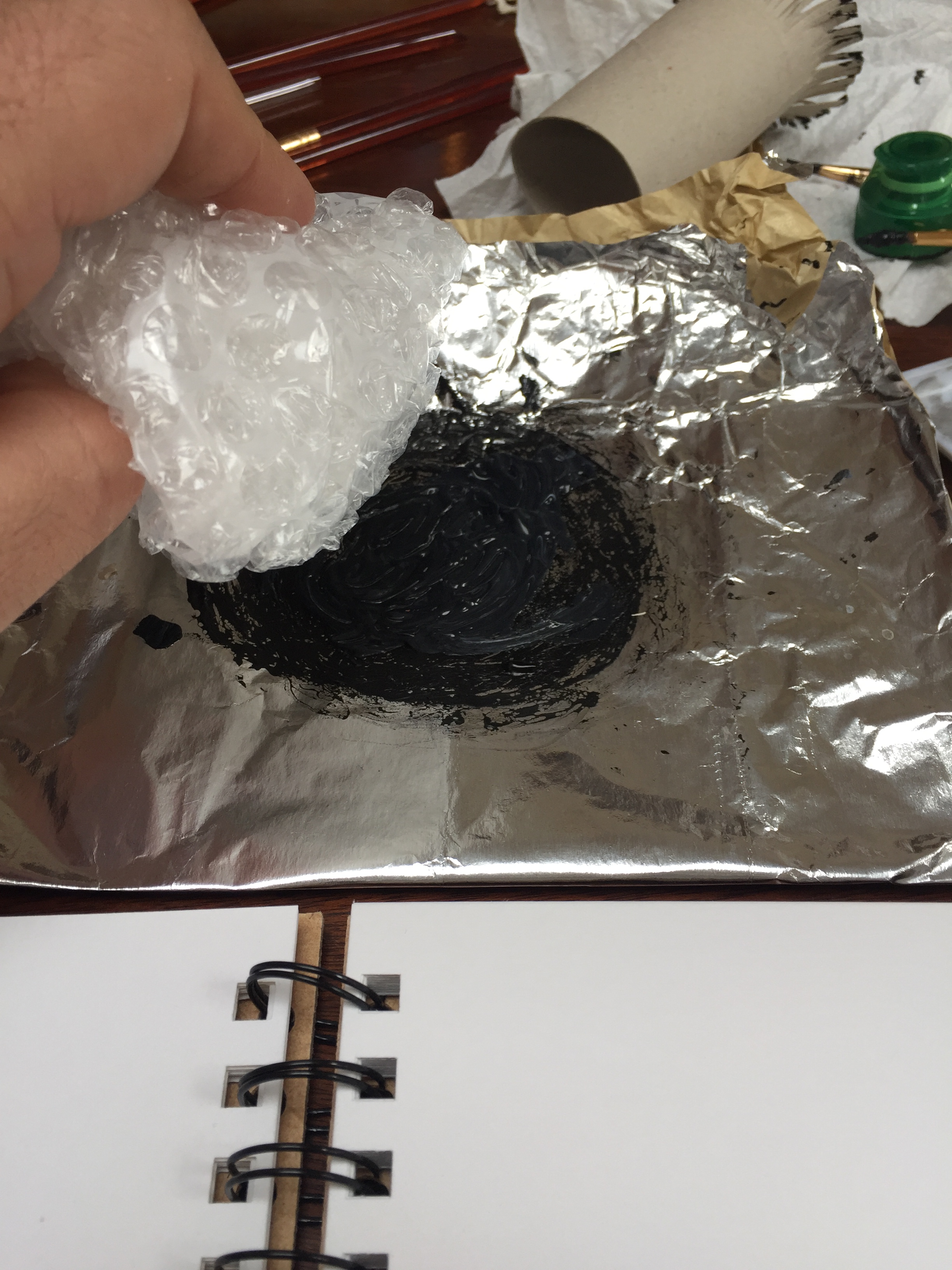
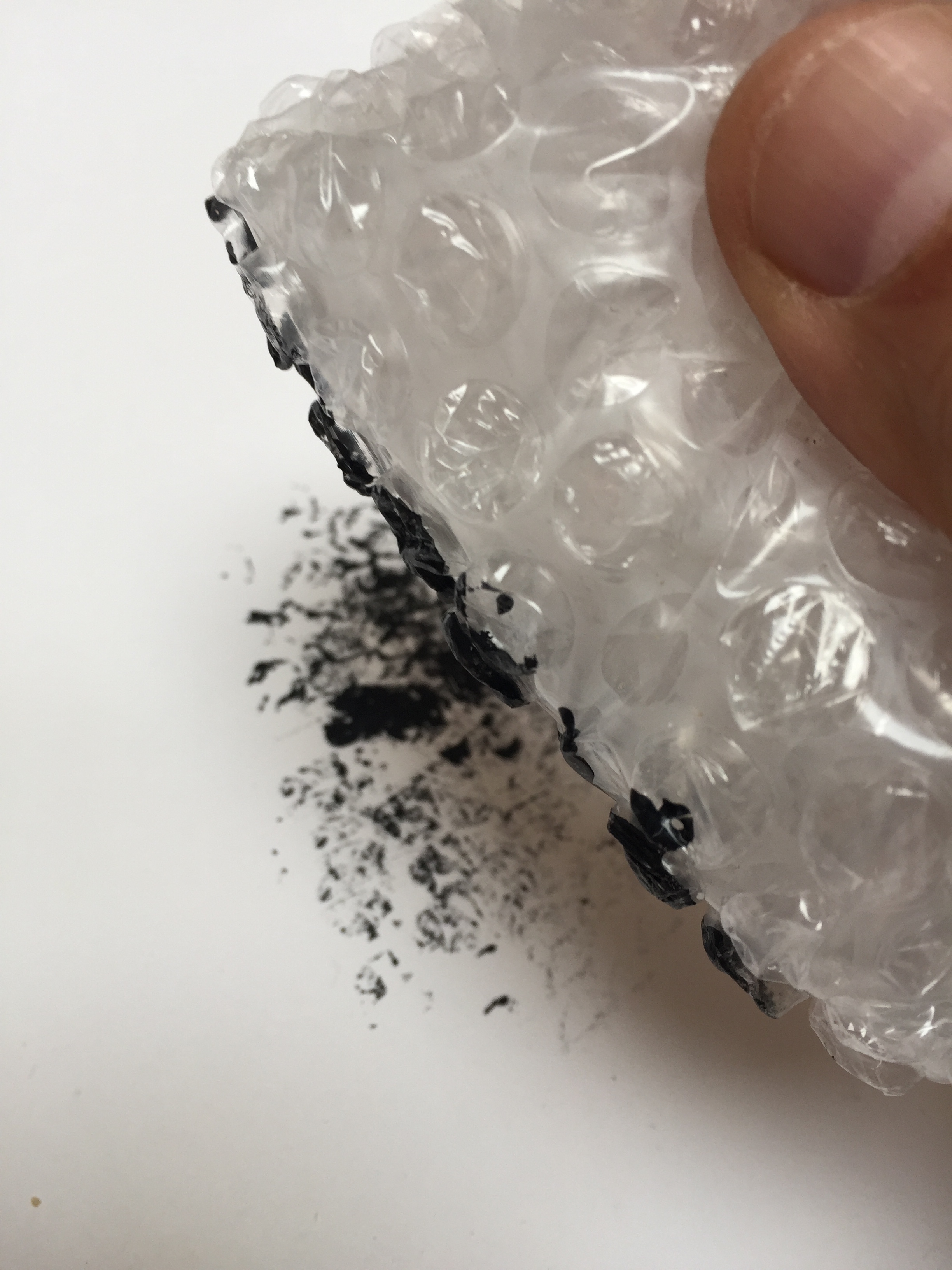
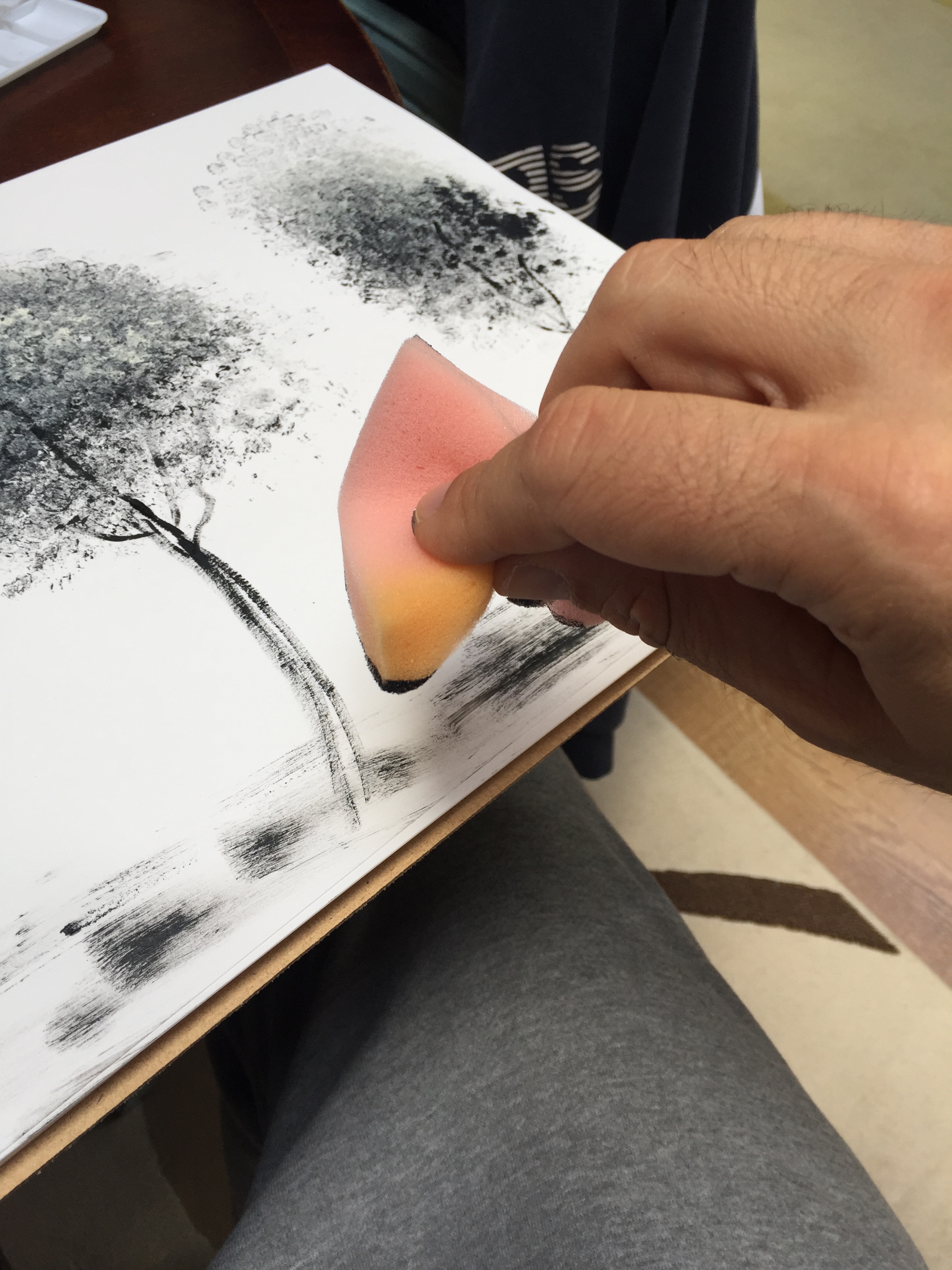
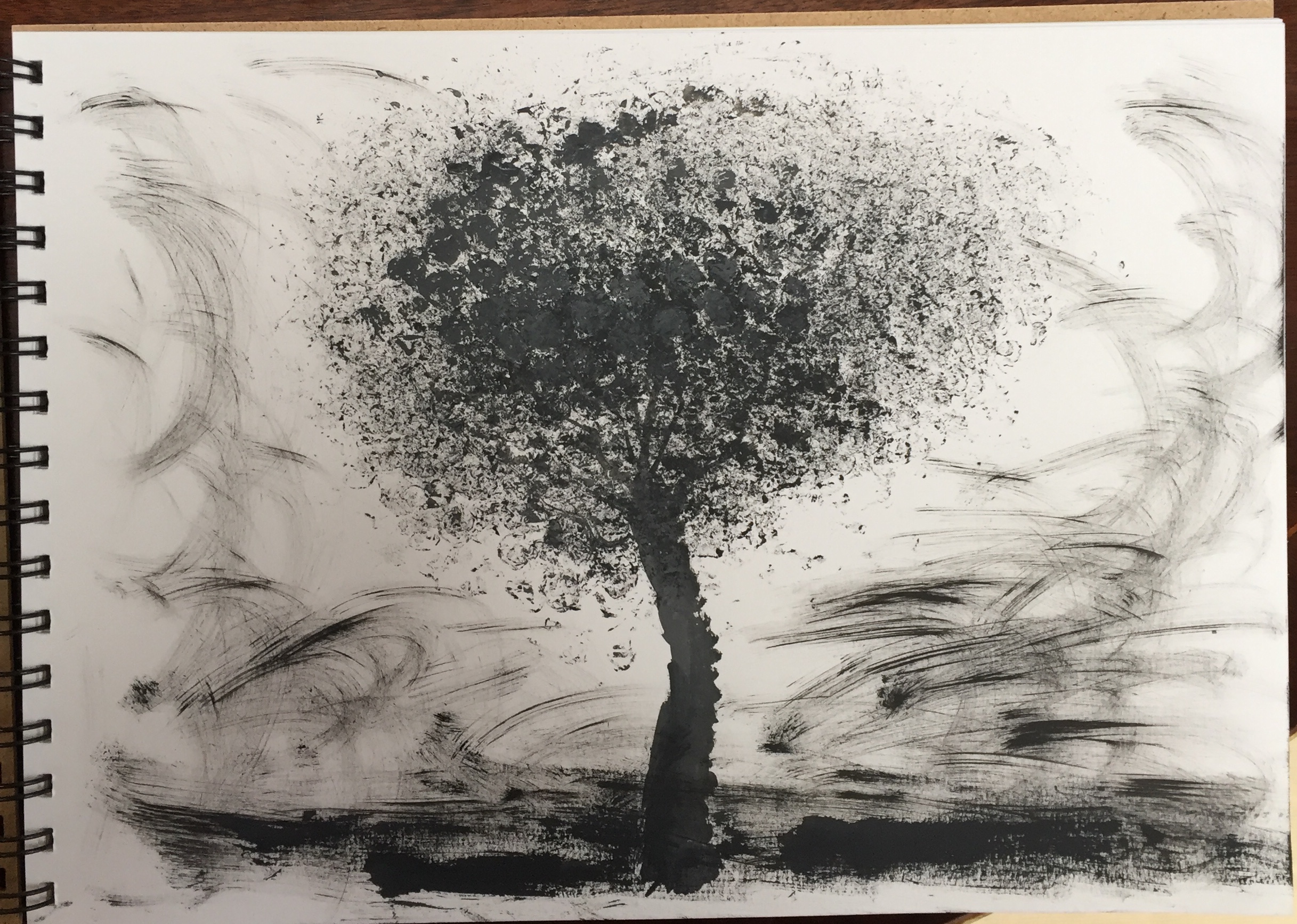
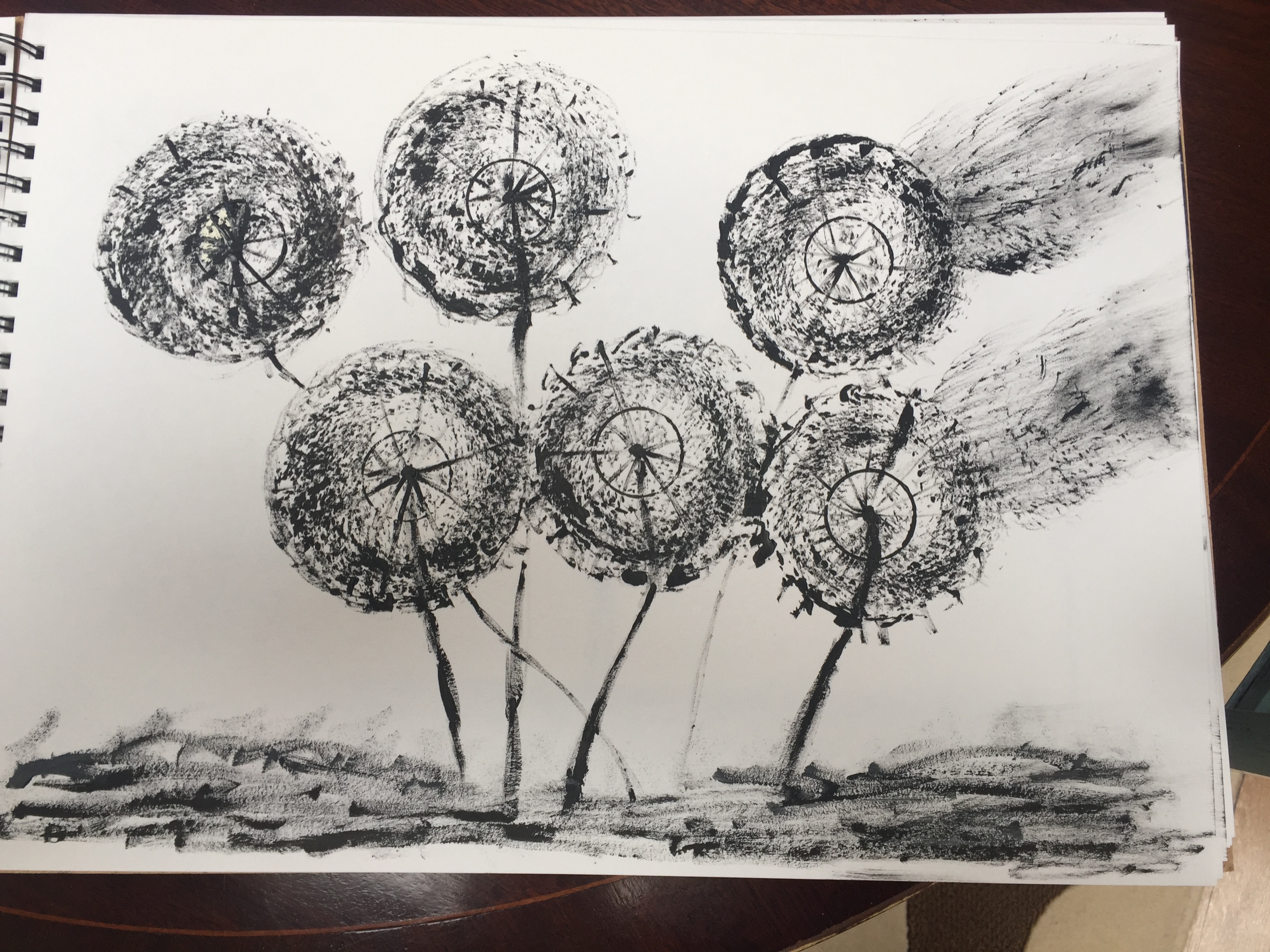
I’ve cut the edge a toilet roll carton in order to create sort of ”fringes”dunk it into a color pool…use the lid of a bottle as well.My first dandelion is formed!!! finished painting.Next project involves bubble wrap.creates a nice print sponge to create a swiped effect In this painting I’ve mixed water with acrylic colorA single tree; A sum of the techniques I’ve used on the previous paintings.
Exercise 2.2 Paper manipulation gallery
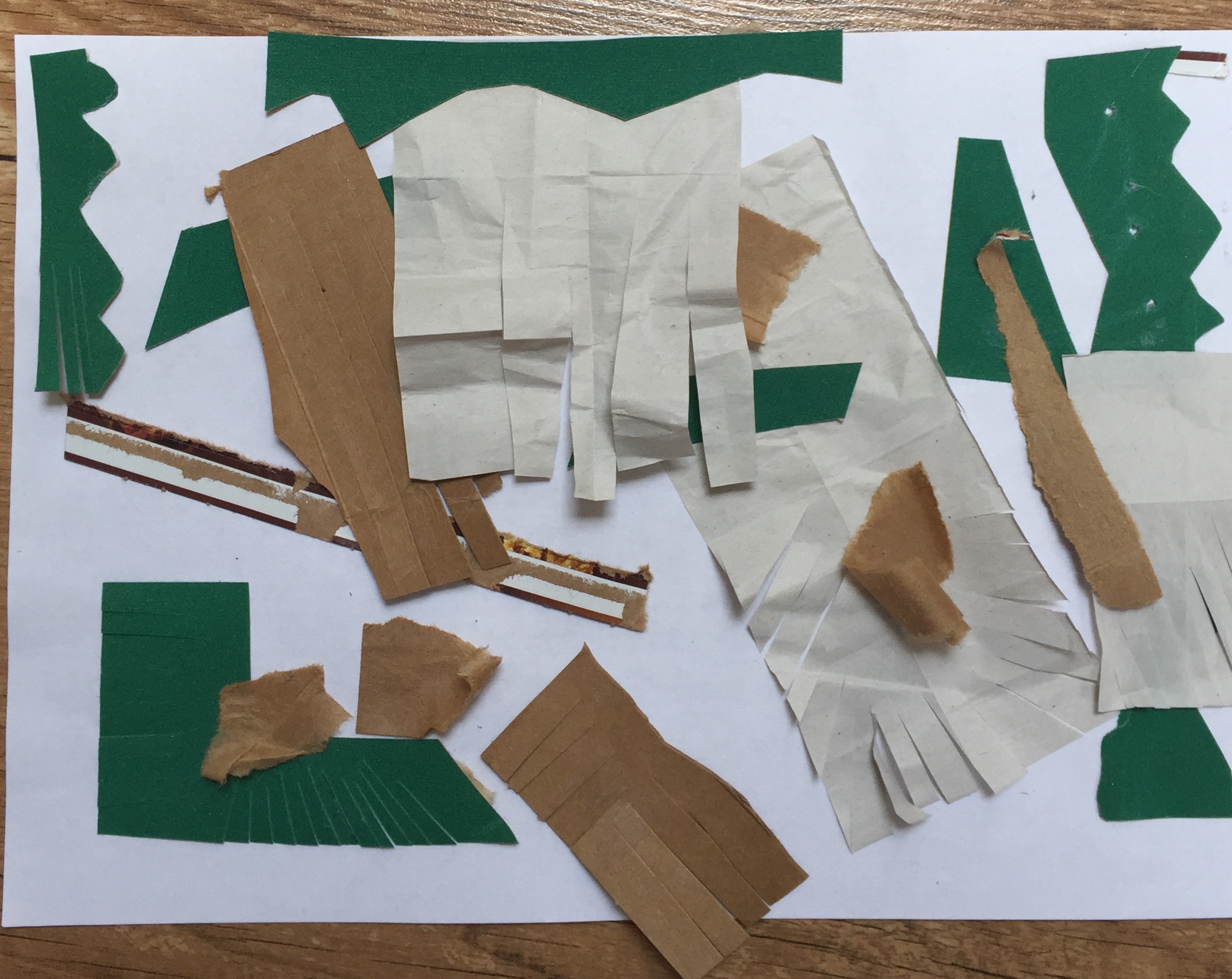
Looking back on my previous work I found out there are certain manipulation techniques that I can use for my ”take 2” assignment.
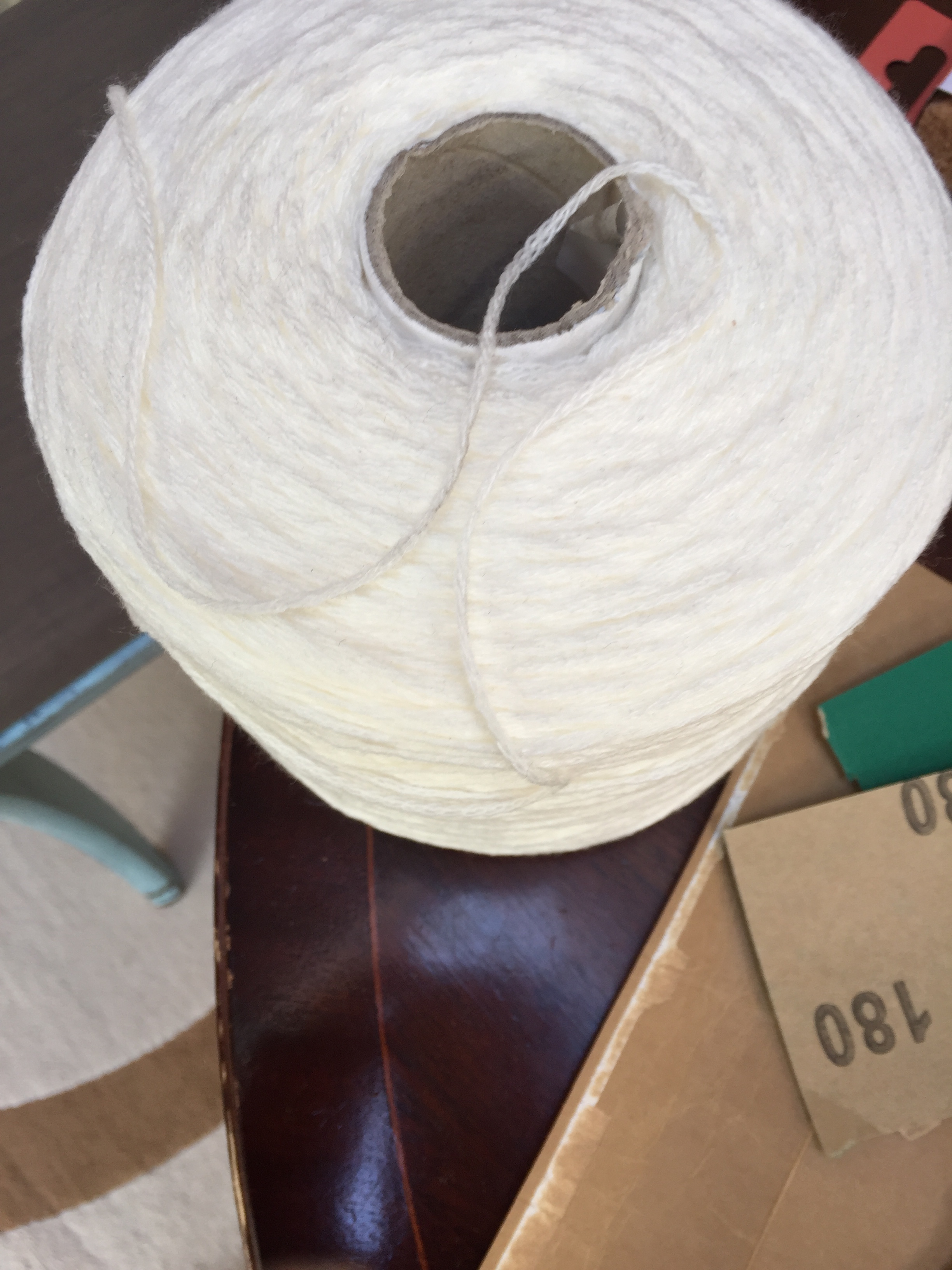
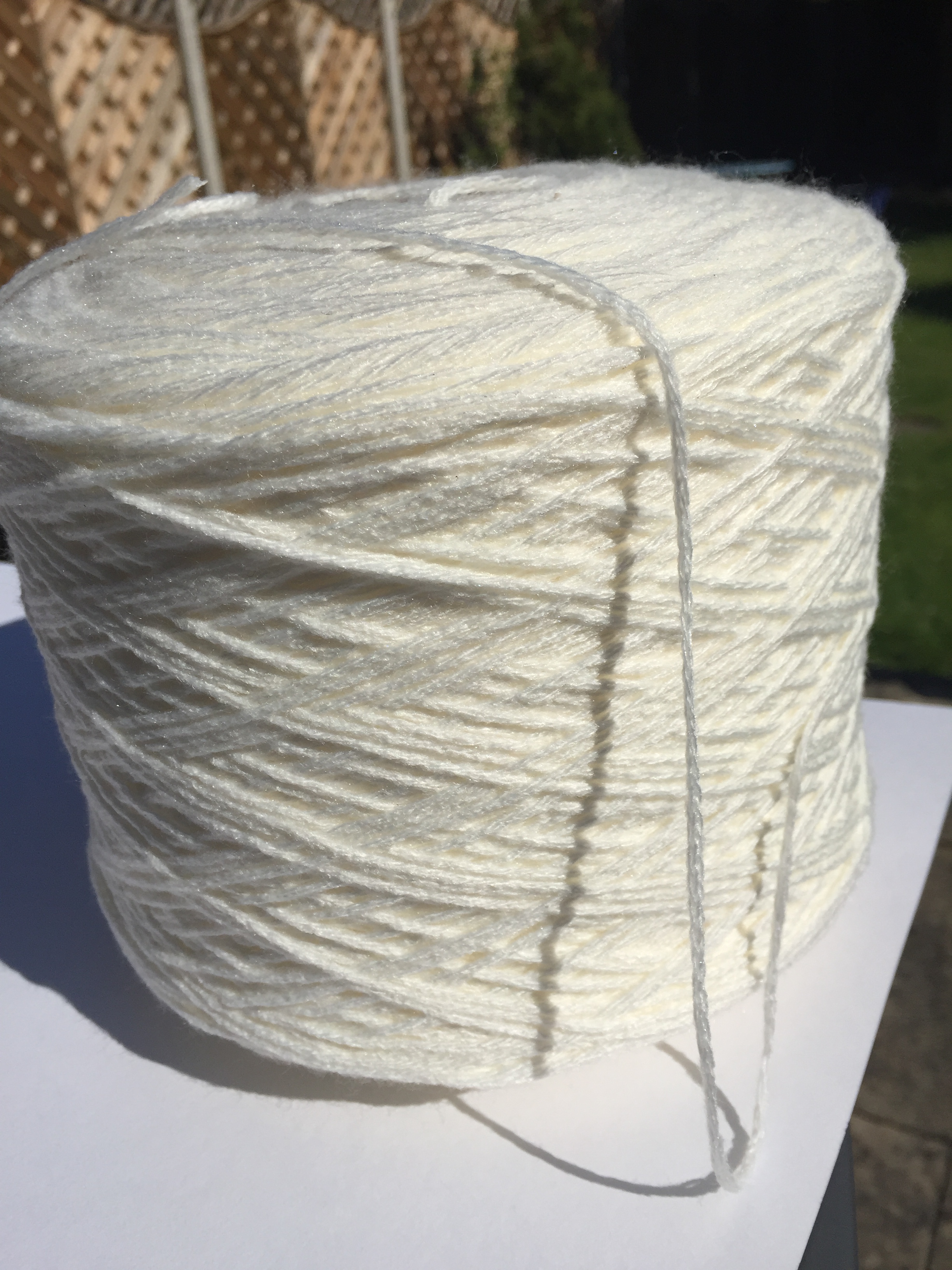
Firstly , I’ve gathered paper in different forms as well as pins and a cone of yarn.
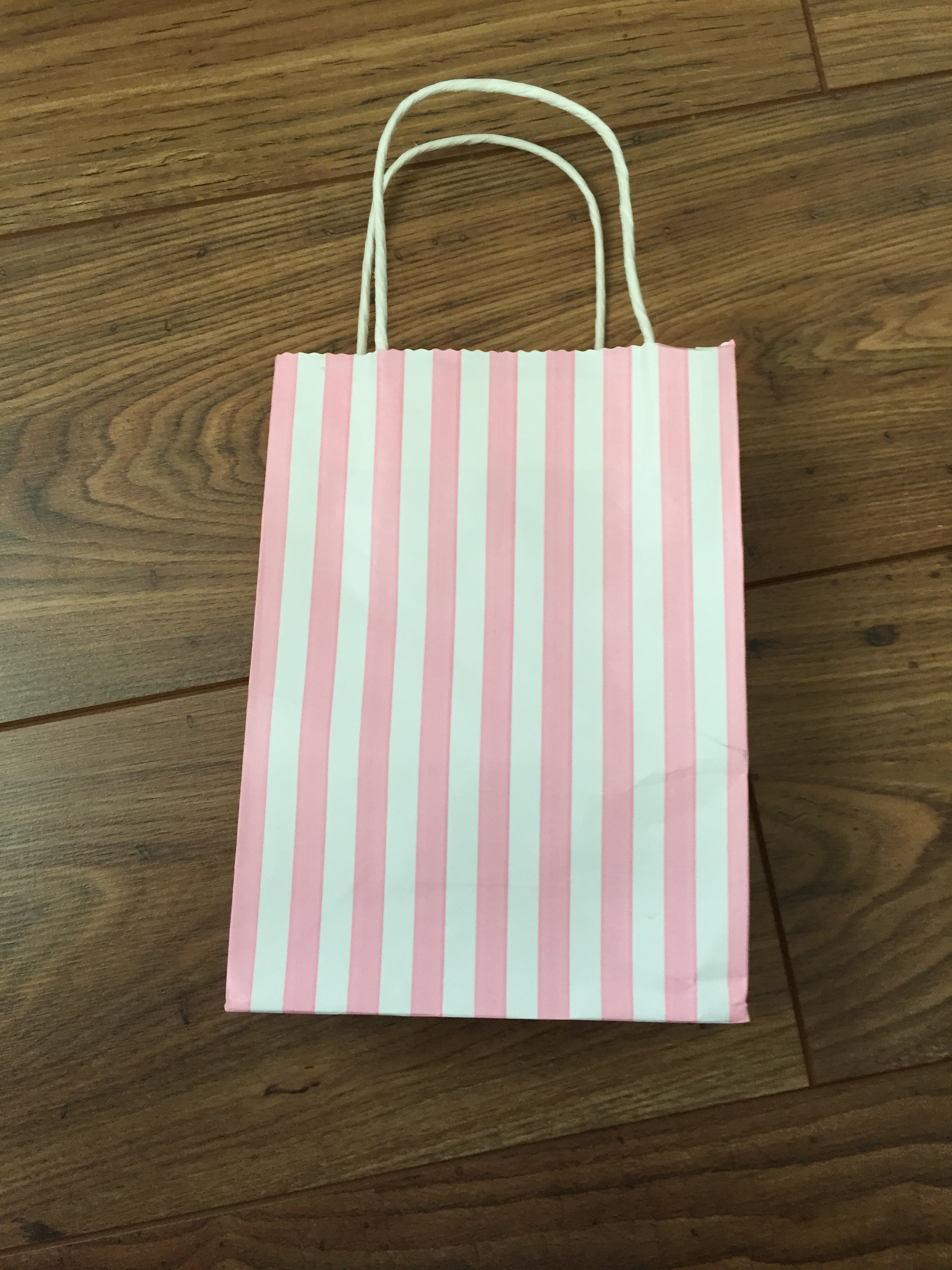
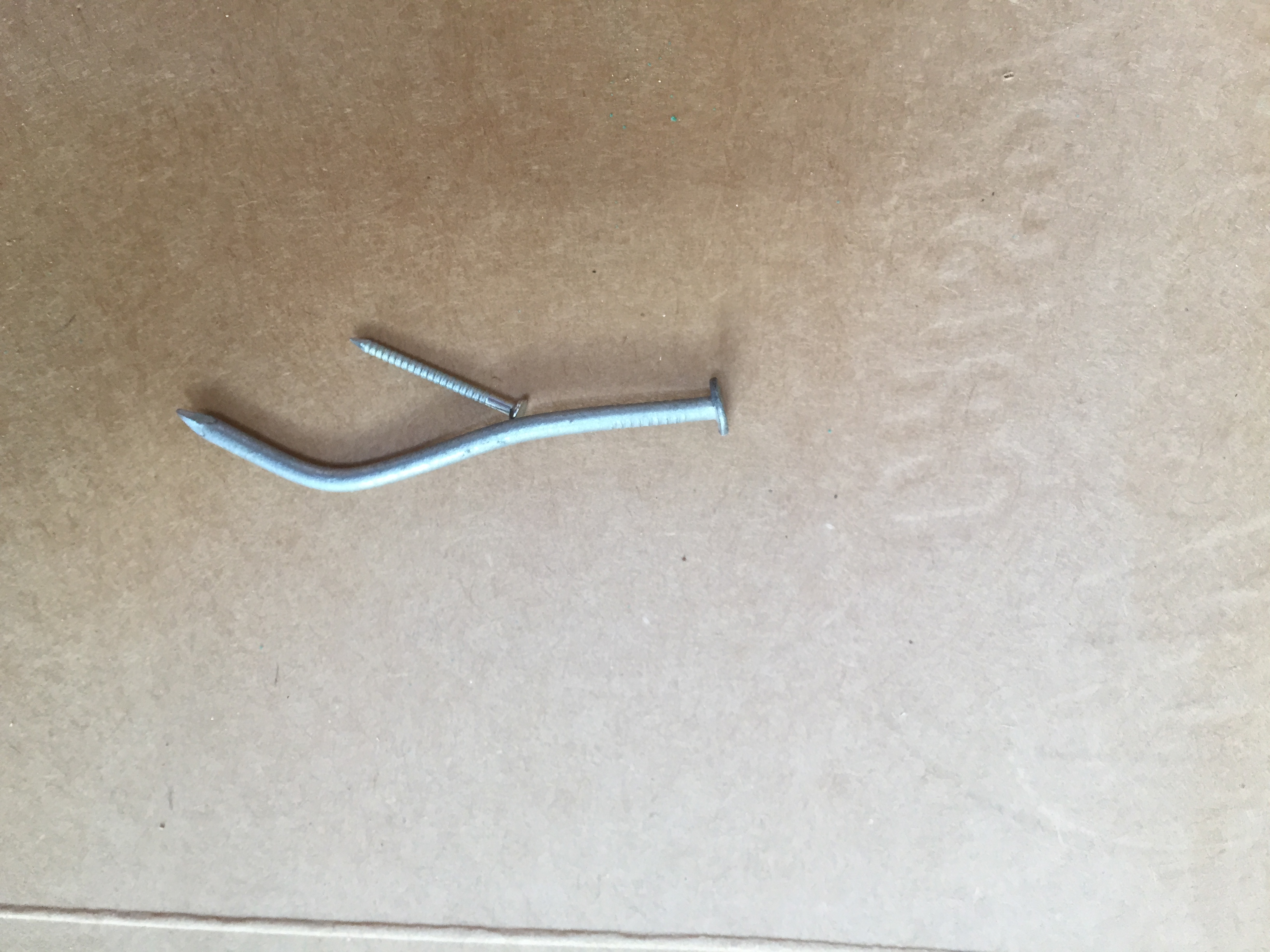
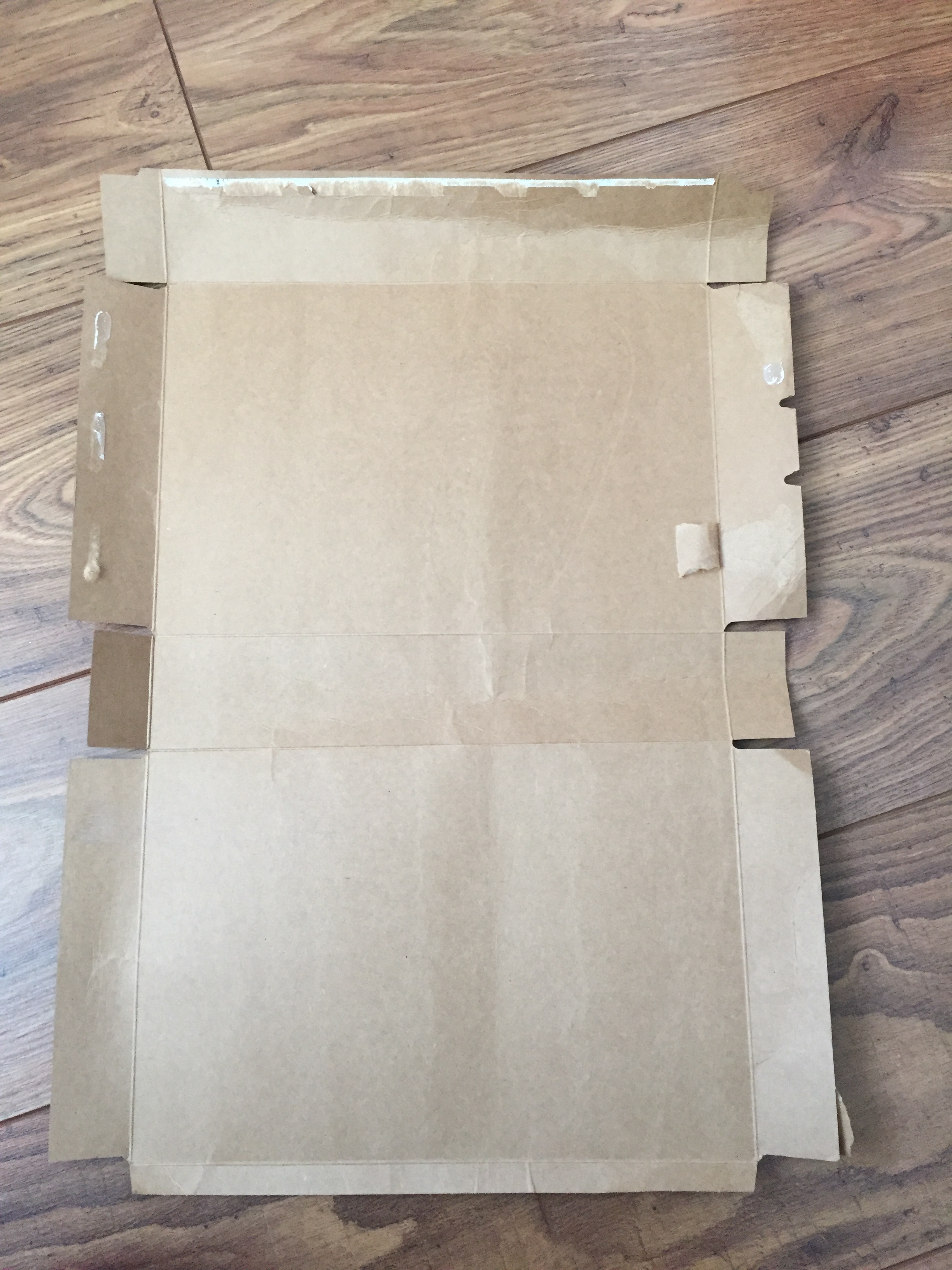
Yarn always inspire me!sand papera paper bagdifferent gauge nails a cereal box
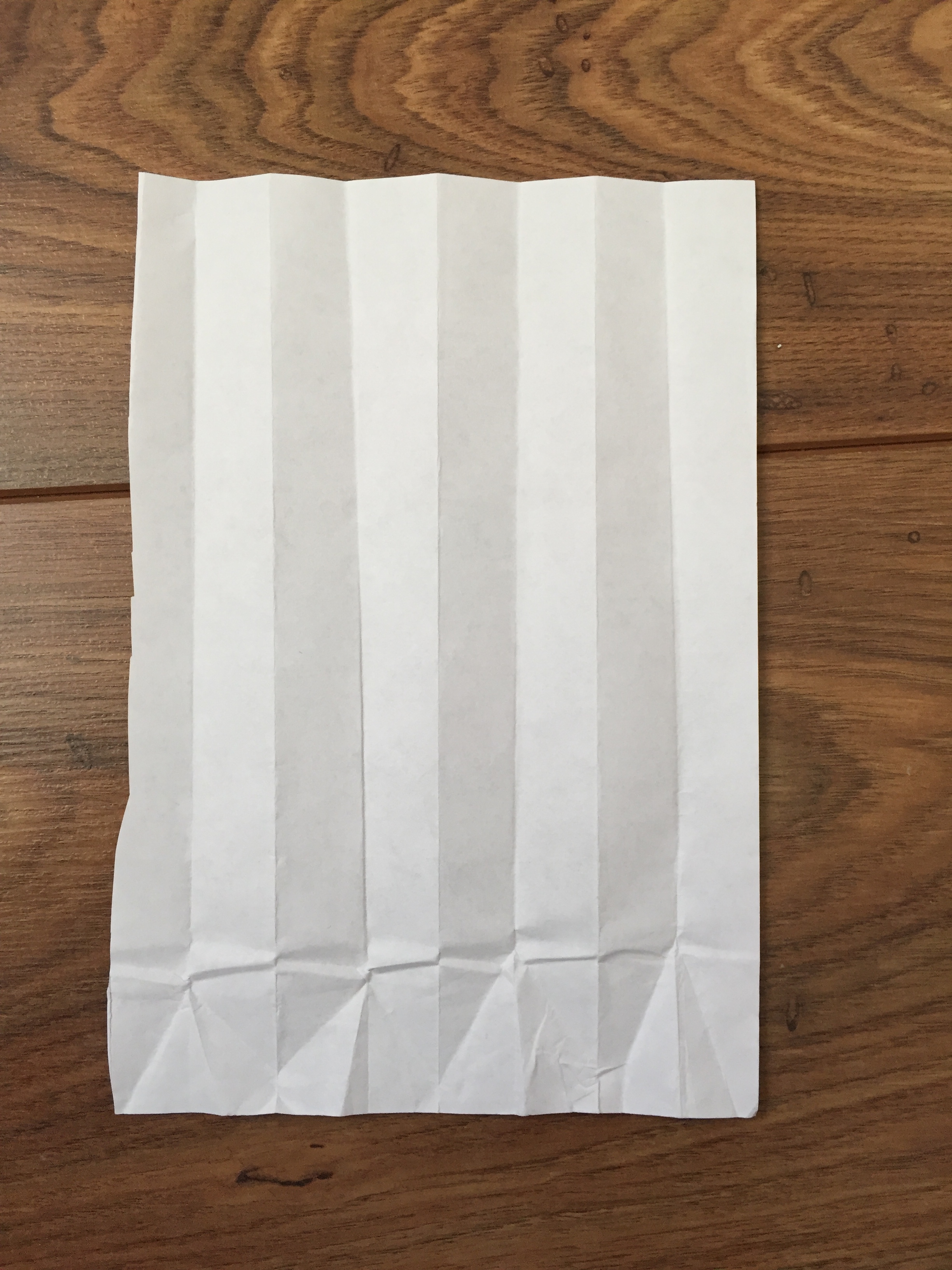
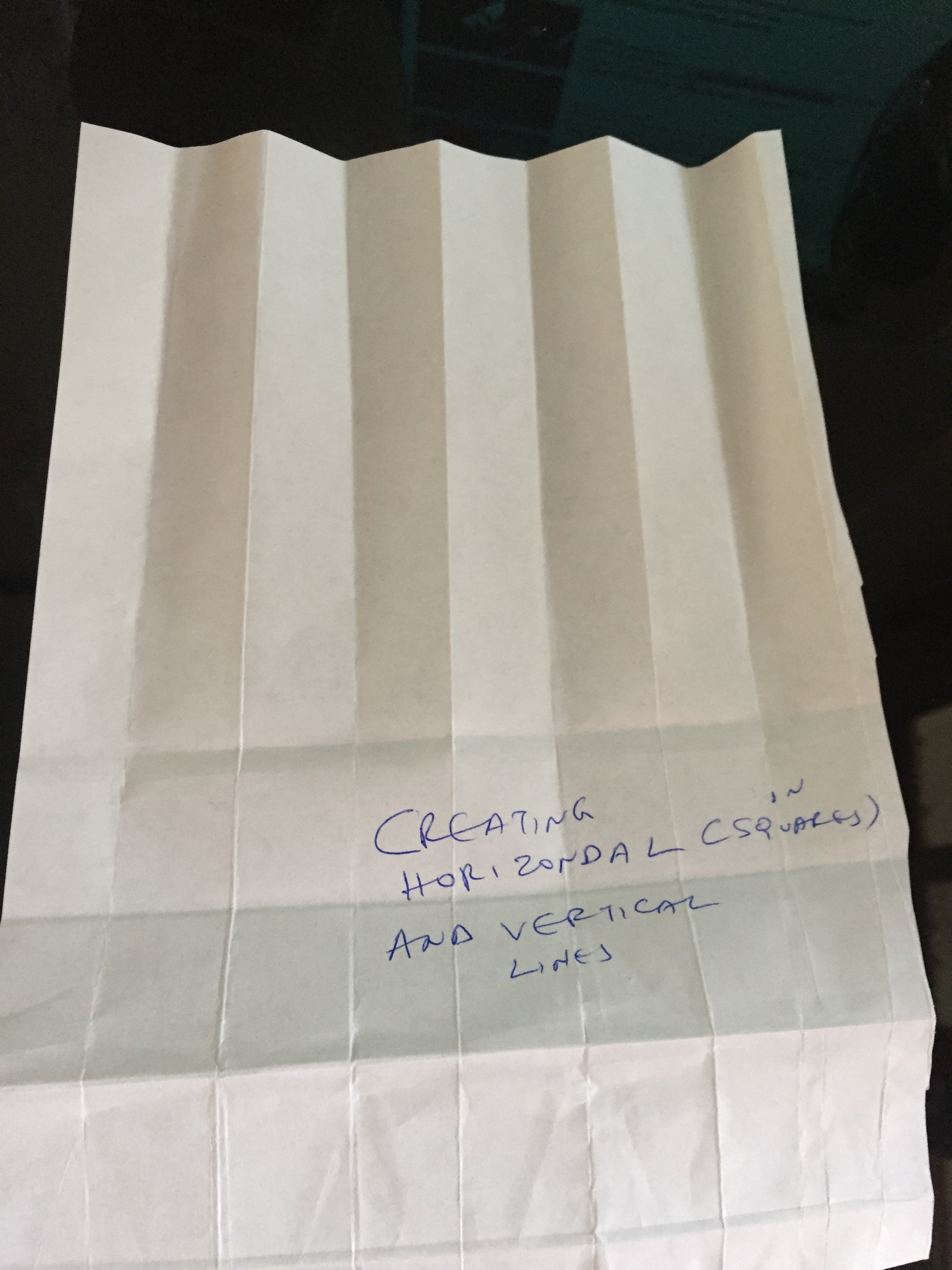
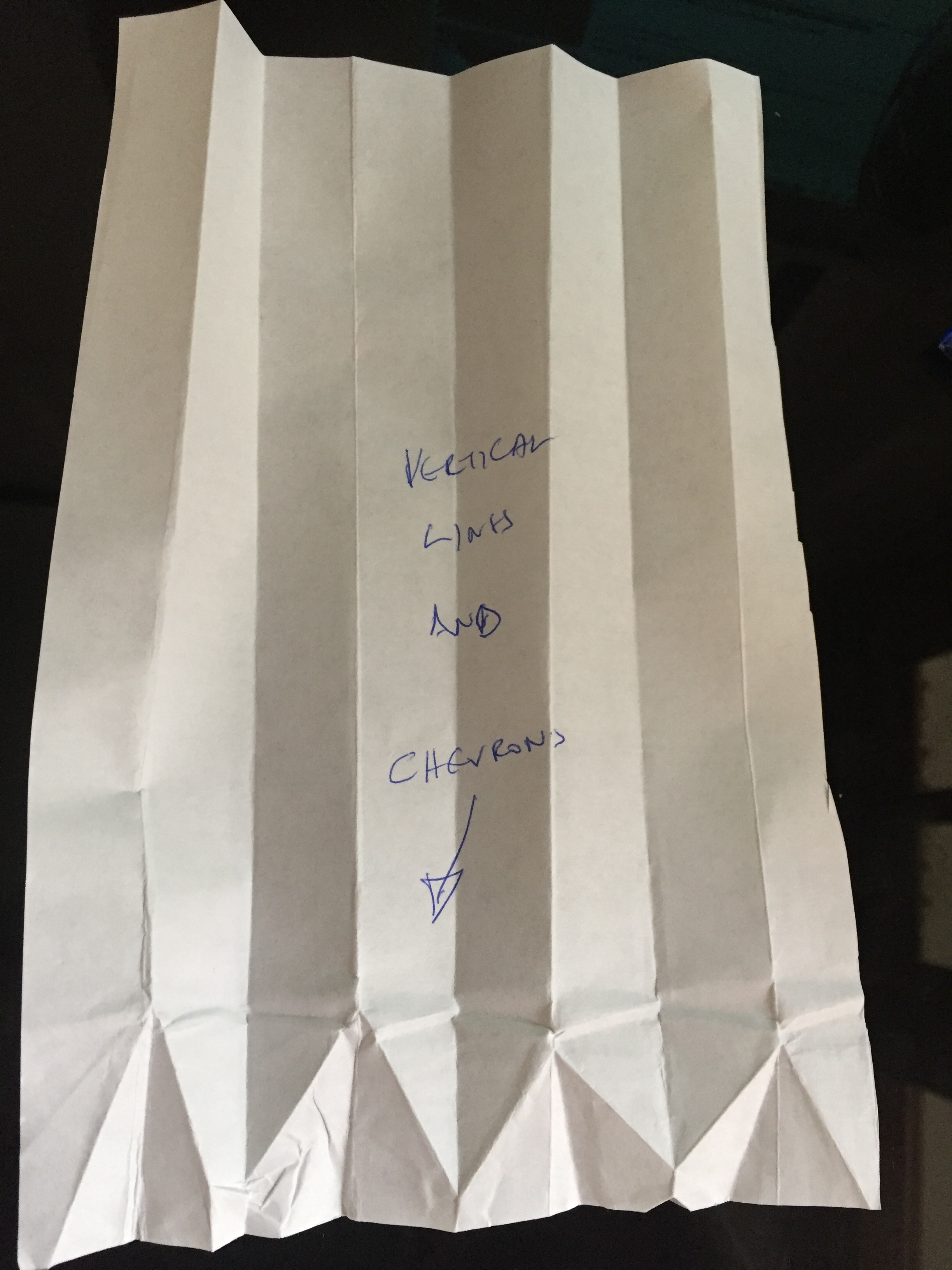
vertical lines and scallops in the edge
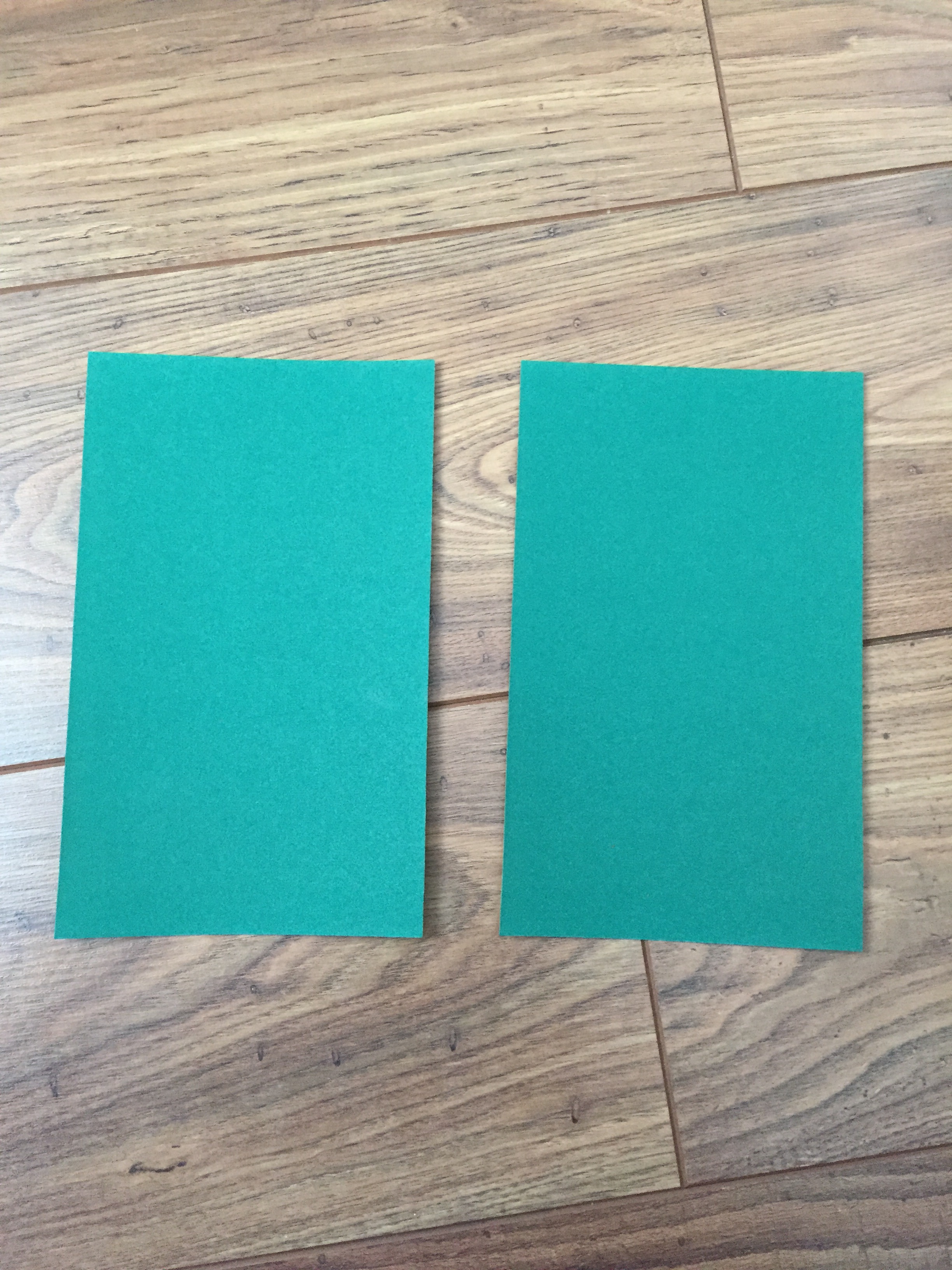
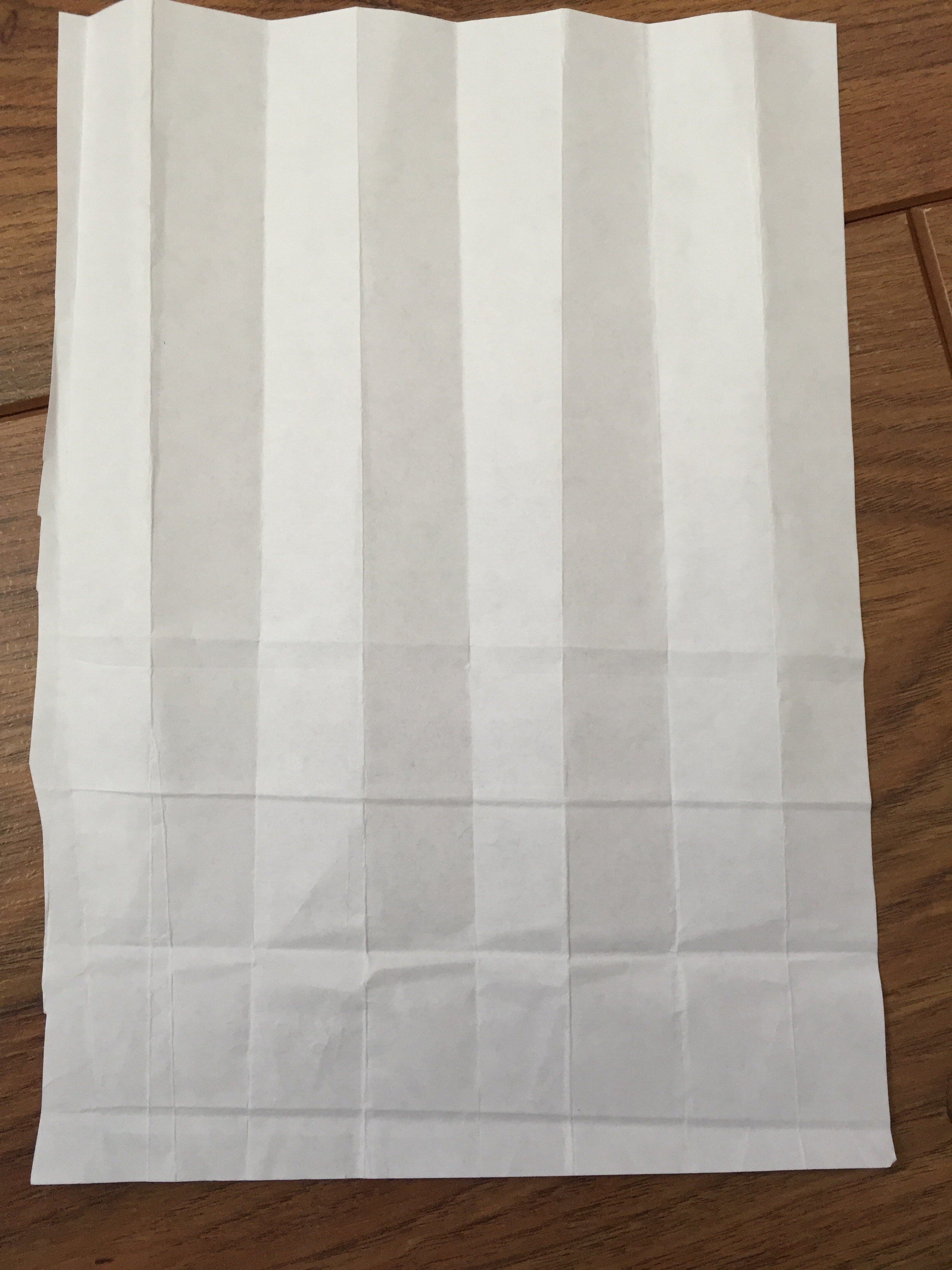
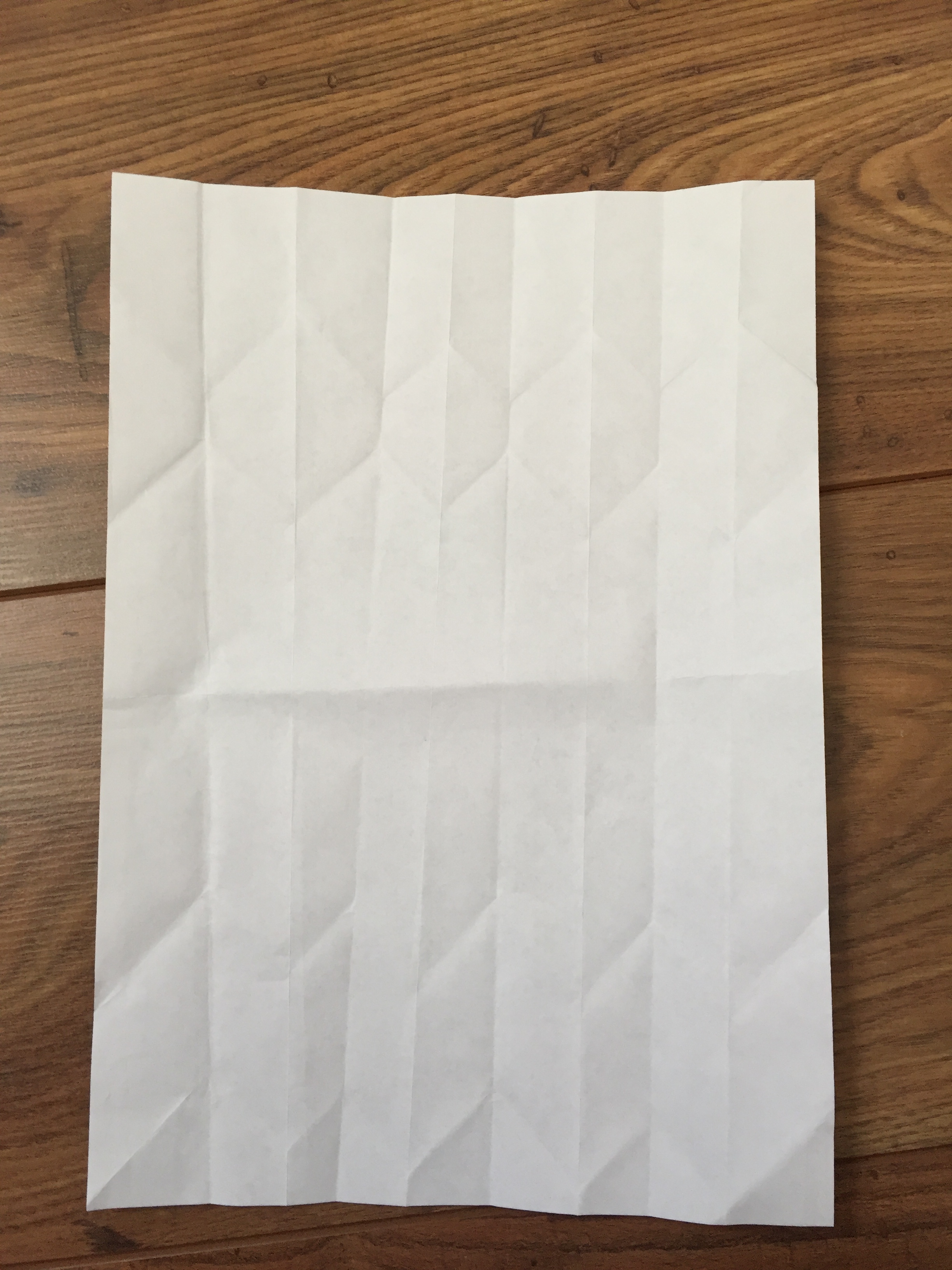
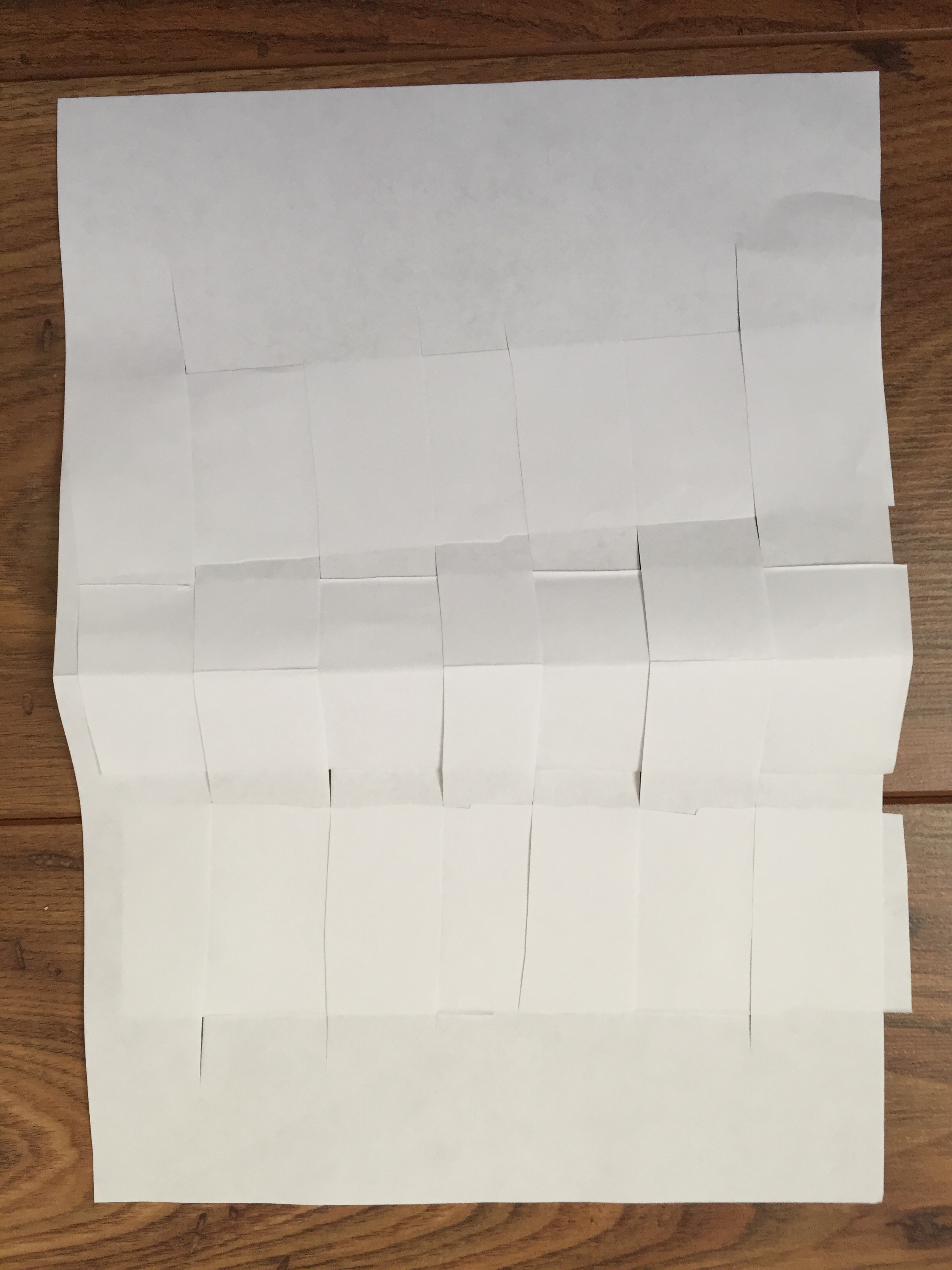
squares on a A4 paper halfed
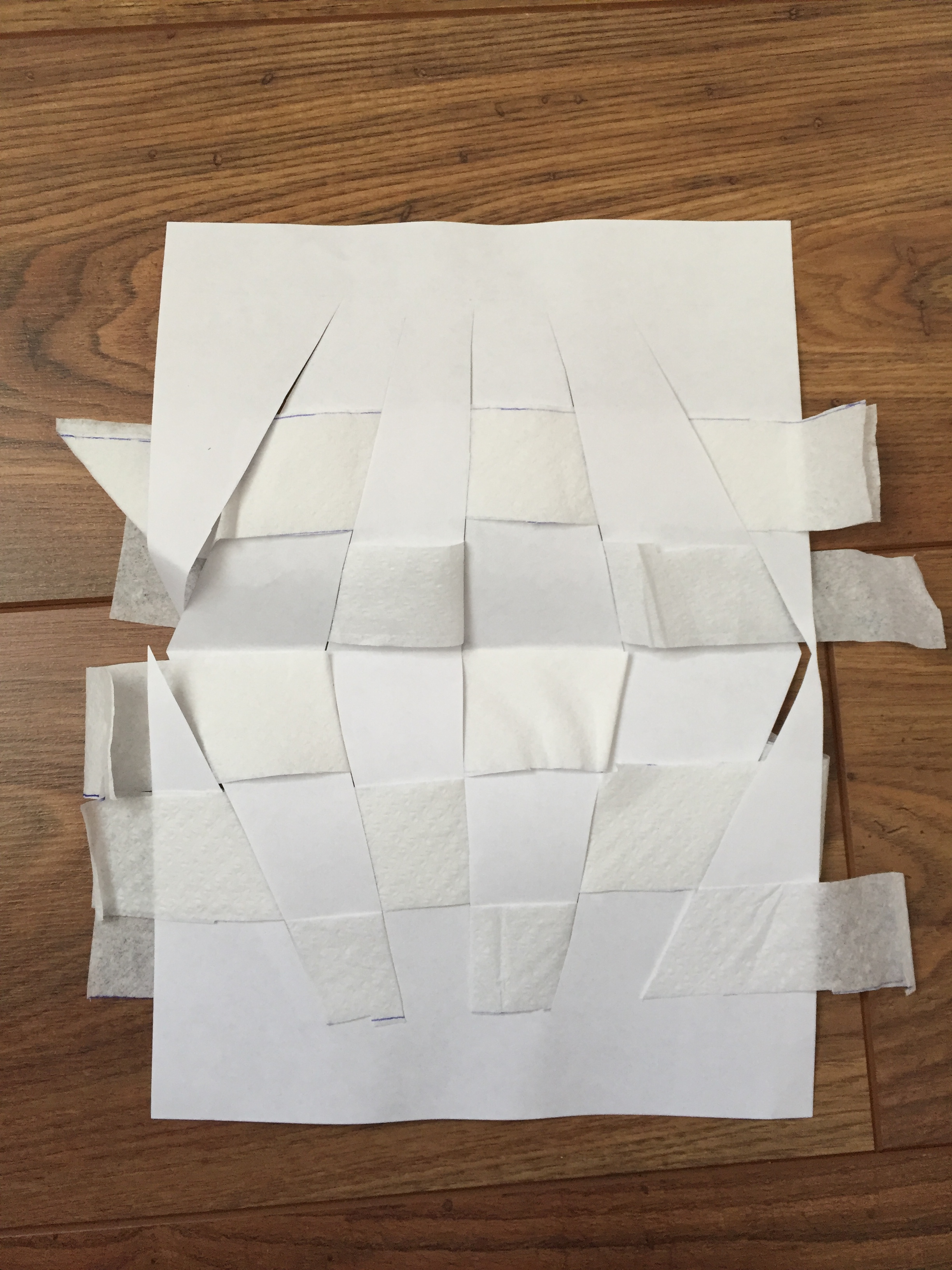
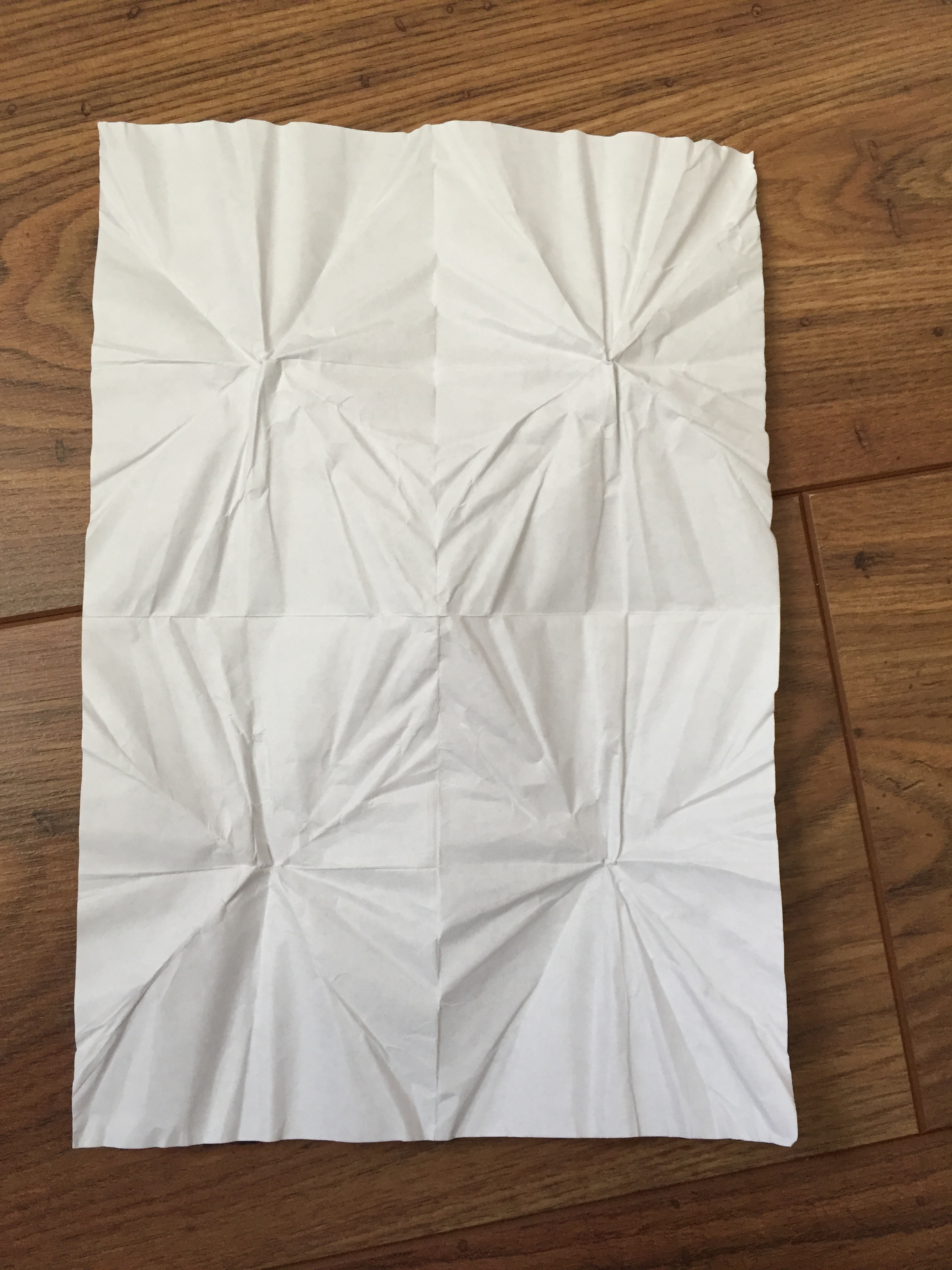
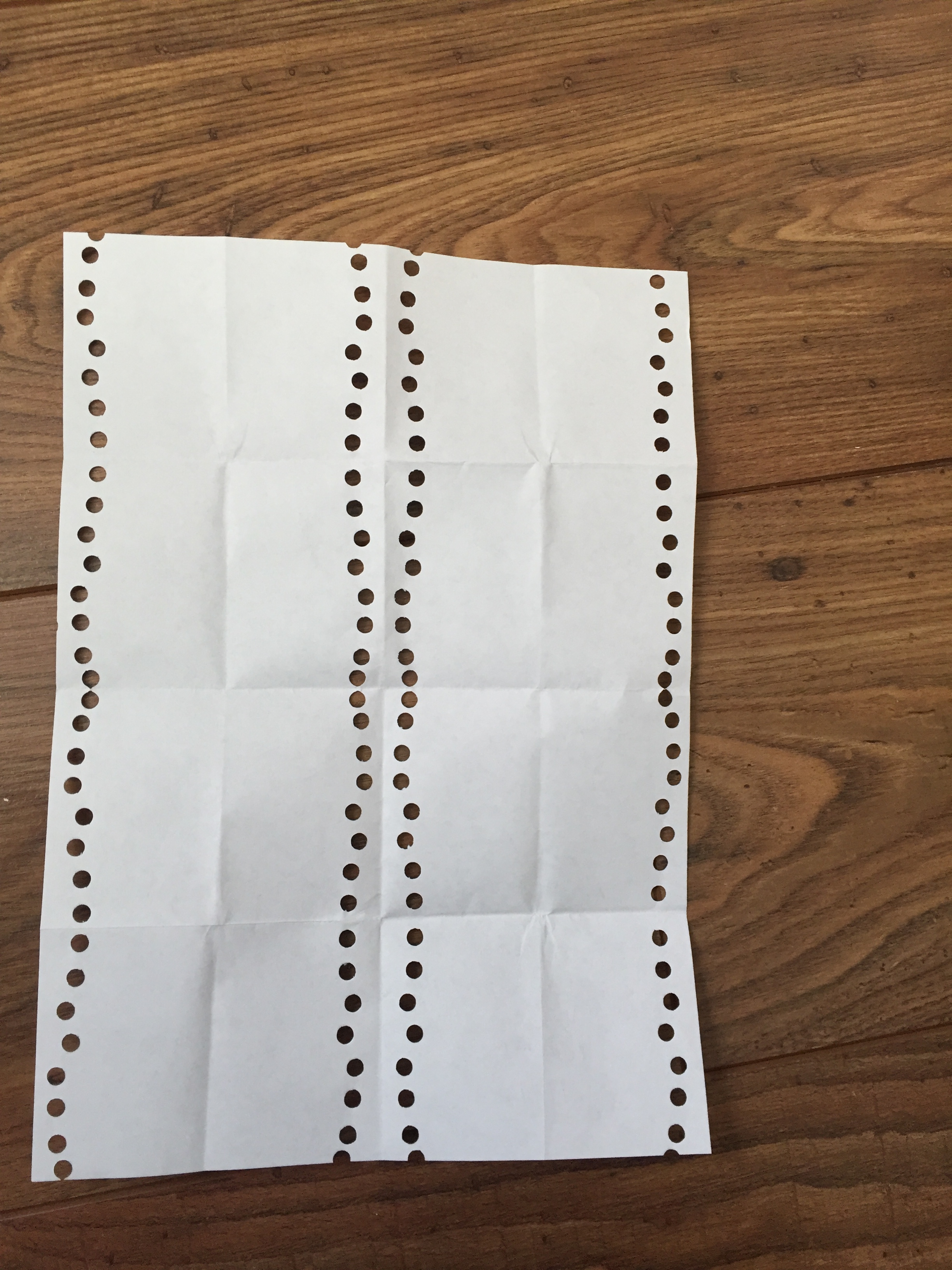
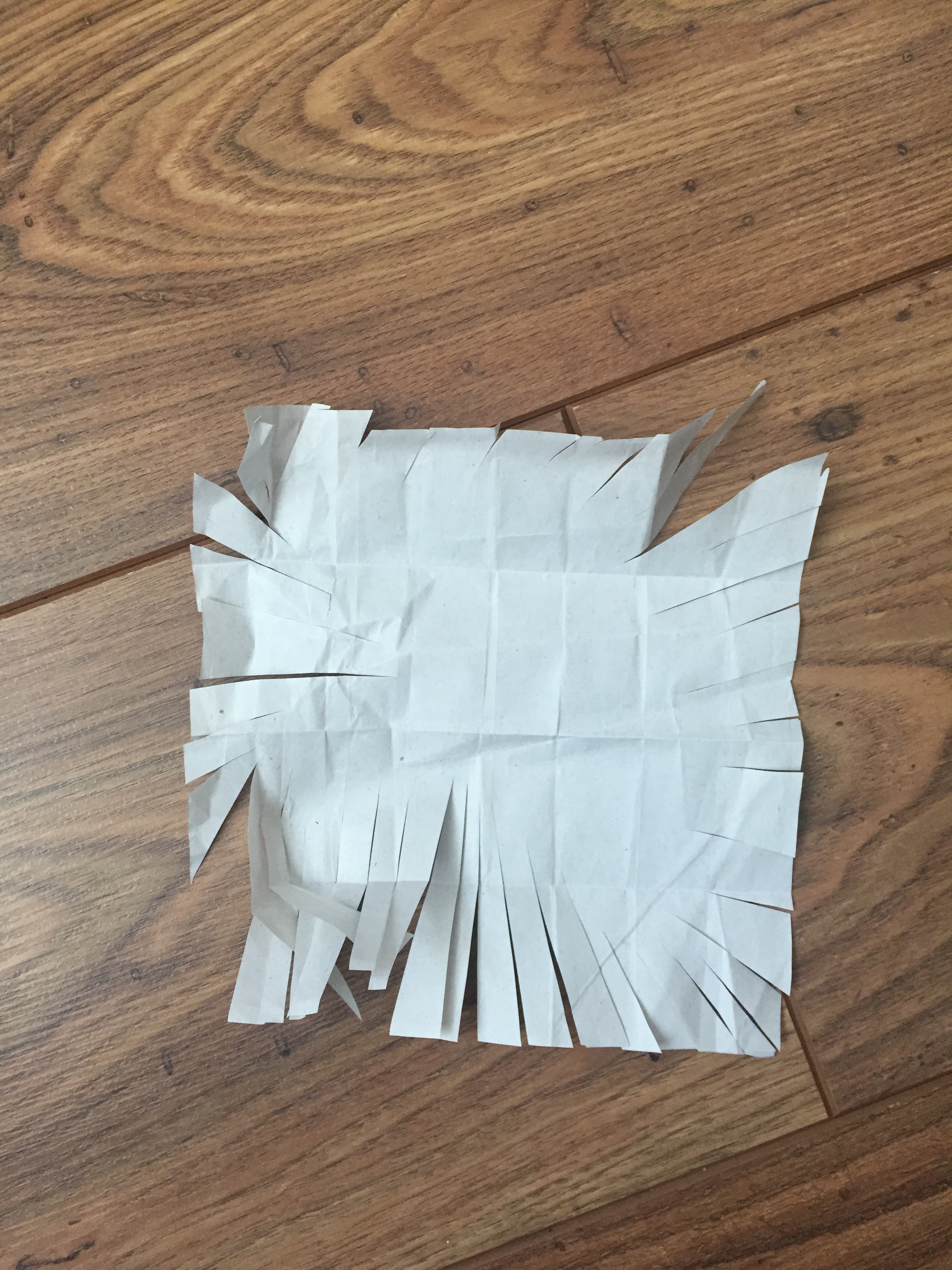
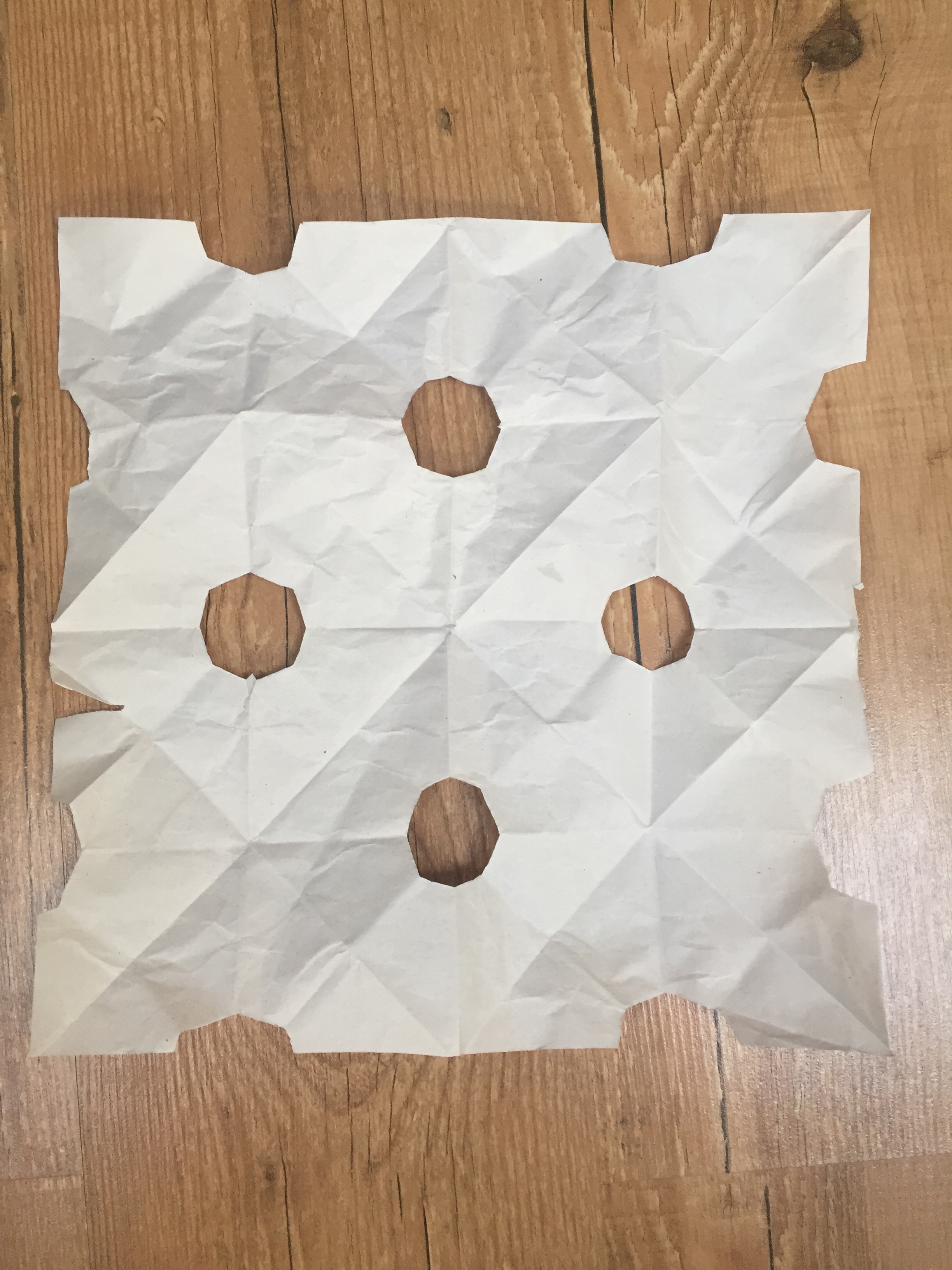
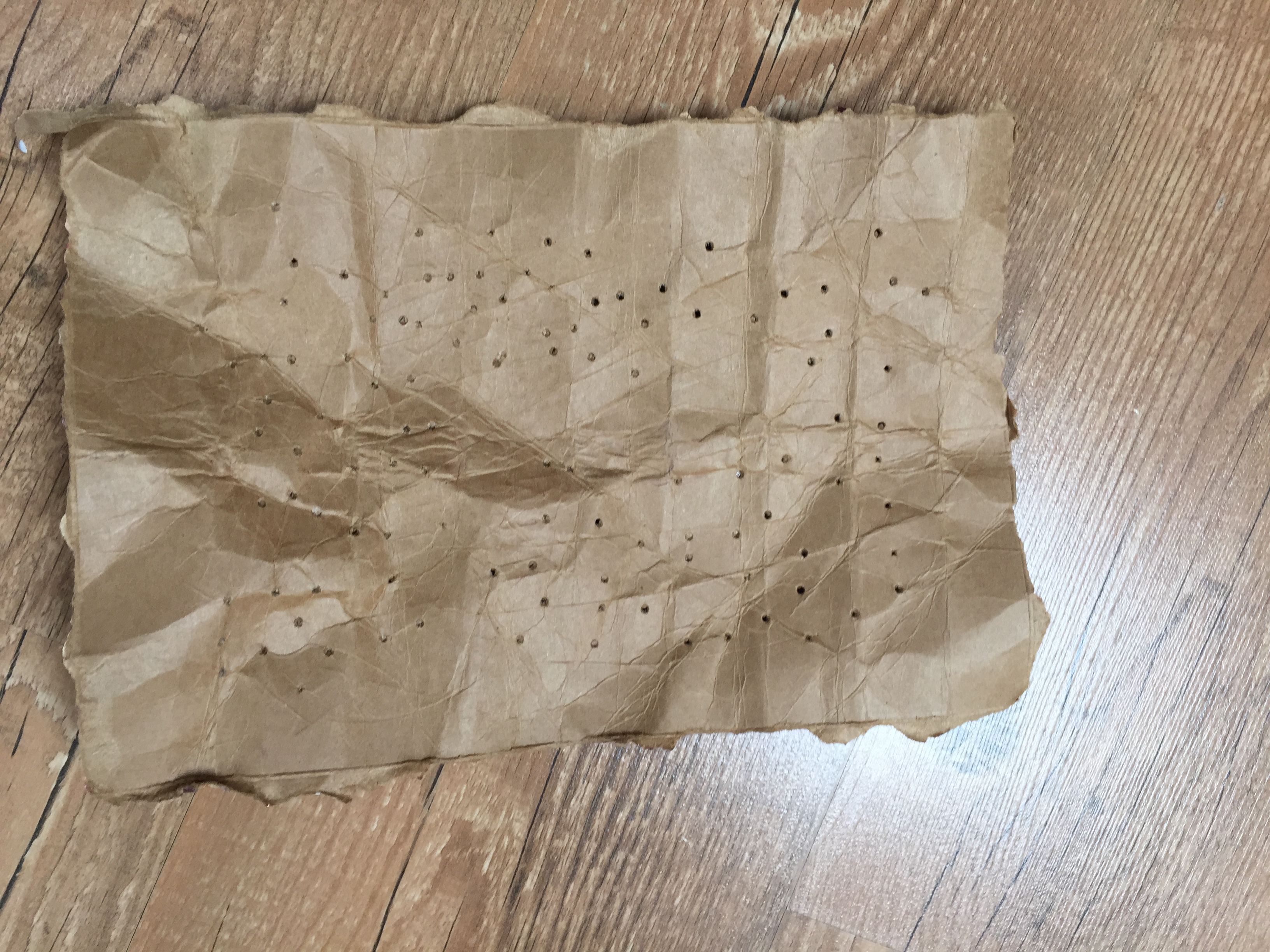
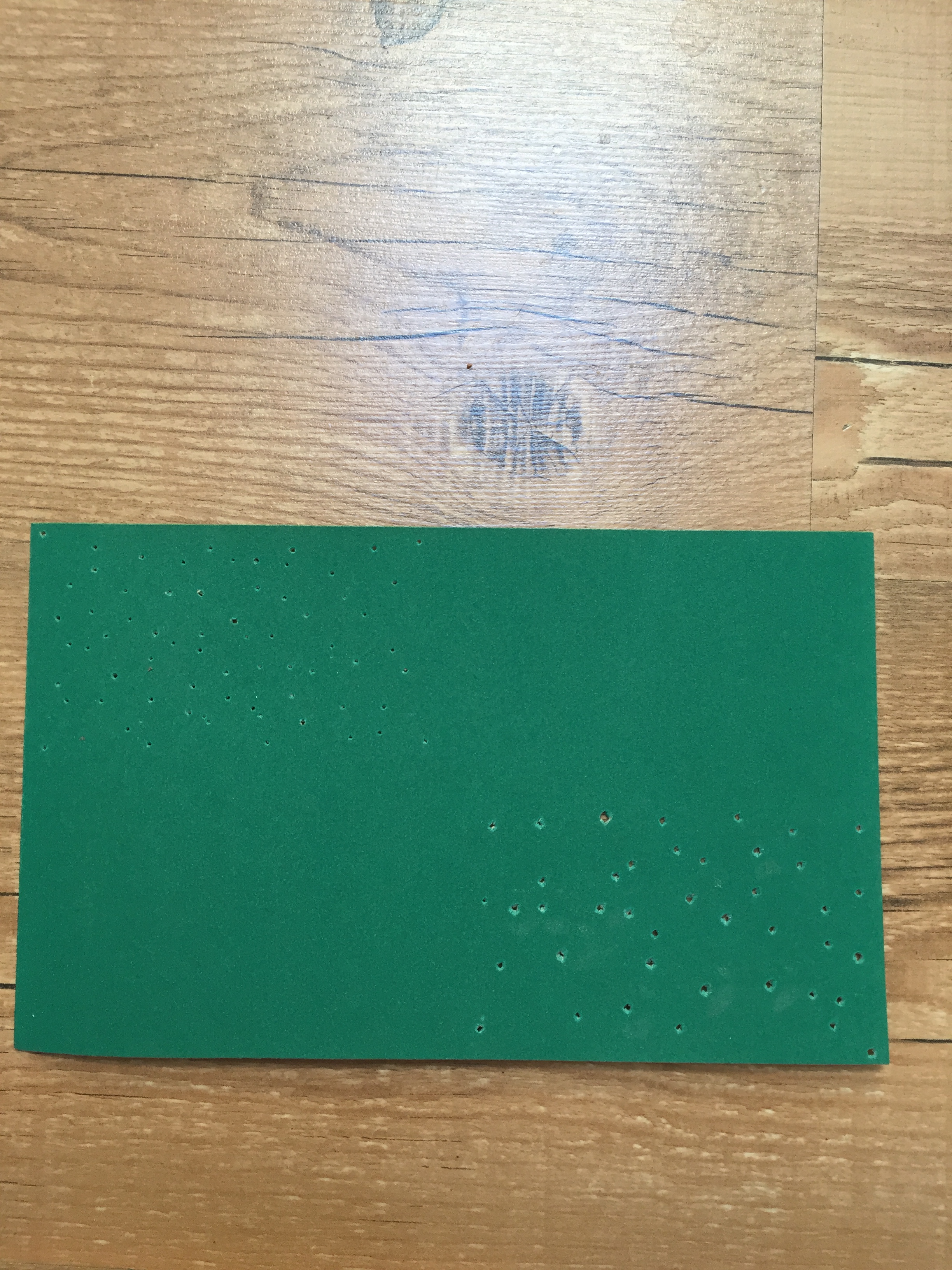
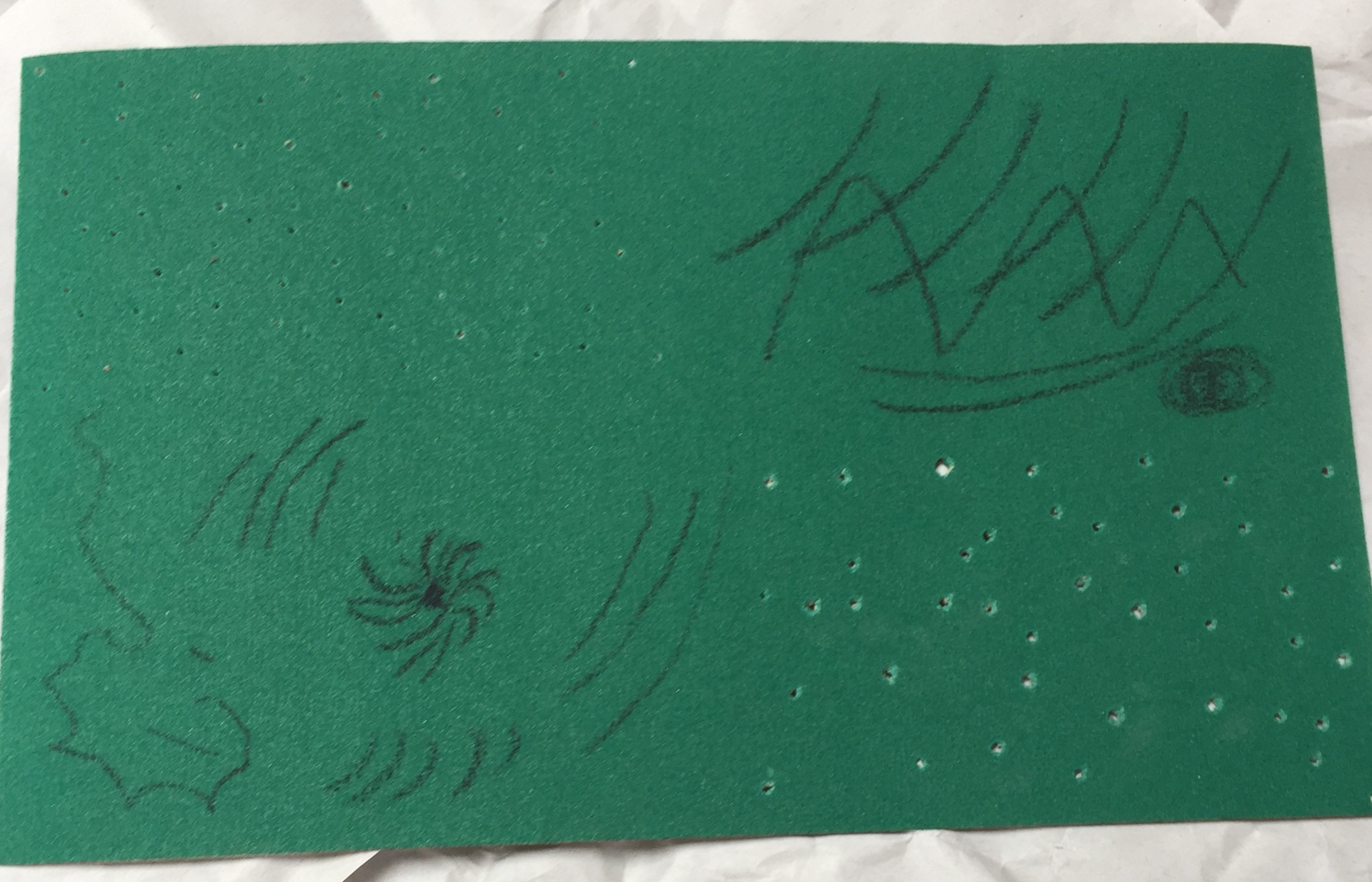
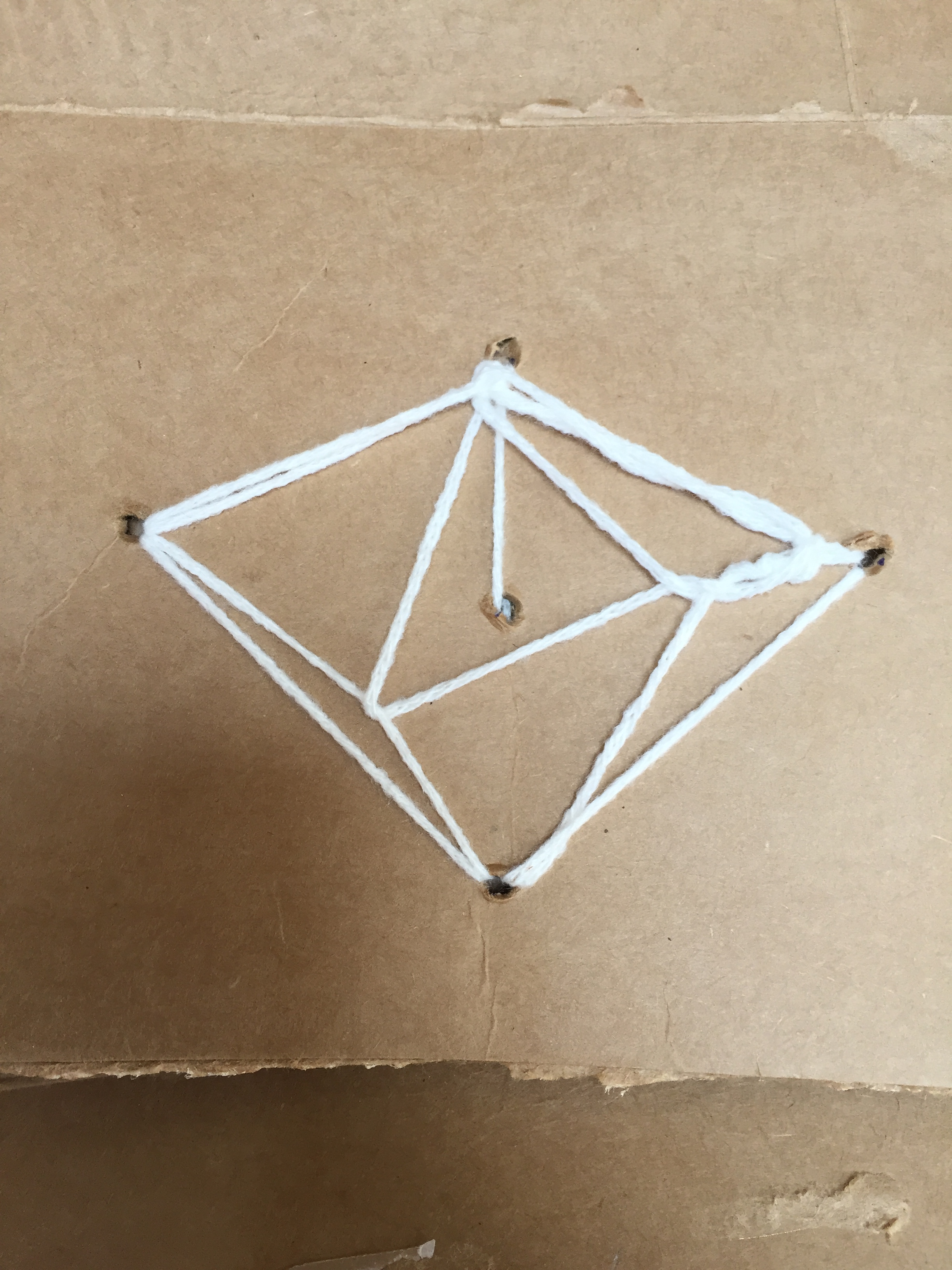
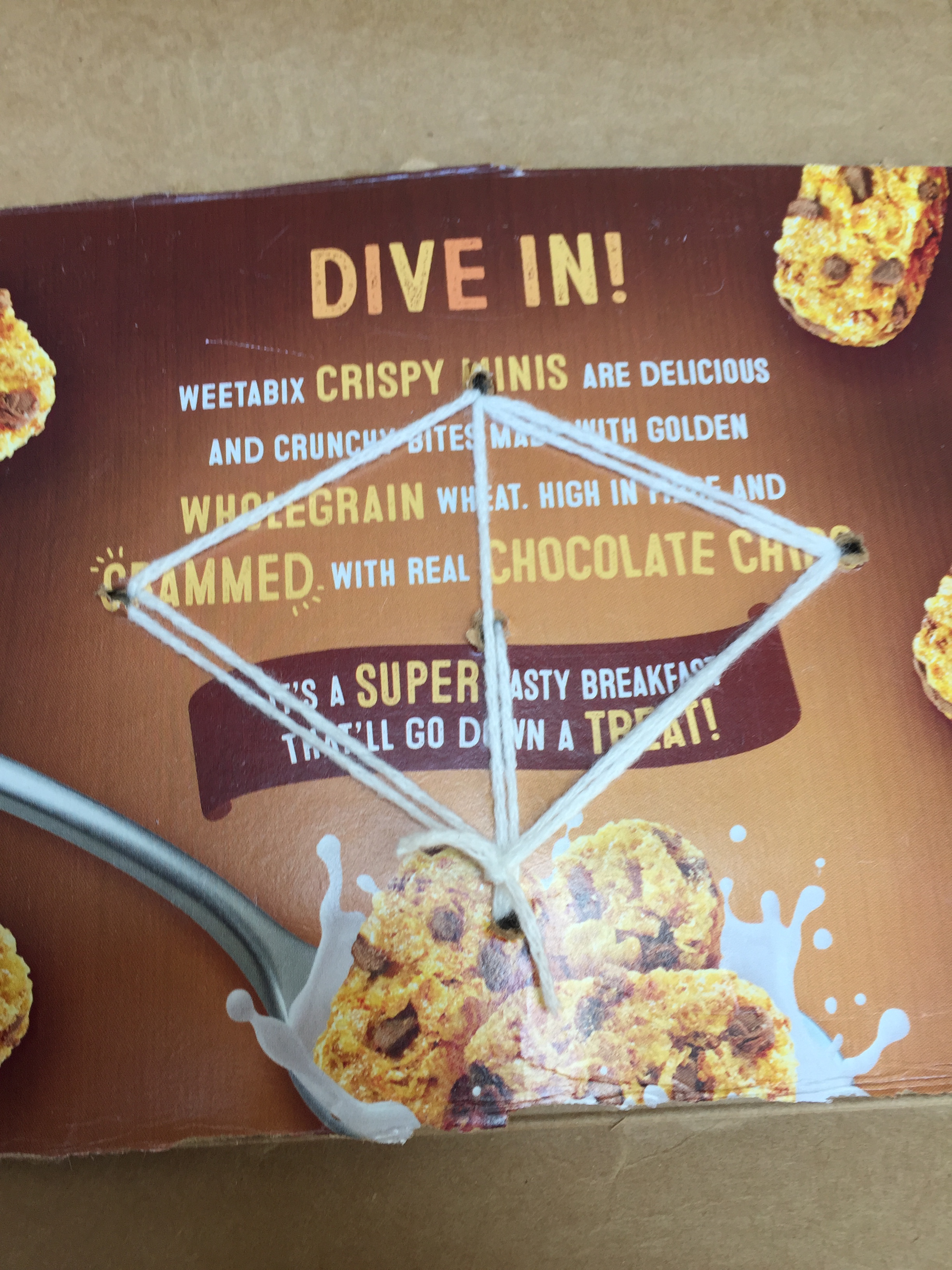
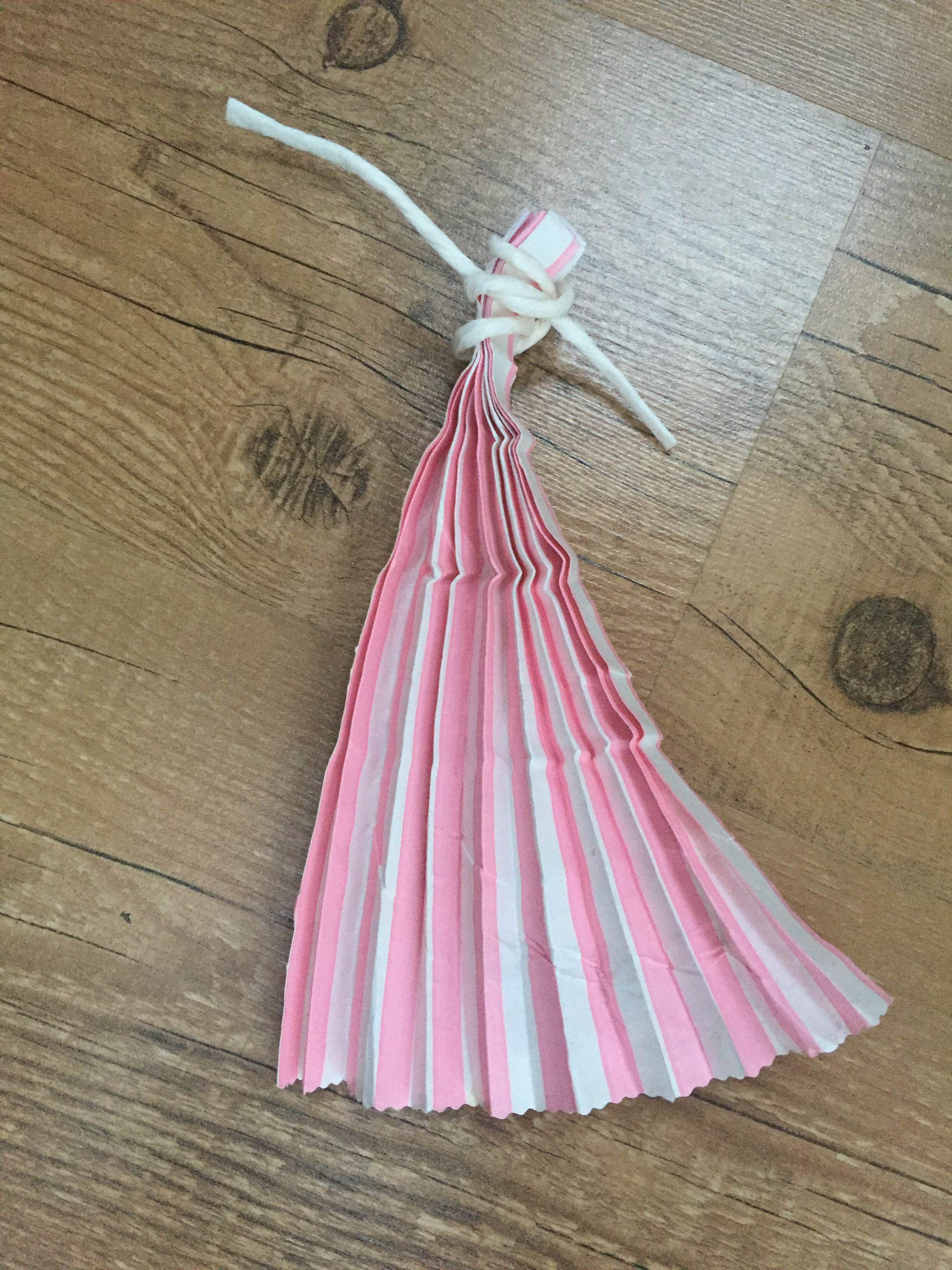
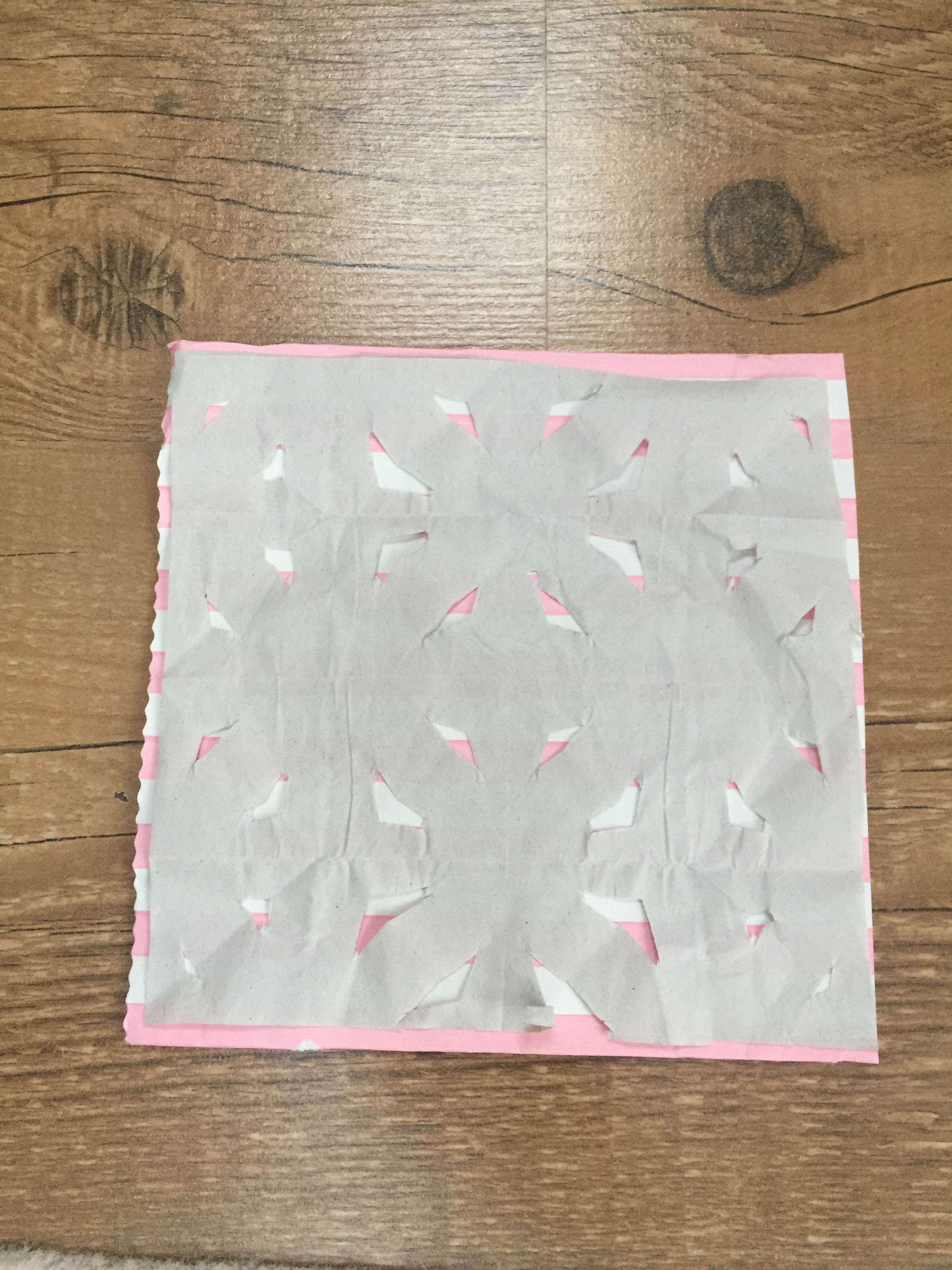
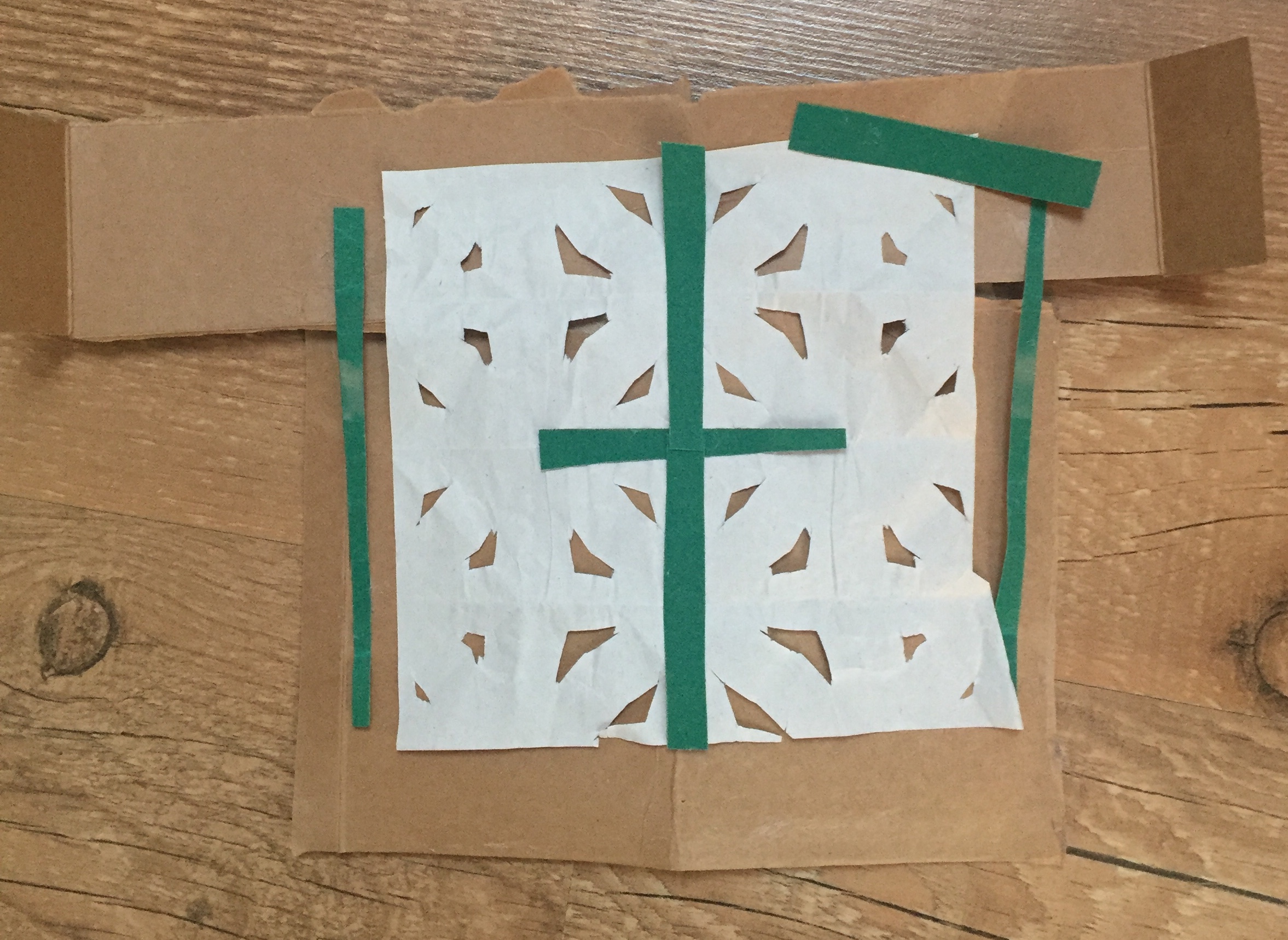
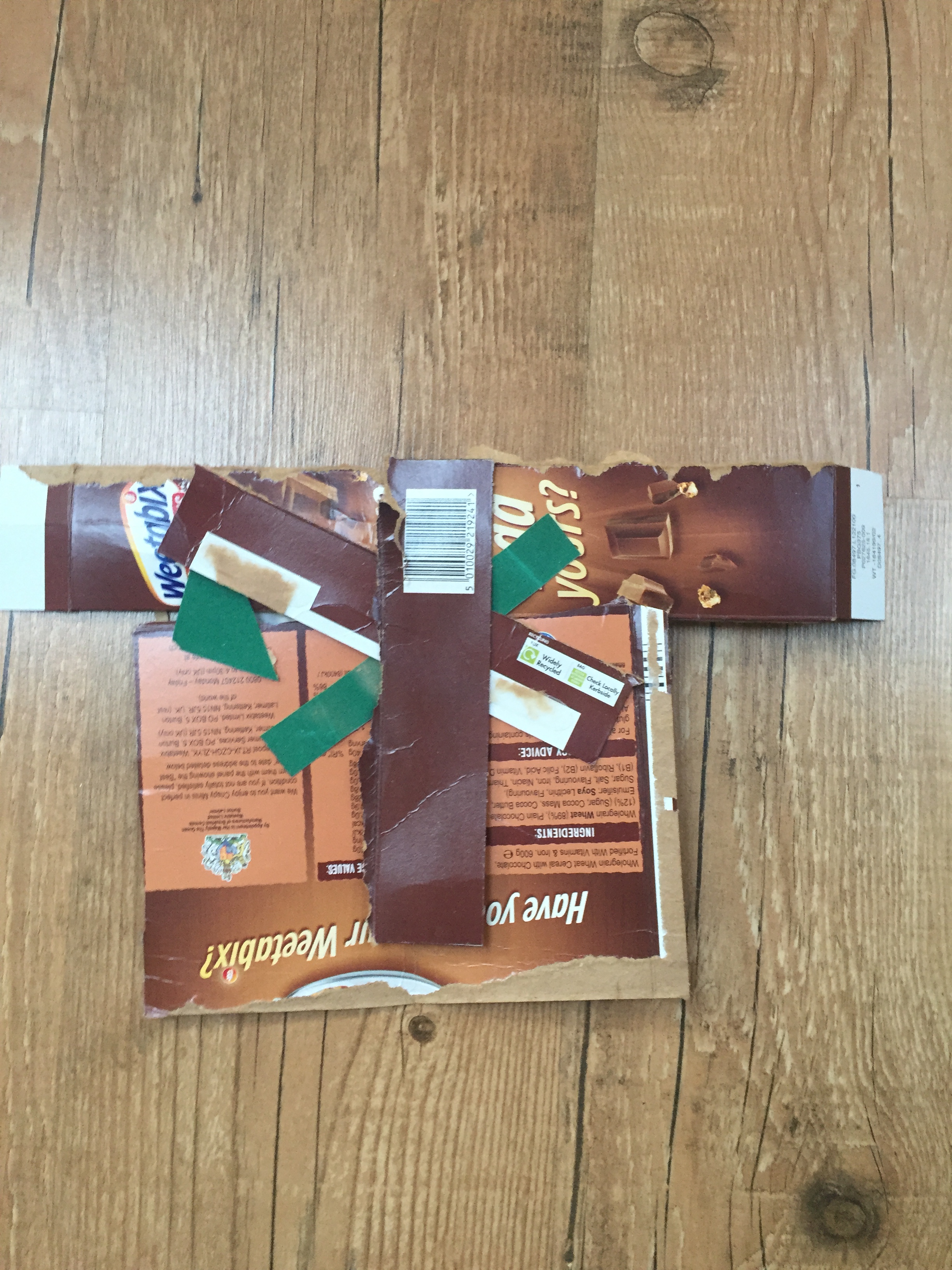
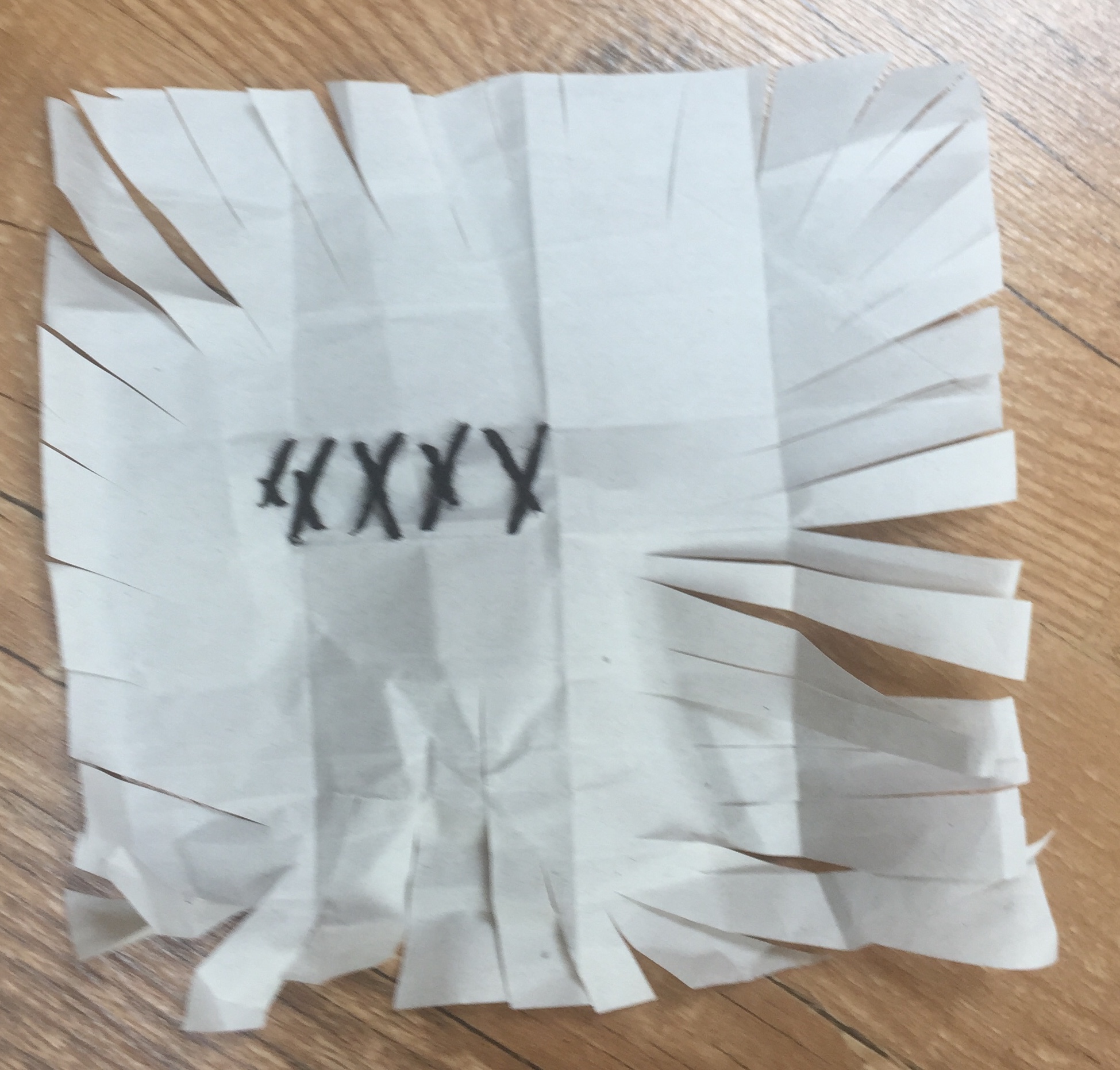
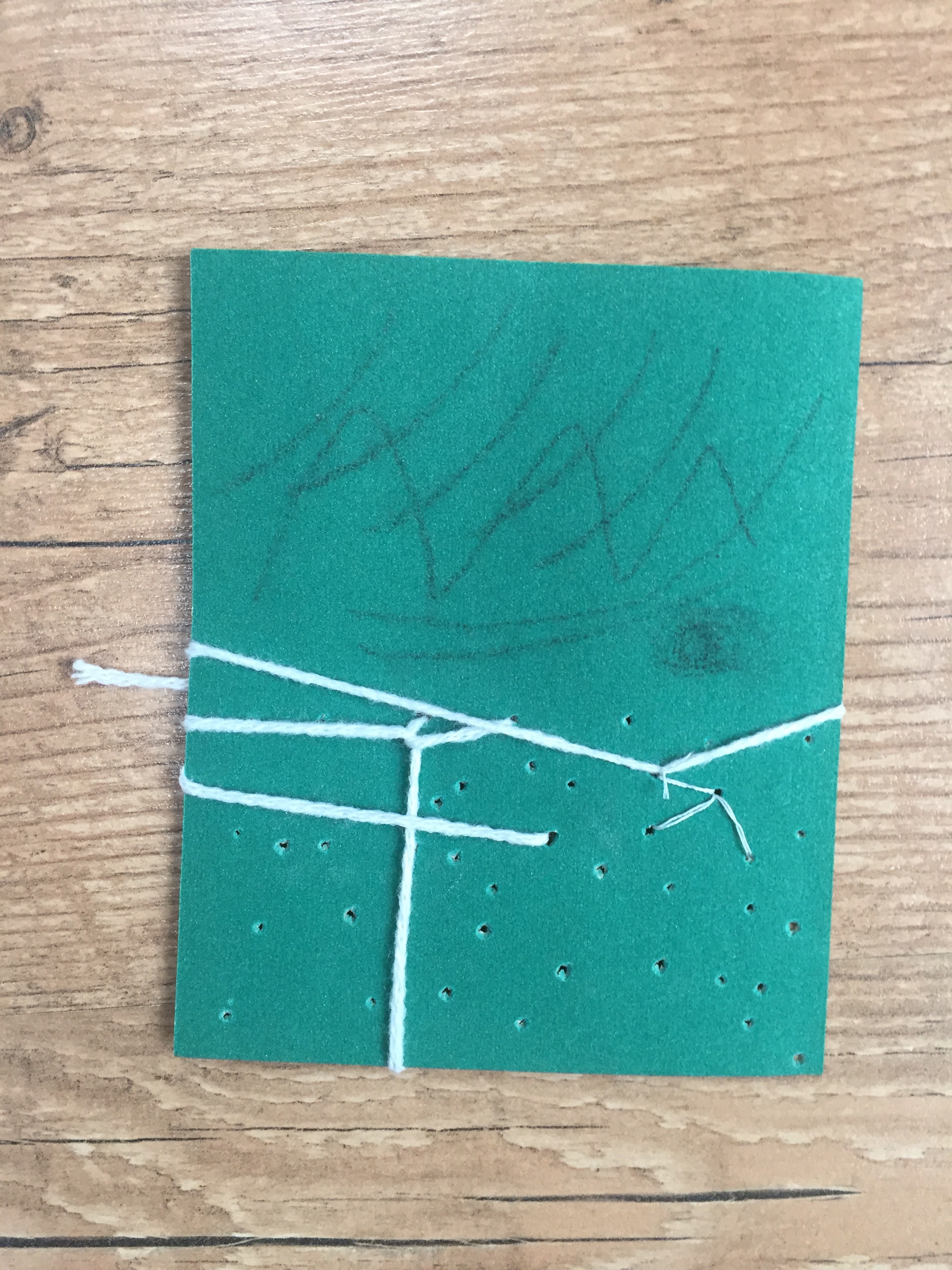
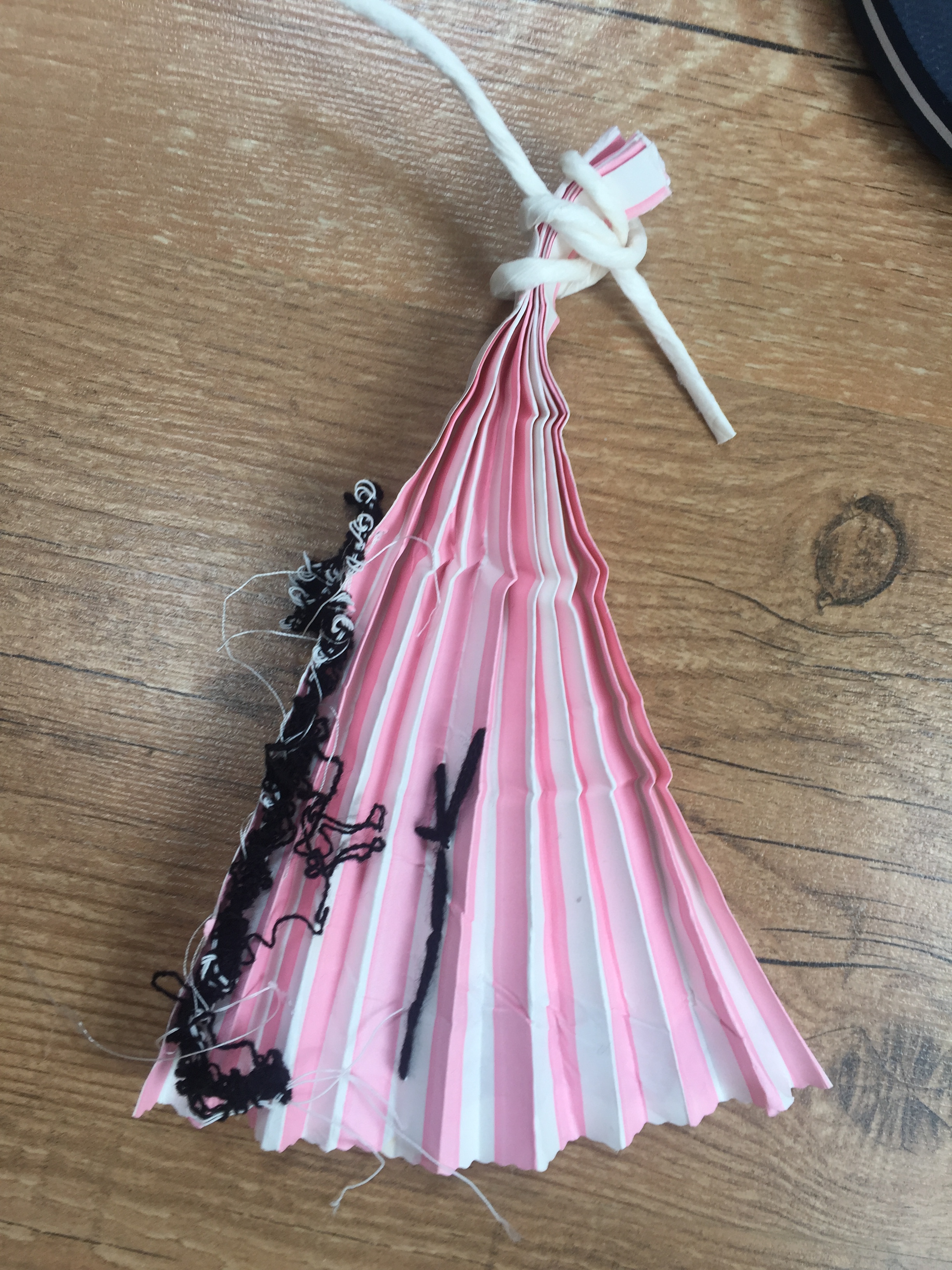
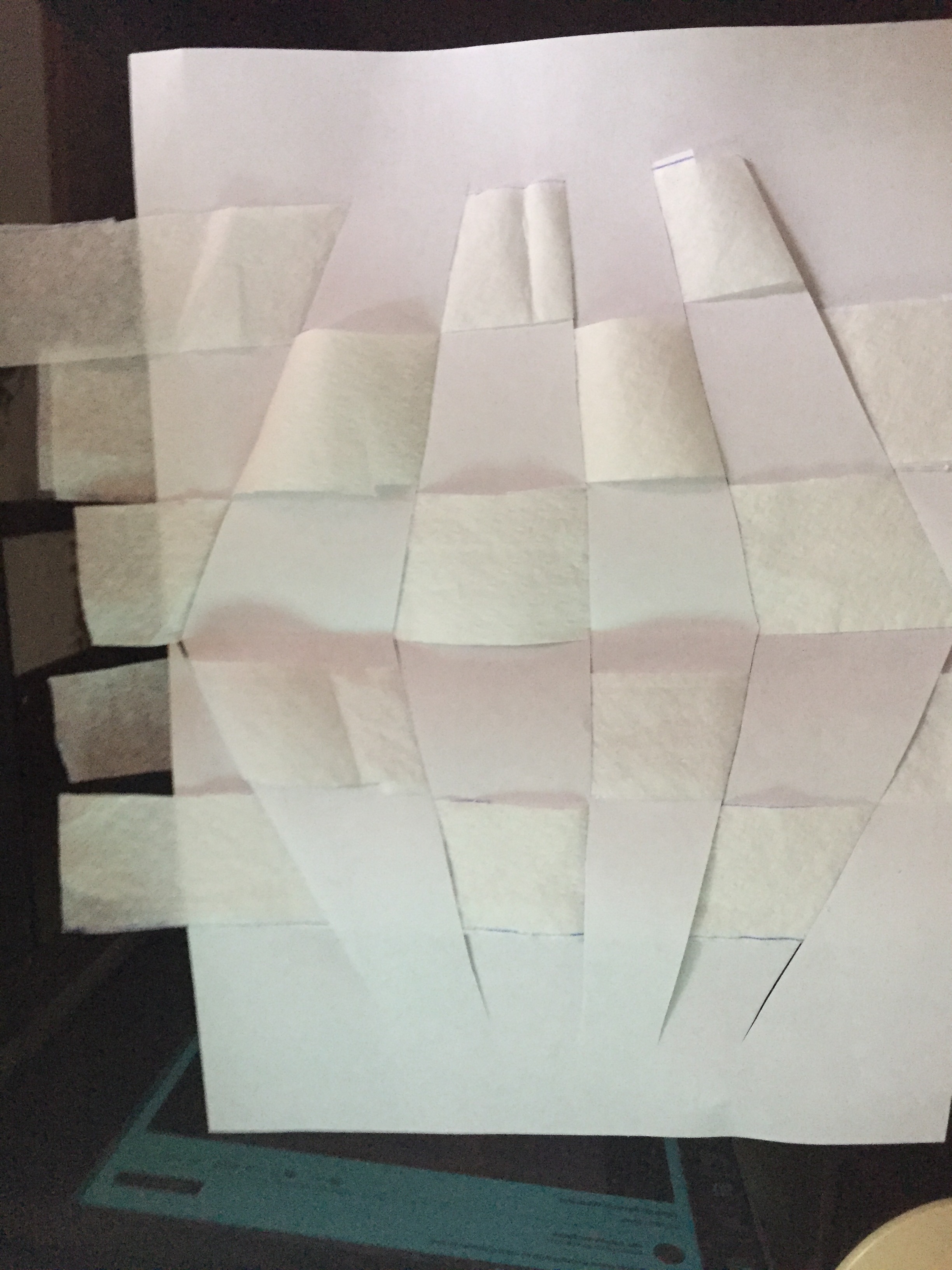
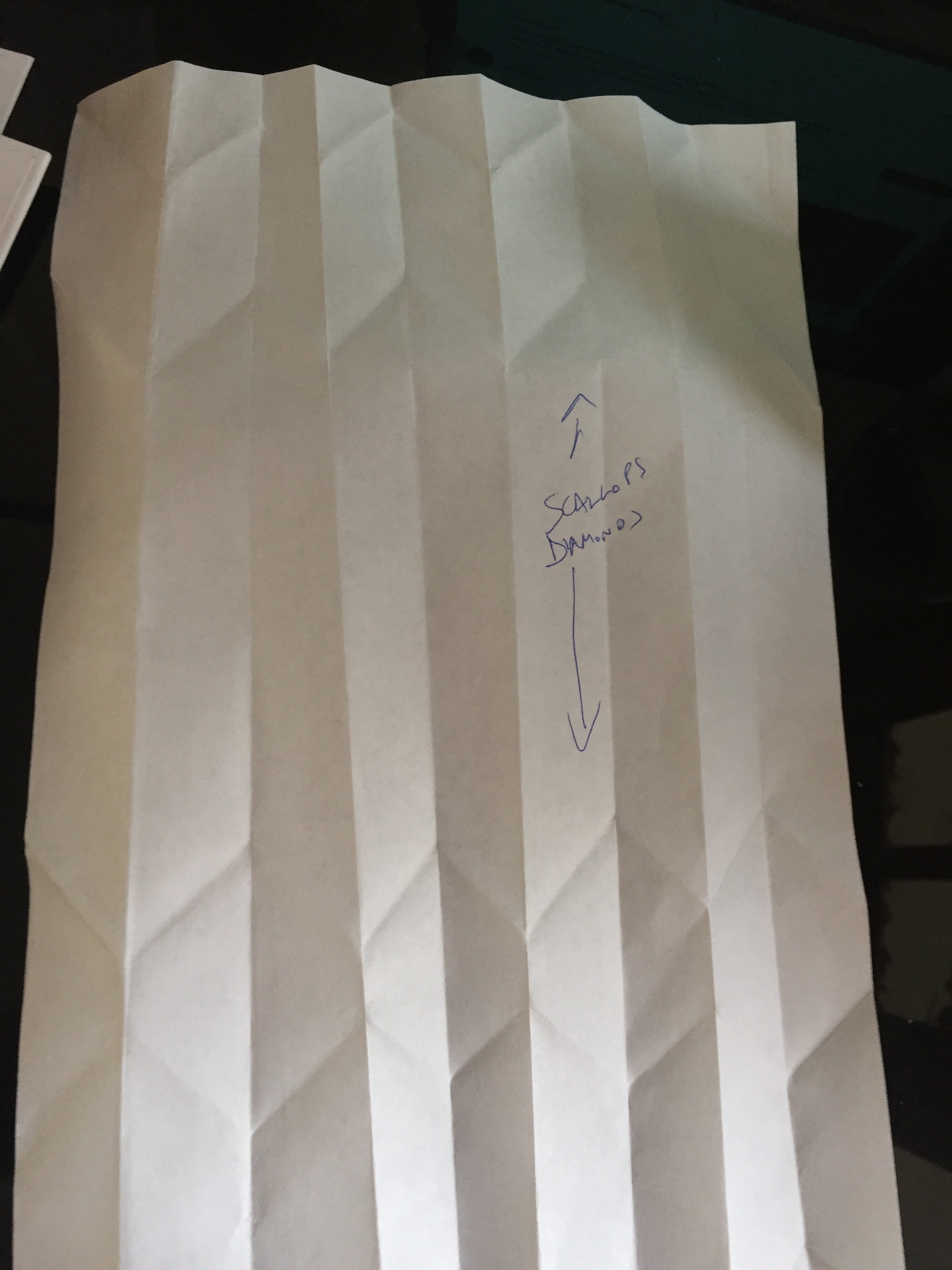
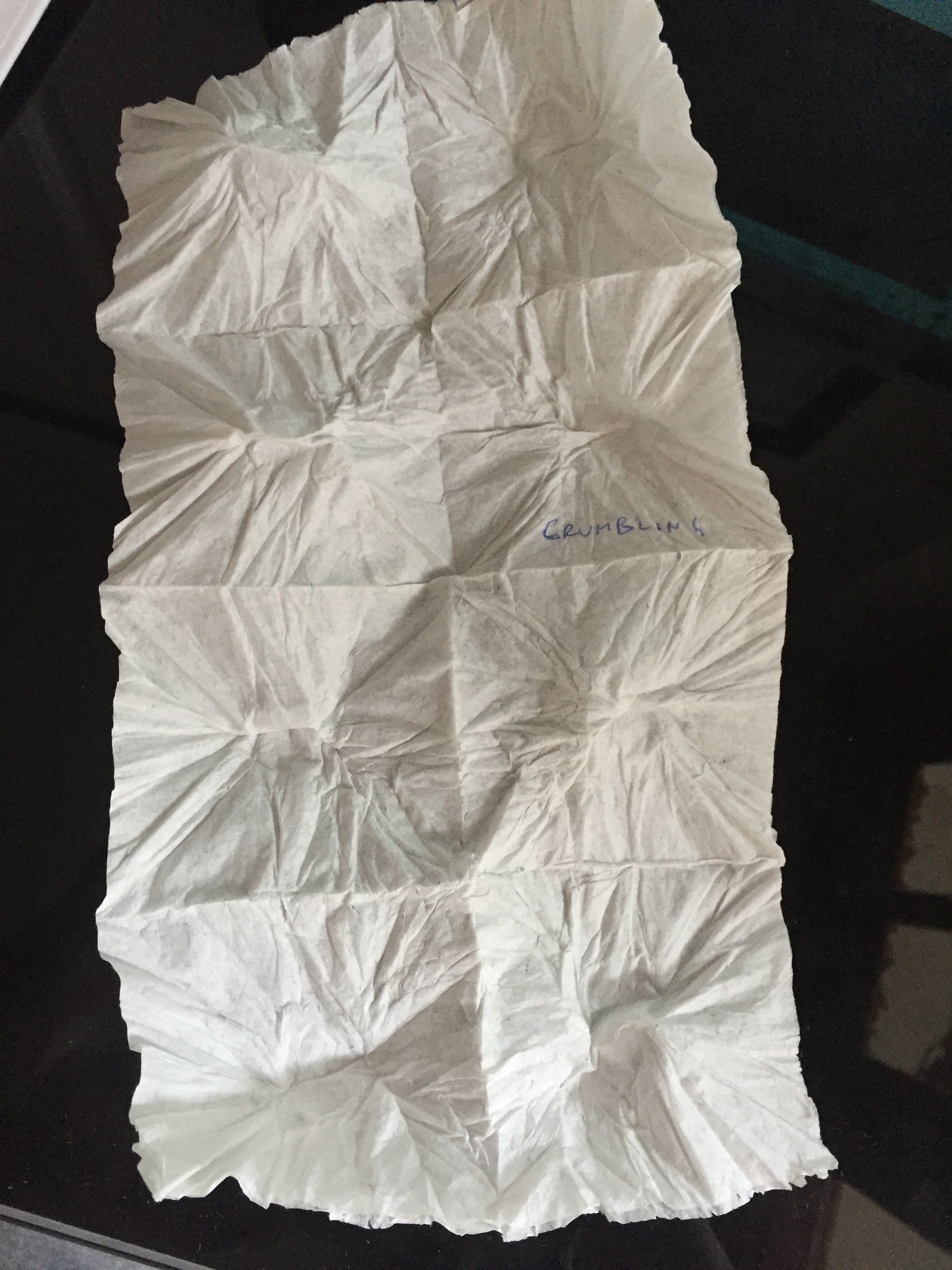
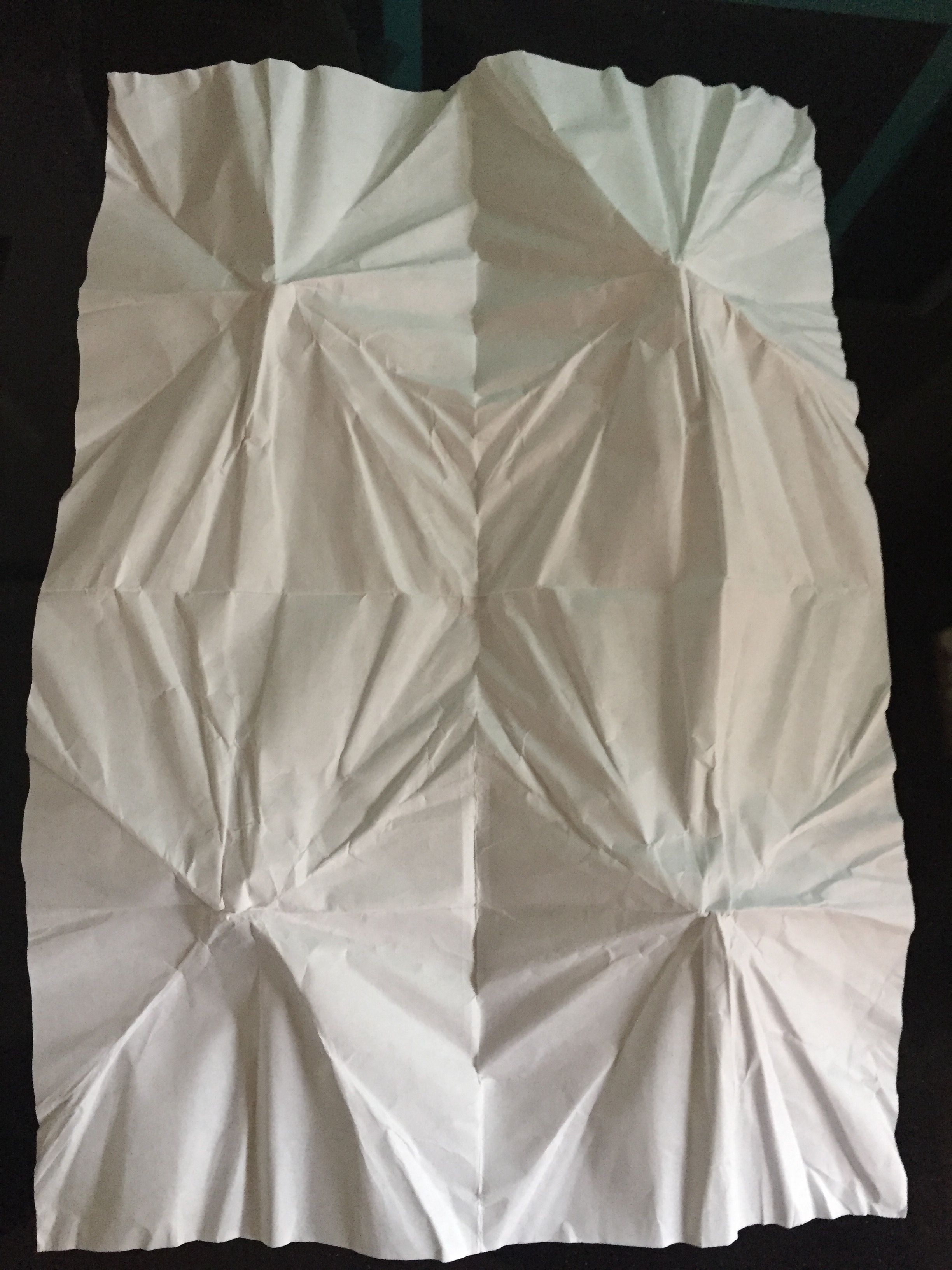
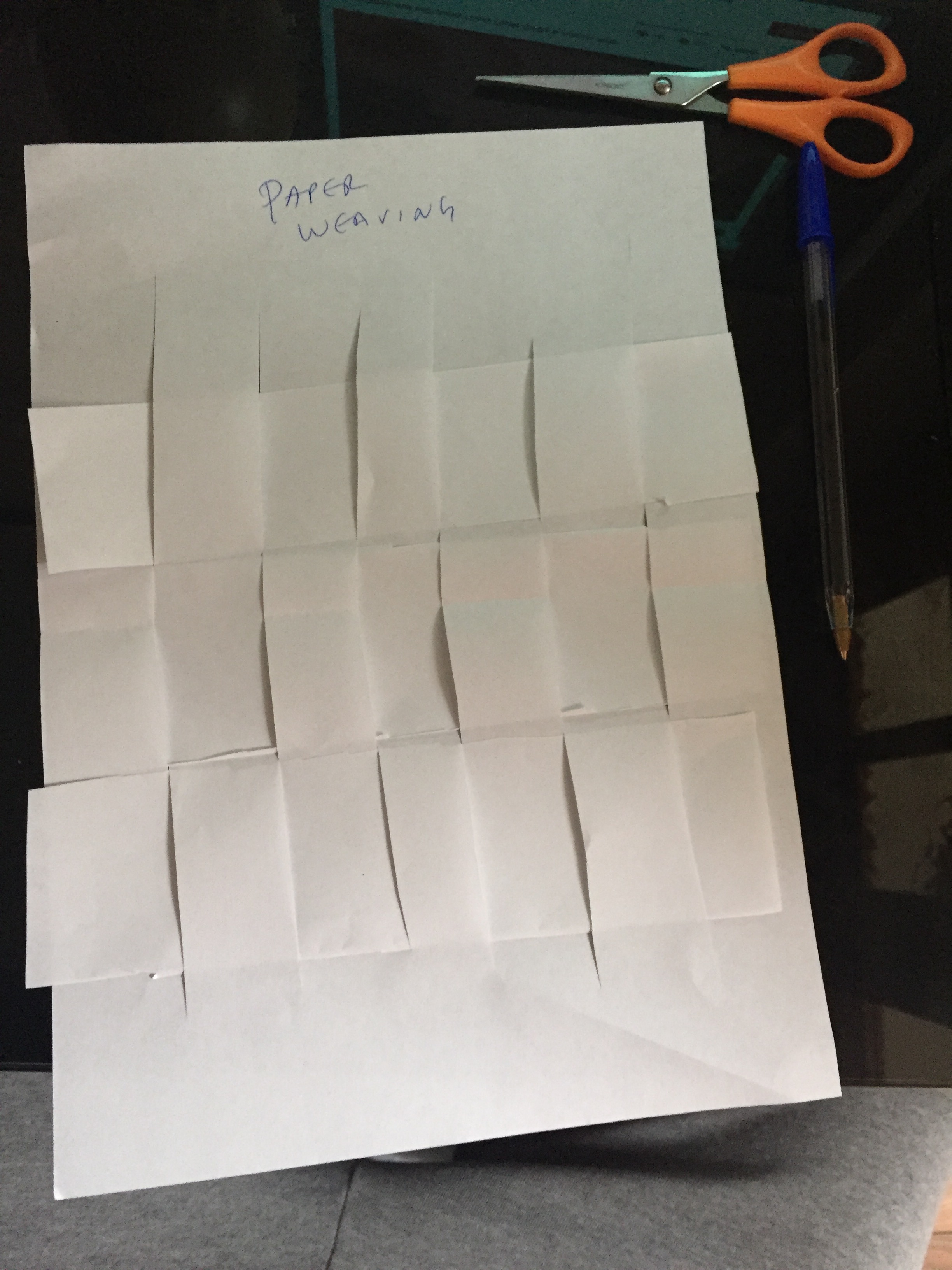
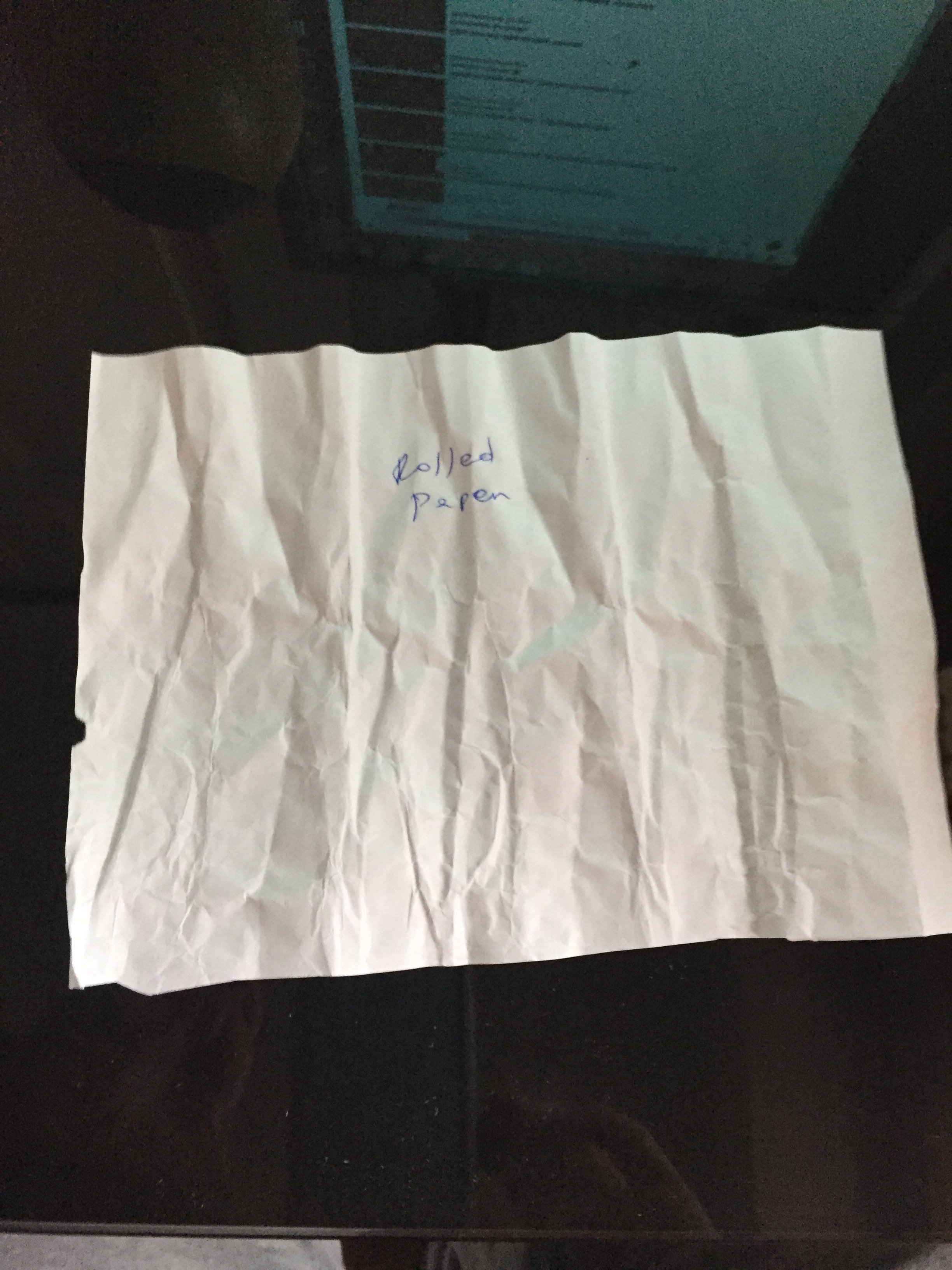
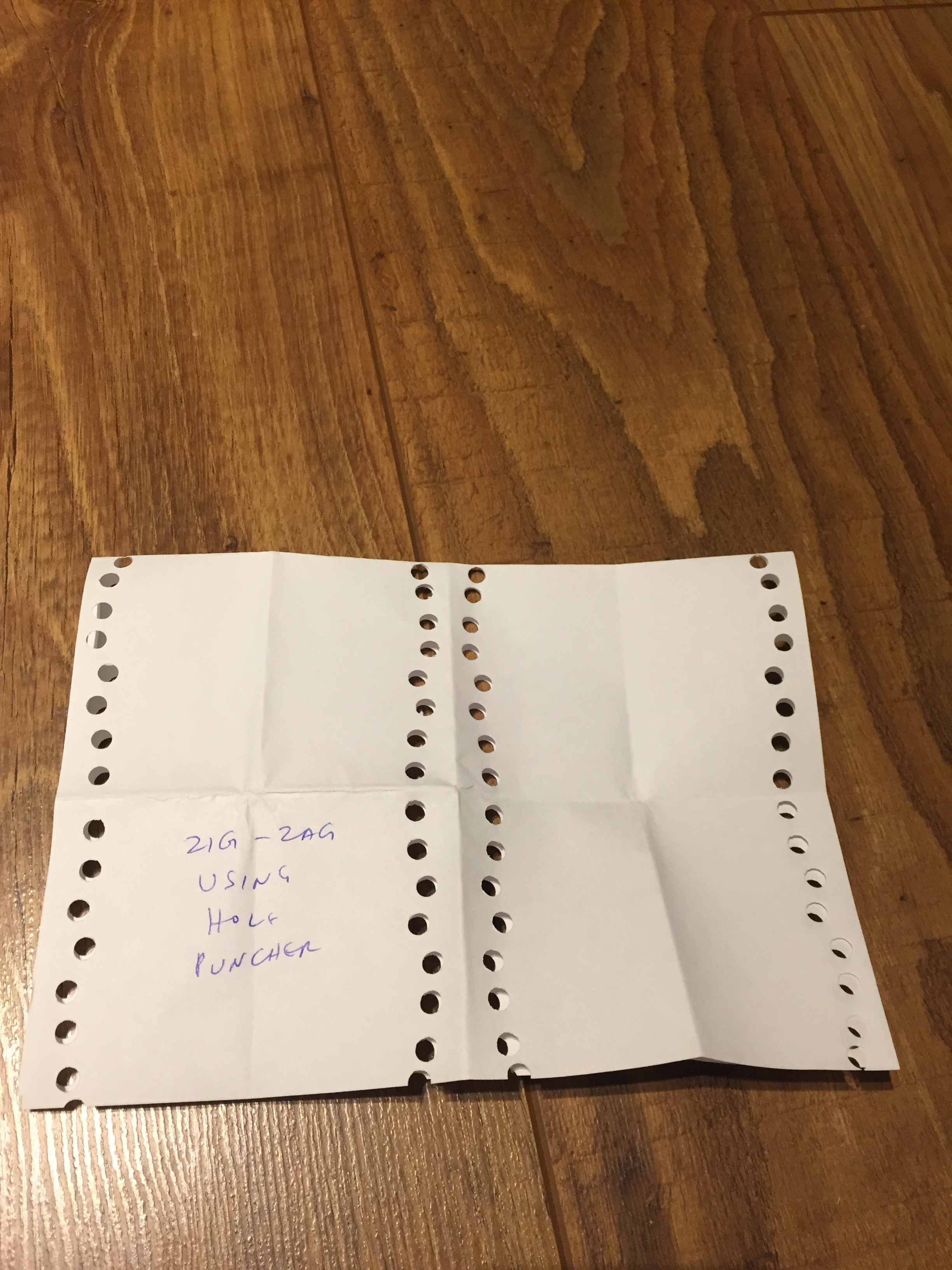
diamonds and waves weaving using tissue paper weaving using A4 paper crumbling using A4 papercrumpling using a soft tissueCurly fringing :I’ve tried to create a sort of cable using the fringing of the paper but it didn’t work out because of the nature of the paper(too stiff)Using a hole puncher, I’ve created a pattern by folding the paperwrapping paper being cut in an asymmetrical patternHole pattern created after folding a wrapping papercereal box paper rolled ,crumpled and hole punched using a pinI’ve used nails of different gauge to create holes in a rectangle shape on either side of a sand paper: Top left , fine gauge, bottom right the coarser one. I’ve used this sanding cork block as a template under the paperwhen I’ve seen it finished with the nails and I took a picture of my paper I thought it was to blunt; I’ve decided to do a bit of mark making drawing on it.holes and a diamond design using yarn on a cereal box paperview from backpaper bag piece using the yarn-look-a-like paper handle to feed through triangle holespaper bag side folded and wrapped using a handle in a way it highlights the wavy tippingwrapping paper folded and cut in a snow flake pattern glued on a side of a paper bag to create a layering effect.different paper layering on a cereal box with pieces glued together view from the backlayering of processed pieces glued on an A4 paper.
Going through the same exercise again and using papers of different quality and texture I can say it was a pleasant surprise to me and I really enjoyed the process. Having more materials and trying to marry them was quite challenging and exciting the same time.
2.3 DRAWING WITH STITCH.
Moving forward to this assignment I’ve decided to follow a different route:
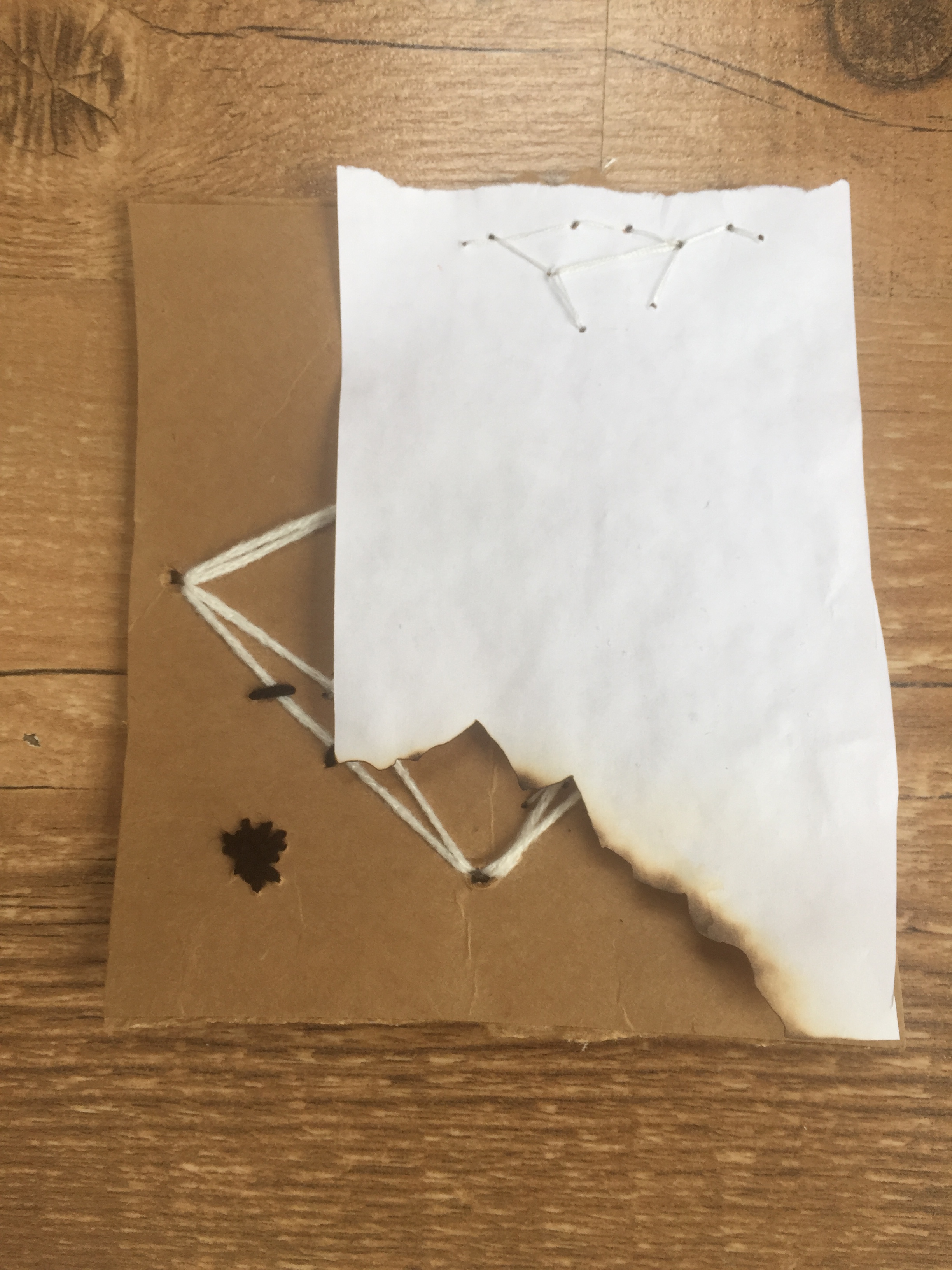
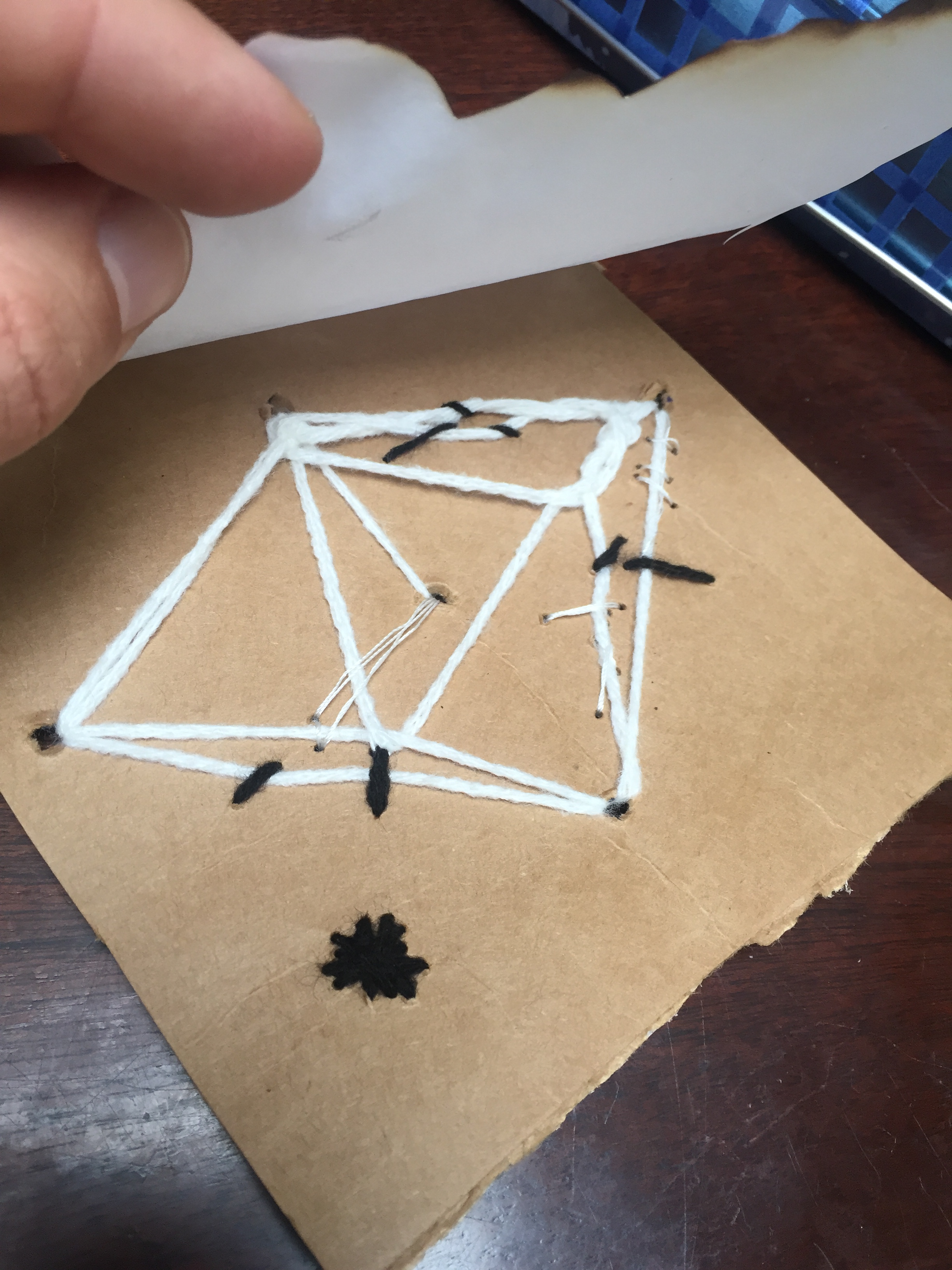
I ‘m cutting pieces from the paper manipulation assignment and then I will stitch them up.
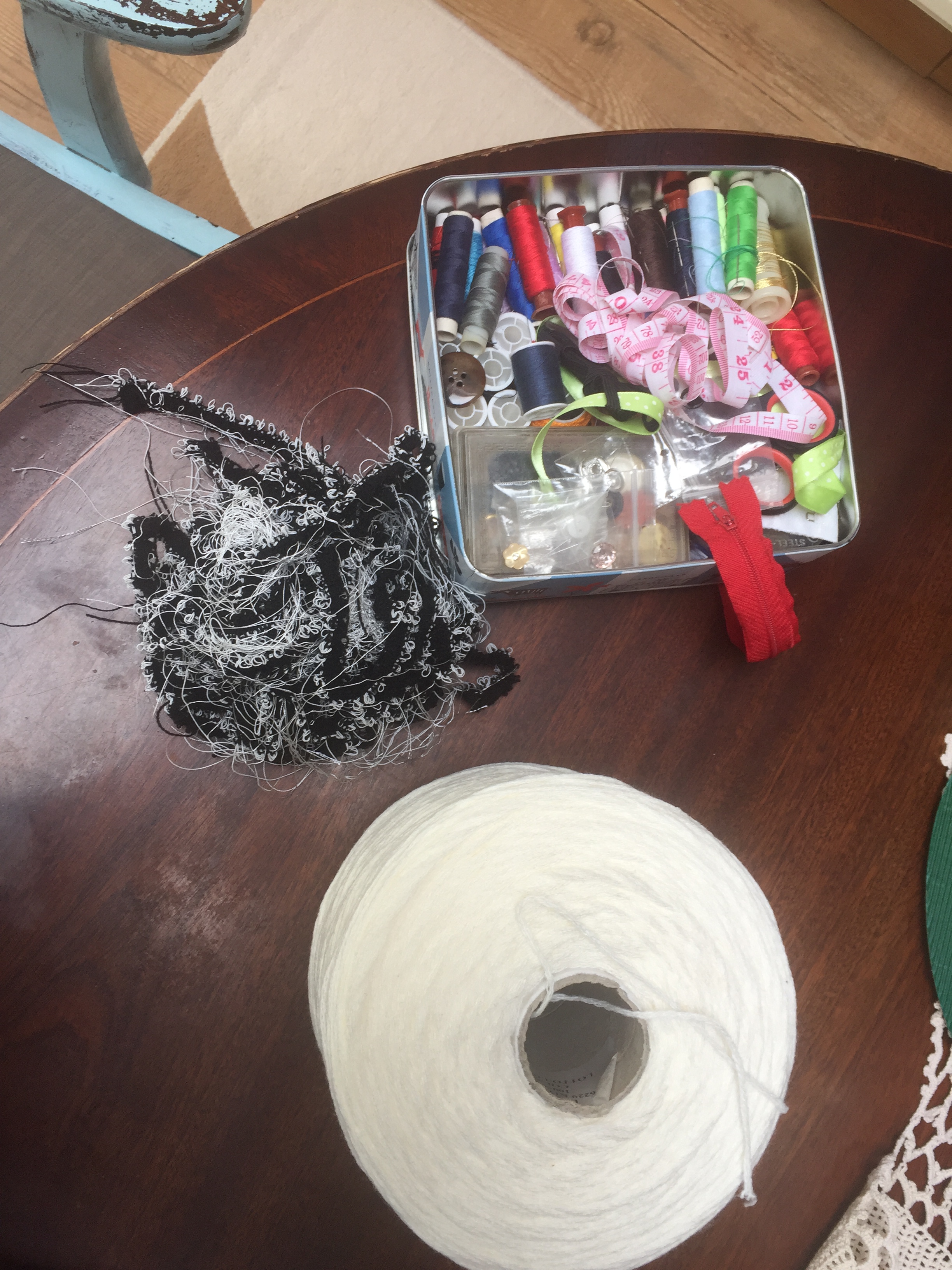
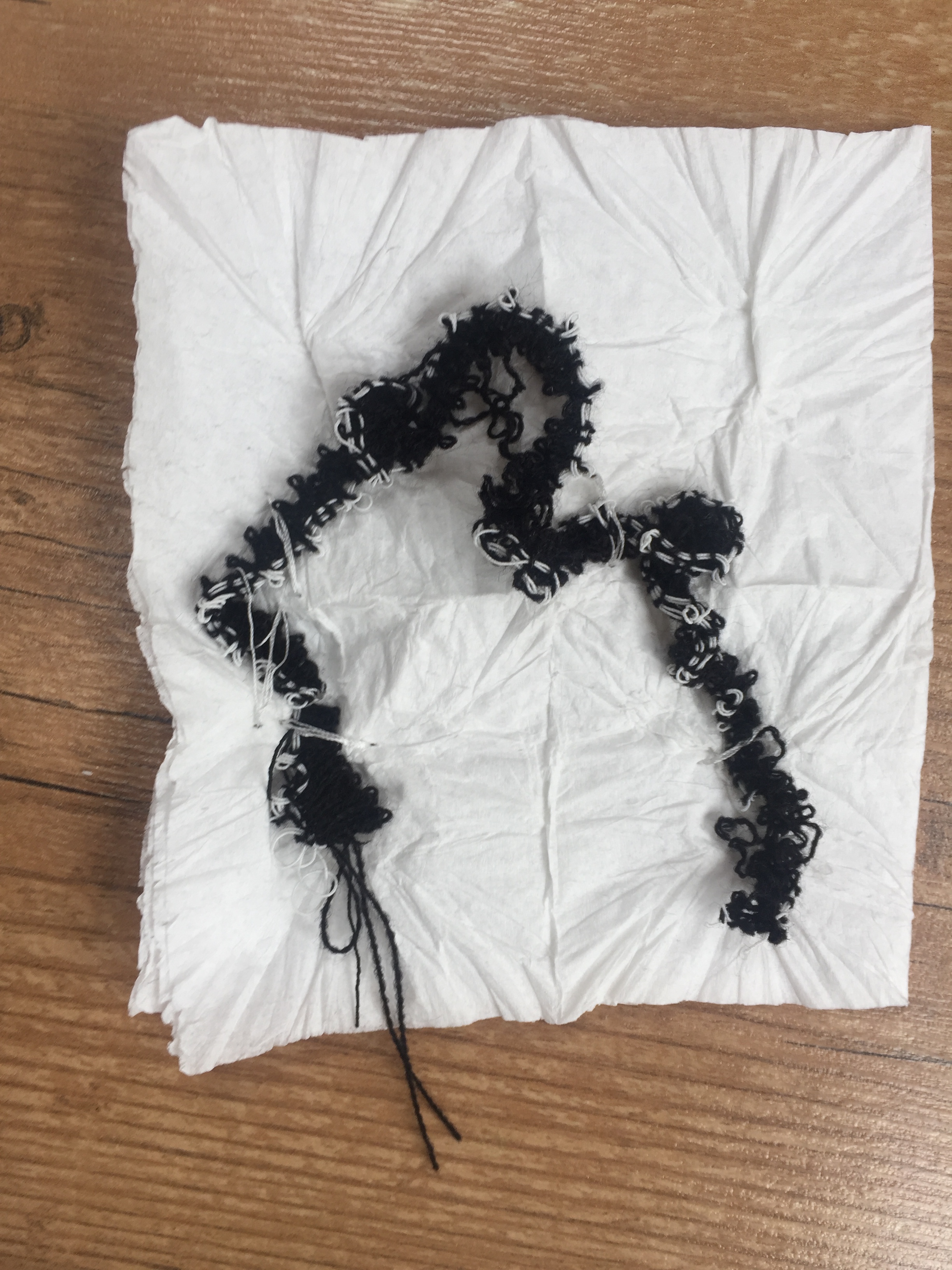
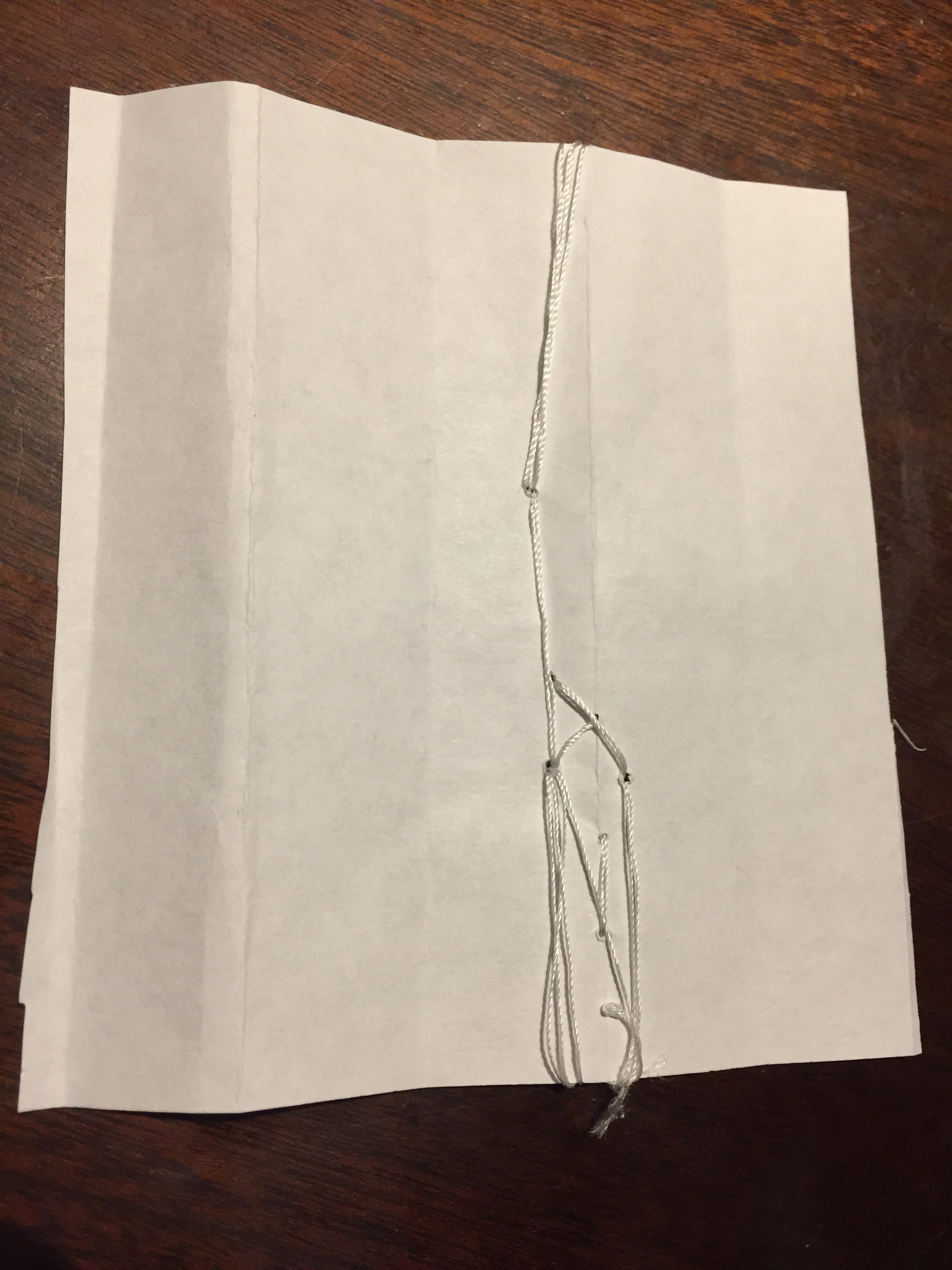
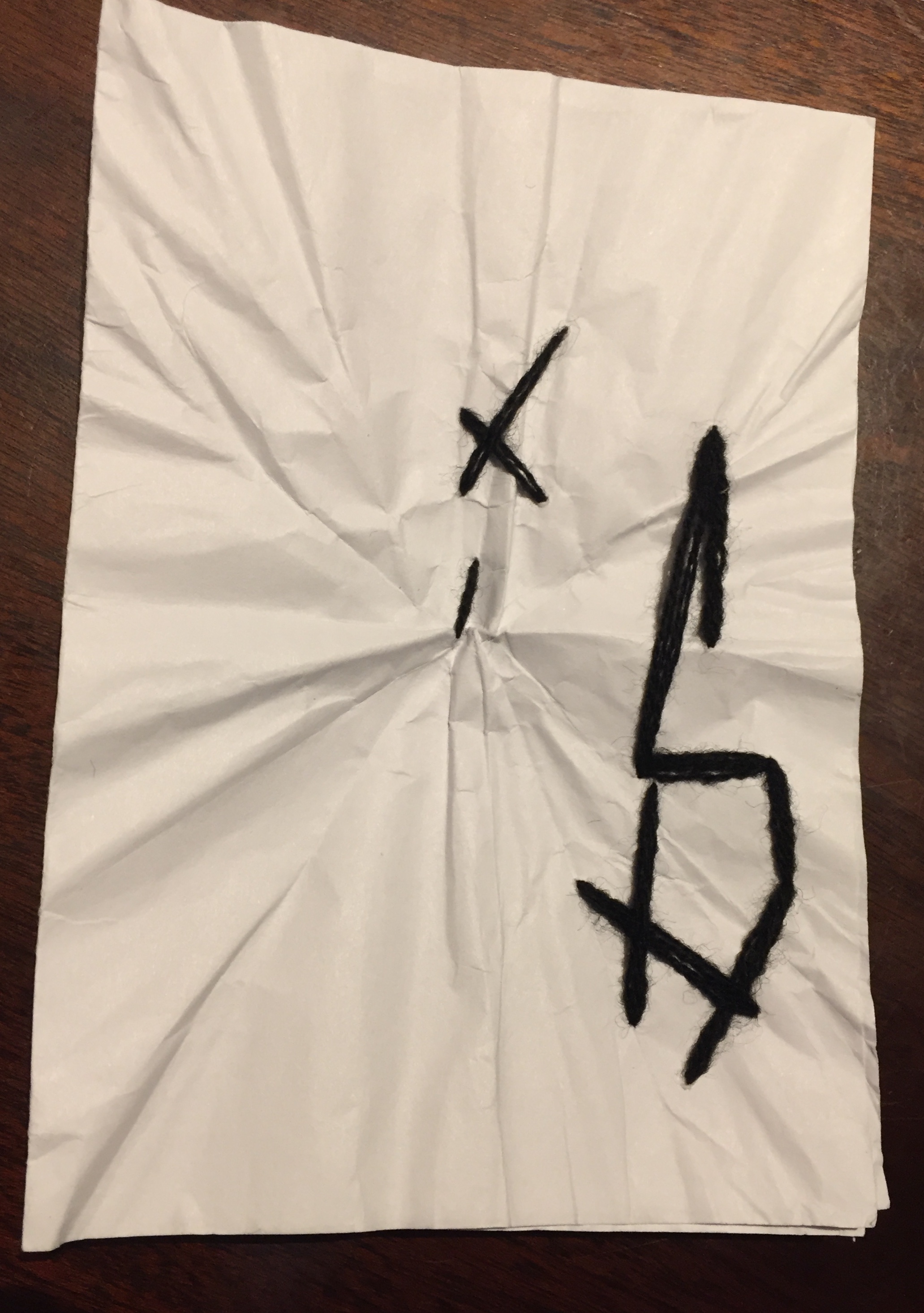
First things first: I’ve gathered what I’m going to use ; A cone of yarn , some waste ribbons were I can extract yarn from and needles to do the sawing.stitch crossovers with continuous yarns.I have decided to use this piece of paper from my previous assignment as I didn’t include this in my paper manipulation take 2 version. I’ve stitched it onto the carton paper in order to create layers.I’ve done some stitching(in black and shiny white) on the lower layertwo different yarns used in this : acrylic tape yarn and hard polyester I had to be really careful with this as it was tissue paper and it was very delicate. I’ve stitched a piece of ribbon onto it.4 different stars created with stitchpolyester yarn fed through the tiny holes.Ribbon, tape yarn, all stitched together on a delicate wrapping paper.Draw thread yarn stitched following vertical lines created from folding.I’ve tried to stitch on top of the handle used as a yarn as well as stabilize it on the paper bag I’ve folded all the layers together and tried to stitch them upview from the front.I found the back quite interesting as well.Yarn stitched across in order to create to horizontal and a vertical lineribbon stitched on the side and a flower created on the folded lines.Black acrylic yarn stitched to secure the sandpaper and white tape yarn that goes through holes.I had to use a large needle with a big hook in order to be able to feed the tape yarn through the holes of this carton paper.tape yarn that goes across and it’s been distorted by an acrylic yarn.
It was quite interesting process of seeing how paper is been transformed by stitching.Took me a while to figure ways around it but I’m quite pleased with what I’ve achieved.
2.4 CREATING LARGER SCALE PIECES
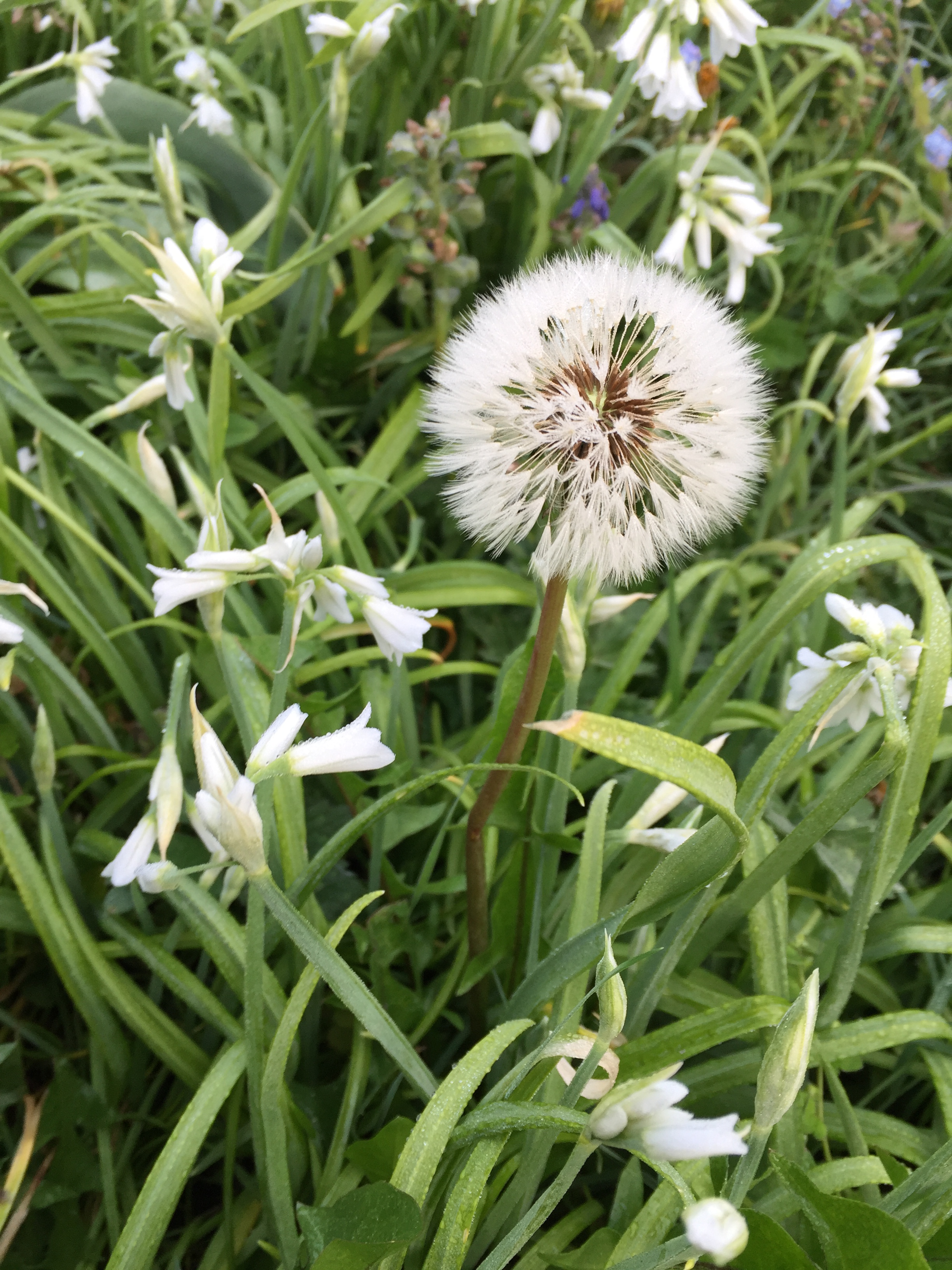
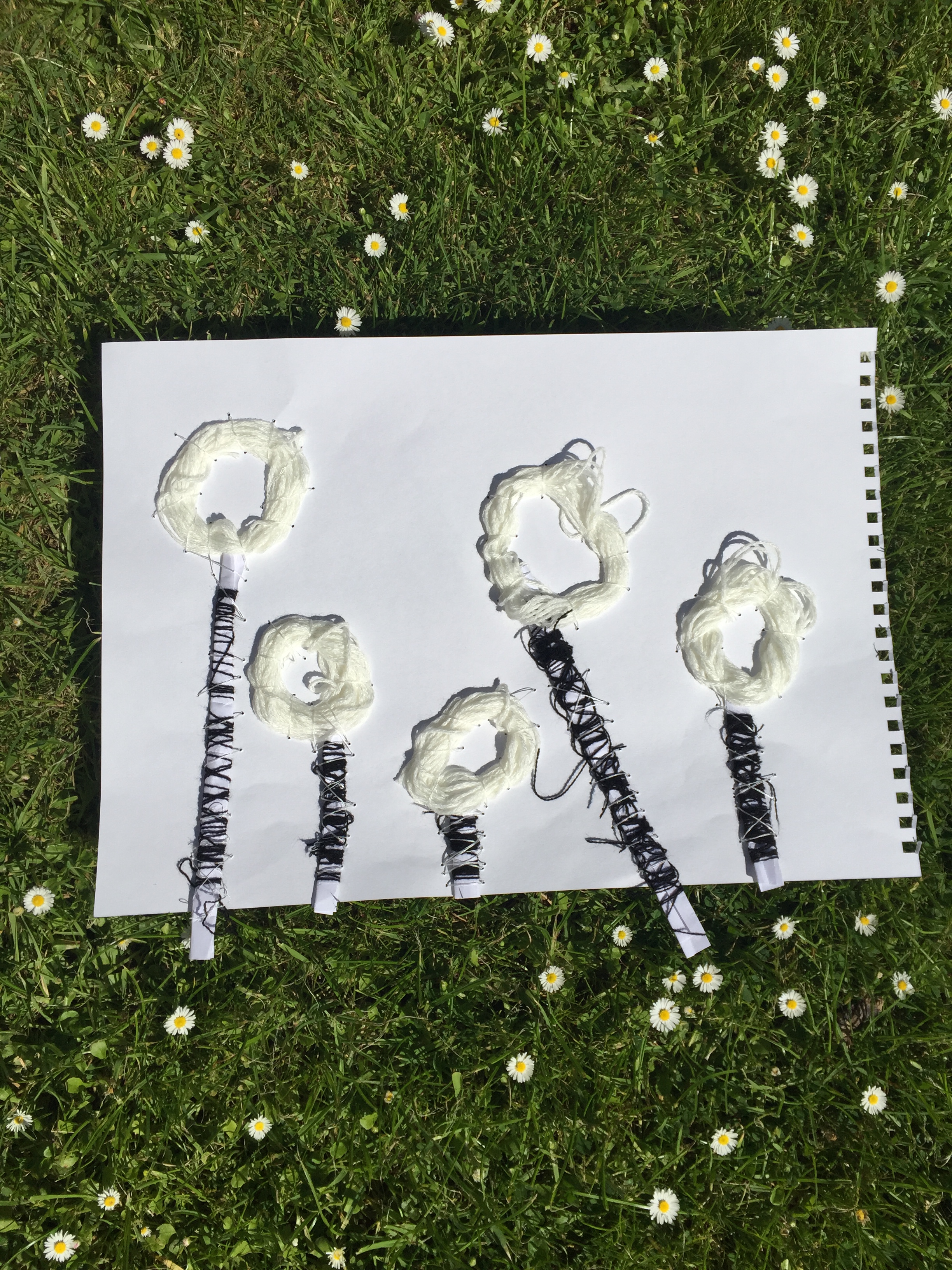
As a first reference I use my dandelions: I wanted to create a round shape and as long as I was yarns for this I could achieve the soft and wool-like hand feel.
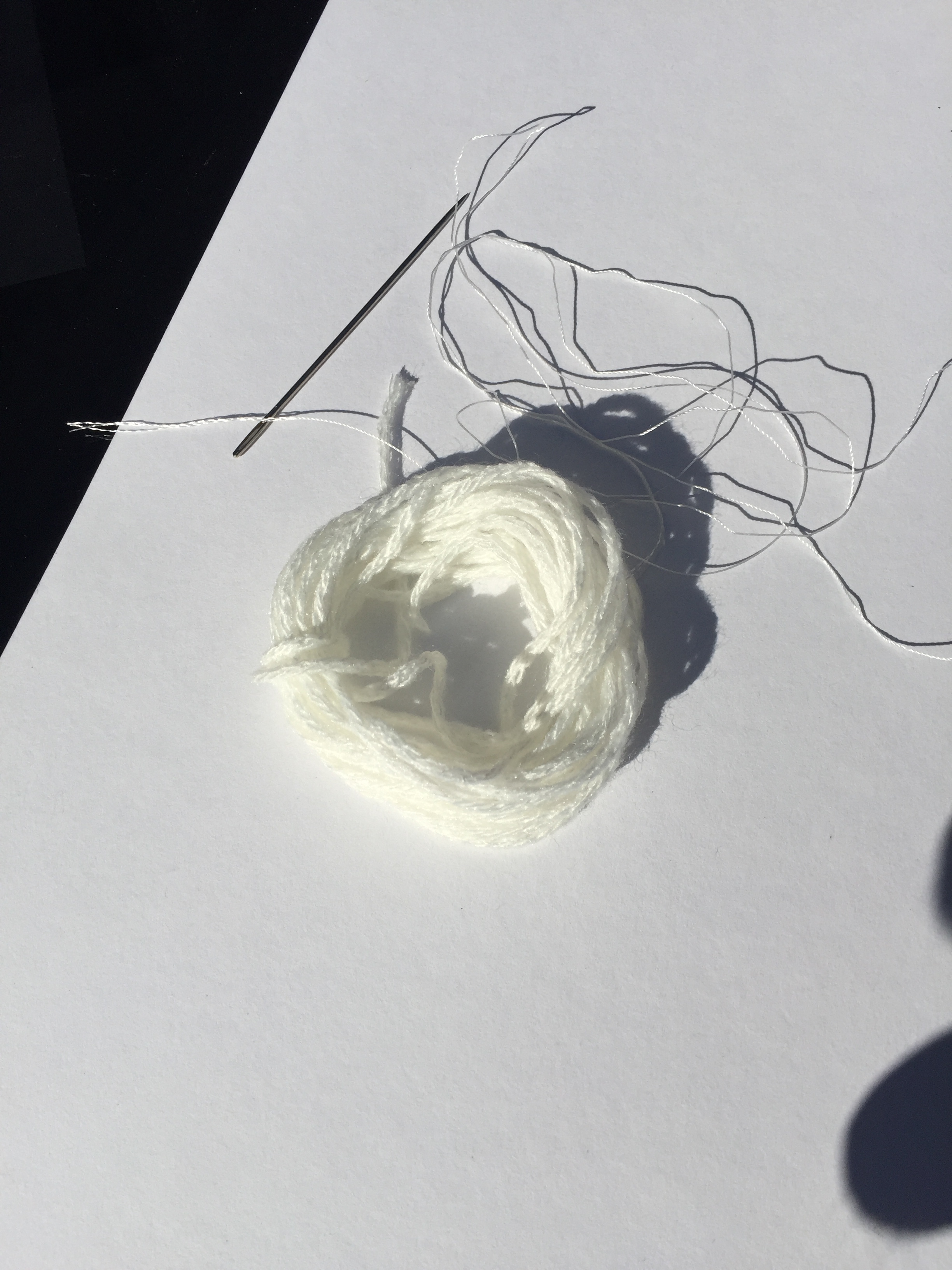
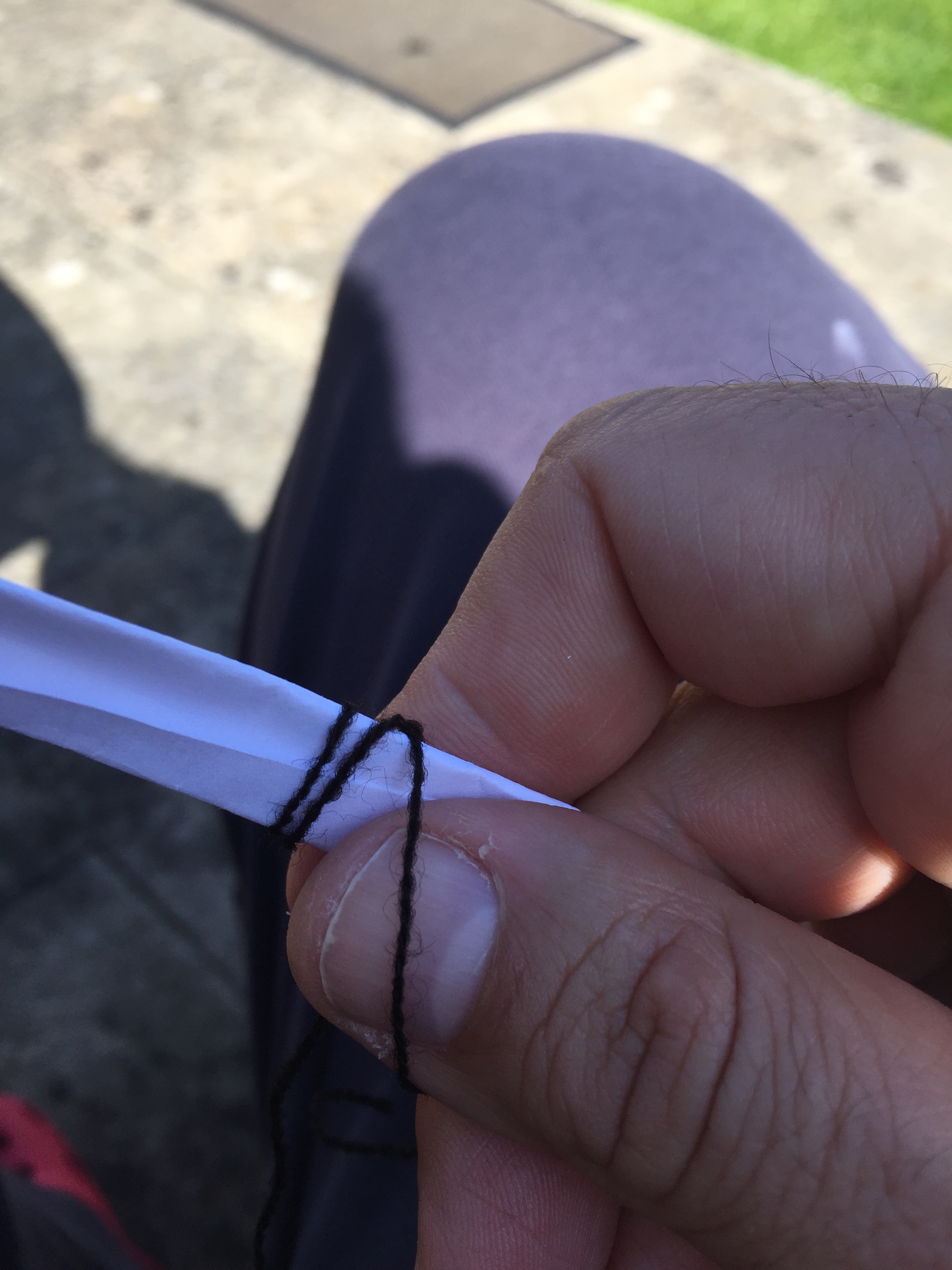
firstly I took a cone of yarnformed a round shape and stitched on A3 paperfor the stem , I’ve rolled paper and I’ve wrapped around black acrylic yarn:reason is to make sure that the paper will not open up as well as it makes nice contrast to the white paper…my dandelions are finished! some of them were placed in an ankle in order to give the illusion of wind blow….I’ve trimmed the edges. And it’s ready.
<<Certain people use pencil and paper, others scraps and collage. Some use computers and iPads or cameras, others sketchbooks and paint or large sheets of cartridge paper and sticks of charcoal. (Cane, 2014, p.63) >>
I’ve used our introduction’s book (page 45) advice and draw the way I feel more confident and use my drawings in the future.
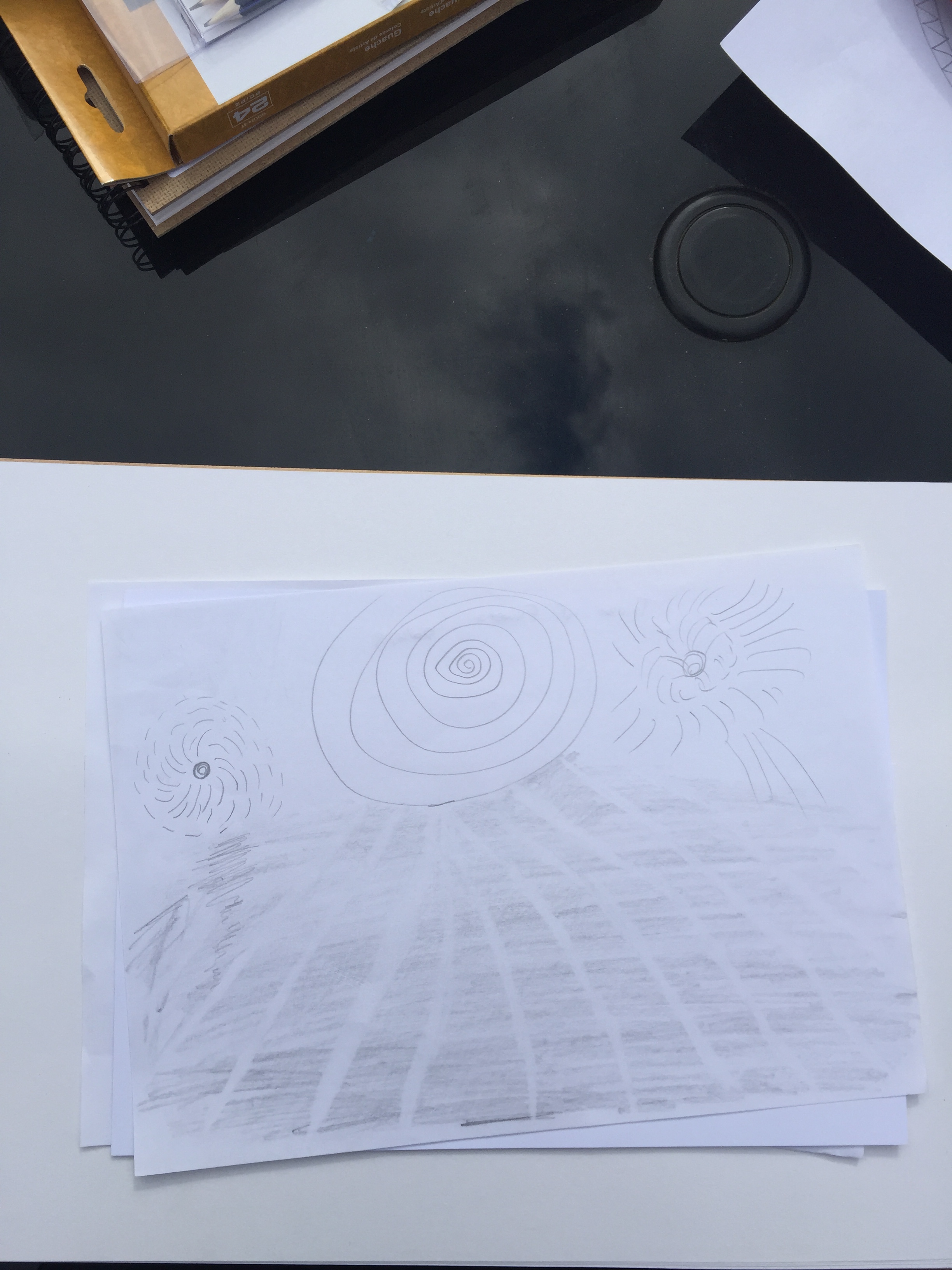
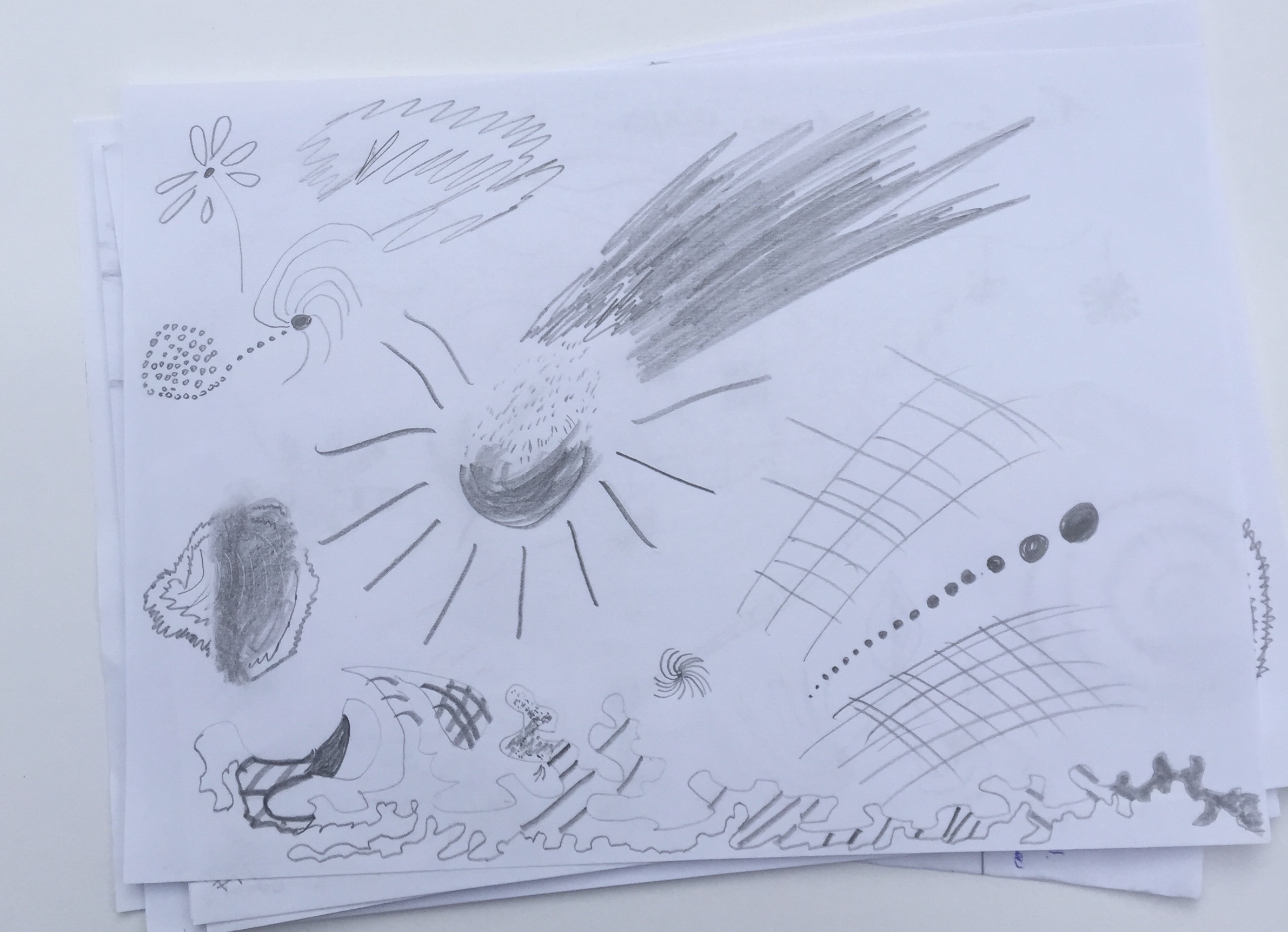
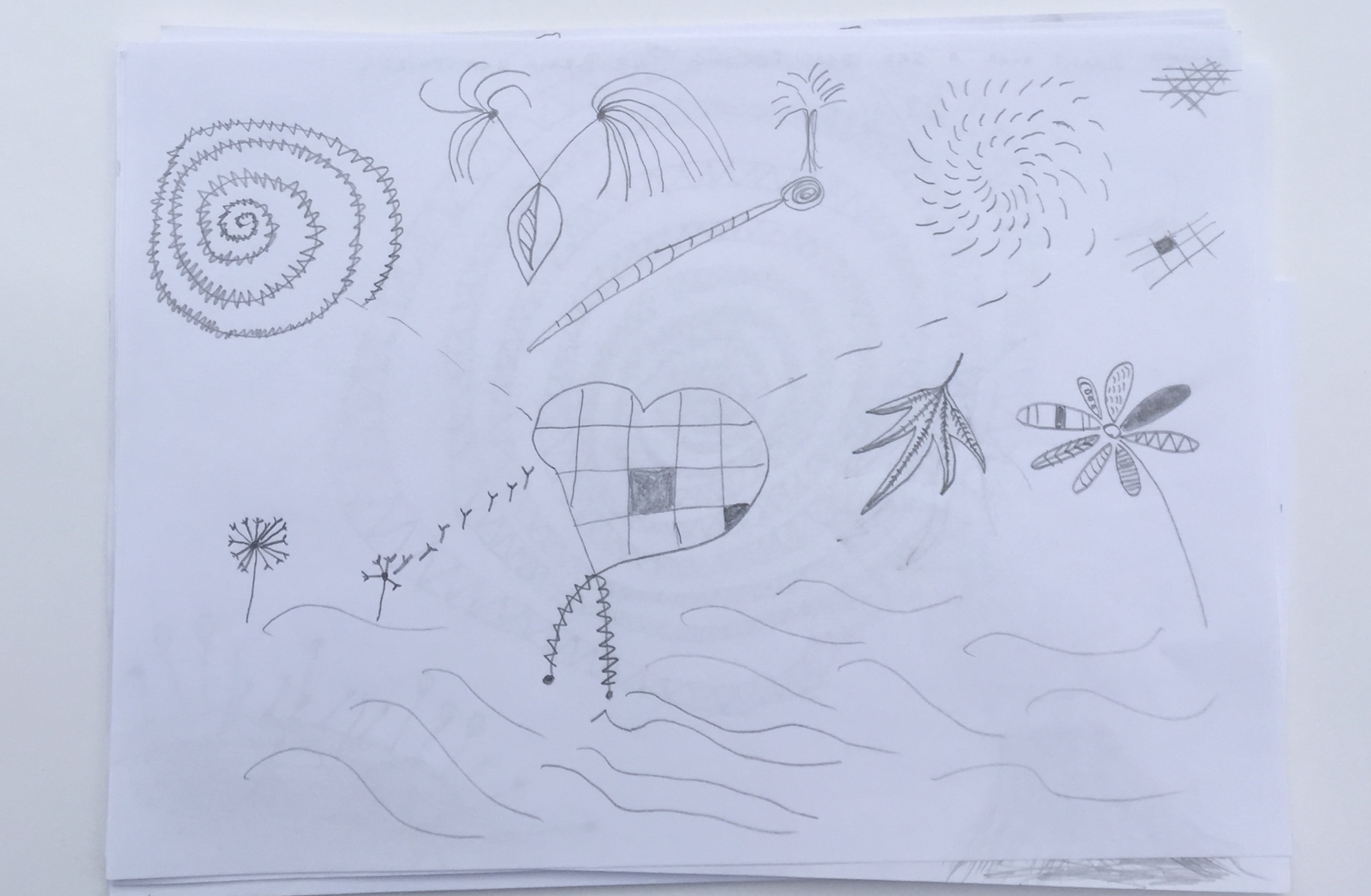
Following in display are some of my pictures/drawings I thought they were the most interesting and inspiring in terms of line and texture;
They are ready to be produced on a knitting machine of any type.
I strongly believe all drawings mentioned above can be a good starting point to build on to as they provide enough information regarding jacquard formation yarn quality and design in general.
Exercise 2.2 Paper manipulation gallery
weaving technique using tissue paper in order to give a different texture and colorcrumpling using a soft tissue crumbling using a normal paper
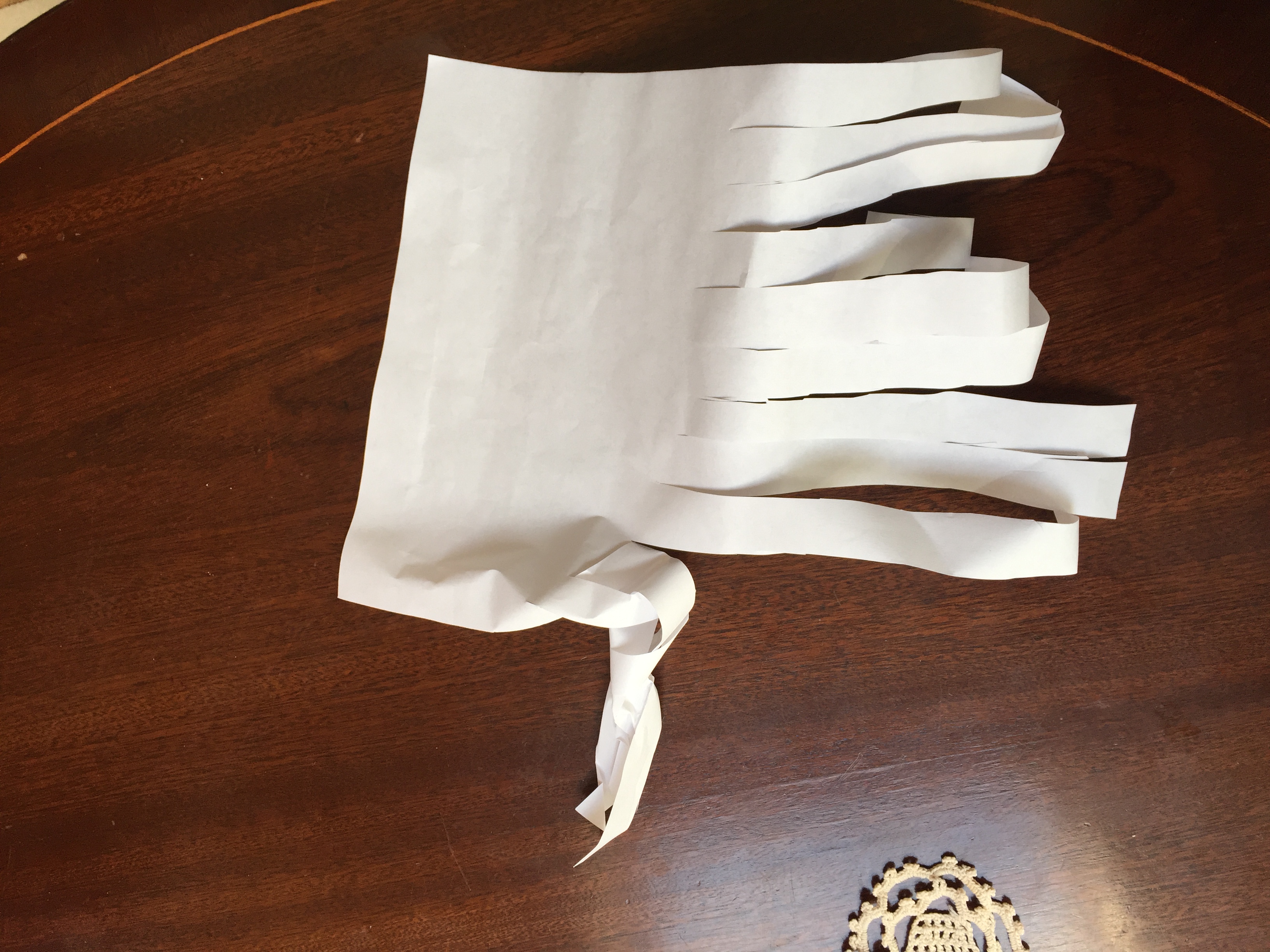
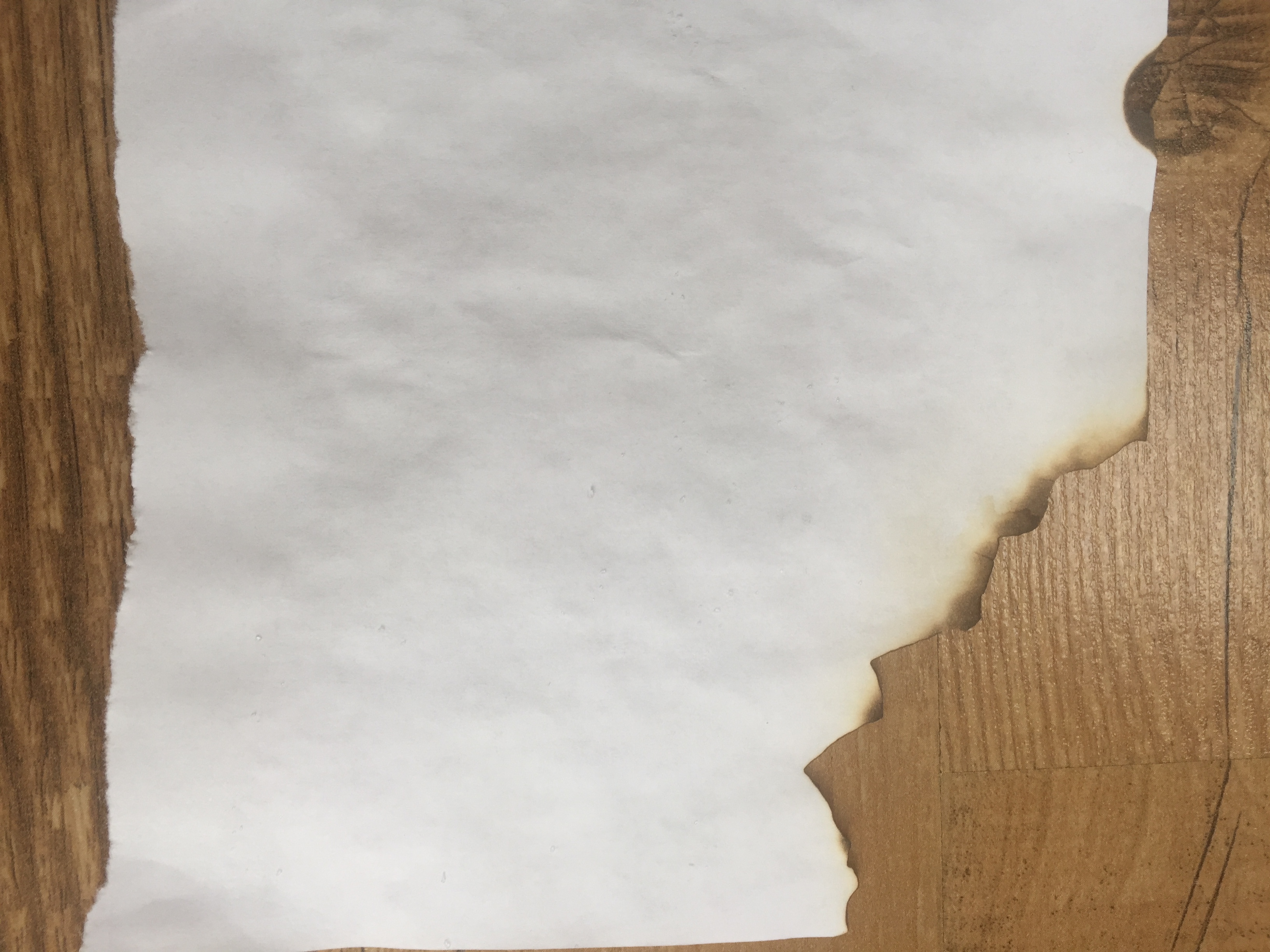
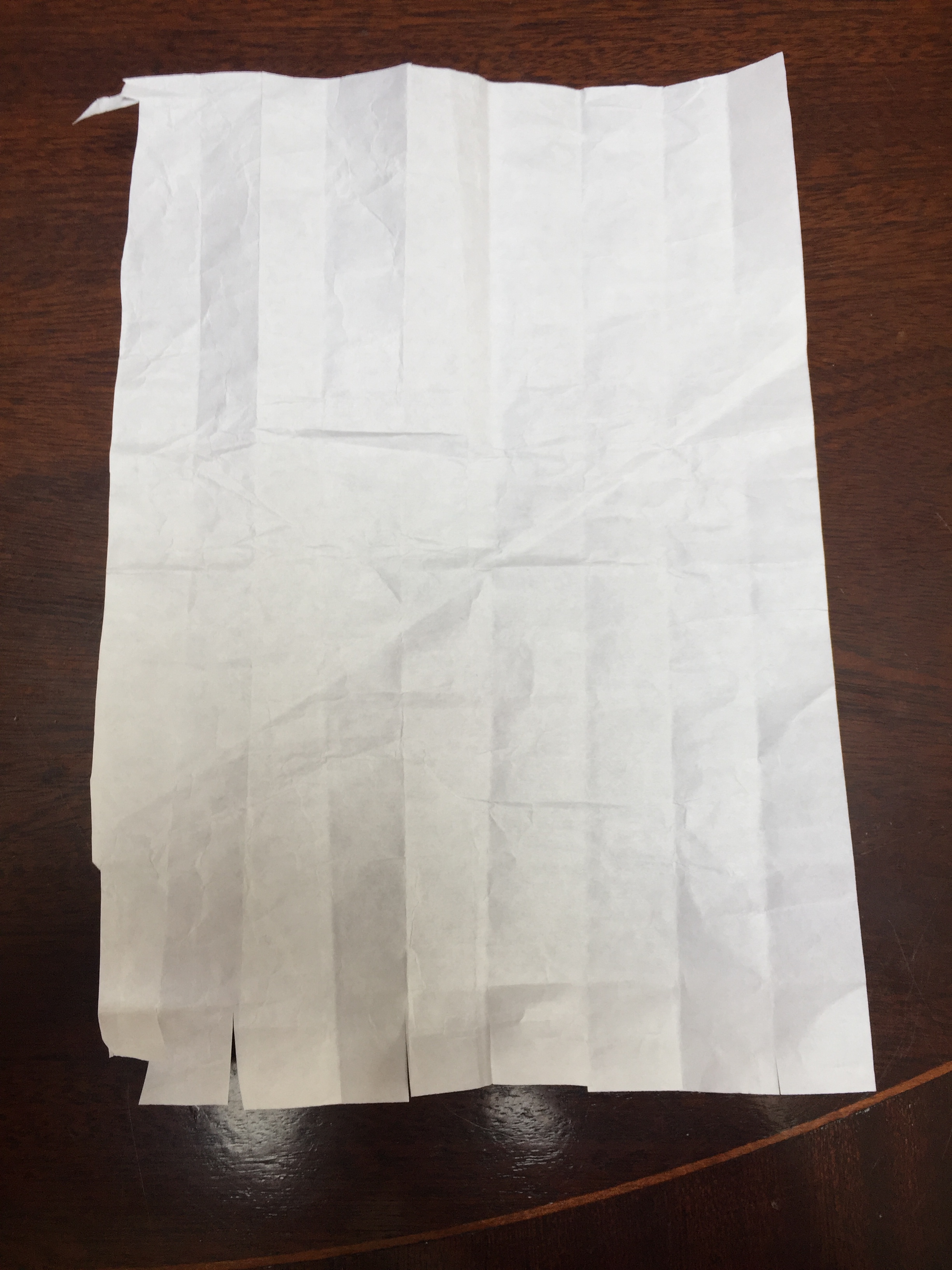
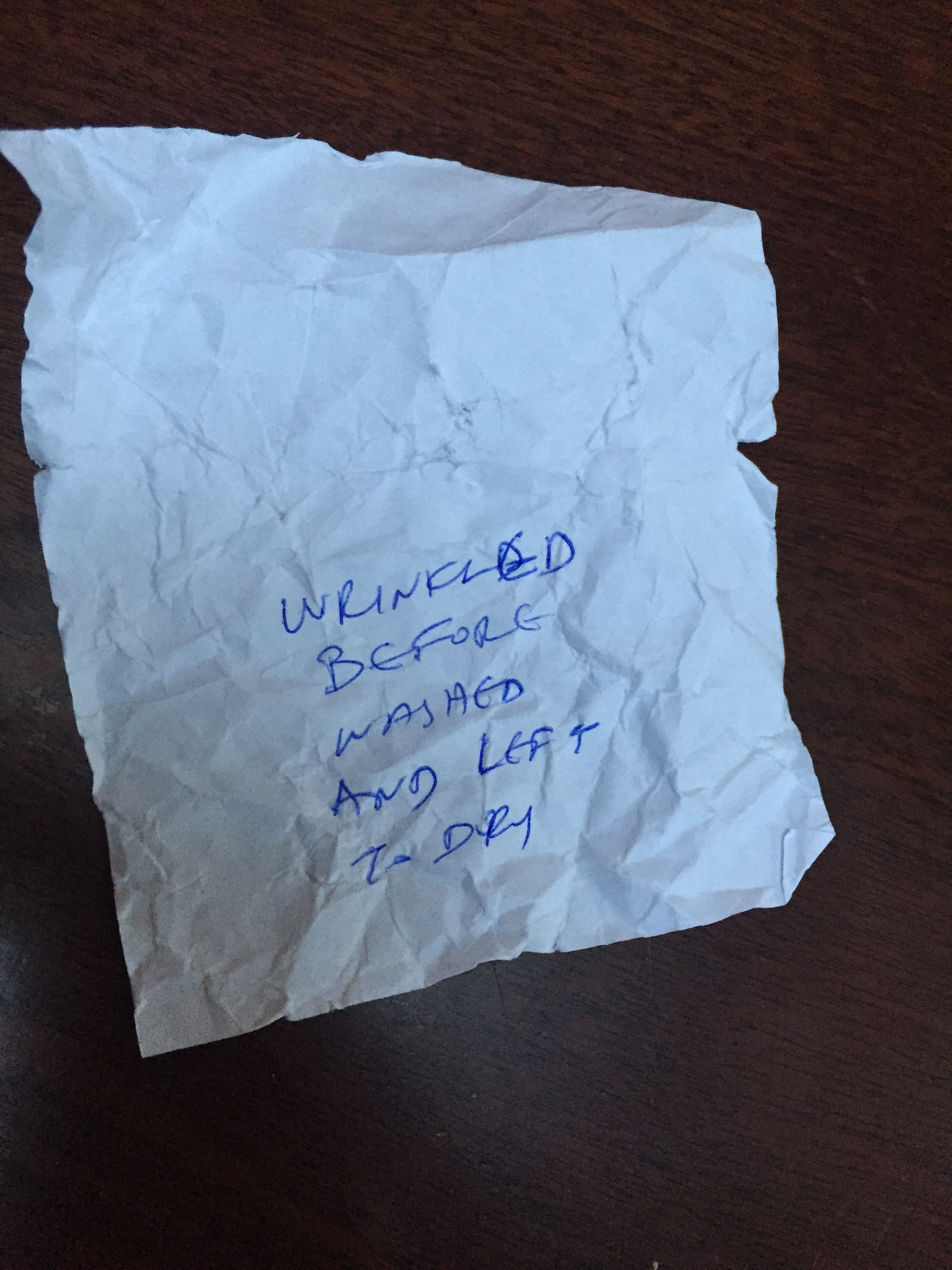
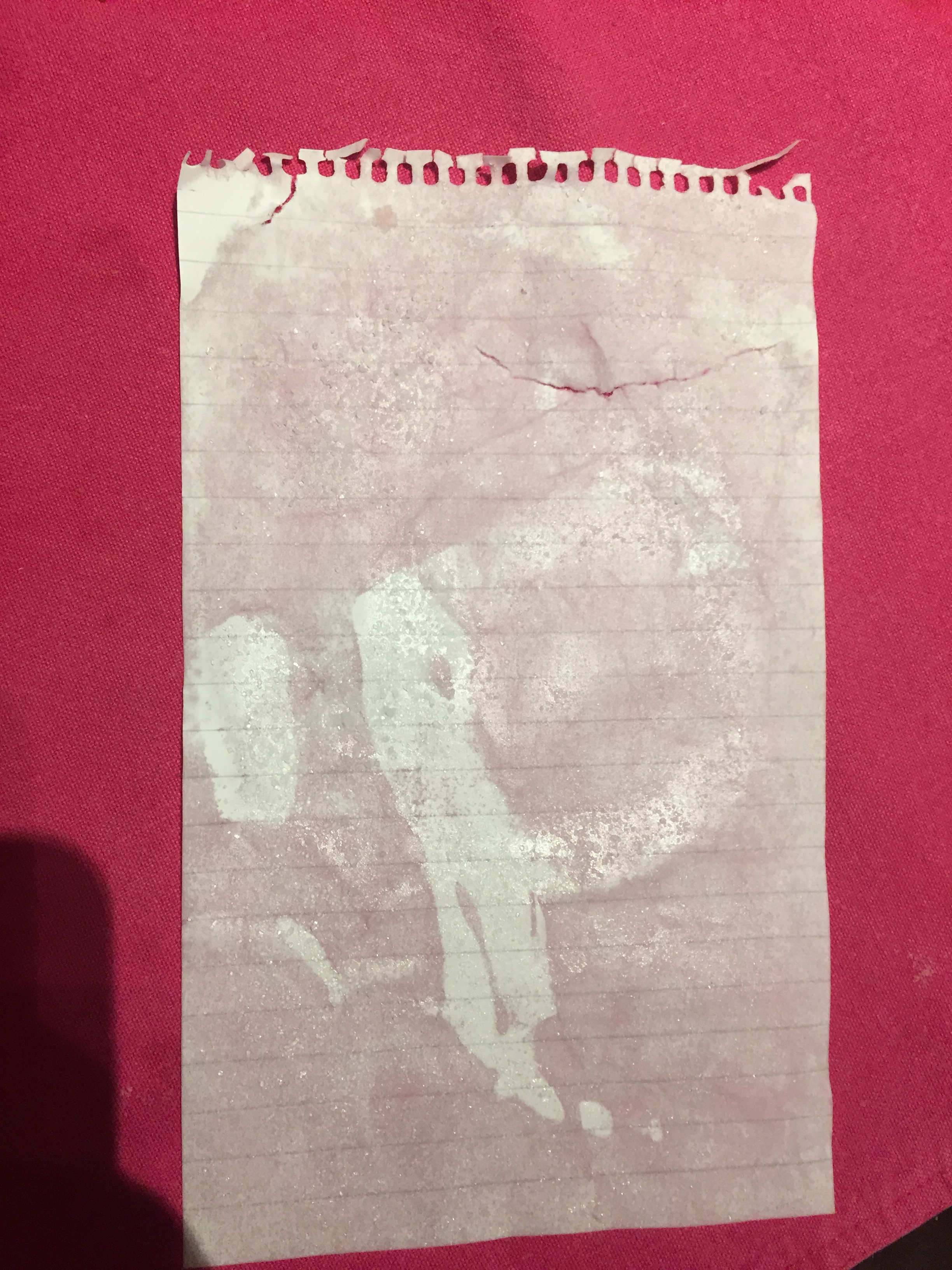
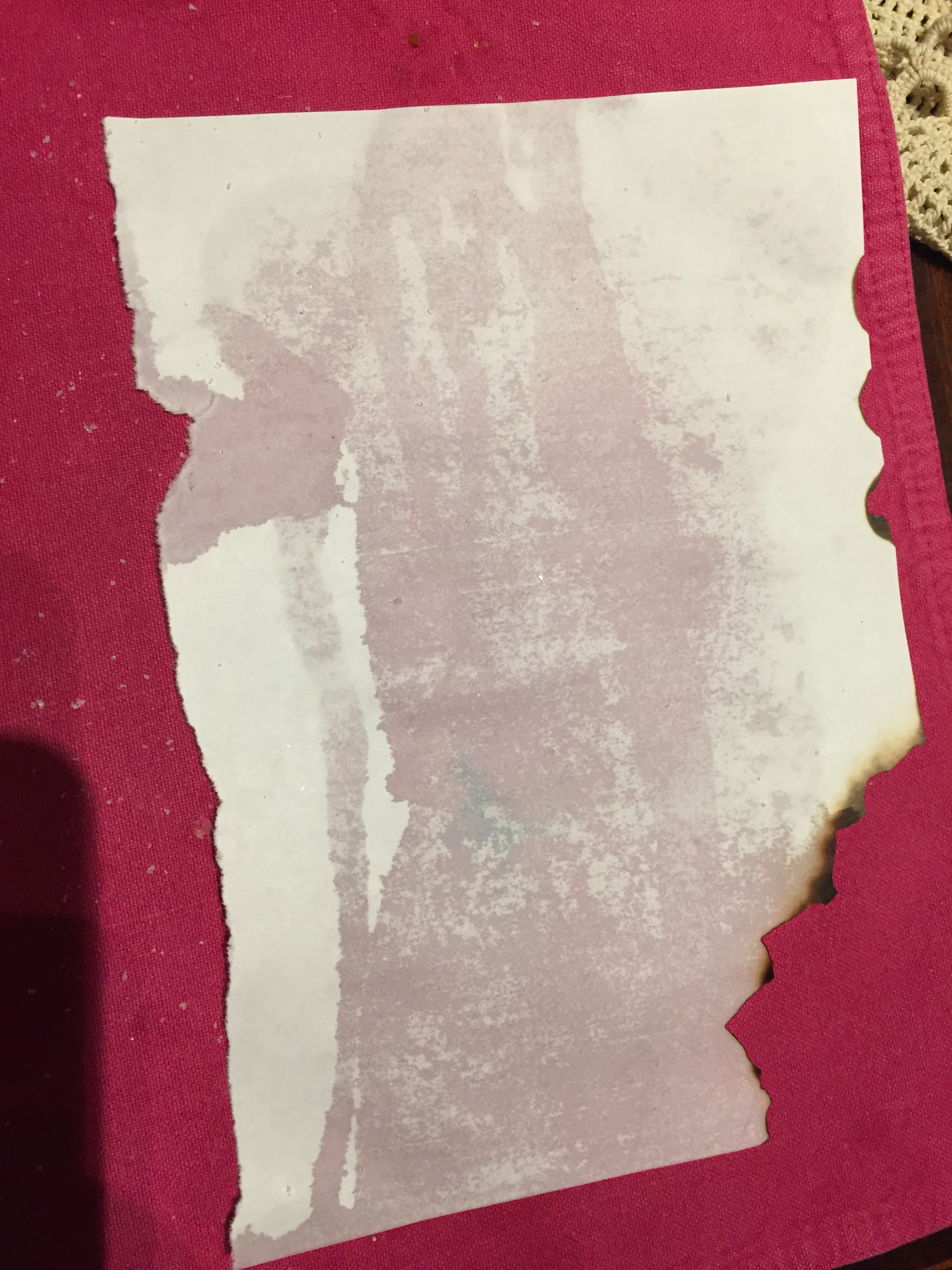
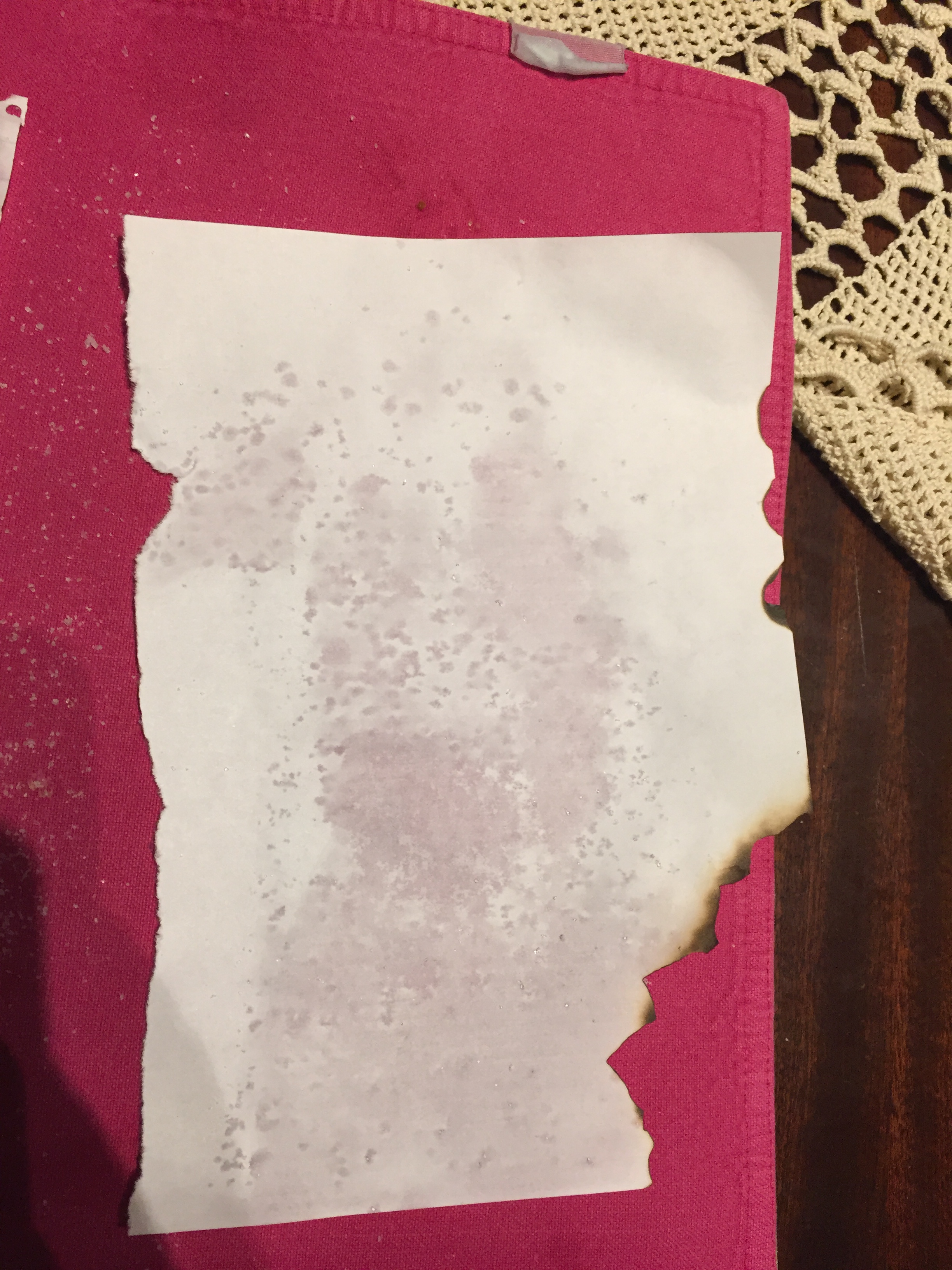
paper rolled and tasseledthe texture changed dramatically when the paper was washed and left to dryused exactly the same technique as above but the paper was wrinkled in my palm before washed and left to dry on this paper, I’ve applied water and then salt on the top which has super moisture absorbance in order to create different waves and motifs as it dries outburning as well as water/salt technique
same pic as above when paper dried out
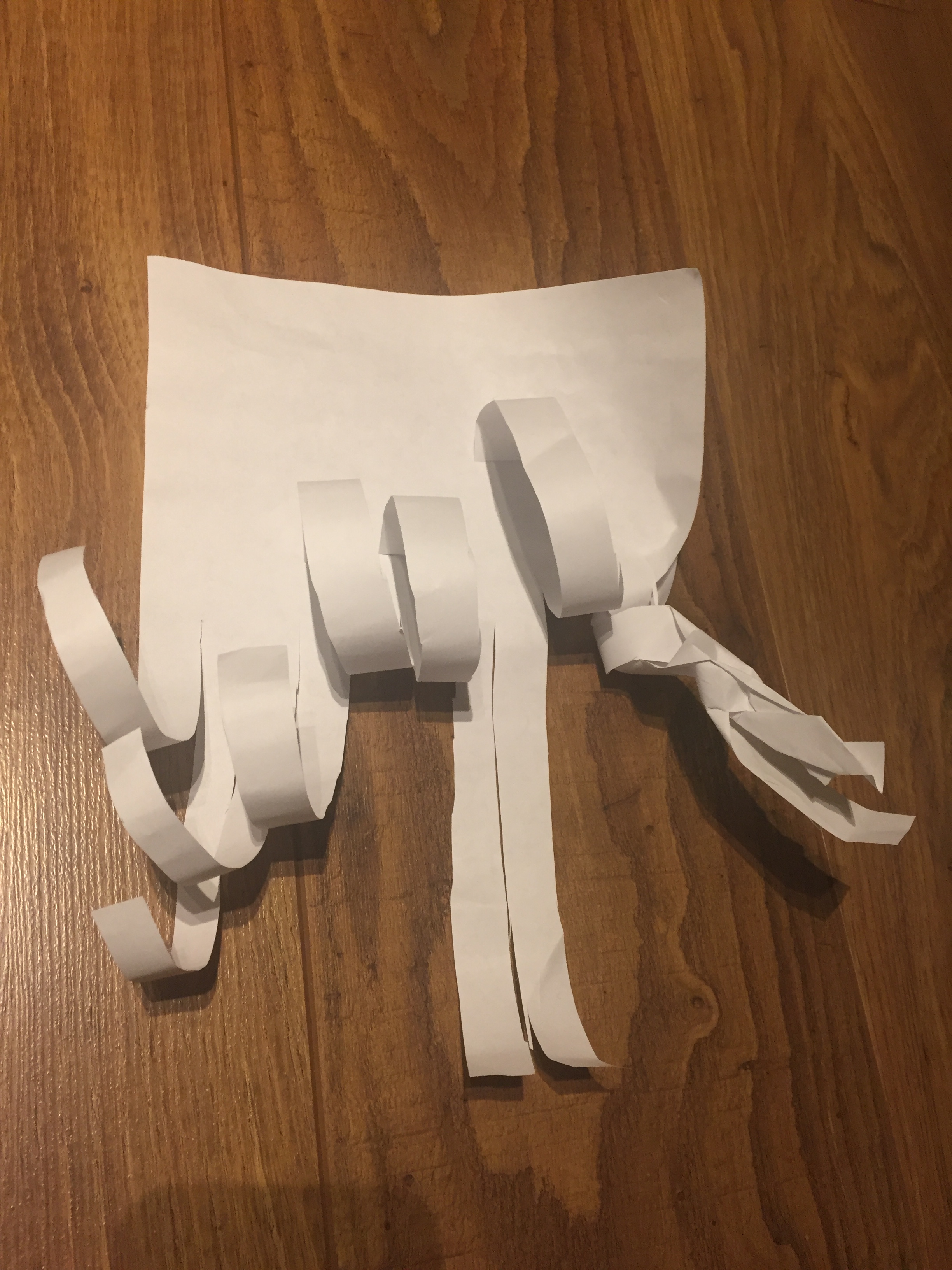
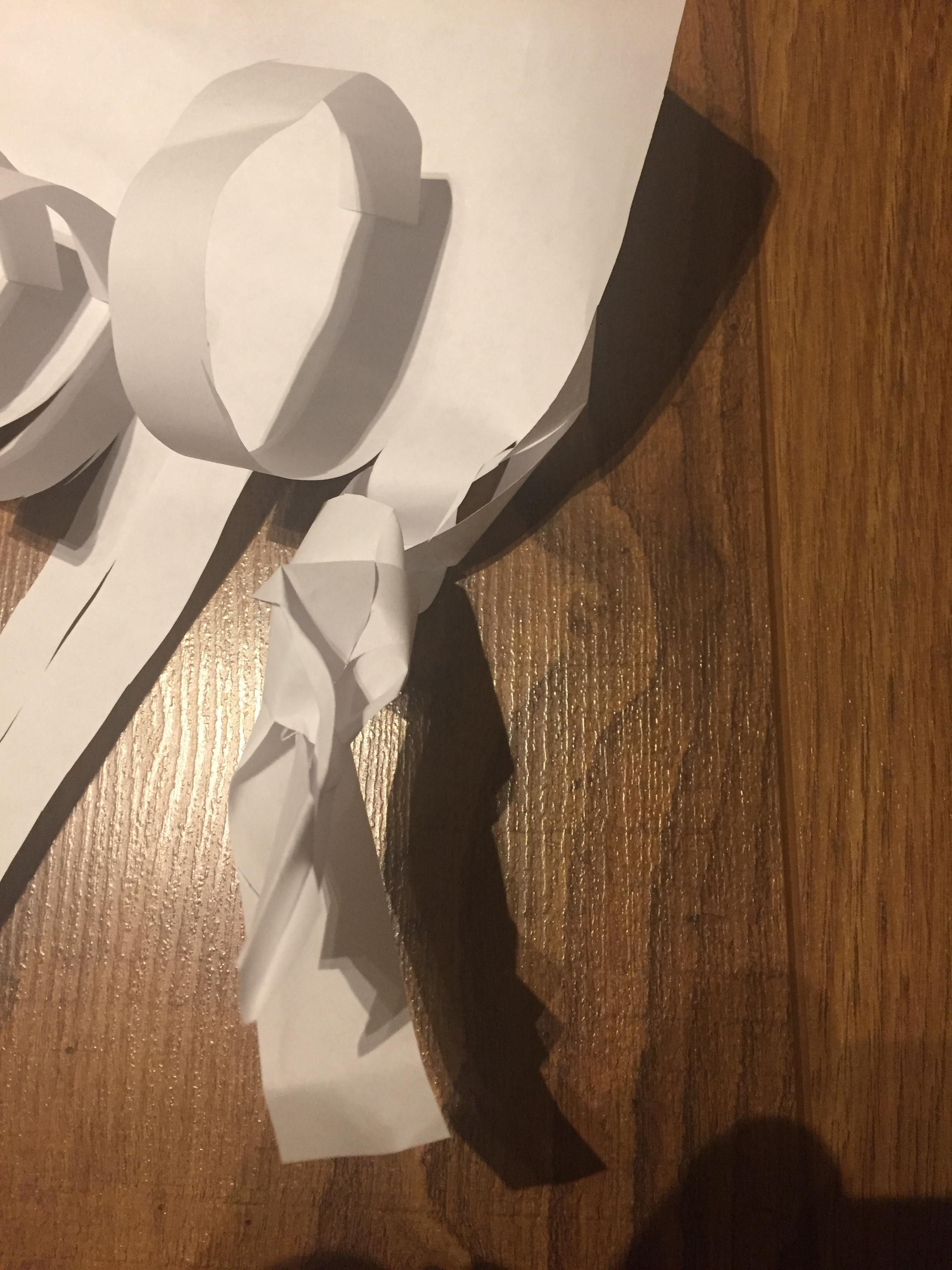
curly fringing
I’ve tried to create a sort of cable using the fringing of the paper but it didn’t work out because of the nature of the paper(too stiff)
EXERCISE 2.3- 2.4 : DRAWING WITH STITCH -DRAWING IN A LARGER SCALE.
In this task we are asked to draw with stitch on the sketches we’ve picked on assignment 2.1.
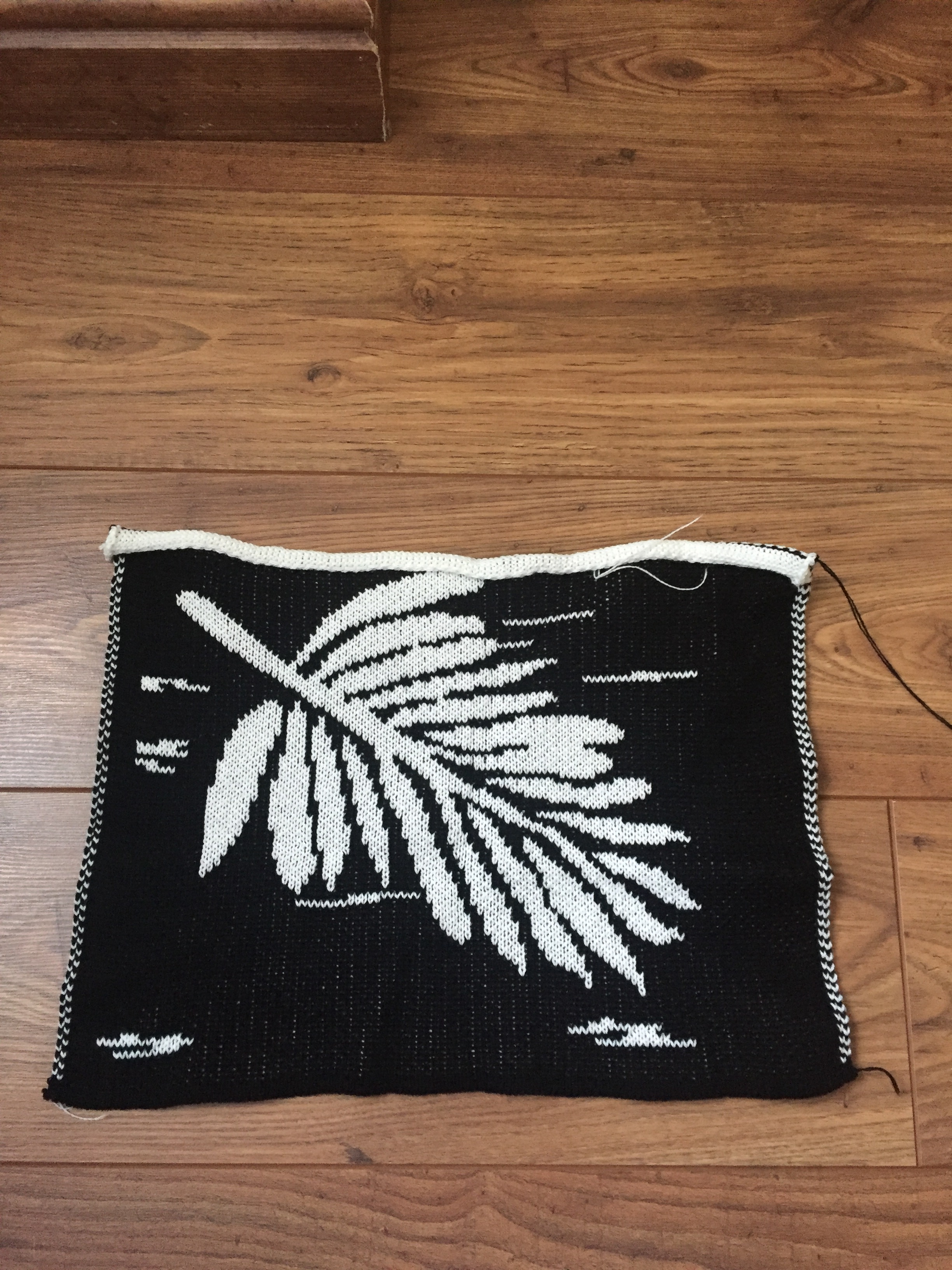
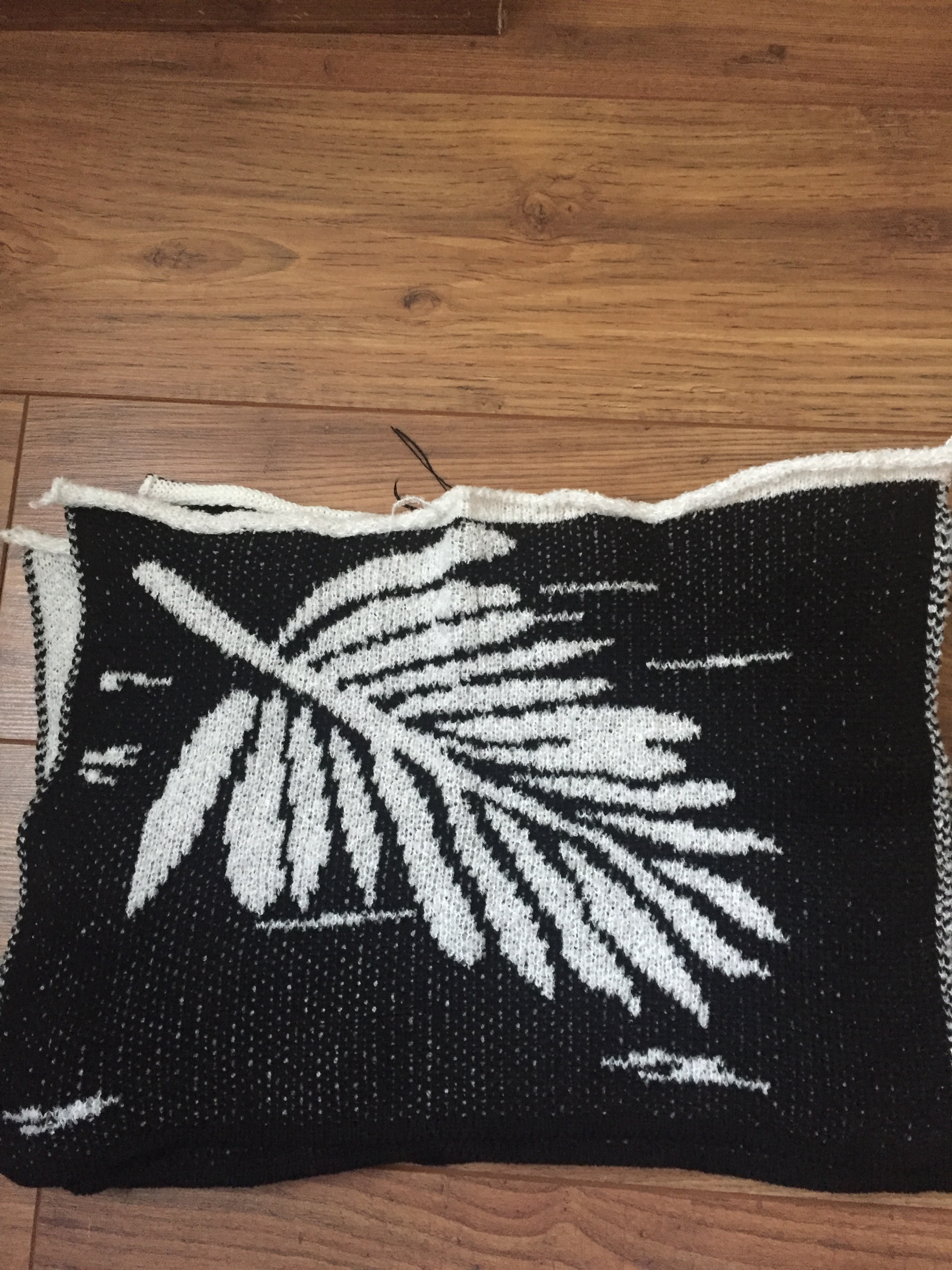
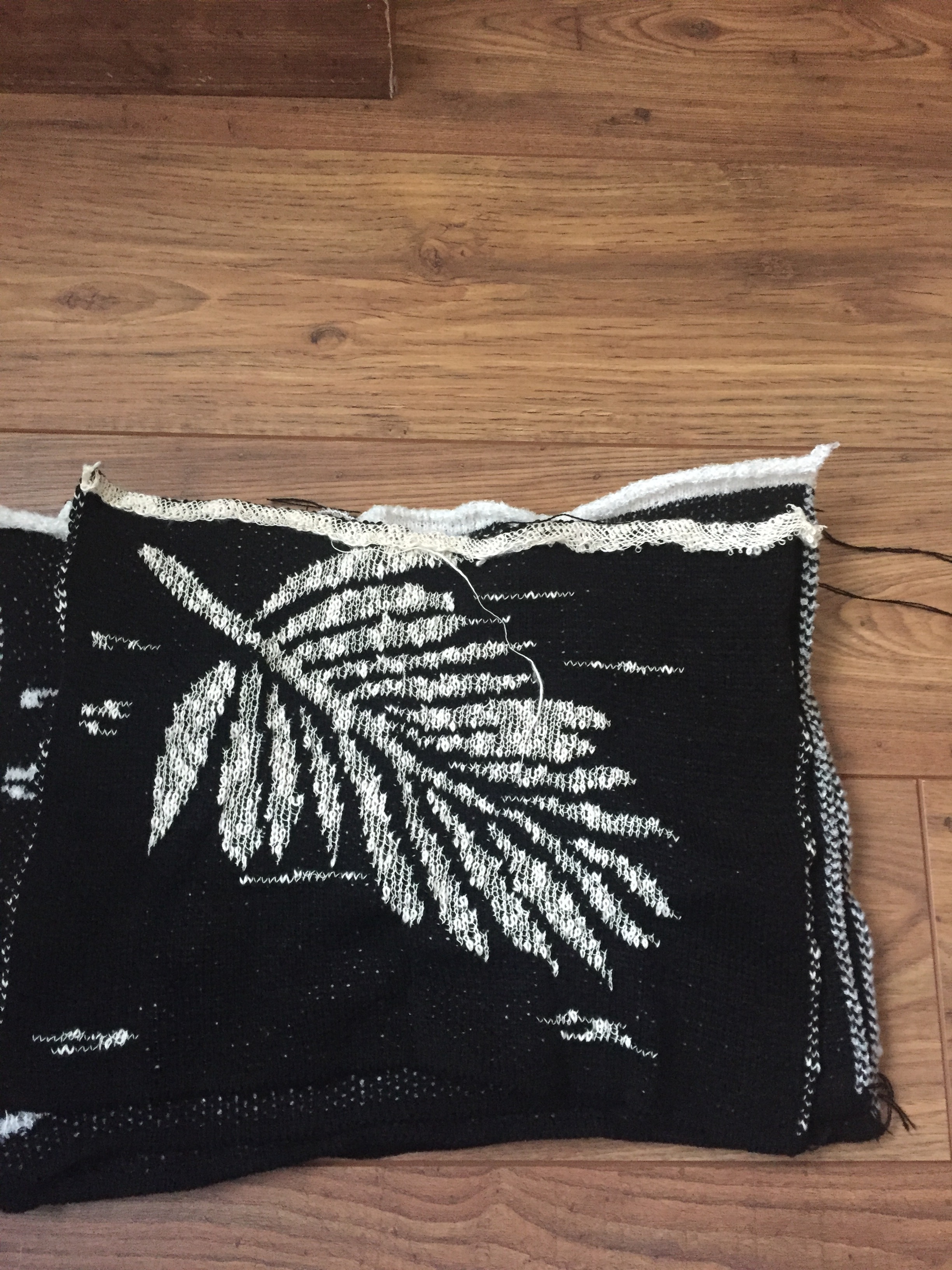
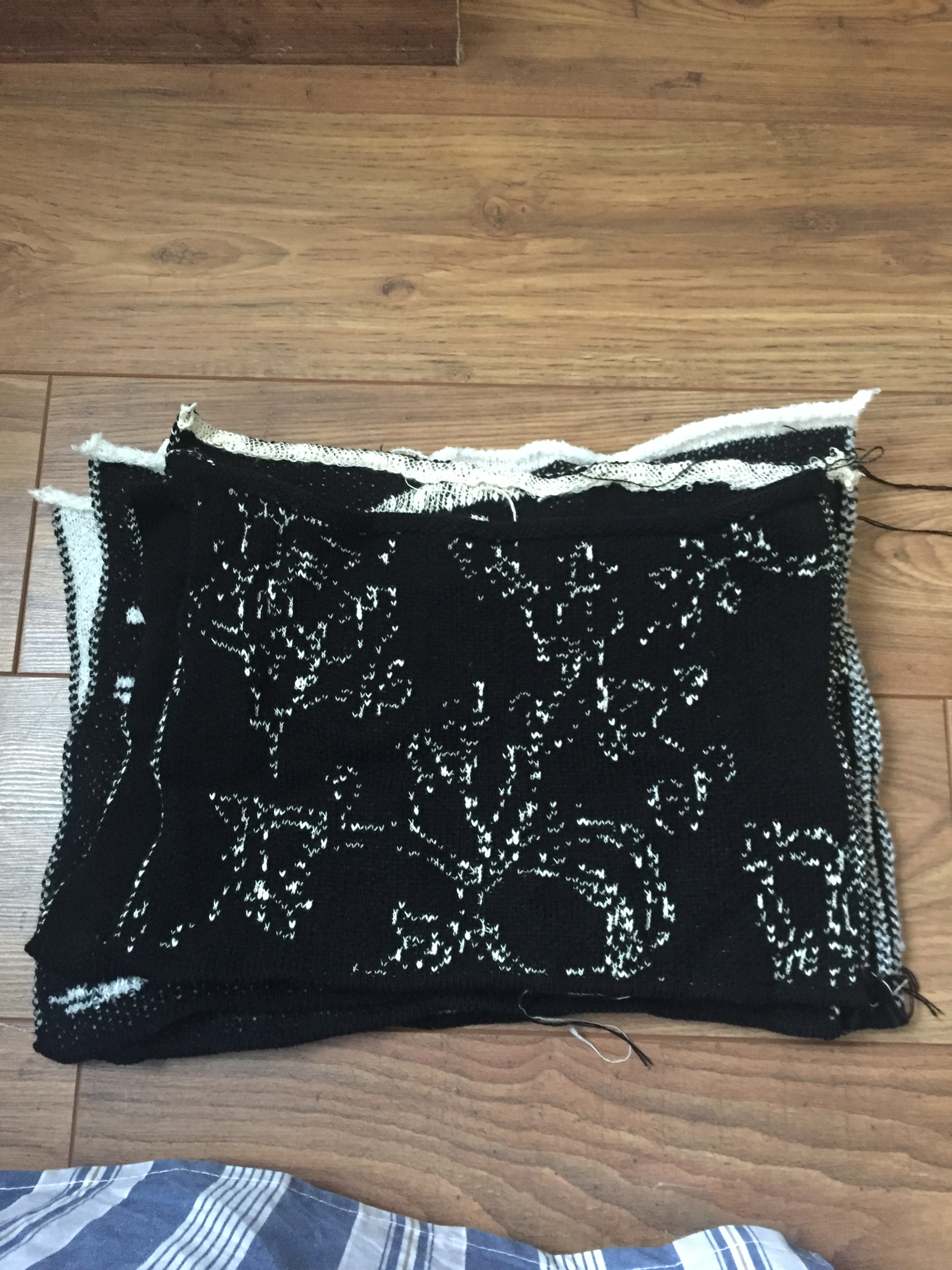
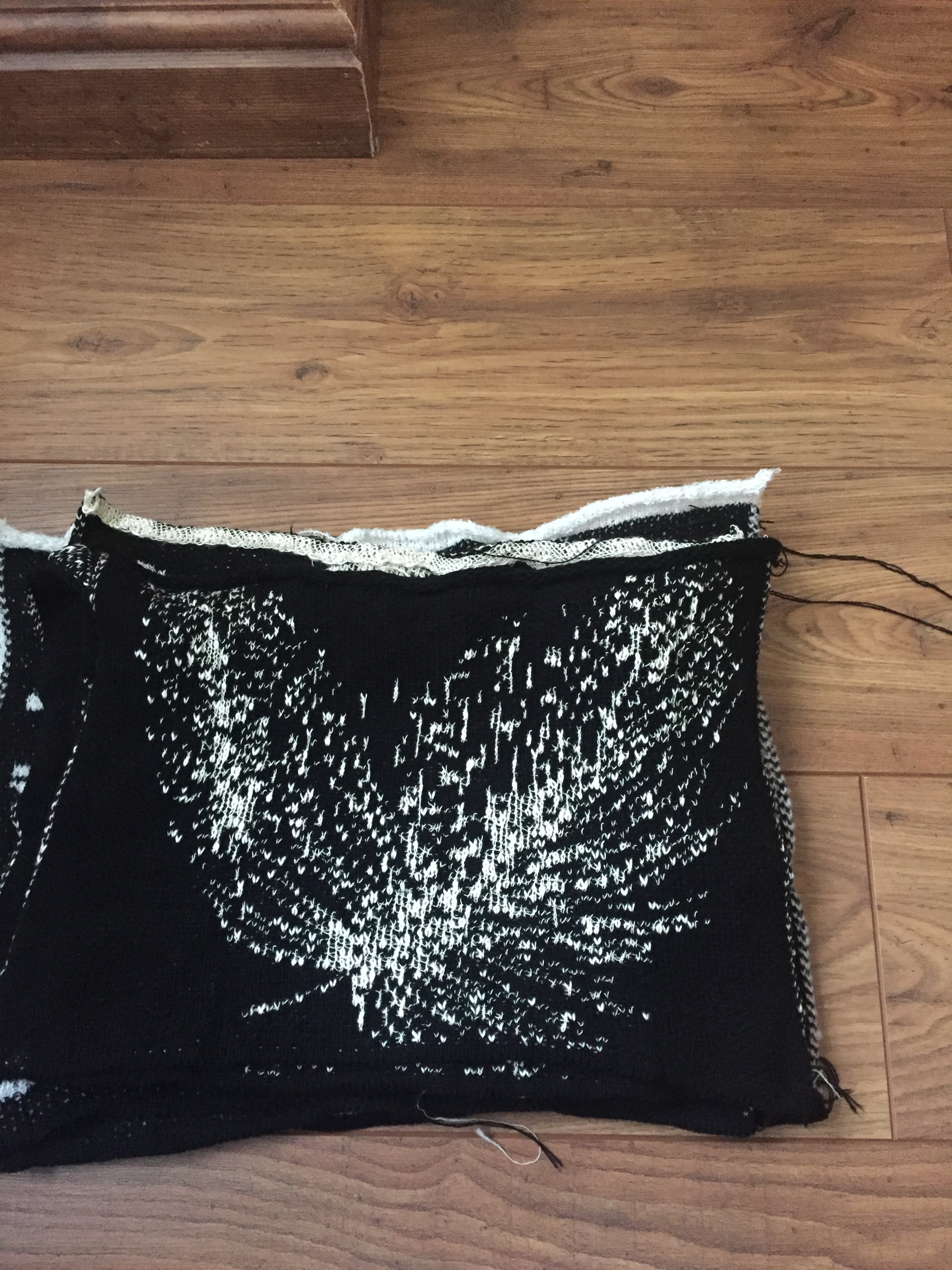
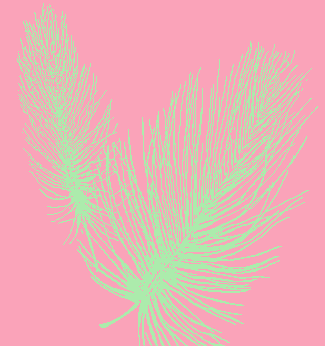
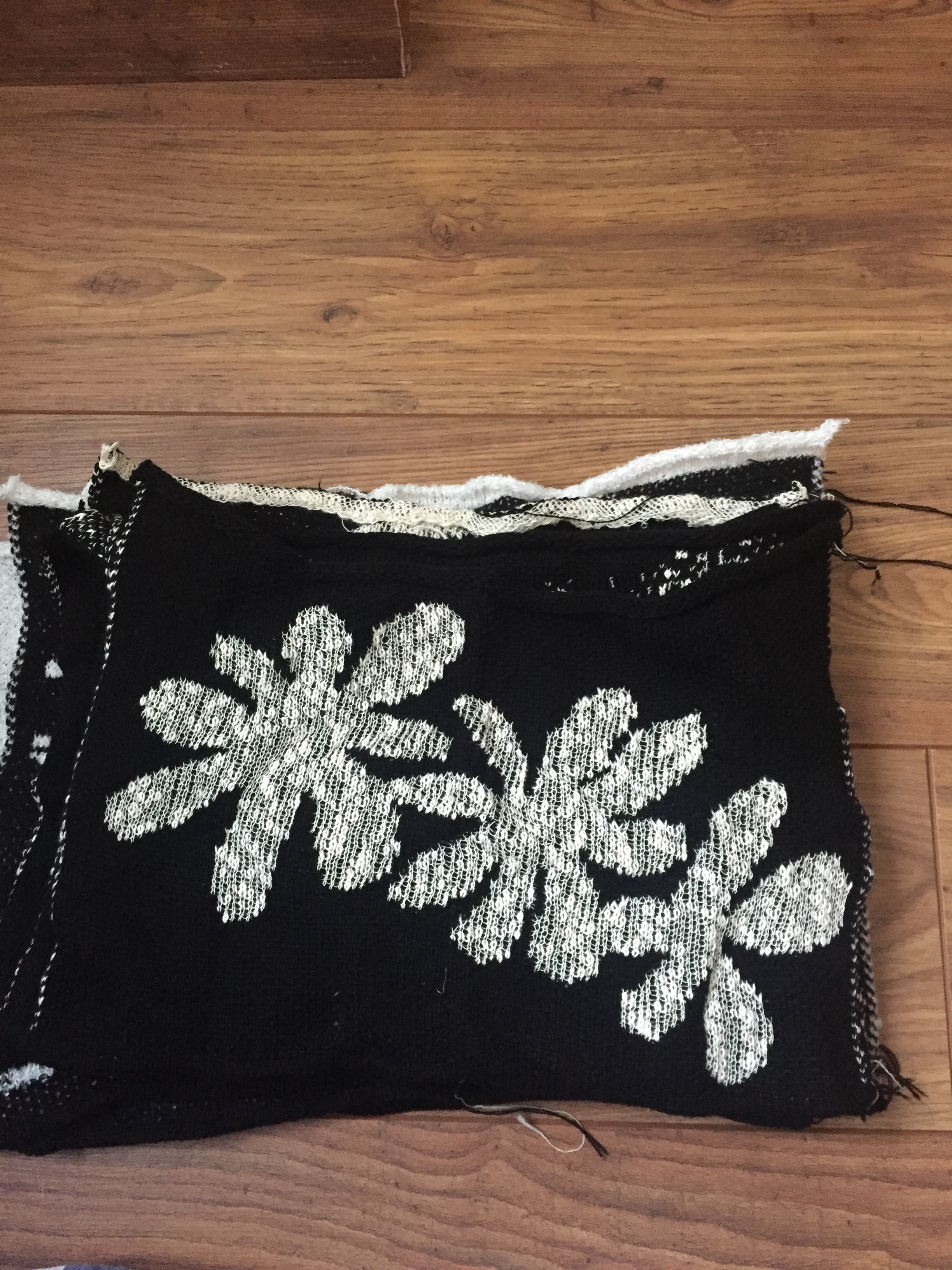
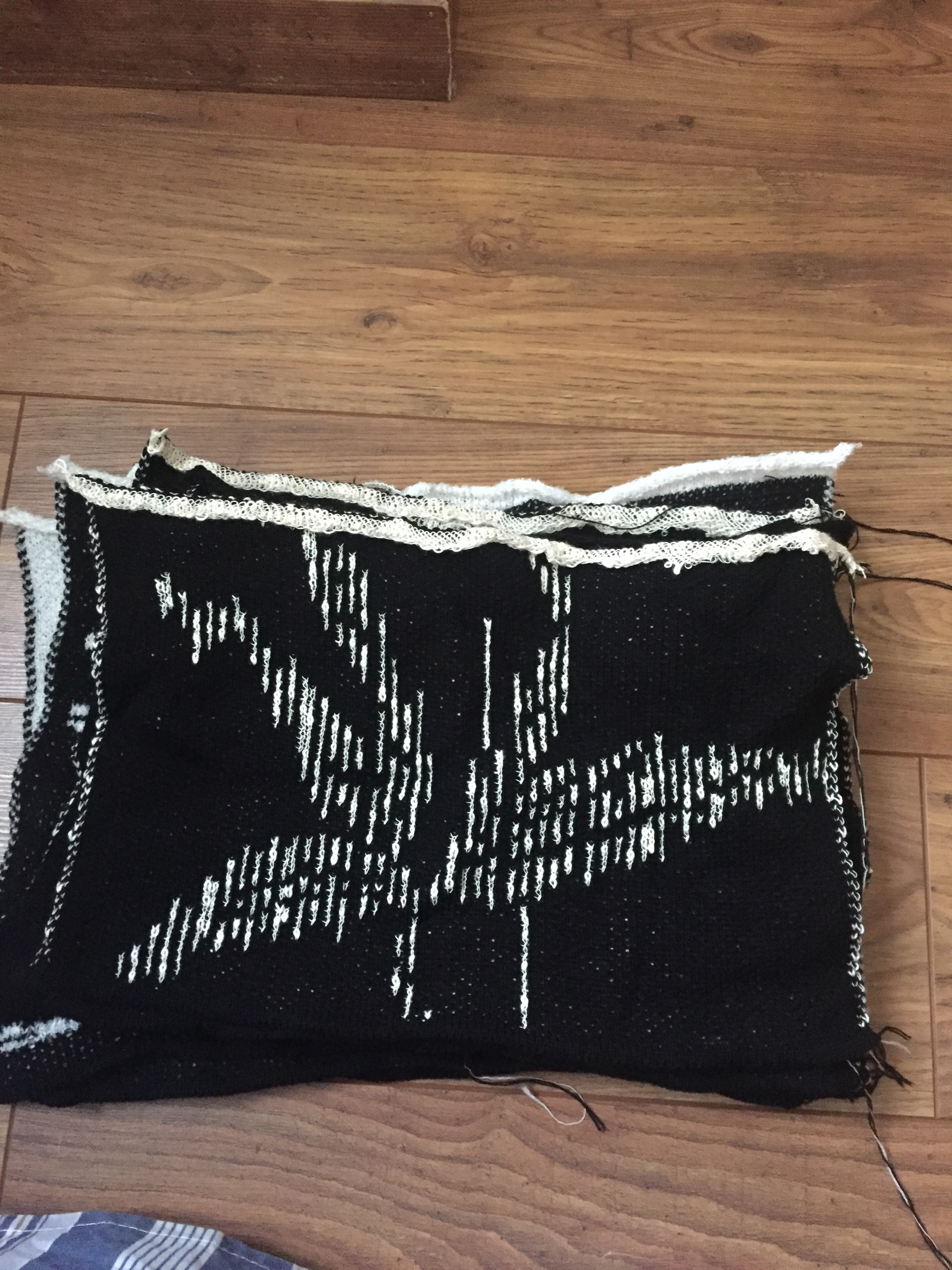
Having picked an electronic form pictures I’ve decided to literally draw with stitch: Use the graphs created and picked as a Jacquard and knit them all on the knitting machine!
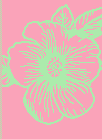
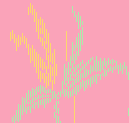
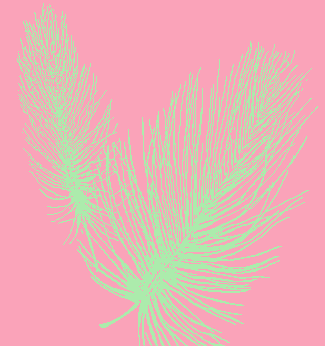
this is a first tryout of the fern style I’ve picked .it’s in an acrylic yarn .
that’s the original fern design
I’ve reversed the cols and used boucle yarn for base.
boucle yarn to create the fern
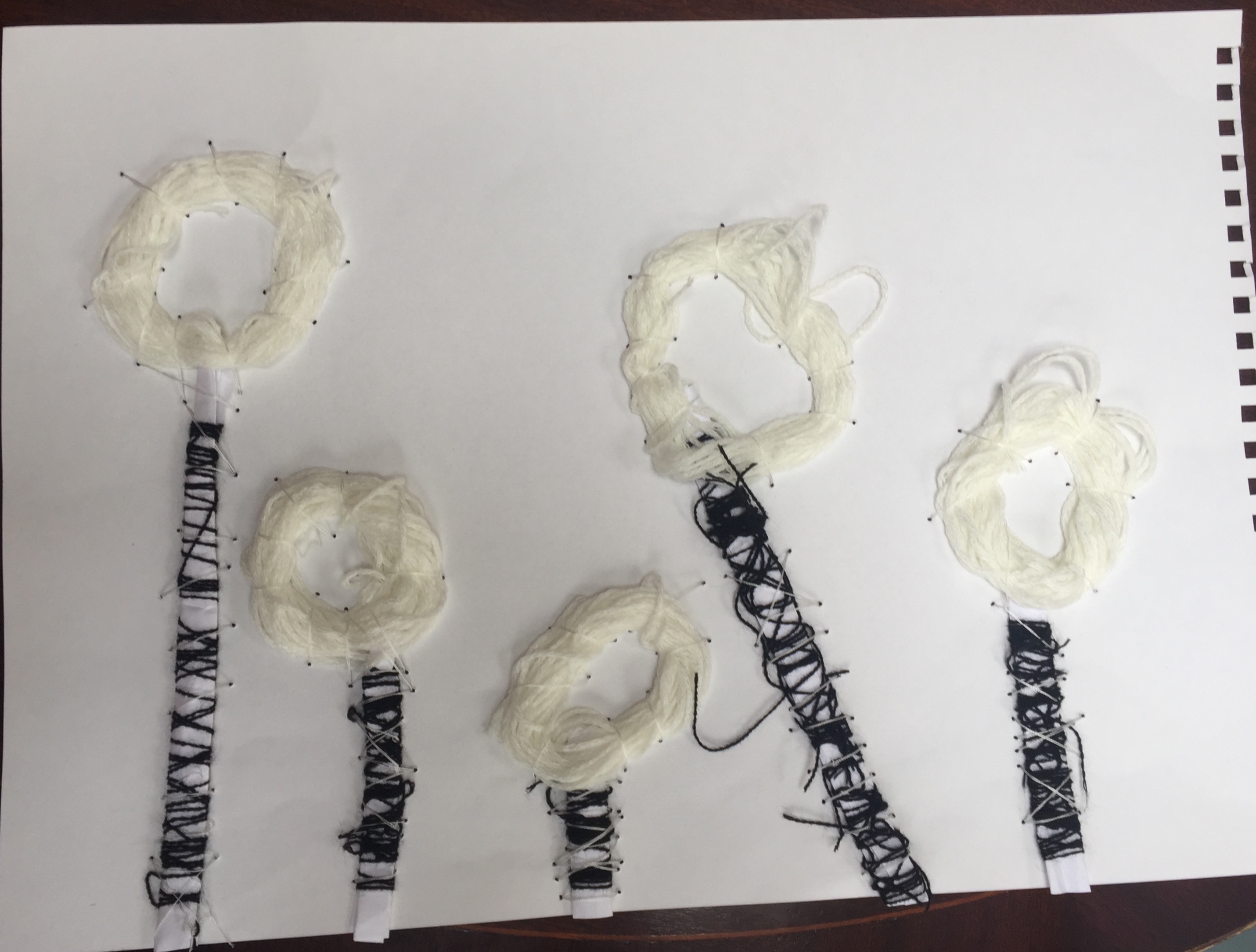
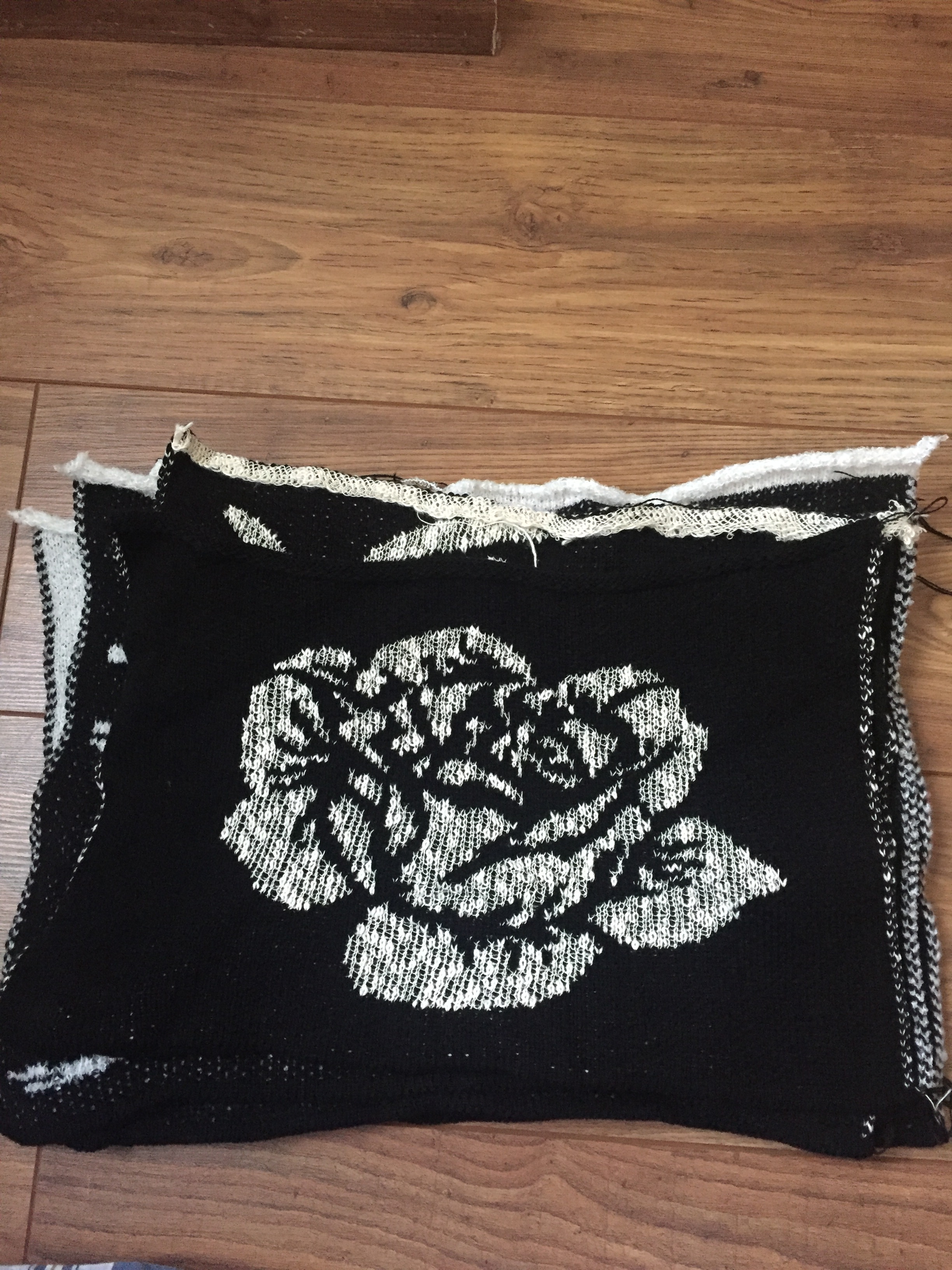
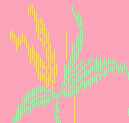
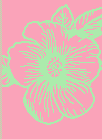
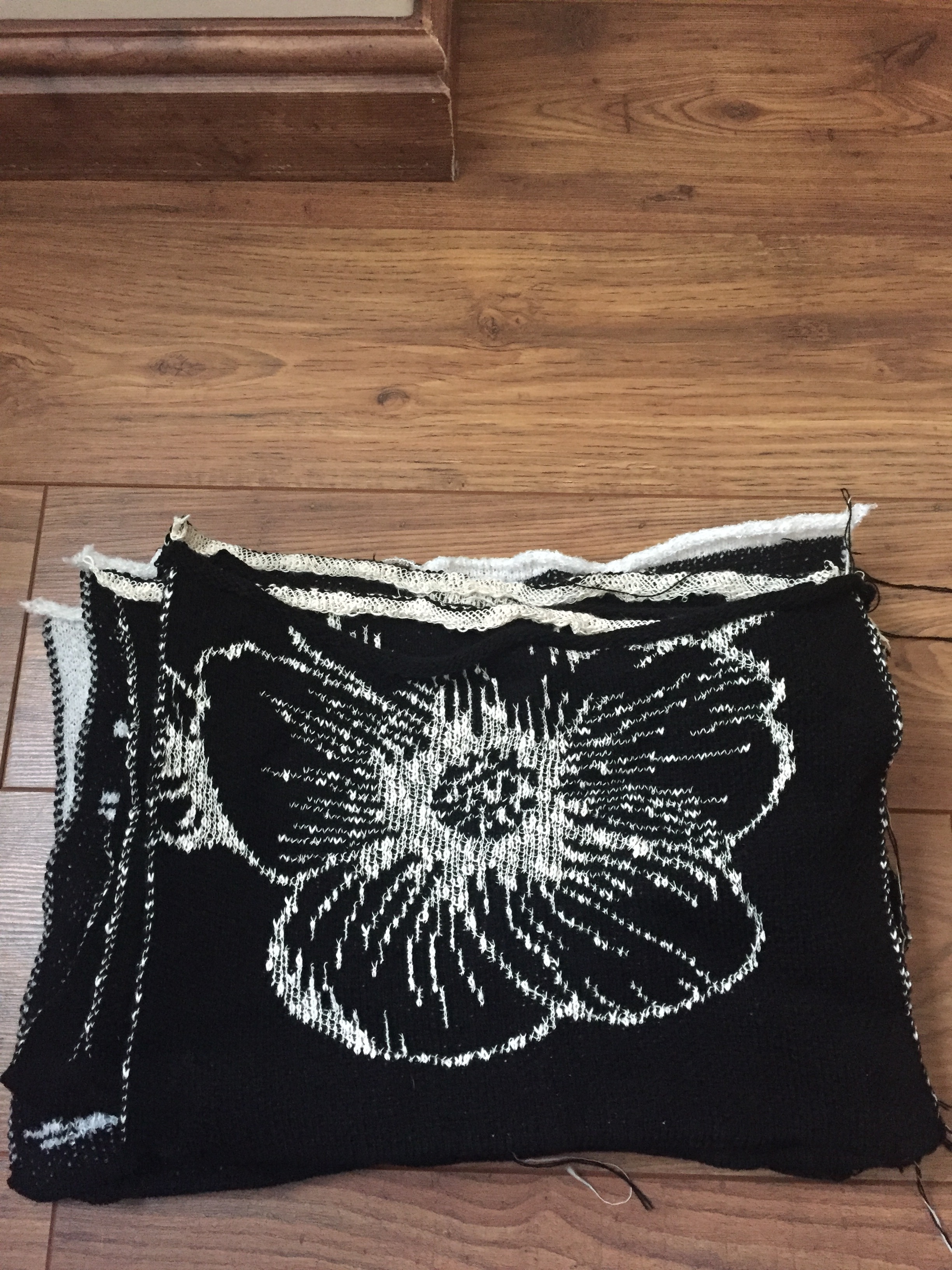
mohair-like yarn after experimenting with different yarns-textures I came up with the best option : cotton slub (thick and thin) yarn which gives a very interesting looking fabric.rose graph
this graph was originally 3 col but I’ve converted it into monochrome.
the last 3 images were created as 3 col graphs and I’ve kept them the same using different yarn textures:
color combination did not work out, but I’ve used thick and thin yarns in order to have a different textureslub and mohair-like yarn . colored yarn used in this case in order to show more texture slub and boucle yarns
Assignment two
Stitching: Placed and spaced
<<To conclude Part Two of the course, in this assignment you’ll develop new stitched textiles work building on the stitched paper explorations you’ve just made. This assignment should feel like a relatively smooth transition from paper into textiles.
Aims:
Your aims in this assignment should be to:
• consolidate your exploration so far by creating a series of stitched textiles
• employ observational and compositional skills, as well as material and technique handling, in the creation of stitched textiles.>>
—–Following my tutor’s feedback regarding a proven record of the process of textile creation I’ve decided to start from scratch and follow his advice by using books he advised in order to overcome my difficulty and discomfort regarding drawing .
So my steps will be:
. take pictures of flowers
. draw them on paper
. create fabric using my drawing
and then do my stitching on them fabrics in order to add a personal touch and feel on them.
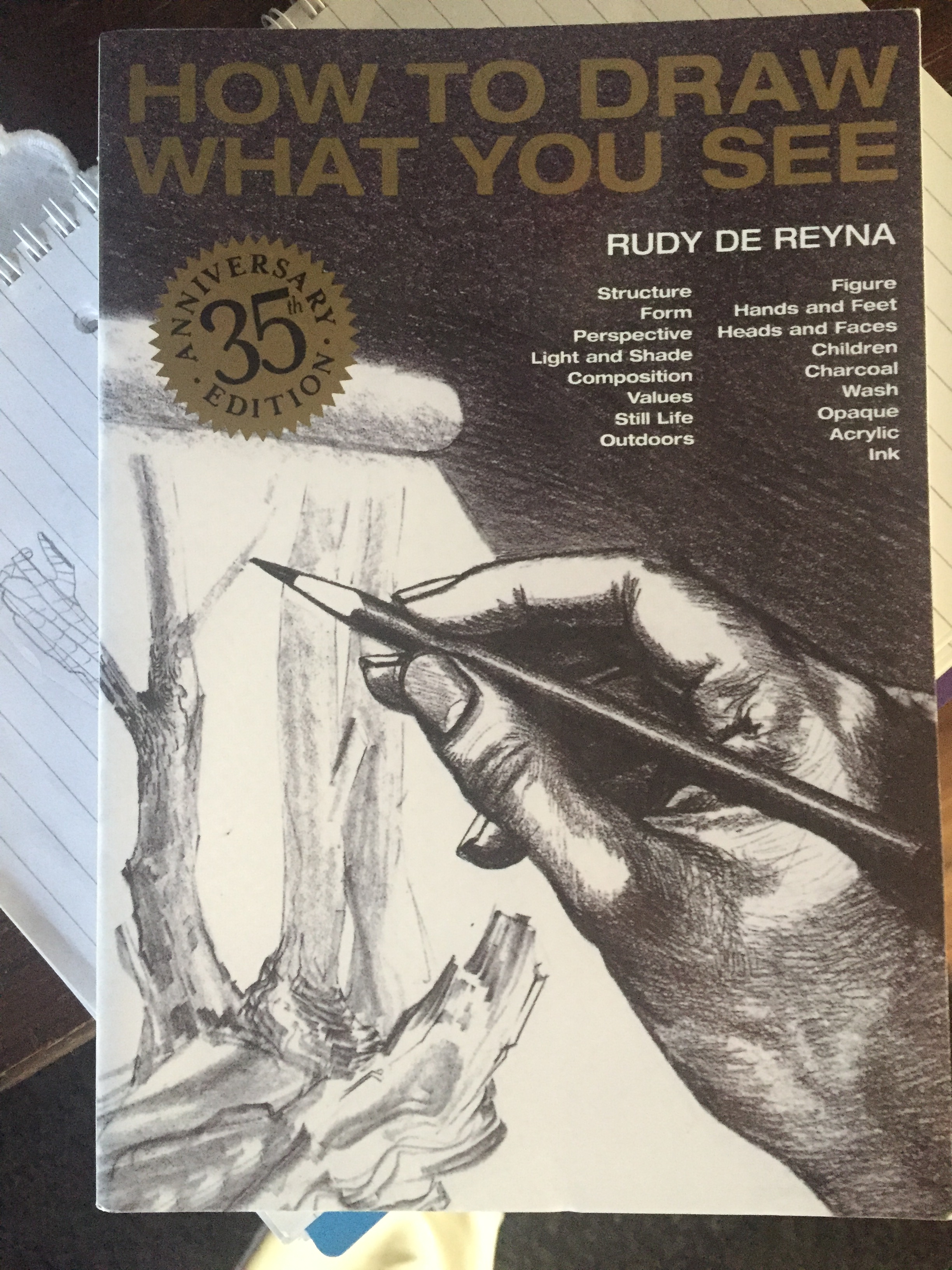
the first book I bought is: << DRAWING WHAT YOU SEE>> by RUDY DE REYNA which I found quite challenging as its mainly drawing with charcoal and developing different drawing techniques it is something I will definitely consider going forward but I still thing I’m an early stage painter at the moment and I needed something to unlock me up which leads to the next book…
It was a true revelation to me!!!
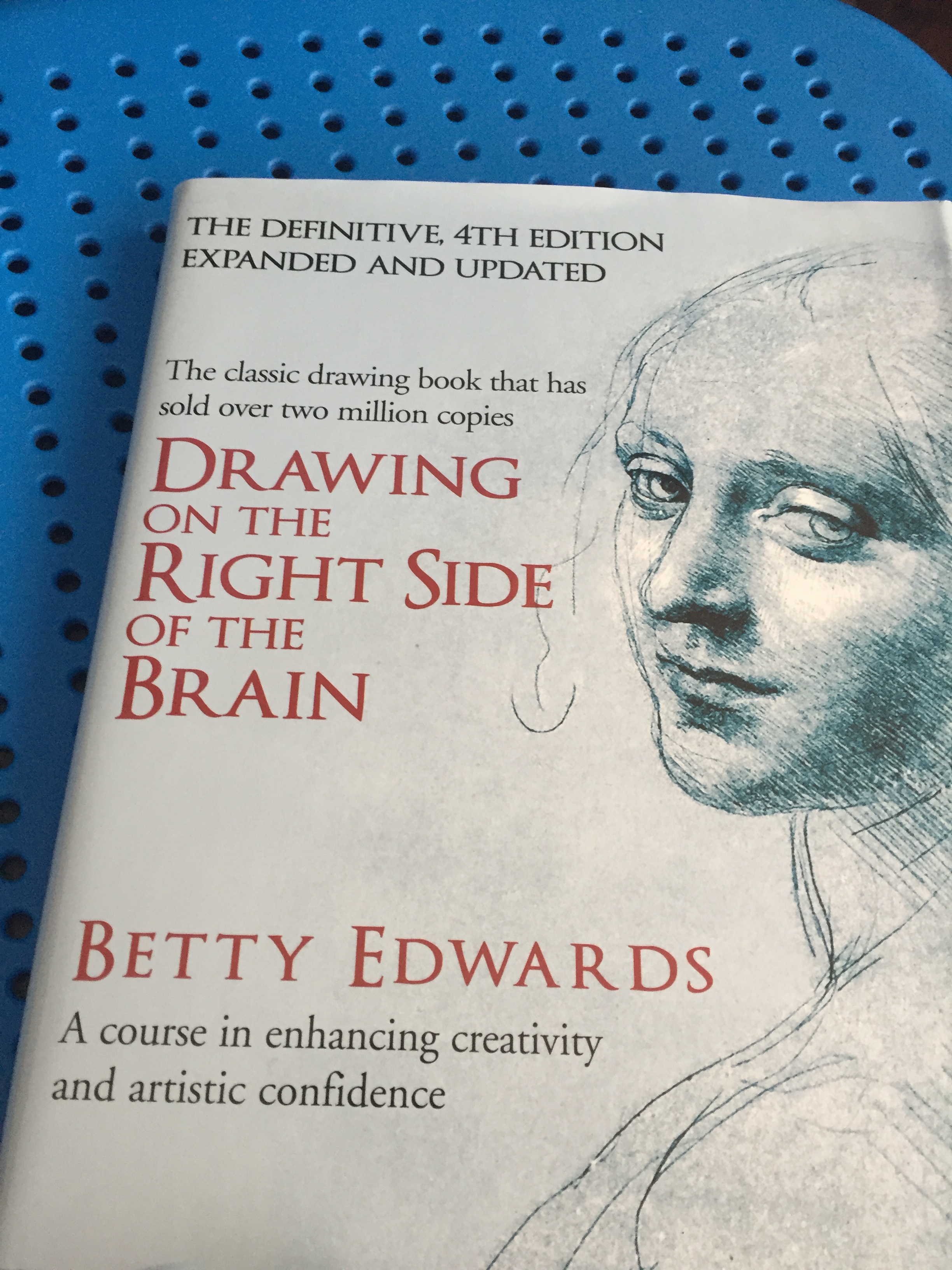
<<Drawing on the right side of the brain >>by Betty Edwards is a masterpiece!
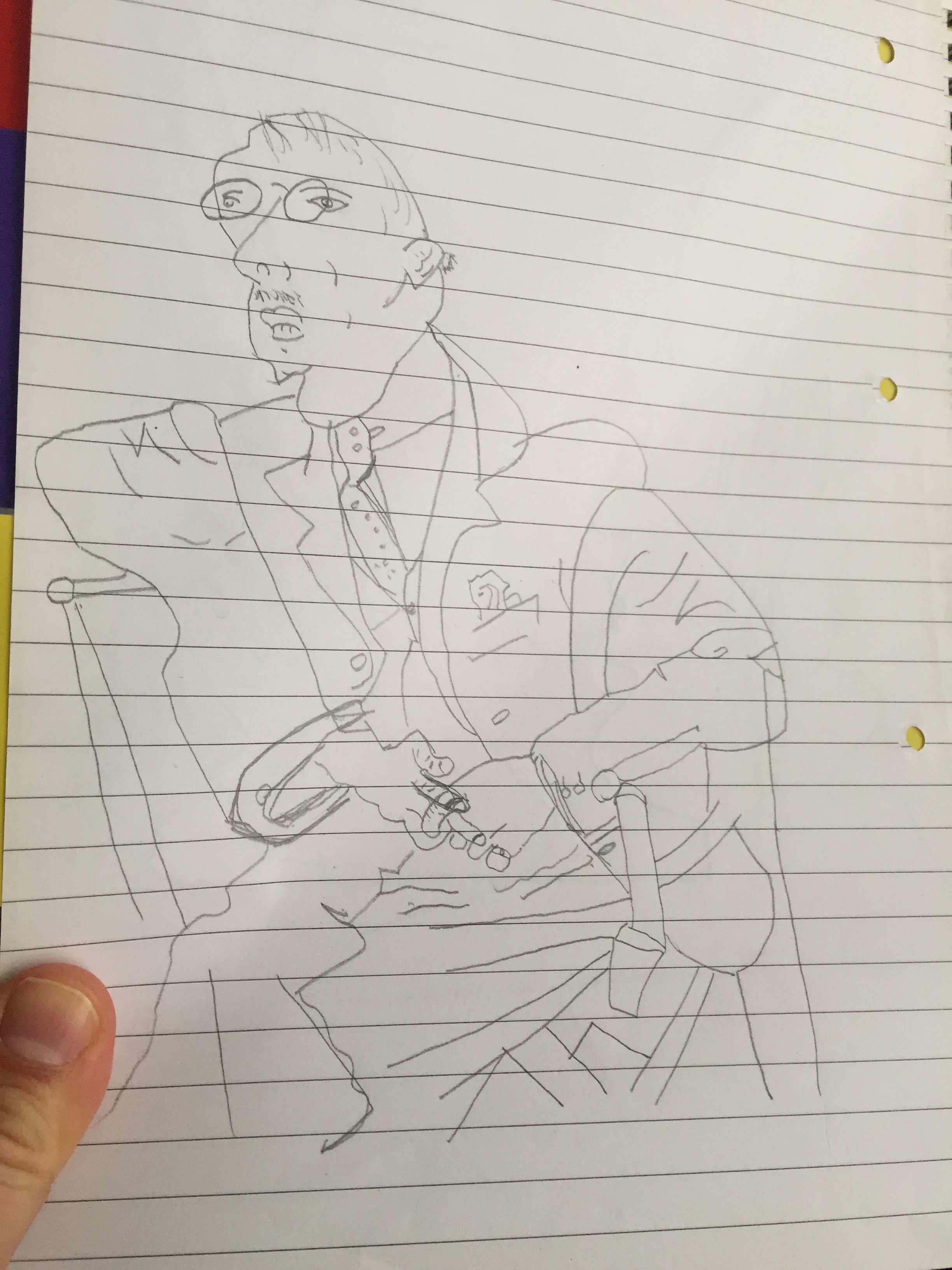
This book has clearly explained to me why I was facing all this difficulties while I was trying to draw, the role of the left and right hemisphere of the brain, how left side is over-powering the right side and how to get in a R mode meaning confuse the left side of the brain so much that it shuts down and leaves space for the right to take over and help you use your skills to create.Amazing experience, which made me look and perceive things in a total different way. First time in my life I managed to copy a drawing by looking at it upside down!!!
that was my initial drawing!I know it doesn’t look that great but I would never ever consider drawing near as that! copy of a Pablo Picasso’s sketch of Igor Stravinsky. second one… I COULD NOT BELIEVE IT!!!
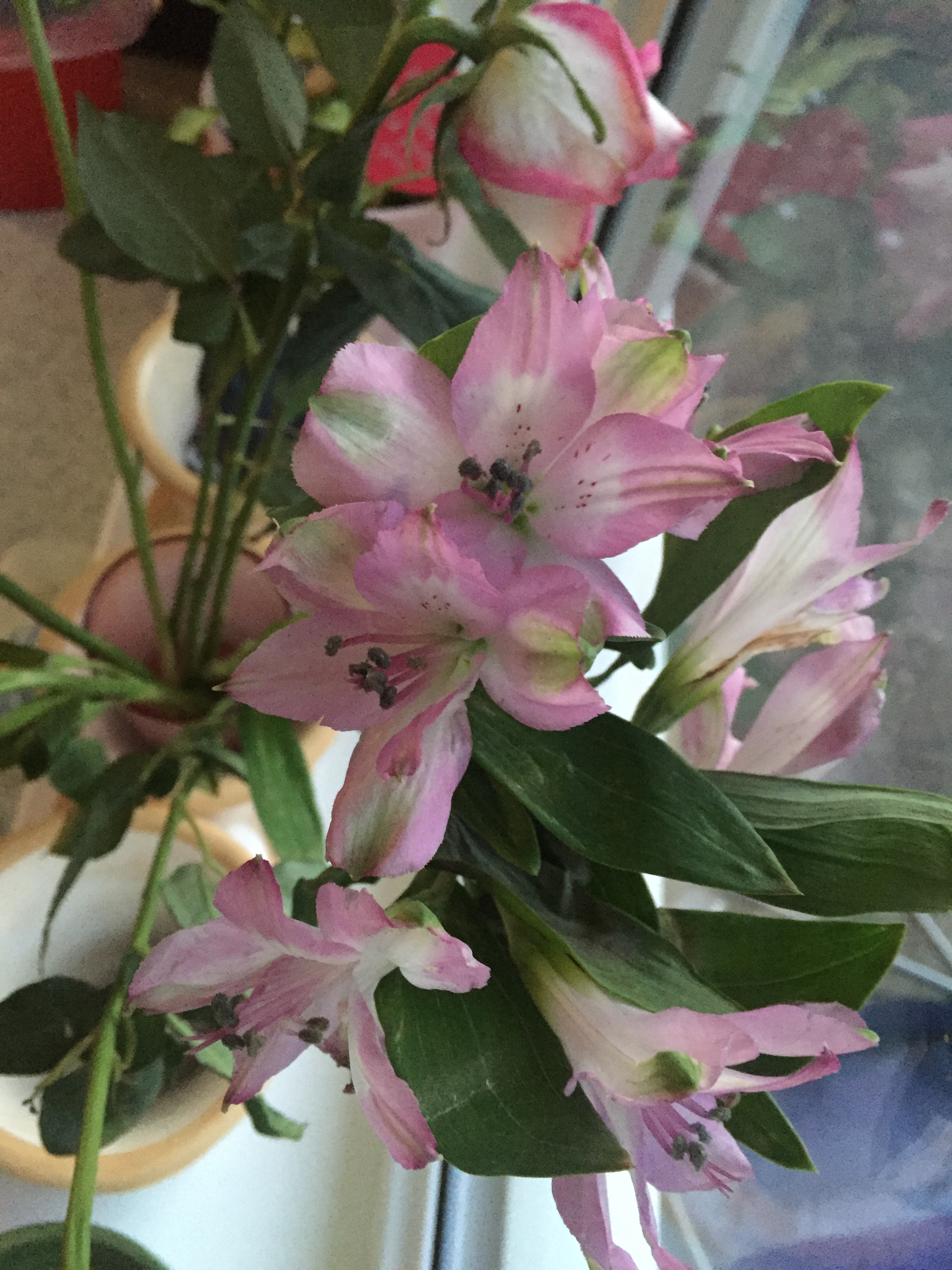
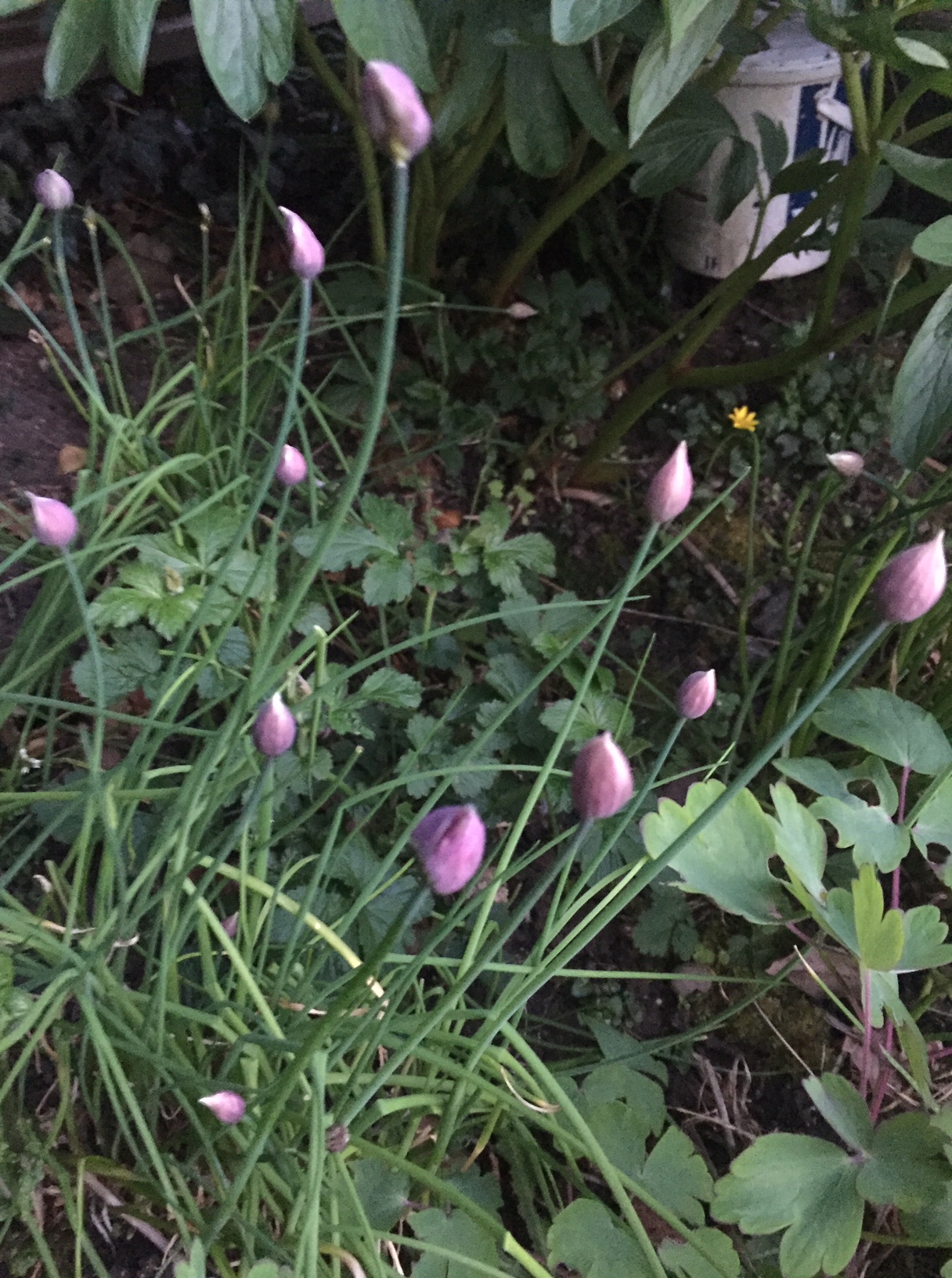
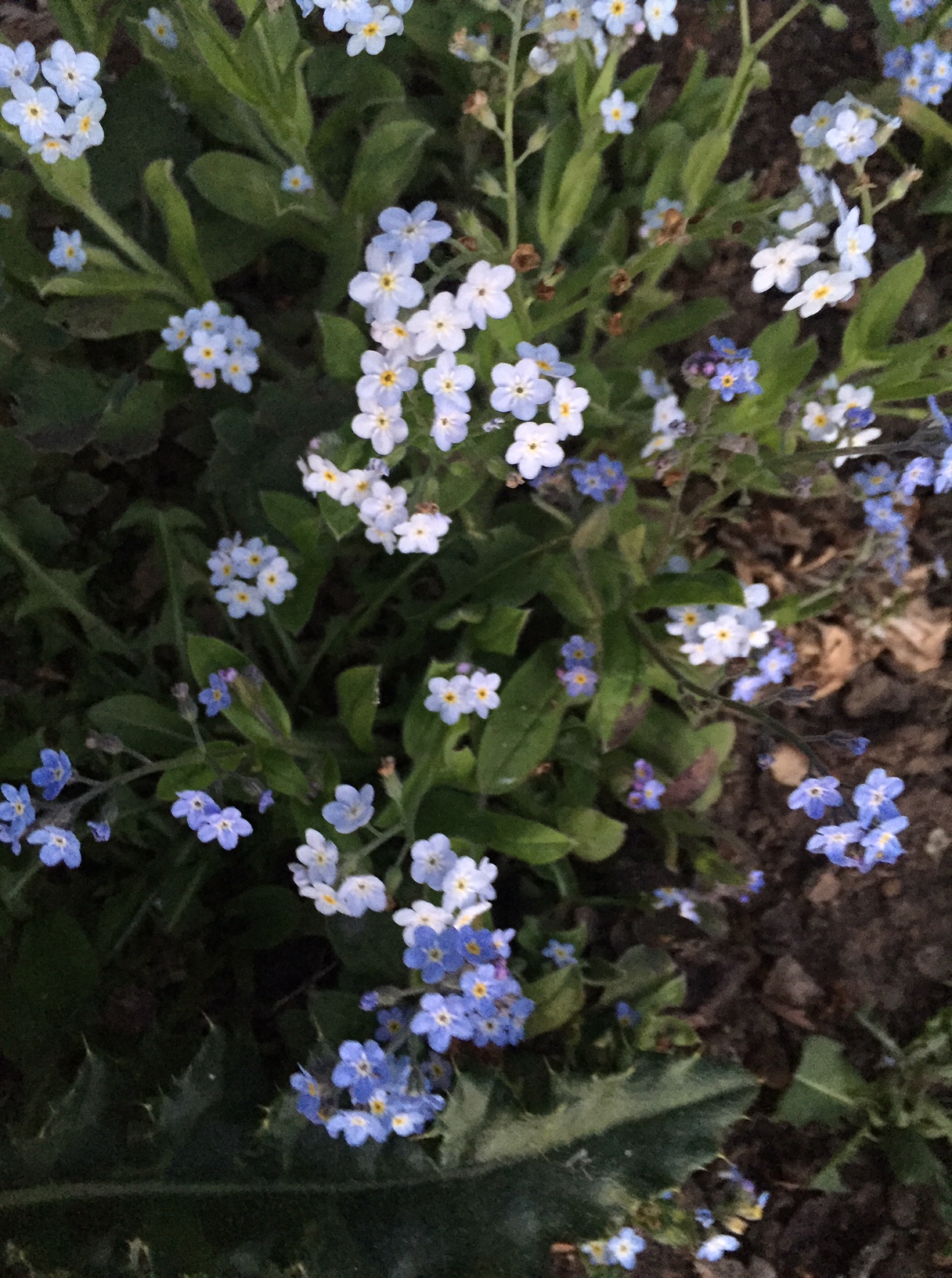
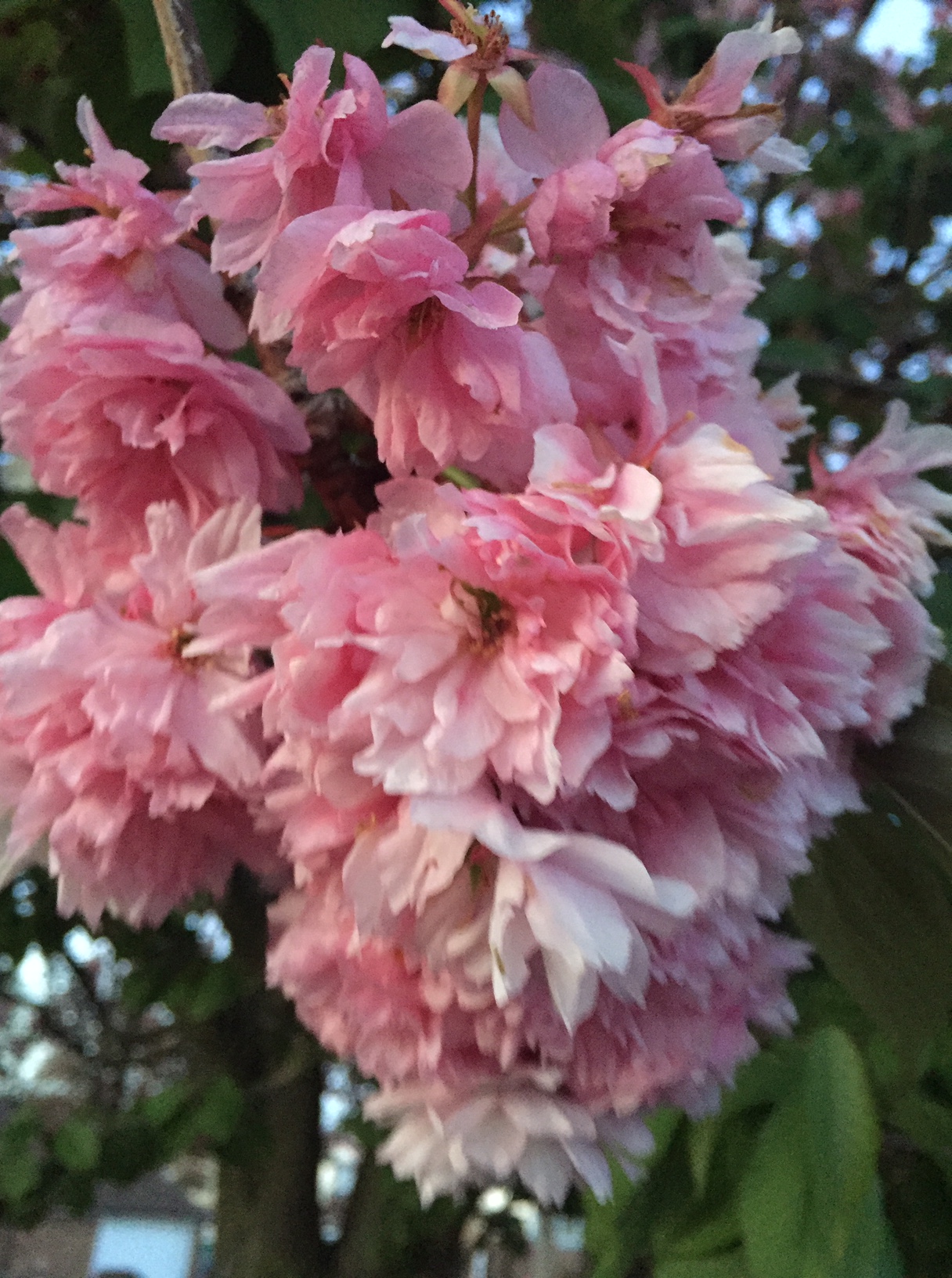
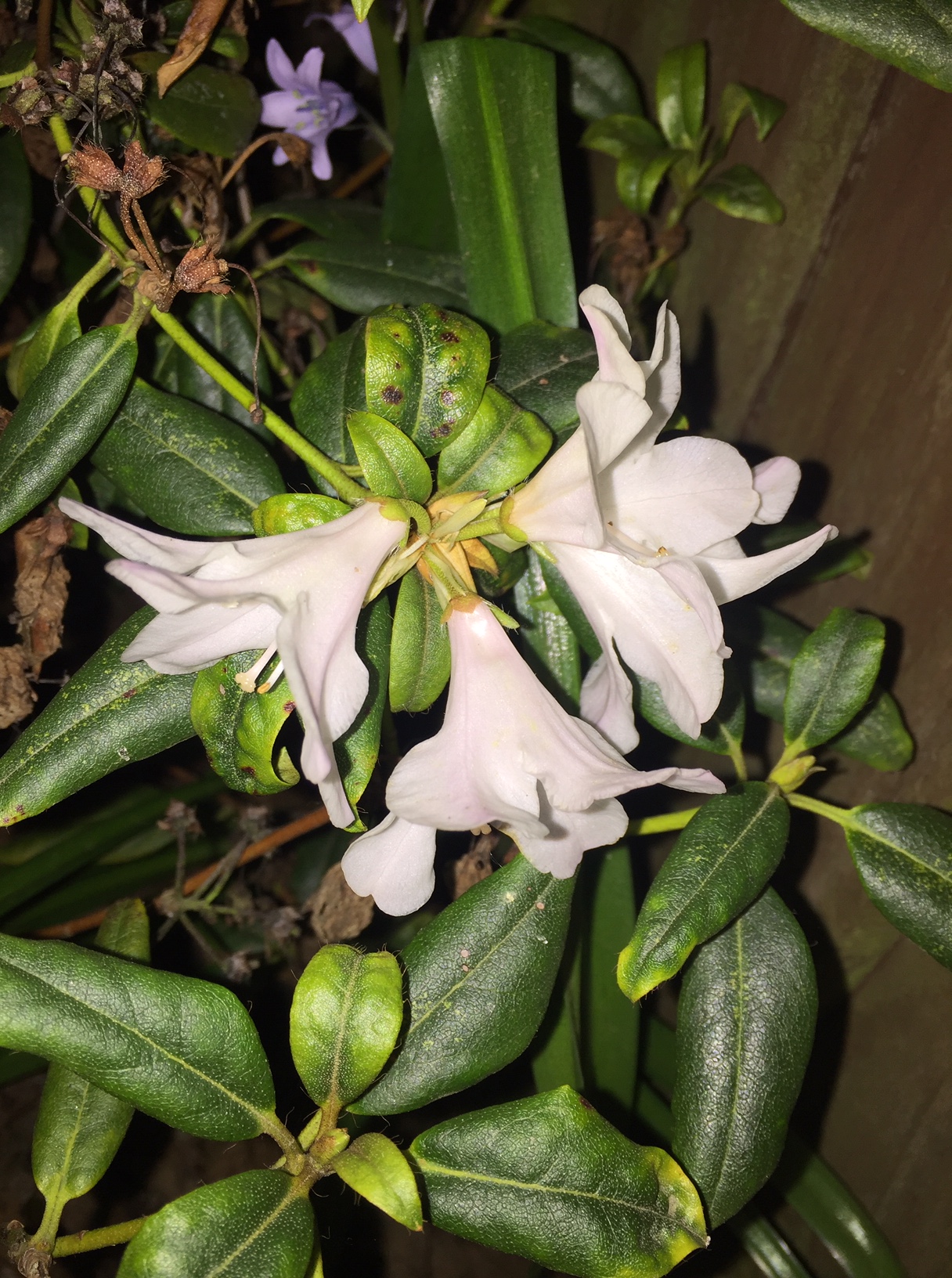
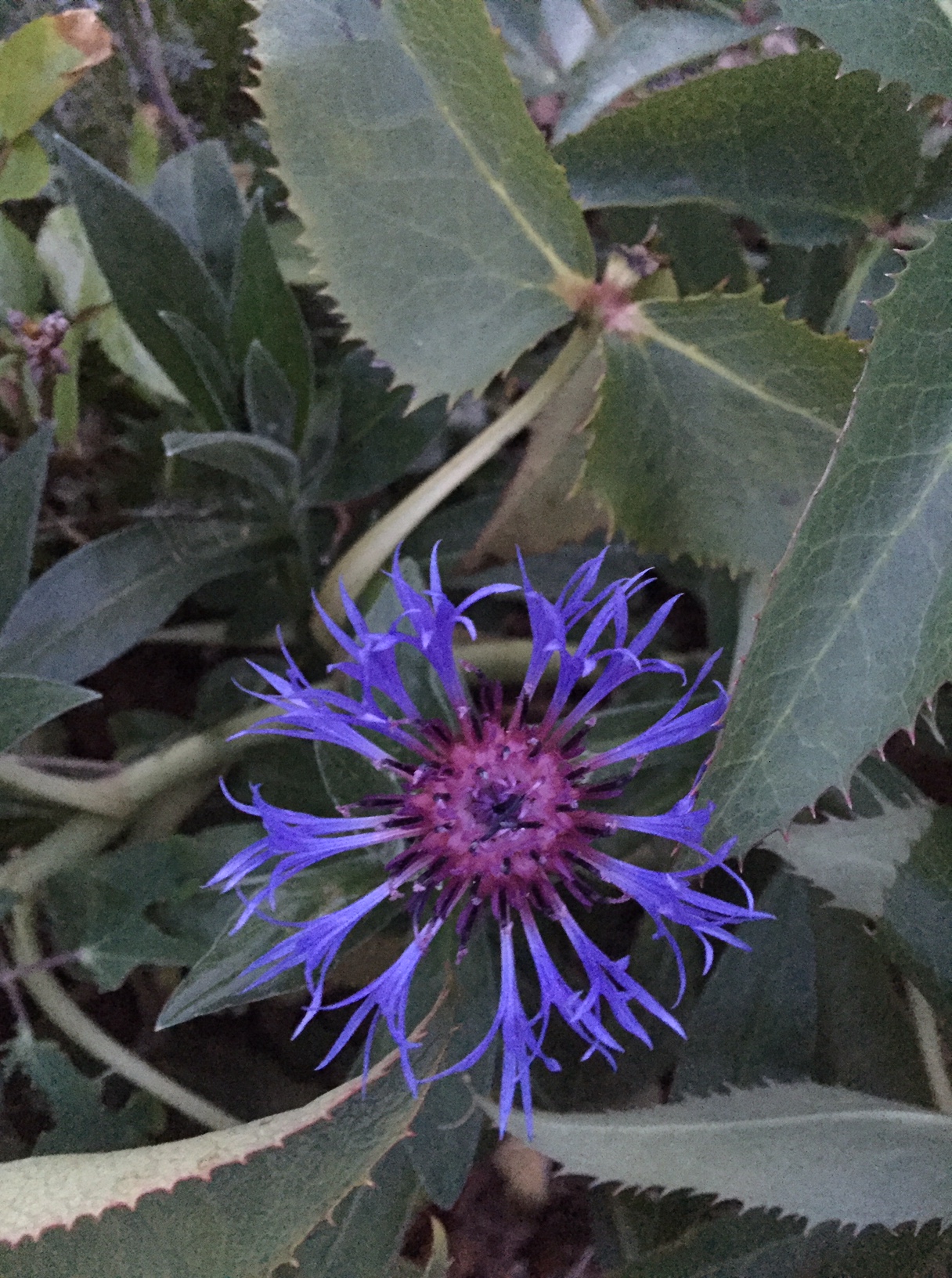
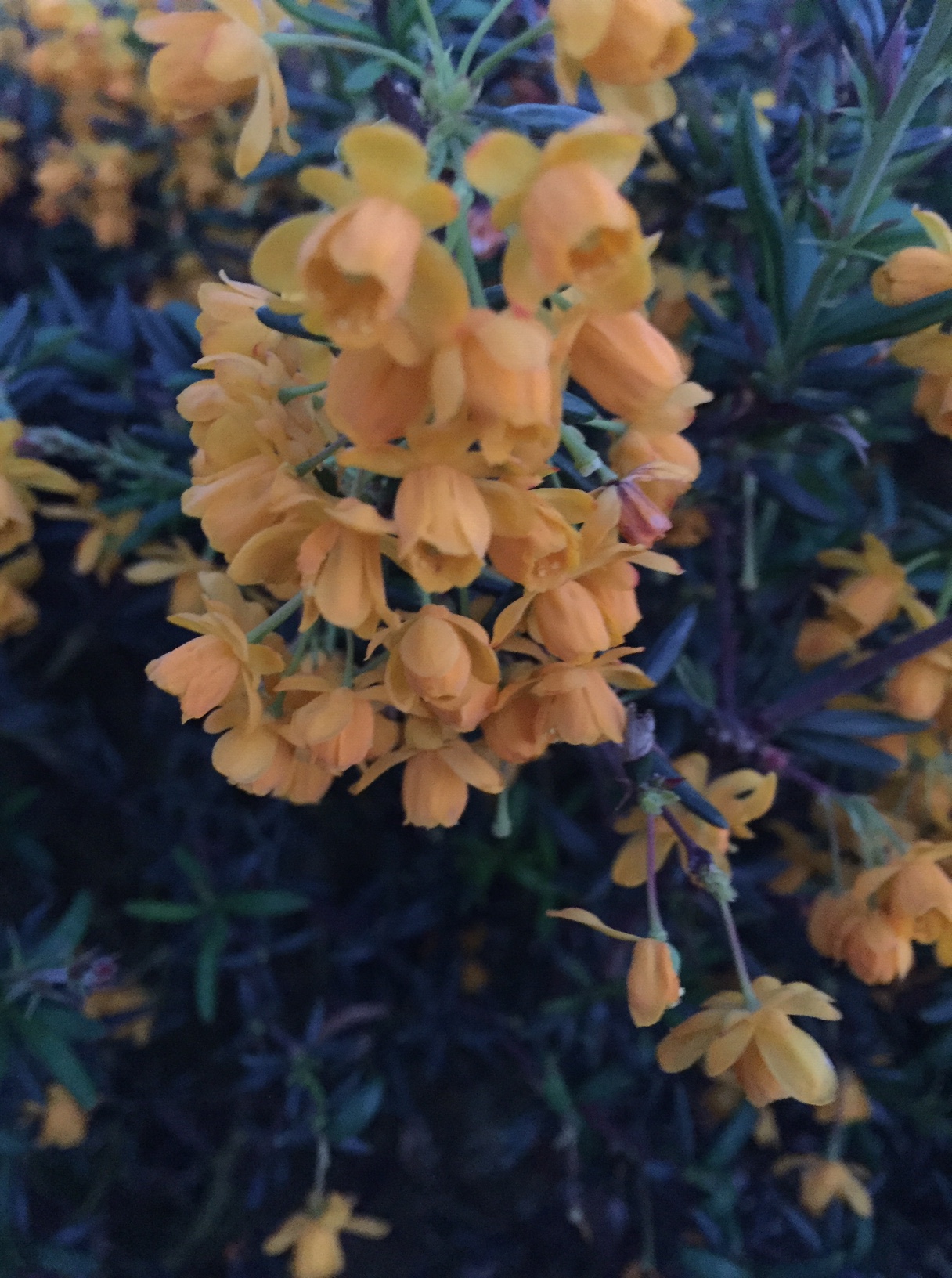
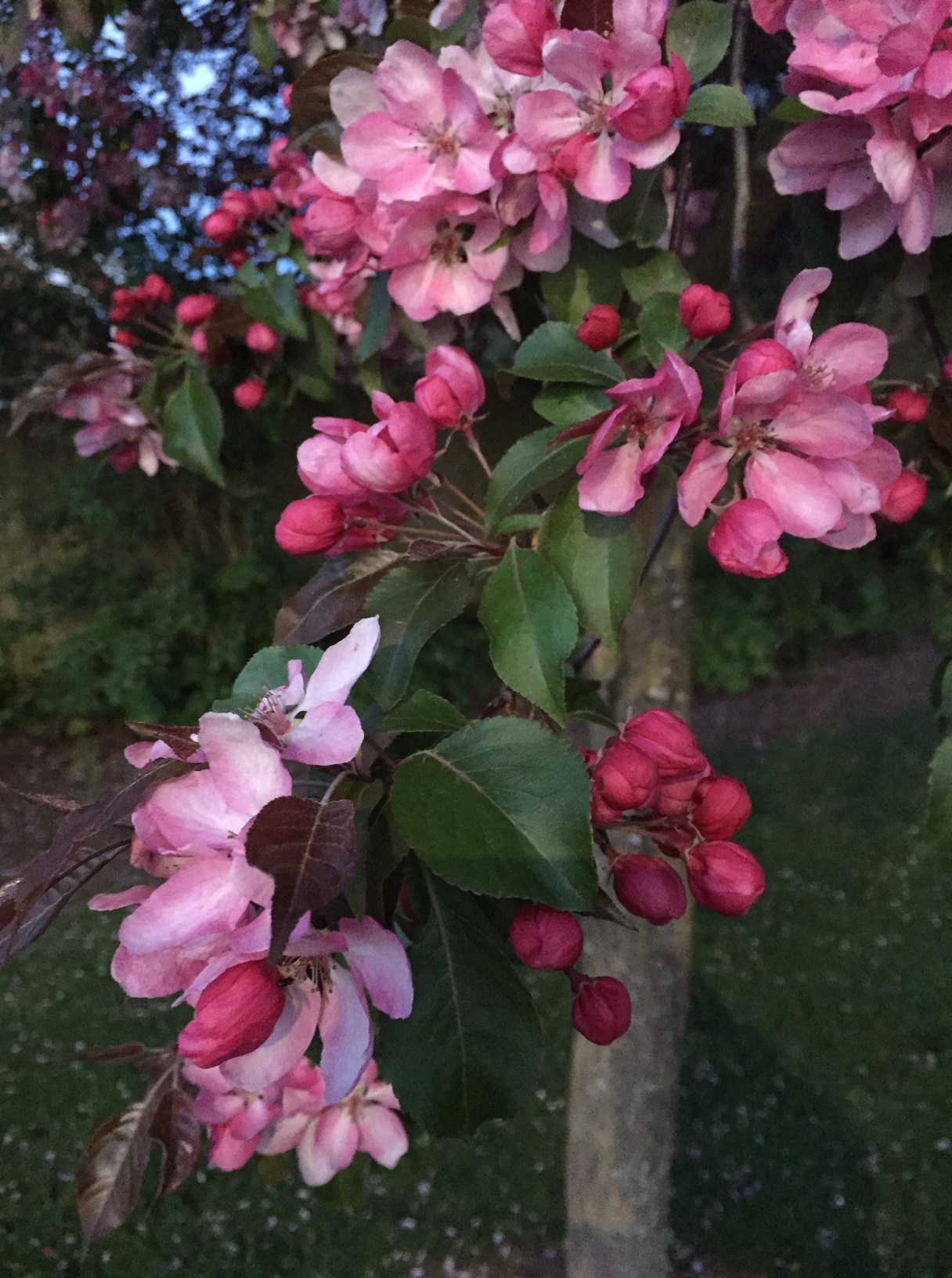
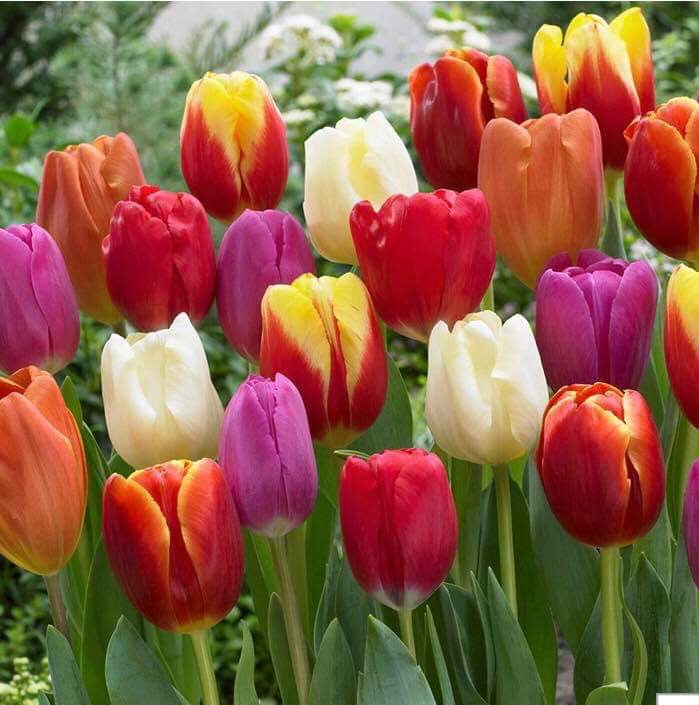
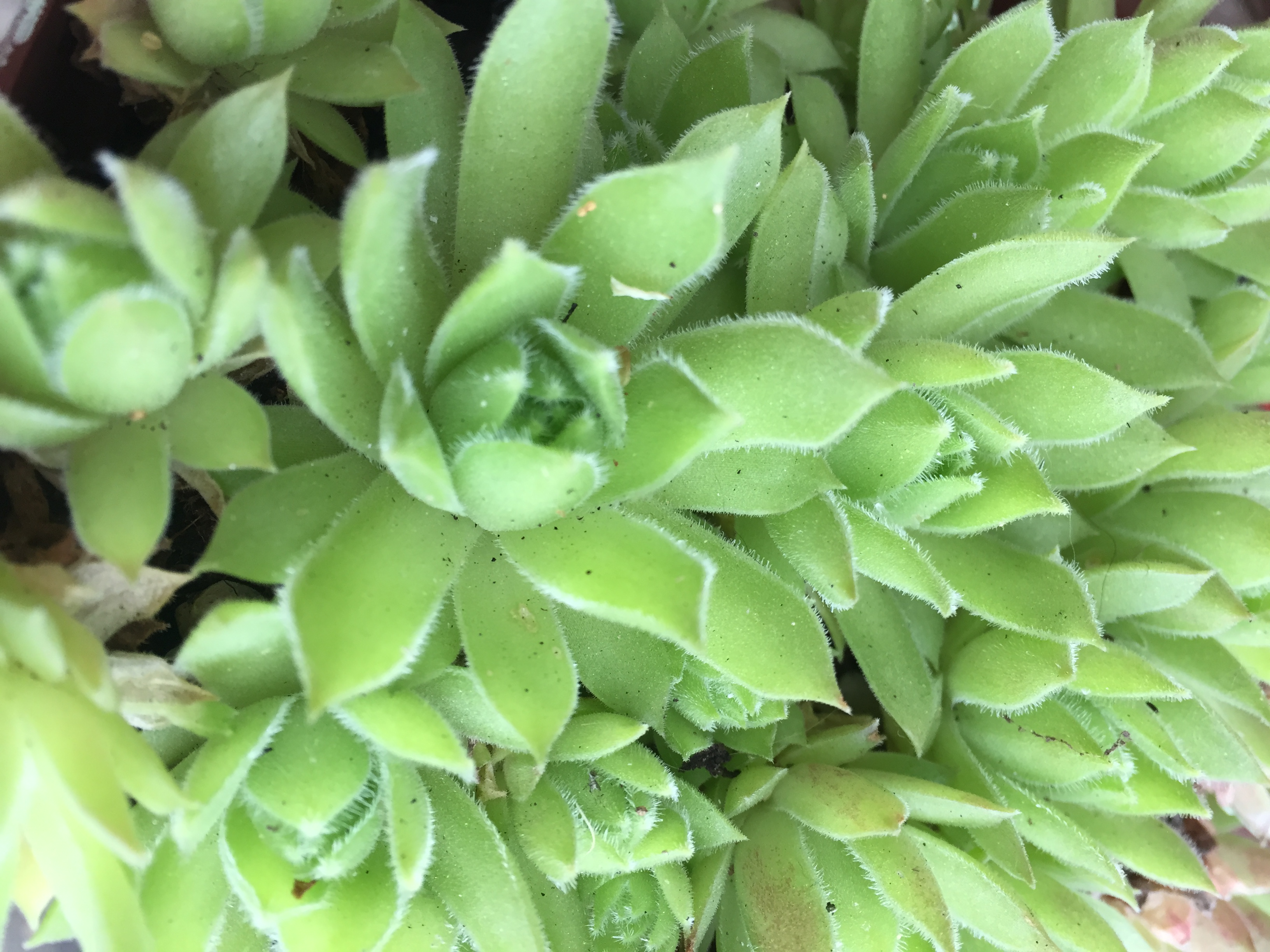
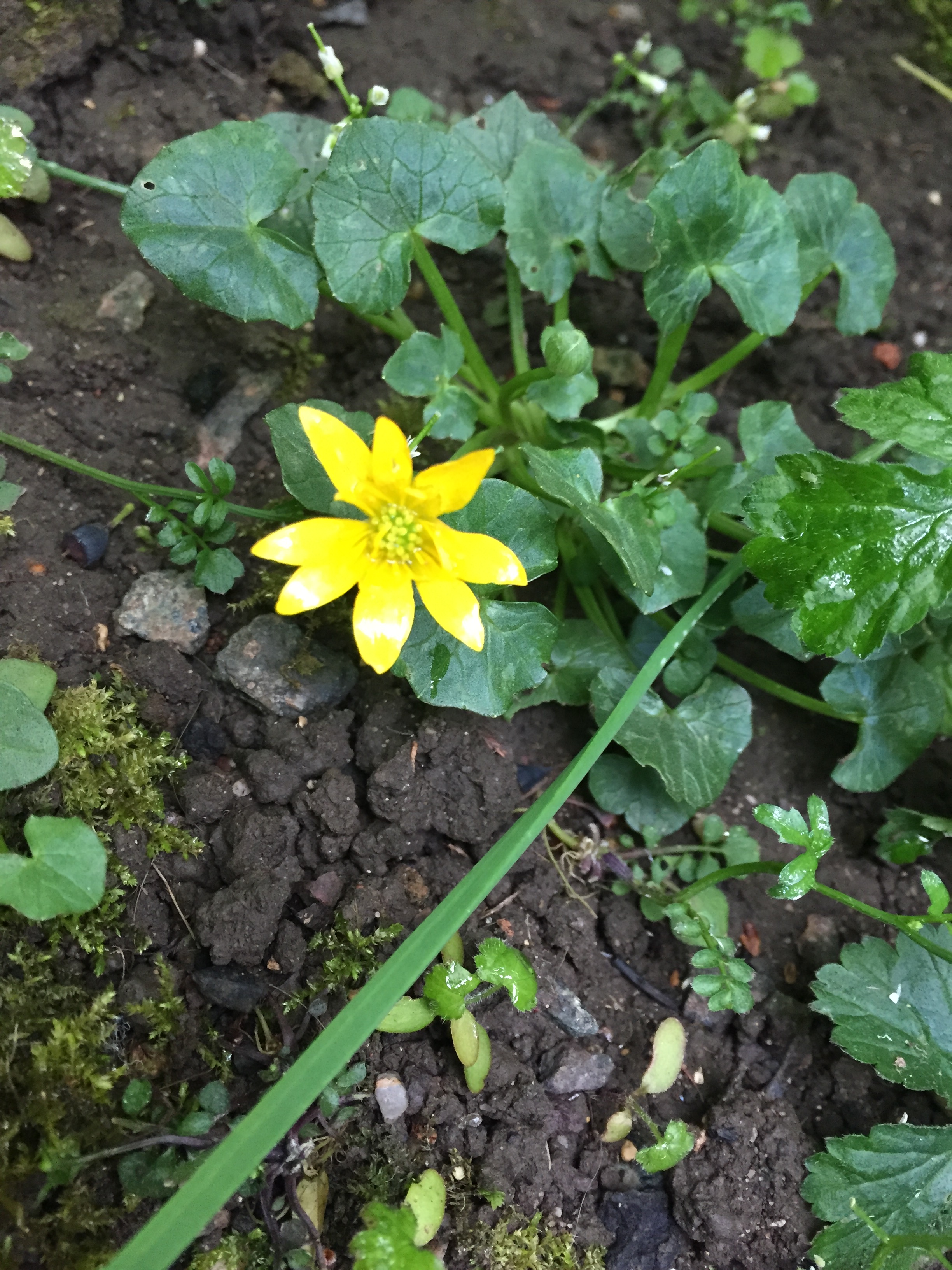
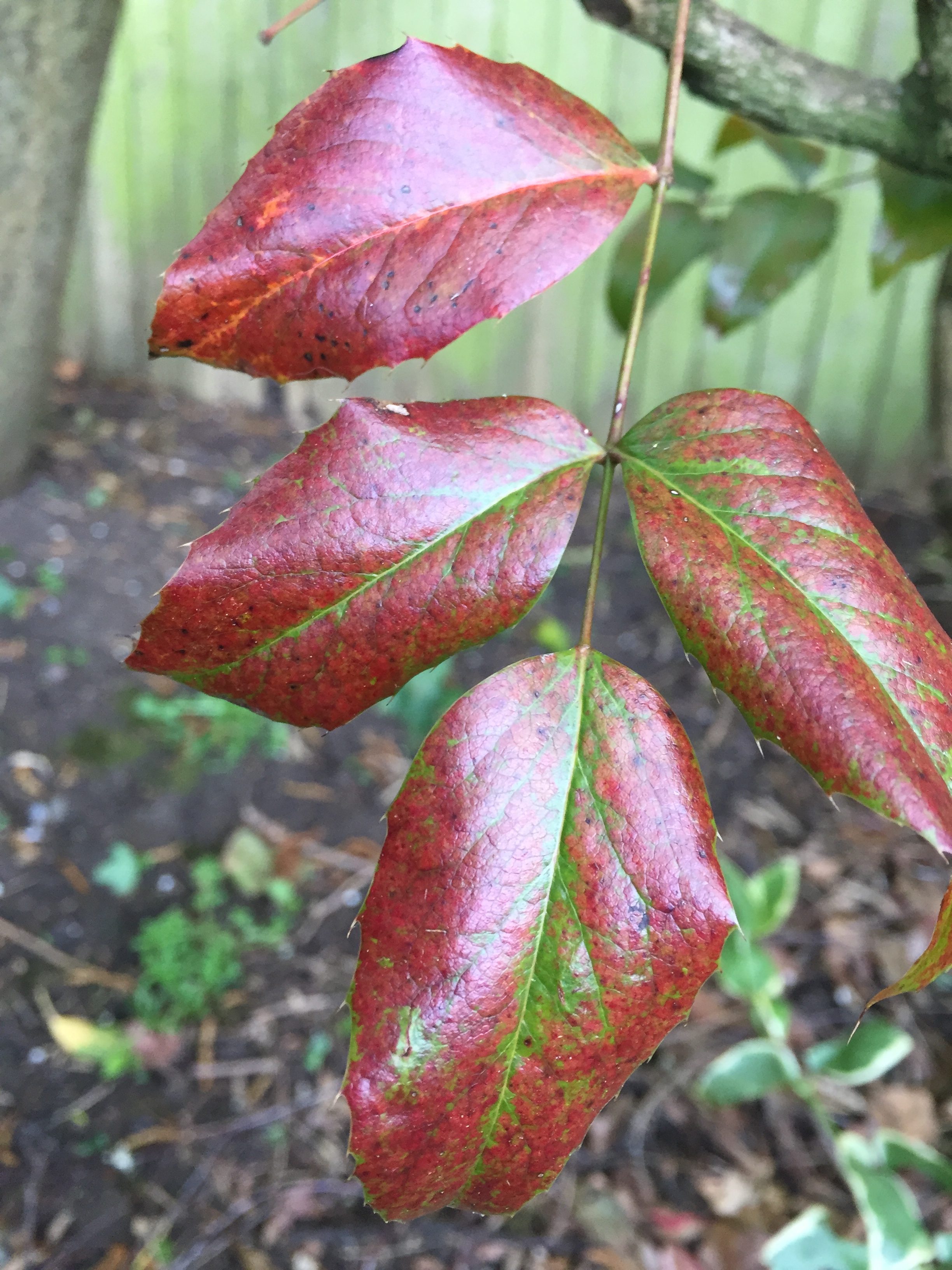
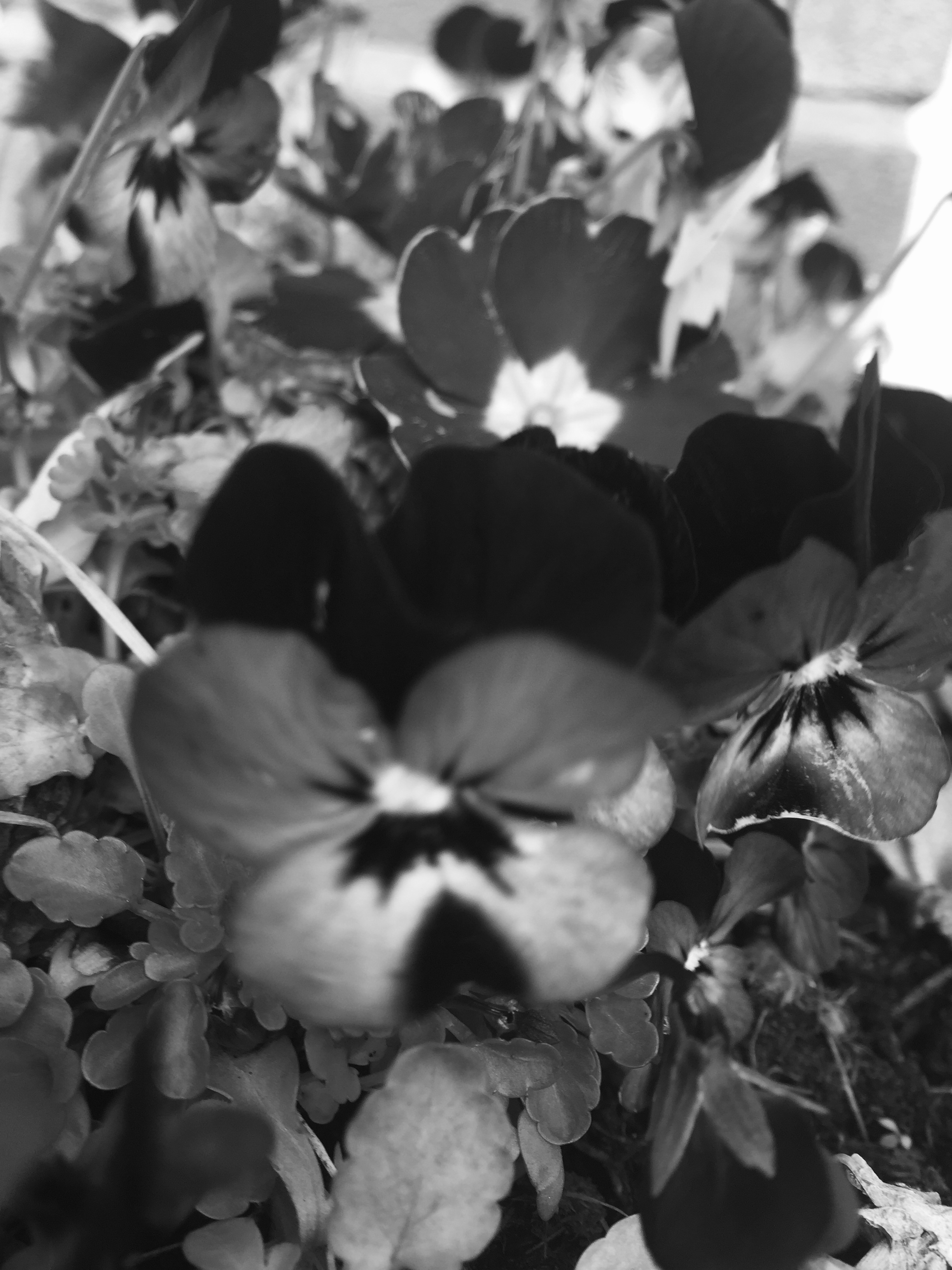
So, being a bit more confident about myself, I went out to take pictures of flowers.
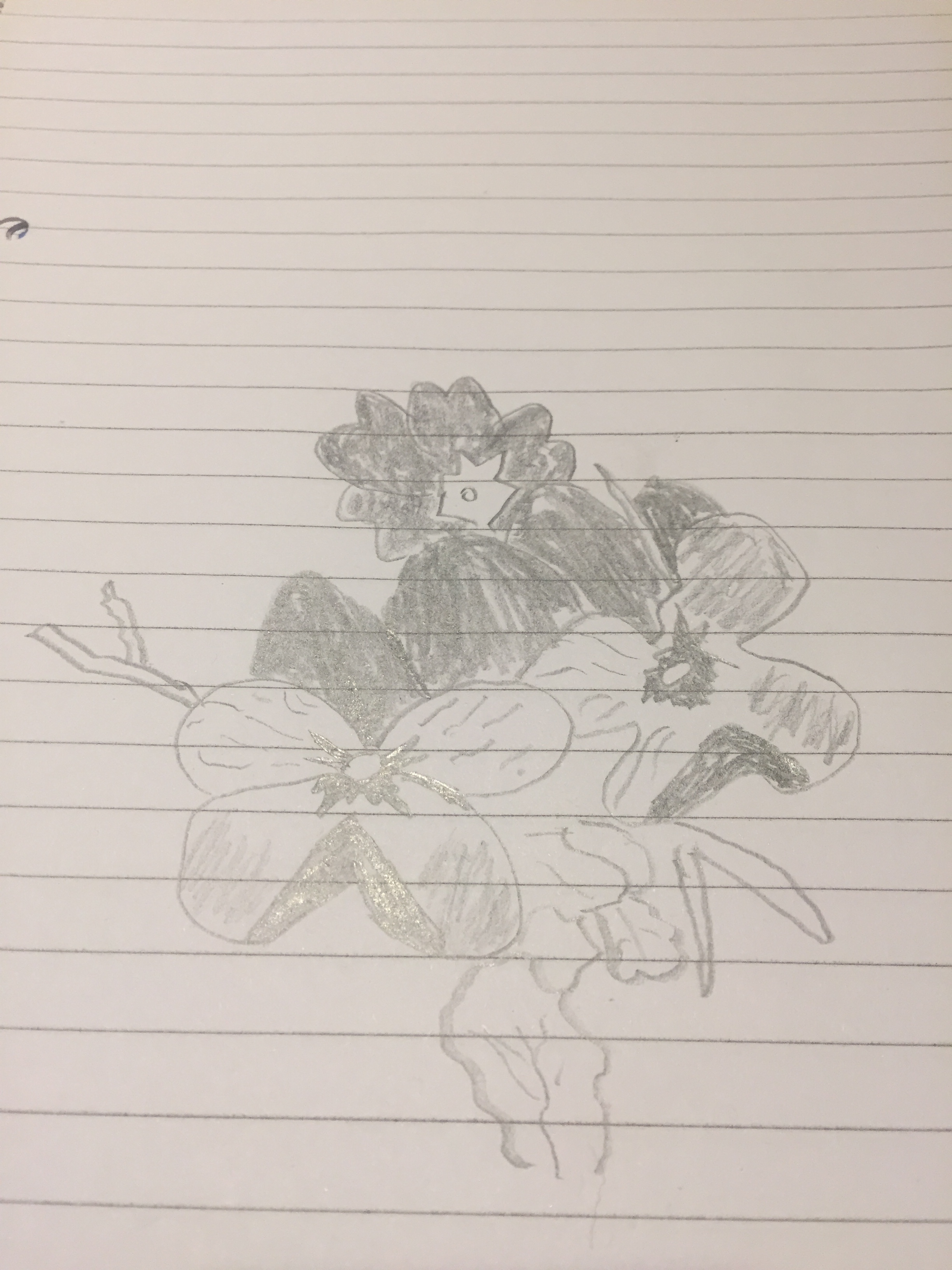
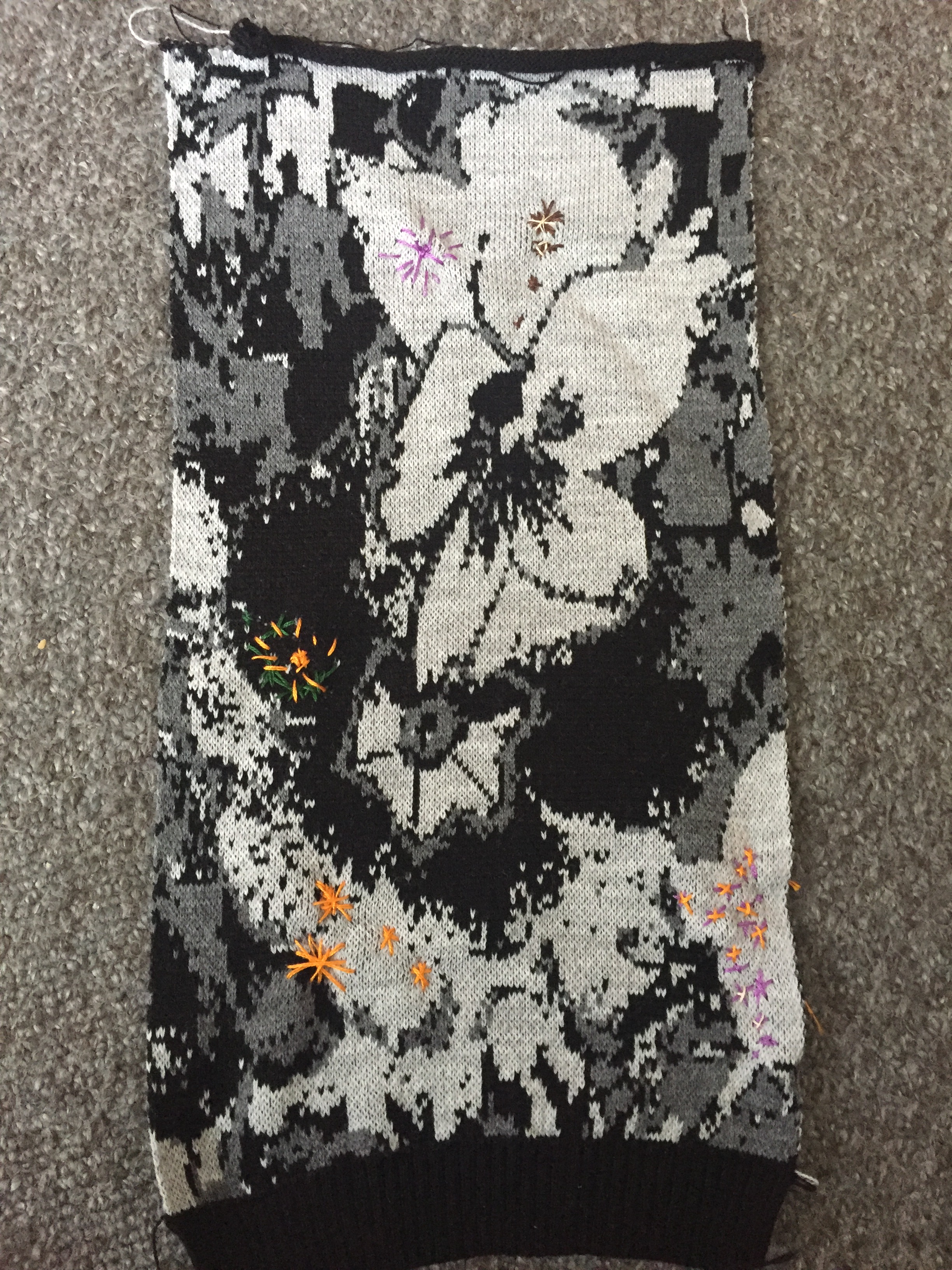
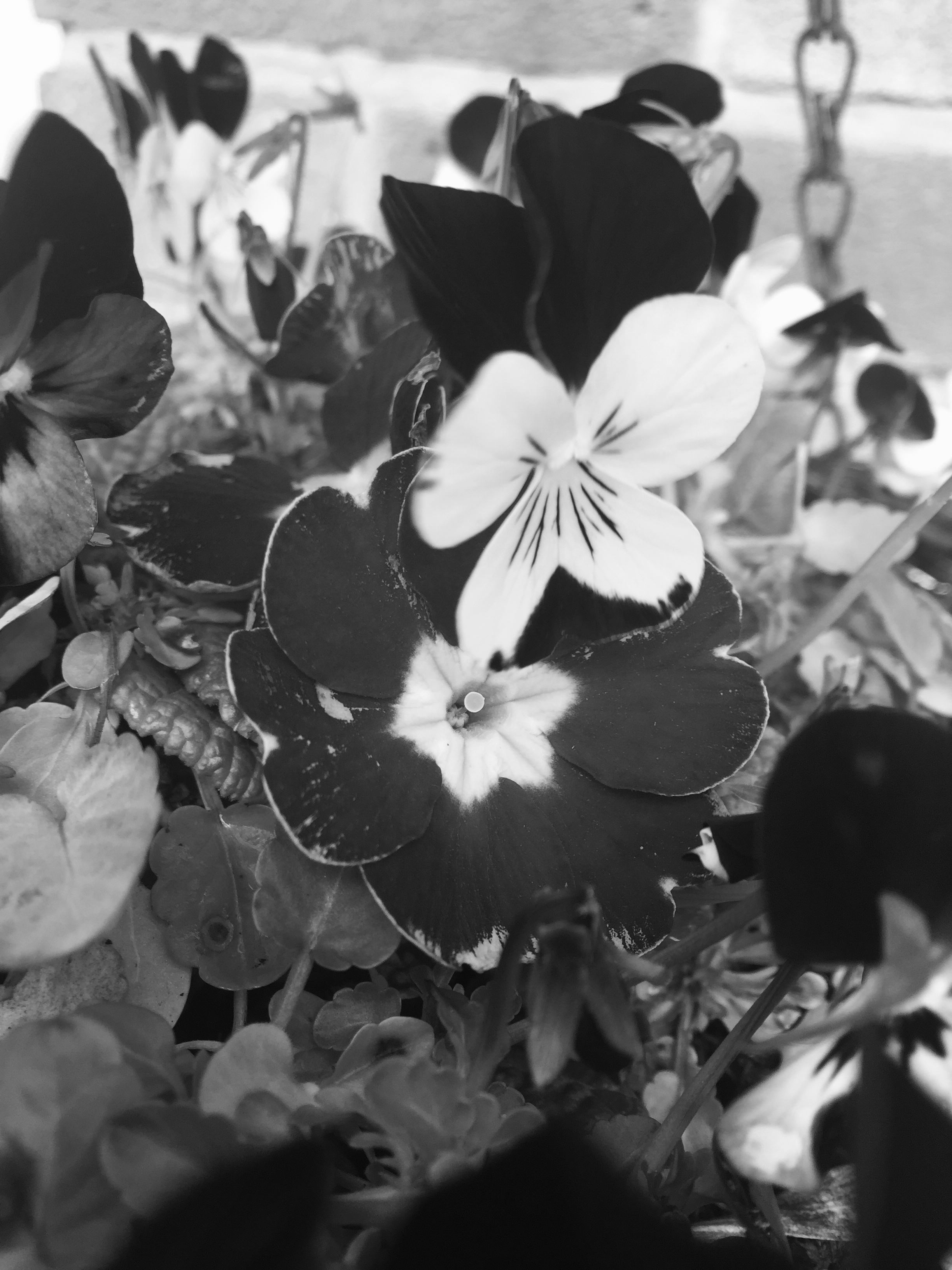
I’ve picked 4 out of many:
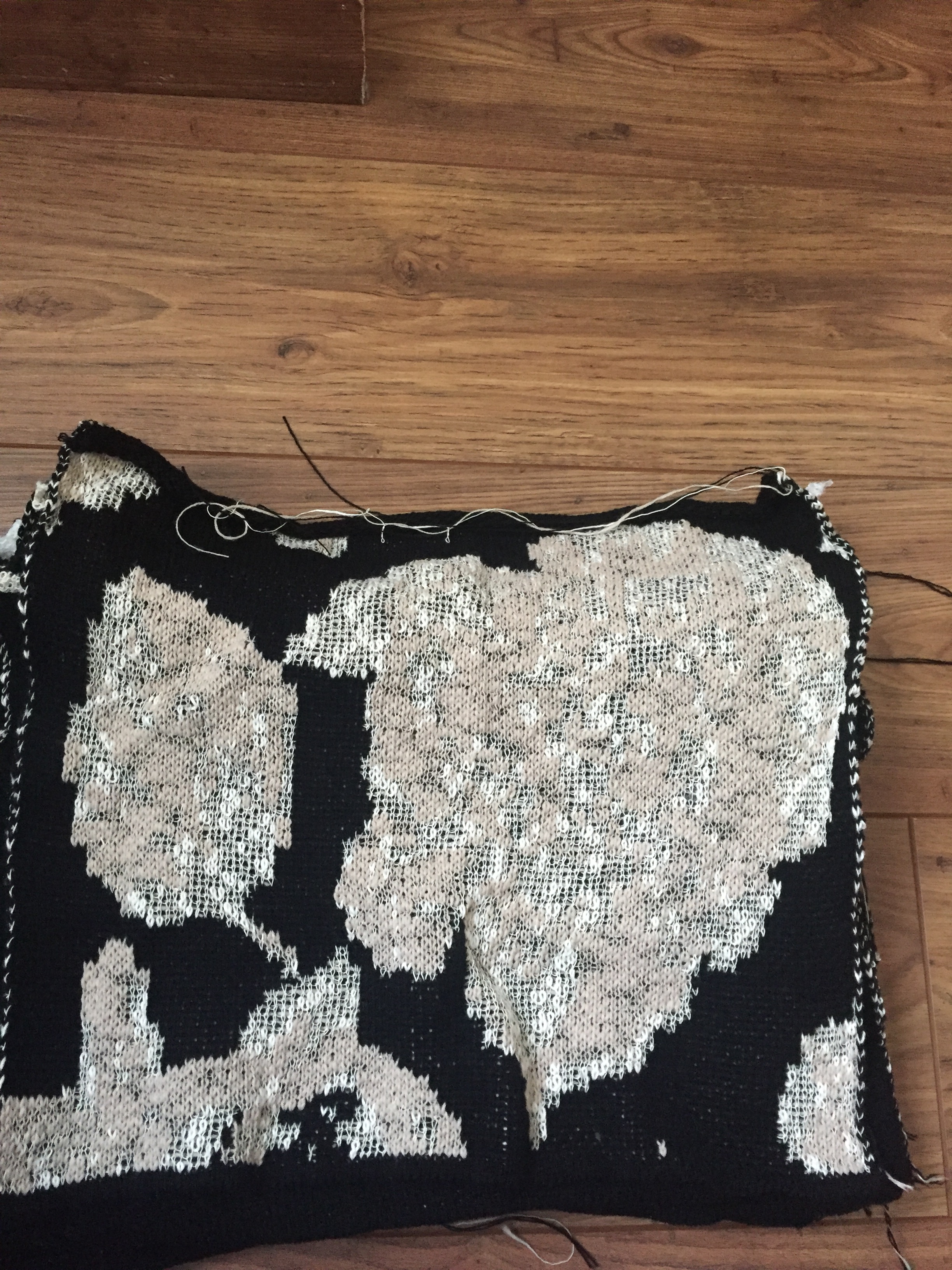
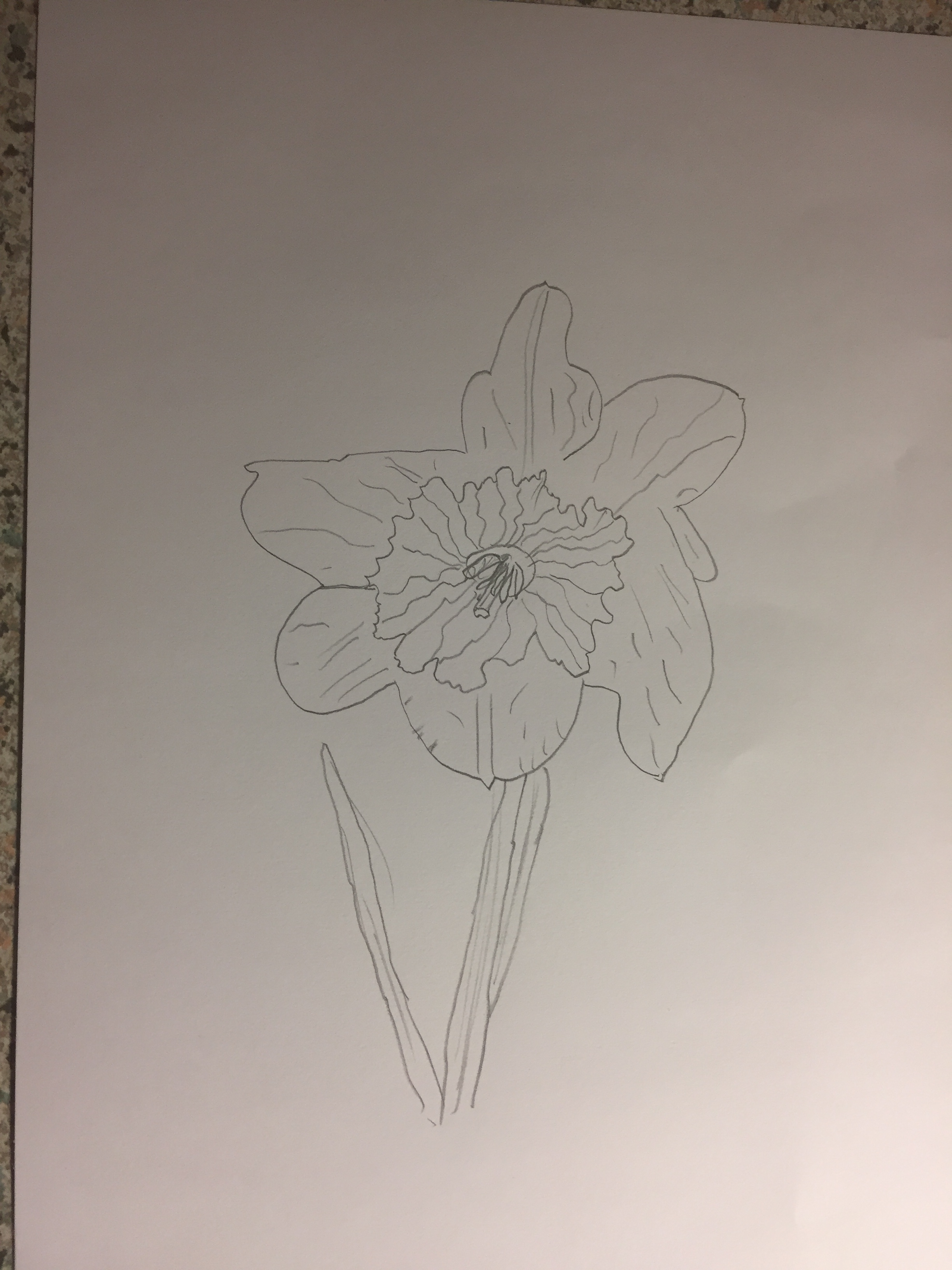
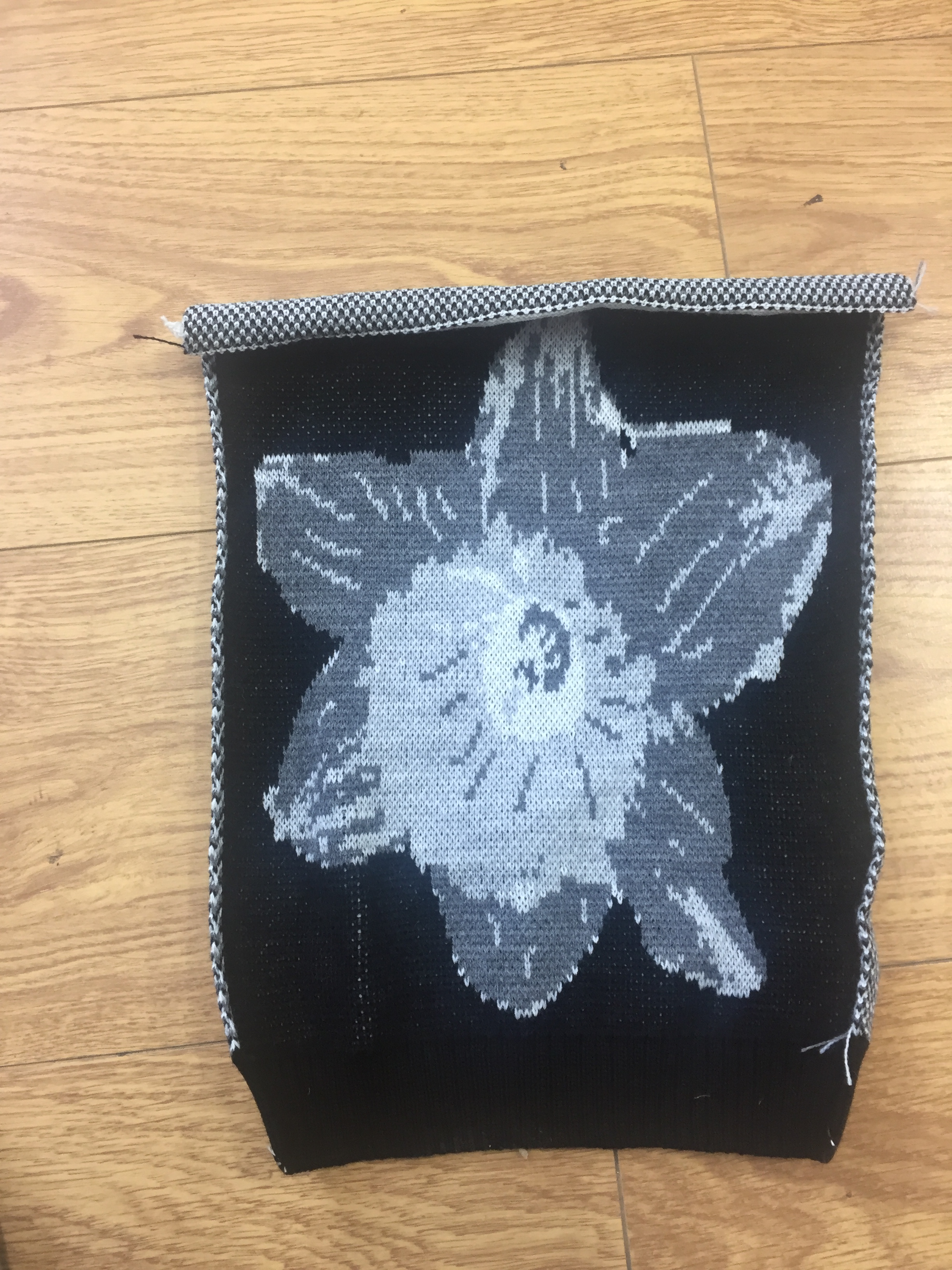
drawn on a card papermy knitted version without any hand work on it.
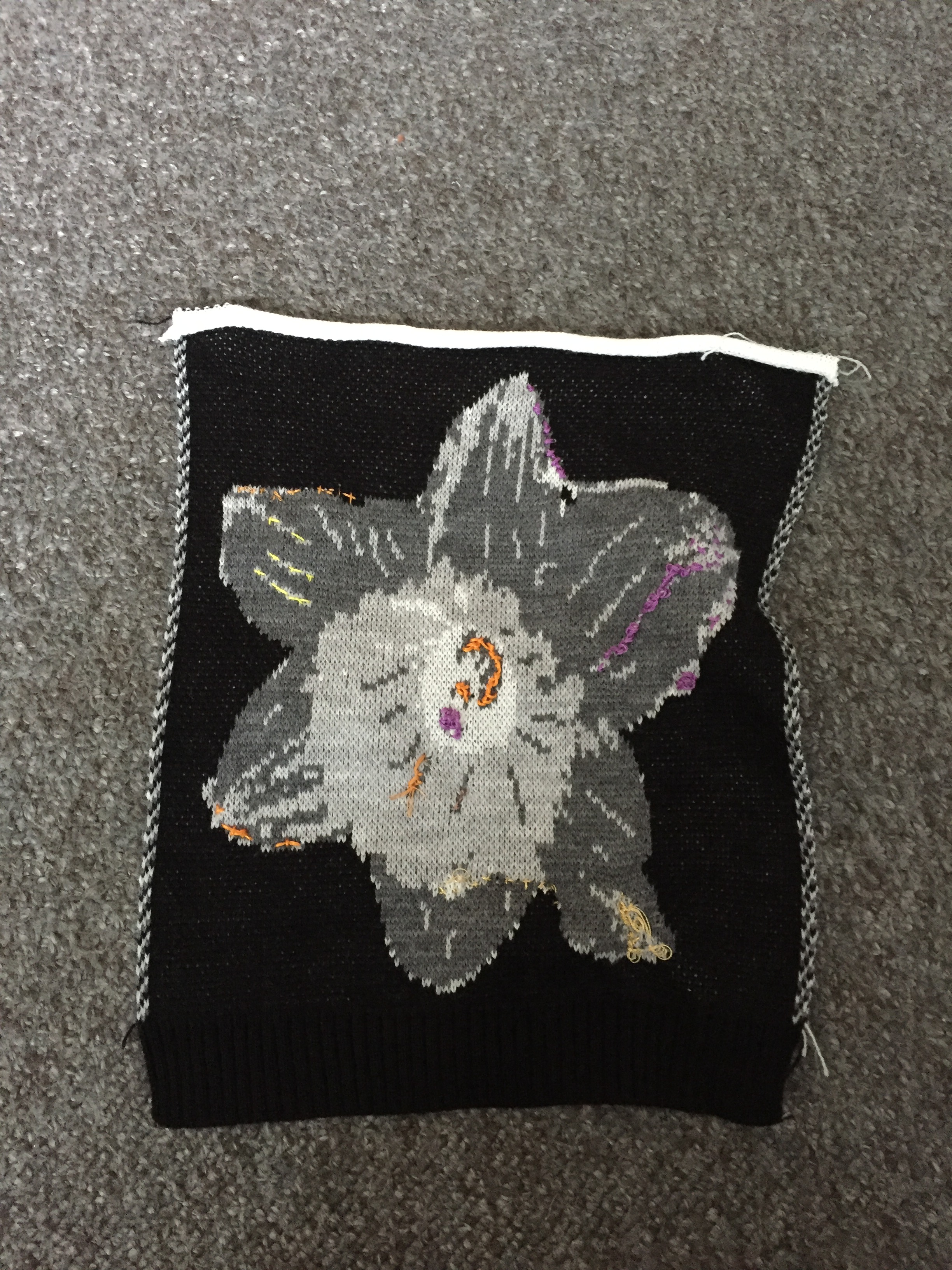
swatch after stitch work on it
drawn on a notebook pagemy own knitted version where I’ve put dots on as marks in order to saw on them.final swatch after spending around two hours of stitch work.drawn on an A4 sheet.
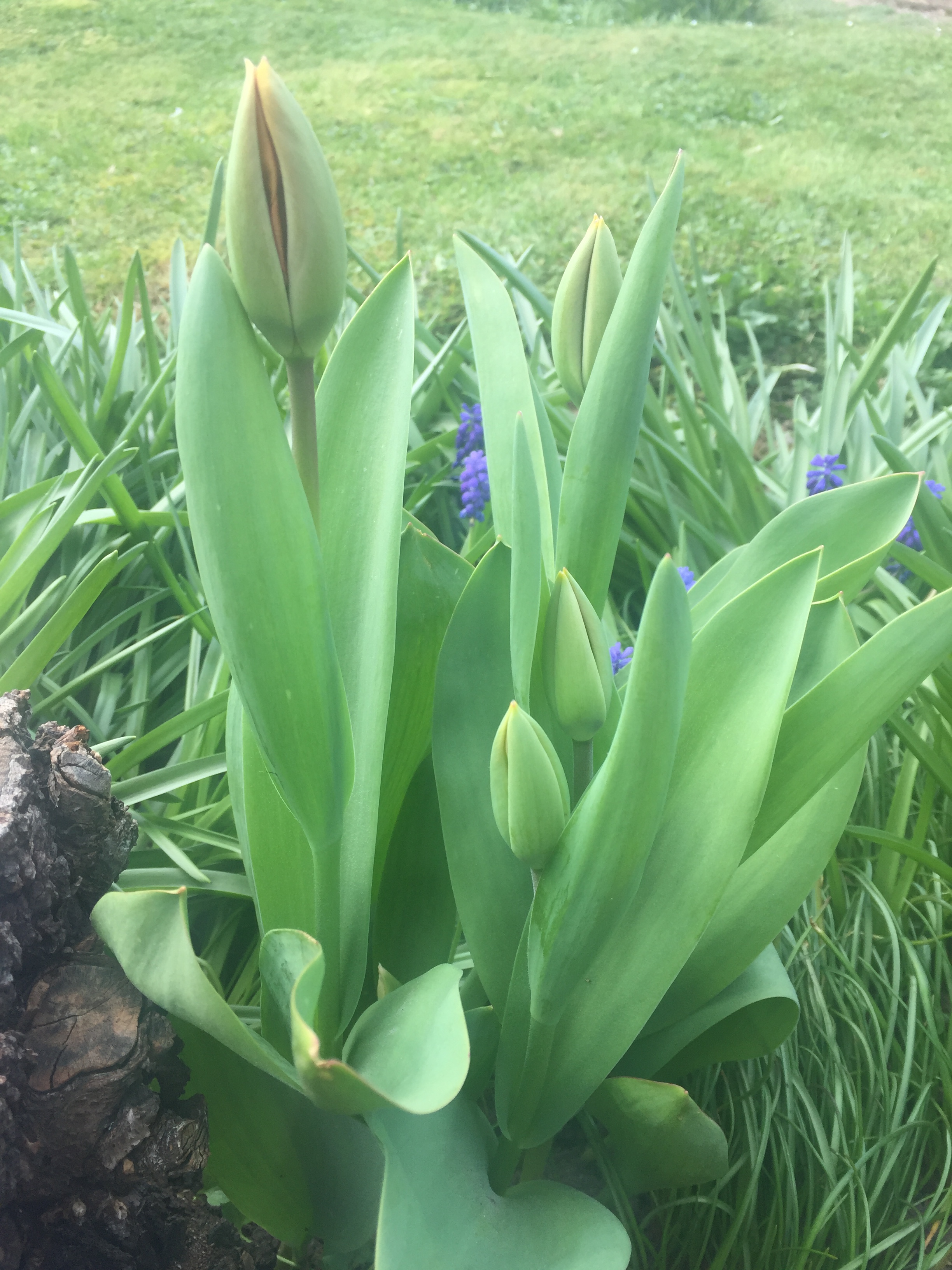
I have decided not to proceed with the picture above as it looks a lot as the previous one so instead I will develop the following one.
I know I need more work on my drawing skills , but as a matter of fact I would’t even consider of drawing few weeks ago at all!!!
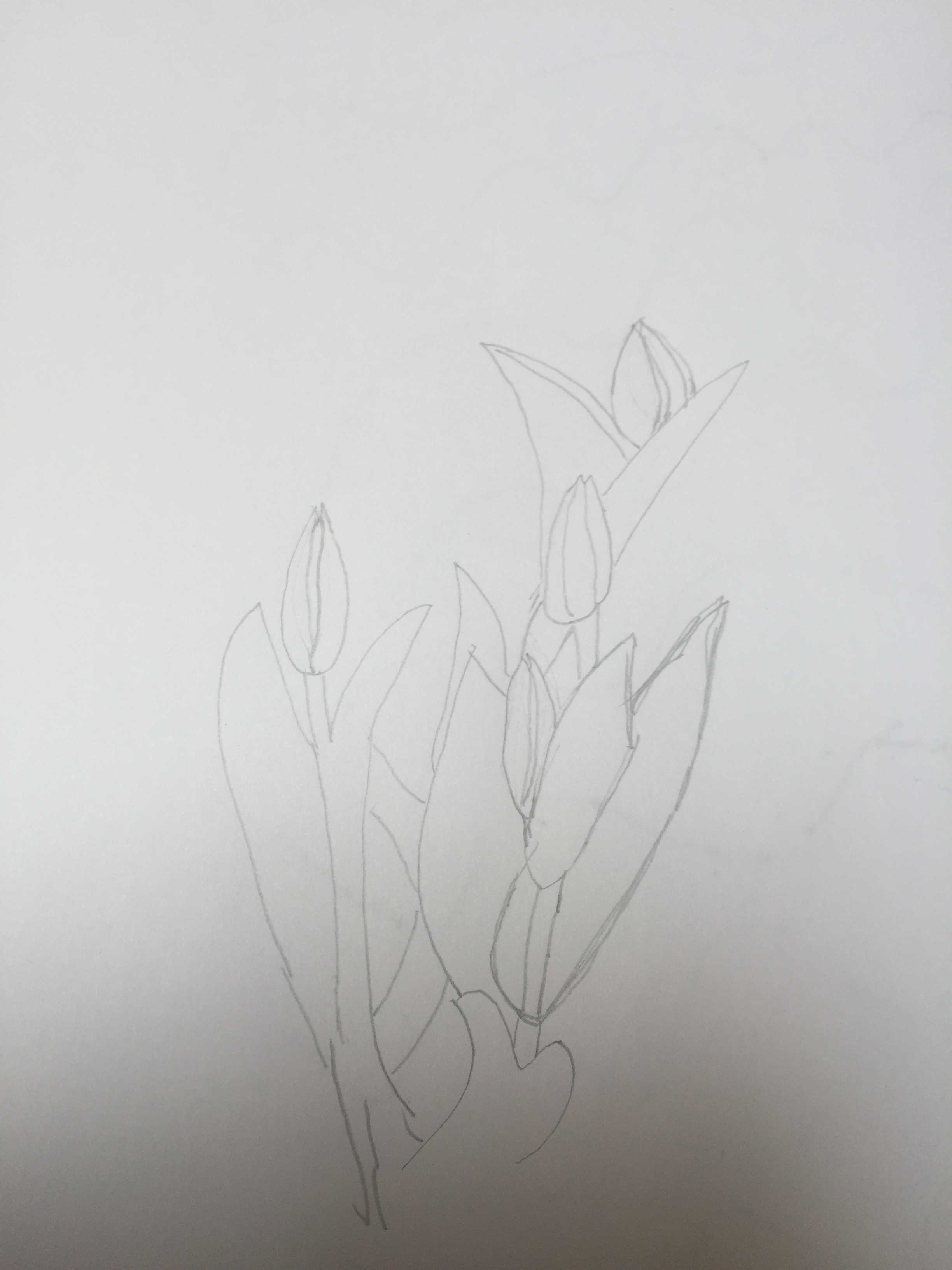
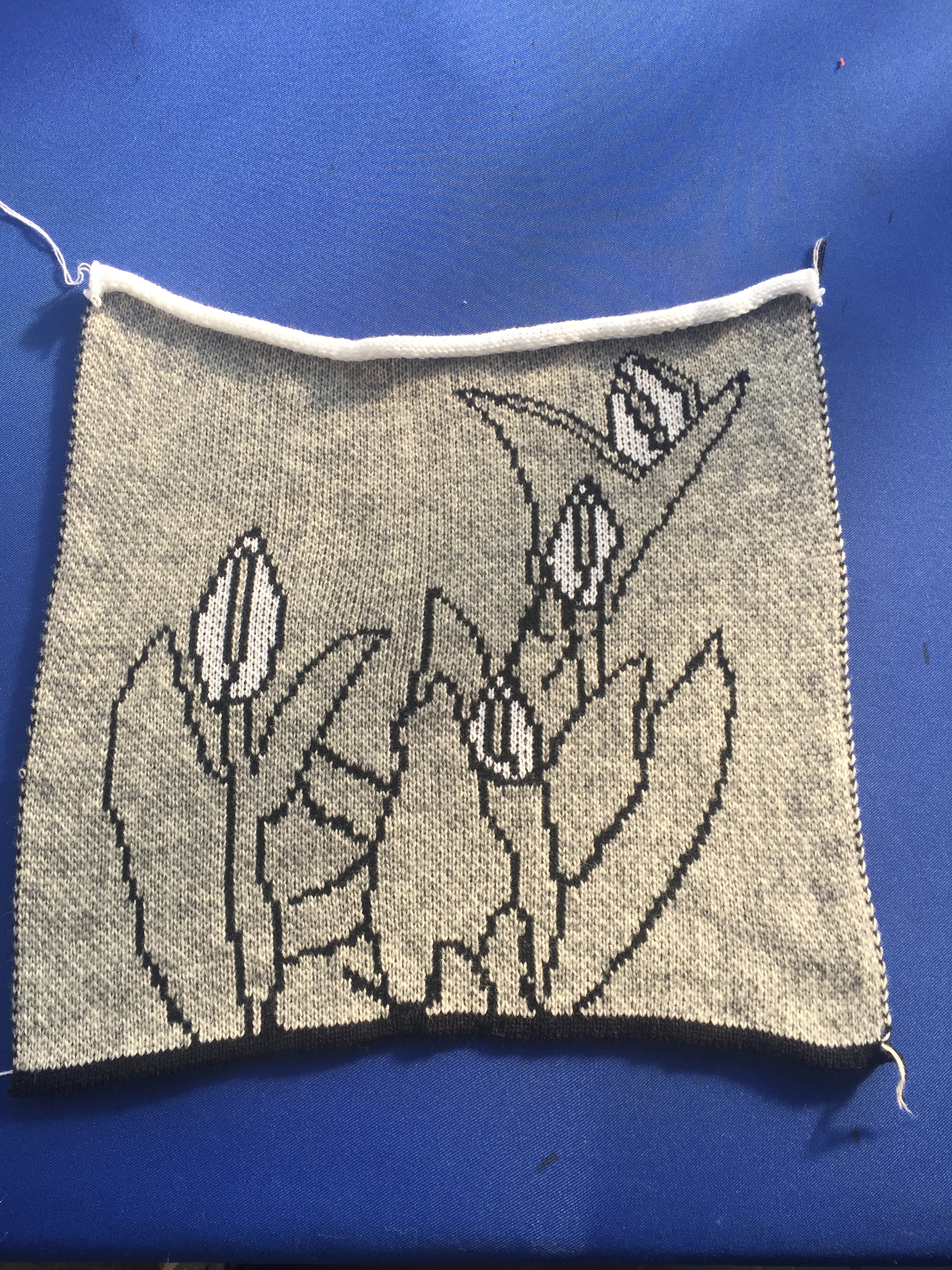
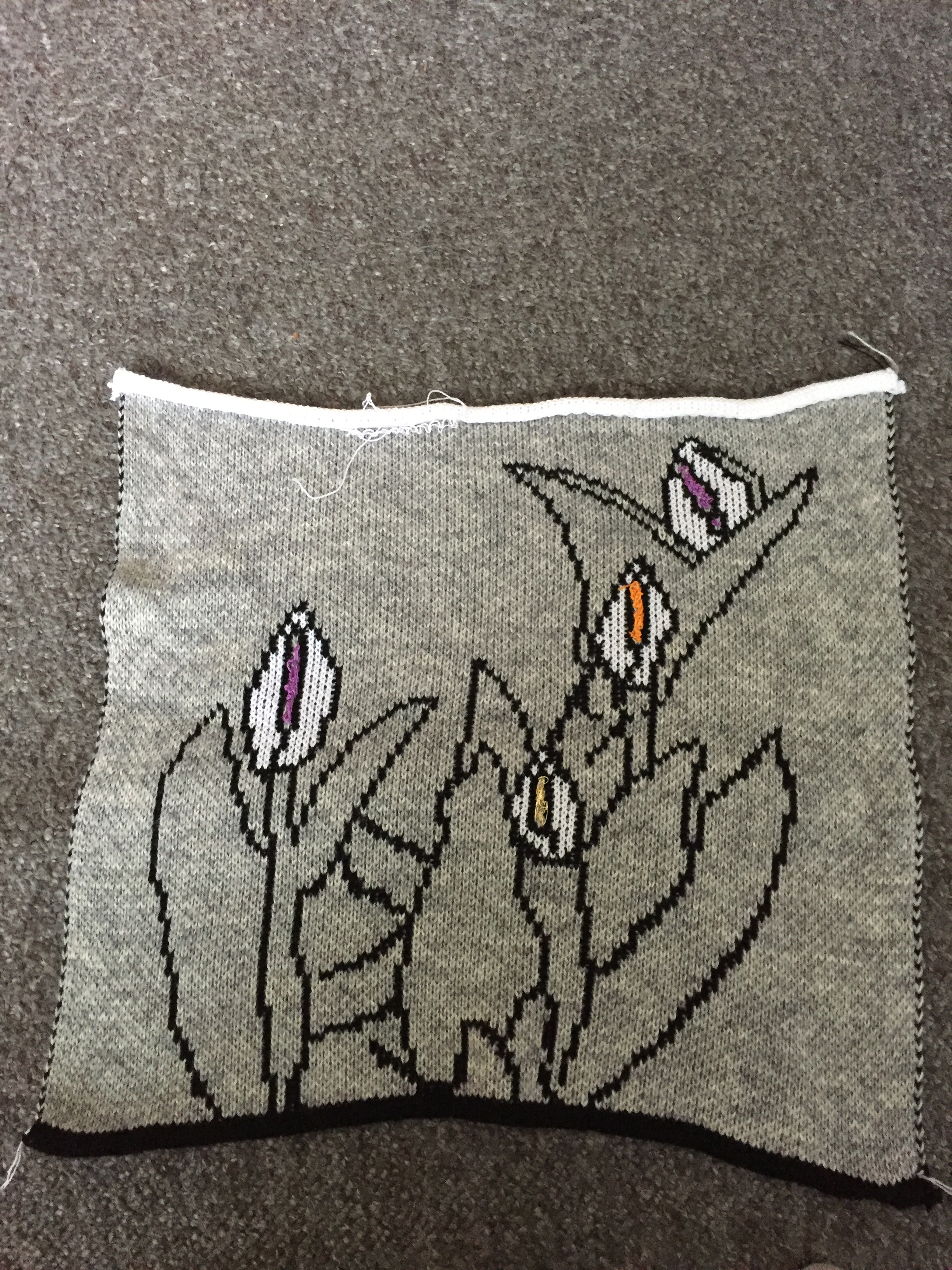
a colored pic of tulip buds black and white sketchTulip bulbs : knitted version without any hand work on itswatch after the buds being embellished by hand.
The reason I’m mainly working on black white and shades of grey is that I’m following the assessment’s directions; it suggests its an early stage for color to be used .
REFLECTION ON ASSIGNMENT 2
The journey continues…
Taking on board my tutor’s advice regarding research and development I’ve changed my route into more evidence based creating as well as make my work more presentable and more professional look-a-like.
I read books that changed my mind and helped me understand why I refused to draw and why this has become one of my worst out-of -my -comfort-zone situations as well as what I need to do in order to overcome these awkward feelings and developed techniques to get beyond this state.
Embellishing by hand on a fabric using needle and thread for my first time ever was quite soothing and relaxing . It’s a slow process( especially for someone not so advanced like myself ) that needs patience and perseverance, but adds a lot onto garment; a unique look is one of them.
Looking forward to moving on assignment 3 where it will help me discover more about my course but more than anything, discover more about by myself…















































 Alexander's blog