GATHERING MATERIALS
TROPICAL TOURIST.
This theme should contain light textiles, bright and colorful .
Light, breathable cotton fabrics

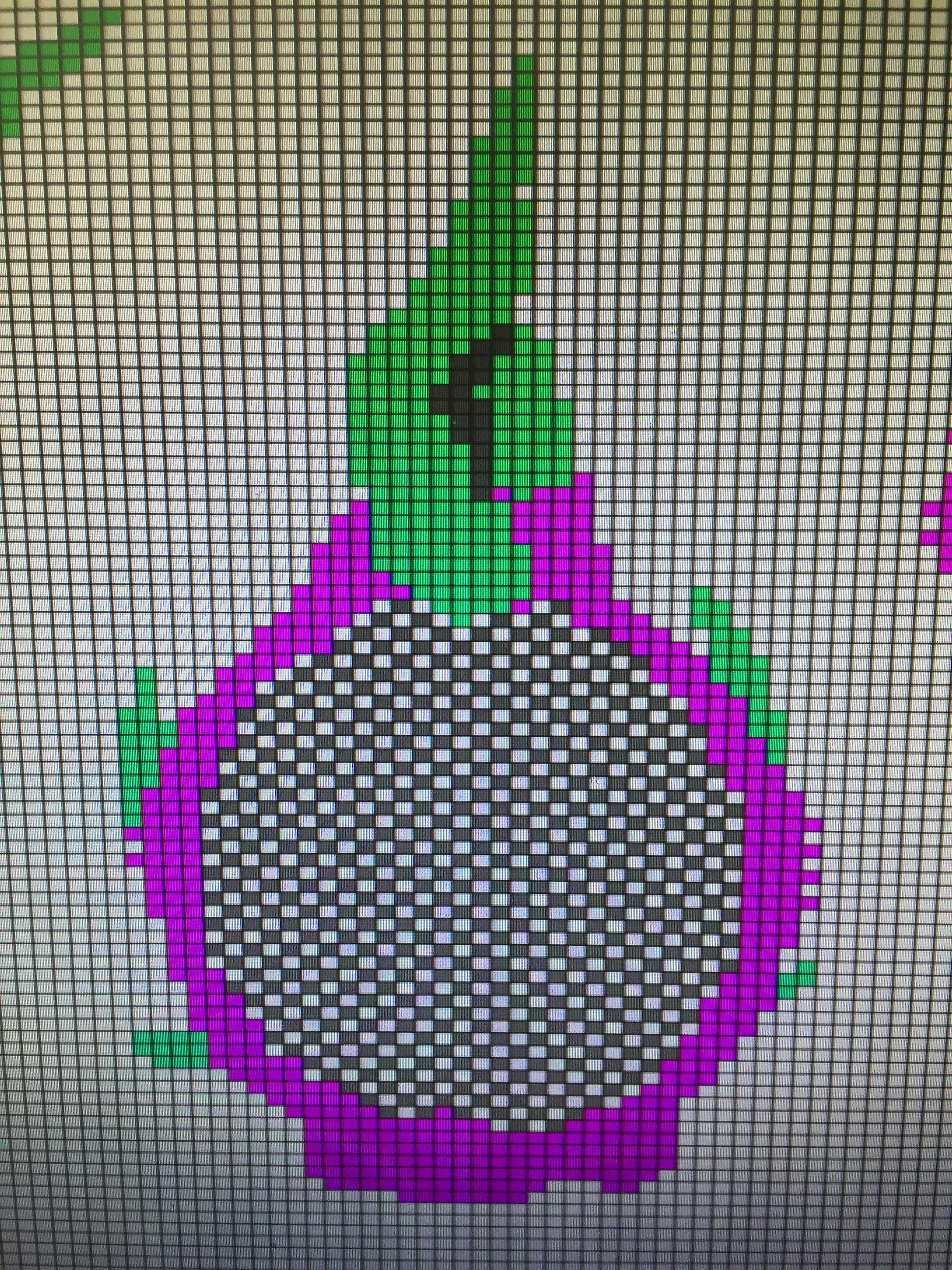
tropical fruit themed jacquards like this gridded pinapple

or dragon fruit

Tassels will also give a nice textured finish along with an earthy look texture.

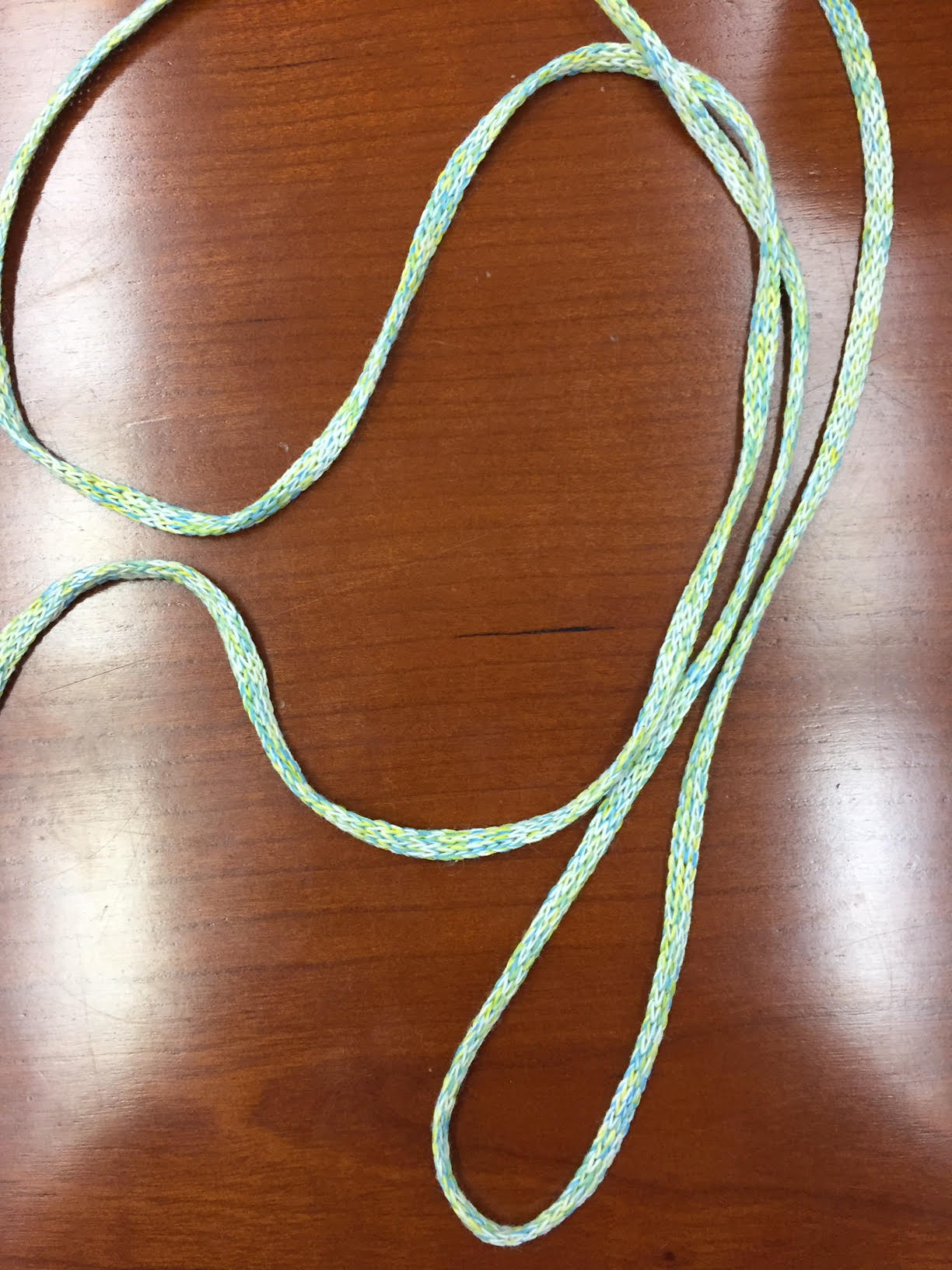
open, breathable stitches using smooth surface tape yarn

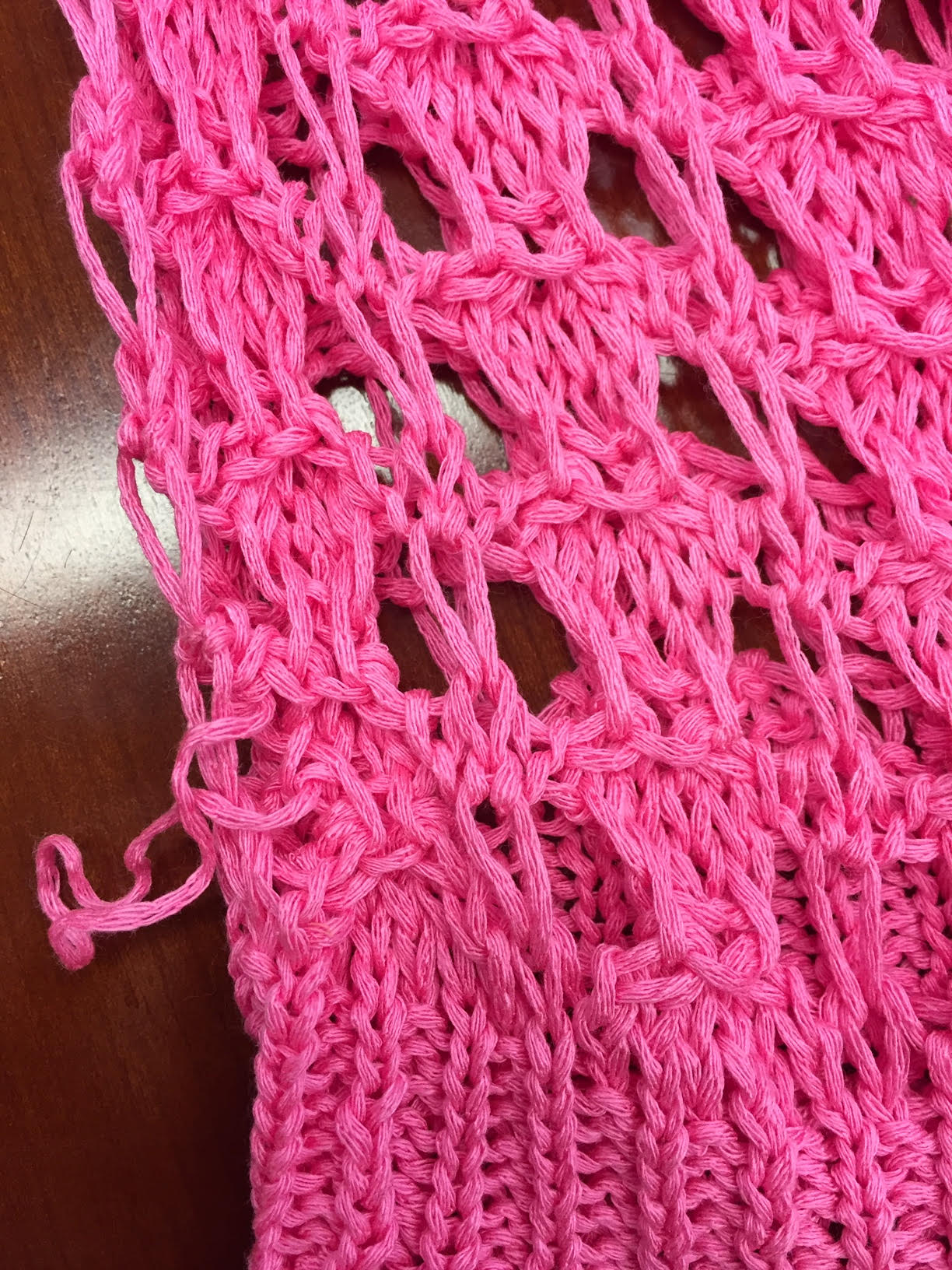
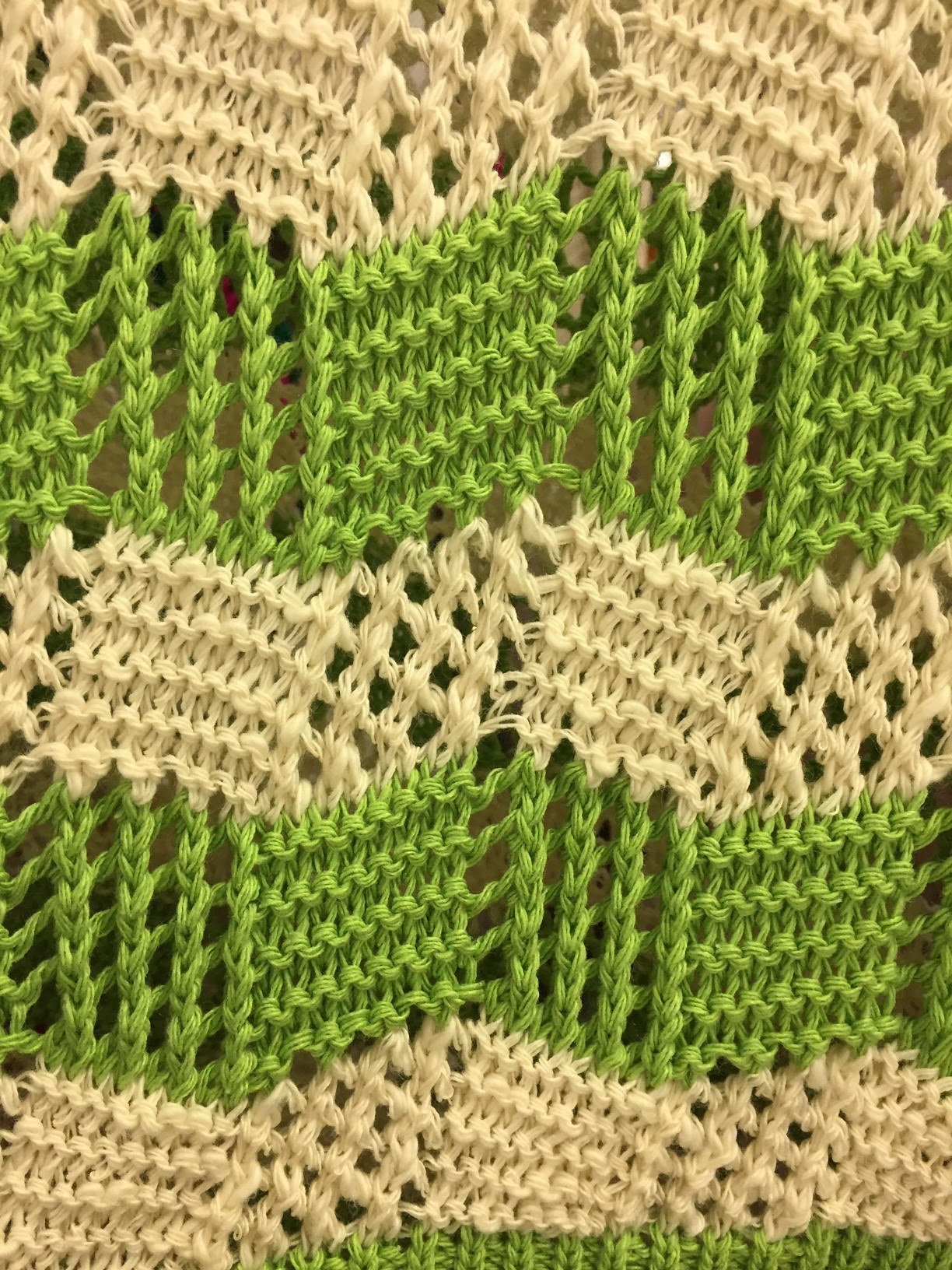
textured open stitches with a twist like this zigzag purl stitch.
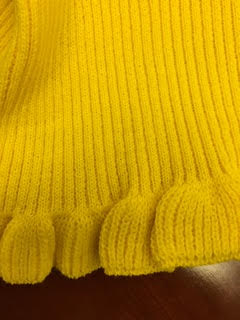
frilled finish :romantic and elegant for the cool tropical summer evenings
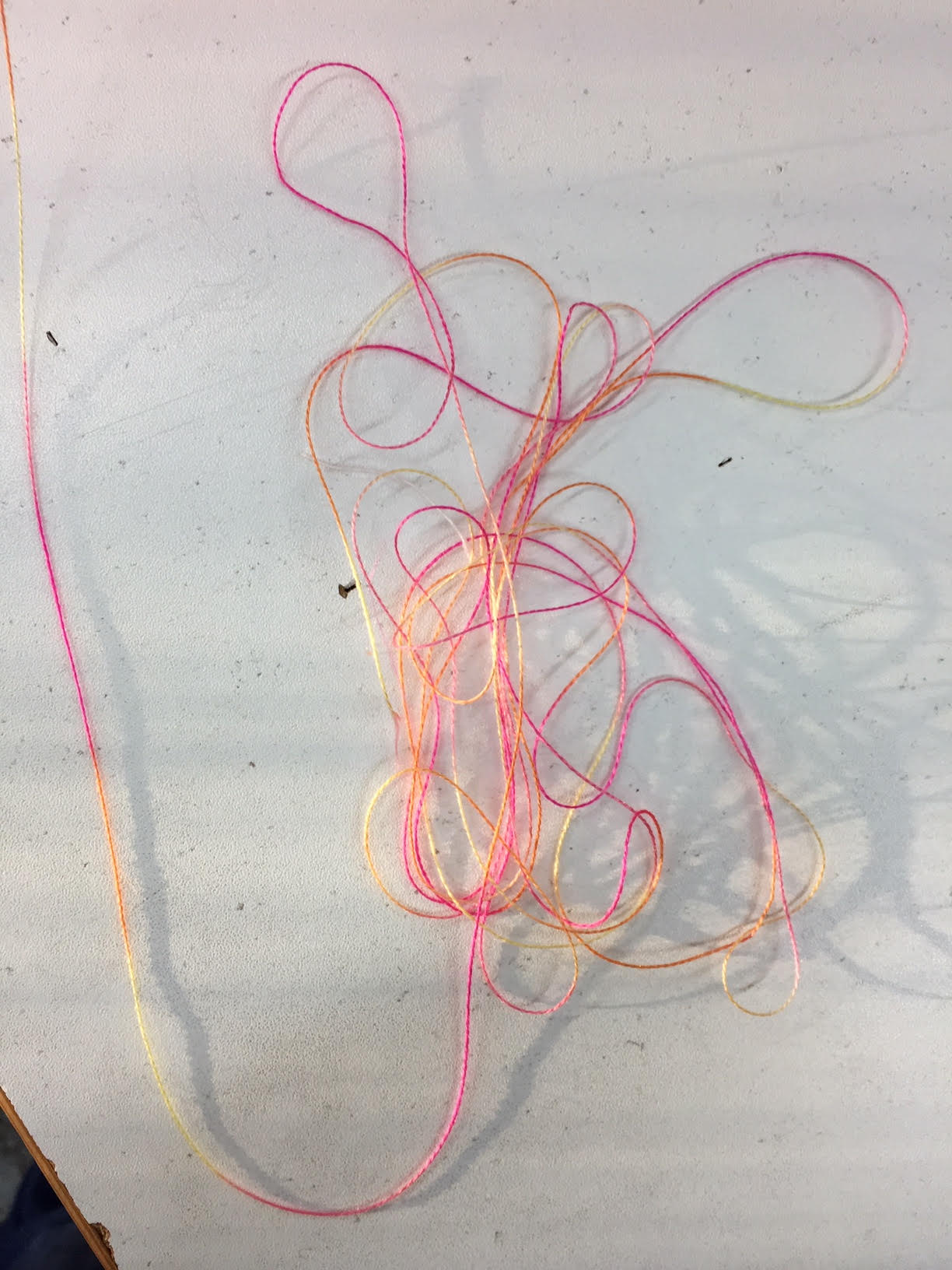
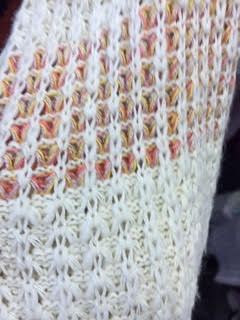
Finally , space-dye yarn with prints on it for more abstract and non uniform finish which enhances the whole relaxed holiday look.
EXERCISE 1.1 THE ARCHIVE
THE FAIR ISLE JACQUARDS:
SOURCE : VICTORIA AND ALBERT MUSEUM
Fair Isle is a remote island situated between Orkney and Shetland to the north of mainland Scotland. Legend has it that Spaniards, stranded on the island after the break up of the Spanish Armada in 1588, taught the islanders to use the colours and patterns typical of Fair Isle knitting. However, there is also evidence that these design influences came from nearby Scandinavia.
The varied colours of Shetland wool have been a feature of knitting from this region since the 19th century. They came partly from the different breeds of sheep, but also from dyes. Madder and indigo gave red and blue, while lichens produced red, brown, orange and purple. Brightly coloured synthetic dyes, invented in the 1850s, increased the possible colour range but were used only in small quantities.
The early knitters produced stockings, caps and scarves. Sweaters in the Fair Isle style – as it’s known today – were not produced until the First World War. They are constructed by knitting bands of horizontal motifs from two different coloured strands of wool. The patterns are made up of motifs such as crosses, diamonds and eight-pointed stars.
There was a vogue for Fair Isle sweaters during the 1920s, thanks in part to the Prince of Wales, who wore one as part of his golfing attire, although natural shades like brown, grey and white were then preferred. The look continues to be regularly reinterpreted on the catwalk – the American designer Ralph Lauren included a Fair Isle sweater in his first collection.
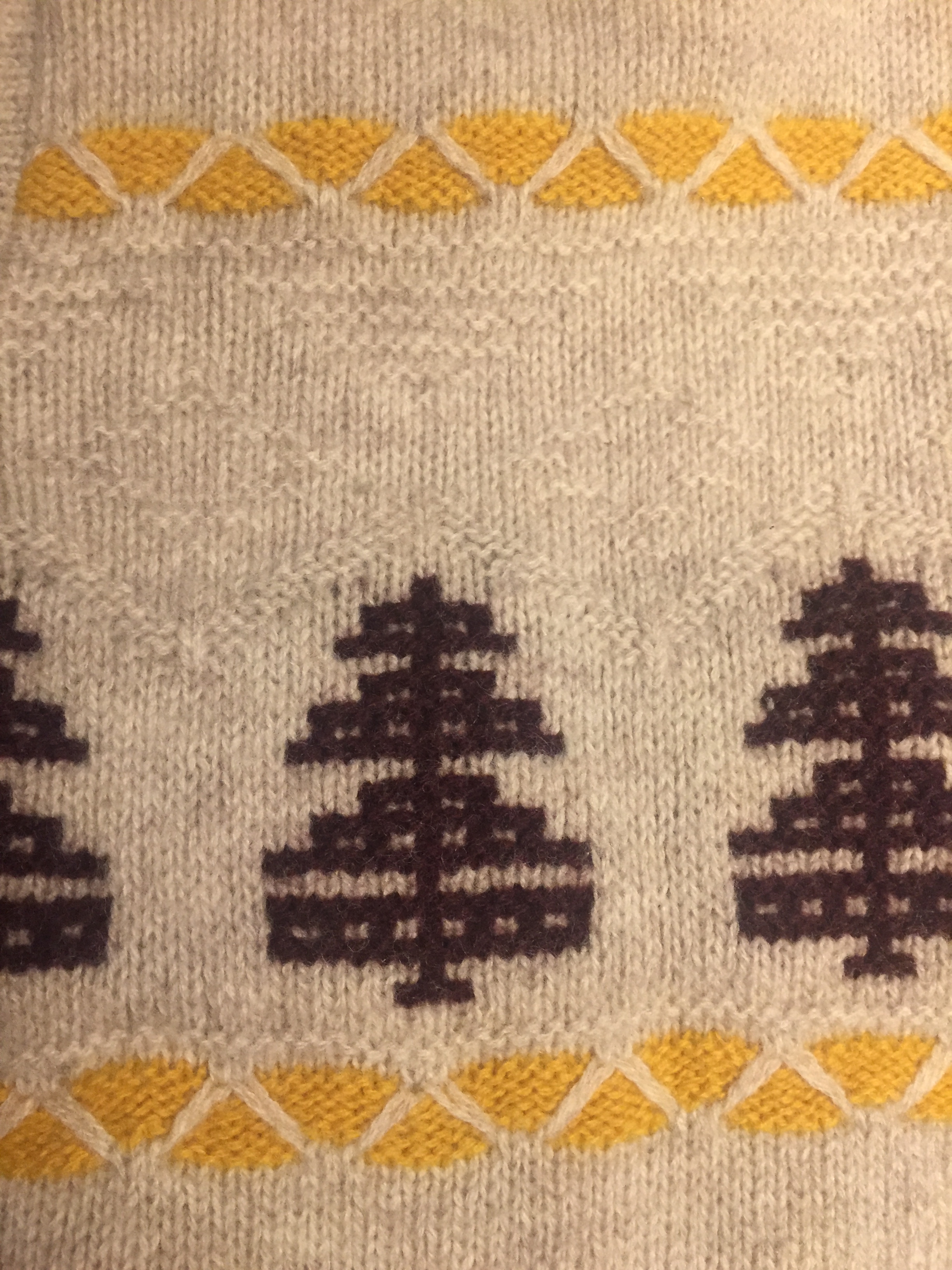
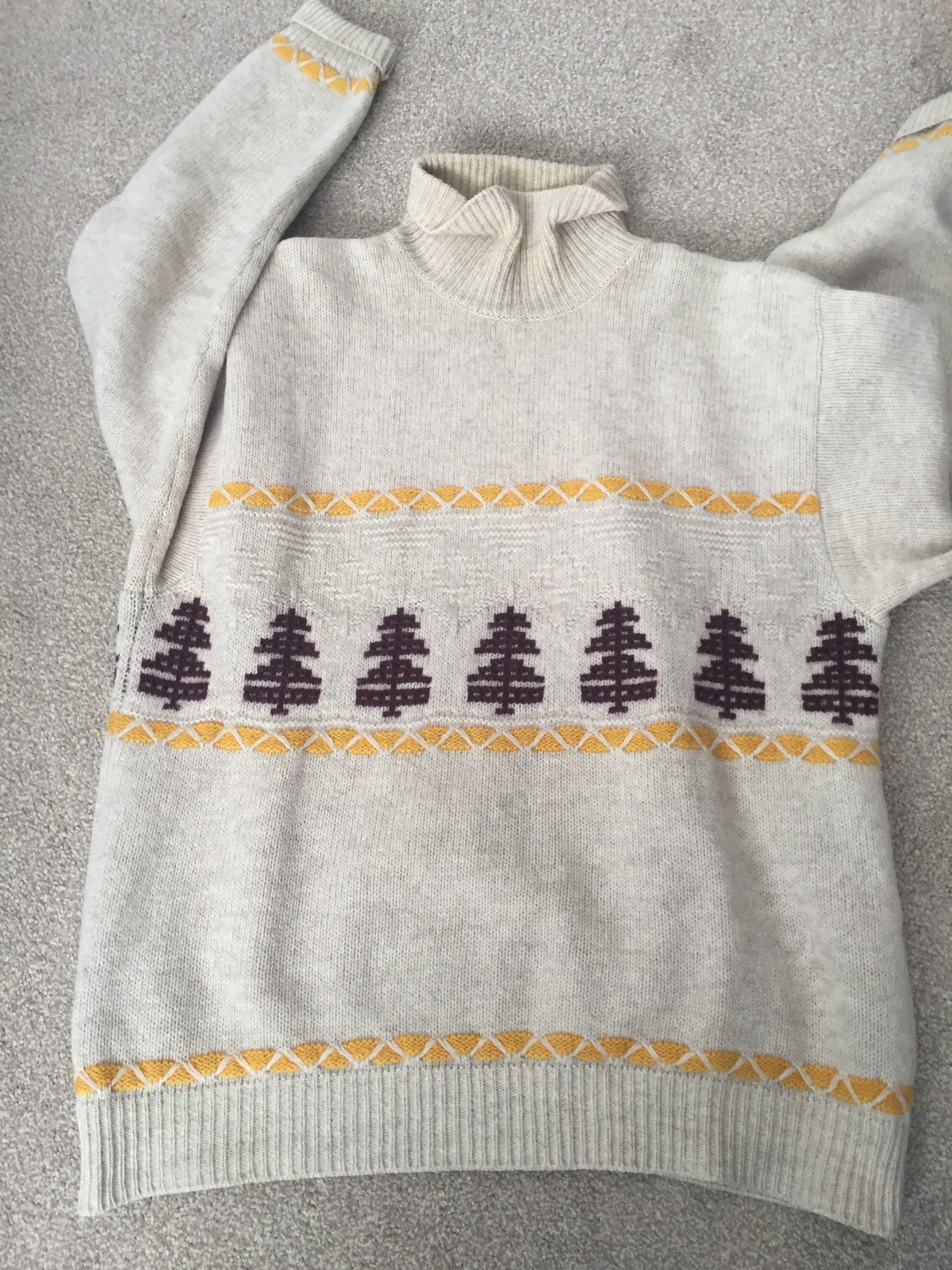
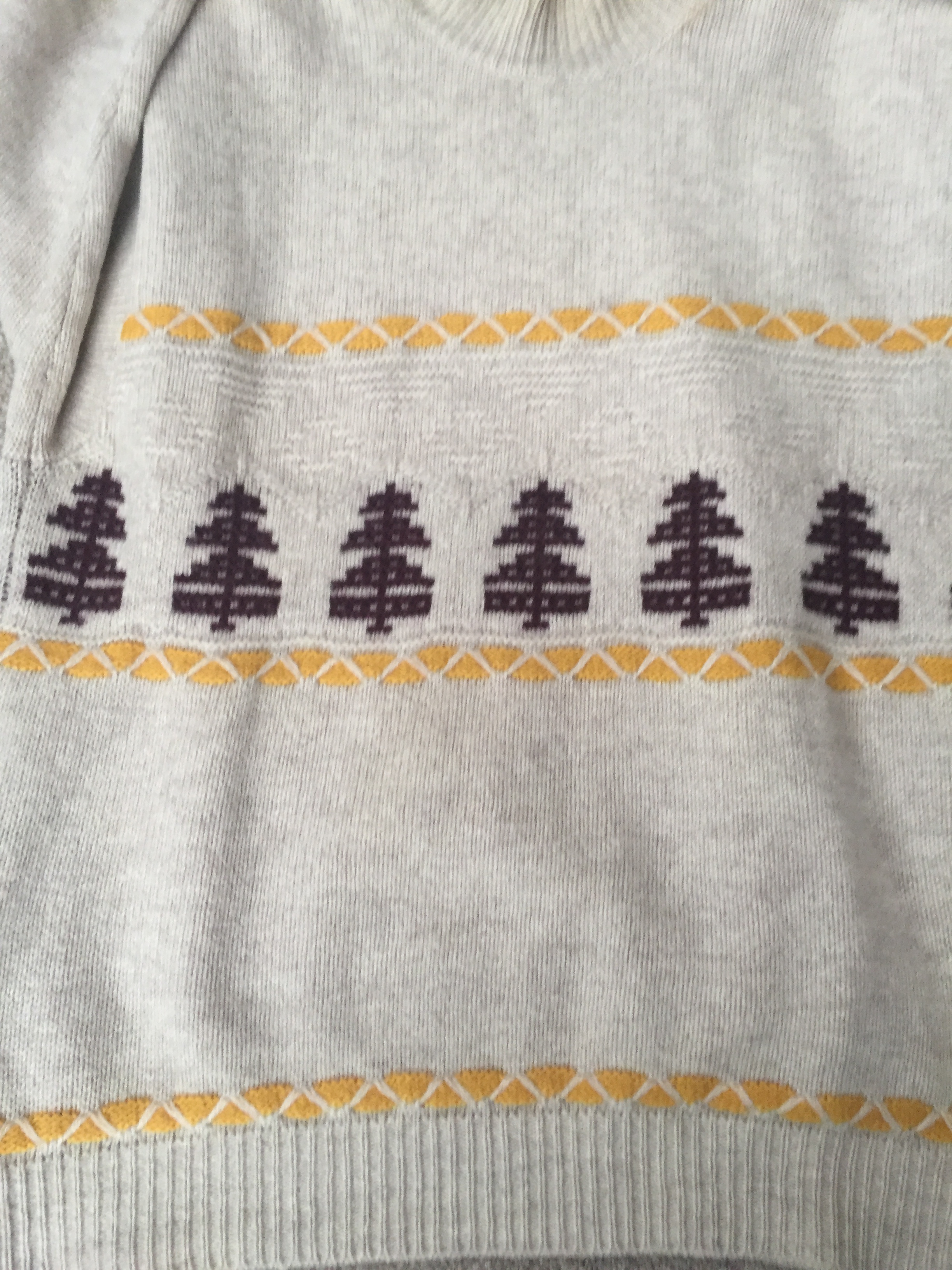
5 gauge textured fairisle Jacquard
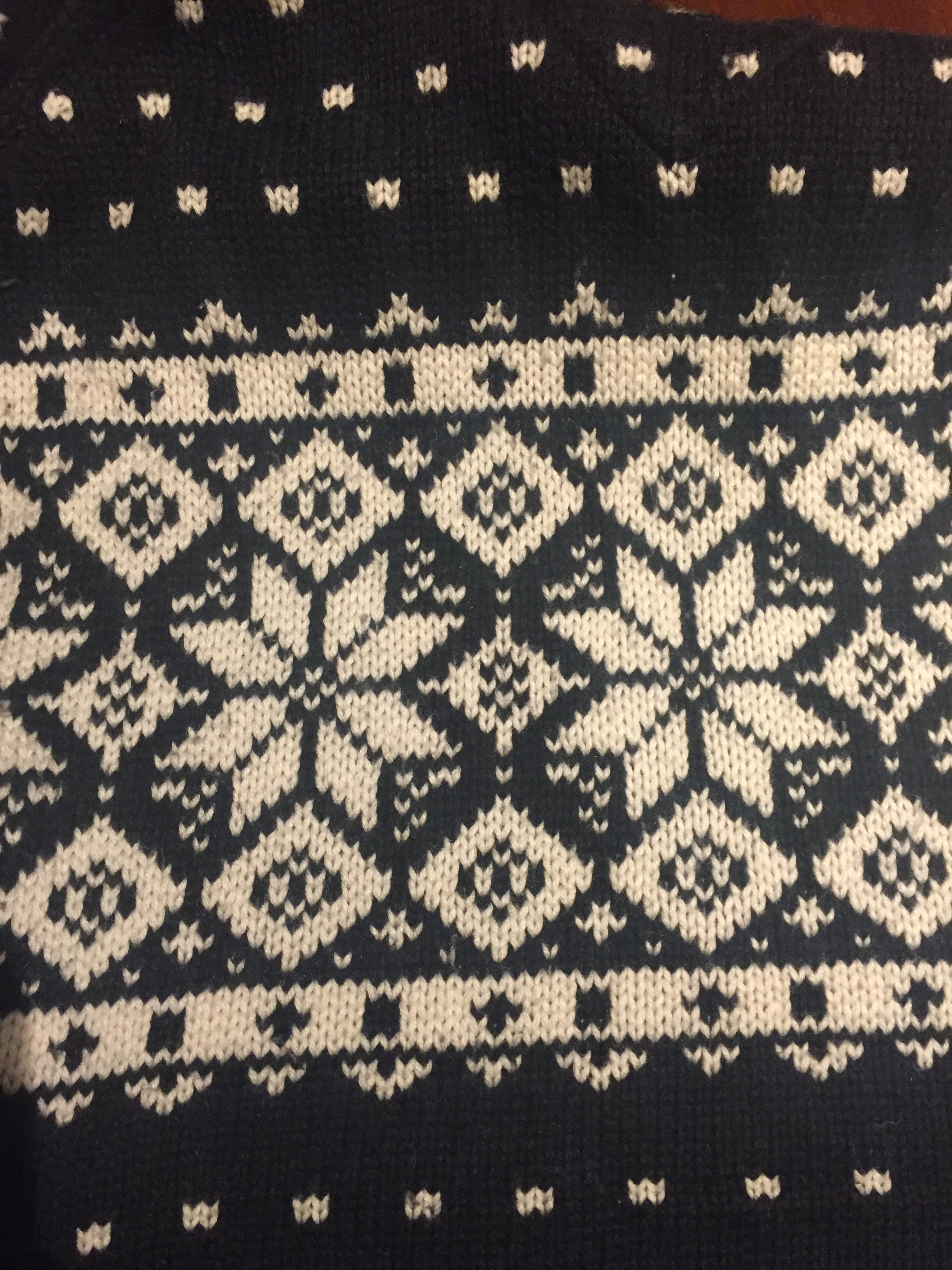
3 gauge jacquard
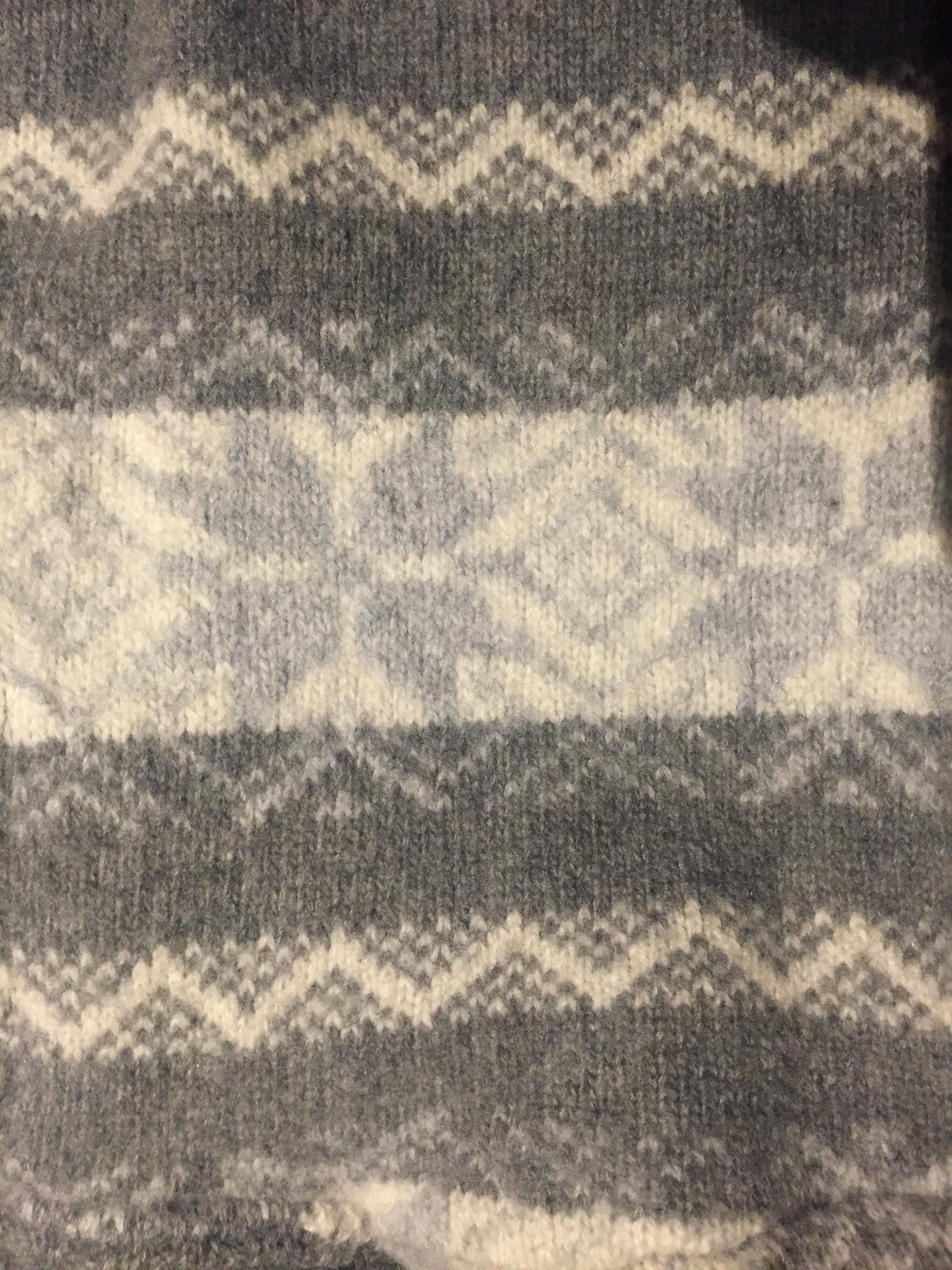
7 gauge fairisle jacquard
EXERCISE 1.2 SUBSTANCE AND STORY
All the garments photographed above (exercise 1.1) were knitted using 80% wool 20% nylon.
Woolly garments usually need to be hand washed due to the delicate nature of the fabric.
In the exercise mentioned above I’ve photographed jumpers made in Chinese knitting factories for Tommy Hilfiger and Benetton using flat knitting machines for knitting and linking machines for finishing .
It’s hard to trace where these garments wool is coming from.
It can be Shetland wool , coming from Scotland, wool made in China , or Italian wool and because it’s a natural fiber it still keeps it’s shape, the elegant look and soft hand feel.
All these heavily worn jumpers belong to me and have been in my possession for many years: especially the beige jumper is 26 years old and it still plays a significant part of my life especially in the winter time when it’s on. Dressing in it feels like I’m wearing a piece of history , my personal one!!!
EXERSISE 1.3 :MAKING MARKS
I’m about to face my worst nightmare: drawing!
My drawing skills are not even basic, but I will try my best !!!
My task is to draw and try to demonstrate my vision regarding the garments I’ve picked above.
So, here we start then:
first fairisle:

Here I’m trying to give a small idea of how (roughly) the jumper looks like .

this is the jacquard preview (the way is been drawn on the computer in a grid mode).

texture with jacquard placement.
the second fairisle garment is a cardigan:
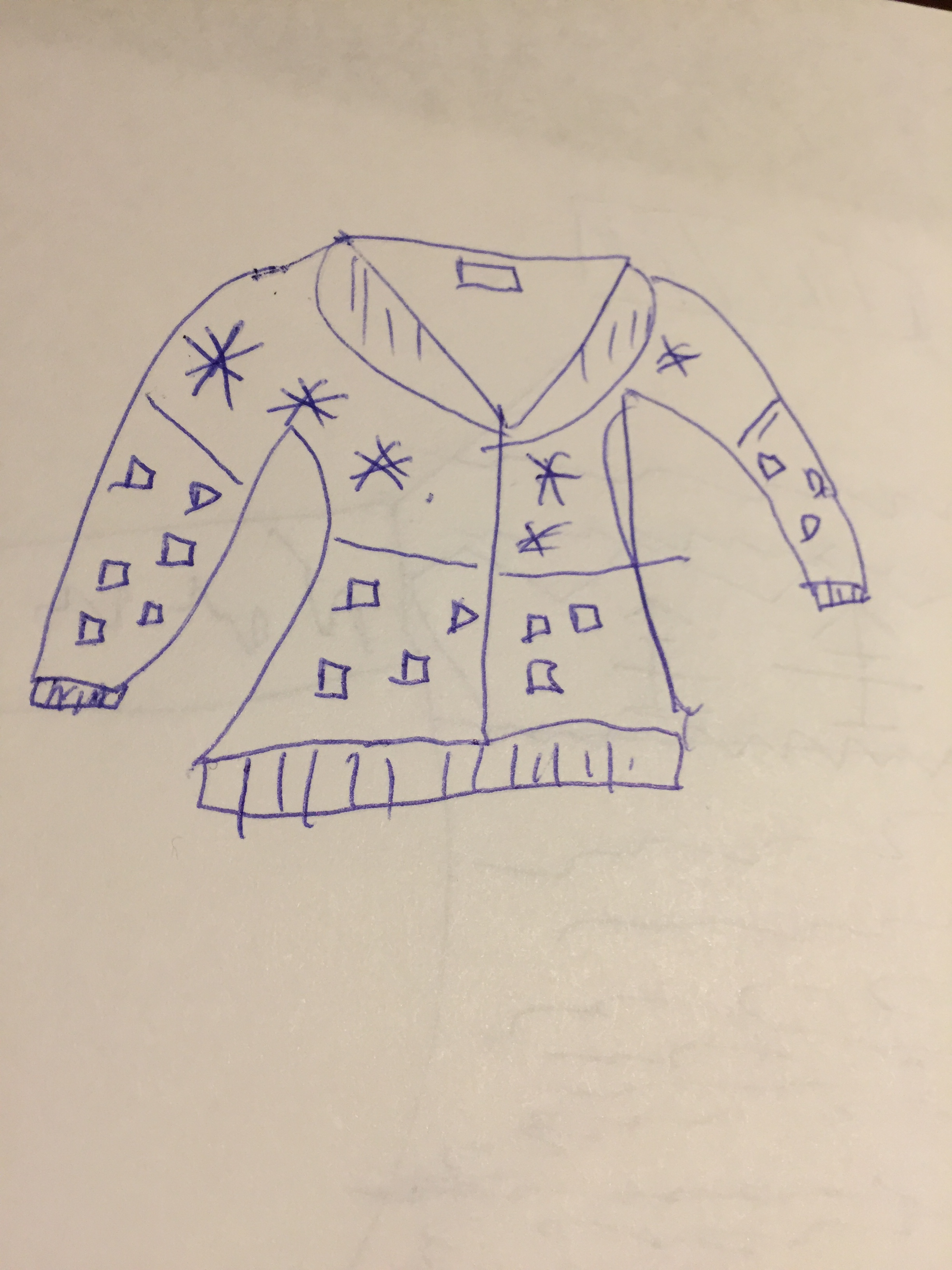
trying to demonstrate the shawl neck along with the pattern:
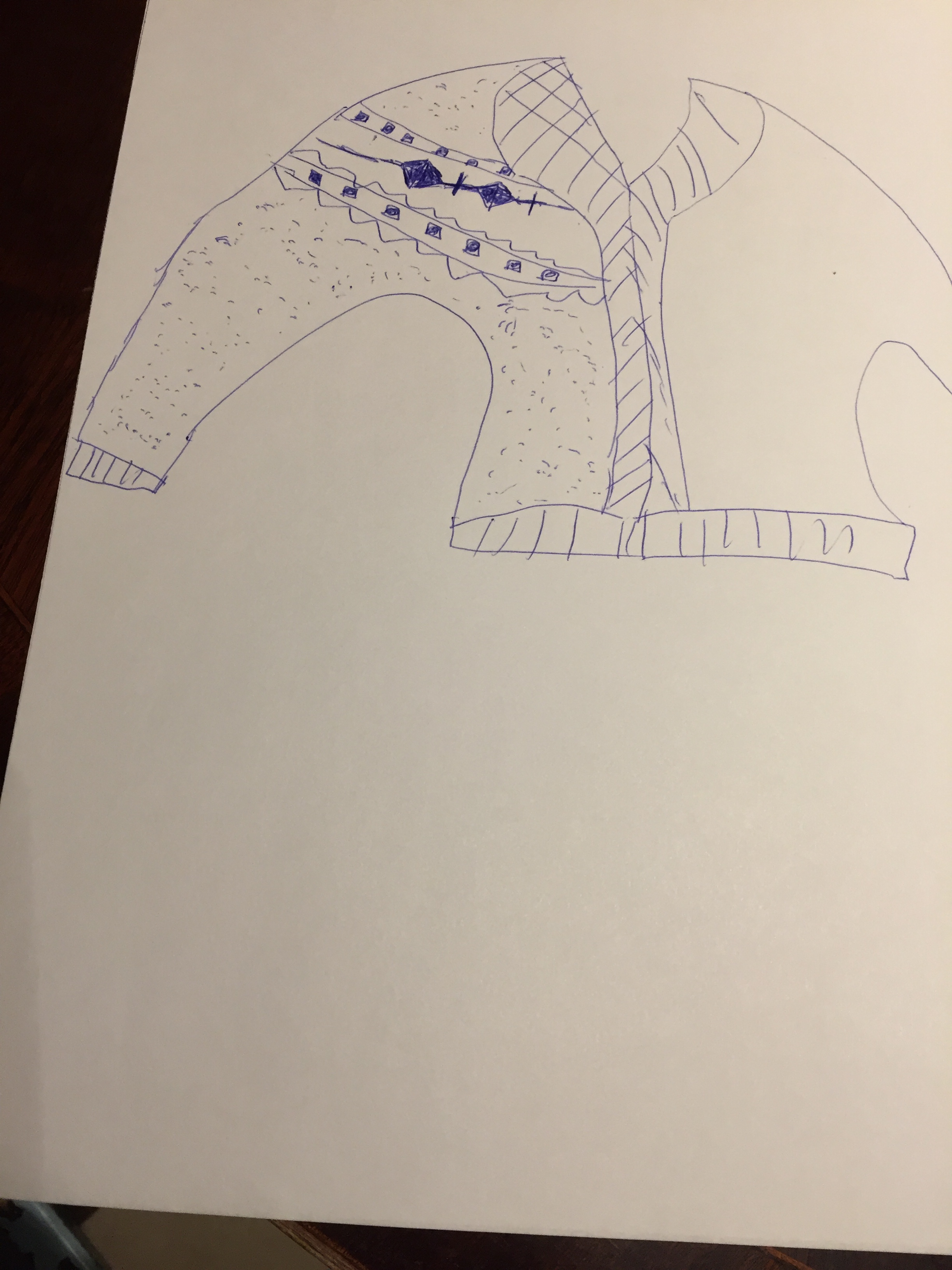
texture on the neck and a bit more detail on the body.

on the third fairisle I’m trying to demonstrate more of the yarn/stitch consistency
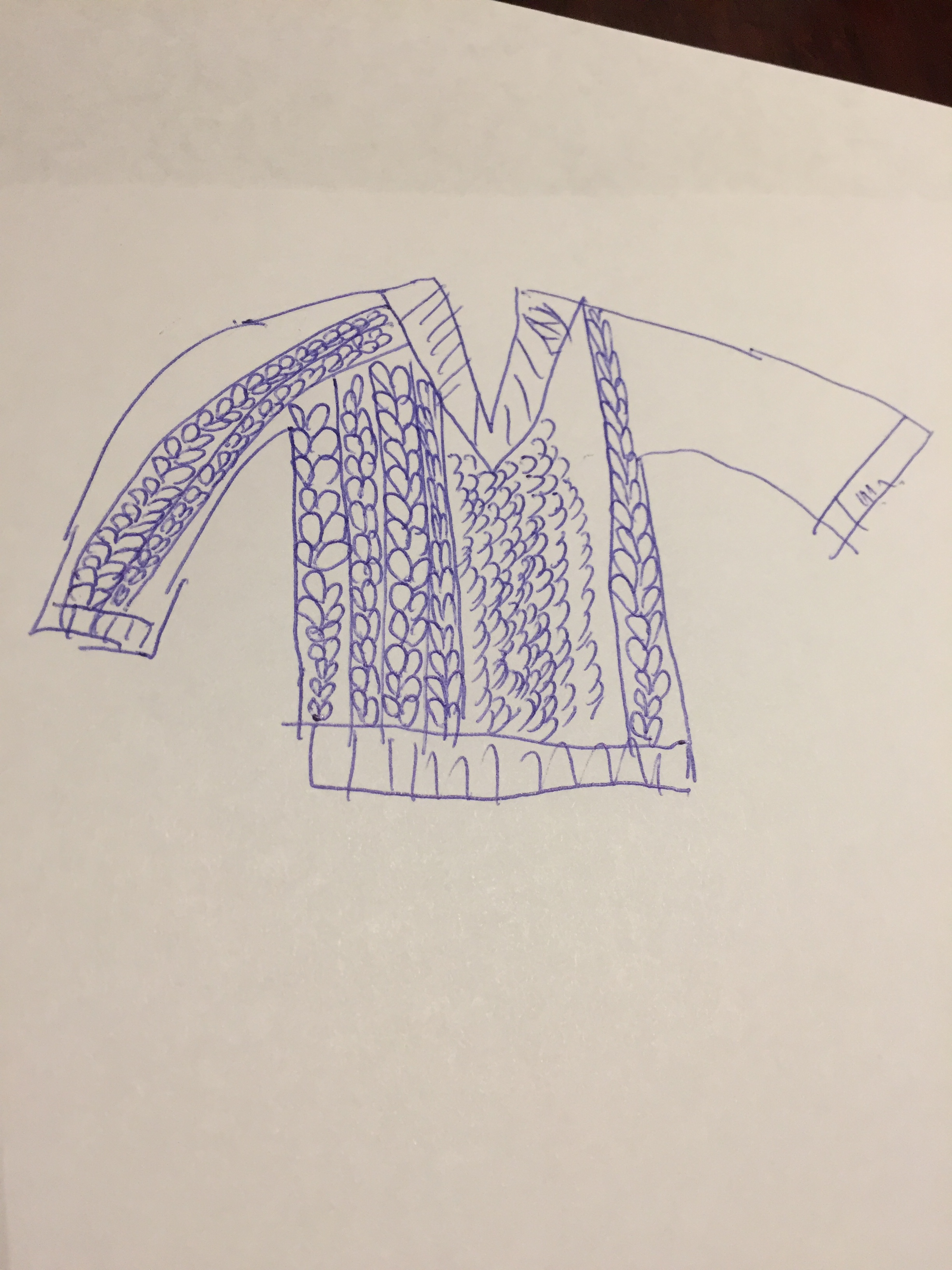
its a jumper with a nice shawl neck
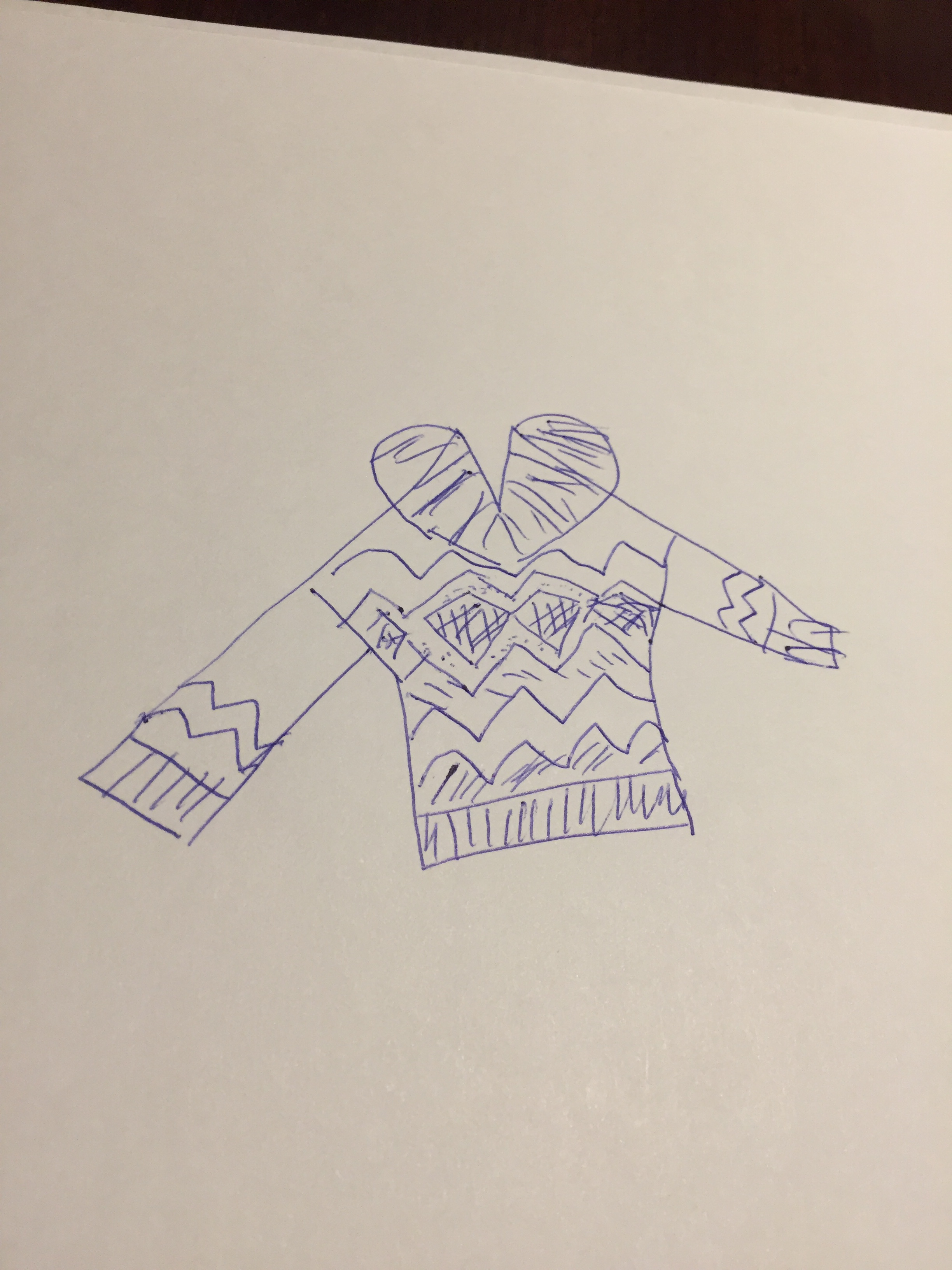
on the last picture I’m trying to show a bit of the wool feel of the fabric.
EXERCISE 1.4 -LINES AND EDGES
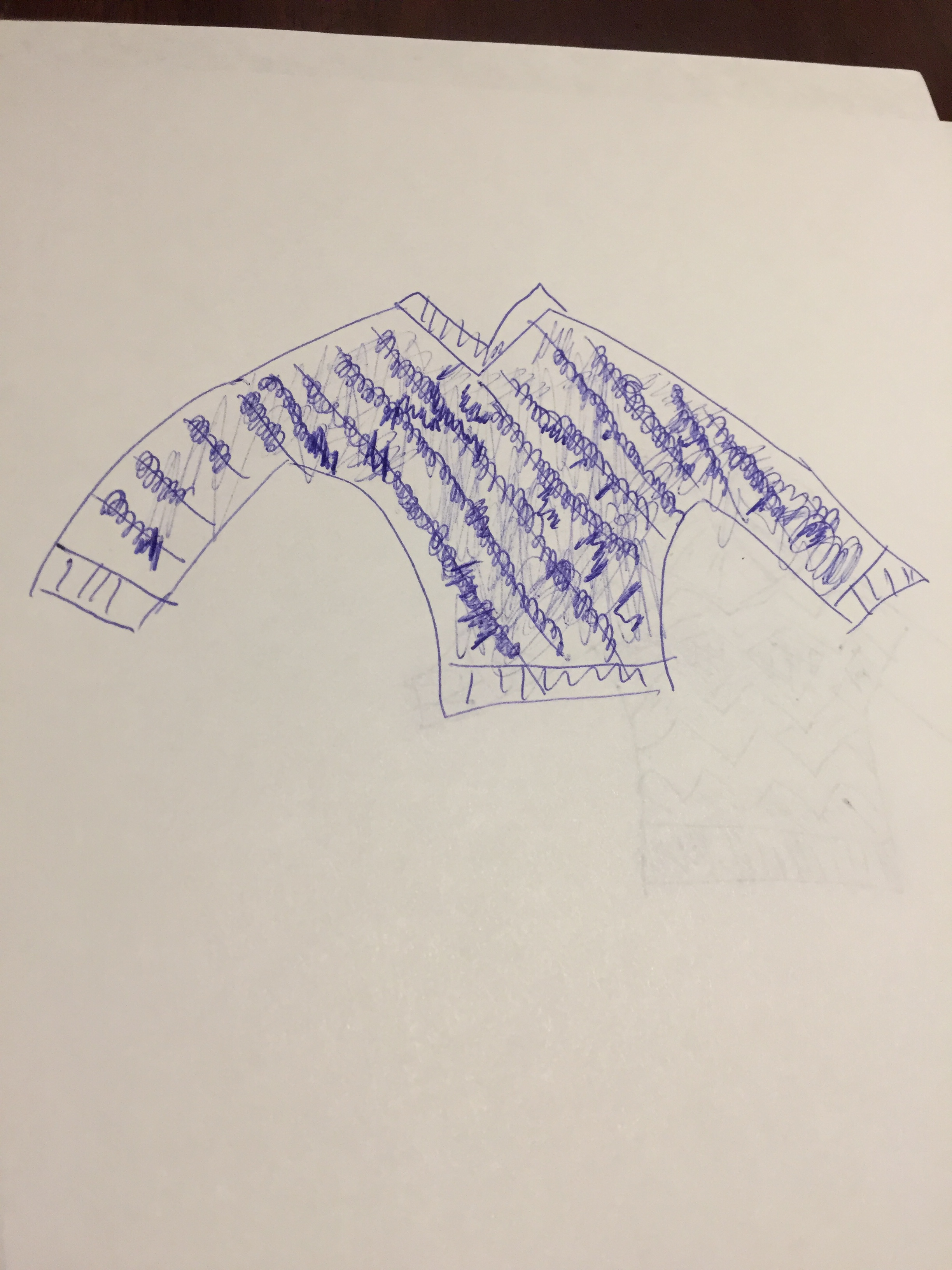
Here we go again, facing my demons(drawing)!

Continuous line drawing sketch 1
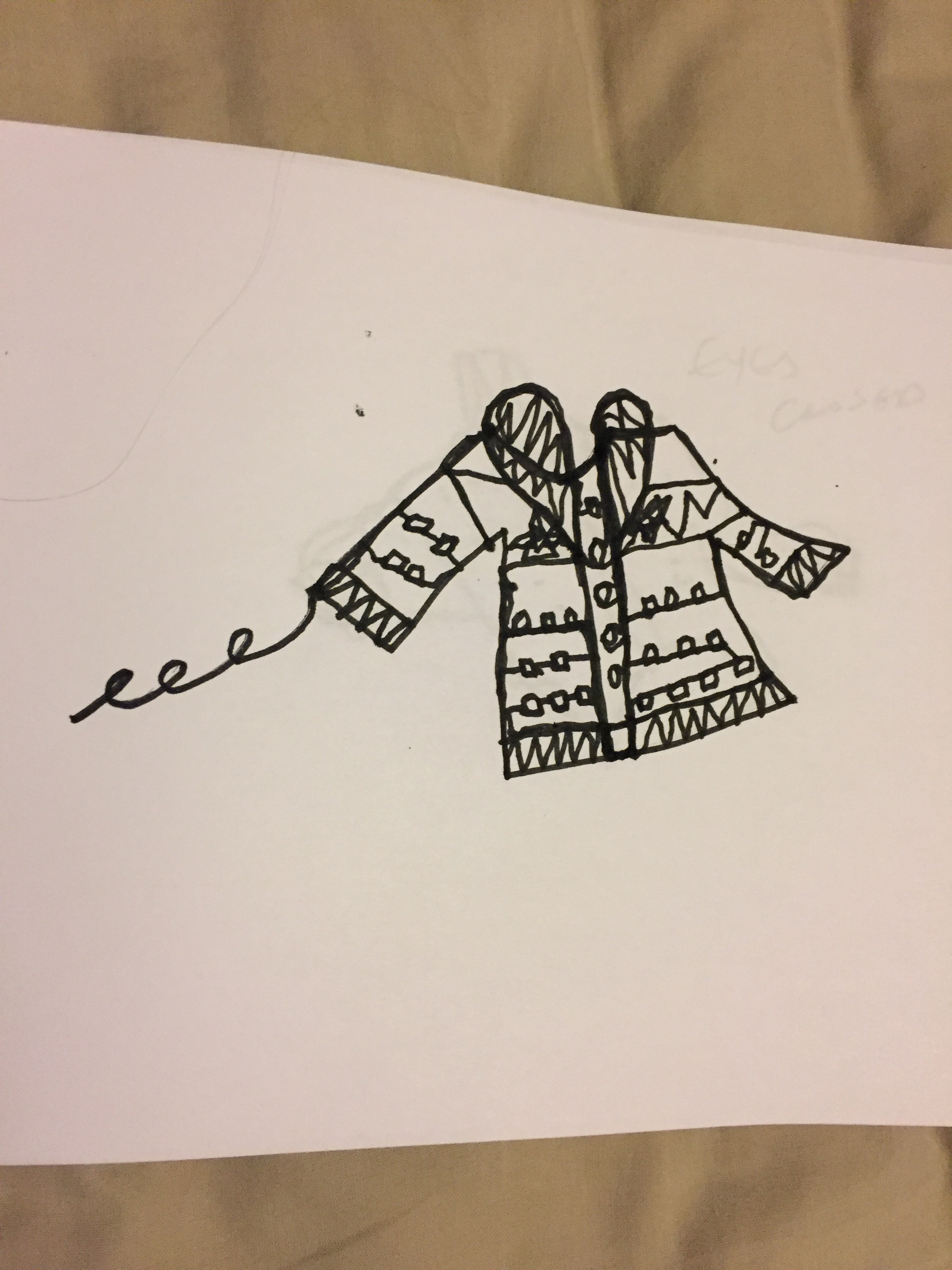
Continuous line drawing sketch 2

Continuous line drawing sketch 3
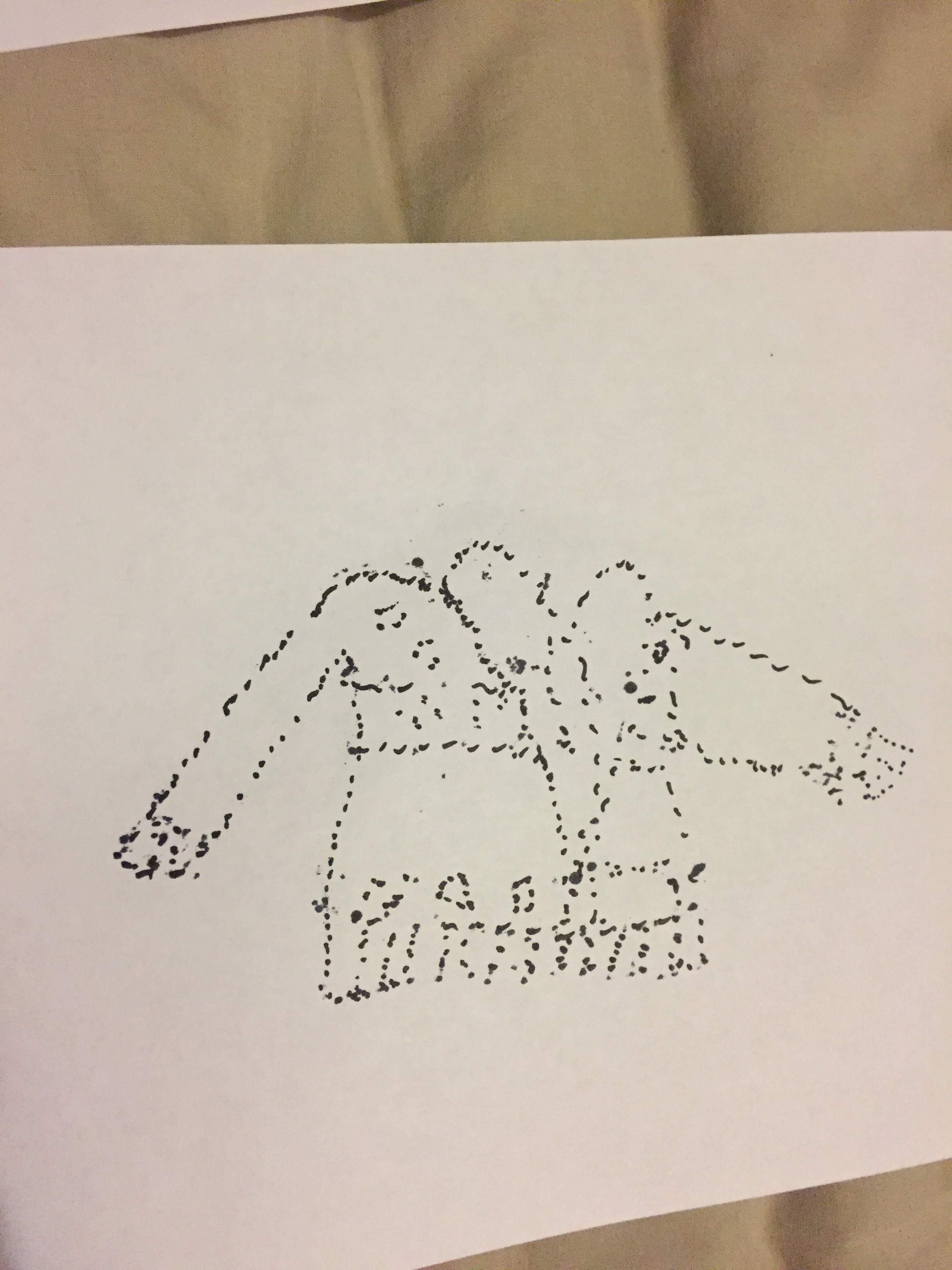
Drawing with dots
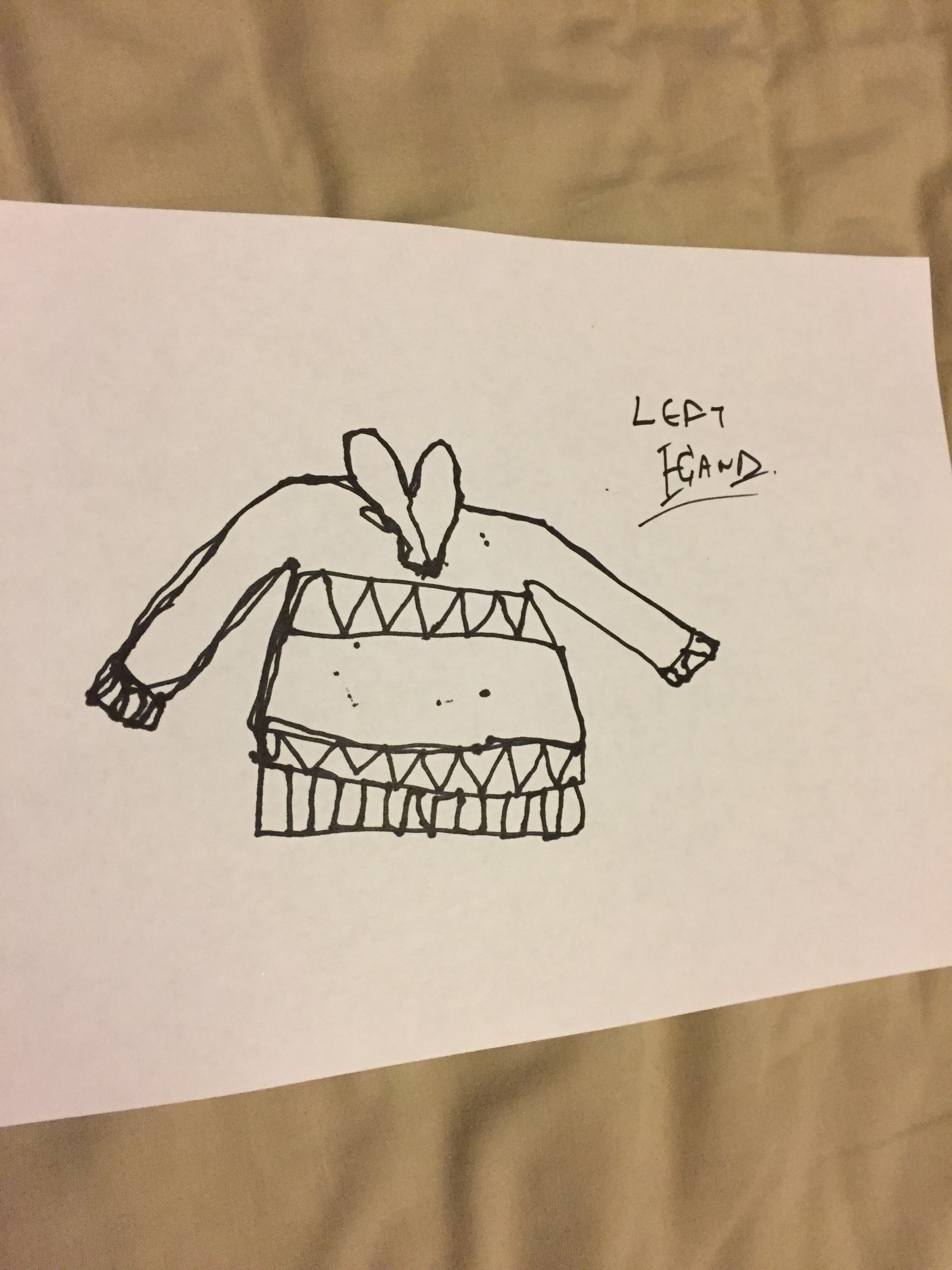
left hand continuous drawing
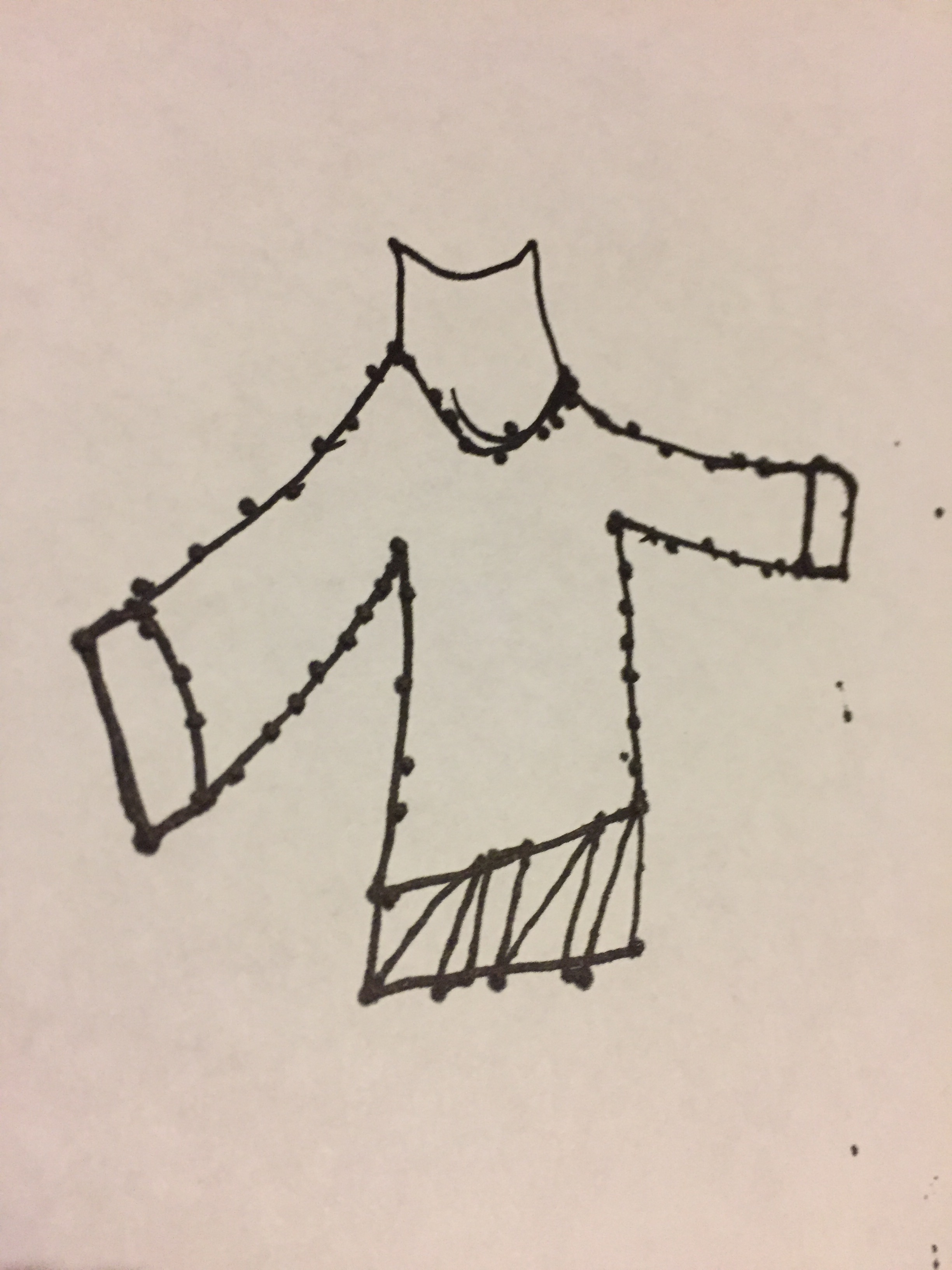
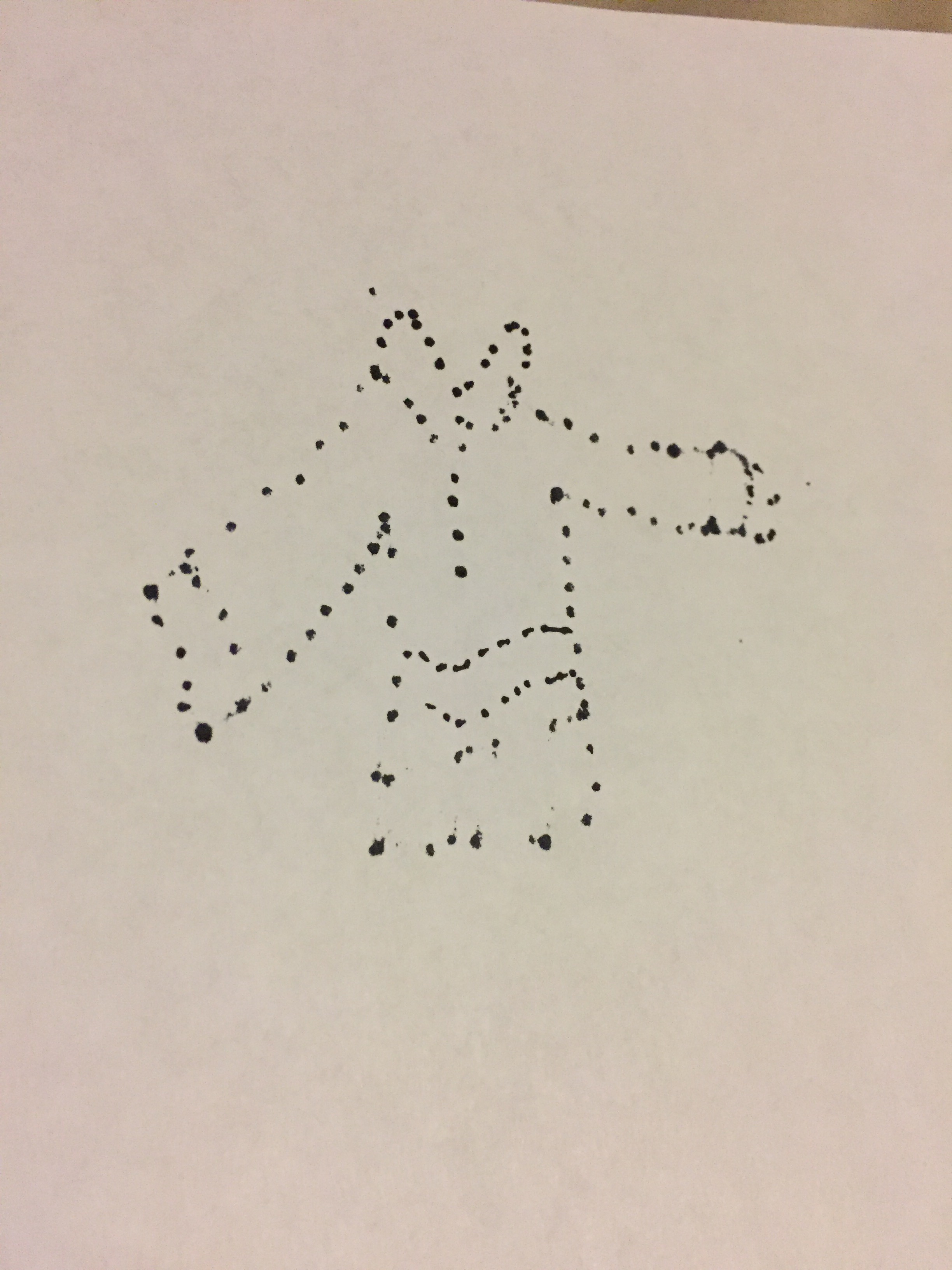
drawing with eyes closed and then creating dot lines with eyes open in order to create the following sketch through tracing:
Last and more challenging exercise is drawing with my eyes closed.
I found it really interesting as I’ve started with half a garment ,
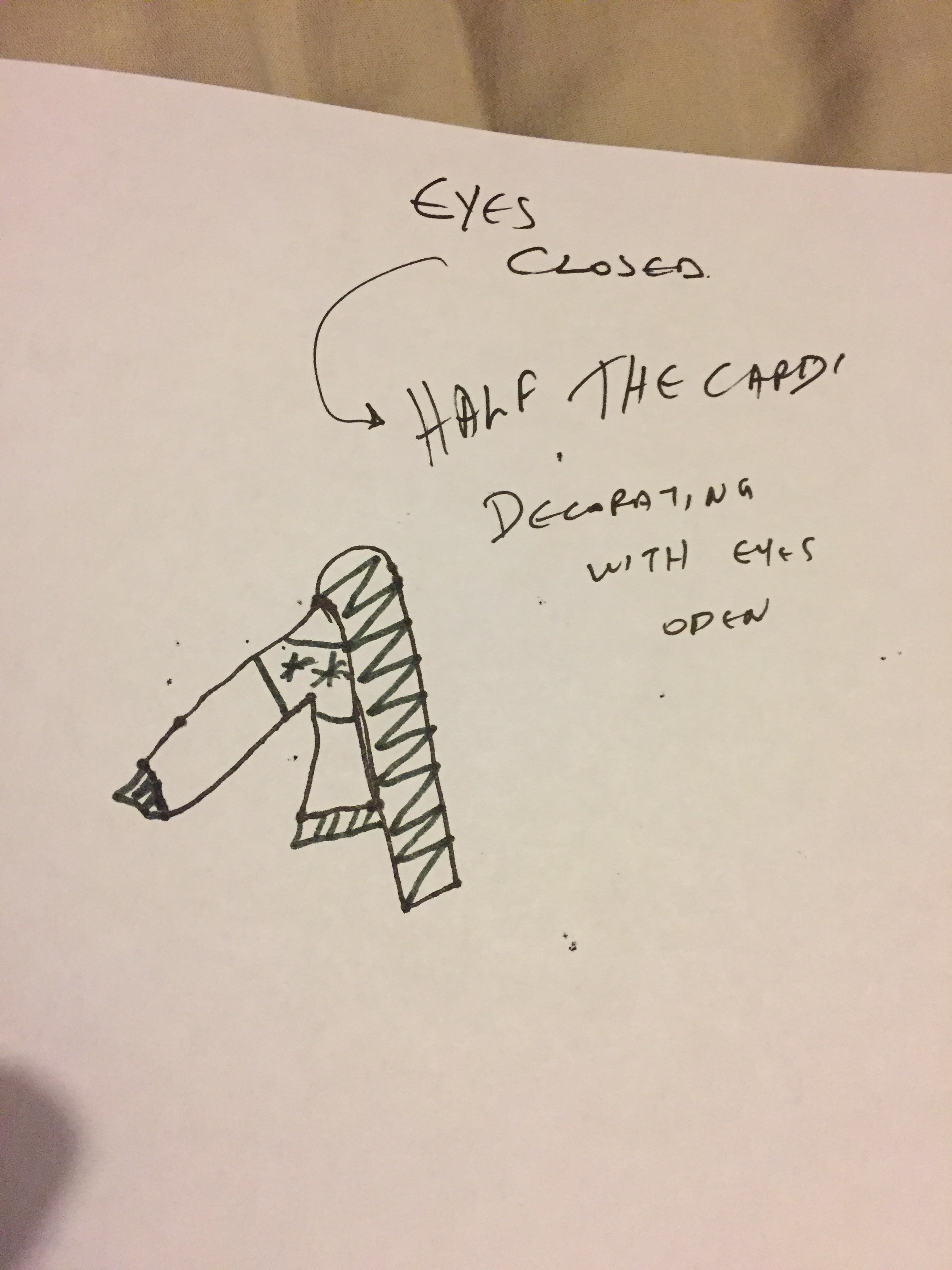
but as I was getting more familiar with it I found that my sketches were improving:

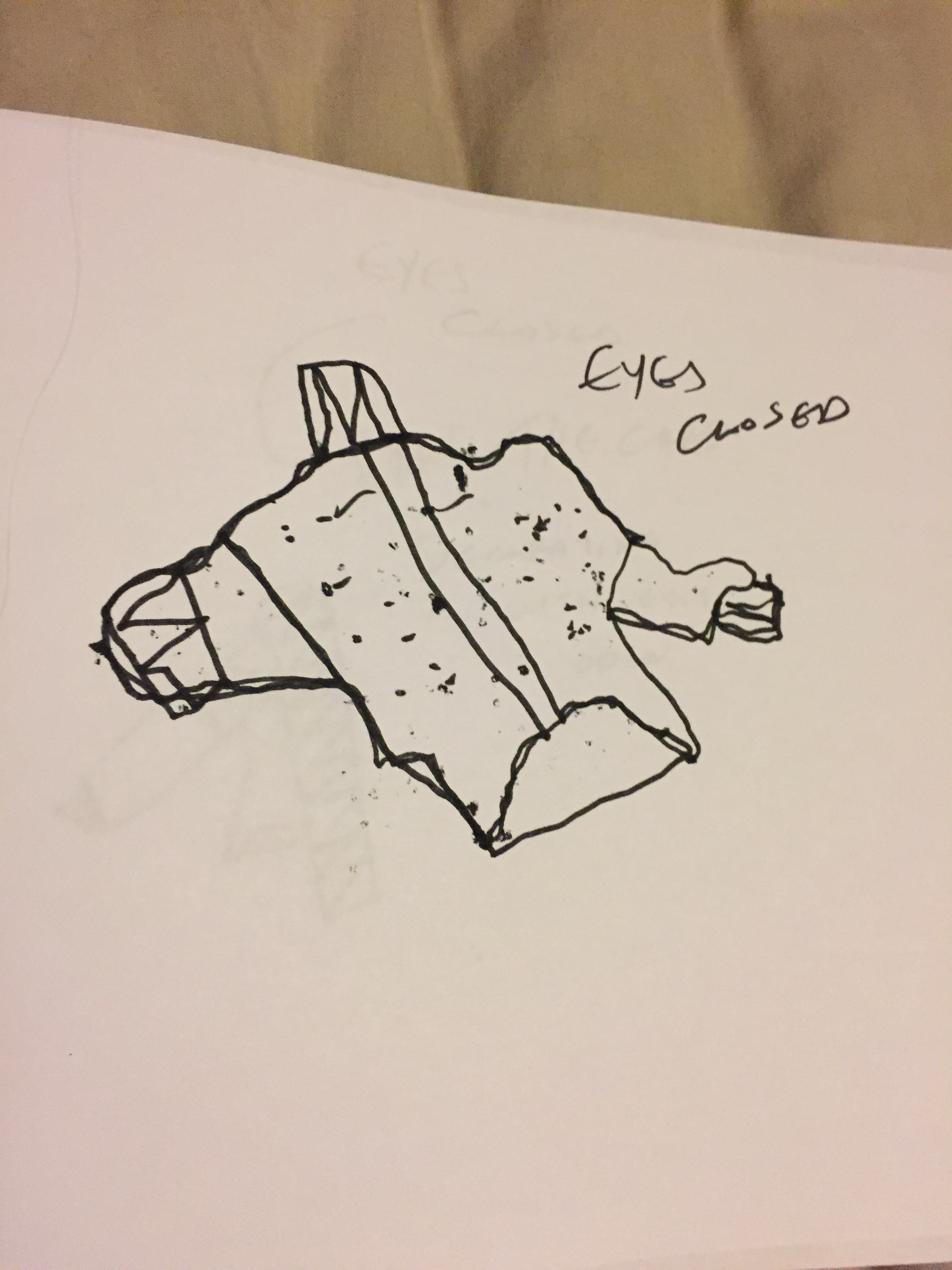
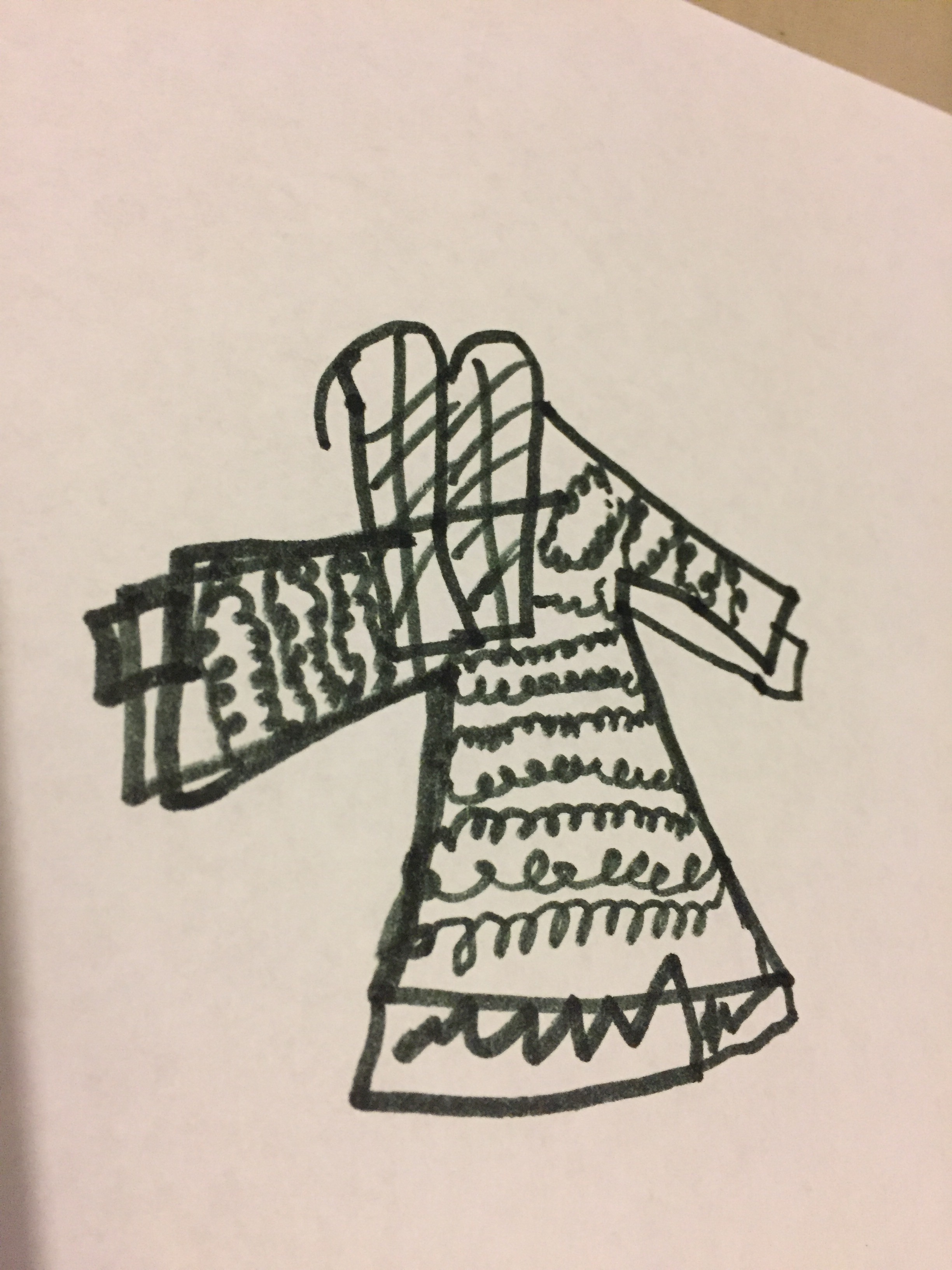
shape was made with eyes closed but stitch formation was drawn with eyes open.
Exercise 1.5 Collage and creases
Pare down to the essence, but don’t remove the poetry. (Koren, 2008, p.72)
WABI-SABI :the art of simplicity.
Poetry ,in my opinion, is a form of wabi-sabi .
It’s the art of trying to say and imply many using only few lines.
In modern Greece there is a phrase left from the ancient times: << LAKONIZEIN ESTI FILOSOFEIN>> and it is about the ancient Spartans who were living a simple yet glorious life. The meaning of the saying is that if you live like a Spartan you tend to live like a philosopher!
It’s really hard to achieve simplicity , especially when it comes to apparel designing.
On the other hand simple things are the most popular and have the best sales !
People love them because it’s easy to see the concept behind and the use of them.
So, trying to achieve wabi-sabi is trying to infiltrate, get to the core and make the most of everything .
TASK:
Again something I’ve never done before!
A collage!
It took me several days and time of research to understand what I need to do, as well as I had to short of “squeeze” my brain to put things in order.
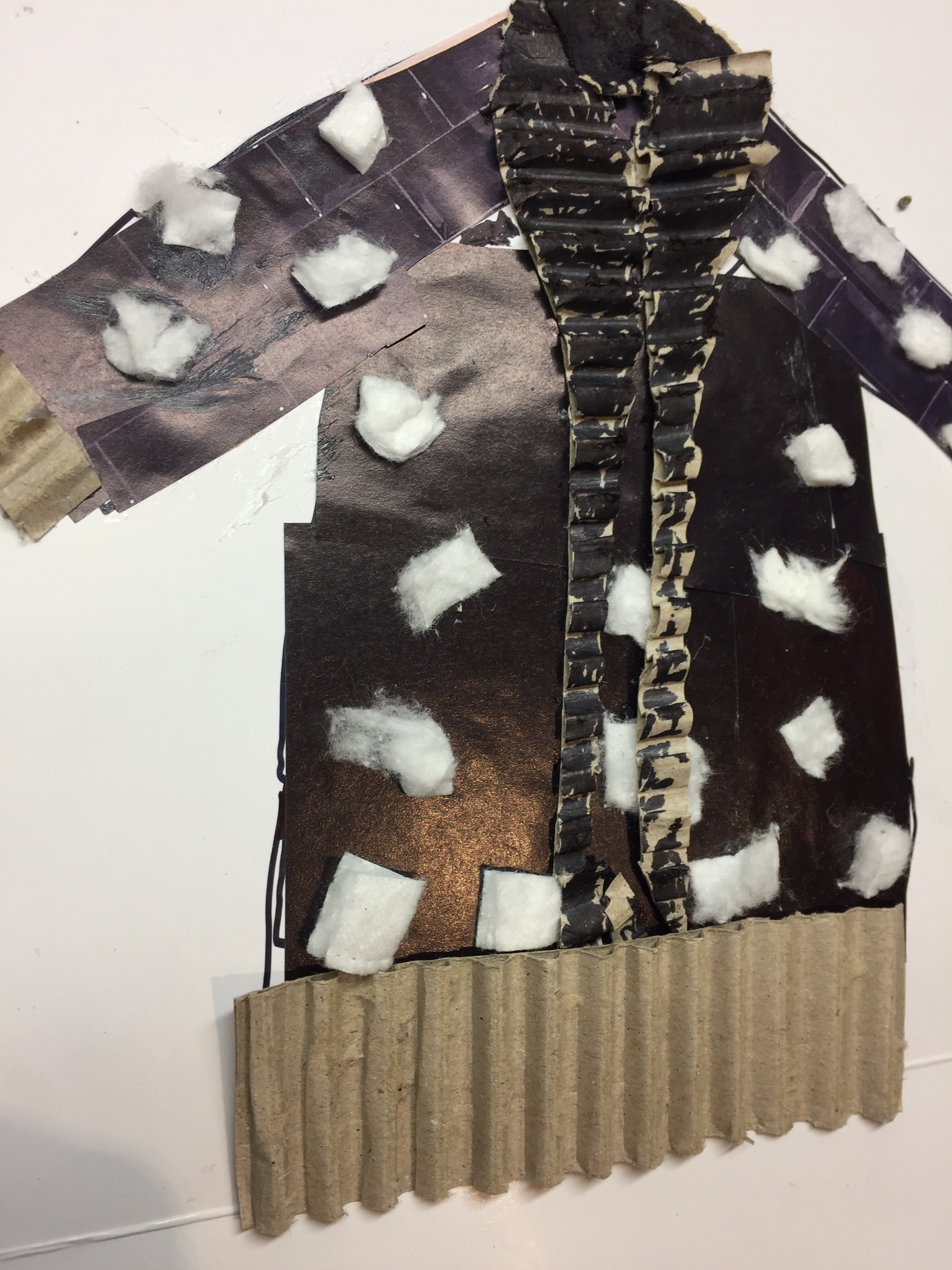
Finally , I managed to come out with two decent designs trying to present as many features of two of my garments possible:
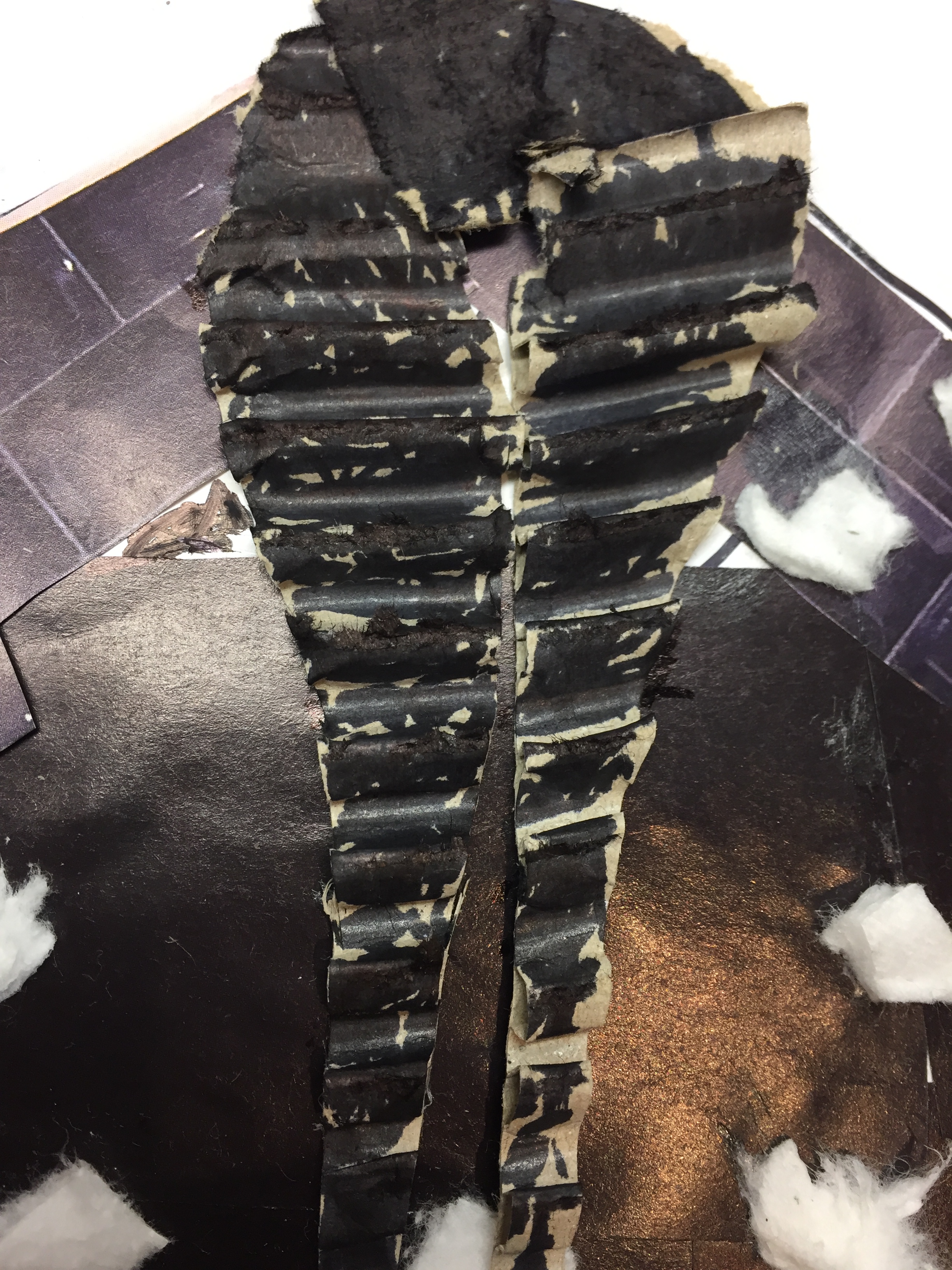
I’ve used carton to show the rib stitch detail as well as cotton wool to show the fluffy and hairy effect of one of the fabrics:

so here we go! style one:
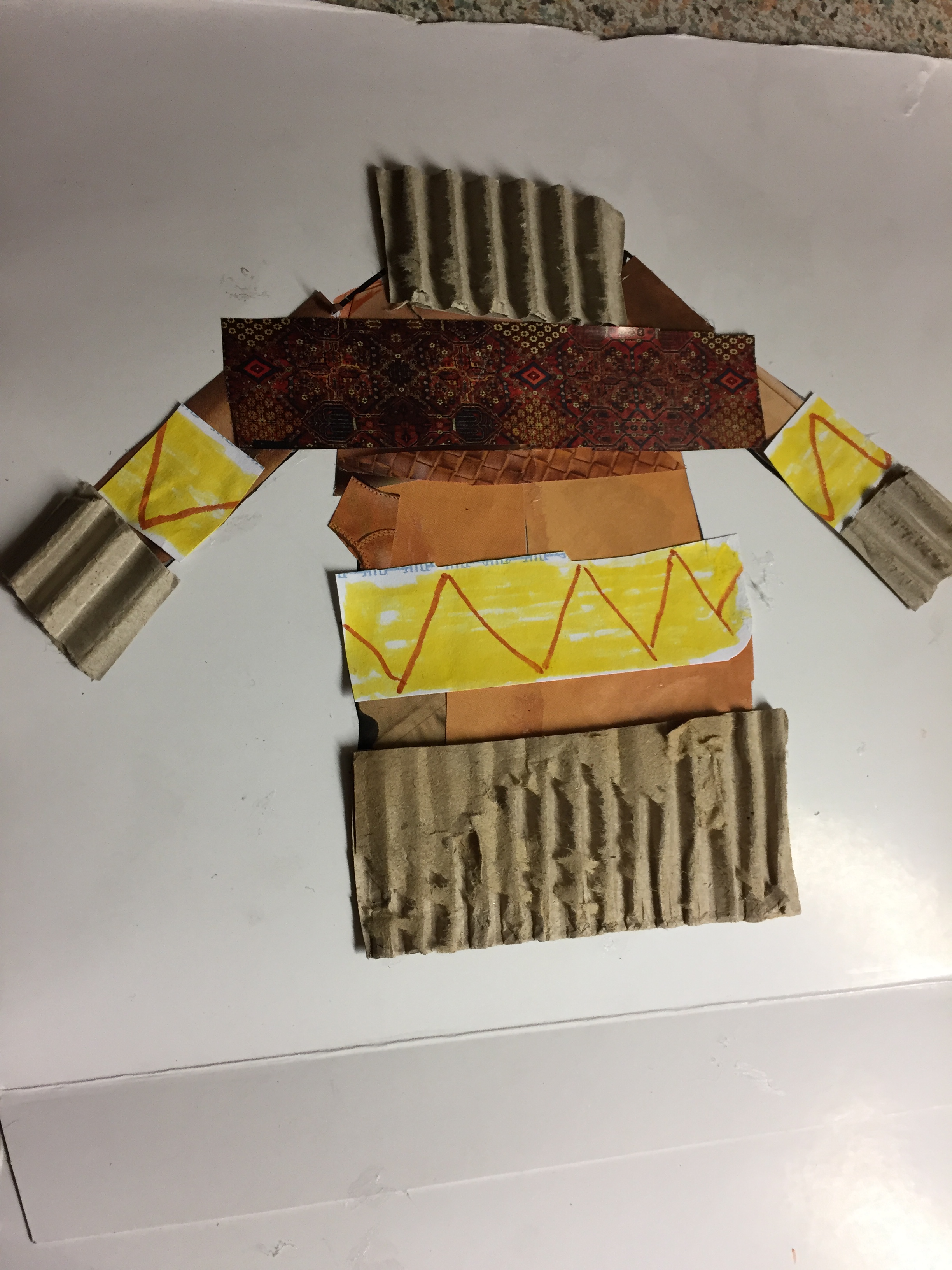
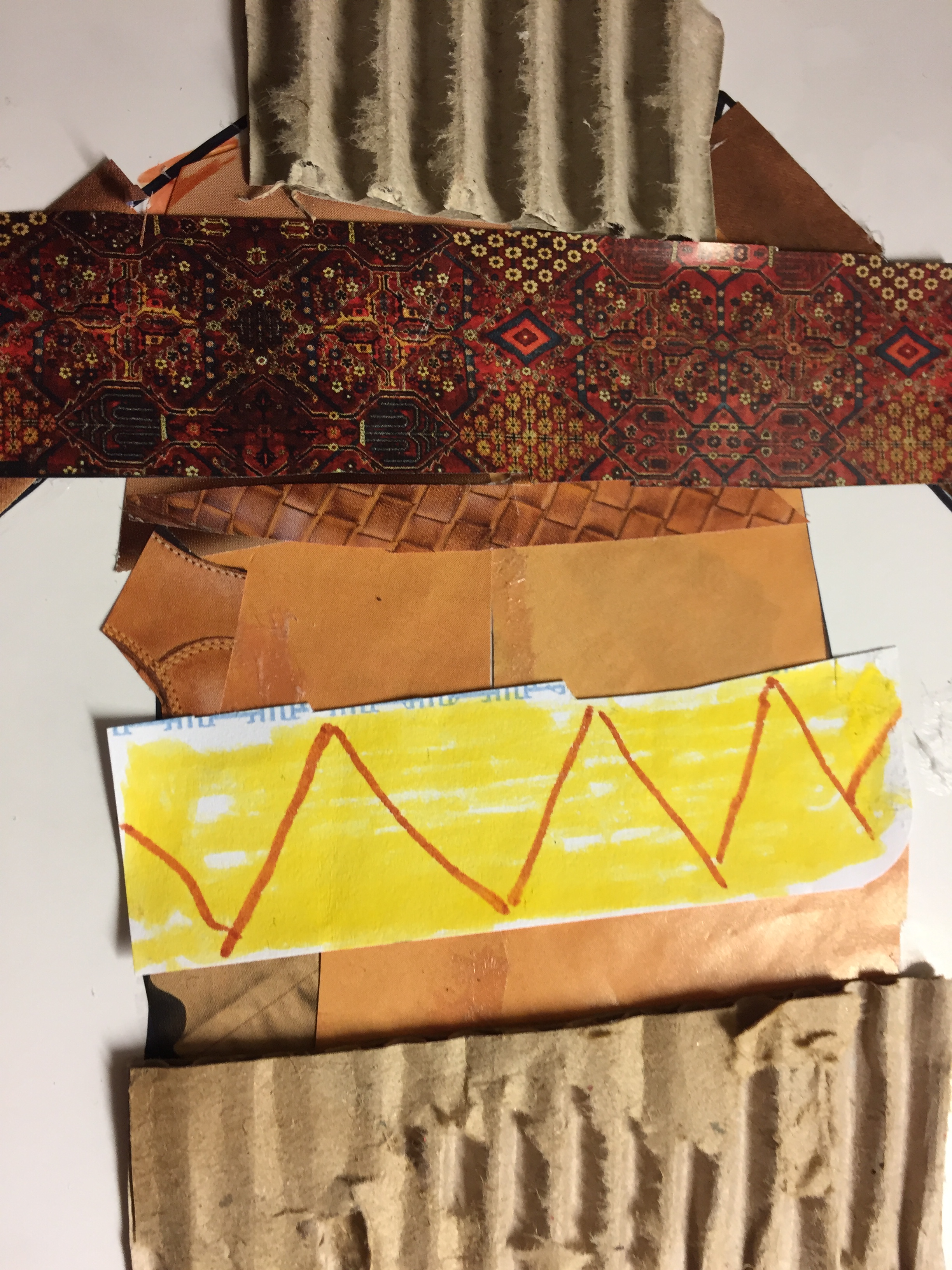
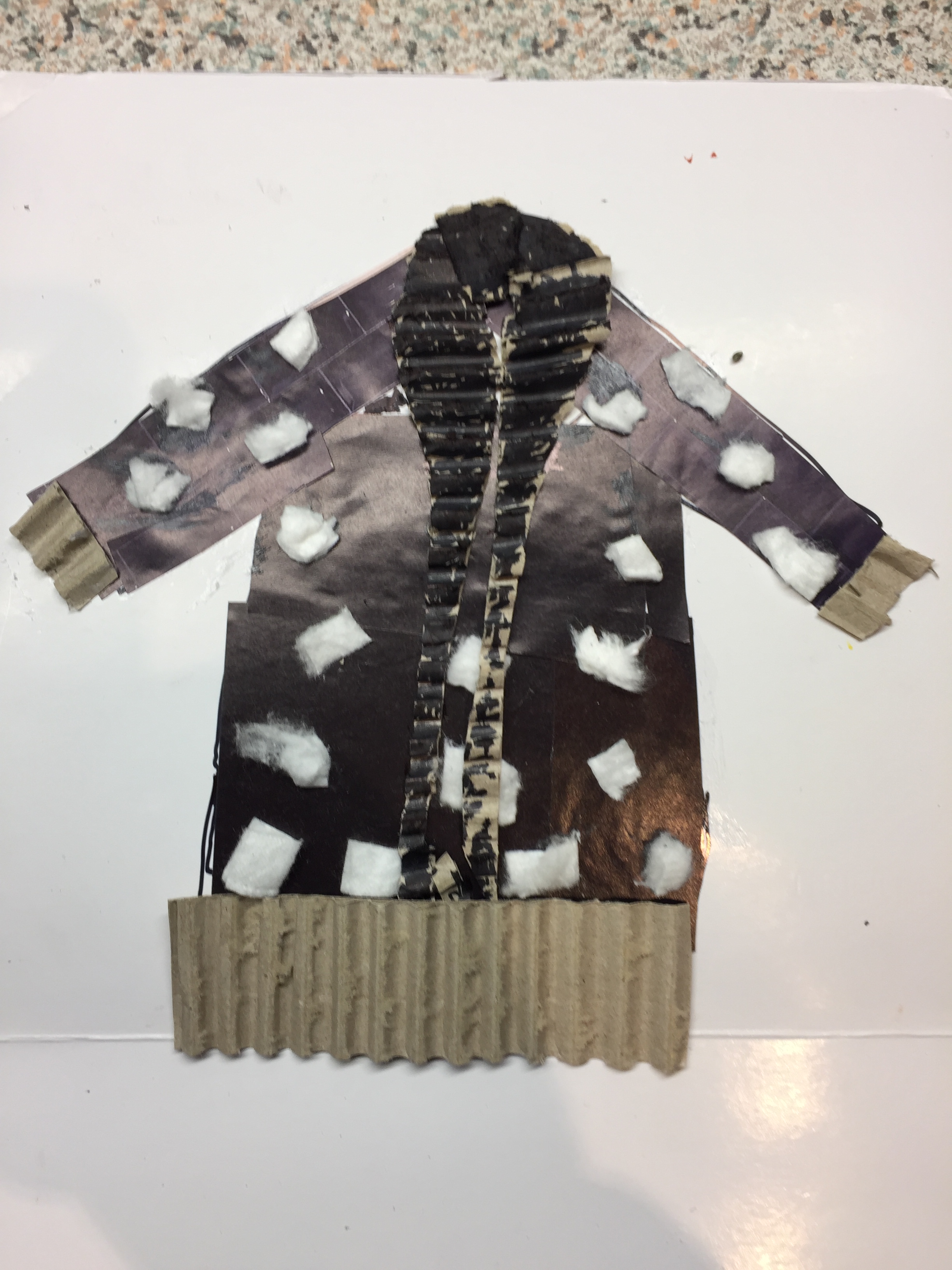
style two: shawl neck wool cardigan.
Exercise 1.6 Detail and definition
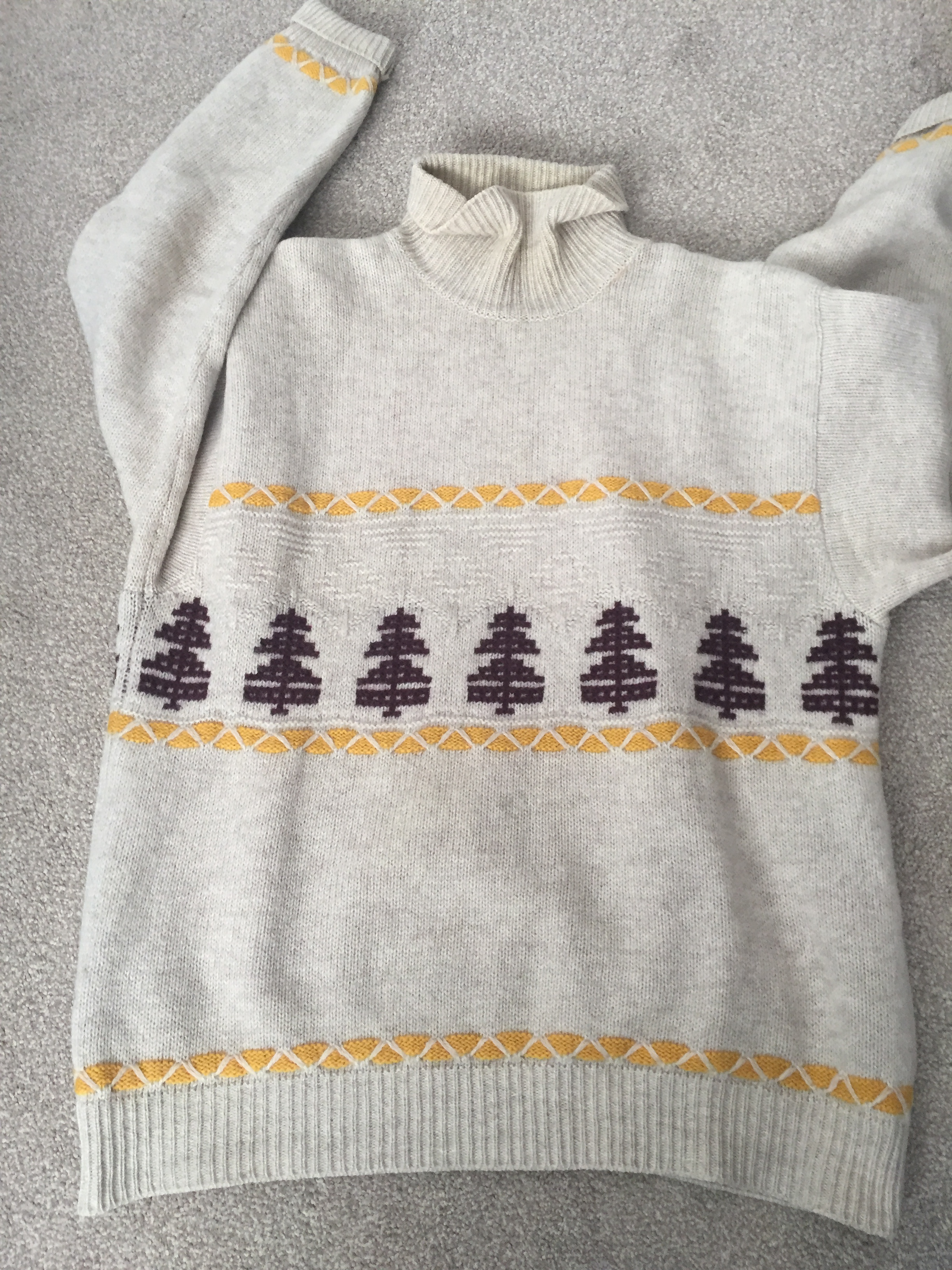
The purpose of this assignment is to capture details on the selected fairisle styles.
Again, I have to manage the difficulties I encounter that have to do with drawing.
In this exercise I went really deep into the details.
I tried to capture stitch details like a magnifying glass .

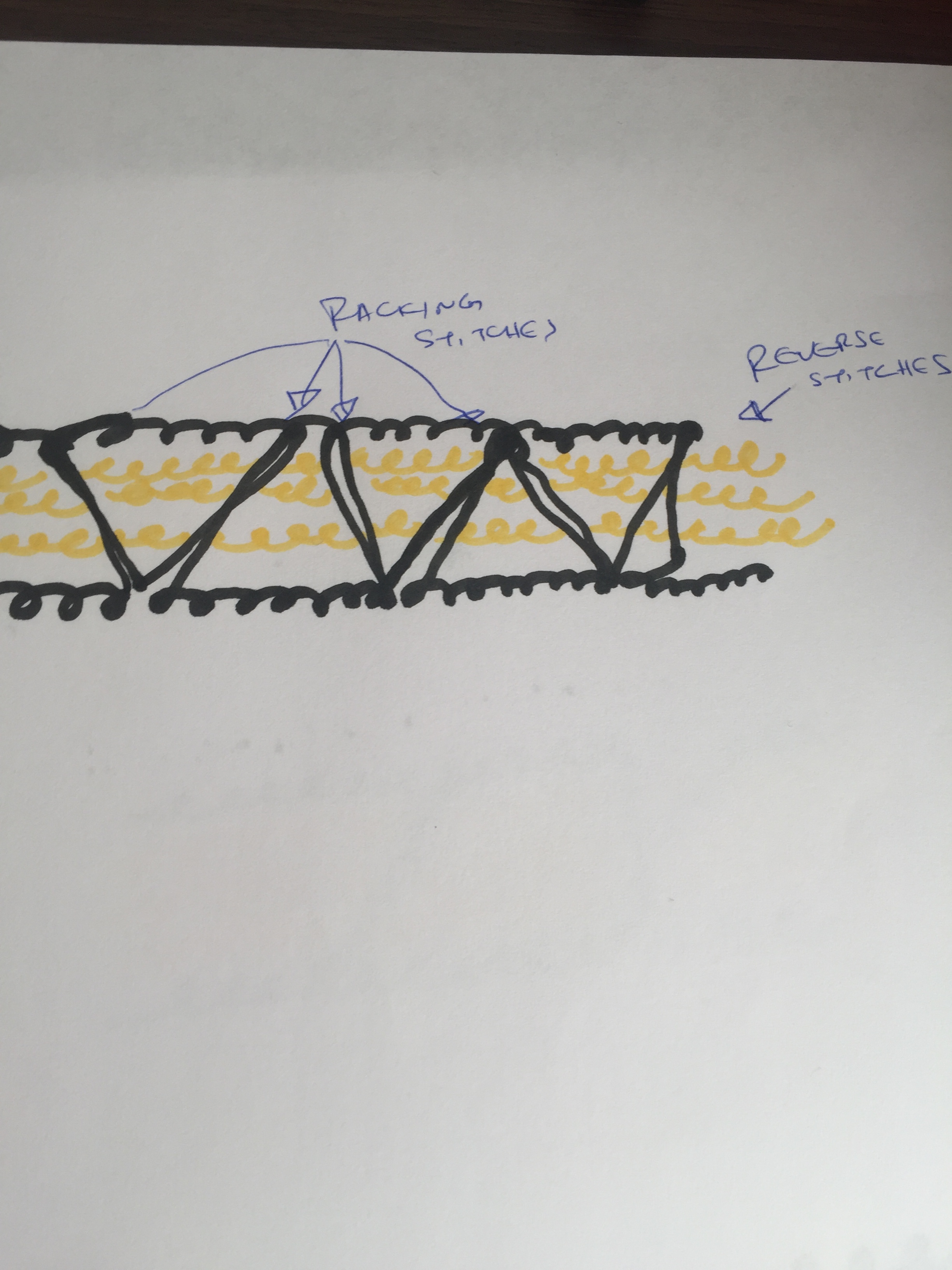
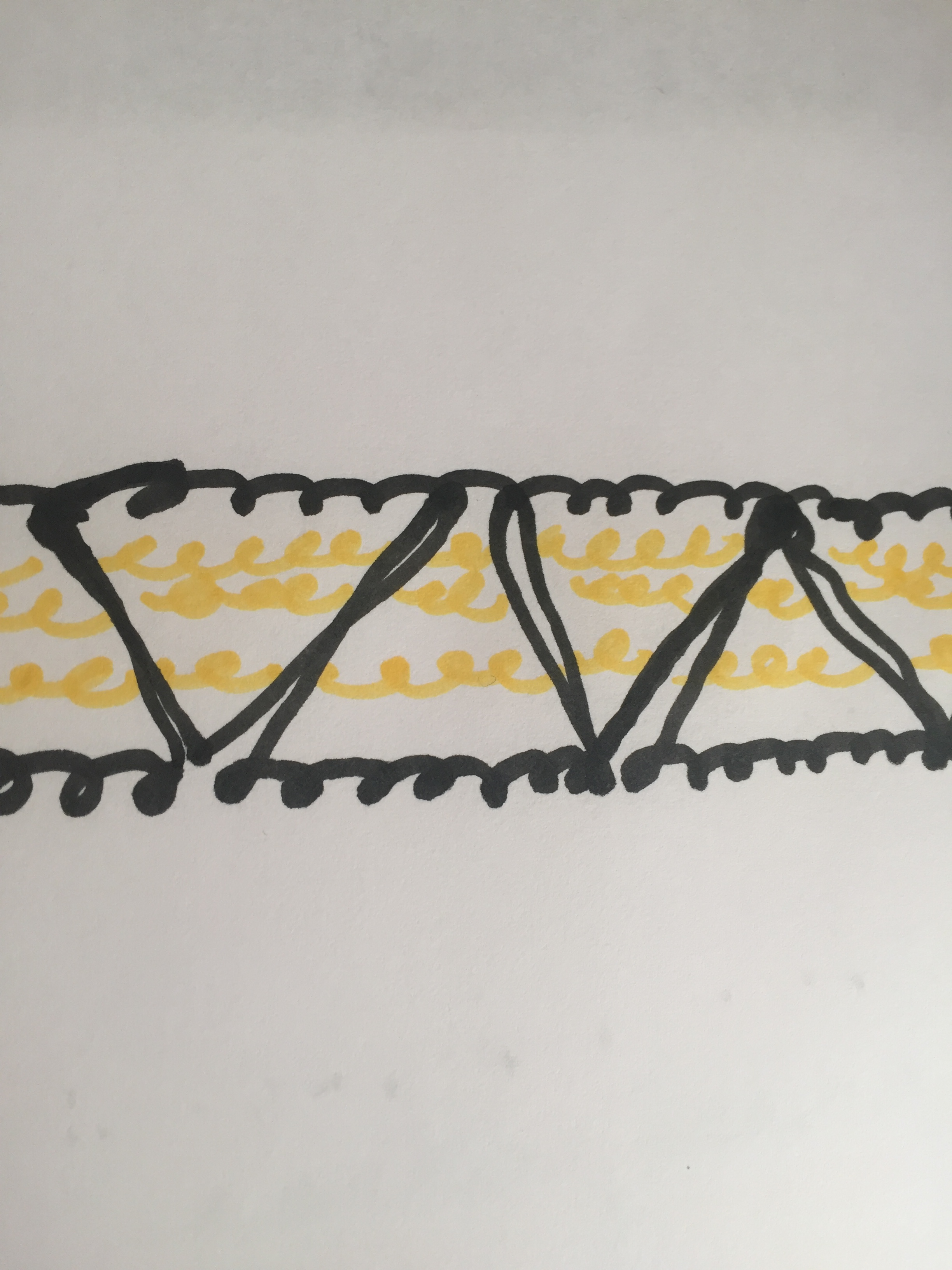


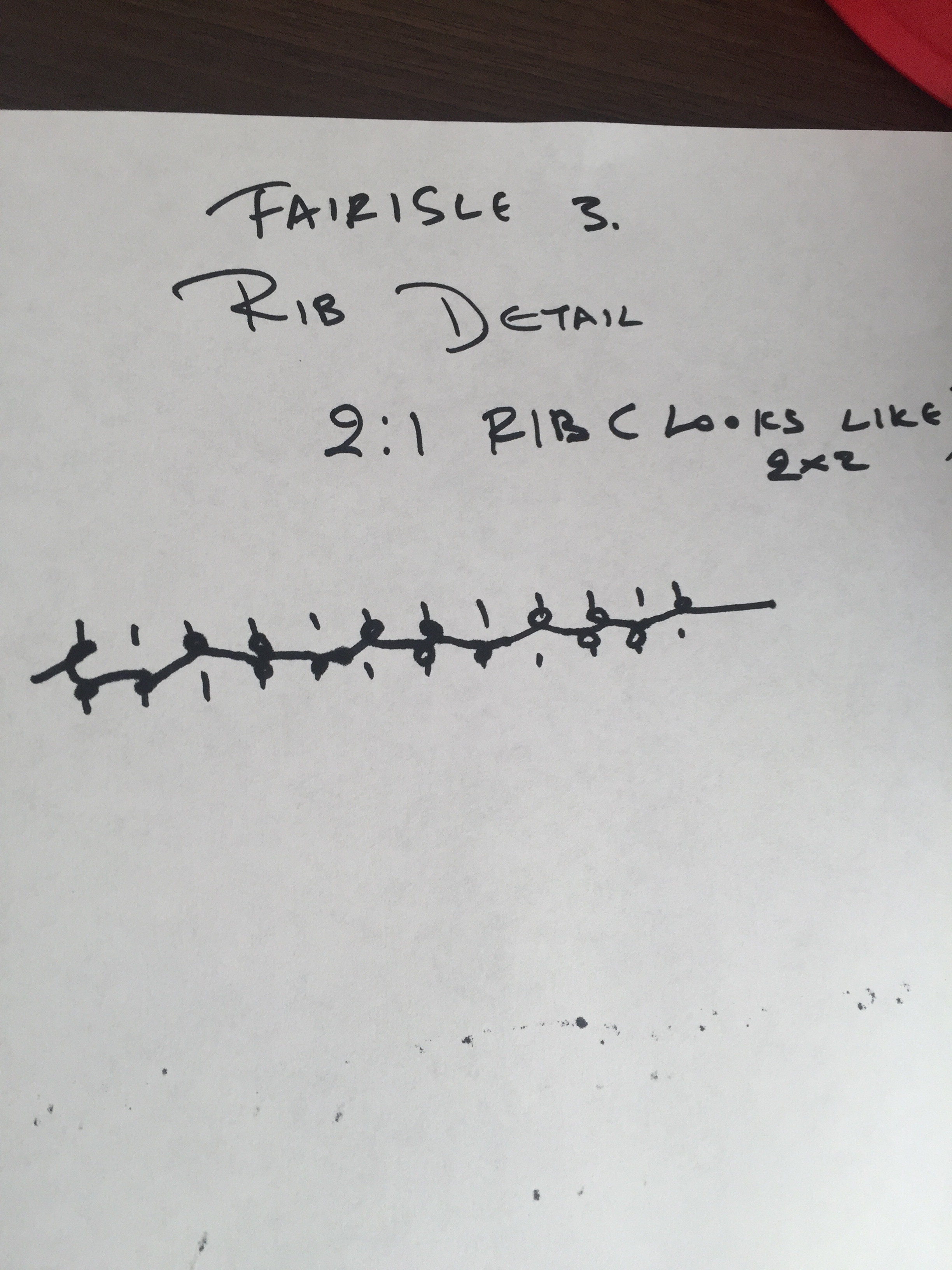
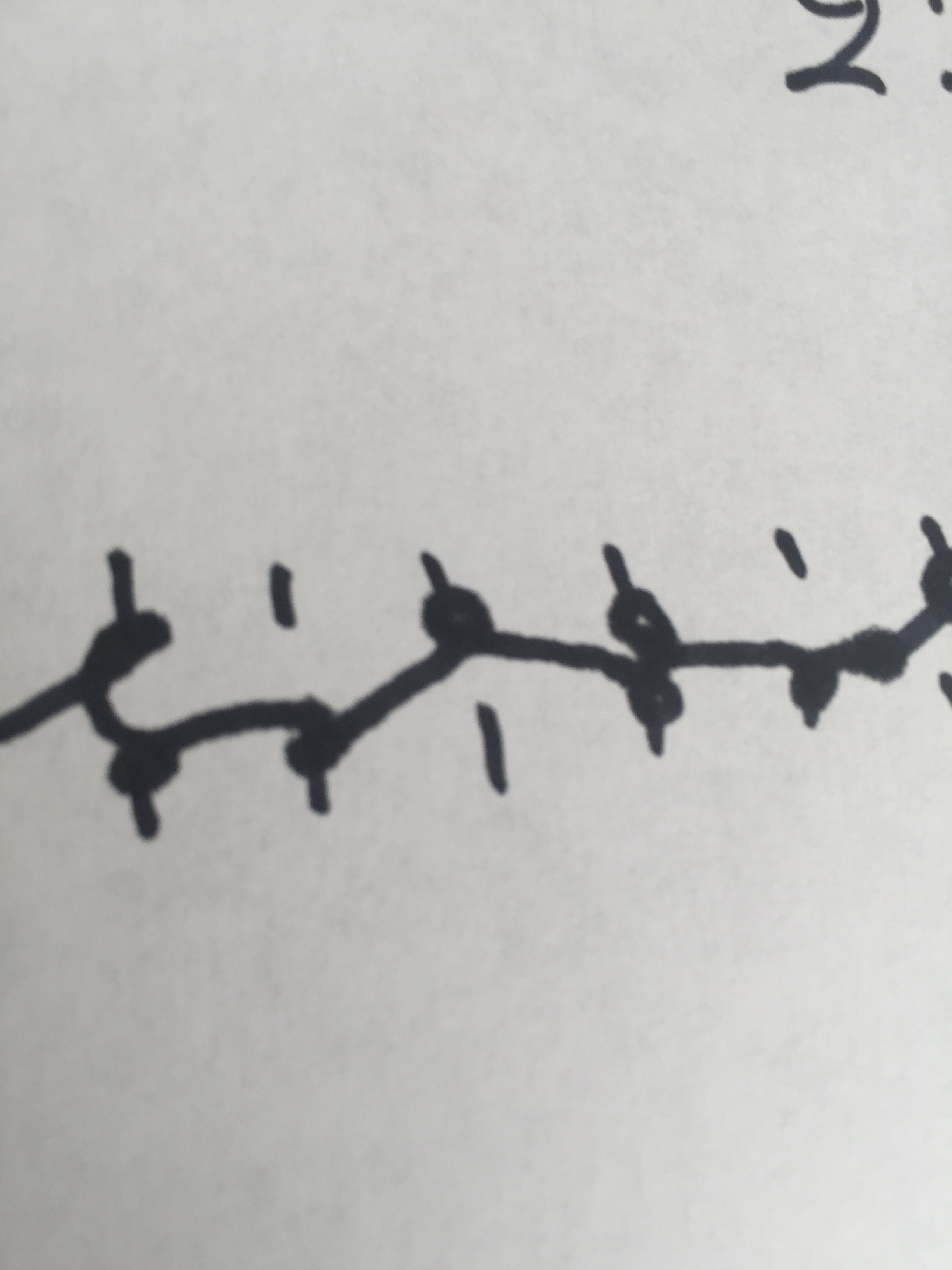
knitting construction detail 2×1 (2×2) rib.
1.8 PORTRAYING BY DRAWING
At last ! I’m able to use the computer!
The only way of drawing I can perform, understand and deliver is by grid drawing, a sort of mosaic creating kind of thing:
My problems where two:
firstly how to portray a physical design and to convert it into a two/ three color jacquard.
second hurdle I had to overcome was to find a way to transfer the .tif file I’ve created into the blog as drag and drop didn’t work.
Finally I found out that .gif file was acceptable but with the down side of not having a clear picture (that’s why all pics are a bit blurred).
my goal was to create physical looking graph which can be used by a knitting machine and convert it into fabric if required.

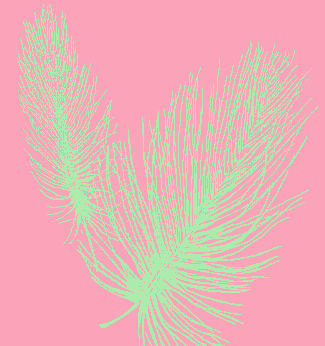
two leaf designs…

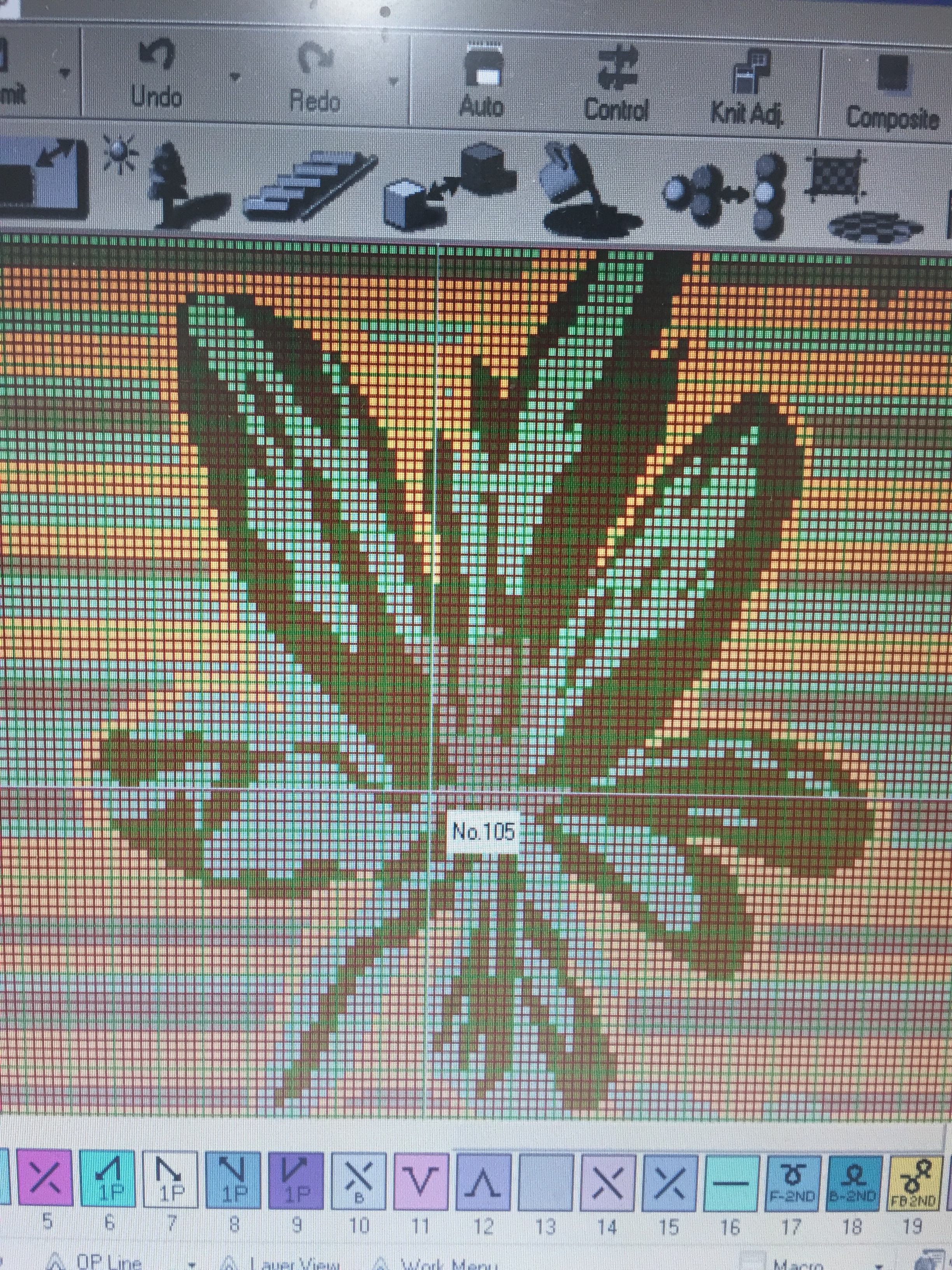
this is how I did it!!!

ROSE


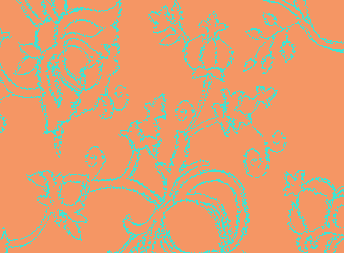
FLOWER DESIGN DONE BY ERASING EVERY OTHER COLUMN



Final assessment:
On the first, introductory part of my course, I had the chance to start thinking outside of the box.
All these years I was creating fabrics and stitches without having
on the back side of my head the creation element I’ve used in this course . It was sort of a revelation to me as I’m working in a fast paced environment were I really haven’t got time for second thoughts, time to use my imagination in a whole or look back and rework on what I’ve created or even oversee what I’ve done in a different perspective.
Especially in the task that we had to draw with our hands closed or with our left hand, I had the feeling of being free from any kind of restriction, were time didn’t matter as much as the joy of playing about with your imagination , a sheet of paper and a marker.
I faced two things I’m not familiar with: craftsmanship were I had to create a collage and hand drawing which is something I haven’t practiced since I was a child.
I managed to master these ”fears” and finish my tasks after working around them where I realized how much I enjoyed doing this course ,what a great choice to take textiles it was and how many things I can gain not only as a student but more than anything else as a person…
 Alexander's blog