Assignment 3: Articulating Boundaries – Formative Feedback
For this assignment, independently generate a piece of practical work and an accompanying contextual research activity that begins to outline the boundaries that you are currently working within.
What you decide to make can take any form and should seek to demonstrate your awareness and understanding of the contexts and subjects you are exploring in a constructive and exploratory manner. This is not an assignment outcome that defines your practice but rather an exercise in opening up and expanding your ideas, enabling you to continue working in an increasingly self-directed and independent way.
Begin by collating key aspects of your learning from Projects 1, 2 and 3, identifying practical skills and contextual ideas to explore further and consider the boundaries and tensions between your making and thinking. Develop creative work that builds on your skills learning and the crossovers between disciplines, relating these to your thematic enquiry.
This is a self-directed assignment, so set your own exercises and plan your schedule relative to the indicative time scheduled for the project. The work you create here will carry forward into a larger body of work in subsequent projects, so you can experiment and test ideas at this stage to generate avenues to continue exploring as you progress on the degree.
Feedback Point
Once you have completed your practical and research activities for this assignment, submit it to your tutor, who will then schedule a time to complete your feedback report. Note: You are also encouraged to share and discuss your ideas using the unit forum, giving and receiving feedback from your peers.
Articulating Boundaries.
Working on the Dissonance idea, I would like to use the same principle to create few pieces of work that follow that point of artistic view.
Pop Art is my favourite is creative genre because it entails all my favourite artistic attributes:it is witty, playful, contemporary, funny and sometimes shocking.
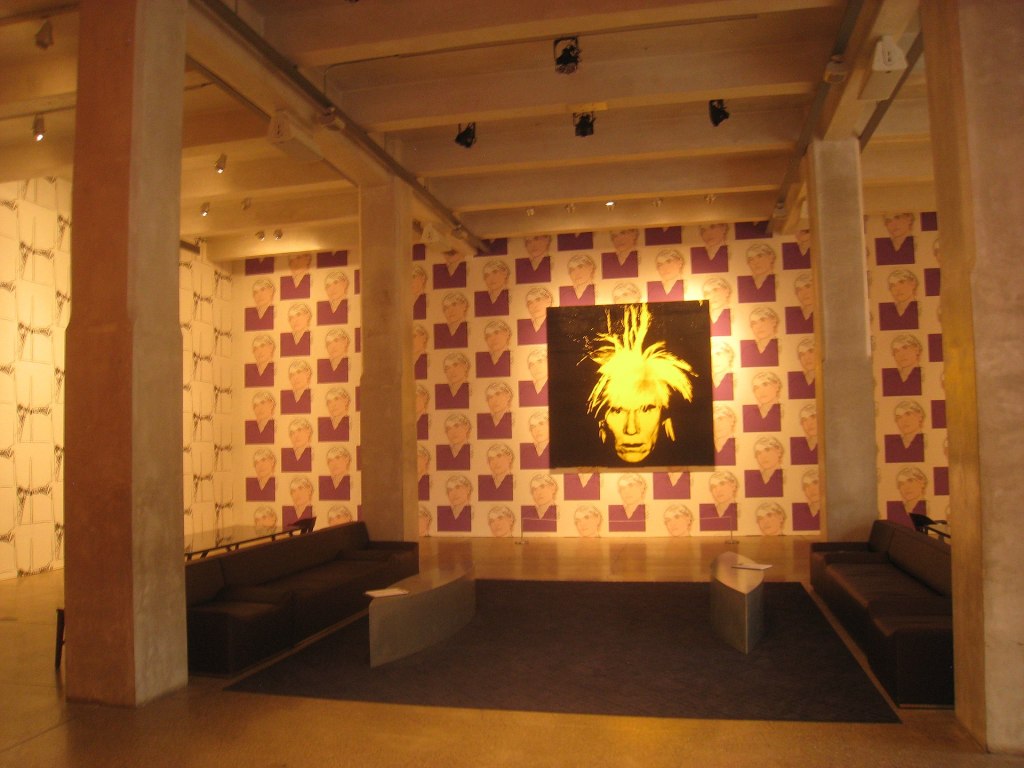
In my previous blog posts I had made an extensive review of my 3 most favourite artists of that genre. I’m talking about Andy Warhol,
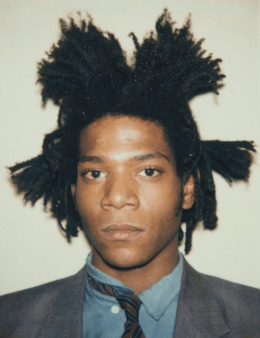
Jean Michelle Basquiat
and Banksy.

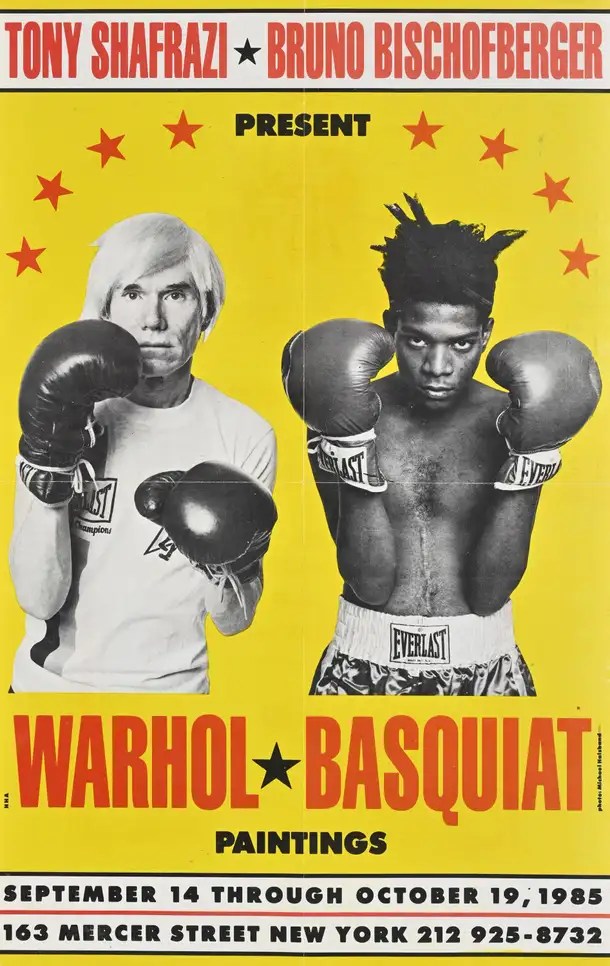
I consider Basquiat as a connective link between the other two artists because he started his career with street art, same as Banksy and later he became Andy Warhol’s associate until his tragic death in the age of 27.
Banksy was inspired by Basquiat
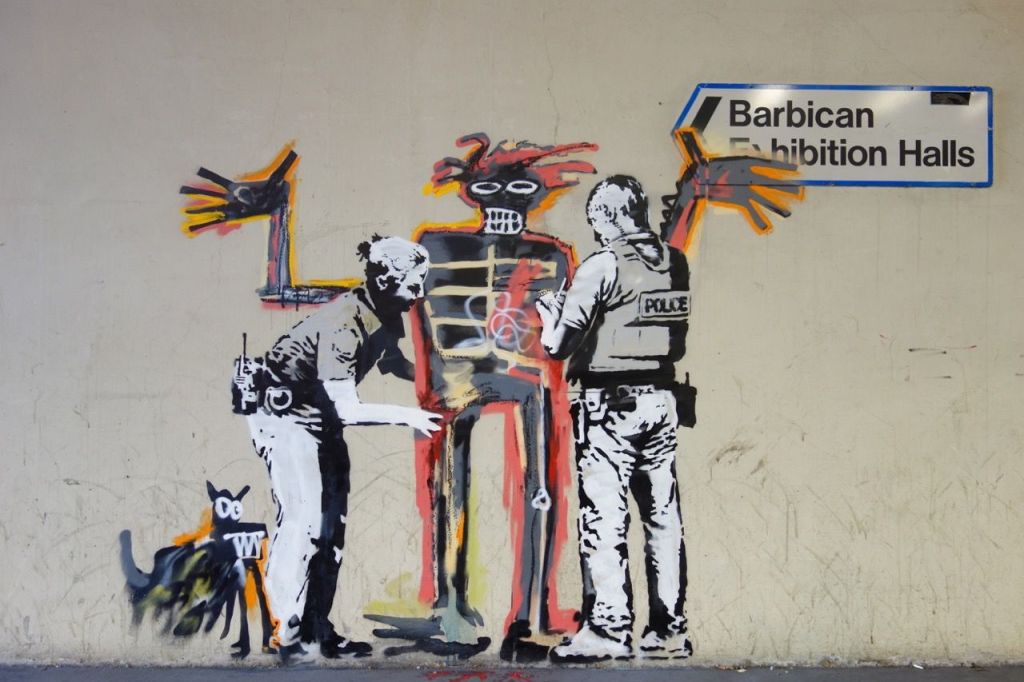
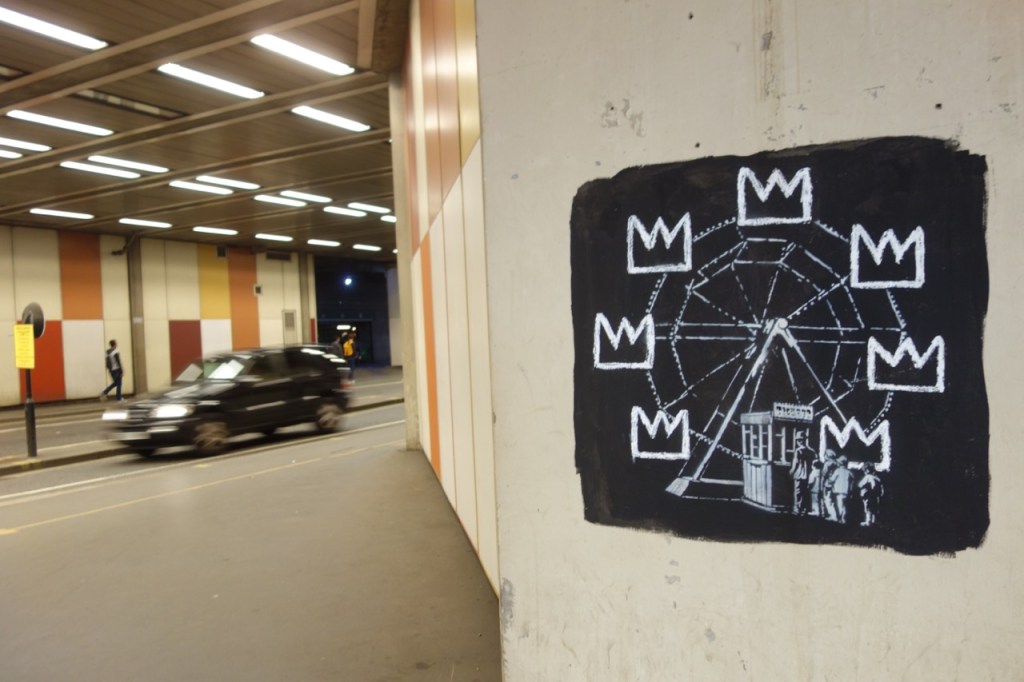
Moved by their work I wanted to use existing pictures, or photos taken by myself and process them using an image manipulation tool and make them look funny and witty.
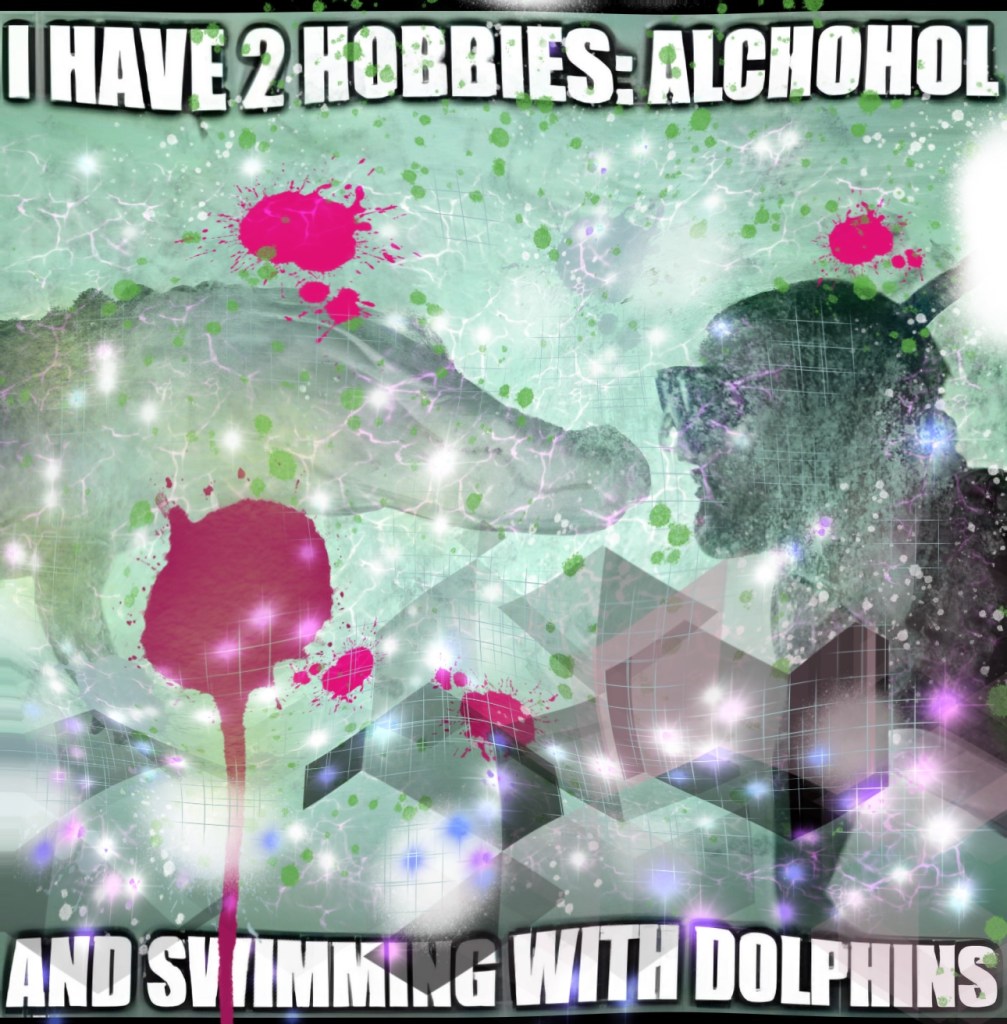
The first one is a a picture someone sent me

and then I processed it to make it look like a funny meme, a joyful poster.
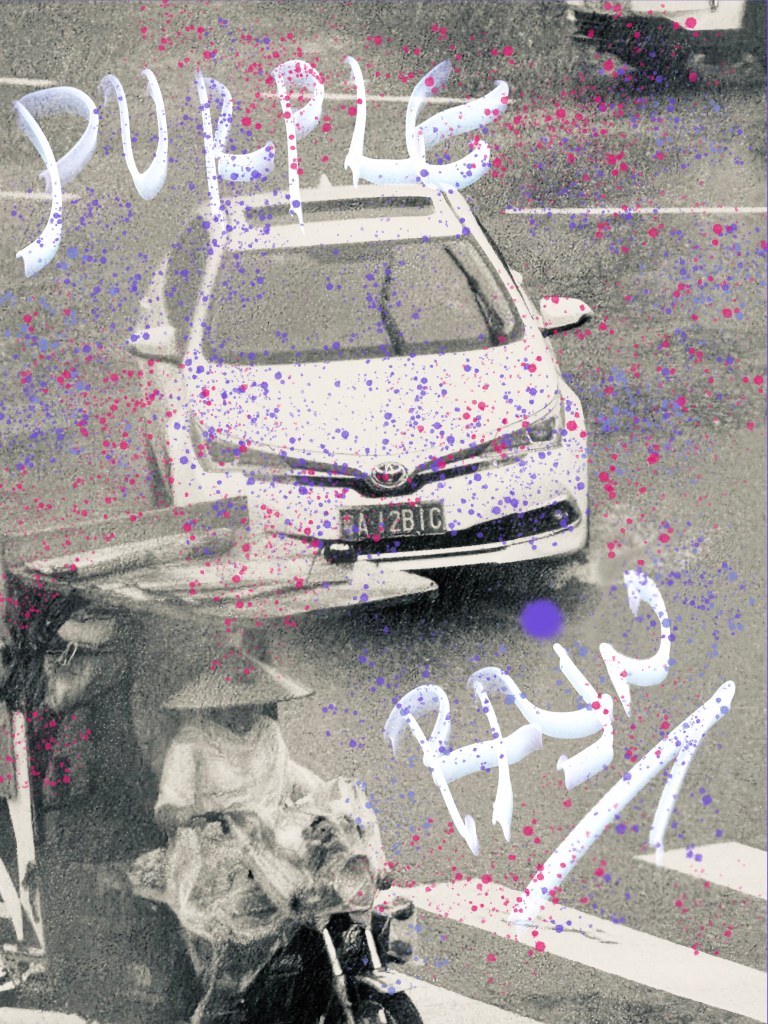
The last few days I came to China on a business trip. The weather was very intense with thunderstorms and lots of water. I was on a break looking out of the window of a tall building where I was looking at a Chinese person wearing a typical hat of the region driving in the rain.
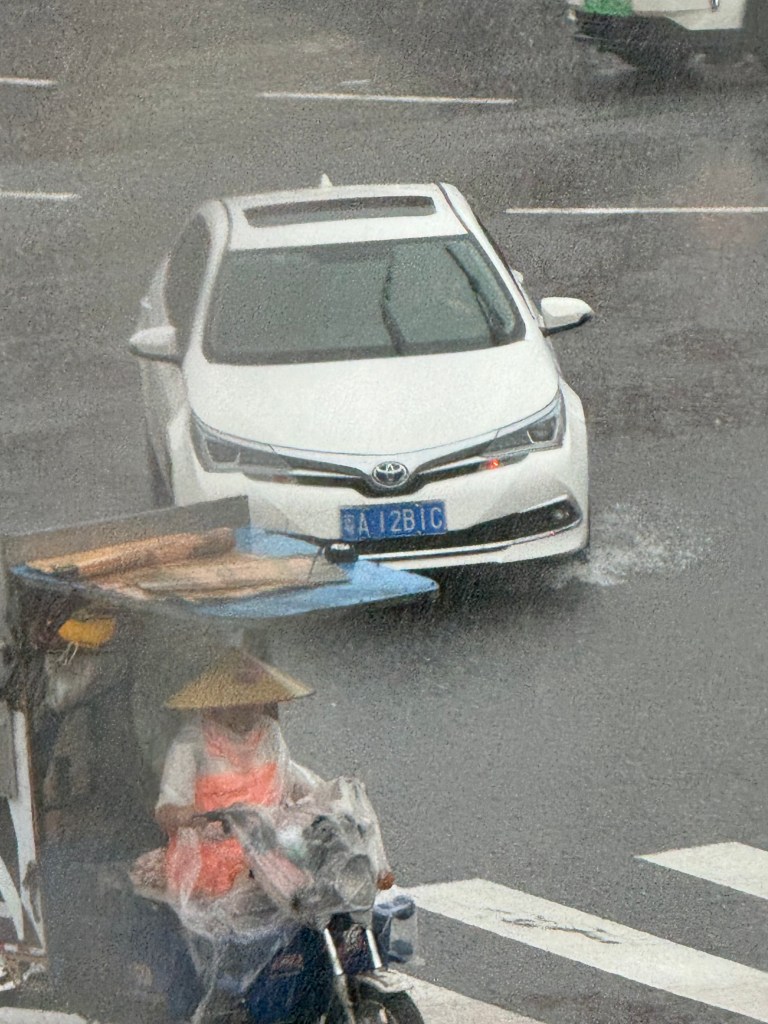
The new picture is zoom reduced, changed into black and white and again I processed it as a canvas. I felt very happy adding colour into the picture. Then, instinctively, I felt intrigued to write “Purple Rain” inspired from the famous song from Prince.
Walking in the gardens of my apartment, I was listening to music; It was an old Greek song that in its lyrics says: <<And I was walking into the night without recognising none , and none recognised me as either>>.
I felt emotional and the urge to take the following picture. I was sad because there was none there to share this moment with.
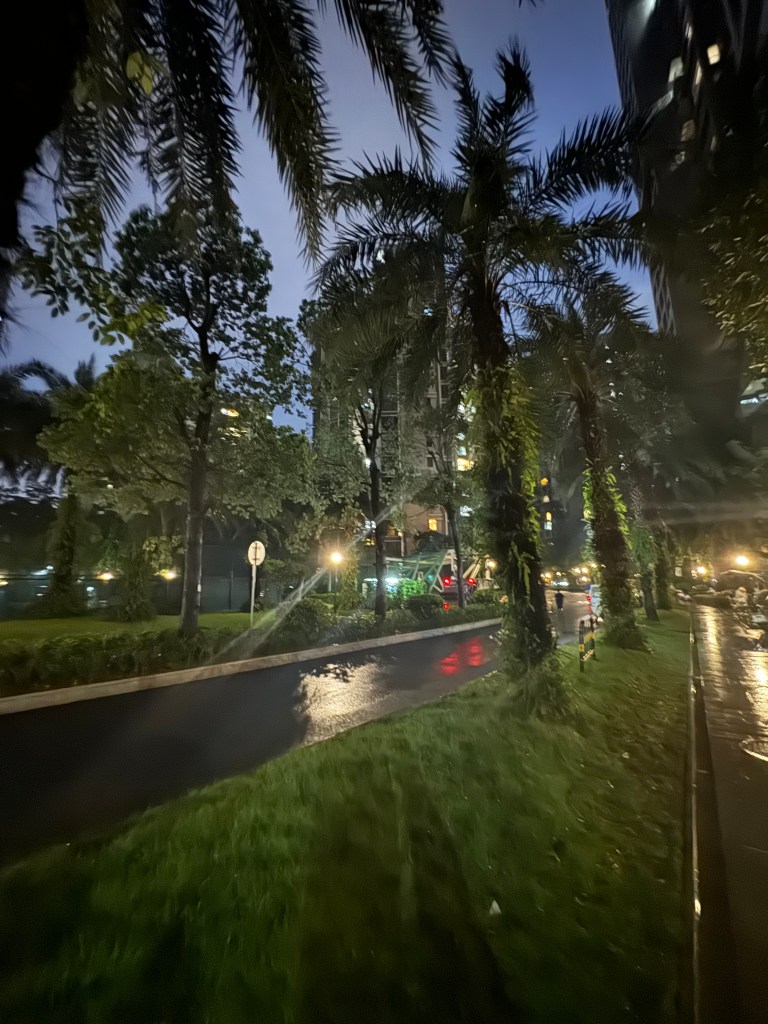
Back into the apartment, reflecting on the same picture, an old English saying “talk to the hand’’ or talk to the palm of my hand, brought a smile on my face.

Then, everything made sense! When you are sad about people not being around use your surroundings to uplift you, to make you feel happy. So, talk to the palm!

Here in China I’m working on new developments, knitting techniques and ways to create innovative fabrics.
Yesterday I came out with a solid piece of fabric which looks like woven pieces of ribbon knitting vertically and across.
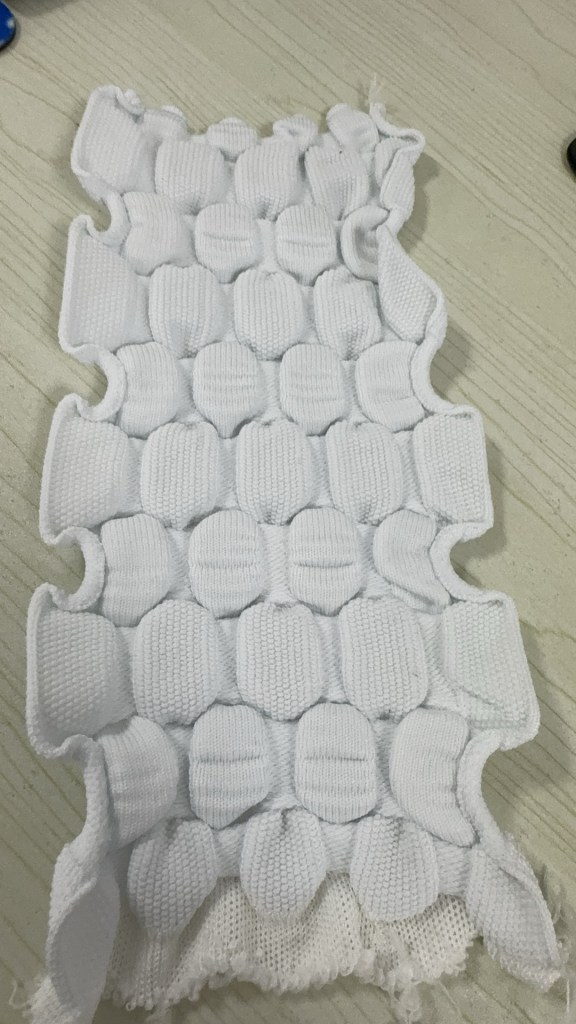
the rear part of the fabric.
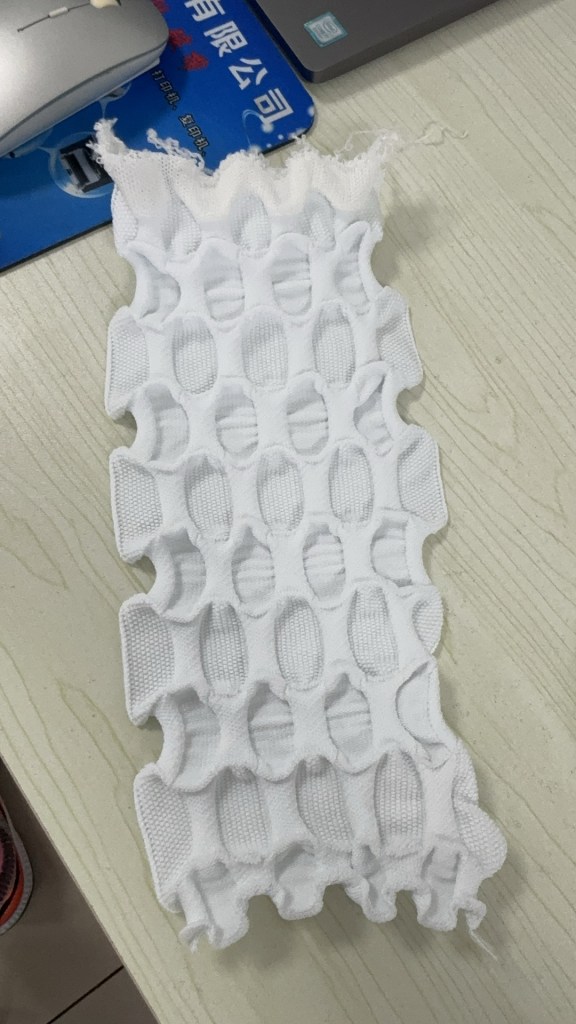
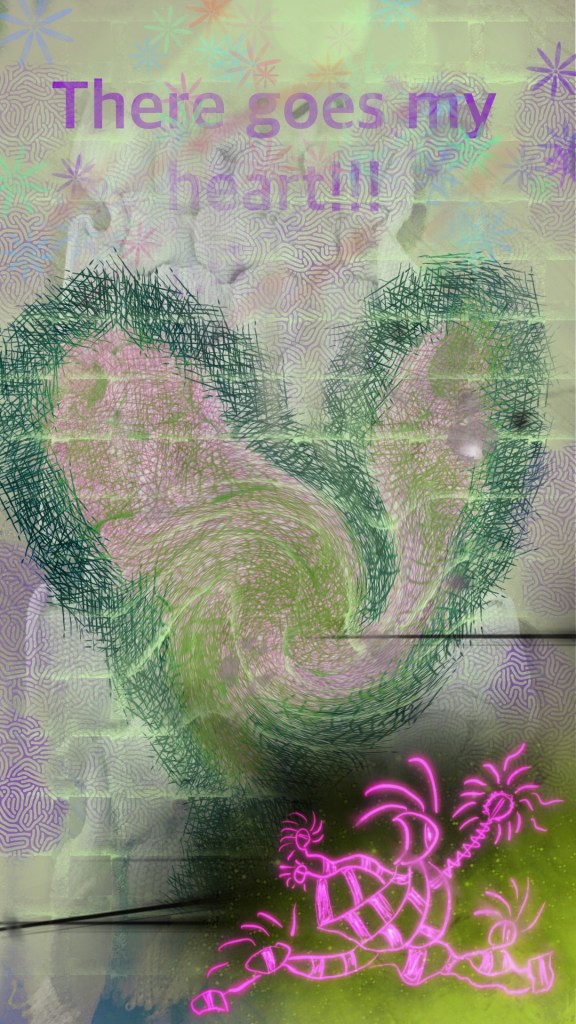
The way I saw the fabric, the way I saw knitting is like a vehicle to live my dream, a way to escape and travel, learn and explore. There goes my heart then!
That’s also why there is a bottom layer where a heart rests and travels along this magical journey:like a magic carpet. The scribble on the right hand bottom corner represents my soul that jumps into the unknown with speed and enthusiasm.
I really loved the whole process of this assignment. It made wonder, think and create. Above all I learn more, about techniques, processes and above all how to overcome my limits and overcome my challenges.
————————————————————————————————————————————————
Refernces:
Wikipedia contributors. “Banksy.” Wikipedia, The Free Encyclopedia. Wikipedia, The Free Encyclopedia, 24 Aug. 2024. Web. 25 Aug. 2024.
Britannica, The Editors of Encyclopaedia. “Andy Warhol”. Encyclopedia Britannica, 18 Aug. 2024, https://www.britannica.com/biography/Andy-Warhol. Accessed 25 August 2024.
Reference: The Andy Warhol Museum. Available at: http://www.warhol.org(Accessed 25-08-2024).
Reference: Basquiat Murals,September 2017. Available at: http://www.banksyexplained.com(Accessed 25-08-2024).
 Alexander's blog