EXERCISE 1.1 THE ARCHIVE
THE FAIR ISLE JACQUARDS:
SOURCE : VICTORIA AND ALBERT MUSEUM
Fair Isle is a remote island situated between Orkney and Shetland to the north of mainland Scotland. Legend has it that Spaniards, stranded on the island after the break up of the Spanish Armada in 1588, taught the islanders to use the colours and patterns typical of Fair Isle knitting. However, there is also evidence that these design influences came from nearby Scandinavia.
The varied colours of Shetland wool have been a feature of knitting from this region since the 19th century. They came partly from the different breeds of sheep, but also from dyes. Madder and indigo gave red and blue, while lichens produced red, brown, orange and purple. Brightly coloured synthetic dyes, invented in the 1850s, increased the possible colour range but were used only in small quantities.
The early knitters produced stockings, caps and scarves. Sweaters in the Fair Isle style – as it’s known today – were not produced until the First World War. They are constructed by knitting bands of horizontal motifs from two different coloured strands of wool. The patterns are made up of motifs such as crosses, diamonds and eight-pointed stars.
There was a vogue for Fair Isle sweaters during the 1920s, thanks in part to the Prince of Wales, who wore one as part of his golfing attire, although natural shades like brown, grey and white were then preferred. The look continues to be regularly reinterpreted on the catwalk – the American designer Ralph Lauren included a Fair Isle sweater in his first collection.

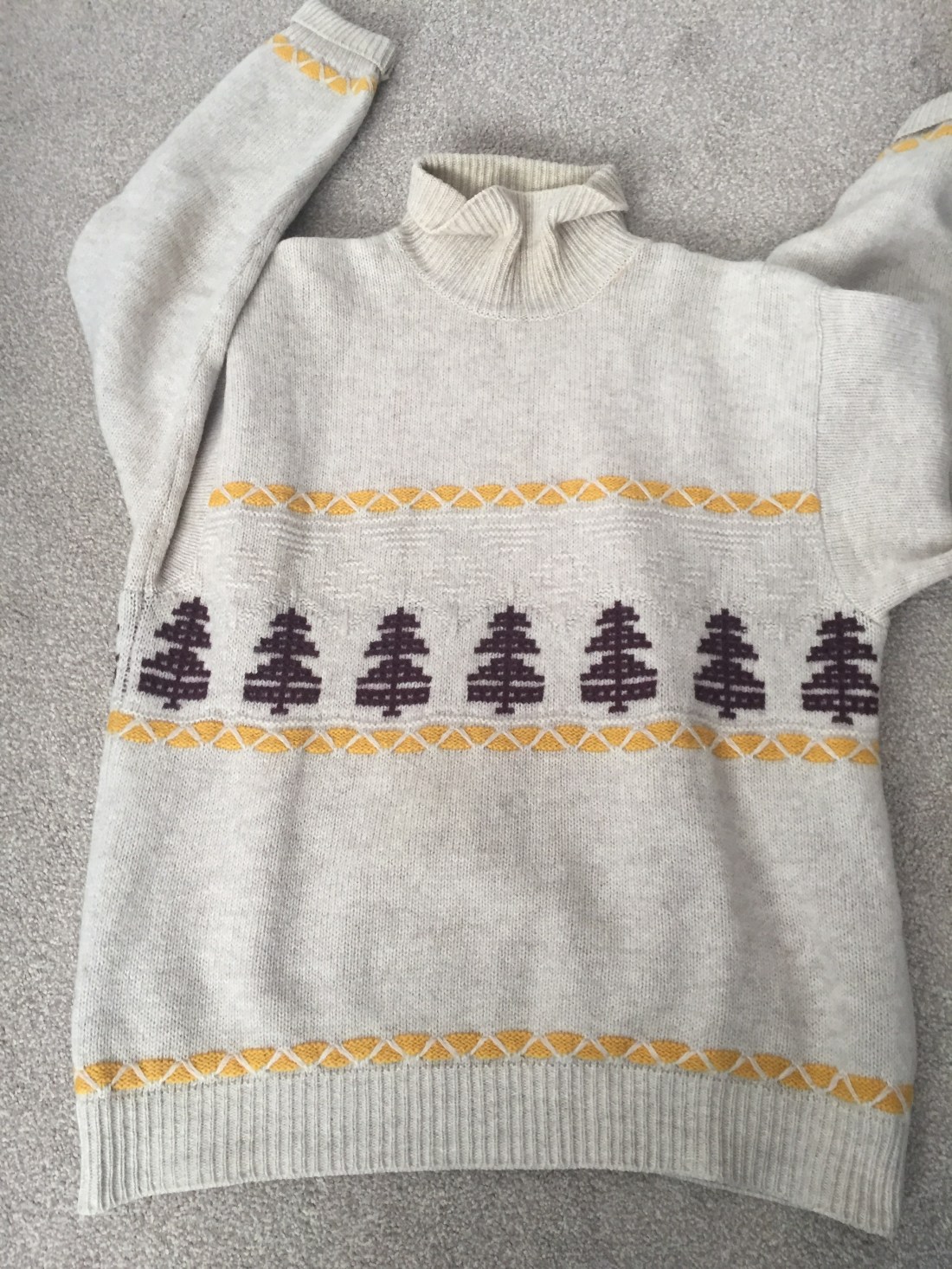

5 gauge textured fairisle Jacquard
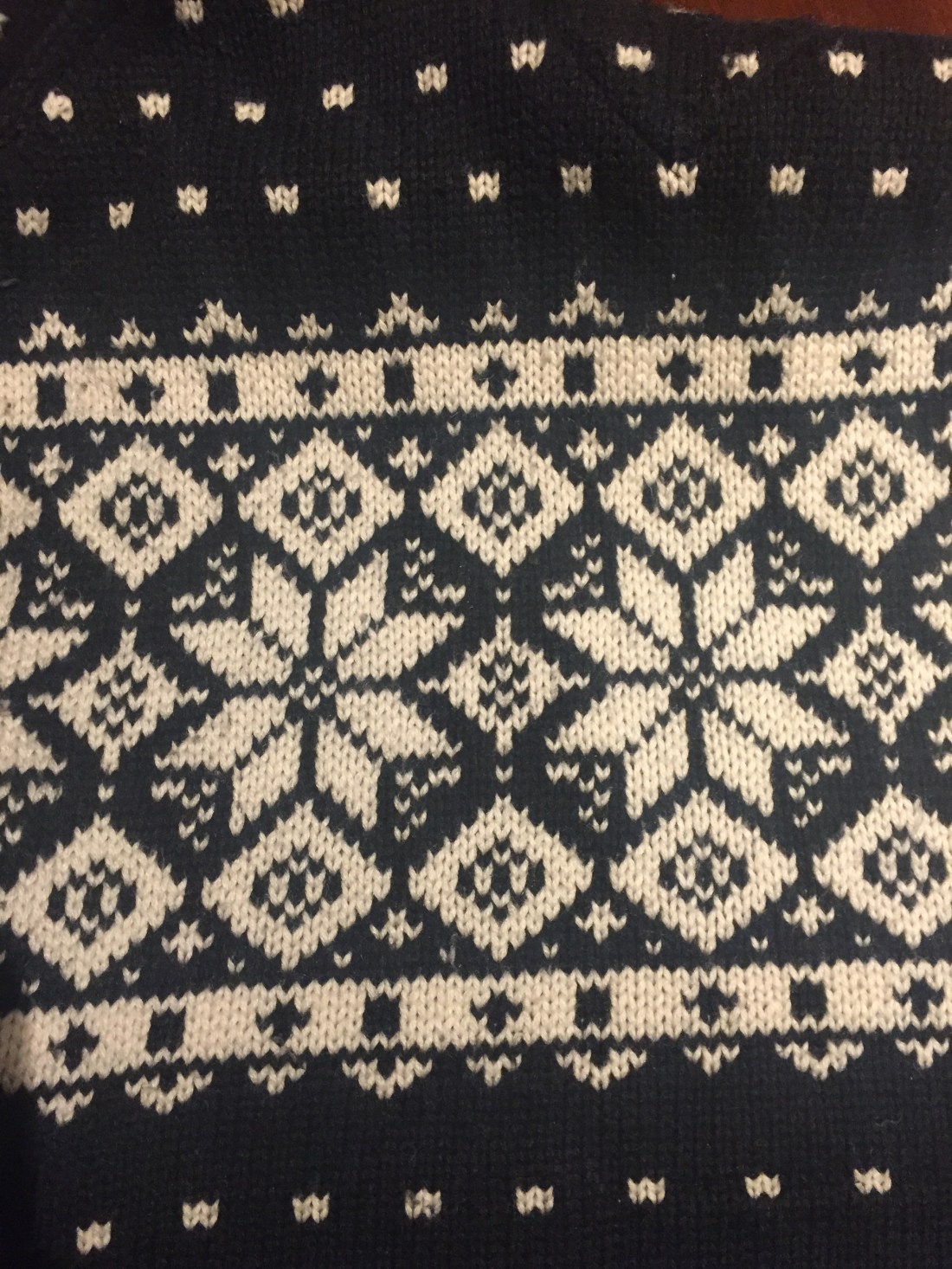
3 gauge jacquard
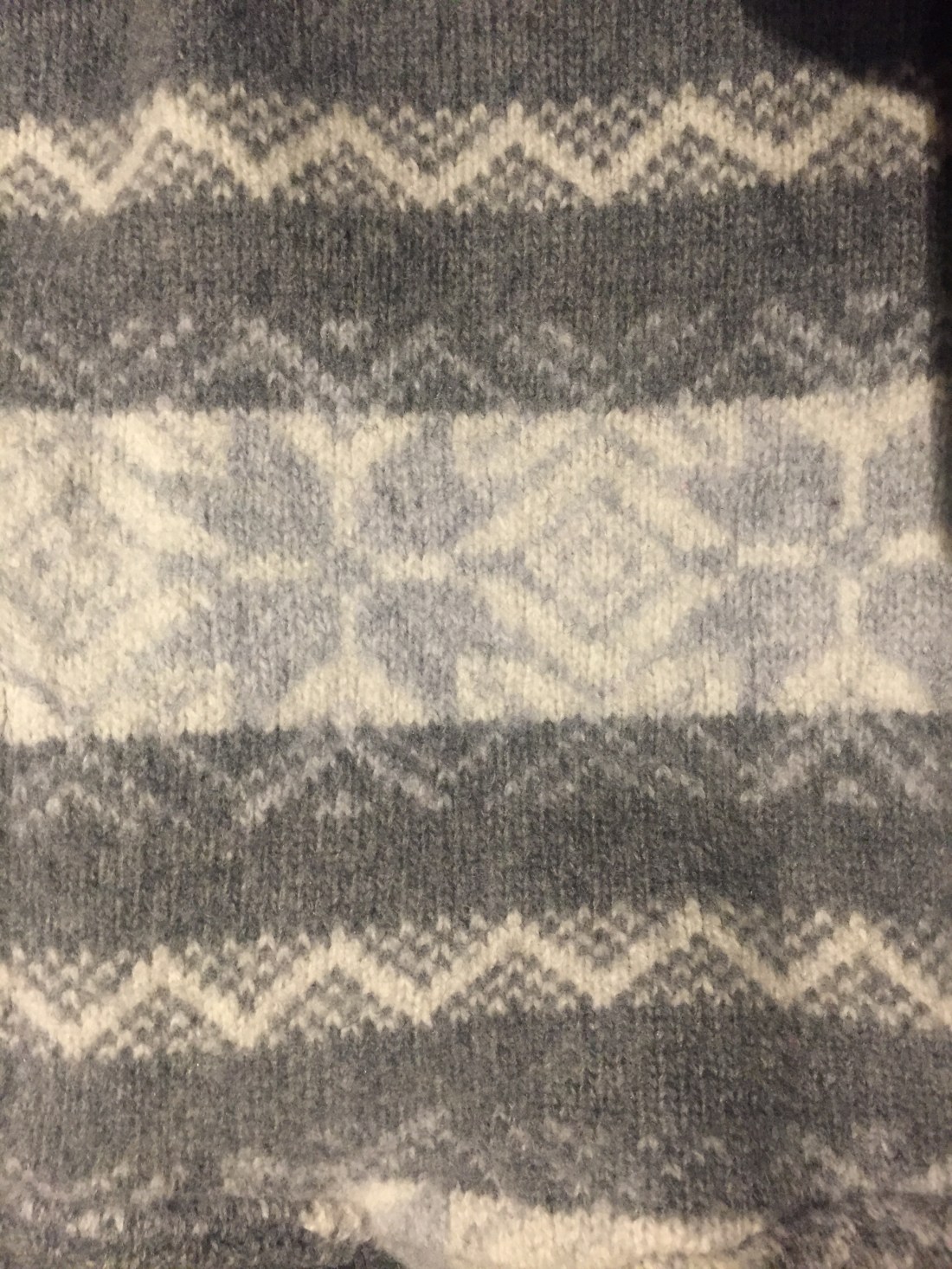
7 gauge fairisle jacquard

 Alexander's blog