SELECTING
<<Certain people use pencil and paper, others scraps and collage. Some use computers and iPads or cameras, others sketchbooks and paint or large sheets of cartridge paper and sticks of charcoal. (Cane, 2014, p.63) >>
I’ve used our introduction’s book (page 45) advice and draw the way I feel more confident and use my drawings in the future.
Following in display are some of my pictures/drawings I thought they were the most interesting and inspiring in terms of line and texture;

They are ready to be produced on a knitting machine of any type.
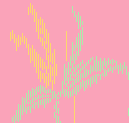


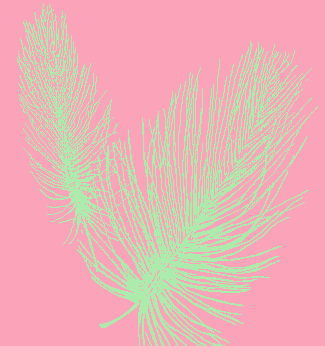

I strongly believe all drawings mentioned above can be a good starting point to build on to as they provide enough information regarding jacquard formation yarn quality and design in general.
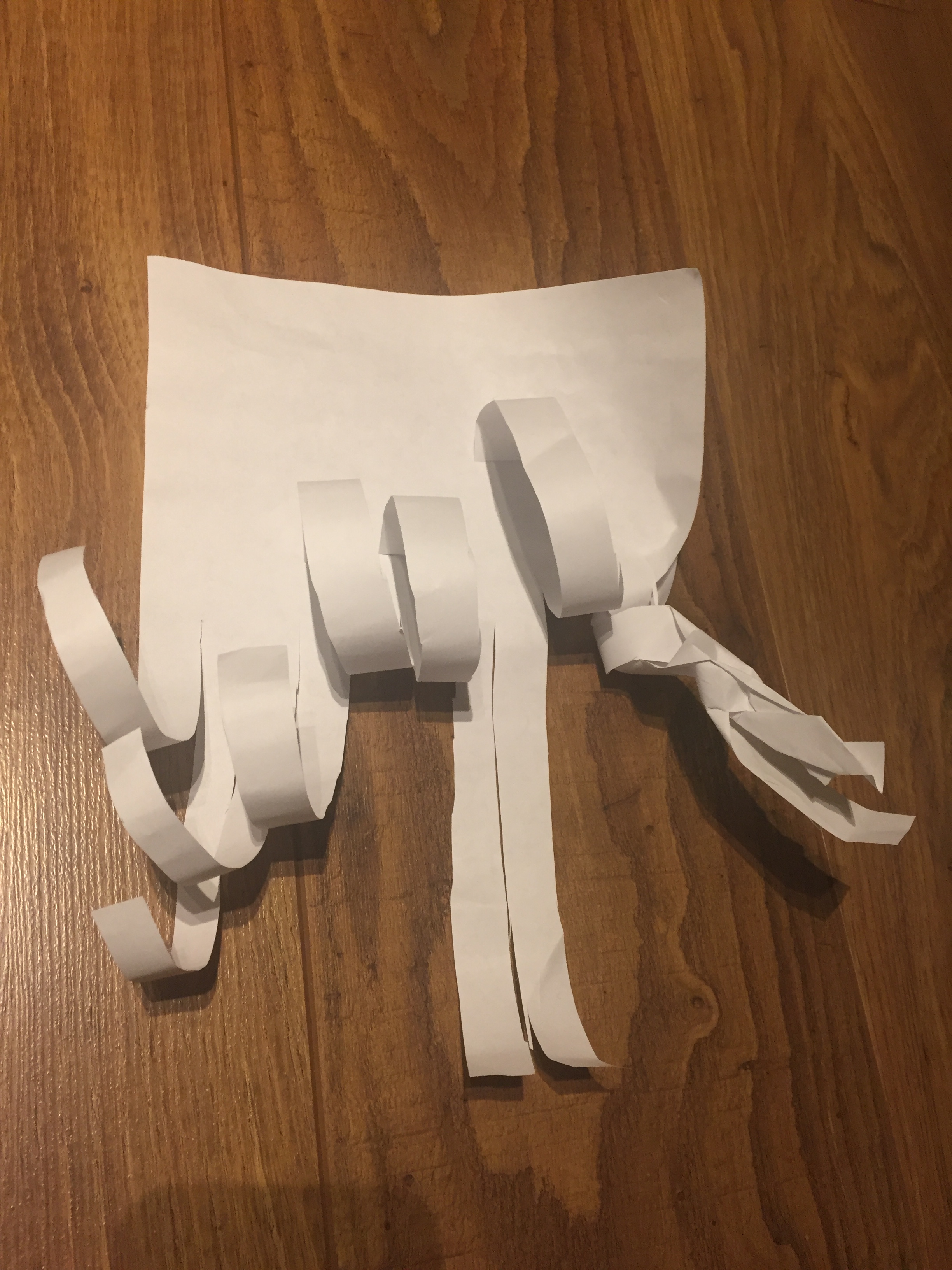
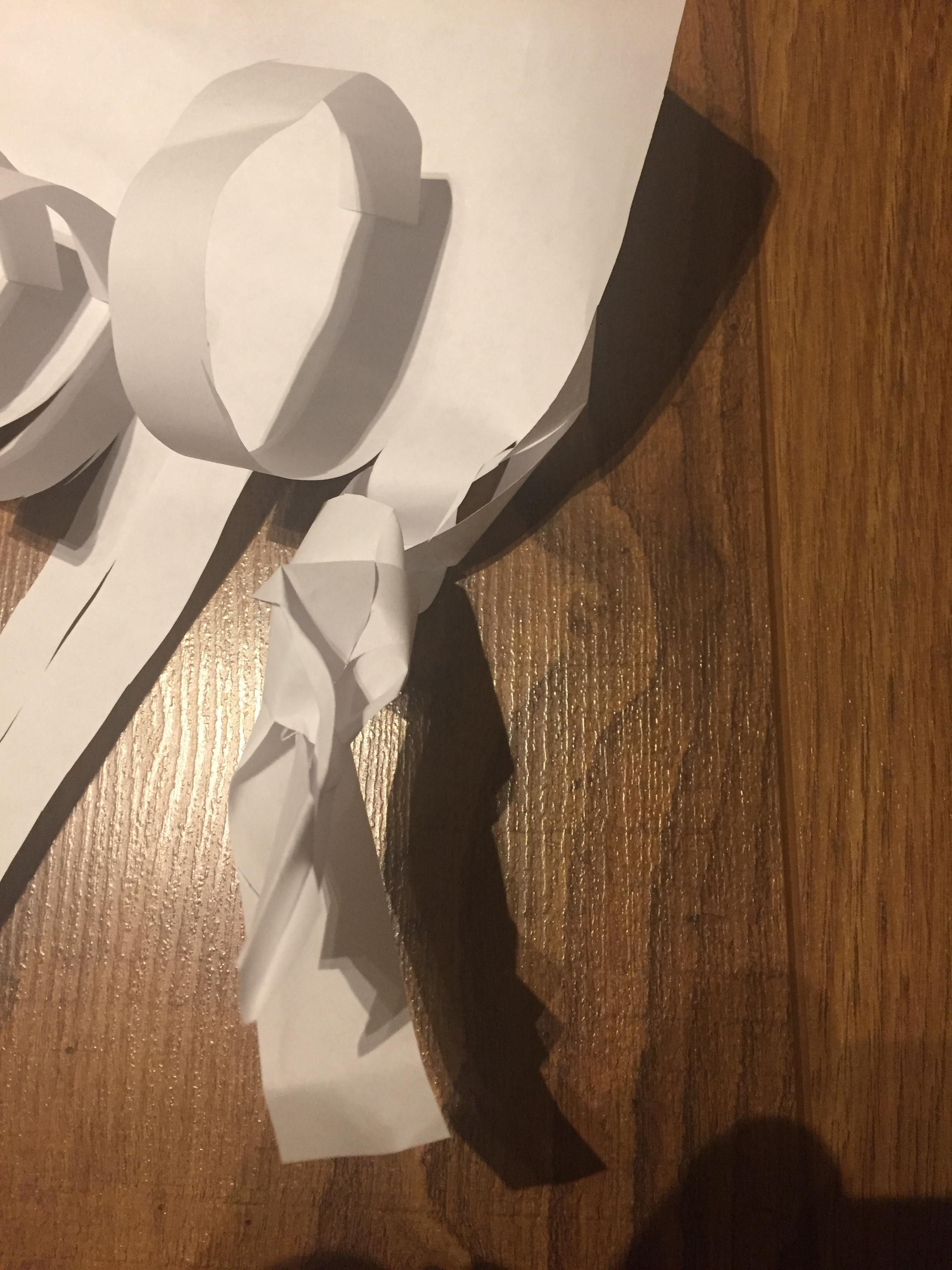
Exercise 2.2 Paper manipulation gallery
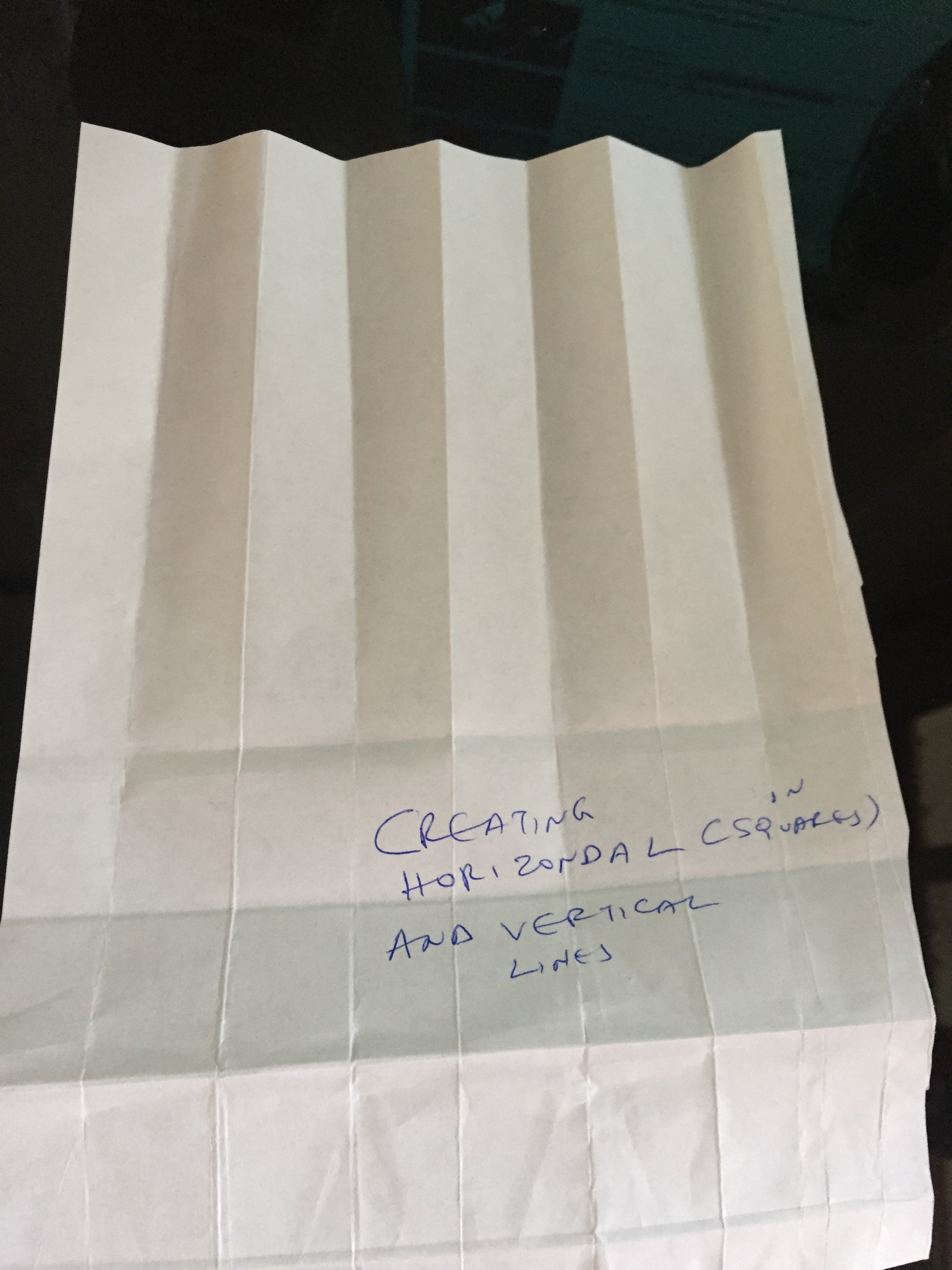
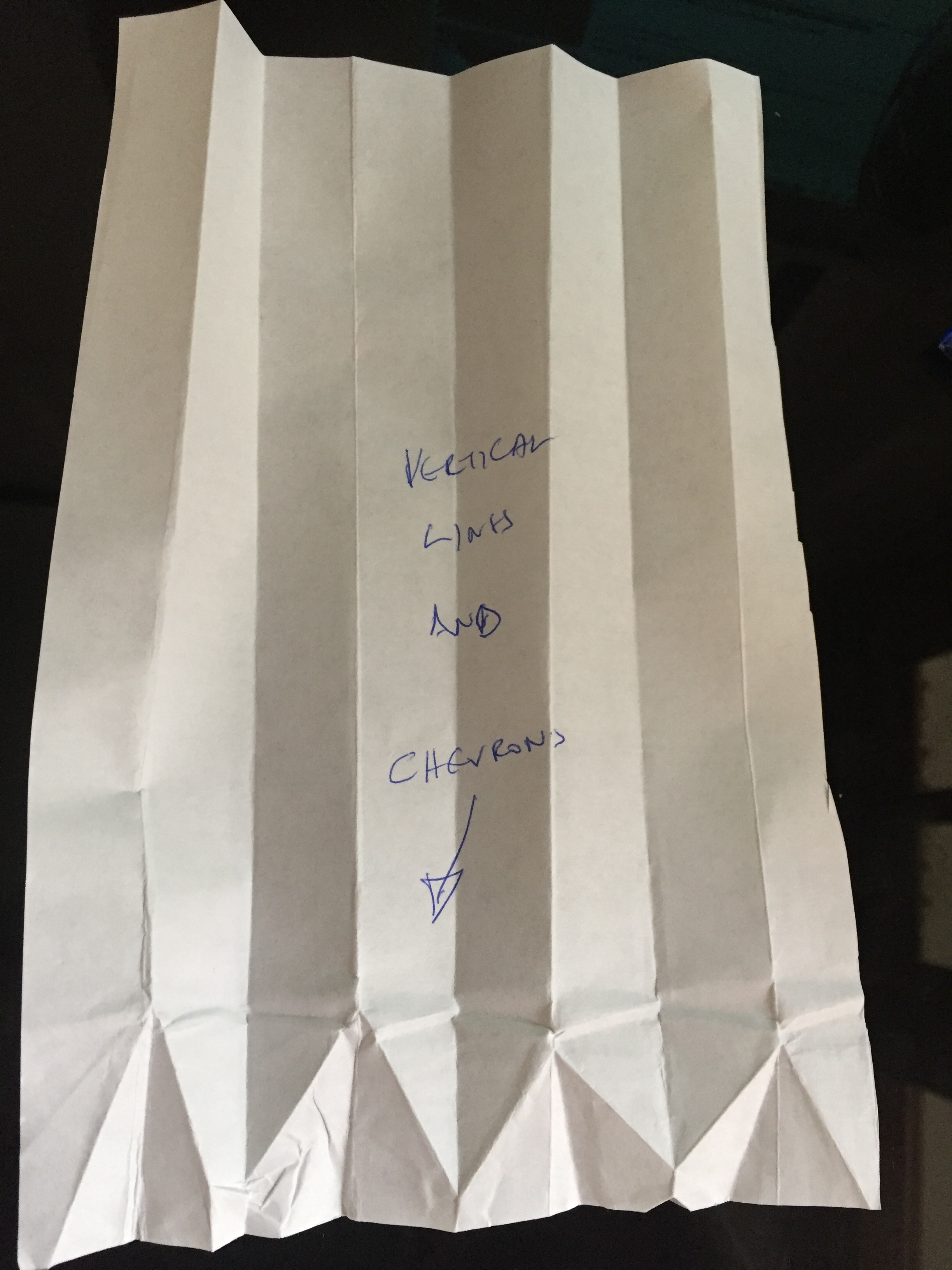
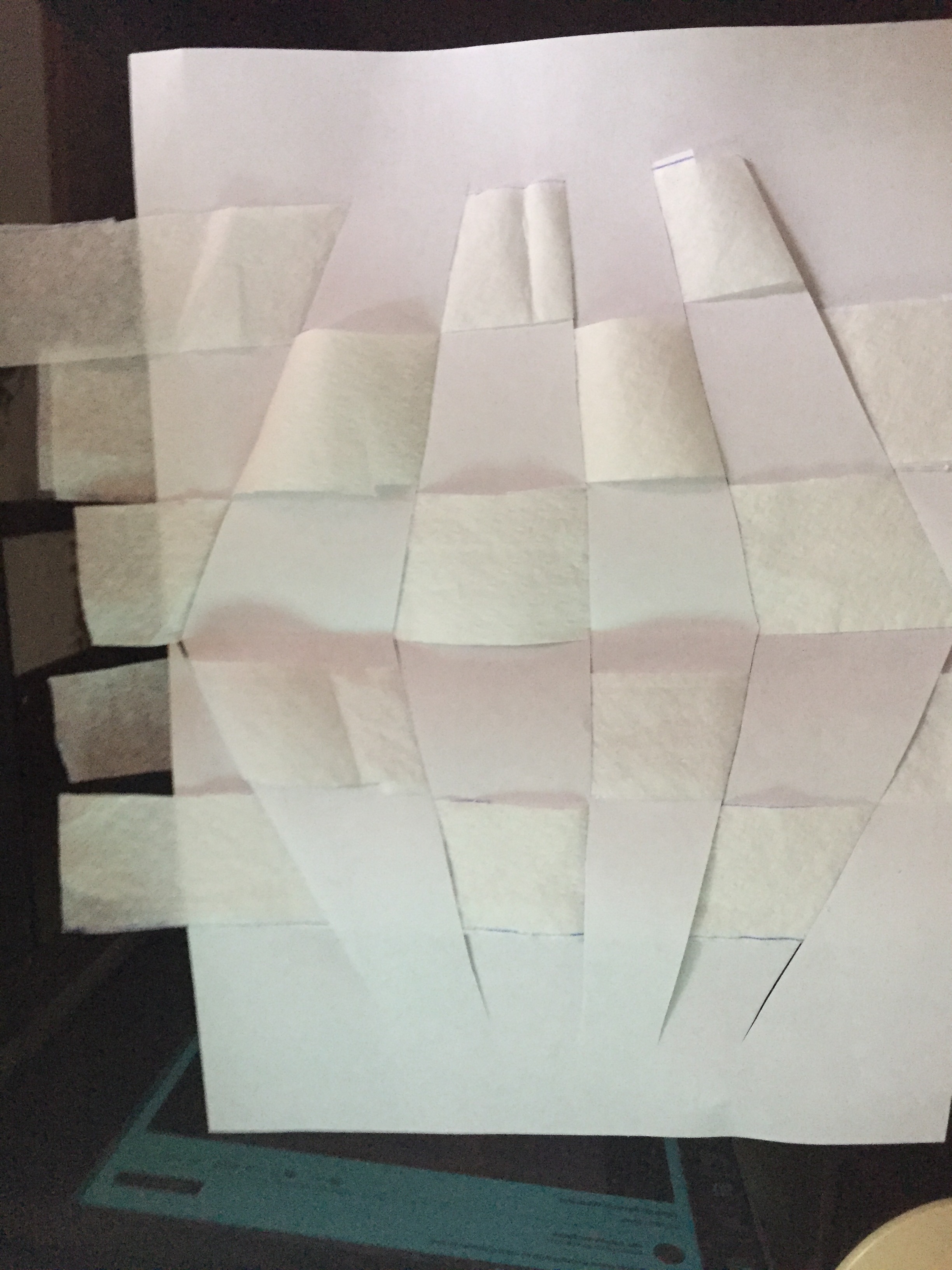
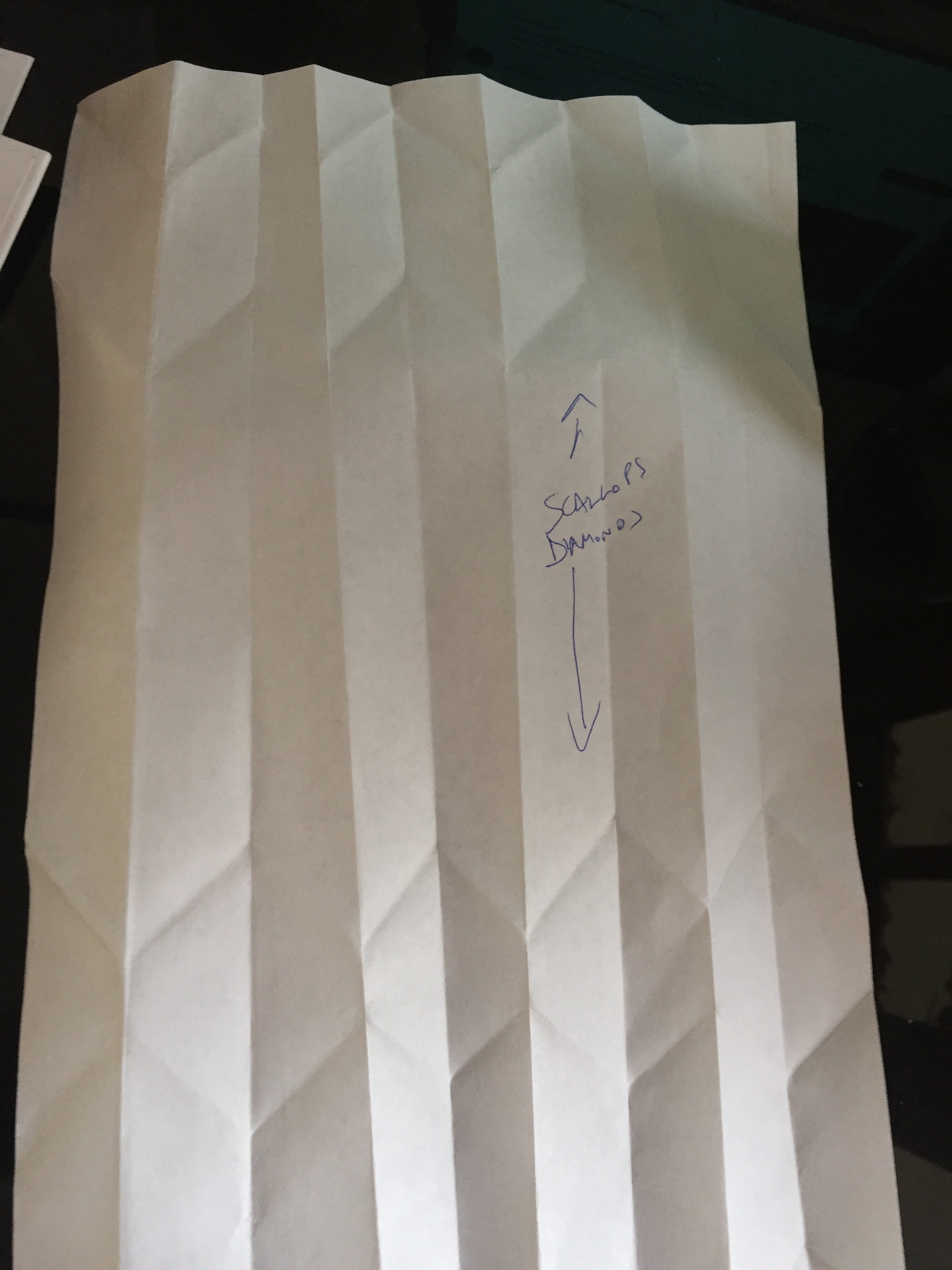
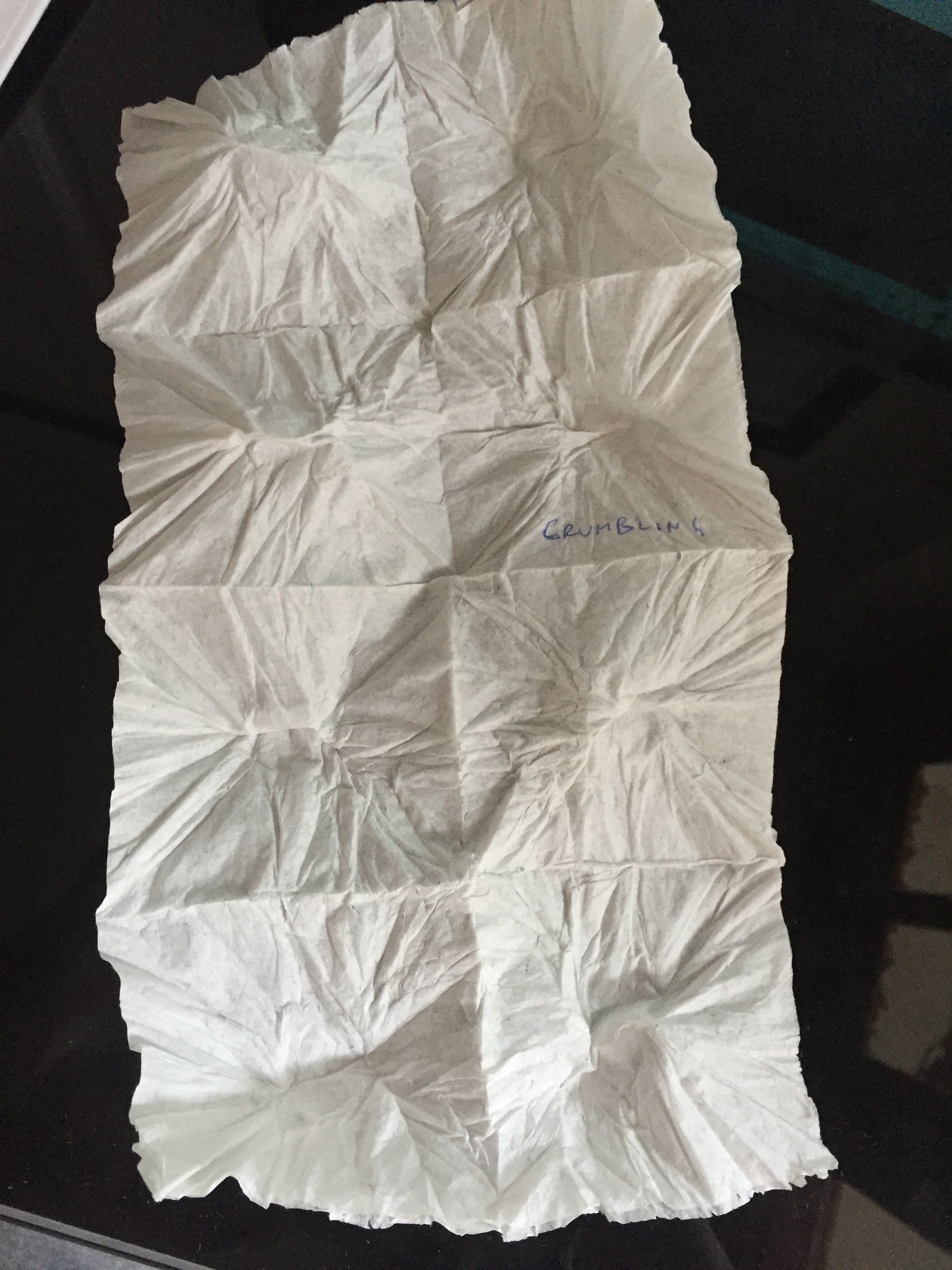
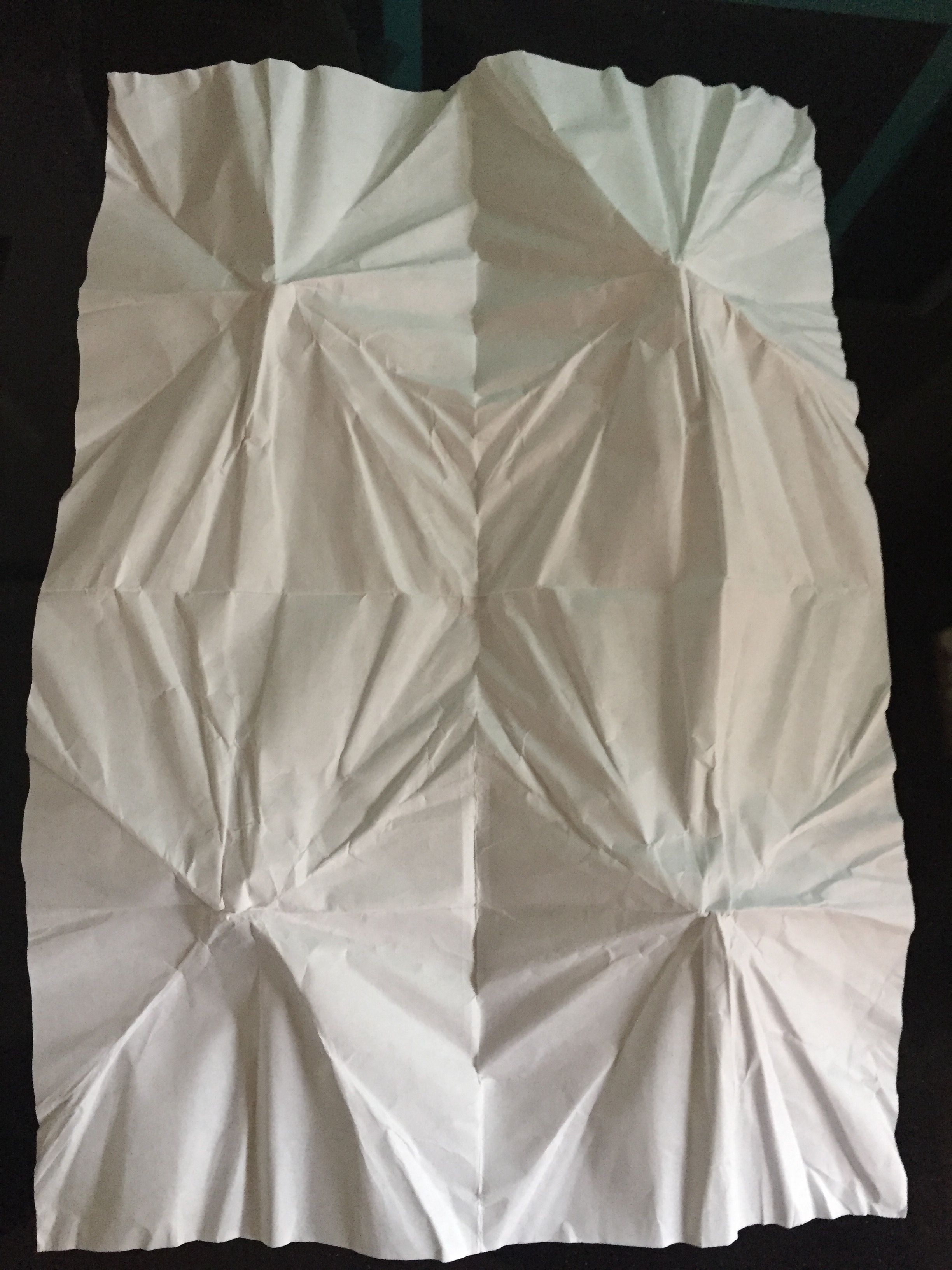
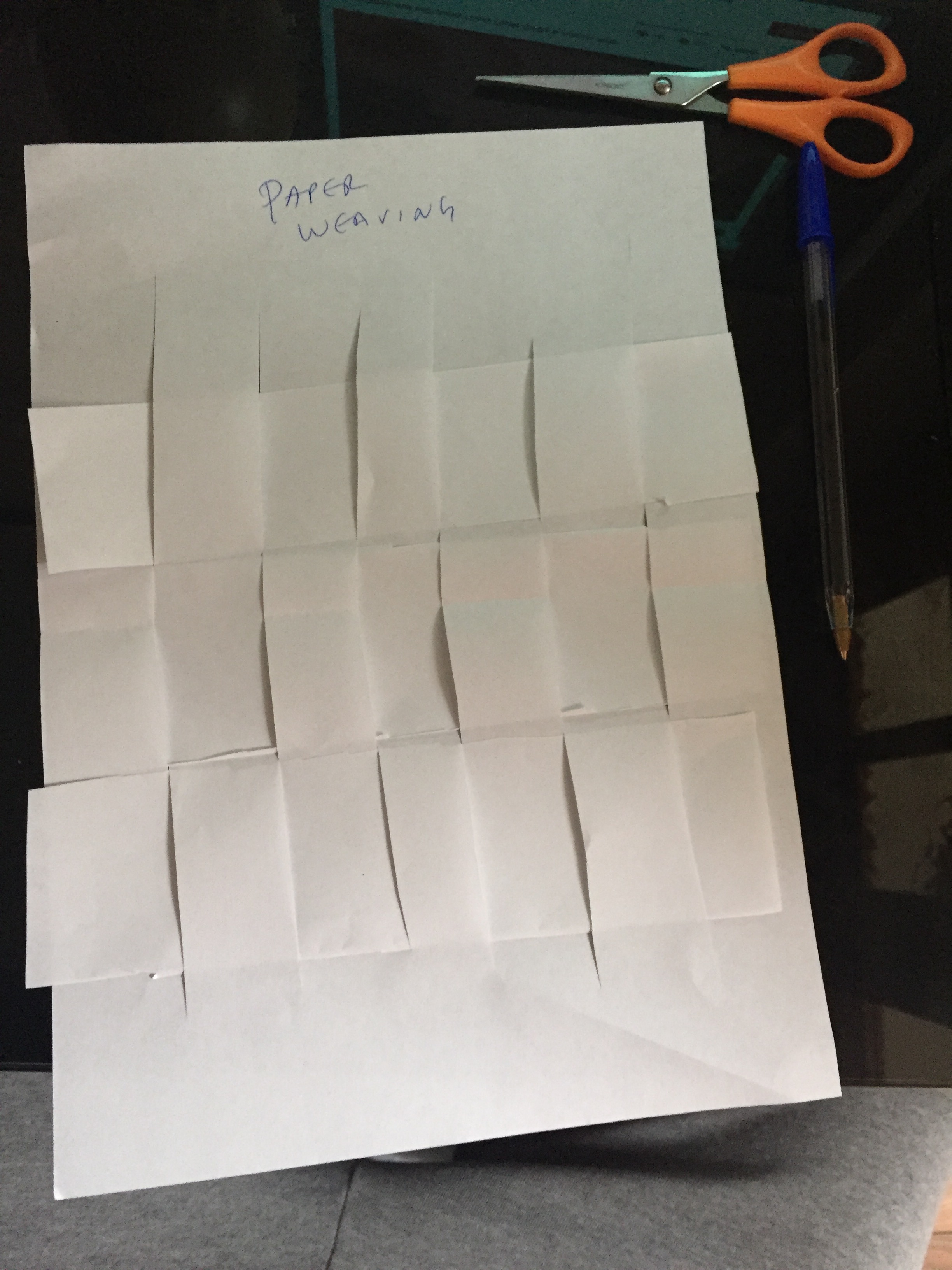
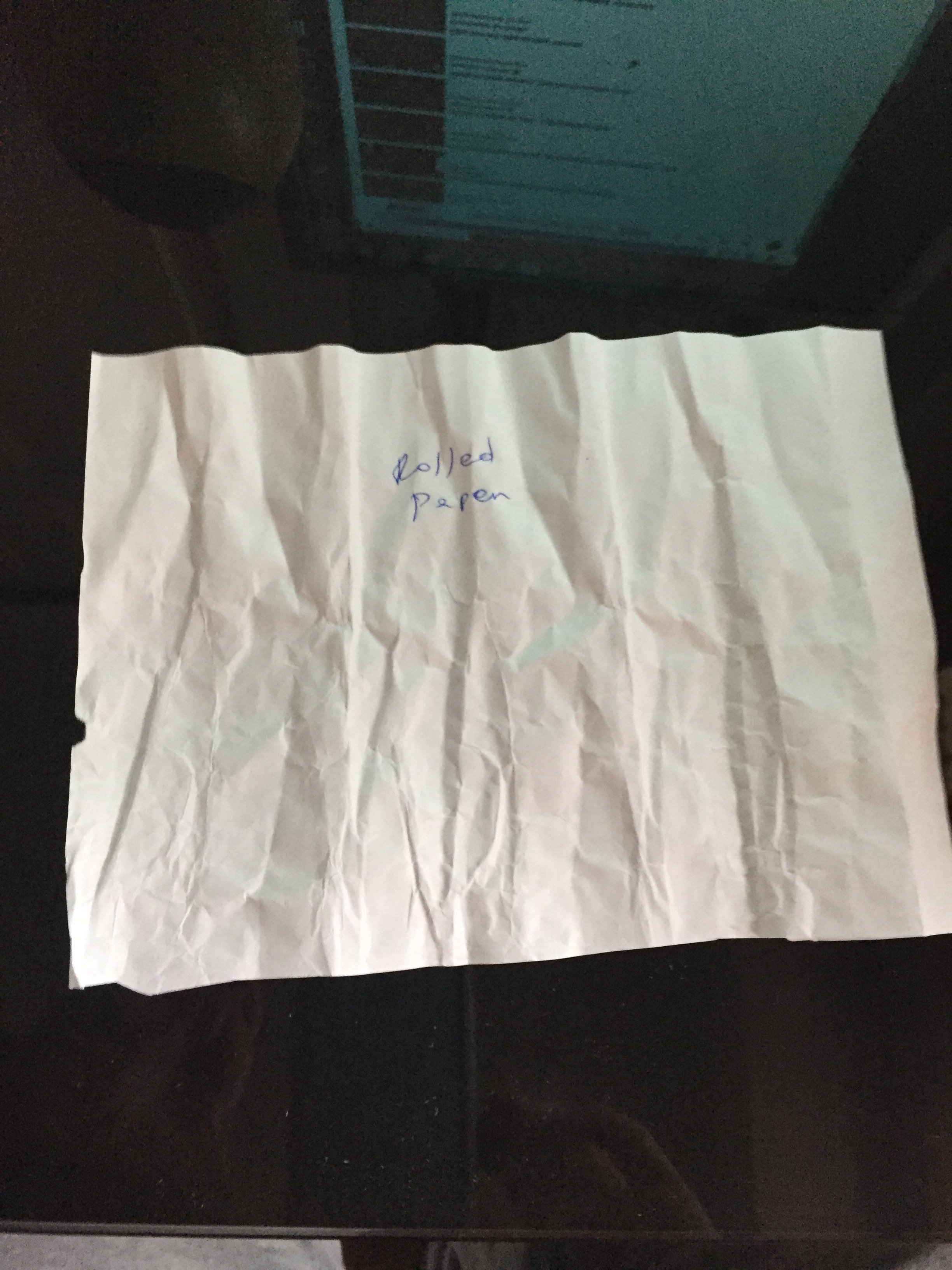
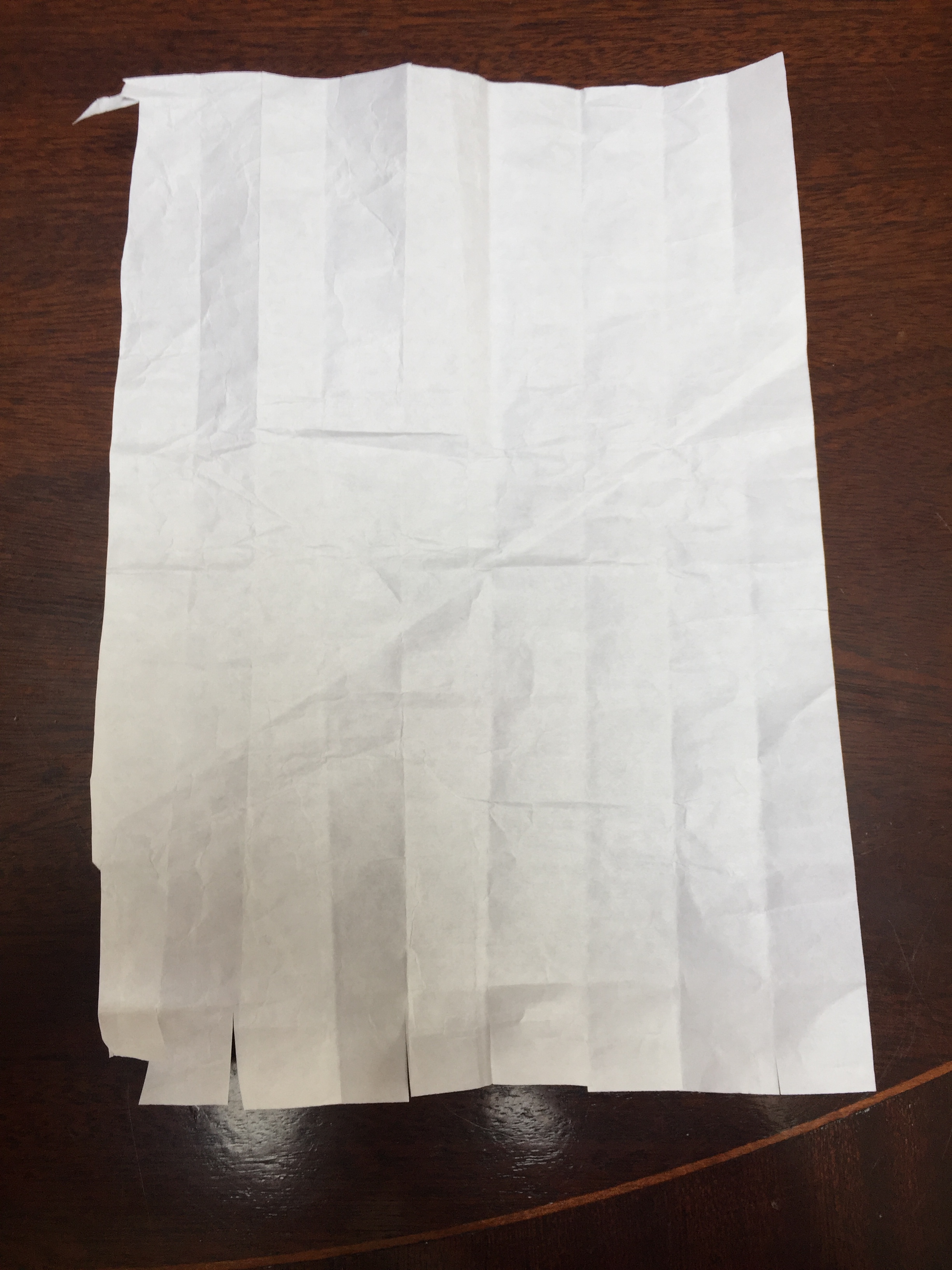

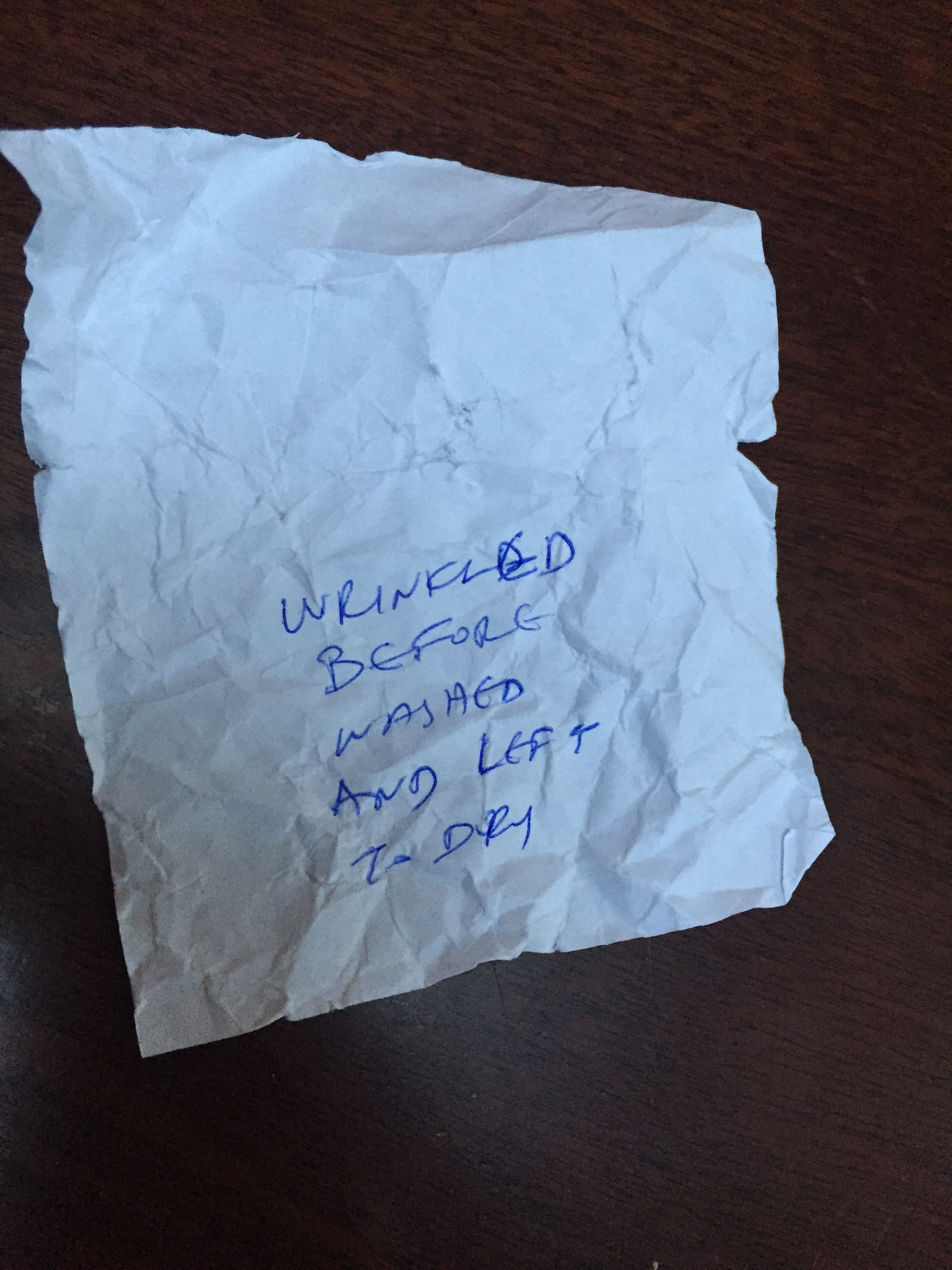
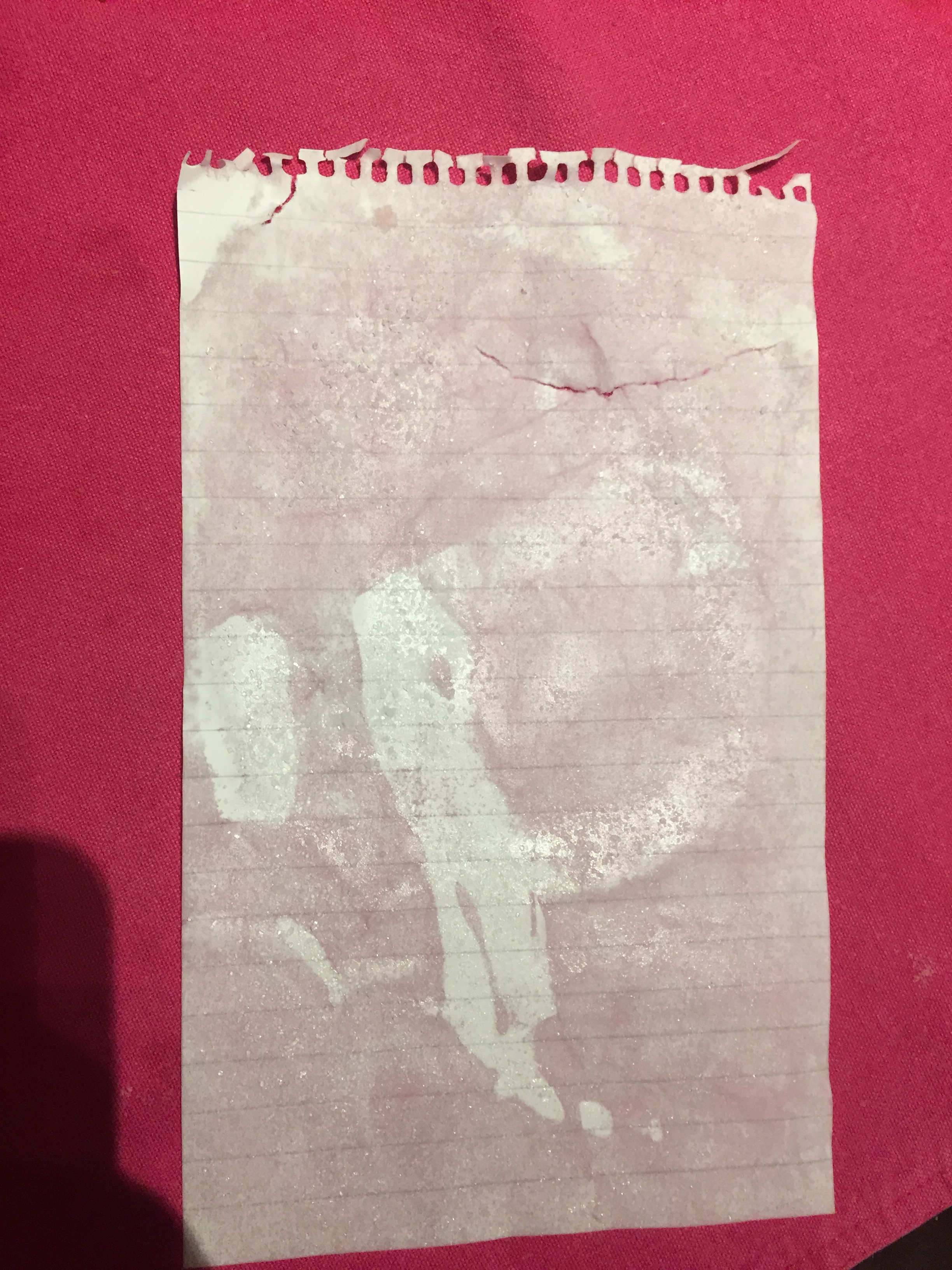
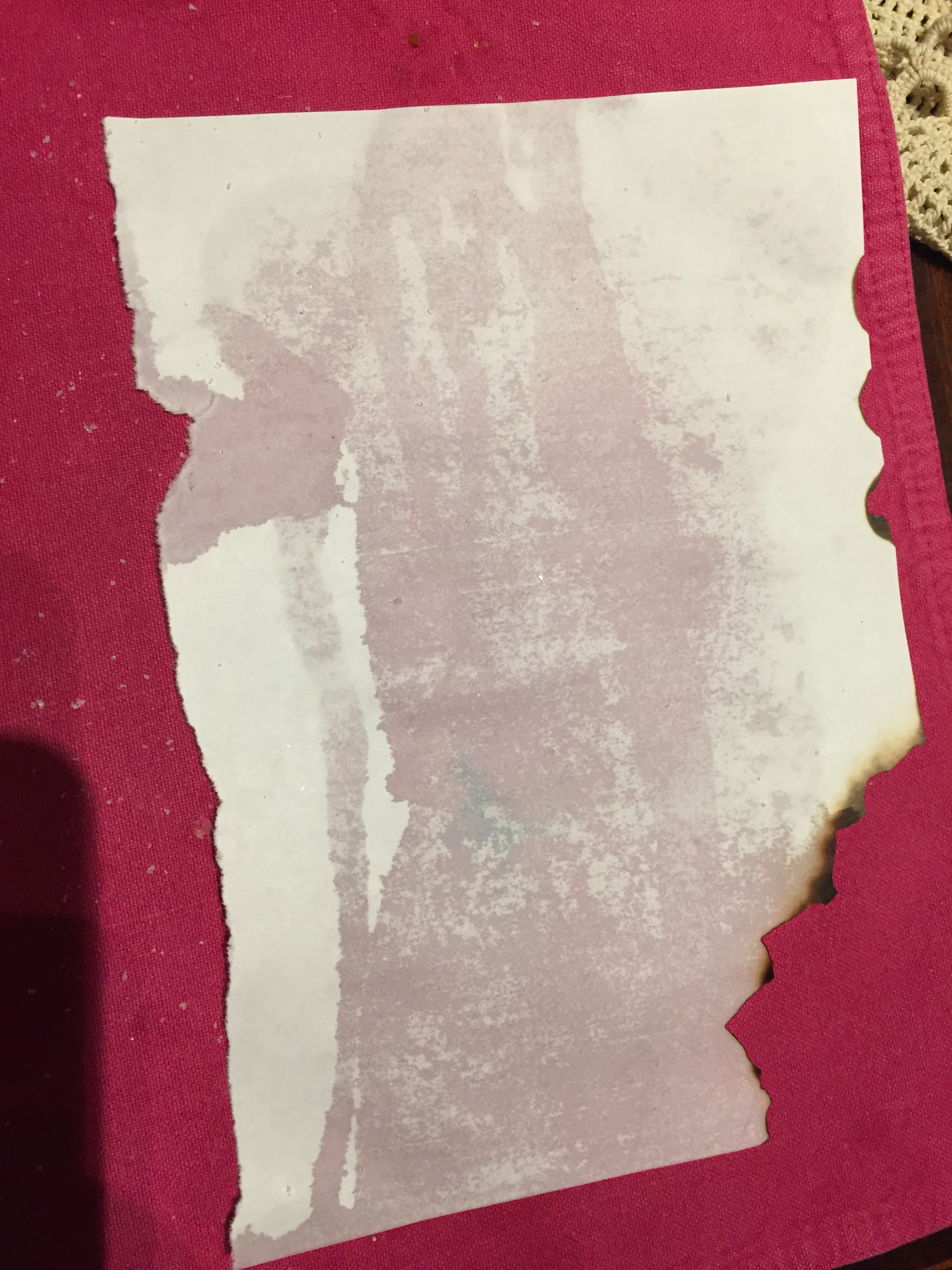
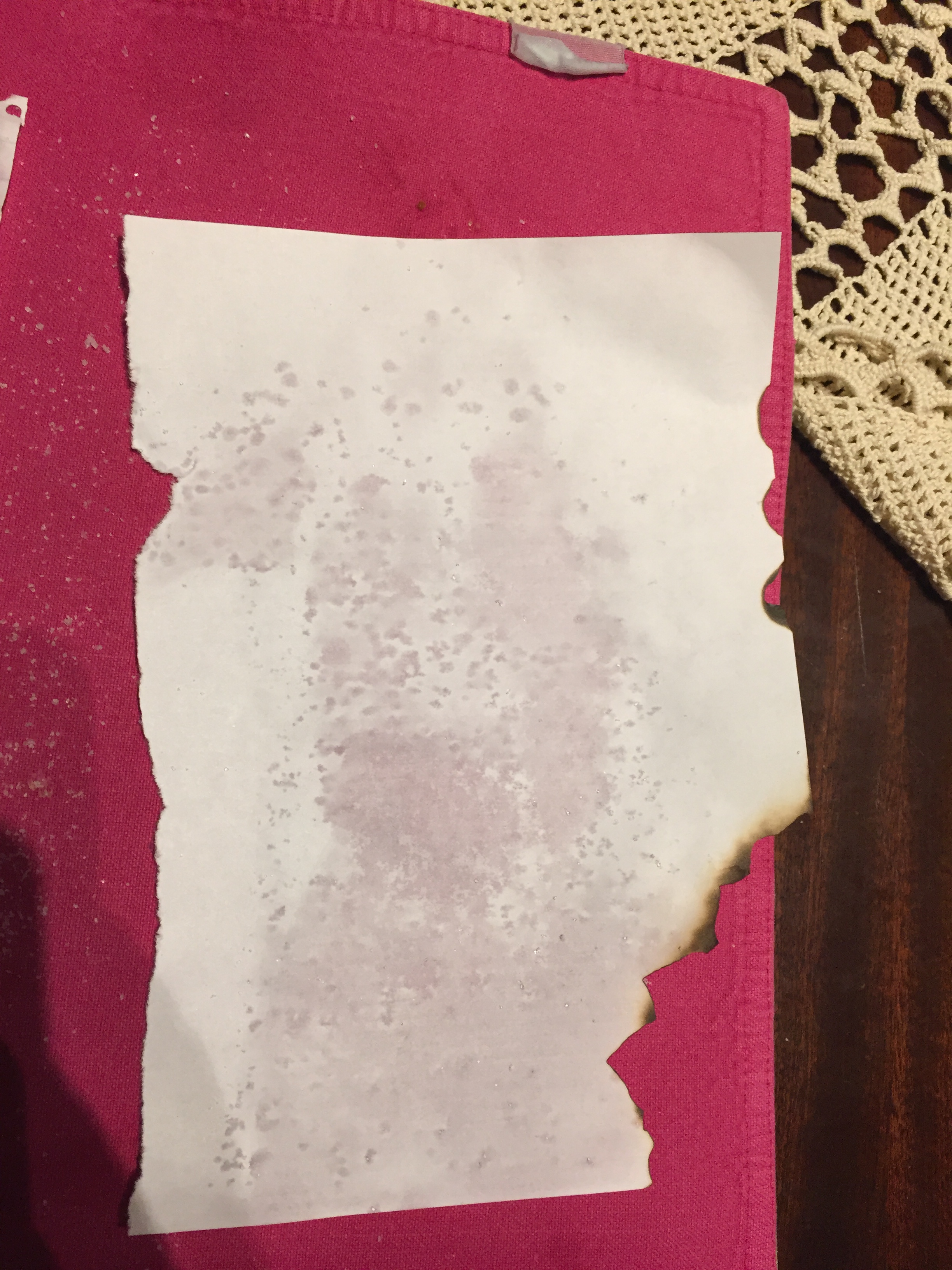
same pic as above when paper dried out
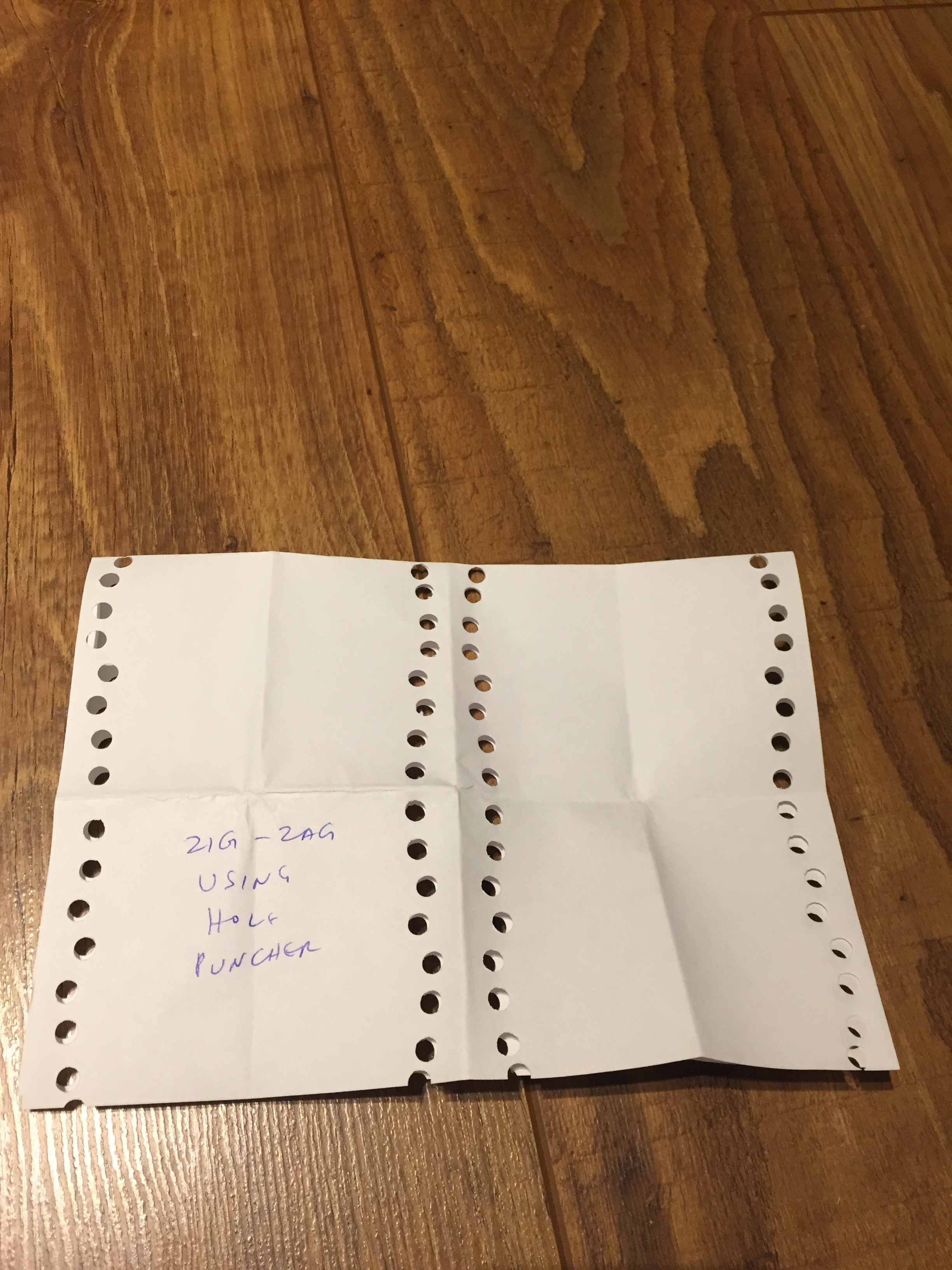
EXERCISE 2.3- 2.4 : DRAWING WITH STITCH -DRAWING IN A LARGER SCALE.
In this task we are asked to draw with stitch on the sketches we’ve picked on assignment 2.1.
Having picked an electronic form pictures I’ve decided to literally draw with stitch: Use the graphs created and picked as a Jacquard and knit them all on the knitting machine!
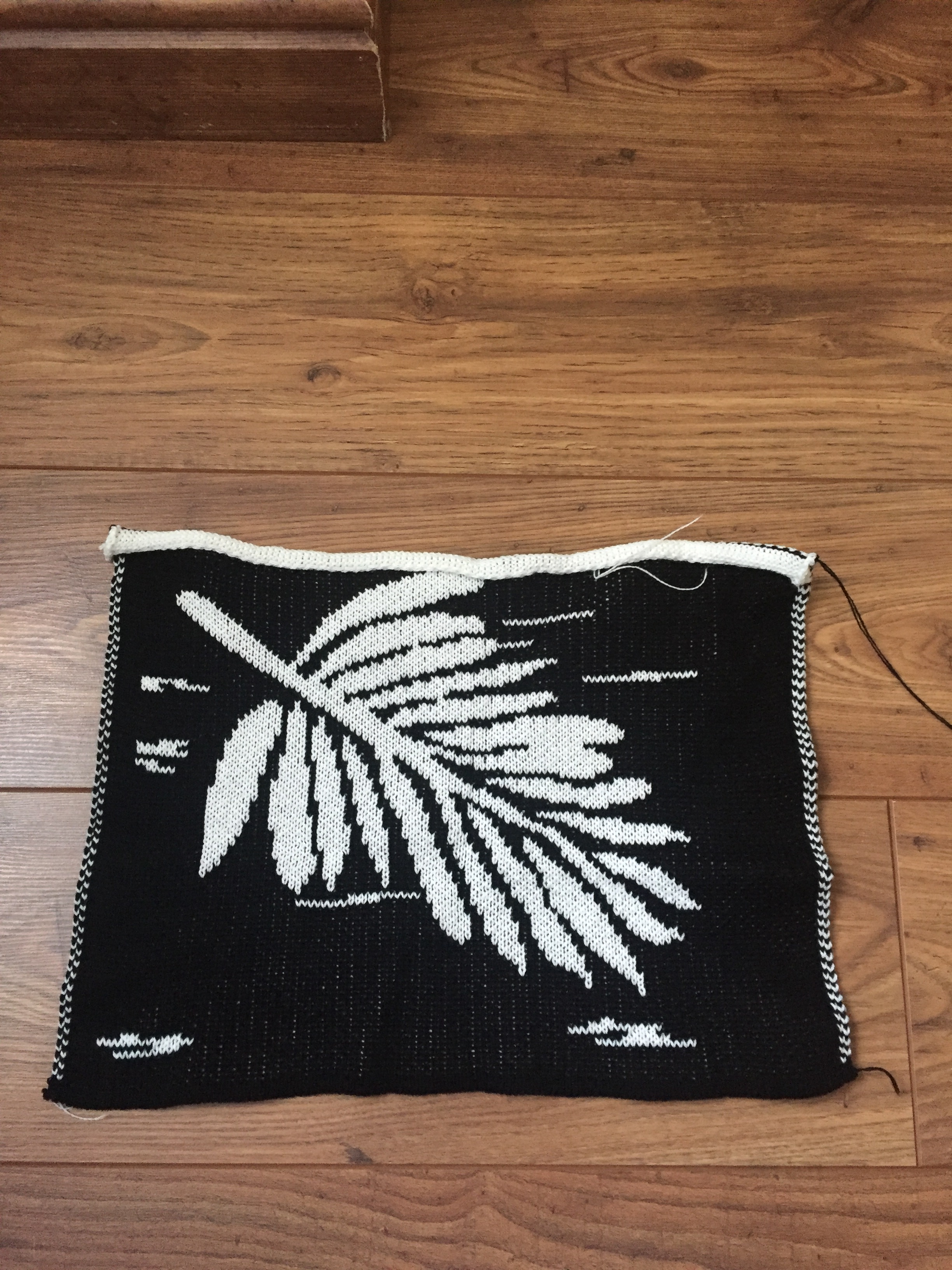
this is a first tryout of the fern style I’ve picked .it’s in an acrylic yarn .


I’ve reversed the cols and used boucle yarn for base.

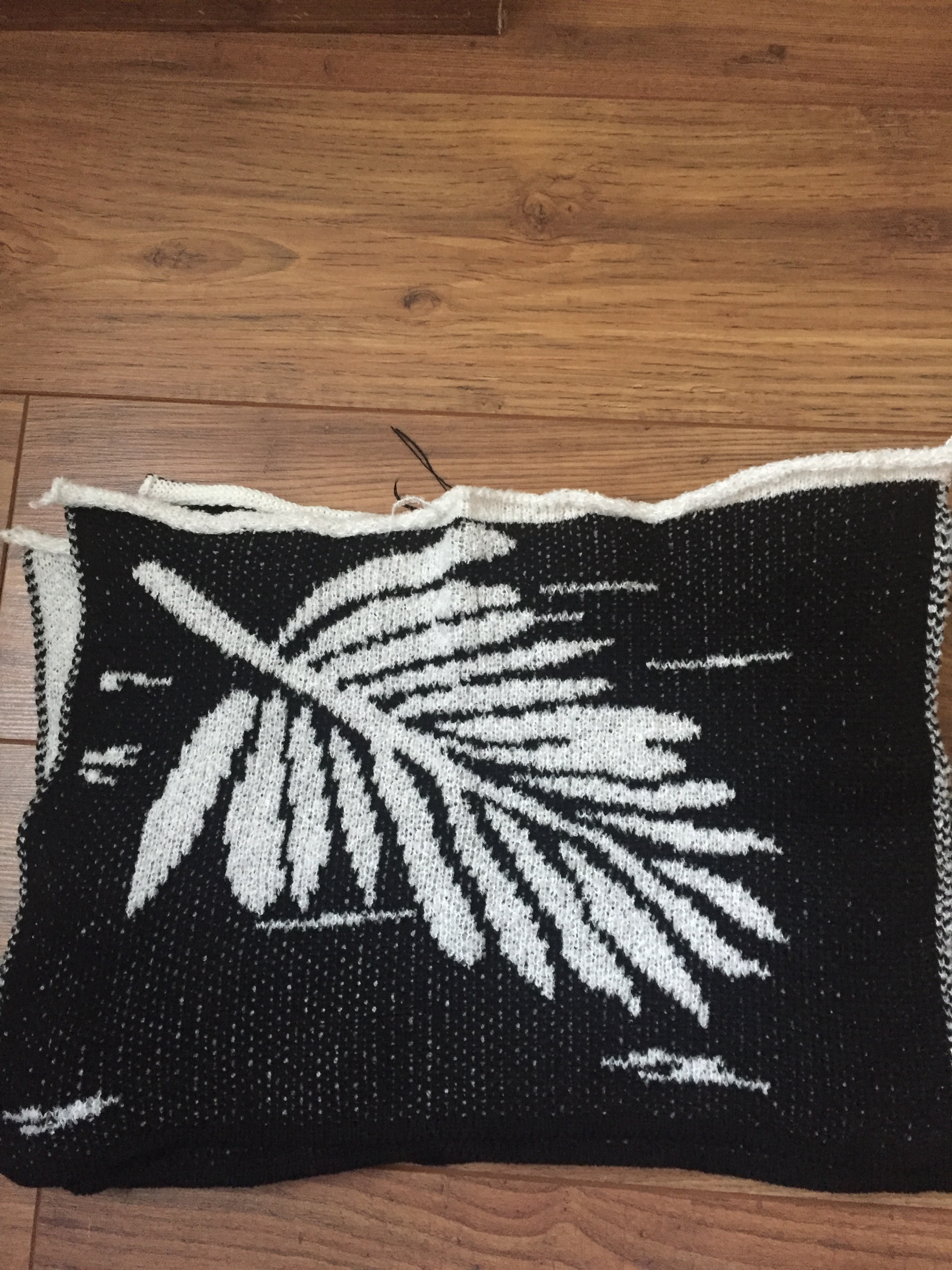
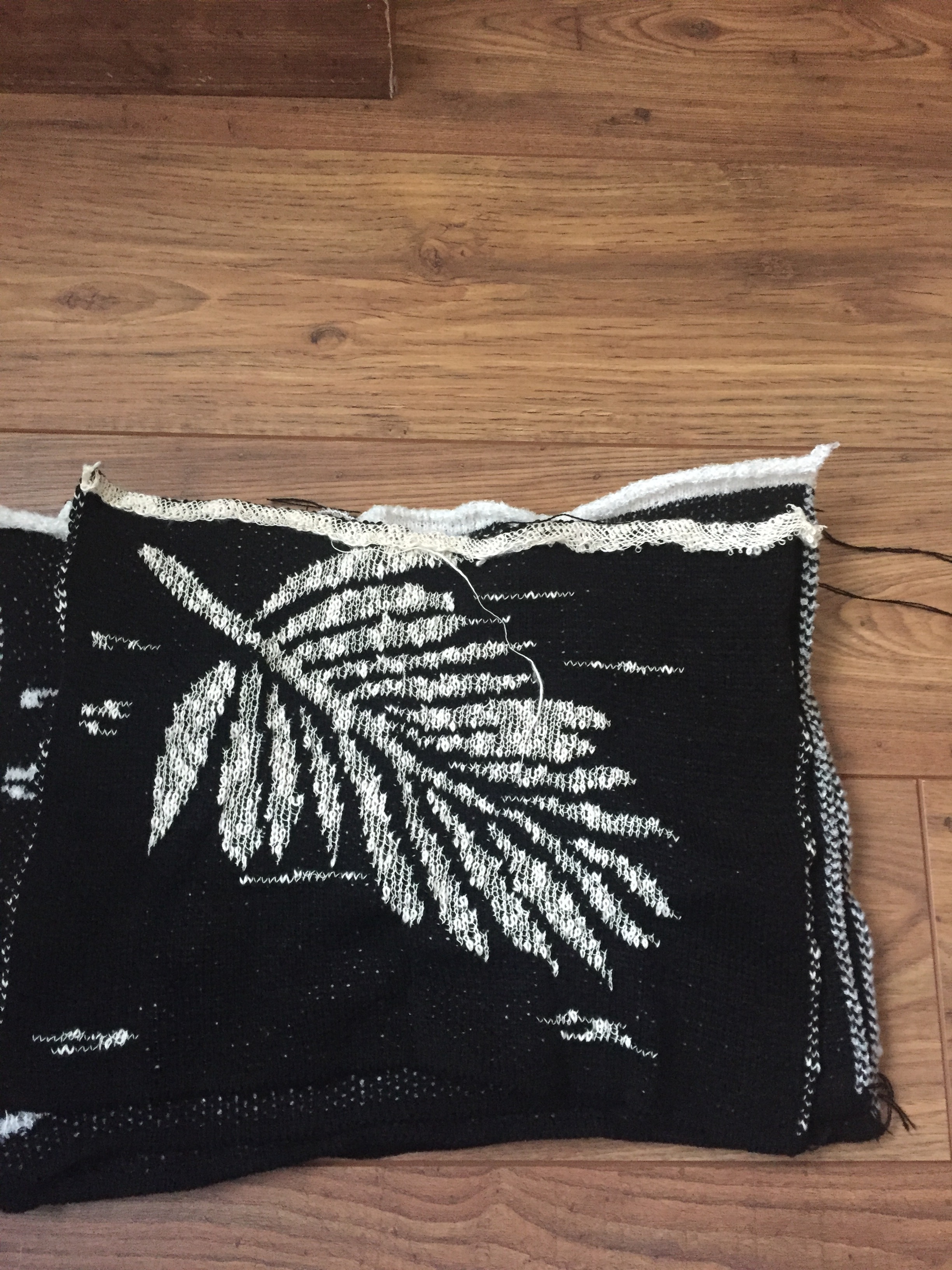
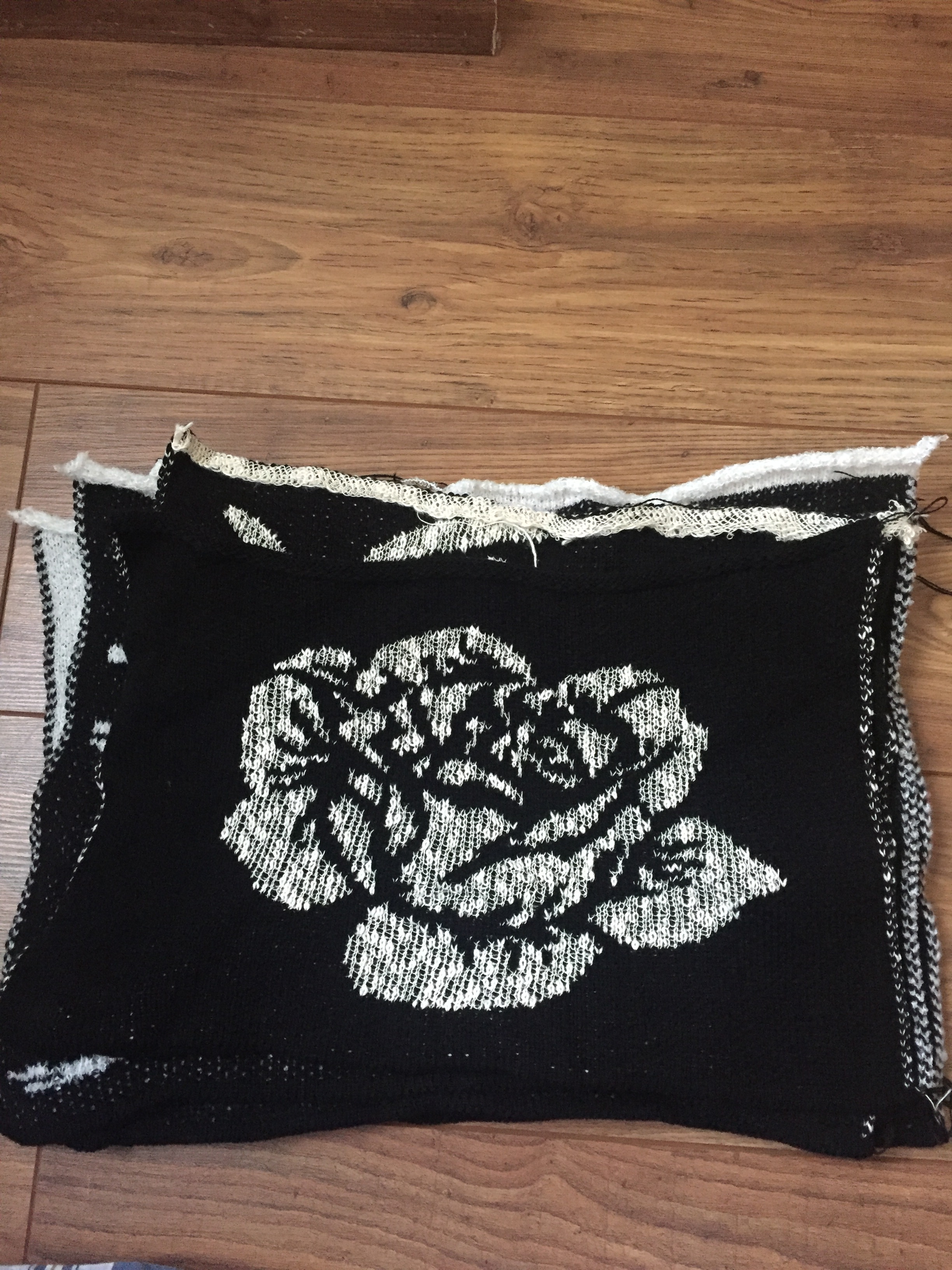

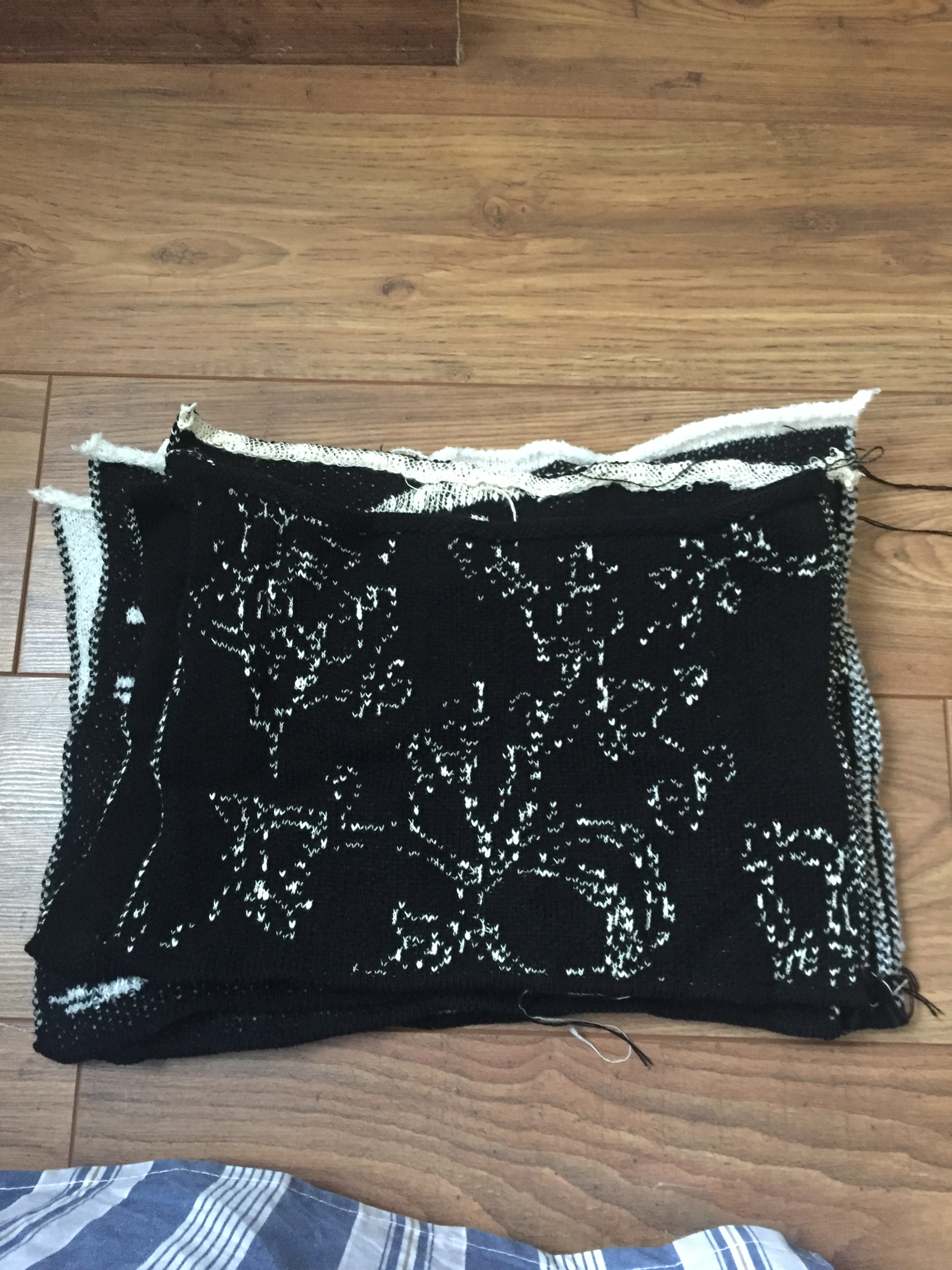
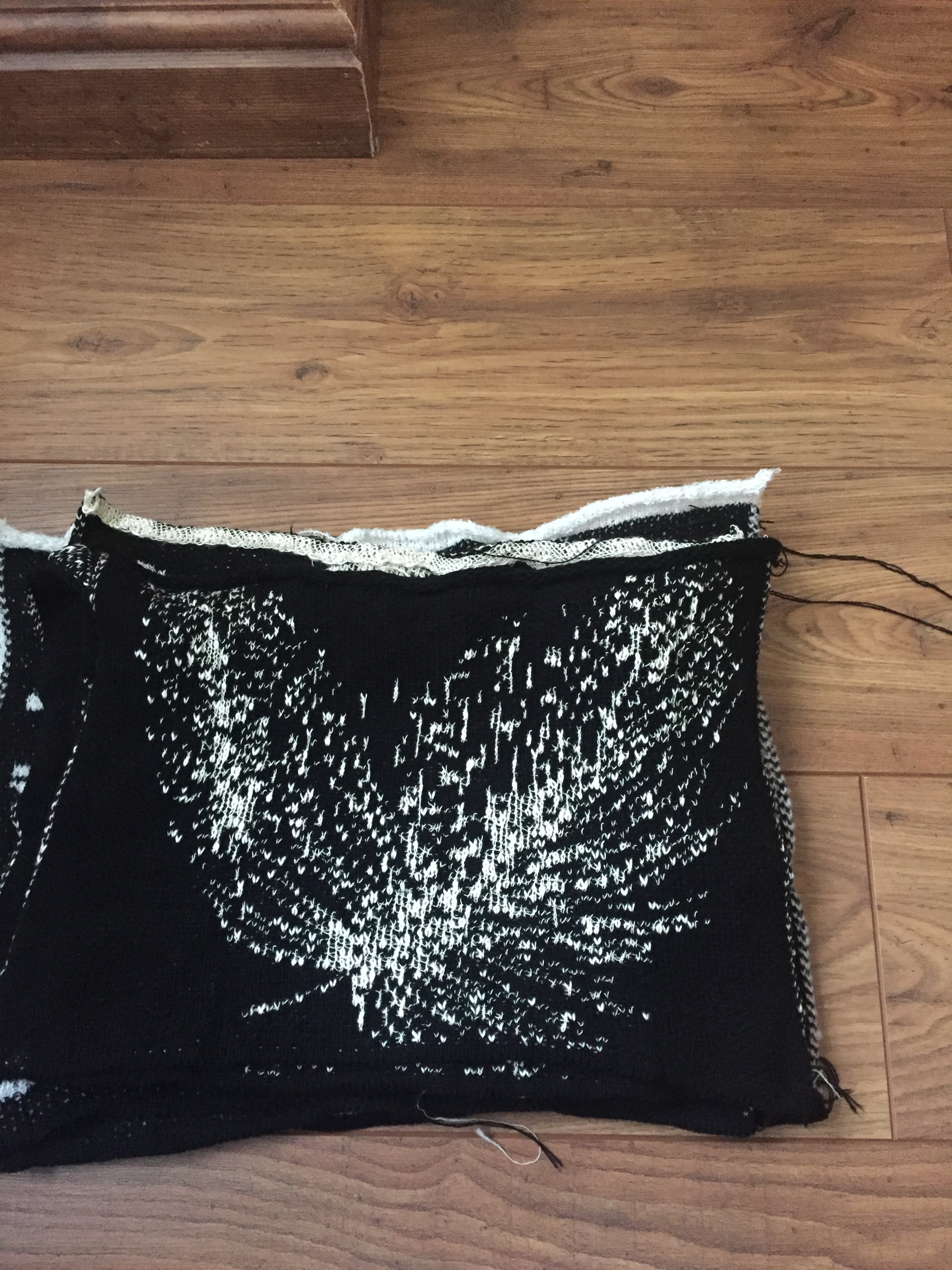
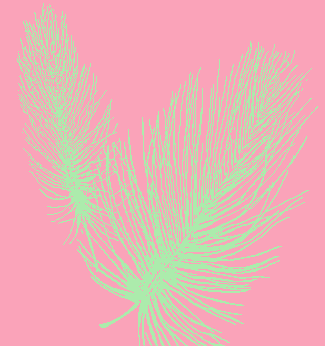
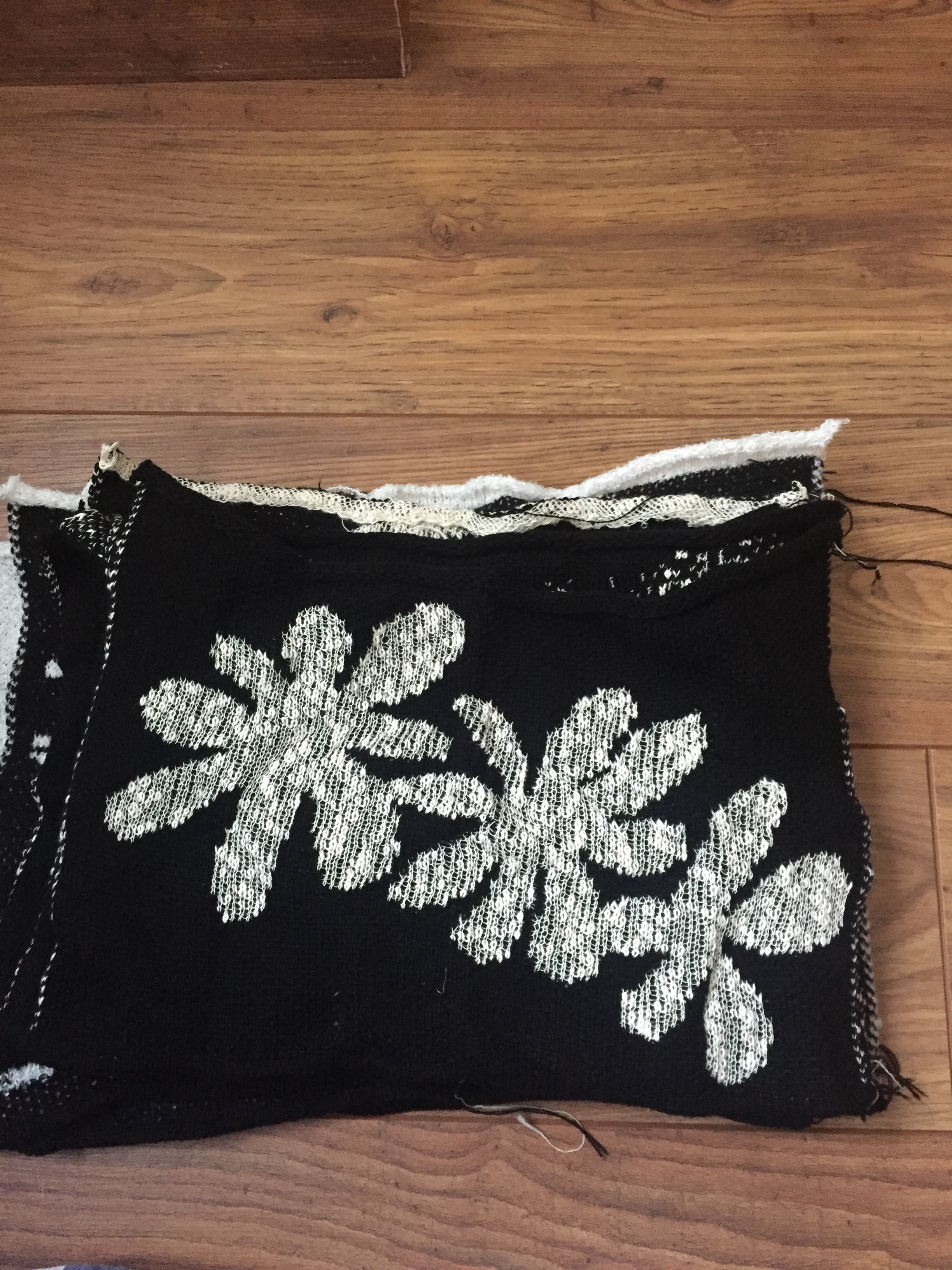

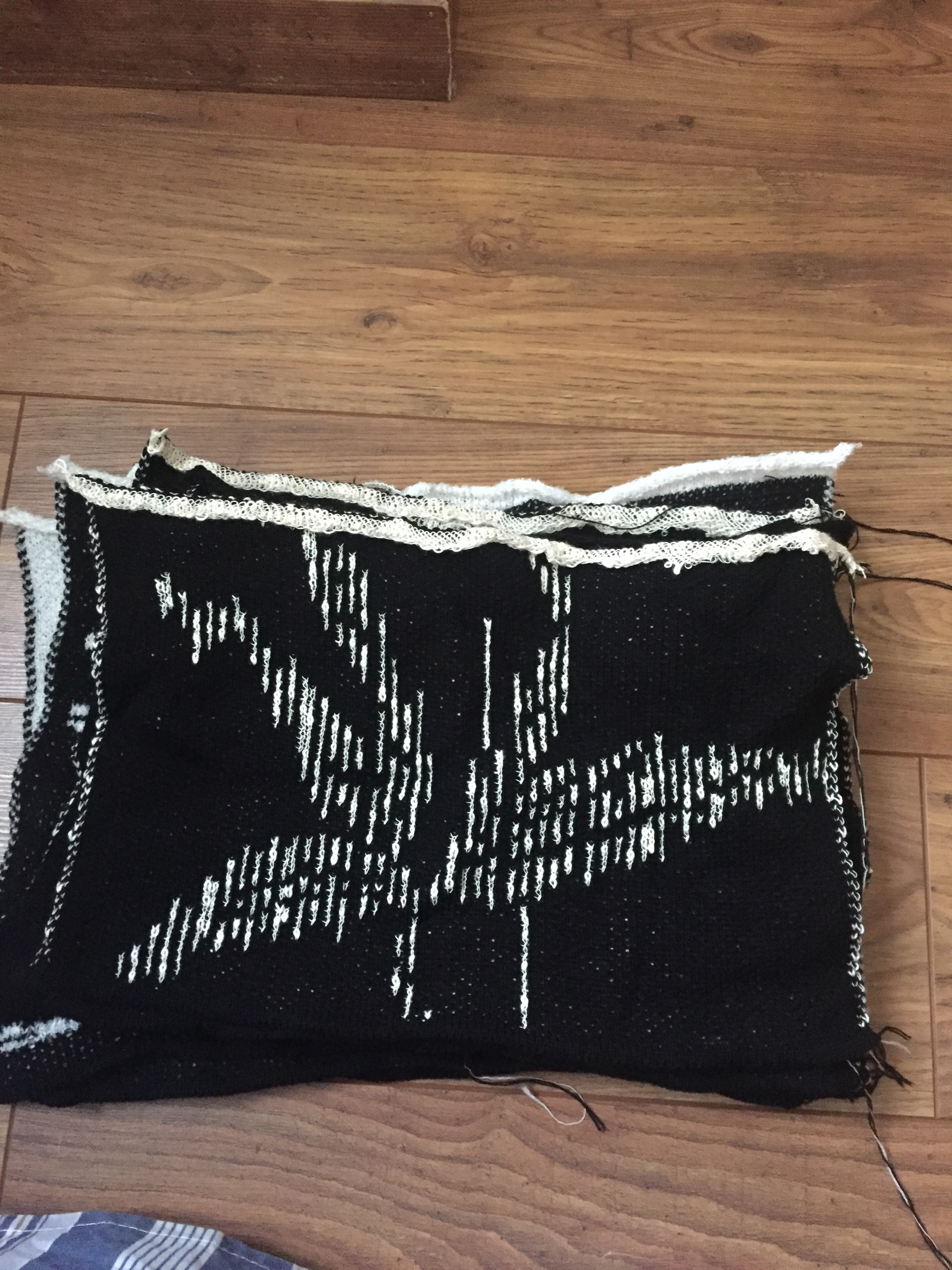
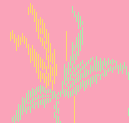

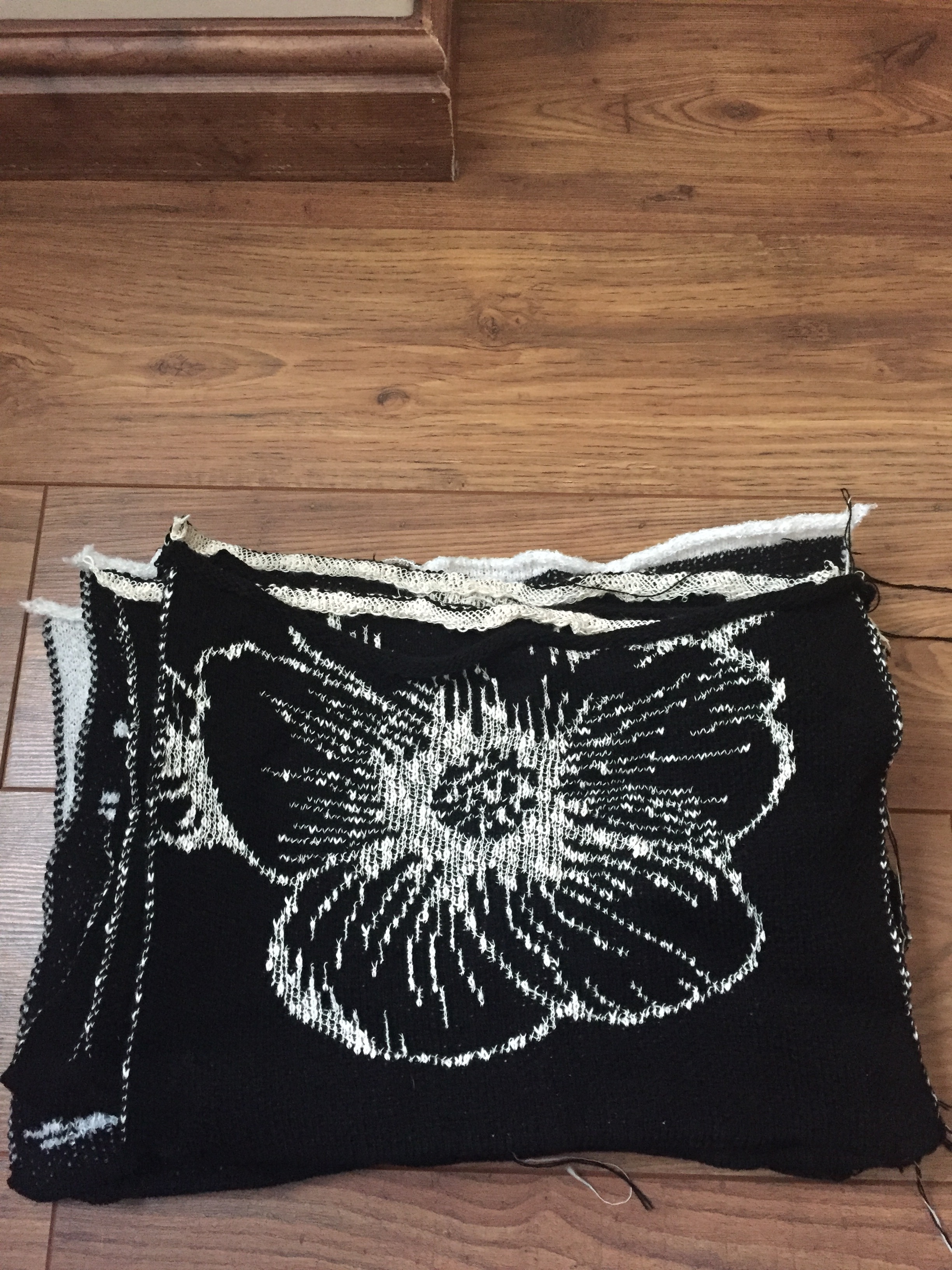
the last 3 images were created as 3 col graphs and I’ve kept them the same using different yarn textures:
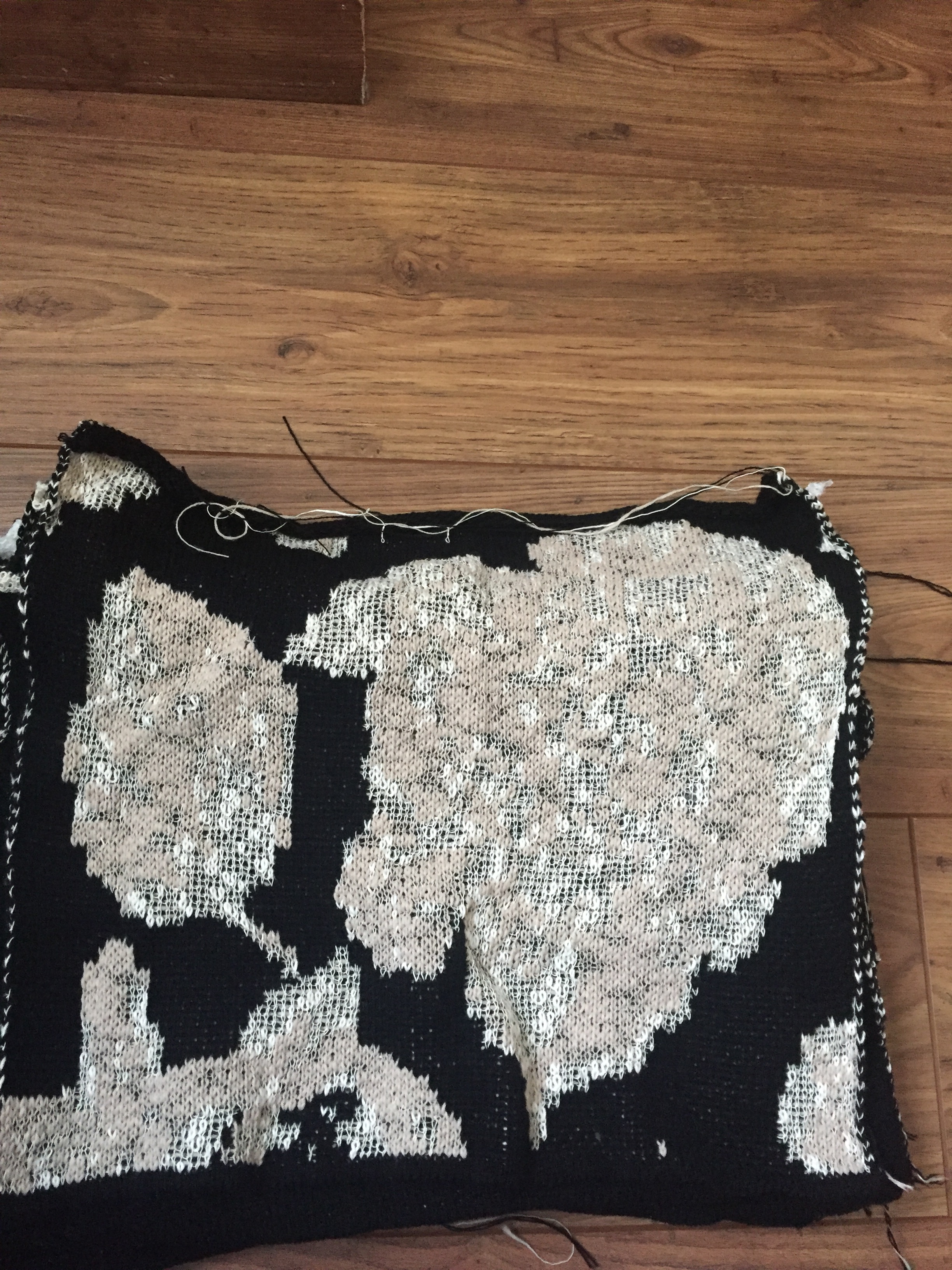

colored yarn used in this case in order to show more texture

Assignment two
Stitching: Placed and spaced
<<To conclude Part Two of the course, in this assignment you’ll develop new stitched textiles work building on the stitched paper explorations you’ve just made. This assignment should feel like a relatively smooth transition from paper into textiles.
Aims:
Your aims in this assignment should be to:
• consolidate your exploration so far by creating a series of stitched textiles
• employ observational and compositional skills, as well as material and technique handling, in the creation of stitched textiles.>>
—–Following my tutor’s feedback regarding a proven record of the process of textile creation I’ve decided to start from scratch and follow his advice by using books he advised in order to overcome my difficulty and discomfort regarding drawing .
So my steps will be:
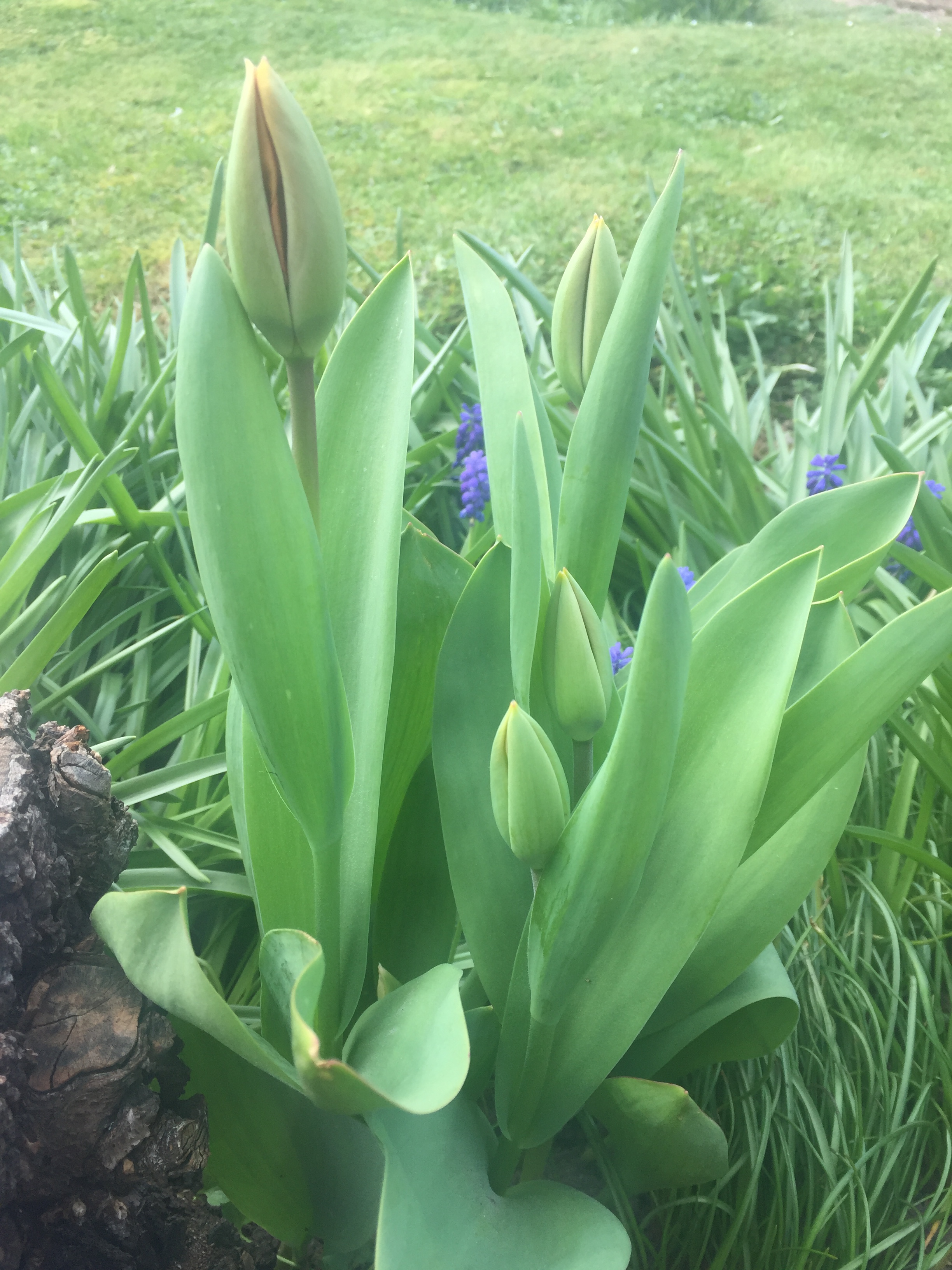
. take pictures of flowers
. draw them on paper
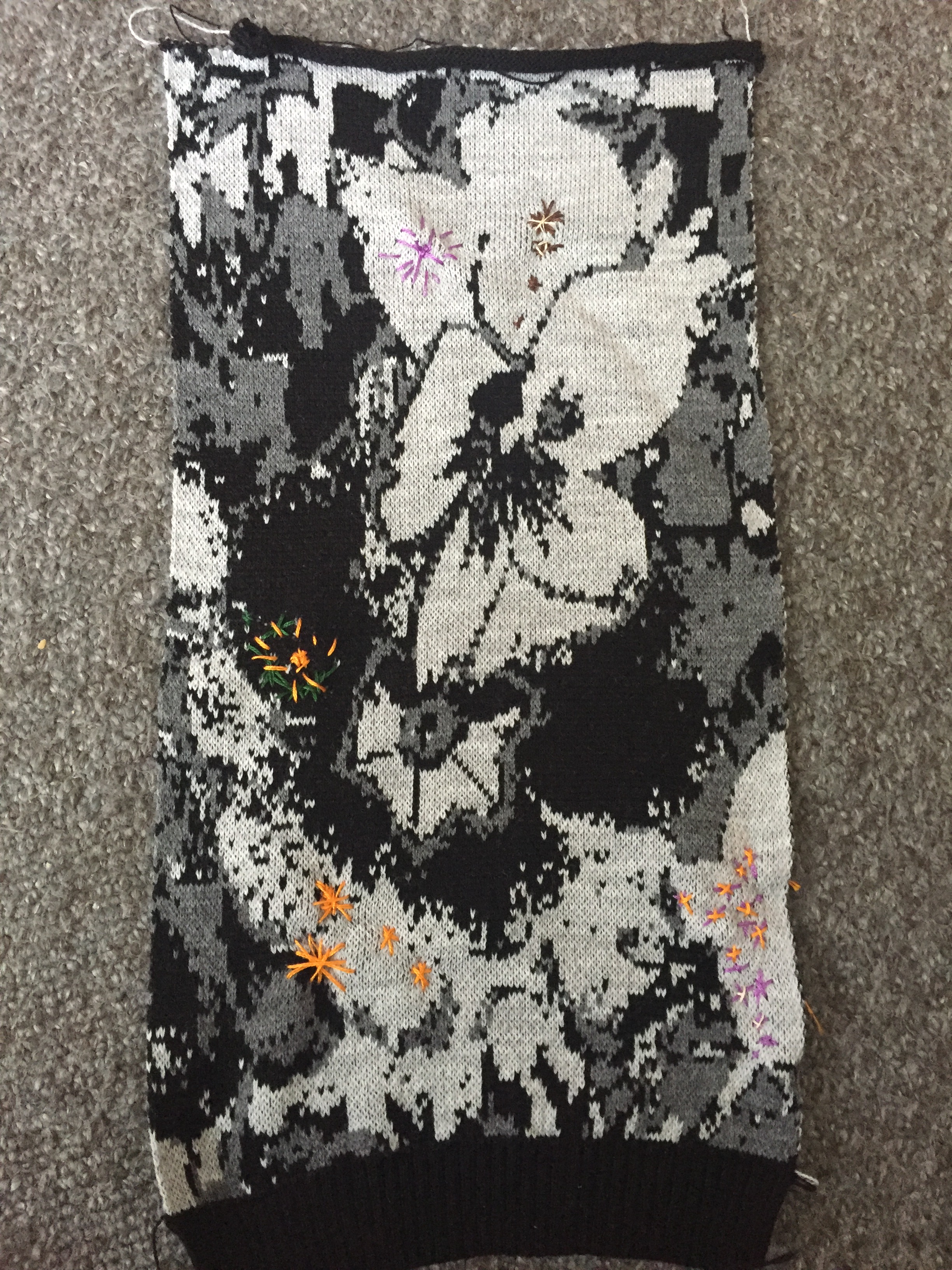
. create fabric using my drawing
and then do my stitching on them fabrics in order to add a personal touch and feel on them.
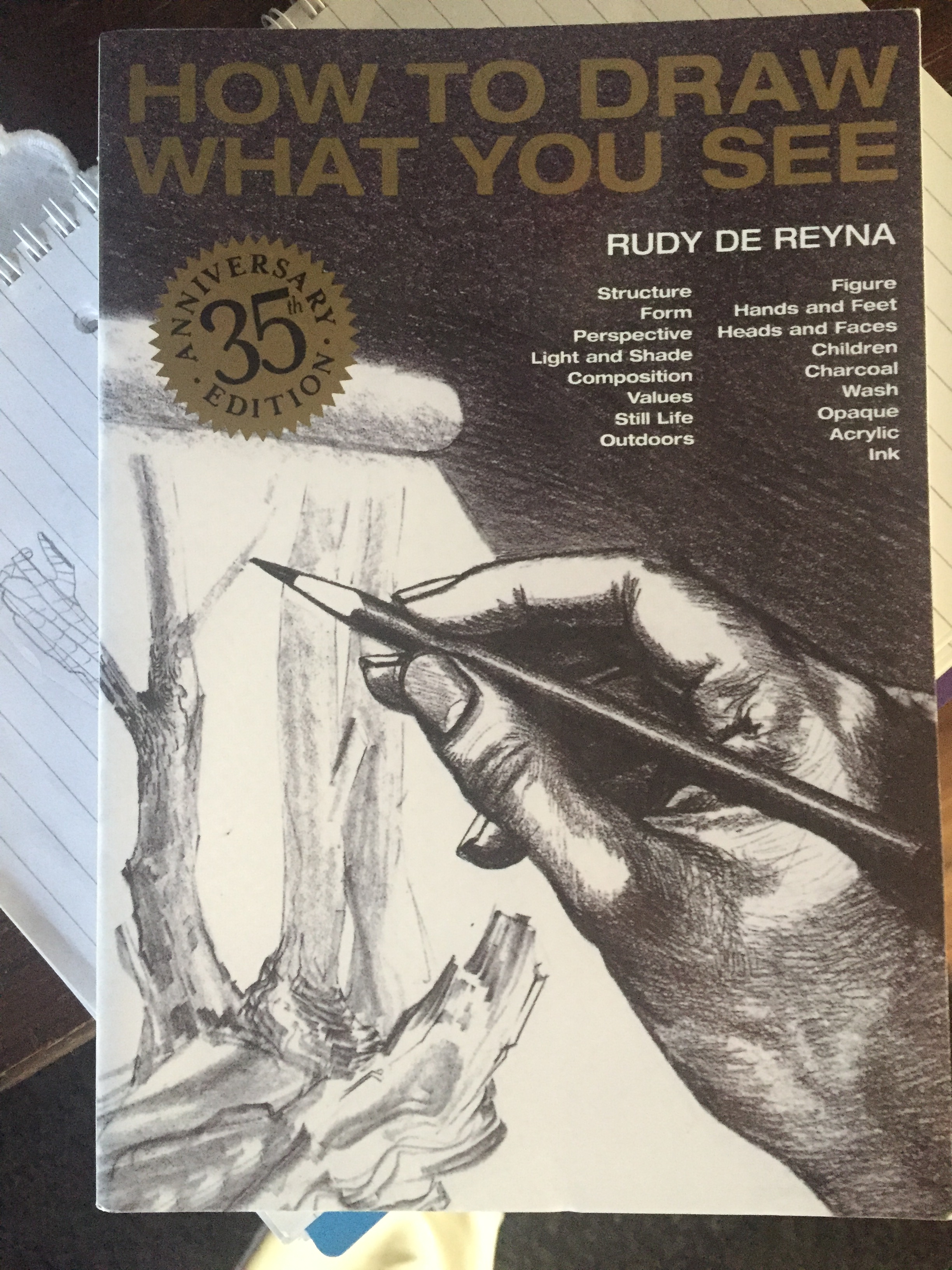
the first book I bought is: << DRAWING WHAT YOU SEE>> by RUDY DE REYNA which I found quite challenging as its mainly drawing with charcoal and developing different drawing techniques it is something I will definitely consider going forward but I still thing I’m an early stage painter at the moment and I needed something to unlock me up which leads to the next book…
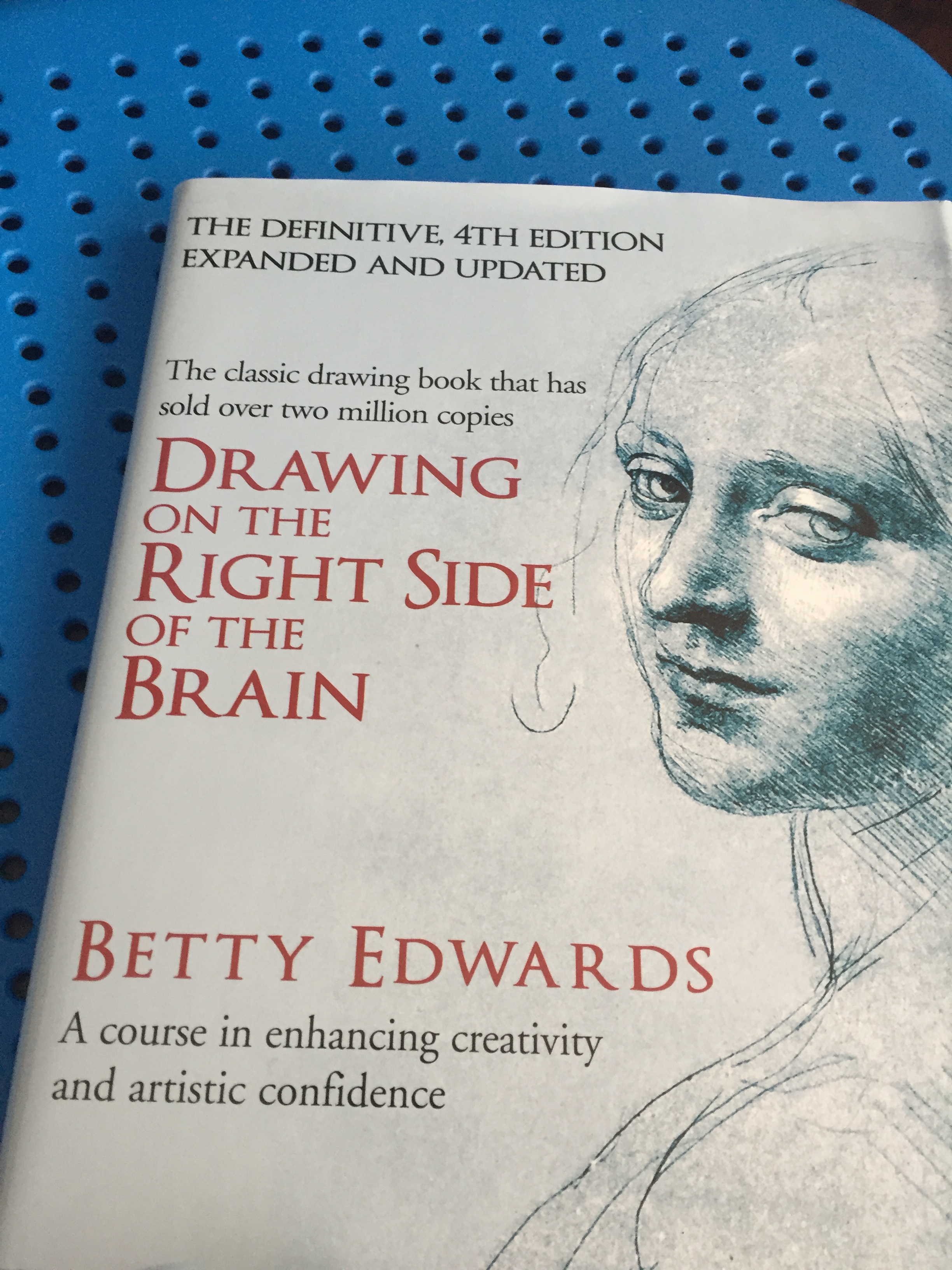
It was a true revelation to me!!!
<<Drawing on the right side of the brain >>by Betty Edwards is a masterpiece!
This book has clearly explained to me why I was facing all this difficulties while I was trying to draw, the role of the left and right hemisphere of the brain, how left side is over-powering the right side and how to get in a R mode meaning confuse the left side of the brain so much that it shuts down and leaves space for the right to take over and help you use your skills to create.Amazing experience, which made me look and perceive things in a total different way. First time in my life I managed to copy a drawing by looking at it upside down!!!
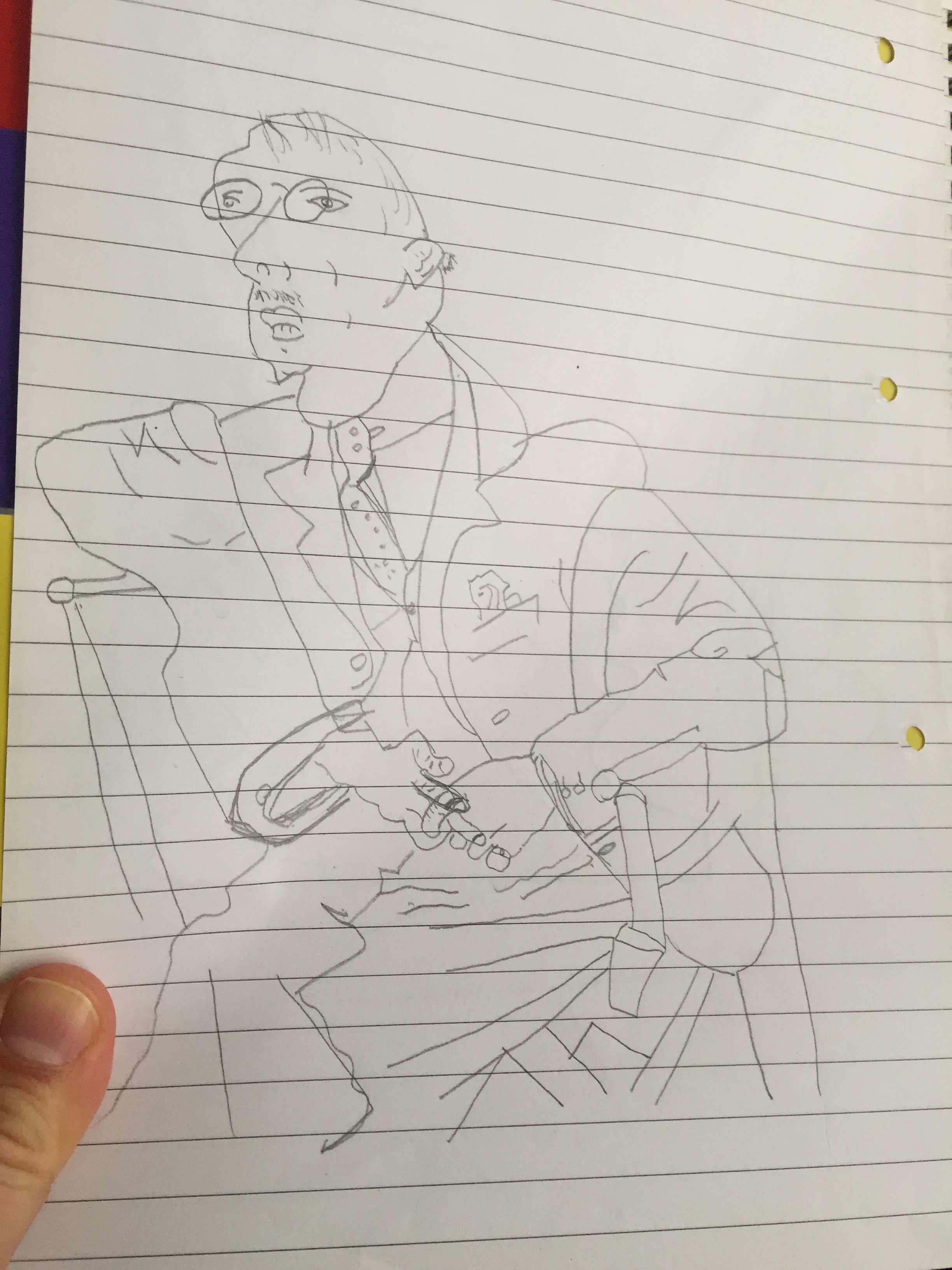
copy of a Pablo Picasso’s sketch of Igor Stravinsky.

I COULD NOT BELIEVE IT!!!
So, being a bit more confident about myself, I went out to take pictures of flowers.
I’ve picked 4 out of many:

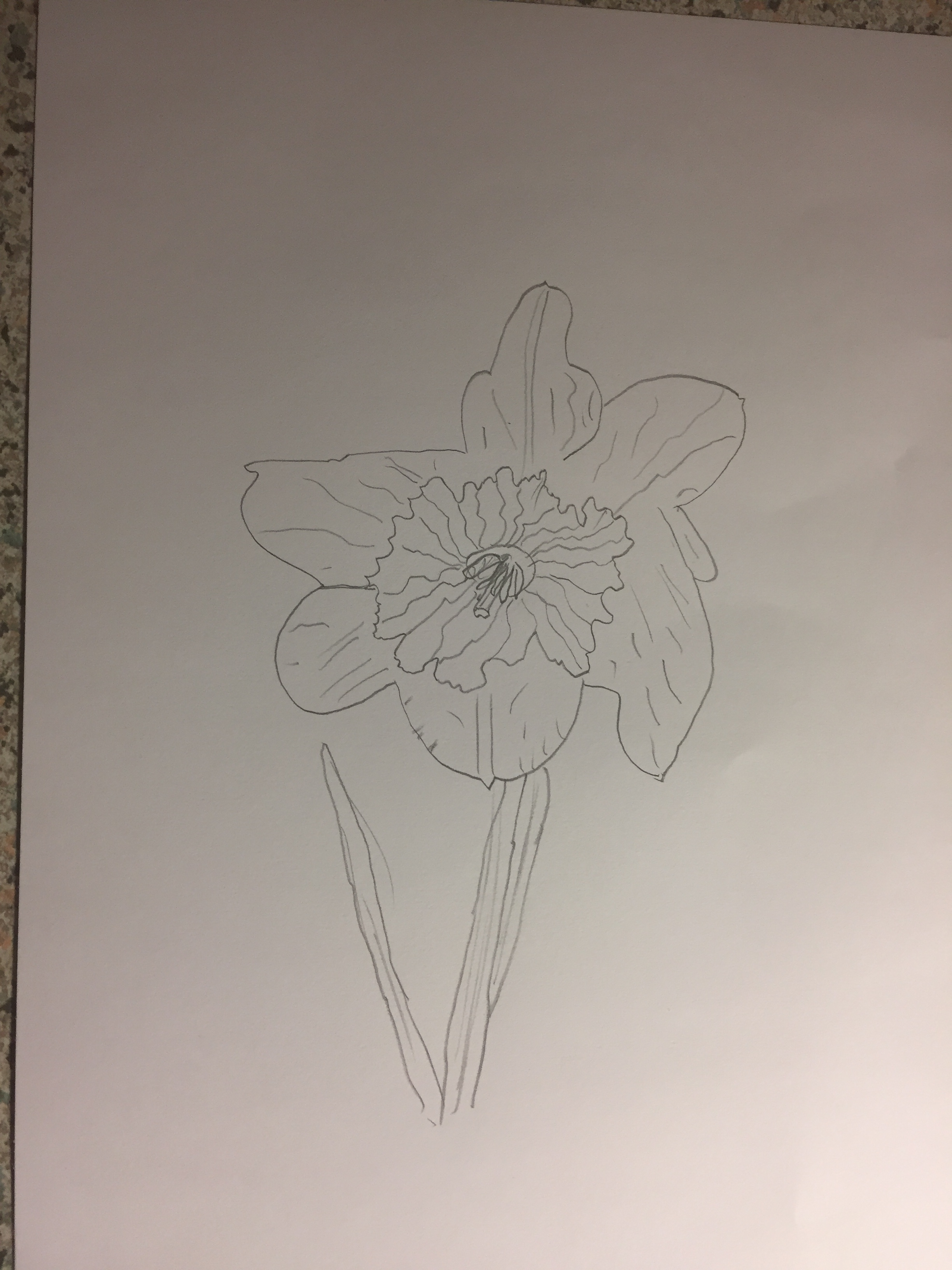
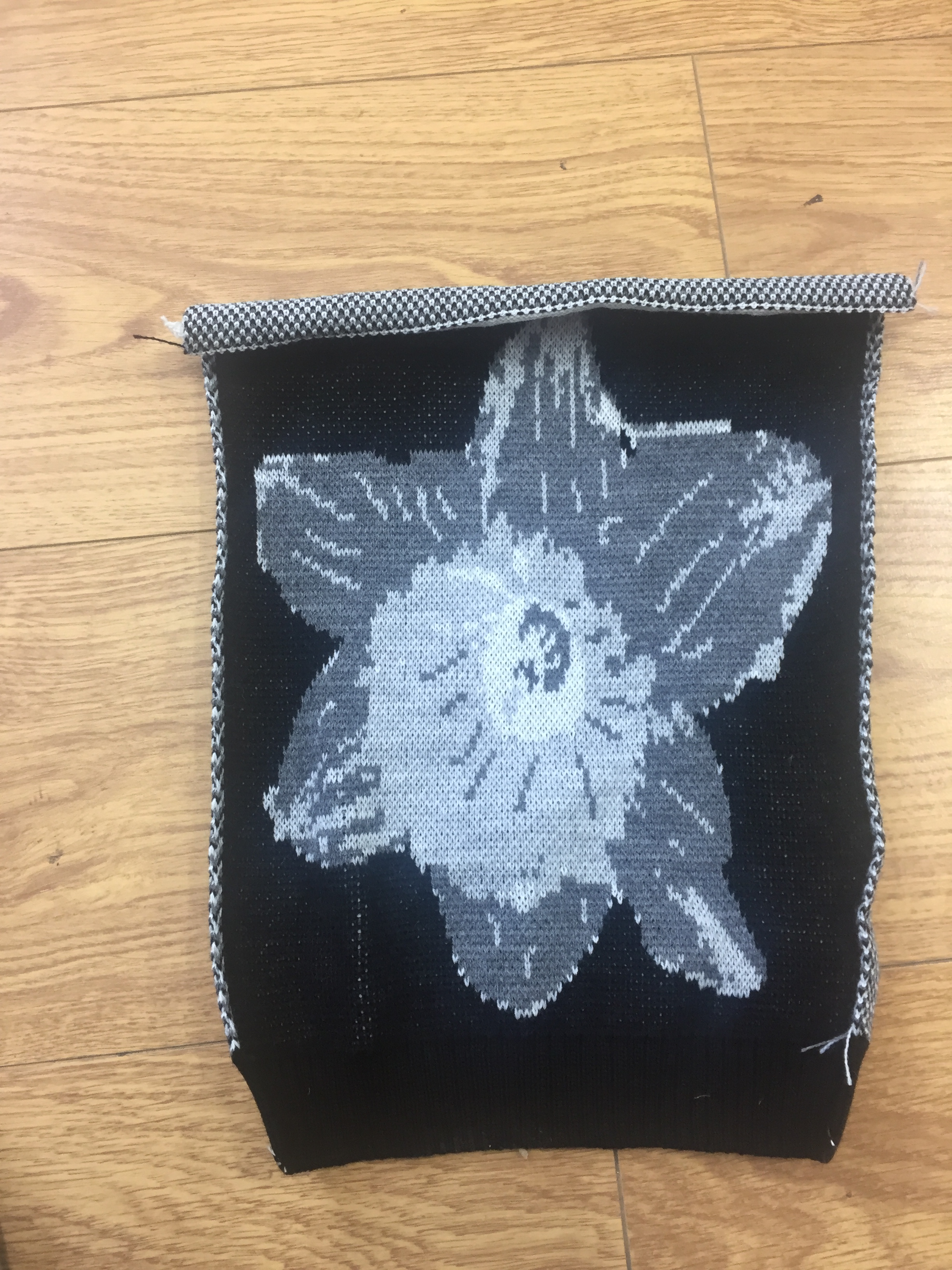
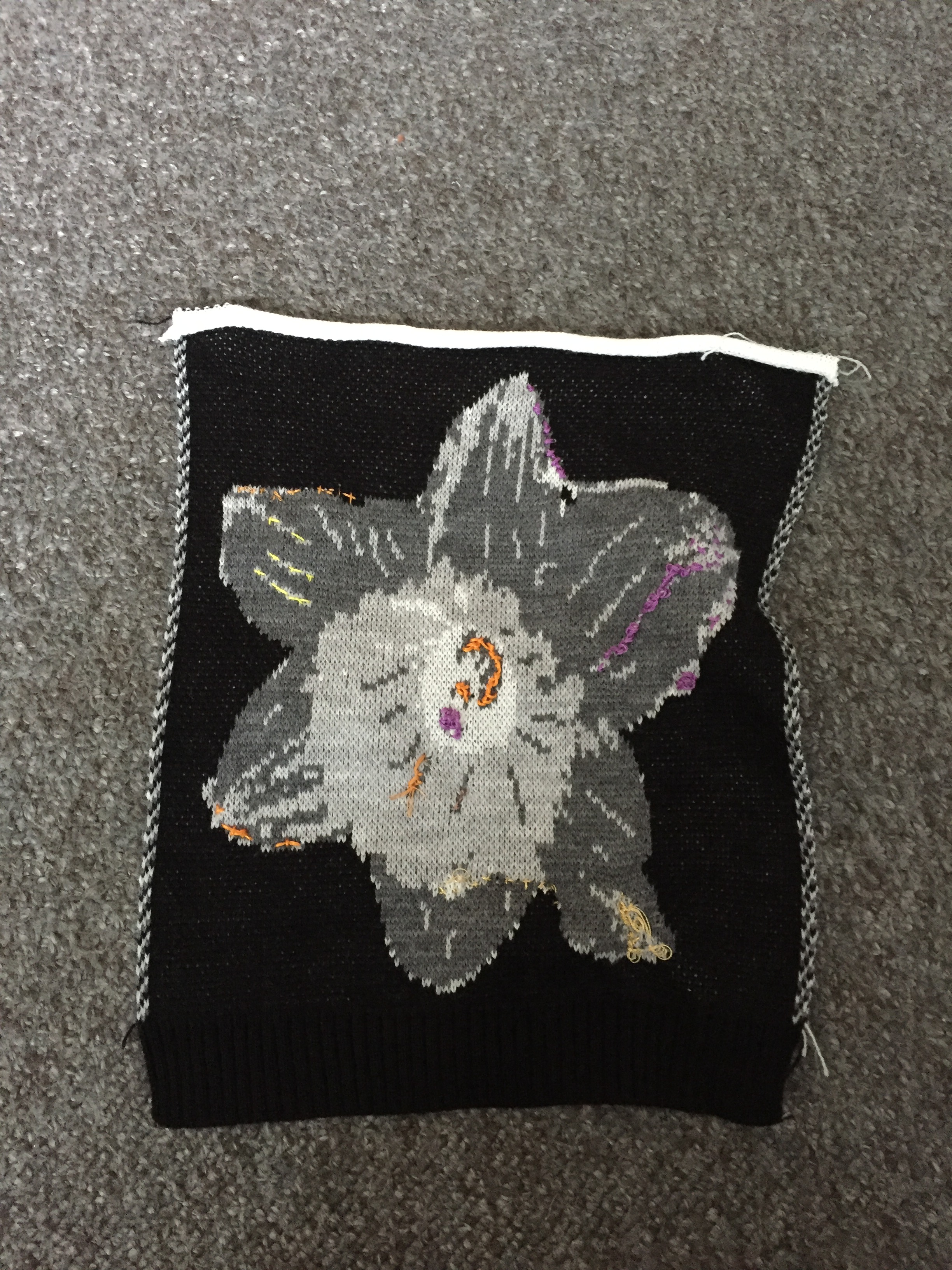
swatch after stitch work on it
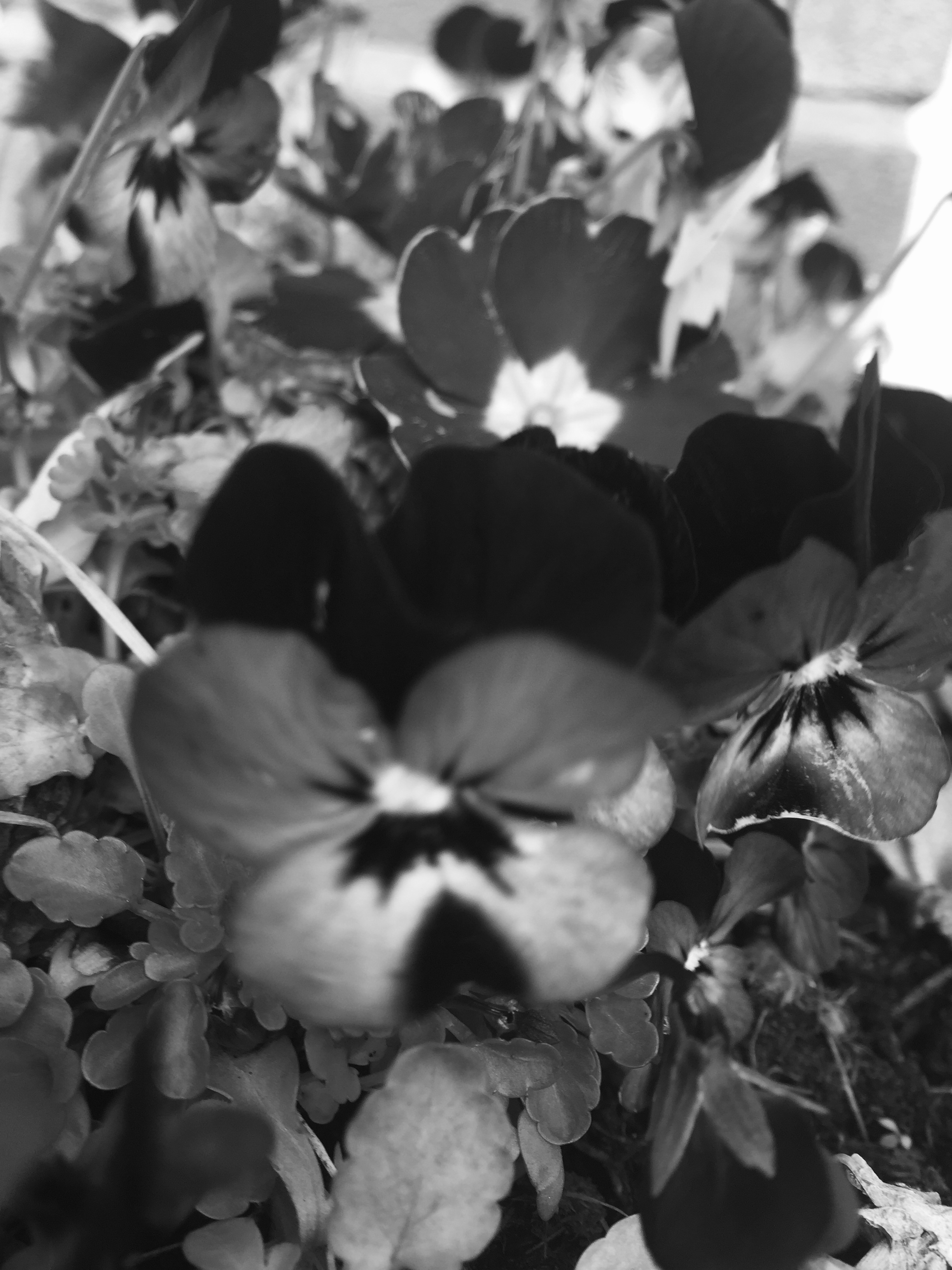
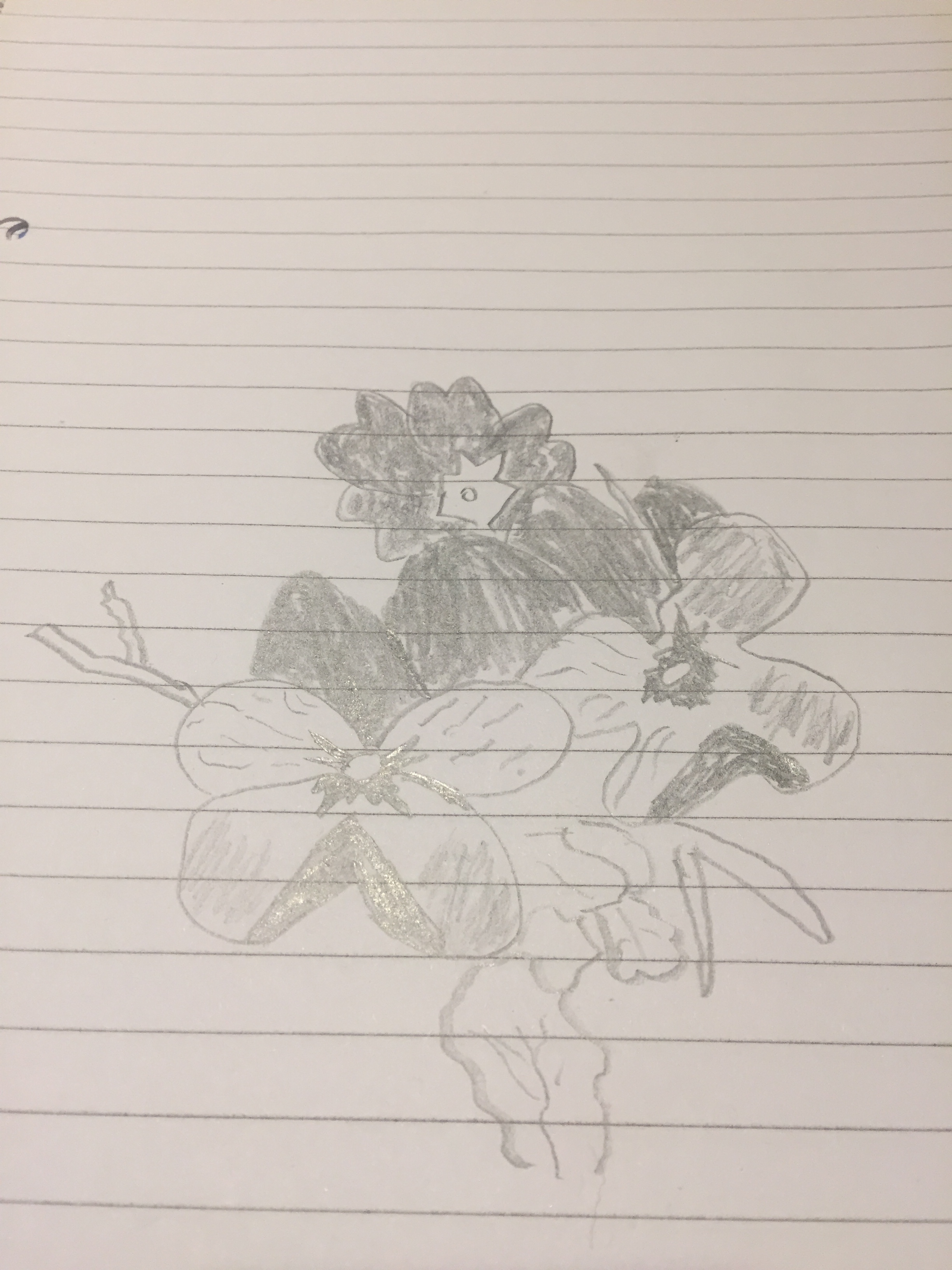

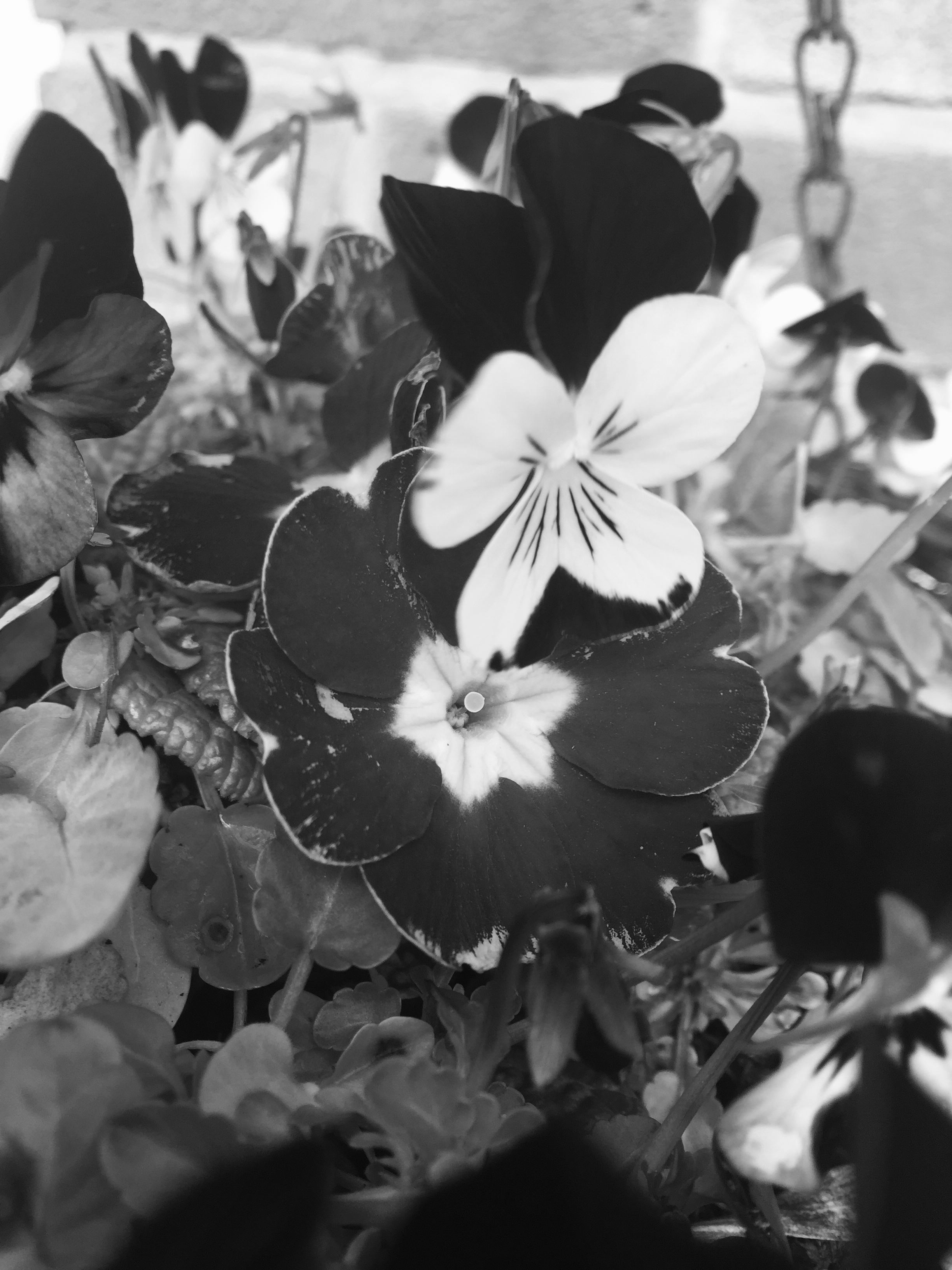

I have decided not to proceed with the picture above as it looks a lot as the previous one so instead I will develop the following one.
I know I need more work on my drawing skills , but as a matter of fact I would’t even consider of drawing few weeks ago at all!!!
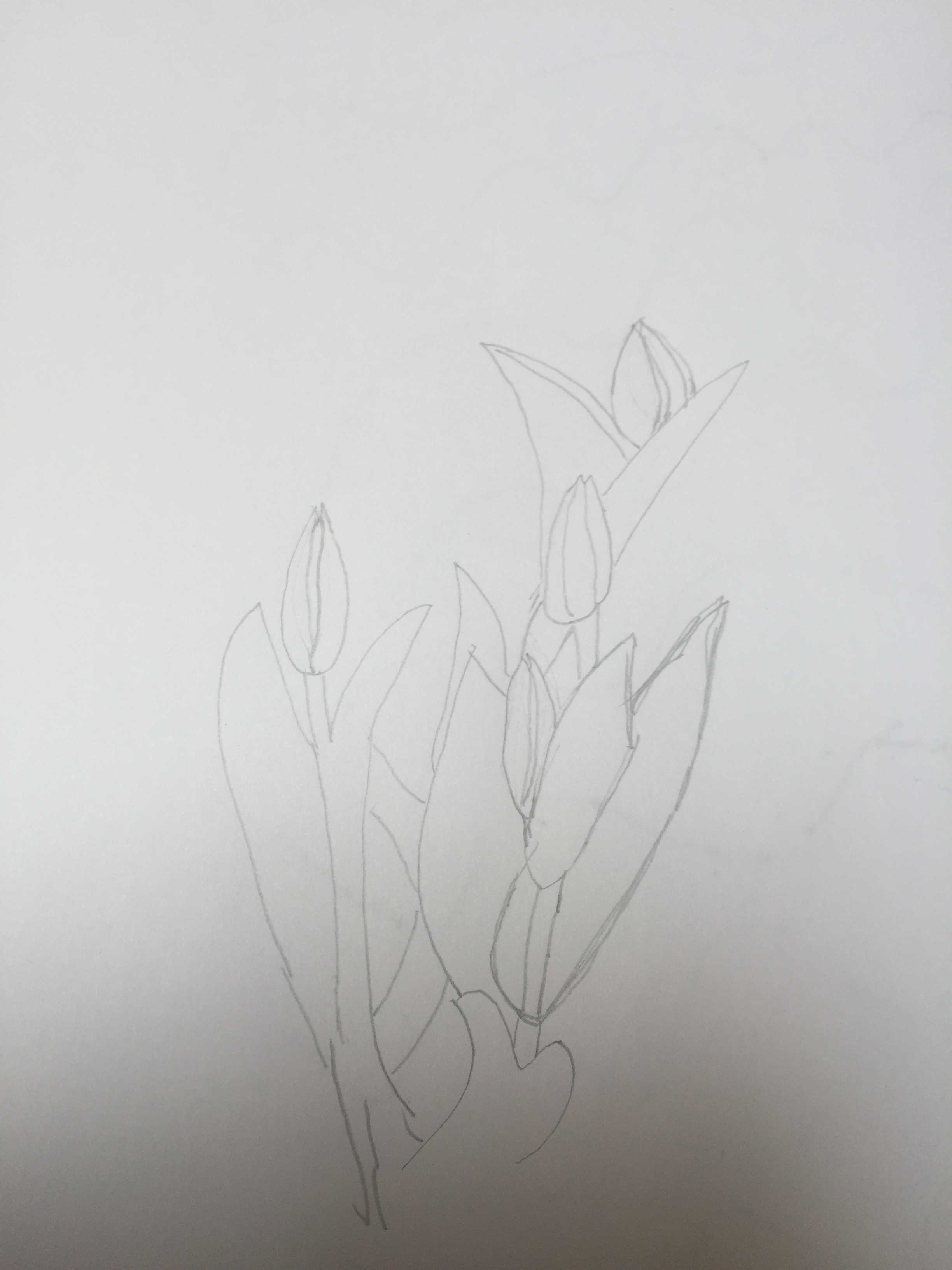
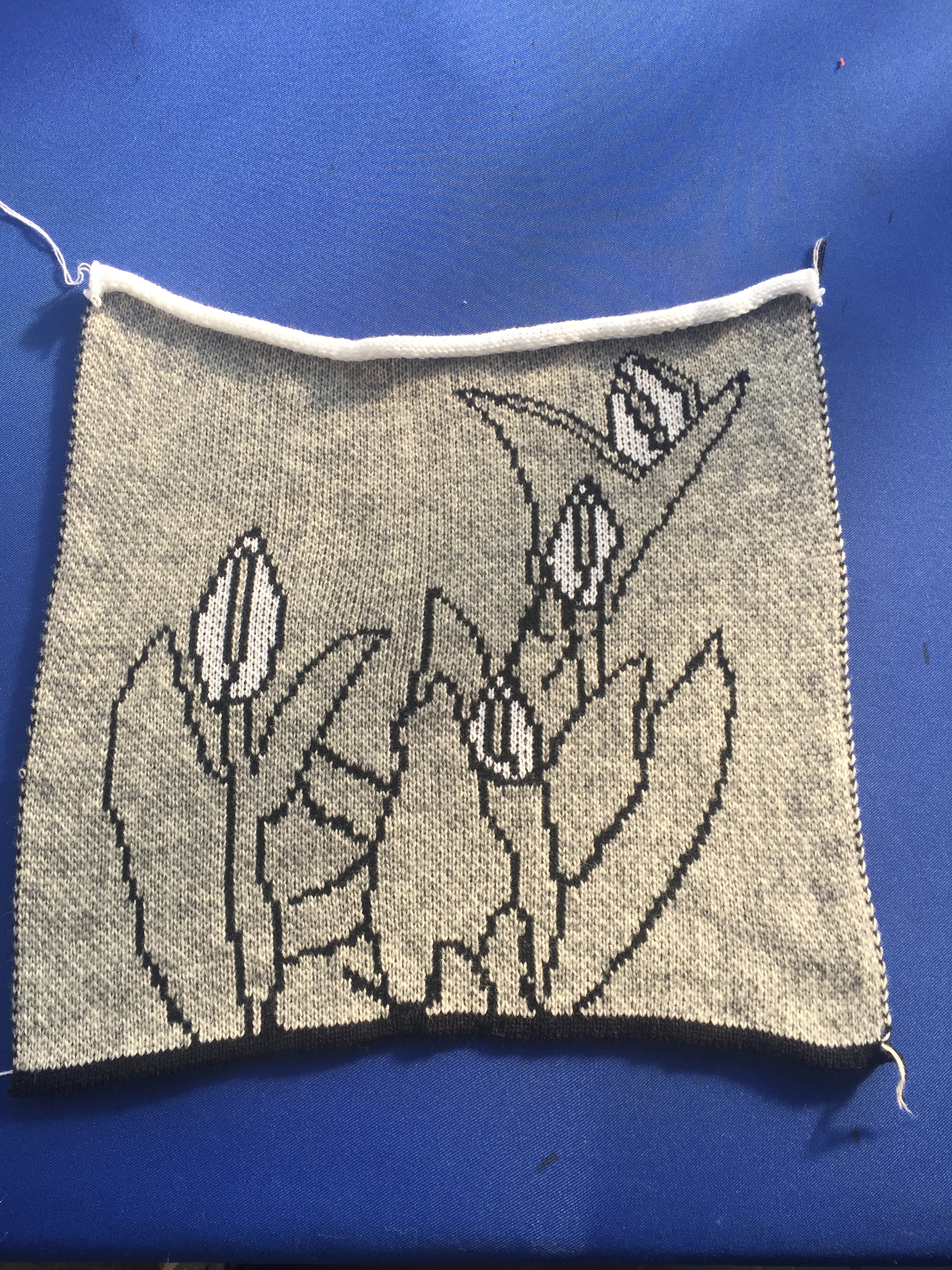
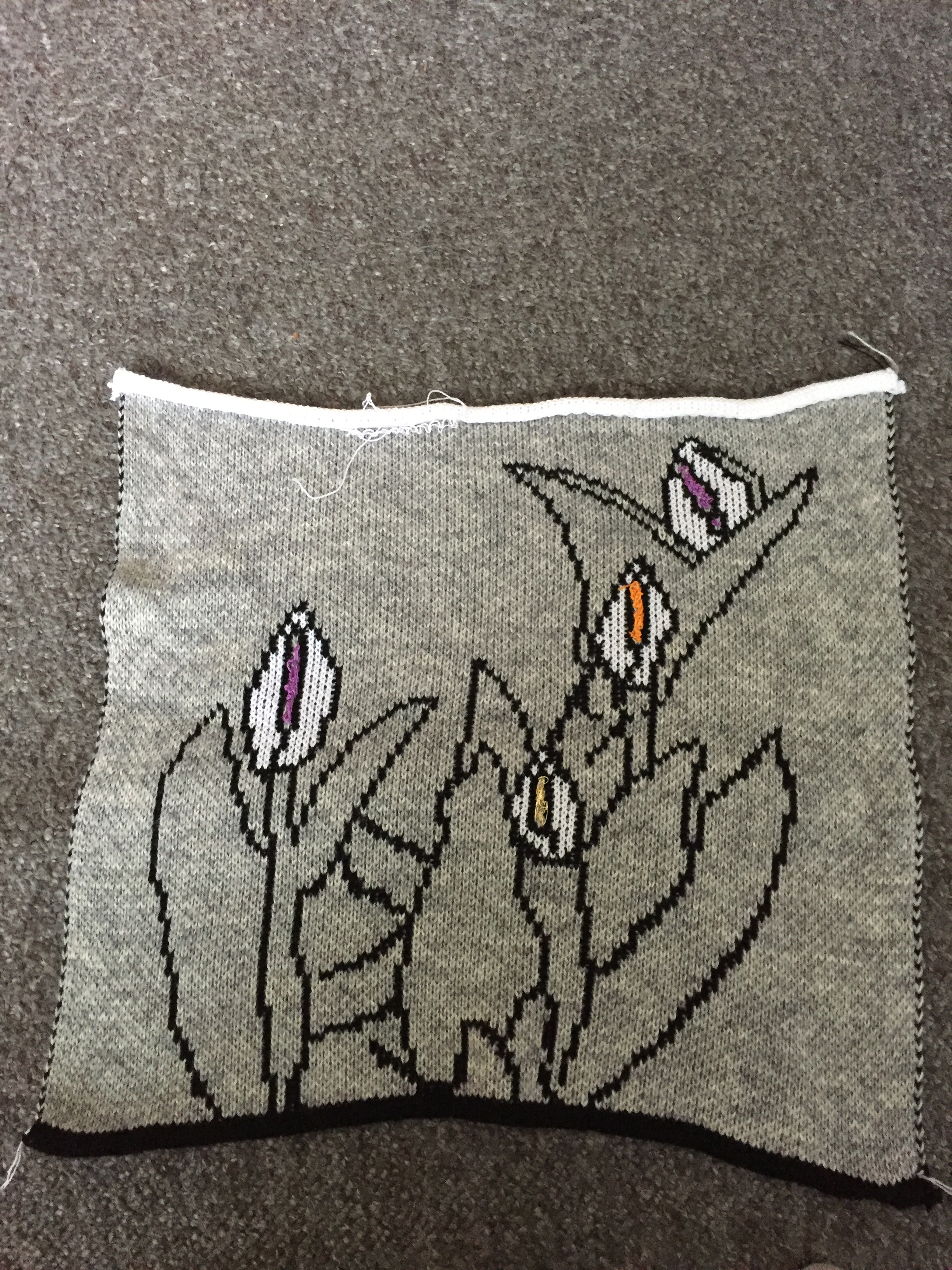
The reason I’m mainly working on black white and shades of grey is that I’m following the assessment’s directions; it suggests its an early stage for color to be used .
REFLECTION ON ASSIGNMENT 2
The journey continues…
Taking on board my tutor’s advice regarding research and development I’ve changed my route into more evidence based creating as well as make my work more presentable and more professional look-a-like.
I read books that changed my mind and helped me understand why I refused to draw and why this has become one of my worst out-of -my -comfort-zone situations as well as what I need to do in order to overcome these awkward feelings and developed techniques to get beyond this state.
Embellishing by hand on a fabric using needle and thread for my first time ever was quite soothing and relaxing . It’s a slow process( especially for someone not so advanced like myself ) that needs patience and perseverance, but adds a lot onto garment; a unique look is one of them.
Looking forward to moving on assignment 3 where it will help me discover more about my course but more than anything, discover more about by myself…

 Alexander's blog
Keep going with the drawing and painting – love your stitch and mark makings.
LikeLiked by 1 person